Old-Style Christmas Lights May Help Protect Plants on Low Desert Frost Nights, Says UA Guidance
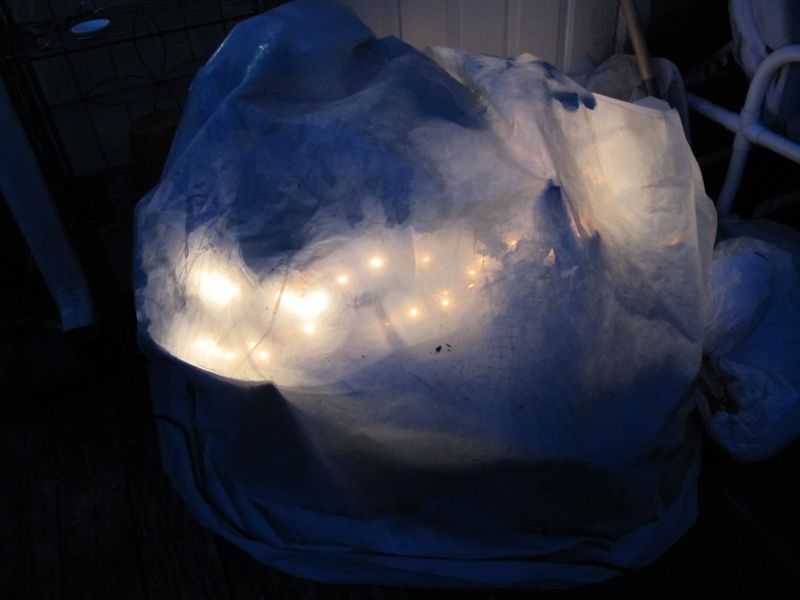
Some of the lights in your holiday box may have a second job. University of Arizona gardening guidance says the old-fashioned bulbs can add a little warmth for plants on cold nights.
The trick is knowing which lights to use and how to set them up. Here is how this low-cost method works, and where it stops working.
Arizona Frost Risk Varies by Location
Frost does not arrive on one schedule across Arizona. University of Arizona Extension frost guidance lists average first-frost dates in Maricopa County that run from November 21 in Buckeye to December 12 in central Phoenix.
That is a three-week gap inside a single county.
Higher-elevation parts of the state face more frequent freezing nights and colder winter lows. A gardener in the low desert and one in a mountain town are dealing with very different winters, so the method in this article fits some yards far better than others.
Your own yard matters too. Cold air settles in low spots, while a wall or paved area can hold a bit of warmth.
Local yard temperatures can also differ from the readings reported by a weather station.
Before buying anything, watch where frost shows up on your property. Notice which plants get hit first and which corners stay mild.
Let that guide your plan, not a statewide calendar.
What University of Arizona Recommends
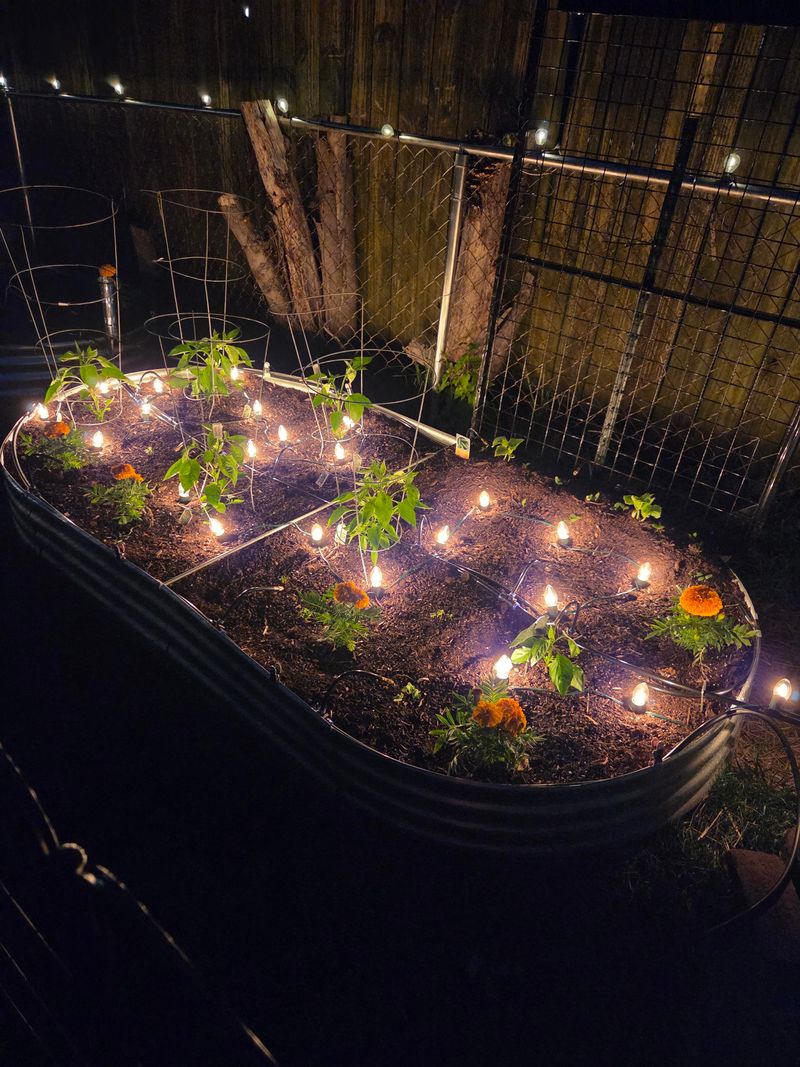
The idea comes from University of Arizona Cooperative Extension. Its November gardening guide for Pima County suggests reusing incandescent C-7 or C-9 Christmas lights to add warmth under a cover for selected plants.
This is a recommendation from one source, not proof that gardeners across the state do it.
The bulb type matters a great deal. The guide names the larger C-7 and C-9 incandescent strings and says not to use miniature or LED strings.
Those smaller or cooler lights should not be treated as equal heat sources.
Think of the lights as a small helper, not a heater. They provide supplemental warmth beneath a cover, and they do not guarantee that a plant will come through a cold night unharmed.
The same guide notes that frost risk varies around a yard. That is a good reason to use the lights only on plants that truly need the extra help.
Use the Lights Beneath a Cover
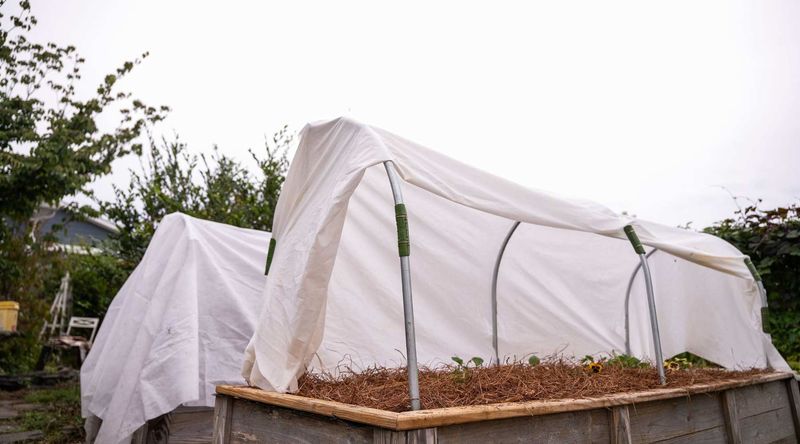
Lights alone do little in open air, so the cover is a key part of the method. University of Arizona frost protection guidance describes covers as a way to hold in heat that comes from the soil.
Warmth stays near the plant instead of drifting off.
For temporary sheets or blankets, that source advises bringing them down to the ground. A cover that stops short leaves a gap where heat can escape.
This is the University of Arizona method, so other sources may suggest different cover setups.
Then there is the bulb rule. The Pima County guide warns against letting bulbs touch the cover, and it also advises protecting bulbs from accidental damage.
A frame or stakes can hold the fabric away from the lights.
Lay the string around the plant before you drape the cover. Check the spacing one more time once the fabric is in place.
Choose Plants That May Need Extra Protection
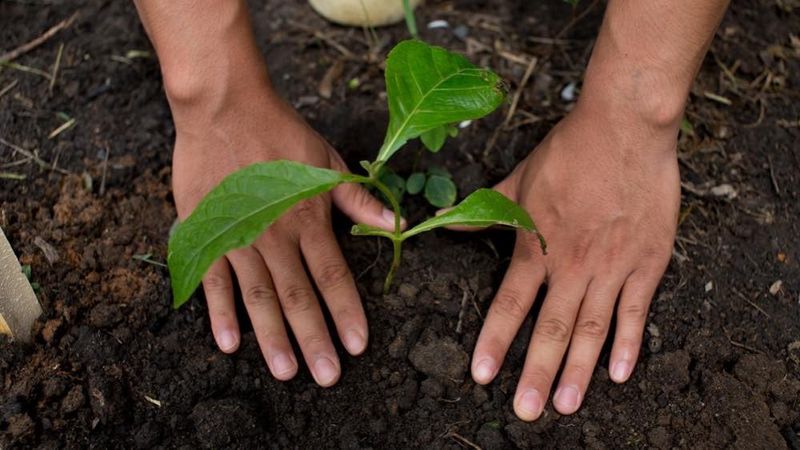
Not every plant in your yard deserves the effort. Susceptibility depends on species, age, health, hydration, growth stage, temperature, and how long the cold lasts.
A tough, established shrub may shrug off a night that stresses a tender one.
The University of Arizona guide says young, actively growing, flowering, and dehydrated plants tend to be more vulnerable. New growth after a warm spell is a common example.
A separate University of Arizona citrus publication describes old-style Christmas lights as supplemental heat for covered smaller or medium-sized trees. That points to young citrus as a sensible candidate, though results will vary.
Walk your yard and pick a short list. Choose the plants you would hate to lose, then check that they are well watered before a cold night.
Frost Is Not the Same as a Freeze
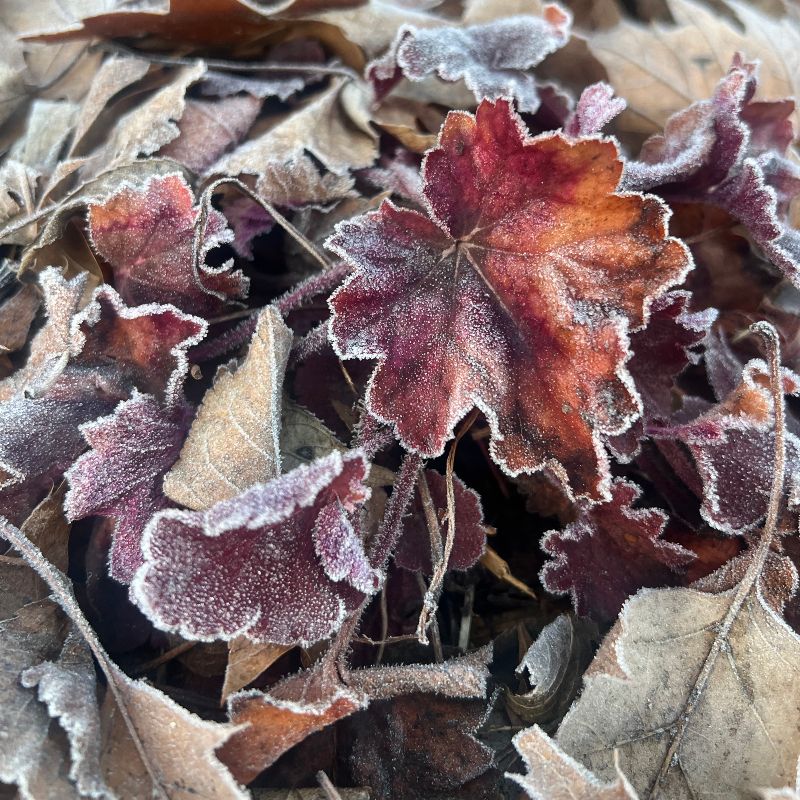
The two words sound alike, but they describe different conditions. UC IPM explains that frost can form on plant tissue even when the air temperature is above 32°F.
A freeze happens when the air temperature is 32°F or colder.
That difference shapes what you can expect. Covered lights are supplemental protection, and the advice fits a light frost best.
It does not show reliable protection during severe or prolonged cold.
No one can promise a number of degrees of protection for your yard. Cover type, bulb count, wind, plant, and site all change the result.
On a night with a hard freeze in the forecast, the Pima County guide’s lights are only one piece of the plan. Consider moving potted plants to a sheltered spot, and accept that some damage can still happen.
Prepare Safely and Check the Cover
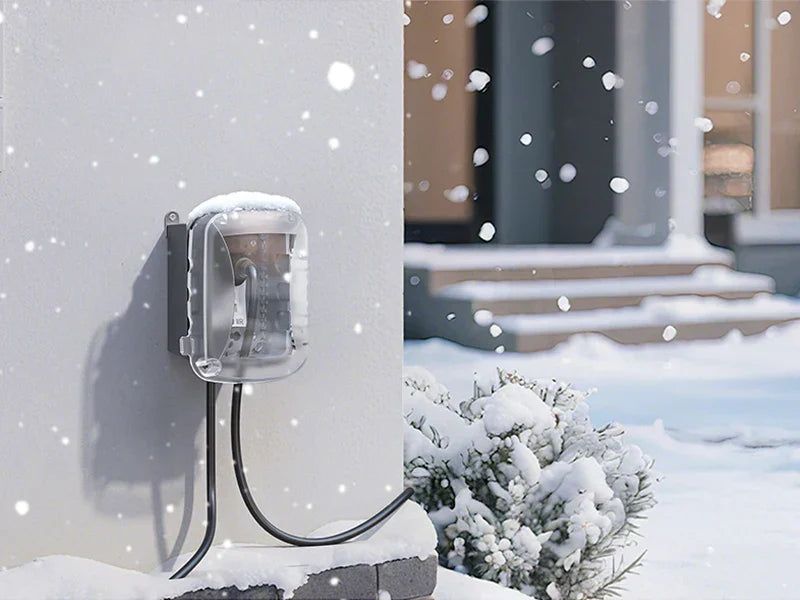
Electricity and cold-night gardening call for care. Electrical Safety Foundation International guidance says to use lights and extension cords marked for outdoor use, inspect them for damage, and use GFCI protection.
Skip any frayed or cracked set.
Keep bulbs from touching the cover, as the Pima County guide advises. Do not combine outdoor lights with sprinkling or flooding plants during freezing conditions, because UC IPM warns of electrical hazards.
University of Arizona frost guidance says to remove temporary sheets or blankets when the temperature beneath them reaches about 50°F. It does not recommend permanent winter covering with sheets or blankets in southern Arizona.
Make it a routine: check the cords at dusk, check the cover in the morning, and unplug when the day warms. A cold night gets easier once the steps are habit.