Most Pennsylvania Gardeners Don’t Realize What Owls Do For Their Yards
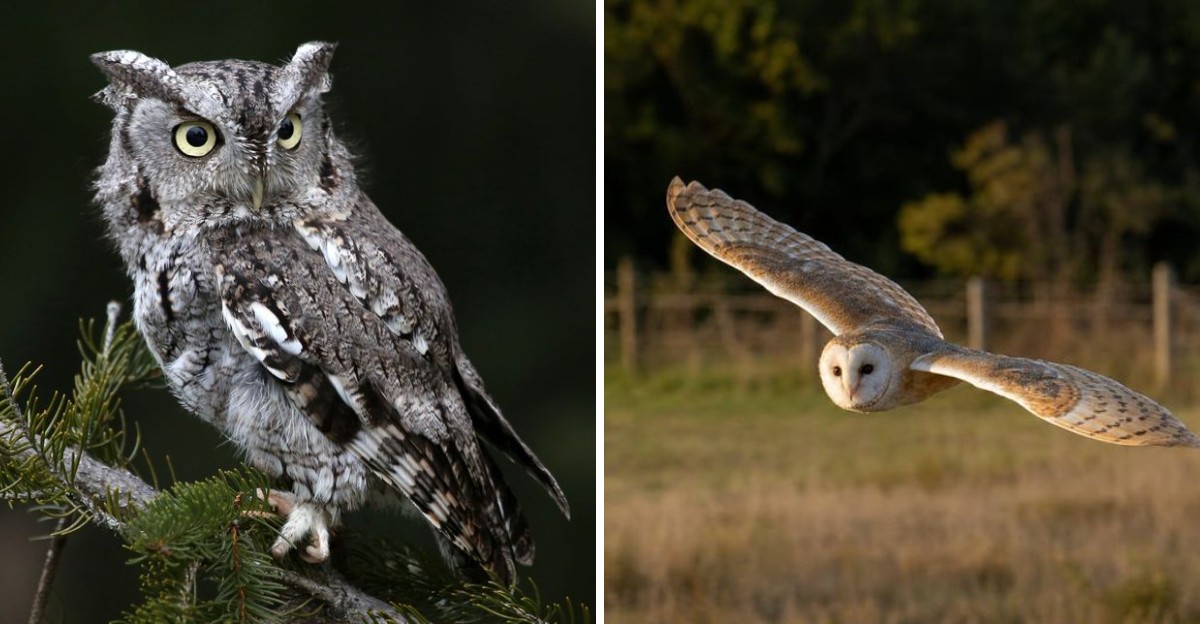
Some of the quietest neighbors in my yard swallow mice whole and cough up the bones later. Their feathers have soft, fringed edges, so their wings barely whisper while they glide over the lawn at night.
Several kinds of these hunters live across Pennsylvania, including tiny ones that fit inside an old woodpecker hole. Some sleep all day in backyard trees, and most homeowners walk right past them without a clue.
I have to admit, I used to blame every missing tulip bulb on bad luck and grumpy squirrels. Then I learned who was quietly hunting the voles tunneling under my Pennsylvania flower beds after dark.
You might be surprised how much work these feathered night shift workers handle without asking for anything. So who exactly is guarding your garden while you sleep, and how can you make them feel welcome?
1. Barn Owls Gobble Up Voles And Field Mice
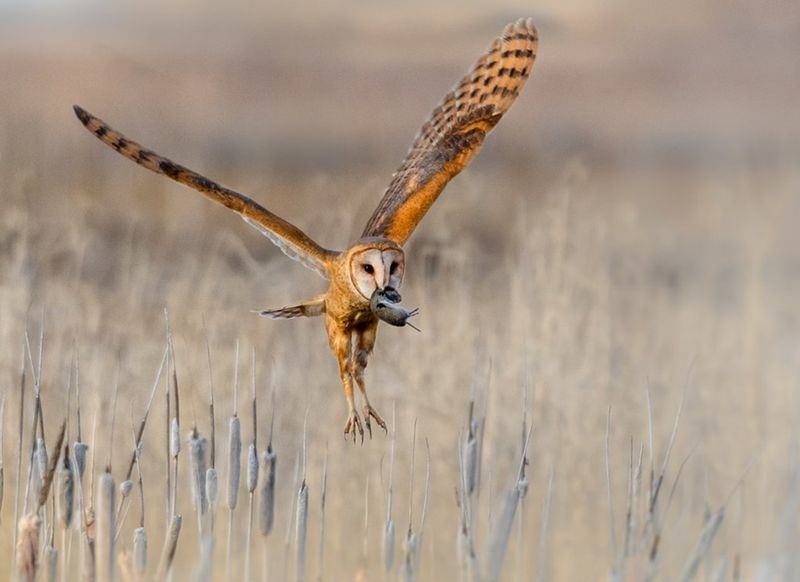
A barn owl swallows small rodents whole, then coughs up a tidy pellet of fur and bones hours later. I find it oddly charming, like a garden helper that tidies up and leaves a receipt behind.
Voles are a favorite target, and those chubby little rodents love chewing roots and the tender bark of young trees. A family of barn owls raising chicks can eat thousands of rodents during a single nesting season.
Barn owls have become uncommon in Pennsylvania, so the Game Commission works with farmers to protect nesting spots.
They mostly favor open country with hayfields and old barns rather than tightly packed city neighborhoods.
If you live near farmland, a sturdy nest box mounted high on a barn wall may attract a pair. Leaving some grassy edges unmowed also helps, since voles and mice hide and travel through taller grass.
Personally, I love that this pest control shows up for free and works the night shift without complaint. Owls cannot clear every rodent from a property, yet they can help keep numbers in a more reasonable range.
Pair their help with simple habits, like storing birdseed in metal bins and picking up fallen fruit quickly.
Fewer free snacks means fewer rodents moving in, which makes the owls’ work even more effective over time.
One more tip worth remembering involves the pellets you might find under a roost or inside a barn. Wear gloves if you pick them up, and wash your hands well before heading back into the kitchen.
2. Eastern Screech Owls Snack On Big Garden Insects
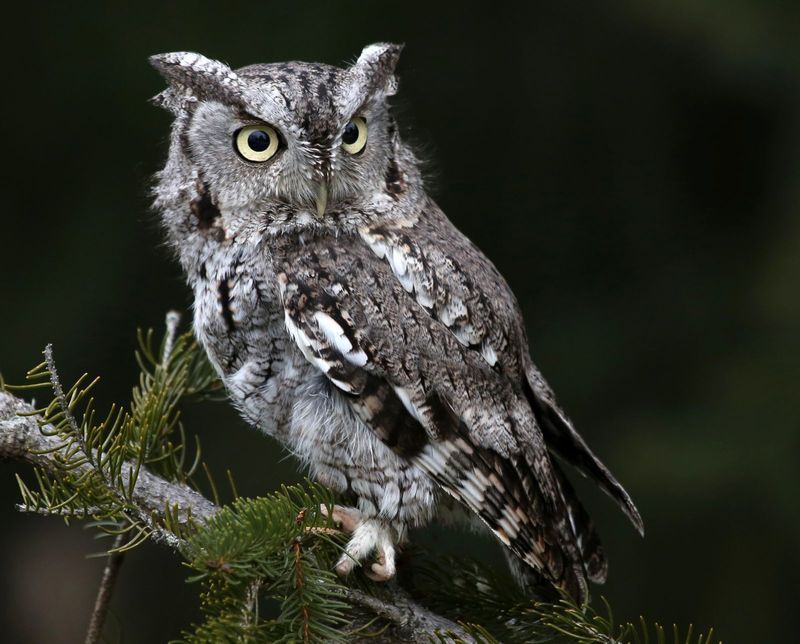
That soft descending whinny on a warm evening often belongs to an eastern screech-owl hiding nearby. These little hunters stand under ten inches tall, yet they have a surprisingly big appetite for bugs.
Screech-owls eat a mixed menu that shifts with the seasons, and large insects make up a big share. They snatch moths in midair and pluck crickets and beetles right off the ground or tree branches.
I love imagining one swooping down on the big moths that circle my porch light every summer night.
Many of those moths started life as caterpillars, including cutworms that snip off young tomato and pepper seedlings.
Their diet also includes mice and small songbirds, plus crayfish or frogs when they live near water. That flexible menu helps them thrive in suburbs, where they often nest in older shade trees.
Screech-owls come in two color forms, gray and reddish, and both blend beautifully against tree bark. You could stare right at one sitting in a tree hole and still mistake it for a broken branch.
To invite them, mount a wooden nest box with a three-inch entrance hole about ten to thirty feet high. Add a couple of inches of wood shavings inside, since these owls do not carry in nesting material.
Late winter is a smart time to hang a box, because pairs often begin nesting by early spring. Keep your lawn chemicals to a minimum too, so the insects they catch stay safe for them to eat.
3. Owls Help You Skip The Rat Poison
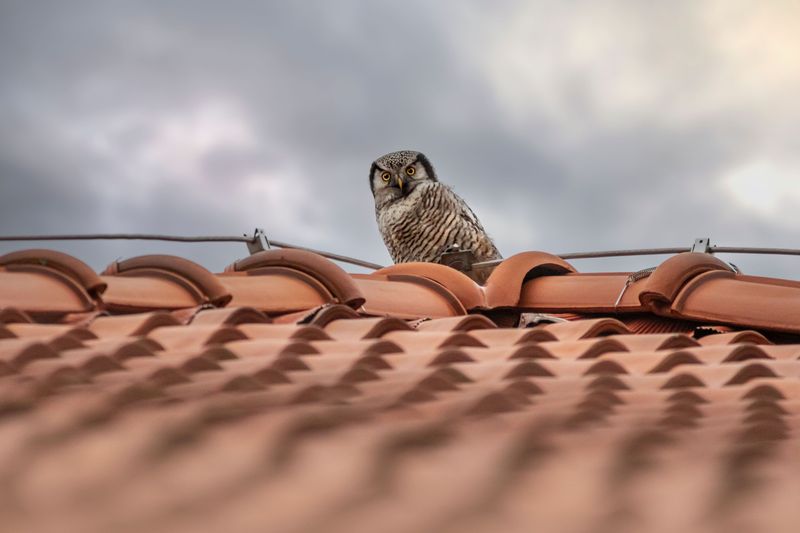
Rat poison sounds like a quick fix, but the trouble often travels far beyond the rodent that eats it. A poisoned mouse can stagger around for days, making it an easy meal for a hungry owl.
Wildlife experts call this secondary poisoning, and many anticoagulant products cause internal bleeding in predators that eat contaminated prey.
Rehab centers regularly treat owls and hawks that got sick this way, and many cannot be saved.
Honestly, learning that fact changed how I deal with mice in my shed and garage for good. Now I lean on snap traps indoors and happily let the owls handle the open yard outside.
Snap traps placed inside closed boxes catch mice without putting curious pets or songbirds at risk. Sealing gaps around doors and foundations with steel wool or hardware cloth keeps new rodents from sneaking in.
Outdoors, a healthy owl population gives you steady pressure on mice and voles with zero chemicals involved. Your dog and cat stay safer too, since there are no bait stations tucked under the porch steps.
If a serious infestation calls for professional help, ask the pest company about wildlife-friendly options first. Many companies now offer trapping and exclusion work that keeps poison out of the local food chain.
Pennsylvania wildlife rehabilitators often share this message, because they see the heartbreaking results up close each year.
Choosing owls over poison is a small decision that protects a lot of feathered neighbors at once.
4. Great Horned Owls Keep Rabbits And Skunks In Check
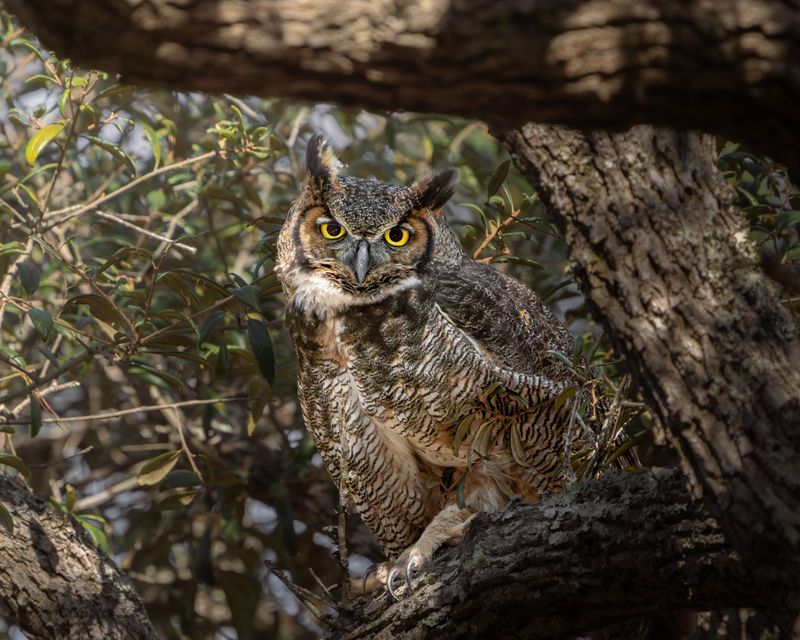
Great horned owls are one of the few predators that regularly eat skunks, strong smell and all. Their sense of smell is weak, so that famous spray barely seems to bother them at dinnertime.
Rabbits are another regular menu item, which feels like sweet justice after they mow down my fresh lettuce. These big owls also catch rats and squirrels, so their reach across the food chain is impressive.
As top predators, they help keep plant-eating animals from booming out of balance in a neighborhood.
That steady pressure gives your shrubs and veggie beds a little extra breathing room during the growing season.
Fun fact time, because these owls are among the earliest nesting birds in the whole state. Females often sit on eggs in January or February, sometimes with snow piled right on their backs.
They rarely build their own nests, preferring to take over old hawk or crow nests high in tall trees. Keeping a few mature trees standing on your property gives them a better chance of moving in nearby.
One honest warning, though, because these powerful hunters can also grab unattended chickens or very small pets. Lock backyard hens in a covered coop at dusk, and keep tiny dogs and cats indoors after dark.
Listen for their deep, rhythmic hooting on cold winter nights, when mated pairs call back and forth. I truly believe that sound is one of the coziest parts of a Pennsylvania winter evening.
5. Silent Owl Wings Patrol The Yard After Dark
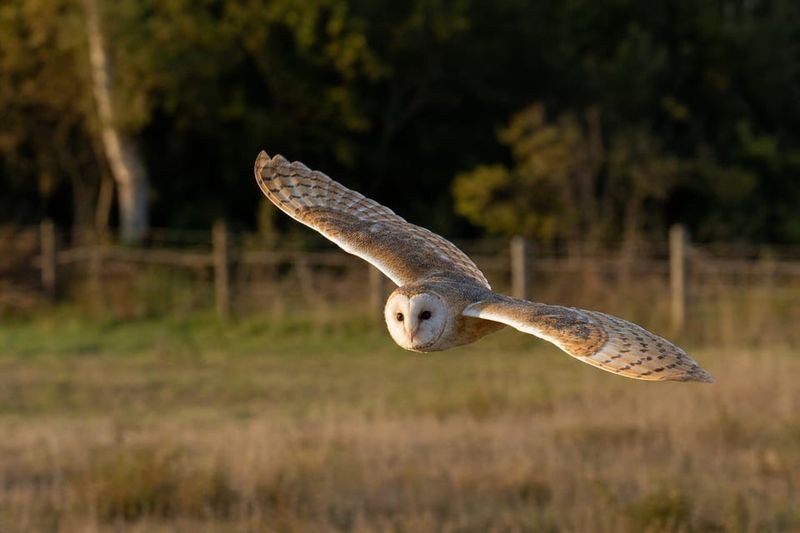
Most garden songbirds tuck in at sunset, but plenty of hungry rodents and insects are just getting started. Owls fill that nighttime gap, working the late shift when hawks and robins have gone to roost.
Their wing feathers have comb-like front edges and soft fringes that muffle the rush of air during flight. That near-silent glide lets them hear tiny scurrying sounds while their prey hears almost nothing coming.
Barn owls can pinpoint mice by sound alone, even in pitch darkness under a thick layer of grass. Many owls have one ear opening set slightly higher than the other, which helps them judge exact position.
What surprises me most is how those lopsided ears work like a built-in tracking system for supper. A vole rustling under fallen leaves at midnight is hardly as hidden as it probably believes.
You can help these night hunters by dimming or shielding outdoor lights that flood the yard all night. Motion-sensor fixtures and warm-colored bulbs are kinder to nocturnal wildlife than bright white lights left burning.
A tall perch near open lawn or meadow also gives owls a handy lookout spot for hunting. An old fence post or a sturdy bare tree limb at the yard edge can work nicely.
Next time you step outside after dark, stand still for a minute and listen near the tree line. You may not see the hunter, yet knowing it is out there makes the darkness feel friendlier.
6. An Owl-Friendly Yard Helps Songbirds And Pollinators Too
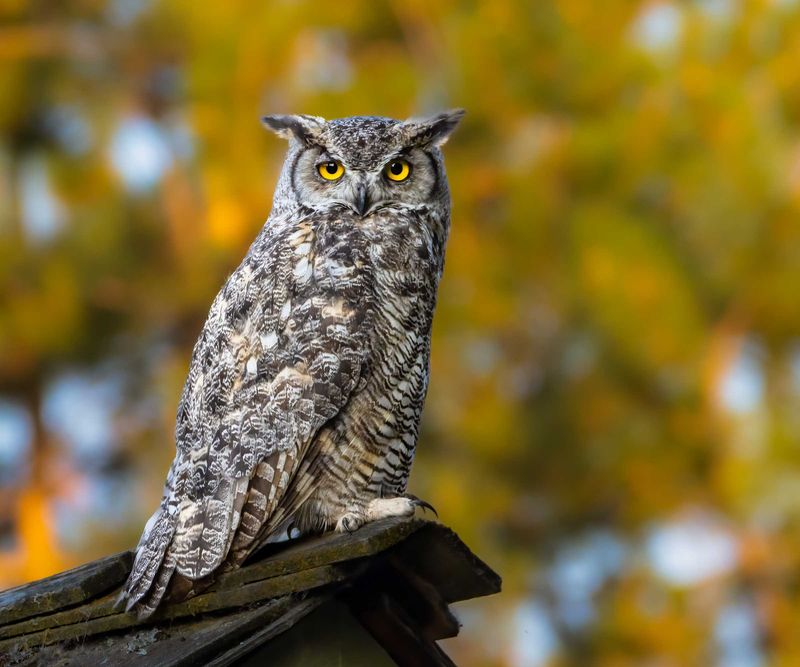
Old trees with hollow cavities might look messy to some neighbors, but they are prime real estate. Screech-owls nest in them, and so do chickadees and flying squirrels looking for a snug place to shelter.
Keeping a sturdy snag, or standing hollow tree, where it cannot fall on anything important gives wildlife valuable homes. Have an arborist check its stability first, since safety around homes and sidewalks really matters most.
Native plants matter a lot too, because they feed the insects and rodents that eventually become owl food. I like how planting an oak or a patch of goldenrod quietly supports the whole food web.
Oaks are especially valuable in Pennsylvania yards, since research shows they host hundreds of different caterpillar species.
Those caterpillars feed nesting songbirds, which helps keep the backyard food chain healthy and well stocked.
Leaving a brush pile or a strip of unmowed meadow creates cover for small mammals and countless insects. That might sound backward, but healthy prey numbers are what keep hunting owls coming back each night.
A shallow birdbath helps too, since owls sometimes drink and even bathe at dusk on hot evenings. Plenty of other visitors, like toads and thirsty butterflies, will happily share that same water source.
To my surprise, my yard got noisier with birdsong after I stopped tidying every corner so carefully. A little wildness invites the owls, and a lot of other cheerful neighbors quietly follow them in.
7. Owl Pellets Turn Your Yard Into A Science Lab
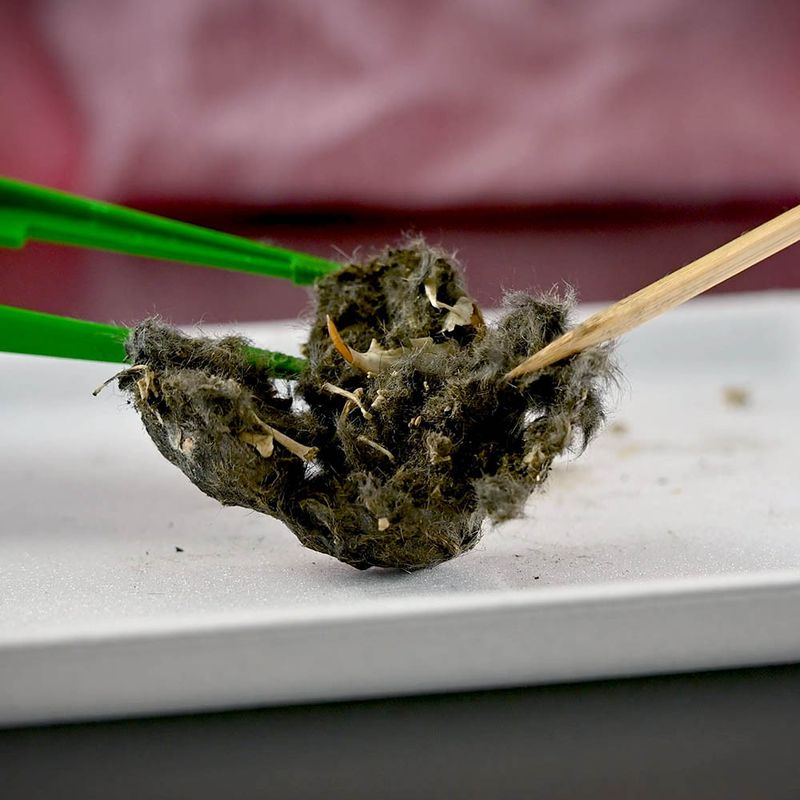
Kids tend to squeal when they learn owls cough up neat little bundles of fur and bones. Those pellets form because owls cannot digest the hard bits, so the leftovers come back up later.
Pulling one apart is like a treasure hunt, revealing tiny skulls and jawbones from the night’s meals. You can often figure out exactly which rodents the owl ate by matching the teeth to a chart.
For safety, most teachers use heat-sterilized pellets from science suppliers instead of raw ones from the woods. If you collect your own, wear gloves and a mask, then bake or freeze them before handling.
Owls also show off some wild features, like tube-shaped eyes that cannot move around inside their sockets. To look sideways, they swivel their heads, which can rotate as far as 270 degrees in a smooth turn.
I can’t imagine a better backyard nature lesson than spotting one of these birds on a moonlit branch. Try an evening owl walk with your family, moving slowly and pausing often to listen for calls.
Please skip playing recorded calls over and over, because that can stress owls during their busy nesting season. Owls are protected by federal law, so leave any feathers you find right where they lie.
Local nature centers across Pennsylvania host owl programs too, often with rescued birds that cannot return to the wild. Seeing one up close turns curious kids into lifelong fans, and honestly, the adults fall for them too.