The One Thing You Must Do To Pennsylvania Lilacs Before September Ends
A gardener stands in a Lancaster County backyard with pruning shears open, staring at a lilac that has sprawled past the porch rail all summer without much thought given to it.
The urge to cut it back before frost feels completely reasonable, right about now with September winding down.
That is exactly where the trouble starts though. Lilacs bloom on old wood, which means the flower buds for next May were already set back in early summer and are riding on those branches right now, unseen but very much there.
The single most valuable thing you can do this month costs nothing and takes no effort at all. It just asks for a bit of patience many gardeners find surprisingly hard to hold onto.
Put The Pruning Shears Away Now

Those shears feel good in your hand this time of year, but lilacs are the one shrub that will punish you for using them right now.
Penn State Extension is clear on the point. Syringa blooms on old wood, and the buds for next May are already sitting on the branches you are eyeing in September.
Lilacs set their flower buds within a few weeks of finishing their spring bloom. By late summer those buds are formed, tucked at the tips and along the upper stems.
Snipping for shape now does not just tidy the plant. It carries next spring’s flowers straight to the compost pile without you ever seeing a single bloom.
Plenty of other fall care is still worth doing though. A deep soak during a dry Pennsylvania September helps roots stock up before the ground chills for winter.
A few inches of mulch pulled back from the trunk keeps moisture steady through the coming months as well.
Fall is also a fine time to pull weeds and rake fallen leaves away from the base of the shrub. Powdery mildew on the leaves looks rough but rarely harms the shrub itself.
Real shaping work belongs in the short window right after next spring’s blossoms fade, usually late May into early June. Cut then, and the shrub has all summer to build fresh buds.
Damaged, broken, or diseased wood is the exception here. Removing those stems is fine in any month, since they were never going to flower anyway regardless of timing.
Why Those Buds Are Already Locked In
Lilac flower buds are not a late-season afterthought that forms gradually as fall approaches. They are set early, right after spring bloom finishes, and by September the work is already done.
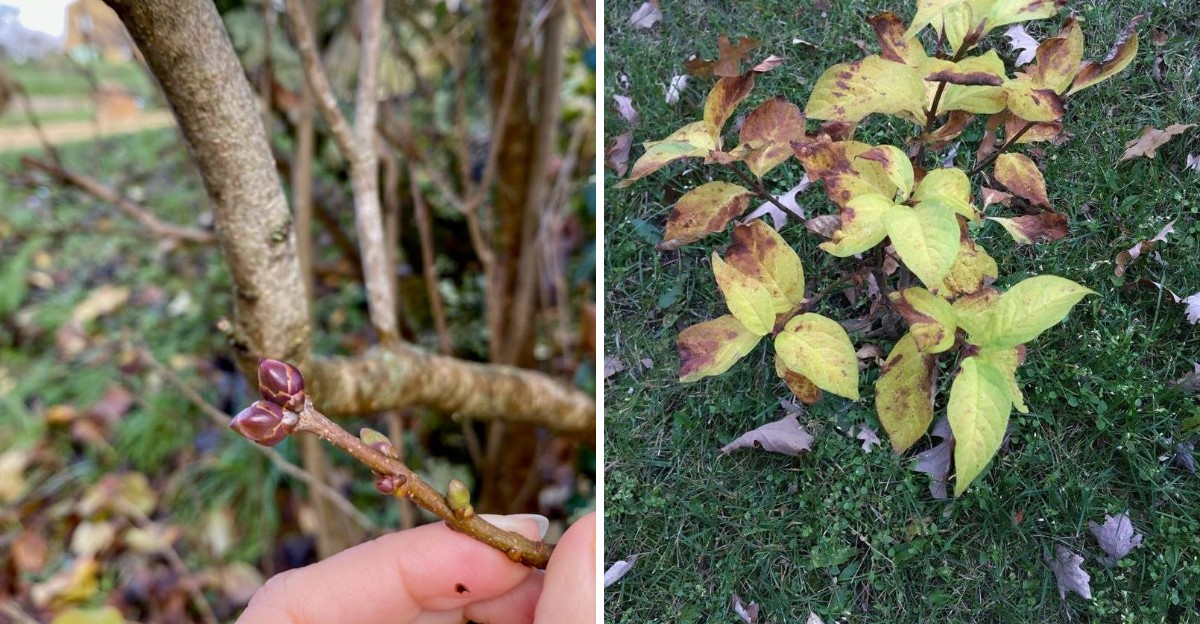
Fat, rounded buds clustered near the branch tips are the ones carrying next spring’s flowers. Thin, pointed buds along the stem are usually leaf buds instead, destined to produce foliage rather than blooms.
That distinction is exactly why a September cut feels harmless but is not. The shrub already committed its resources months ago, and nothing about how it looks right now reflects what is coming in May.
A branch that looks overgrown or awkward in fall may be the exact branch holding the heaviest cluster of blooms for next spring. Shape and bud content have almost nothing to do with each other at this point in the year.
Your Pennsylvania Garden Changes Every Week. Your Plan Should Too.
Gardening in Pennsylvania changes quickly throughout the season. Every Friday you’ll receive a simple weekly plan showing exactly what to plant, prune, fertilize, harvest, and protect so you never miss the right timing.
This is the core reason pruning timing matters so much more with lilacs than with many other flowering shrubs, which set buds on new growth and forgive a fall trim without consequence.
Understanding this timing removes the guesswork from the whole situation. Once a gardener knows the buds are already locked in, the sprawl outside the porch rail reads differently entirely.
It stops looking like a plant that needs correcting and starts looking like a plant already holding next year’s reward, quietly, on branches that only look untidy from the outside.
What Dry Roots Cost A Lilac Later
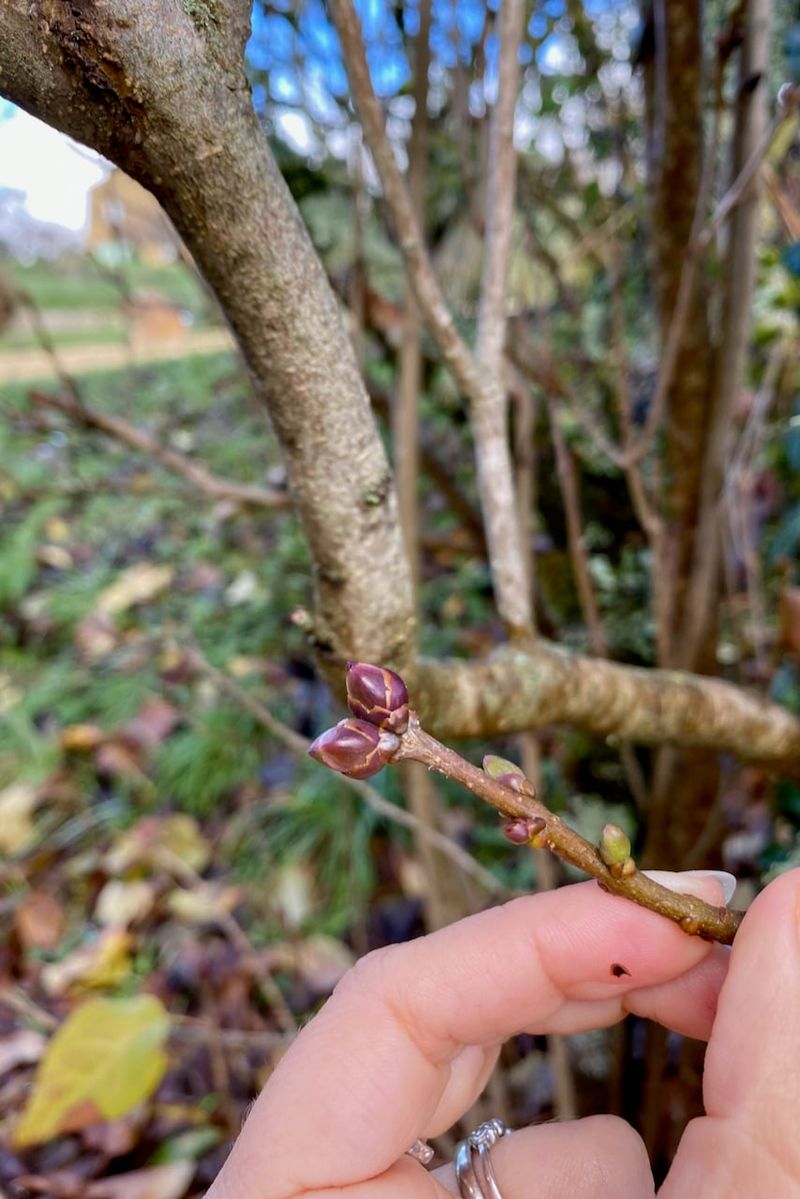
September in Pennsylvania can swing wildly between soaking rain and stretches of dry, warm afternoons that quietly stress a shrub’s root system without much visible warning.
Lilacs heading into winter with dry roots often show it the following spring, through weaker bloom, smaller leaves, or branches that seem slow to wake up.
That connection is easy to miss because the stress happens now, in September, while the consequence does not show up until months later, long after anyone remembers a dry stretch back in fall.
A deep, slow soak once every week or two during a dry September helps roots take up the moisture they need before the ground eventually cools and locks up for winter.
Established lilacs, especially older ones with deep root systems, feel this less than younger plants still building out their root structure underground for the first time.
Checking soil moisture with a finger or a trowel tells you more than assuming rainfall has already handled it, since Pennsylvania fall weather varies considerably from one year to the next.
This is not a task with a visible payoff in the moment. Nothing about a well-watered lilac in September looks different from a thirsty one, at least not yet.
The difference only becomes obvious in May, when one shrub blooms fully and another comes back thin, and by then the window to fix it has already closed for the year.
How A Mulch Ring Protects What Already Formed
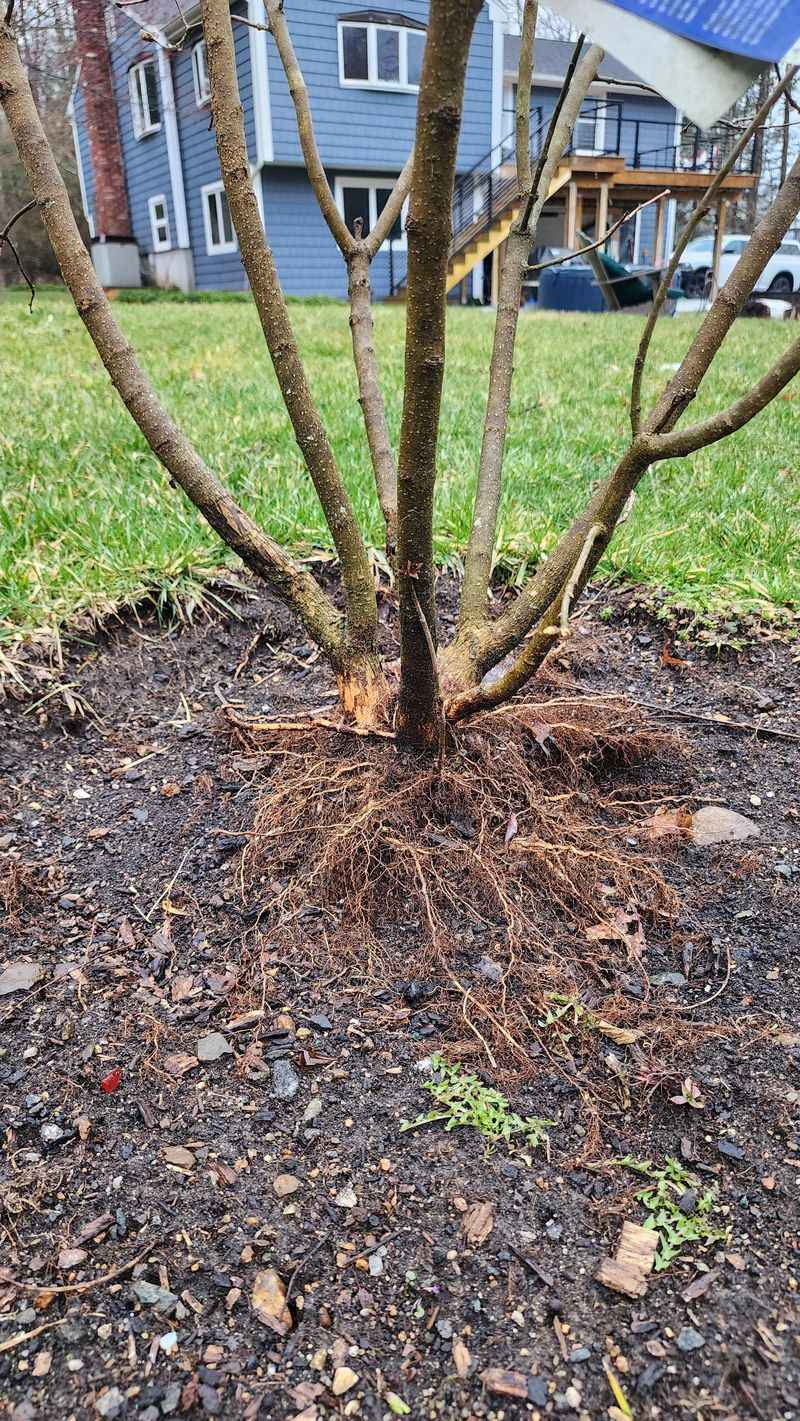
A lilac heading into a Pennsylvania winter is not building anything new.
Everything that matters for next spring, the buds, the framework, the root system, already exists by September.
The job now shifts from growth to protection, and a simple ring of mulch around the base does more of that protective work than most gardeners realize.
Mulch moderates soil temperature swings, holding warmth a little longer into fall and buffering against the hard freezes that arrive later in a Pennsylvania winter season.
It also helps retain moisture already in the soil, slowing evaporation so roots have longer access to water before the ground fully freezes over for months.
That protection matters most for the same reason pruning restraint matters. The shrub has already done its important work for the year, and the only thing left is making sure none of it goes to waste.
Shredded bark, chopped leaves, or compost all serve this purpose well, spread roughly two to three inches deep in a ring around the shrub’s base, kept a couple inches back from the trunk itself.
Piling material directly against the bark undoes the benefit, inviting rot and pests rather than offering protection, so the placement matters nearly as much as the mulch itself.
By the time real cold arrives, that ring will already be doing its job quietly, standing between the buds already set and whatever winter decides to throw at them.
Why Fallen Leaves Matter More Than They Look
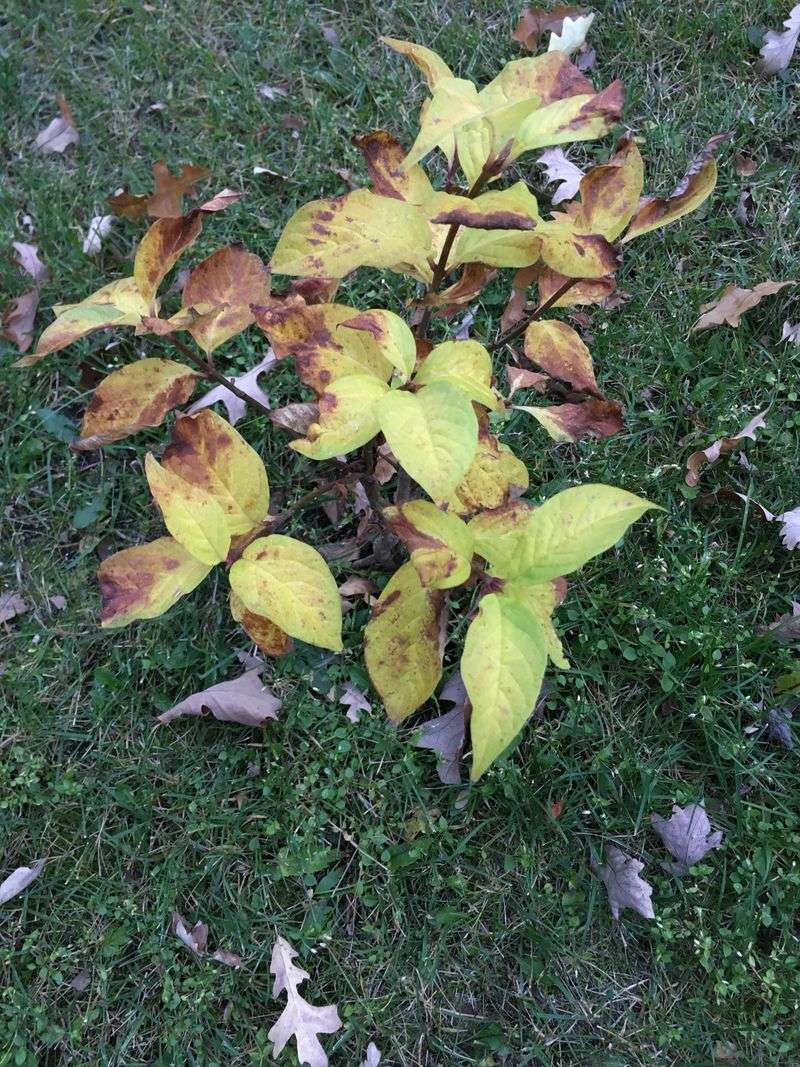
A lilac dropping mildewed leaves early in the season looks like a plant in decline, but the real concern is not this year’s foliage. It is what those leaves leave behind on the ground.
Fungal spores from powdery mildew can overwinter in fallen leaf debris, waiting quietly through the cold months for humid spring weather to give them another chance at the shrub’s fresh growth.
That timeline connects directly back to the same theme running through this whole season. What happens in September rarely shows its effect right away. It shows up later, on branches nobody thought to worry about now.
Leaving mildewed leaves in place through winter does not threaten the buds already set for spring, but it does set the stage for another summer of struggling foliage on an otherwise healthy shrub.
Raking that debris away from the base, rather than letting it sit and break down in place, is a small task that interrupts a cycle before it has a chance to repeat itself.
Most home compost piles never reach the temperature needed to reliably break down fungal spores, so bagging and discarding this particular material separately makes more sense than composting it with everything else.
This step, like the others this month, asks for very little effort. What it protects, though, is not just this year’s leaves but the vigor of a shrub that has already done the hard part on its own.
What A Sprawling Shape Is Actually Telling You
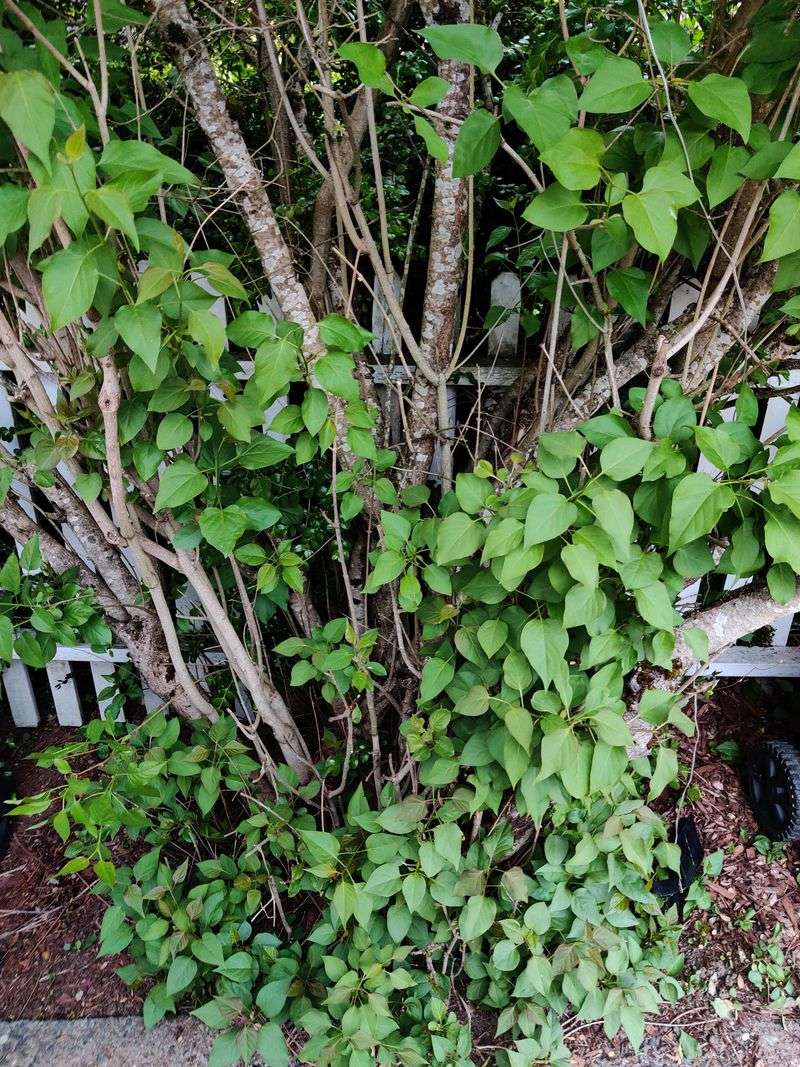
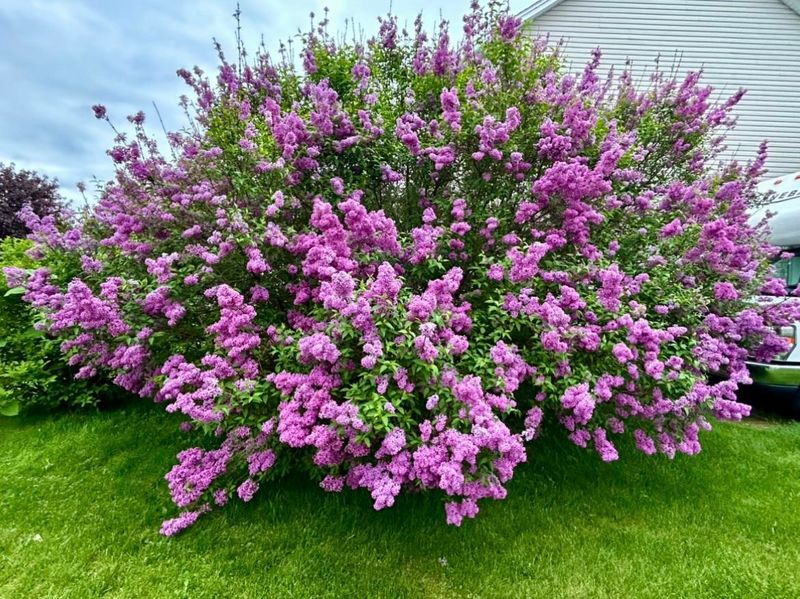
That lilac spilling past the porch rail looks like a plant asking for correction, but the sprawl itself carries information worth reading before reaching for anything.
Older lilacs naturally widen and lean outward over years of growth, sending new canes up from the base while older stems arch further from the crown with each passing season.
That outward reach is not a flaw to fix. It is simply how the shrub has grown for however many years it has occupied that spot, and most of that width is carrying buds set months ago.
A shrub that looks unruly in September is often a shrub that spent all summer building exactly the kind of mature form lilacs are known for, dense at the base and looser toward the outer branches.
Judging that shape by how it will look through winter, bare and sprawling against a porch rail, misses the point entirely. The shape in September has nothing to do with how it will look in bloom.
Come May, that same sprawling silhouette fills in with color and fragrance, and the width that looked excessive in fall becomes the very thing producing the biggest show of flowers.
Learning to see a lilac’s fall shape as a preview of spring abundance, rather than a problem waiting for shears, changes how the whole plant gets experienced through the year.
The instinct to tidy is understandable, especially in a yard where other shrubs get shaped every fall without consequence.
Lilacs simply do not play by that same rule, and their reward for being left alone shows up exactly where it counts.