What You Should And Shouldn’t Do To Oaks Before Winter In Pennsylvania
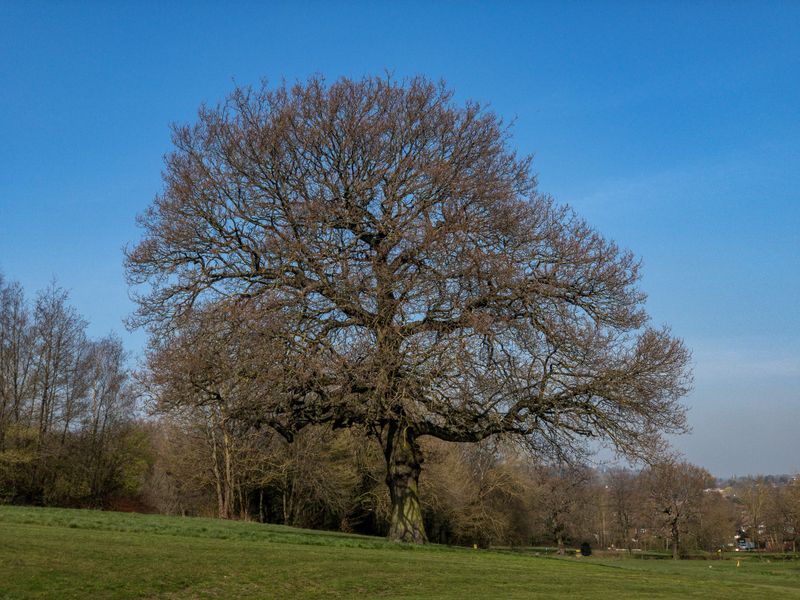
A single mature tree in this group can drop thousands of acorns in a heavy mast year, feeding deer and jays. Some of those trees started growing long before your great-grandparents were born, and they still stand strong today.
Red and white types handle cold differently, and some cling to brown leaves right through the snowy months. Botanists call that habit marcescence, and nobody fully agrees on why certain trees hold their foliage so long.
I have to admit that I once treated late fall like a lazy break from yard chores and tree care. Then I learned that a few small choices now can shape how these giants handle Pennsylvania ice and wind.
Some of those choices are smart, while others can quietly invite trouble that shows up months later in your yard. Which habits help, and which ones should you drop before the first hard freeze hits Pennsylvania this year?
1. Save Oak Pruning For Cold Dormant Months
Oak wilt is a fungal disease that sap beetles can carry to fresh wounds, and red oaks are especially at risk. Penn State Extension advises pruning oaks during dormancy, when those beetles are mostly inactive in cold weather.
I love how simple this rule feels once you know it, because the calendar does most of the work. Aim for the stretch from roughly November through February, after leaves drop and temperatures stay chilly most days.
Bare branches also make it easier to spot problems, since you can see the full shape of the tree clearly. Look for broken limbs, rubbing branches, and weak forks that could crack under a heavy load of winter ice.
Make clean cuts just outside the branch collar, which is the slightly swollen ring where a limb meets the trunk. That collar holds special tissue that helps the tree seal wounds naturally, so leave it in place and undamaged.
Spring pruning is the habit to drop, especially from April through July, when beetles are busy and wounds attract them quickly. If a storm forces an emergency cut then, many experts suggest covering it with a thin layer of wound paint.
Large limbs high in the canopy belong to a certified arborist, not a homeowner standing on a wobbly ladder outdoors. Personally, I would rather pay a pro than risk a fall or a ragged cut that heals poorly over time.
2. Give Thirsty Oaks A Deep Autumn Drink

Roots keep working in cool soil long after the leaves turn brown and fall to the ground below the canopy. A dry autumn can leave young oaks heading into winter stressed, so a slow soak can really help them out.
Newly planted trees benefit the most, because their small root systems cannot reach deep moisture in the surrounding ground yet.
Mature oaks usually manage on their own, unless your area has gone several weeks with very little steady rainfall.
You need to water slowly so moisture sinks deep instead of running across the surface and into the street. A soaker hose or a gently trickling garden hose works nicely, moved around the root zone every half hour.
Many extensions suggest watering until the top several inches of soil feel evenly moist when you push in a trowel. Check again about a week later, and repeat only if the ground feels dry and crumbly near the surface.
Soggy soil is the mistake to skip, since roots need air as much as water to stay healthy and strong. Heavy clay can hold water for days, so feel the soil before grabbing the hose out of habit.
Keep up this routine until the ground freezes, which often arrives sometime in December across much of the region. After that, tuck the hose away so it does not crack, and let snow handle the rest of the watering.
3. Spread A Wide Mulch Ring Around The Trunk
Few chores feel as cozy as tucking shredded bark around a tree, almost like pulling a blanket over sleepy roots.
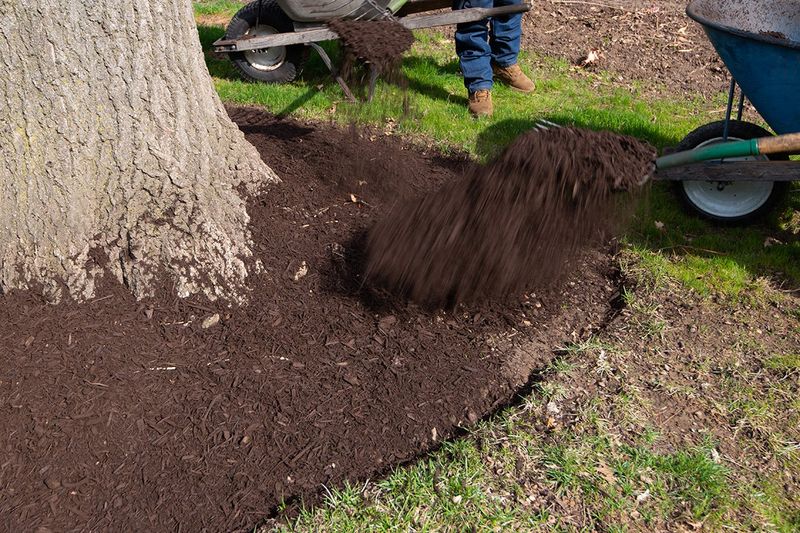
A layer two to four inches deep helps hold moisture and softens sharp temperature swings in the soil below.
Wood chips, shredded bark, and chopped leaves all work well, and your own fallen oak leaves cost nothing at all. I like running them over with the mower first, because smaller pieces settle nicely and break down faster over time.
Spread the mulch in a wide, flat ring, ideally reaching toward the drip line where branches end overhead outside.
Even a ring a few feet across helps, especially for younger trees that are still building their root systems below.
Mulch volcanoes are the big mistake here, those tall cones piled right against the bark of the trunk itself. Trapped moisture against the trunk can invite rot, while rodents may tunnel inside and chew bark during cold months.
Leave a few inches of open space around the base so the root flare stays visible and dry all year. That flare is where the trunk widens into roots, and it should look like a gentle bell shape above ground.
Refresh thin spots instead of piling new layers on top every season without checking the depth you already have there. Too much mulch can starve roots of oxygen, so a quick poke with your fingers keeps things balanced.
4. Skip The Late Nitrogen Fertilizer Rush
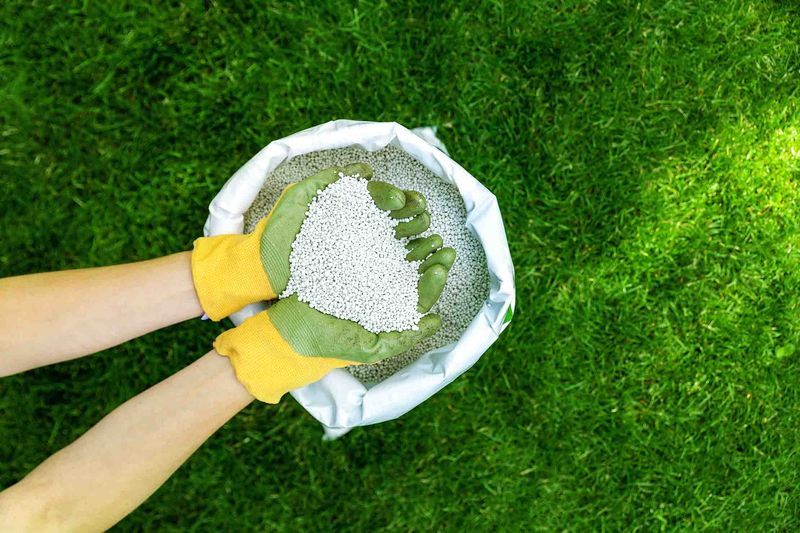
Healthy oaks in decent soil often need little or no fertilizer, which surprised me when I first read extension guidance. Many established trees get plenty of nutrients from decomposing leaves, mulch, and the natural life buzzing in the soil.
Quick-release nitrogen is the product to avoid right now, since it can nudge growth when trees should be slowing down.
Tender new tissue rarely has time to harden before cold weather, so it may suffer damage during the first freeze.
A soil test is a smarter first step, and Penn State sells affordable kits through county extension offices statewide. Results show pH and nutrient levels, so you can fix a real shortage instead of guessing what the tree needs.
Oaks generally prefer slightly acidic soil, and pin oaks often show yellow leaves with green veins in high pH ground.
That condition, called chlorosis, usually points to iron or manganese trouble linked to soil chemistry, not a simple nutrient shortage.
If testing reveals a need, many arborists apply slow-release products in late fall or early spring when roots are active. Frozen ground is a poor time, because nutrients sit on the surface and can wash away into nearby streams.
Honestly, the best tree food is often the leaf litter you were planning to bag up and haul away anyway.
Chop some leaves and leave them under the canopy, and the soil will slowly turn them into rich, crumbly goodness.
5. Scrape Off Fuzzy Spongy Moth Egg Masses
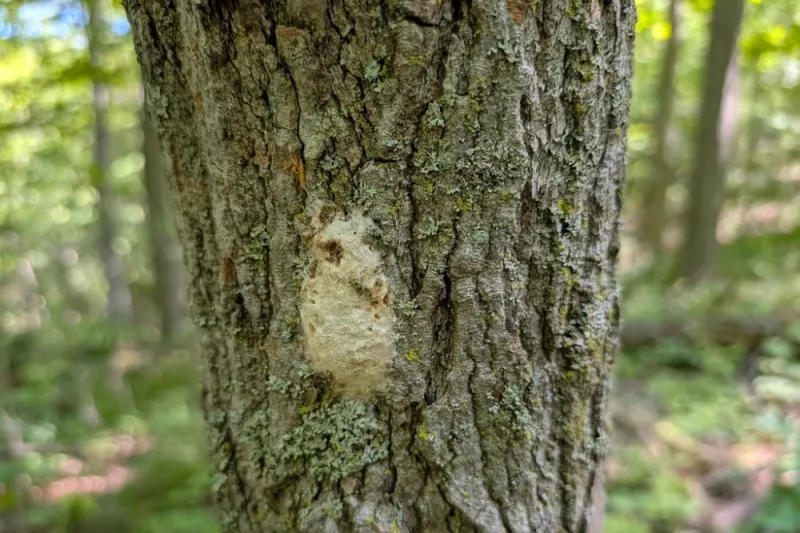
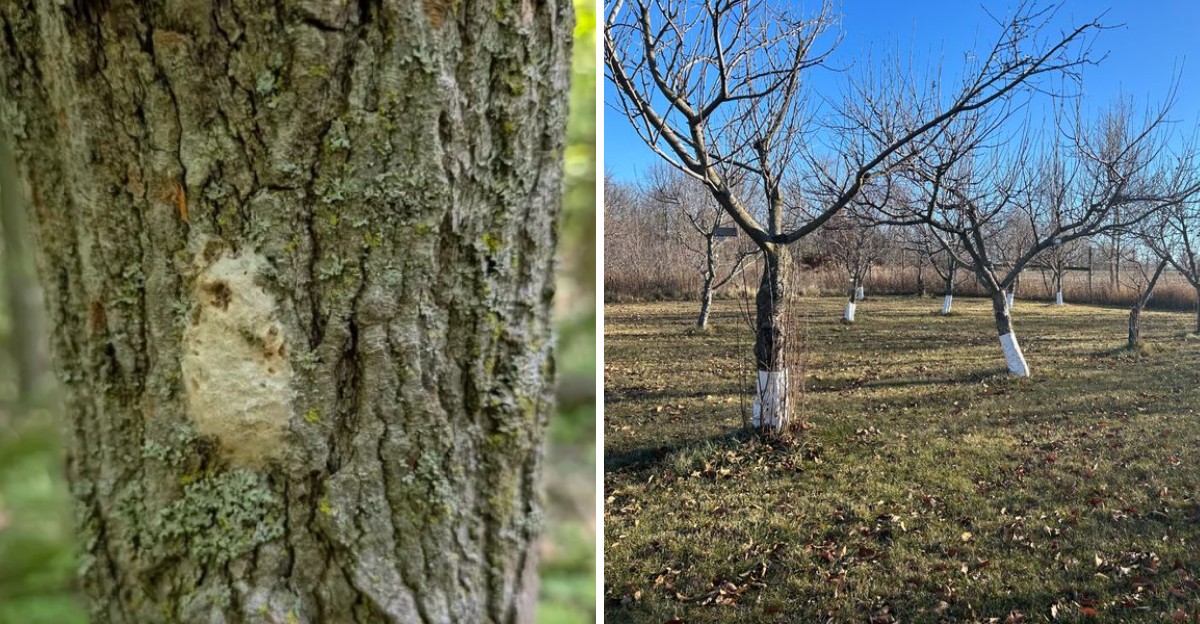
Tan, fuzzy patches about the size of a quarter or larger might be hiding on your oak bark right now. Those are spongy moth egg masses, and each one can hold hundreds of eggs waiting quietly for spring weather.
Spongy moth, Lymantria dispar, was once called gypsy moth, and oaks rank among the caterpillars’ favorite foods across the Northeast.
Large outbreaks have stripped many Pennsylvania forests in past years, though populations rise and fall in natural cycles over time.
Fall and winter give you a great chance to reduce numbers before caterpillars hatch, usually sometime around late April or May.
Check trunks, branch undersides, firewood piles, fences, and outdoor furniture, since females lay eggs on almost any sheltered surface.
Use a plastic putty knife to scrape each mass into a container of soapy water, and let it soak for days. Simply knocking eggs onto the ground is not enough, because many of them can still hatch successfully later in spring.
Wear gloves for this job, since the tiny hairs on the egg masses can irritate sensitive skin and cause itching. I find this chore weirdly satisfying, almost like peeling stickers off a jar until the surface looks clean again.
Masses high in the canopy are out of reach, so focus on what you can safely scrape from the ground.
Every mass you remove still means fewer hungry caterpillars chewing through fresh oak leaves when warmer weather returns next season.
6. Hold Off On Shaking Ice From Oak Branches
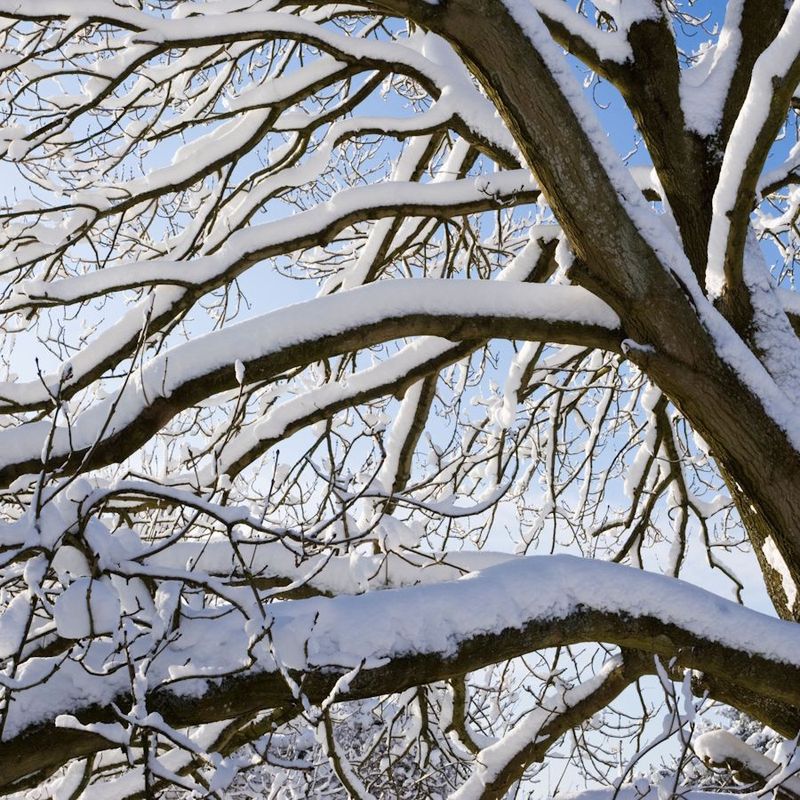
Ice storms coat every twig in glossy armor, and the sight can look breathtaking against a bright winter morning sky.
Your first instinct might be to rescue sagging limbs, but frozen wood often snaps far easier than you expect.
Shaking or hitting icy branches can cause more harm than the ice itself, according to many arborists and extension specialists.
Bark can tear, and brittle limbs may crack suddenly, so it makes sense to let the ice melt naturally.
Light, fluffy snow on small young trees is different, and you can gently brush it upward with a soft broom.
Push from below instead of pulling down, because downward pressure adds stress to branches already bending under extra weight.
Before winter arrives, look over your oaks for weak spots like cracked limbs or tight V-shaped forks with included bark.
Those areas often fail first under heavy ice, so ask an arborist about cabling or careful removal during dormancy.
Stay clear of trees during and after an ice storm, since limbs can fall without warning for hours afterward. Power lines tangled in branches are a job for your utility company, not for anyone holding a saw or ladder.
Once the ice melts, walk around and note any broken branches that need clean cuts later in the dormant season. Patience usually wins with winter storms, and most healthy oaks bounce back better than we fear when we stay calm.
7. Wrap Young Oak Trunks Against Hungry Deer And Sunscald
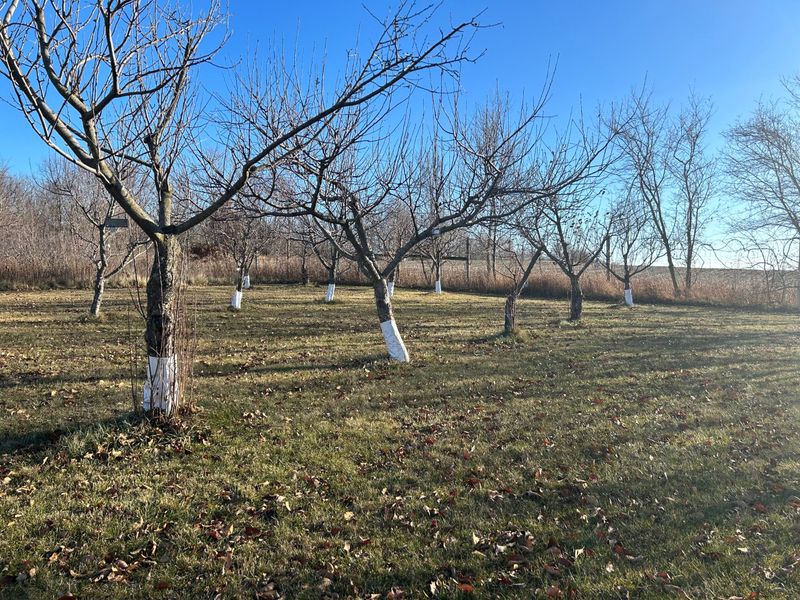
Deer get bolder as winter food runs low, and young oaks can look like a buffet at the edge of your Pennsylvania yard. Bucks also rub antlers on small trunks during fall, scraping away bark that the tree needs for moving nutrients.
A sturdy wire cage around saplings is one of the most reliable fixes, especially in neighborhoods where deer roam freely.
Make it tall enough that browsing deer cannot reach the top buds, which often means four or five feet high.
Thin-barked young trees can also suffer from sunscald, when bright winter sun warms the bark before a sharp nighttime freeze. That swing may split tissue on the south or southwest side, leaving long cracks that heal slowly over the years.
Light-colored tree wrap or plastic guards can reflect sunlight and reduce those wild temperature swings on vulnerable young trunks.
Install them in late fall, then remove them in spring so moisture and insects do not hide underneath all summer.
Mice and voles sometimes chew bark near the ground under snow cover, which is another reason to keep mulch pulled back. A fine mesh guard sunk slightly into the soil can block those tiny teeth from reaching tender bark below.
Personally, I check my guards after every big storm, because wind and heavy snow can knock them loose or crooked.
A quick adjustment takes seconds, and your little oak gets a much better shot at growing into a backyard giant.