Why Your Virginia Neighbors Are Watering Their Yards in November, and Why You Should Too
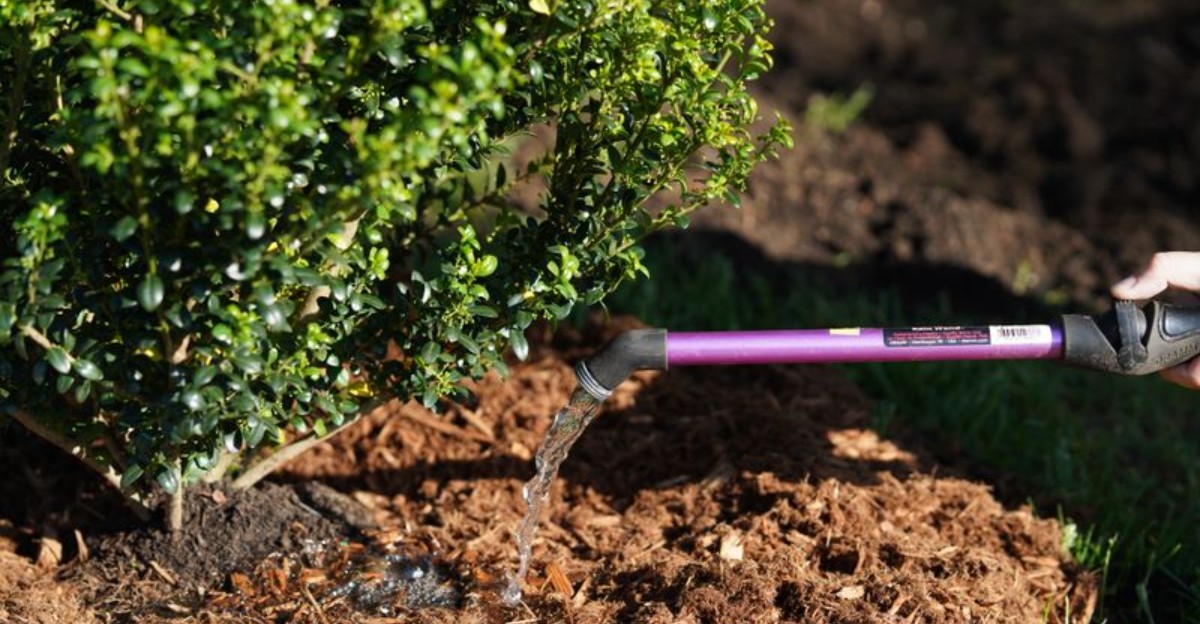
Tree roots can keep growing in soil that is barely above freezing, long after the leaves have hit the ground. That surprised me the first time I read it in an extension guide.
Confession time. I used to coil up my hose in October and call the garden finished for the year. Then my boxwoods greeted spring with crispy, bronze edges, and I learned my lesson the hard way.
Across Virginia, savvy gardeners are dragging hoses back out on mild fall afternoons. They are not confused about the calendar. Autumn here often brings dry stretches, and many plants head into winter thirstier than they look.
Let’s just say a few well-timed soakings now can change how your yard looks in April. So what do those neighbors know that the rest of us missed?
Those Tree Roots Are Still Working Under the Fallen Leaves
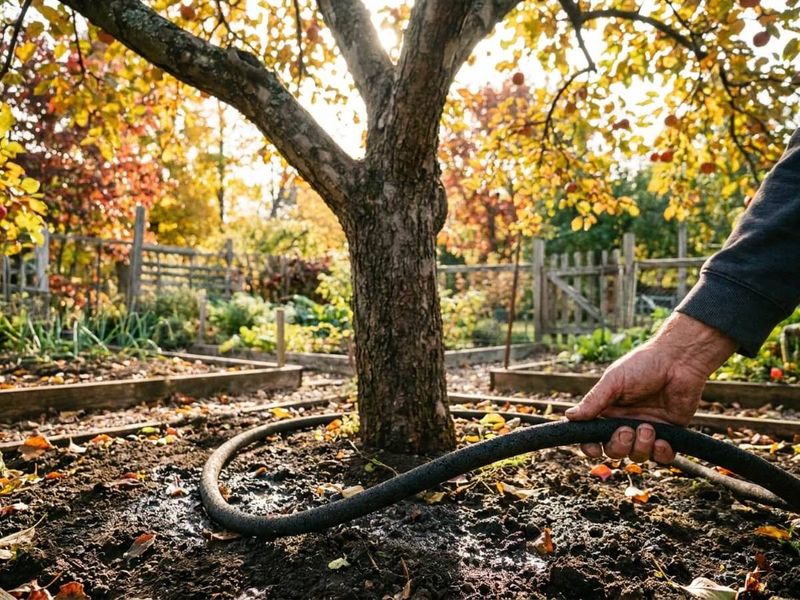
Bare branches can fool you into thinking a tree has clocked out for the season. Underground, the story looks very different.
Roots of many trees and shrubs keep growing until the soil cools to around 40 degrees Fahrenheit. In much of the state, that often does not happen until December or later, especially in the Piedmont and Tidewater regions.
Soil holds warmth much longer than the air does.
During these weeks, roots repair summer damage and stretch out to gather moisture and nutrients. They need water to do that work.
If the ground is dry, root growth slows down, and the plant heads into winter with less stored energy.
Fall can bring long dry spells too. Some years, weeks go by with very little rain, and the soil a few inches down turns dusty even when the surface looks fine after a heavy dew.
A simple check helps. Push a screwdriver or trowel into the soil near the drip line of your tree.
If it slides in hard or comes out dry, your tree could use a long, slow drink.
For what it’s worth, roots are the part of a tree you rarely see, but they decide how strong it looks next spring.
Boxwoods and Hollies Lose Water All Winter Long
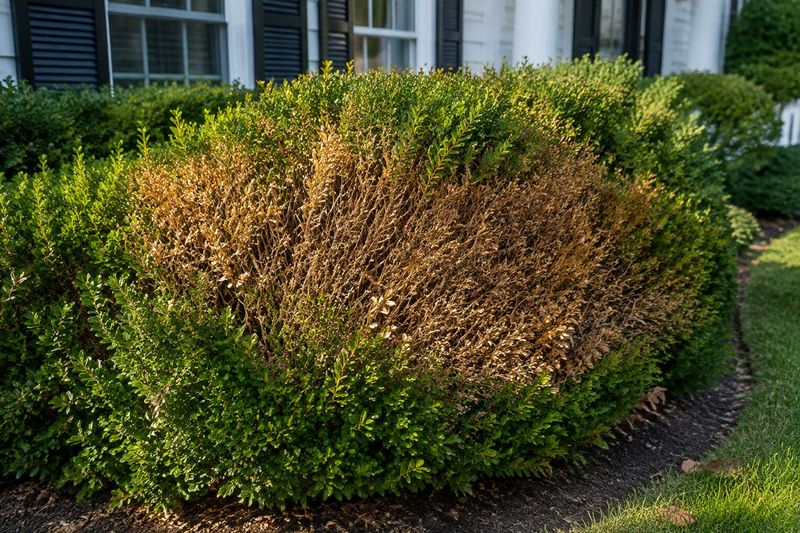
Take it from someone who once babied her boxwoods all summer and then ignored them in fall. Those shrubs paid me back with brown, scorched tips by March.
Evergreens like boxwoods, hollies, rhododendrons, and pines keep their leaves or needles through winter. Those leaves keep releasing moisture into the air, a process called transpiration.
Sunny days and cold, dry winds speed it up.
The trouble starts when the ground freezes or turns very cold. Roots struggle to pull up water, yet the foliage keeps losing it.
Gardeners call the result winter burn or winter desiccation, and it shows up as tan or bronze patches, often on the side facing the wind or sun.
A deep soaking before the ground gets hard helps evergreens store moisture in their tissues. Think of it as filling a canteen before a long hike.
Plants that start winter well hydrated handle harsh weather much better.
Focus on the soil beneath the outer edge of the branches. Water slowly so it sinks in instead of running off.
A layer of mulch two to three inches deep, kept off the trunk, will help that moisture stay put.
Newly Planted Trees and Shrubs Need the Most Help
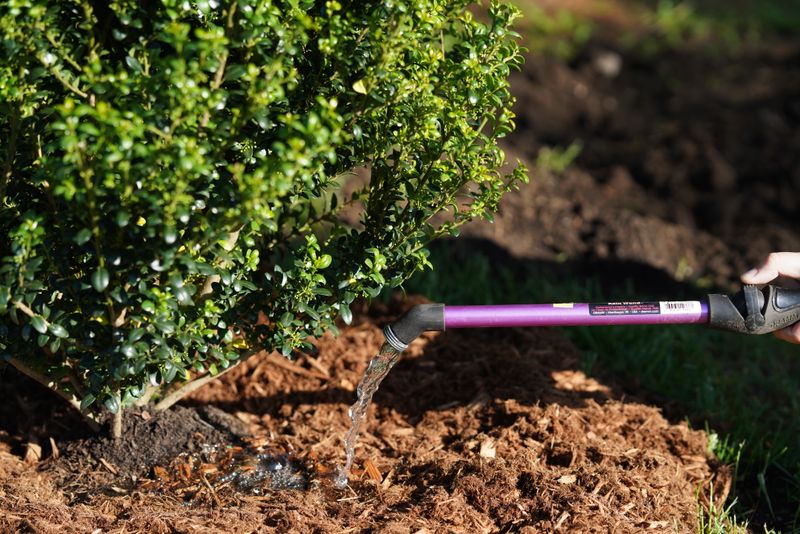
Fall is a terrific planting season in Virginia, and plenty of folks took advantage of it. Those new trees and shrubs, though, are still babies in the root department.
A freshly planted shrub has most of its roots packed inside the original root ball. That small zone dries out quickly, even when the soil around it feels damp.
Extension experts often recommend watering new plantings regularly through their first year or two, including dry periods in fall and winter.
Here is a practical routine that works well. Check the root ball every week or so.
When the top few inches feel dry, give the plant a slow, generous soak right over the root ball and just beyond it.
Slow-release watering bags are handy for young trees. You fill them, walk away, and they drip water into the soil over several hours.
A hose on a trickle does the same job for free.
Don’t make my mistake of assuming cool weather means no watering. One autumn I lost a pricey redbud that way.
Looking back, a few buckets of water in November would have saved me a trip to the nursery in April.
Tall Fescue Lawns Are Still Growing in November
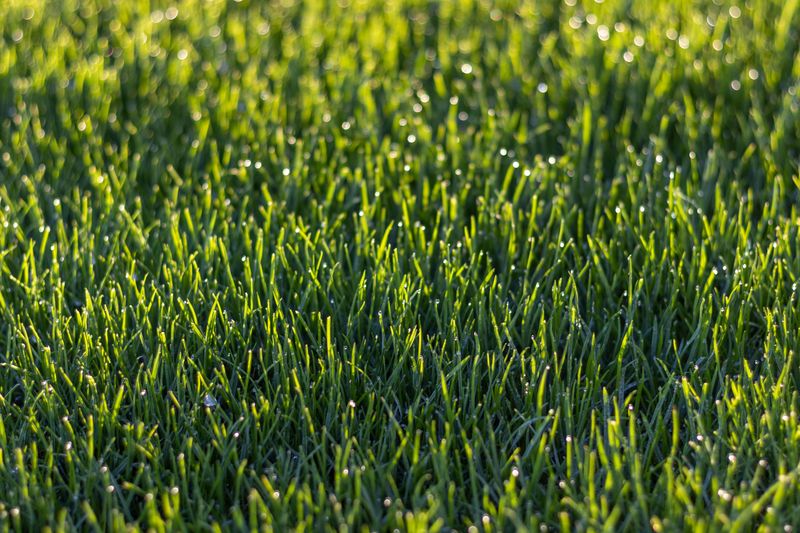
Walk past a healthy lawn in late fall and you might notice it looks greener than it did in August. There is a good reason for that.
Tall fescue, the most common lawn grass across much of the state, is a cool-season grass. It thrives in the mild temperatures of autumn.
While the blades slow down, the roots keep growing and storing food for winter and early spring.
Many homeowners also seed and fertilize in September and October, following Virginia Cooperative Extension guidance. New seedlings have shallow roots, and they dry out quickly.
Watering during dry spells helps them settle in before cold weather arrives.
Established lawns need far less. About an inch of water per week, from rain or the sprinkler, is a common target.
If rain covers that, put the hose away.
One warning for southeastern Virginia homeowners with warm-season grasses like Bermuda or zoysia. Those turn tan and go dormant in fall, so they need little extra water unless a long dry stretch hits.
A rain gauge or an empty tuna can on the lawn makes tracking easy. Between you and me, it is the cheapest lawn tool I own.
A Slow Soak With the Garden Hose Beats a Quick Sprinkle
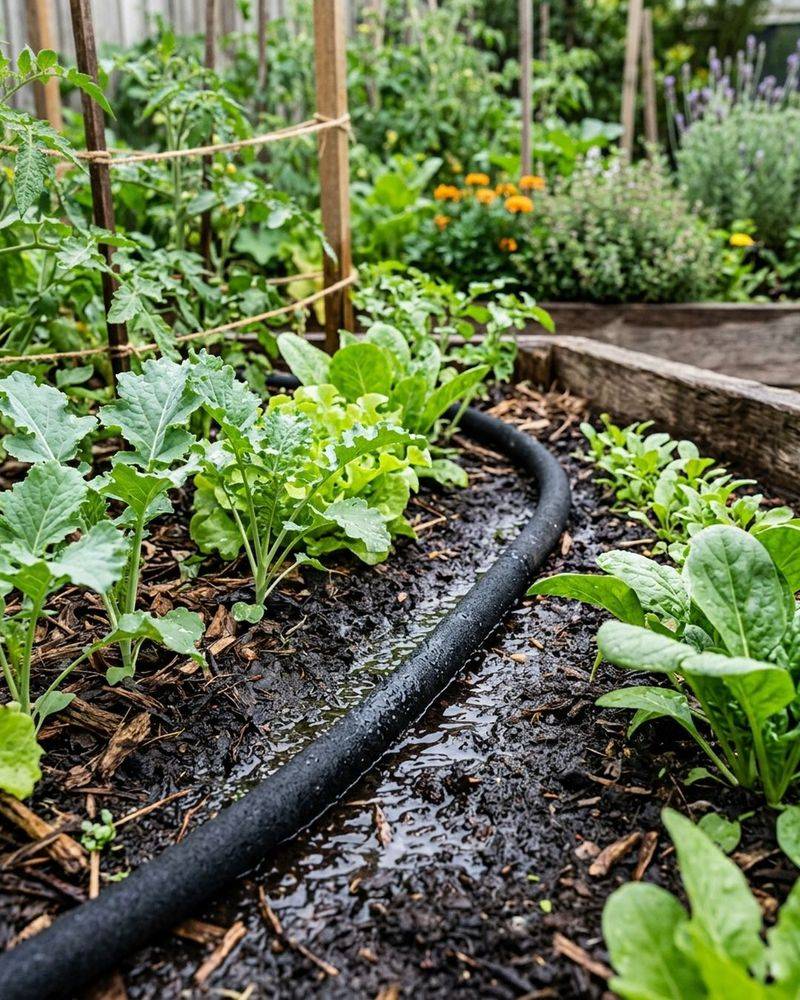
Quick sprinkles feel productive, but they mostly wet the surface. Plants respond best to deep, less frequent watering that reaches down into the root zone.
The goal is moist soil several inches deep for shrubs, and even deeper for trees. Set a hose on a slow trickle near the base of a shrub and let it run for a while.
Soaker hoses work great too, since they release water gently along the bed.
Timing matters. Water on a mild day when temperatures sit above freezing, ideally in the morning or around midday.
That gives water time to soak in before chilly nights arrive.
Skip the evening shower for leaves. Wet foliage overnight can invite fungal problems, so aim water at the soil.
Before each session, check the soil with your fingers or a trowel. If it still feels damp a few inches down, wait a few more days.
Soggy soil can stress roots just as much as dry soil.
When winter truly arrives, disconnect and drain your hoses after each use. Many outdoor spigots can crack in a hard freeze, and that repair bill hurts way more than a little extra hose duty.
Potted Plants on the Porch Dry Out Faster Than You Expect

Ever notice how a porch pot of pansies wilts after just a few breezy days? Containers play by their own rules.
Soil in a pot holds far less water than garden soil. Wind, sun, and the heat bouncing off porches and walls pull moisture out quickly.
Rain often misses pots tucked under roof overhangs, so they can be bone-dry while the yard looks soaked.
Roots in containers are also more exposed to cold. Moist potting soil holds heat better than dry soil, which gives those roots a little extra protection on frosty nights.
My garden taught me that a finger test beats guessing every time. Push a finger about two inches into the soil.
If it feels dry, water slowly until it drains out the bottom.
Cool-weather favorites like pansies, violas, ornamental kale, and potted evergreens all benefit from this attention. Group pots together in a sheltered spot to cut down on wind exposure.
Make sure every container has drainage holes. Standing water in a saucer can freeze and harm roots, so empty saucers after watering.
A few minutes of porch care each week keeps those cheerful fall displays going well into winter.
Rain Gauges Tell You When the Watering Can Stays Put
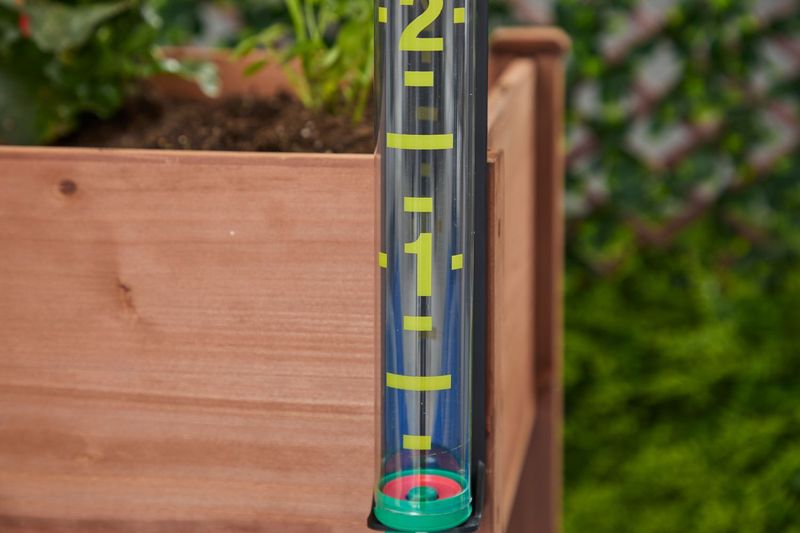
November watering is not about soaking everything on a strict schedule. Some falls in Virginia bring steady rain, and in those years your plants may need little help at all.
A simple rain gauge helps you decide. If your yard gets about an inch of rain per week, most established plants are fine.
When a week or two passes with little rain, that is your signal to pull out the hose.
The U.S. Drought Monitor website updates its maps every week.
It shows whether your county is abnormally dry, which happens fairly often in fall across parts of the state.
Regional differences matter too. Mountain areas in western Virginia freeze earlier, so watering there often wraps up sooner.
Coastal and southeastern areas stay milder, and gardeners there may water into December during dry stretches.
Overwatering brings its own problems. Constantly wet soil can lead to root rot, especially in heavy clay that drains slowly.
If you ask me, the smartest gardeners watch the weather as much as their plants. A quick glance at the gauge saves time, water, and worry, and it helps you give your yard exactly what it needs.
A Mulched, Well-Watered Yard Greets Spring Looking Its Best
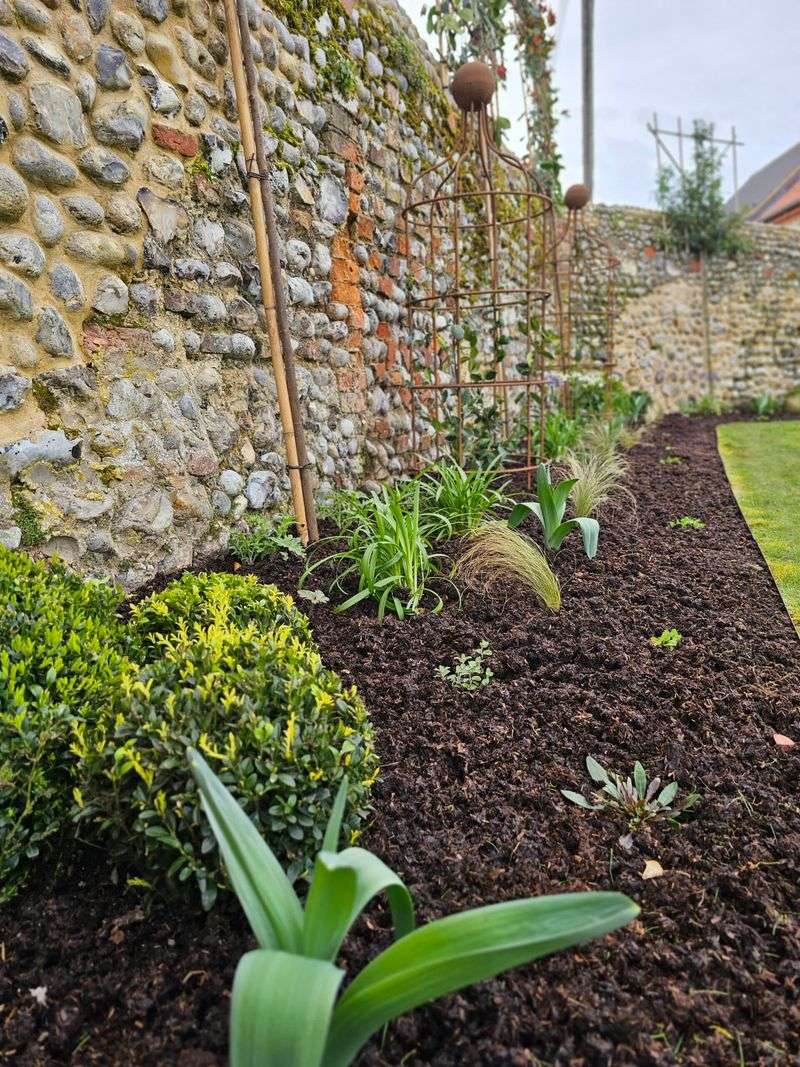
Spring is when November effort finally shows. Shrubs with fewer brown tips, trees that leaf out strongly, and a lawn that greens up early are often the reward.
Here is a simple plan to follow this month. Water deeply during dry spells, focusing on evergreens, new plantings, and containers.
Check soil moisture before each round so you avoid soggy roots.
Next, refresh mulch around trees and shrubs. Two to three inches of shredded bark or chopped leaves helps hold moisture and keeps soil temperatures steadier.
Pull mulch a few inches away from trunks to discourage rot and rodents.
Once the ground freezes solid or temperatures stay below freezing, you can put the hose away. During a winter thaw, a thirsty evergreen may still appreciate a drink on a mild afternoon.
Finally, drain and store hoses, and shut off outdoor water lines if your home has them. That small chore protects your plumbing.
For what it’s worth, I now treat November watering like tucking my garden into bed. It takes a few afternoons, costs very little, and gives those plants a stronger start once warm weather rolls back around.