The Georgia Hydrangea Chore To Finish Before Frost For Noticeably Bigger Spring Blooms
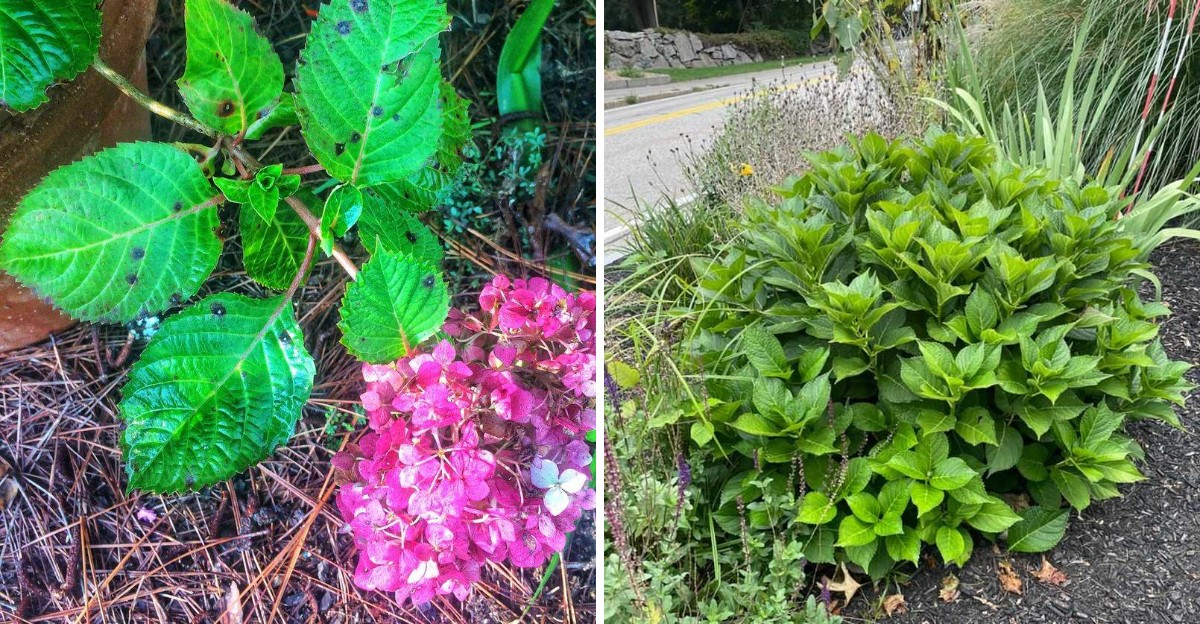
Even a single brown leaf on the ground can hold a living fungus that waits all winter for the first warm spring rain. Wet weather wakes it up, and splashing drops can toss its spores onto fresh new growth.
I used to rake my beds in fall just for looks. Now I rake with a mission, because those freckled leaves are not as harmless as they seem.
Georgia summers are warm, sticky, and full of afternoon storms. Fungi love that kind of weather, and our mild winters give them an easy place to rest.
I find that a little sneaky and a little impressive.
You need just a rake, a bag, and maybe twenty minutes of your weekend. The payoff shows up months later, when the new leaves come in clean and green.
Those spotted leaves beneath your favorite shrub could be carrying trouble into next spring, even when the plant itself looks perfectly healthy.
1. Those Purple Freckles On Hydrangea Leaves Have A Winter Plan
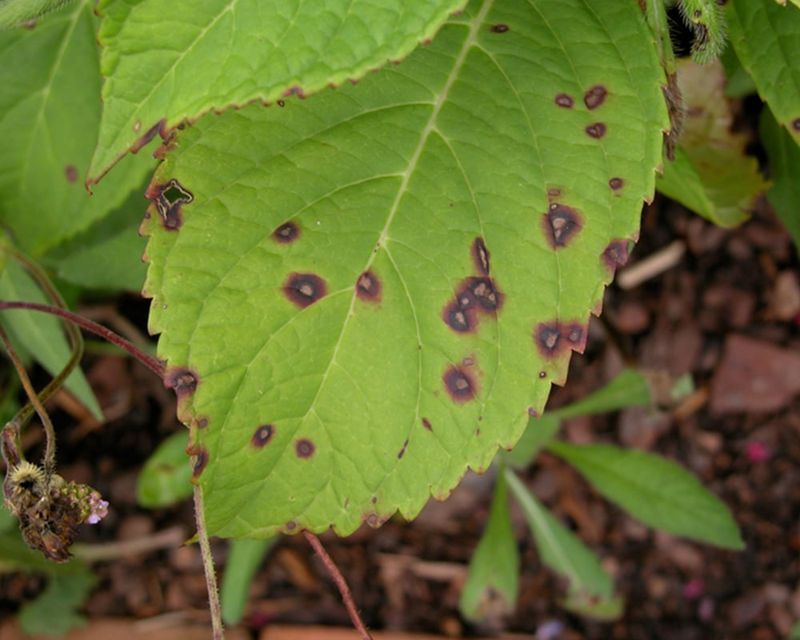
Spots that look like tiny purple freckles are often the first sign of Cercospora leaf spot. University of Georgia Extension lists it as one of the most common hydrangea problems in the state, especially on bigleaf hydrangeas.
The spots usually start small on older, lower leaves in summer. Over time, many develop tan or gray centers with purple or brown rims.
Heavily spotted leaves may turn yellow or reddish and drop early, sometimes by late summer.
Most gardeners shrug and figure the problem leaves with the leaves. That assumption is where the trouble starts.
The fungus can survive on infected leaves lying under the shrub through the cool months.
When spring warms up, rain and irrigation splash spores from that old debris onto new foliage. Lower leaves get hit first because they sit closest to the source.
Then the cycle repeats and climbs higher as summer goes on.
The disease rarely threatens the life of an established shrub. Still, heavy spotting weakens plants, looks rough, and can reduce vigor over several seasons.
So those freckles are a clue worth reading. They tell you exactly where next year’s leaf problems will likely come from, and that gives you a real head start.
2. Raking Up Spotted Hydrangea Leaves Breaks The Cycle
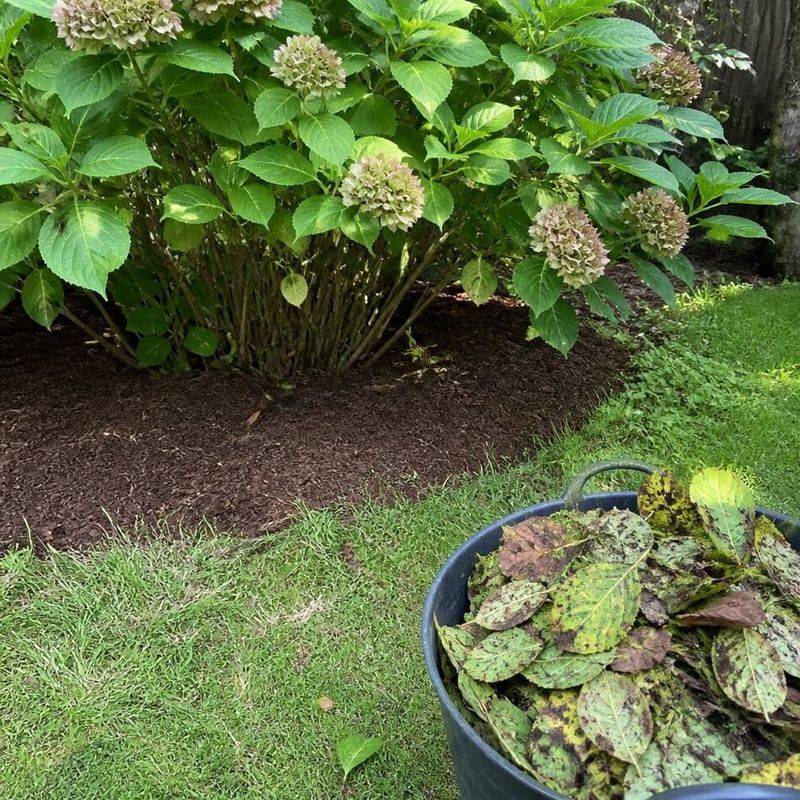
Sanitation sounds like a boring word, but in the garden it works hard. Extension specialists in Georgia and North Carolina agree that removing infected fallen leaves is one of the most effective steps against hydrangea leaf spot.
Fewer leaves on the ground means fewer spores waiting for spring. You will not catch every speck of fungus, and that is fine.
The goal is to reduce how much disease starts the season, which plant experts call inoculum.
I like to do a first pass after most leaves drop, usually November in north Georgia and late November into December farther south. A second quick sweep in late winter catches stragglers that blew in.
A leaf rake works on mulch, but your hands are often better close to the stems. Wear gloves and gently pull leaves out from the crown where they tend to pile up.
Pick off any spotted leaves still clinging to branches too. They will fall eventually and land right in the zone you just cleaned.
Expect some spots again next summer, especially in a rainy year. The difference is usually fewer of them, showing up later, which keeps your shrub looking healthier for longer.
3. Where Those Infected Hydrangea Leaves Go Matters
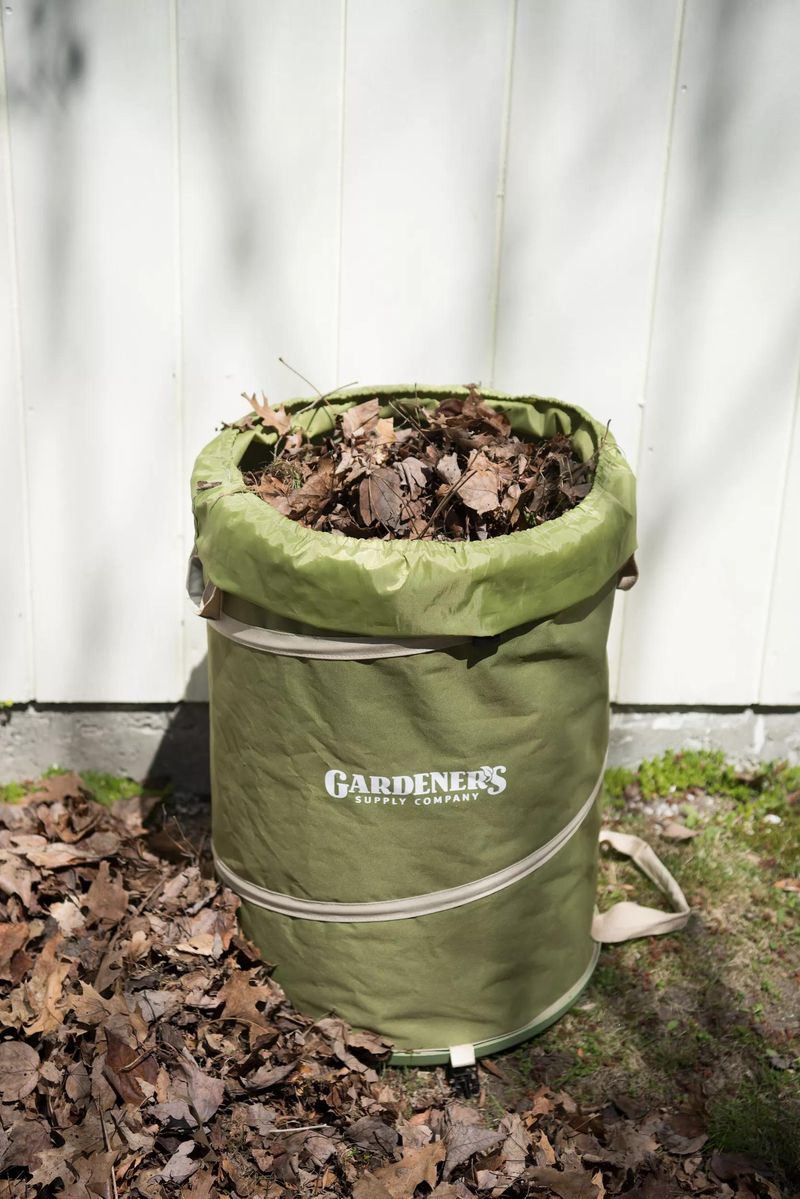
Raking is half the job. Disposal is the other half, and it trips up plenty of careful gardeners.
A backyard compost pile feels like the natural home for fallen leaves. Most home piles, however, do not stay hot enough long enough to reliably break down disease organisms.
Extension guidance generally suggests keeping diseased plant material out of casual compost.
Your safer options are simple. Bag the leaves for curbside yard waste pickup, or take them to a local yard debris drop-off site.
Many Georgia counties and cities run these programs, so check your local rules.
Municipal composting facilities often reach higher temperatures than a home bin. That makes them a reasonable destination for spotted leaves.
Burning leaves is a different story. Georgia has outdoor burn rules, and many metro counties restrict open burning during warmer months for air quality reasons.
Check with the Georgia Forestry Commission and your county before even thinking about it.
Healthy leaves from other trees are another matter. Oak and maple leaves without disease make wonderful compost or mulch.
Just keep the spotted hydrangea pile separate, and you get the best of both worlds without sending spores back into your beds.
4. Georgia Humidity Gives Leaf Spot Fungi A Free Ride
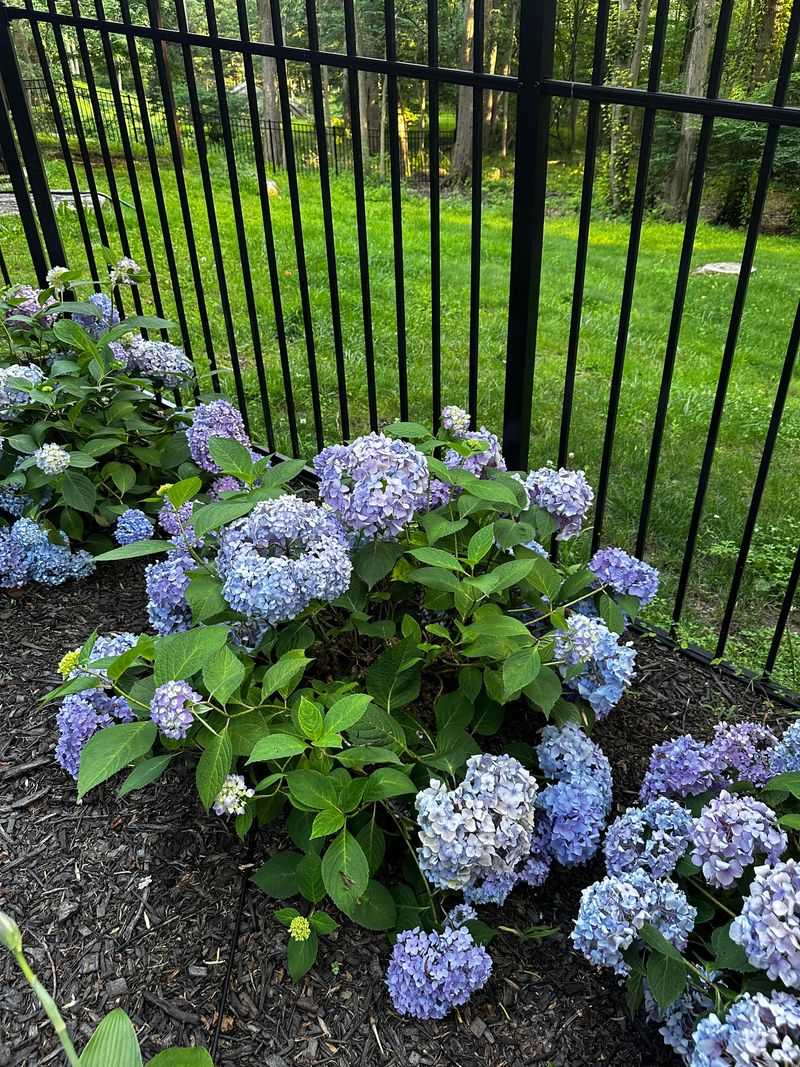
Anyone who has stepped outside in Georgia in July knows the air feels like a warm, damp towel. Fungal spores love that feeling even more than we dislike it.
Leaf spot fungi need moisture on the leaf surface to germinate and infect. Long stretches of wet foliage from dew, afternoon storms, and overhead sprinklers give them plenty of chances.
Warm temperatures speed things up. Cercospora is known as a warm-weather disease, so symptoms usually appear from early summer and build into fall.
Winter does not reliably reset the board either. Across much of the state, USDA zones range from about 7a in the north Georgia mountains to 9a near the coast.
Milder winters in the southern half mean leaf debris often sits in cool, damp conditions rather than deep freezes.
Even in colder north Georgia, frost alone does not clean up infected leaves. The fungus is well adapted to wait it out.
Shady, low spots in your yard can be extra humid. If one hydrangea always looks worse than the others, check whether it sits where air barely moves and morning dew lingers.
That location clue can explain a lot.
5. Anthracnose Spots Look Different From Cercospora On Hydrangeas
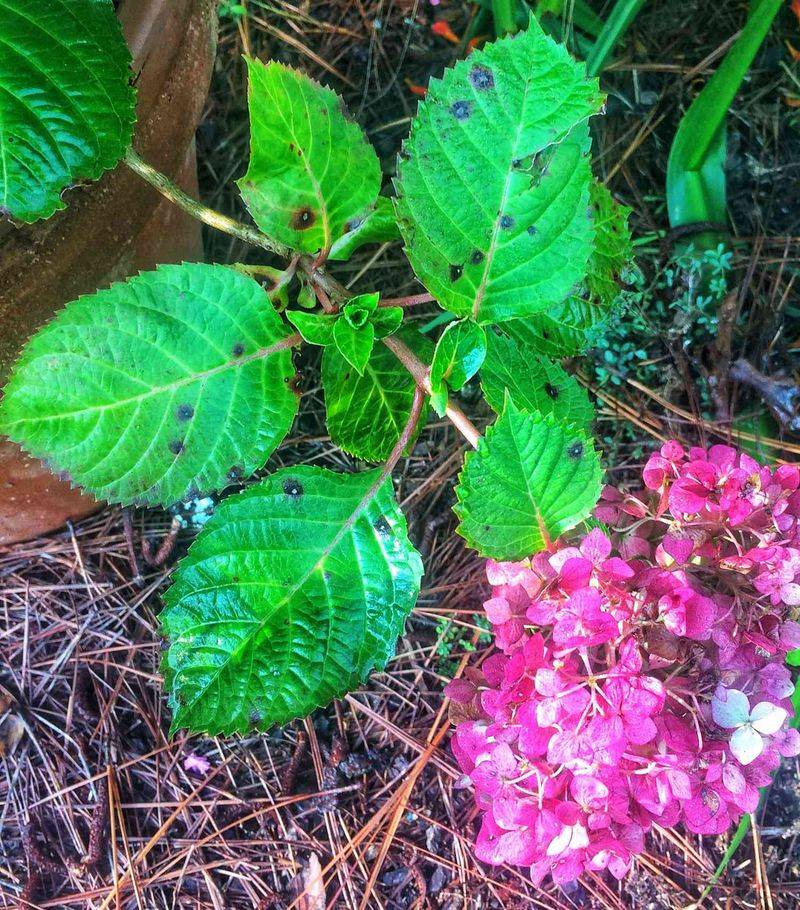
Not every hydrangea spot comes from the same fungus. Telling them apart helps you know what you are up against.
Cercospora spots are usually small and roundish, often under a quarter inch. They tend to show up first on lower, older leaves and work upward through the season.
Anthracnose, caused by Colletotrichum fungi, looks bolder. Spots are larger, often brown and irregular, and sometimes show faint rings like a target.
They can appear anywhere on the plant and may spread quickly in rainy spells.
Bacterial leaf spot is another lookalike. Those spots are often angular and dark, sometimes with a water-soaked look and yellow halo.
Powdery mildew is easy to separate because it leaves a whitish dusty coating.
Fallen leaf cleanup helps with all these fungal and bacterial problems, since many overwinter in plant debris. That makes fall sanitation a smart move even if you are not sure which disease you have.
Still unsure? Snap clear photos or bag a few fresh leaves and contact your county UGA Extension office.
Many can confirm a diagnosis, and some send samples to the university’s plant disease lab for a small fee.
6. Soaker Hoses Keep Hydrangea Leaves Drier Than Sprinklers
Hydrangeas are famously thirsty. The name even nods to water, coming from Greek words meaning water vessel.
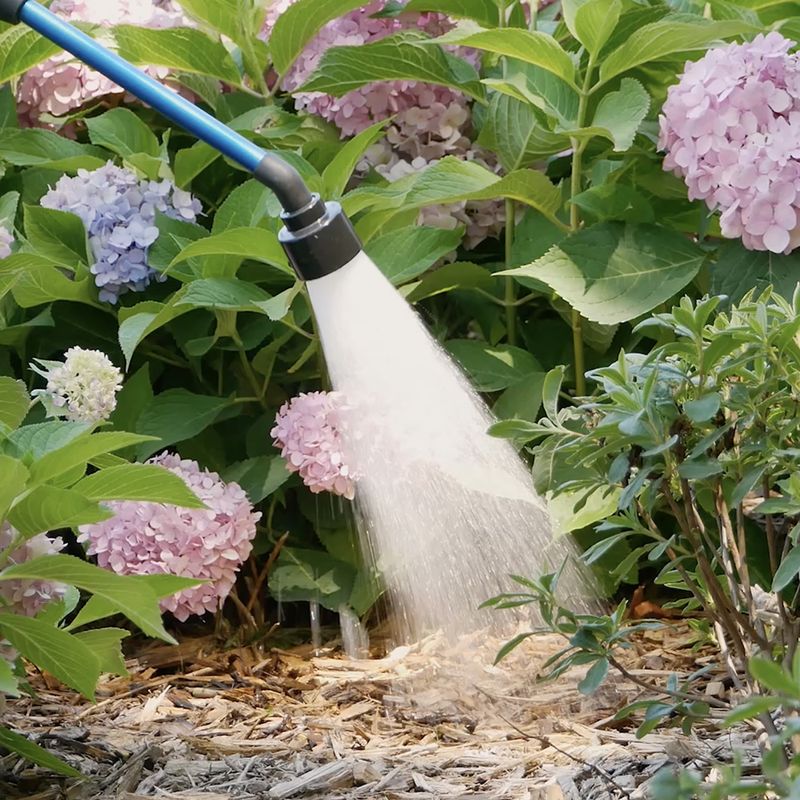
How you deliver that water matters as much as how much you give. Overhead sprinklers soak the leaves and splash soil and debris upward, which is exactly how leaf spot spores travel.
A soaker hose or drip line puts water right at the roots. Leaves stay drier, and less water bounces off the ground into the canopy.
Timing helps too. Water early in the morning so any wet foliage dries quickly as the day warms.
Evening watering often leaves leaves damp all night, which suits fungi far better than your shrub.
Deep, less frequent watering usually beats a light daily sprinkle. Aim to moisten the root zone well, then let the top inch of soil dry a bit before watering again.
If you run an irrigation system, take a peek at where the spray heads point. A small adjustment can keep a lawn rotor from drenching your hydrangeas every morning.
I switched one bed to a soaker hose a few years back. The lower leaves on those shrubs have looked noticeably cleaner ever since.
7. Crowded Hydrangea Shrubs Need Room To Breathe
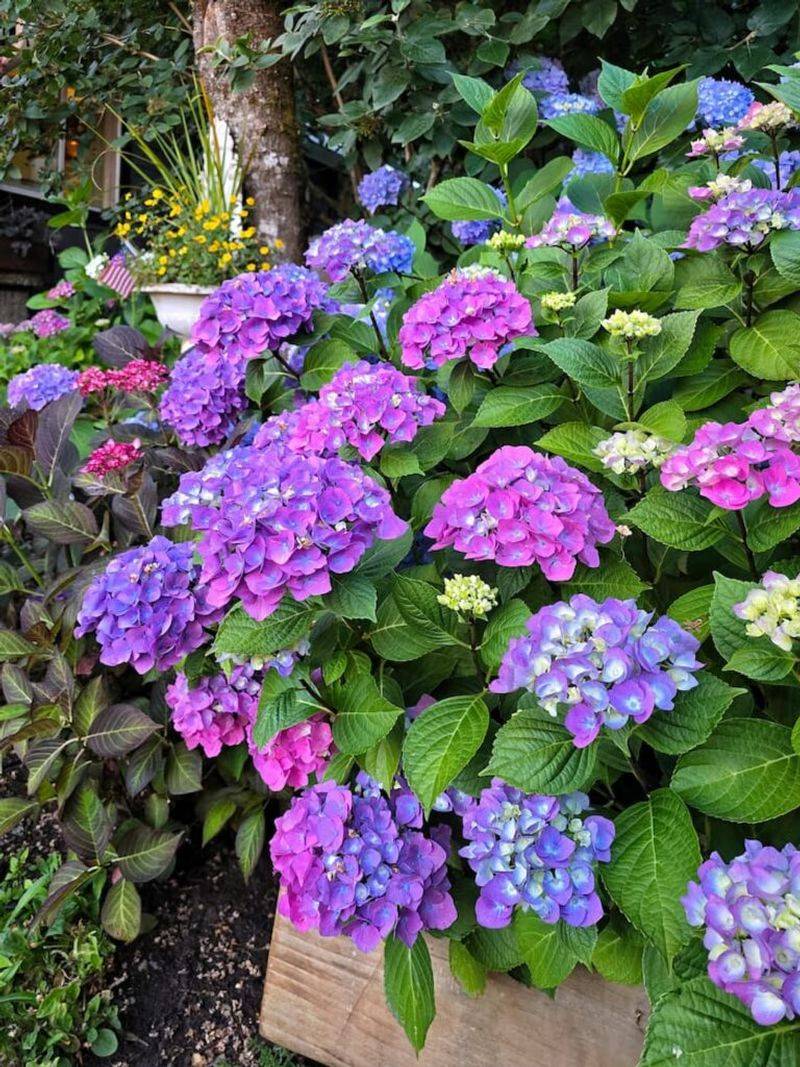
Hydrangeas grow bigger than many of us expect at planting time. A cute one-gallon pot can become a five-foot mound in a few seasons.
When shrubs crowd each other or press against a wall, air barely moves through the leaves. Moisture lingers, and leaf spot fungi settle in comfortably.
Check the plant tag for mature width and space new shrubs accordingly. Many bigleaf types need several feet between plants, and larger panicle hydrangeas need even more.
For established shrubs, light thinning can open things up. Be careful with timing on bigleaf and oakleaf hydrangeas, since most bloom on old wood.
Pruning them in fall or winter can remove next year’s flower buds, so do major shaping right after summer blooms fade.
Removing a few weak, crossing, or brittle stems at the base is usually fine any time. Panicle and smooth hydrangeas bloom on new wood and handle late-winter pruning well.
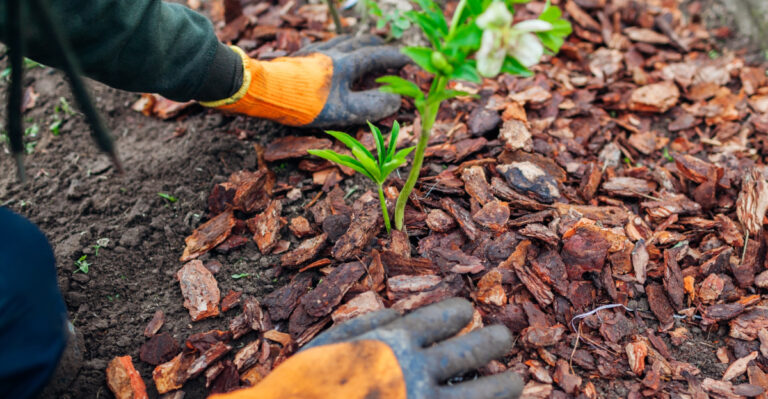
Mulch helps too. A two to three inch layer keeps soil from splashing onto leaves, but pull it a few inches back from the stems.
Fresh mulch after cleanup also covers any tiny leaf bits you missed.
8. A Tidy Hydrangea Bed This Winter Pays Off With Cleaner Spring Leaves
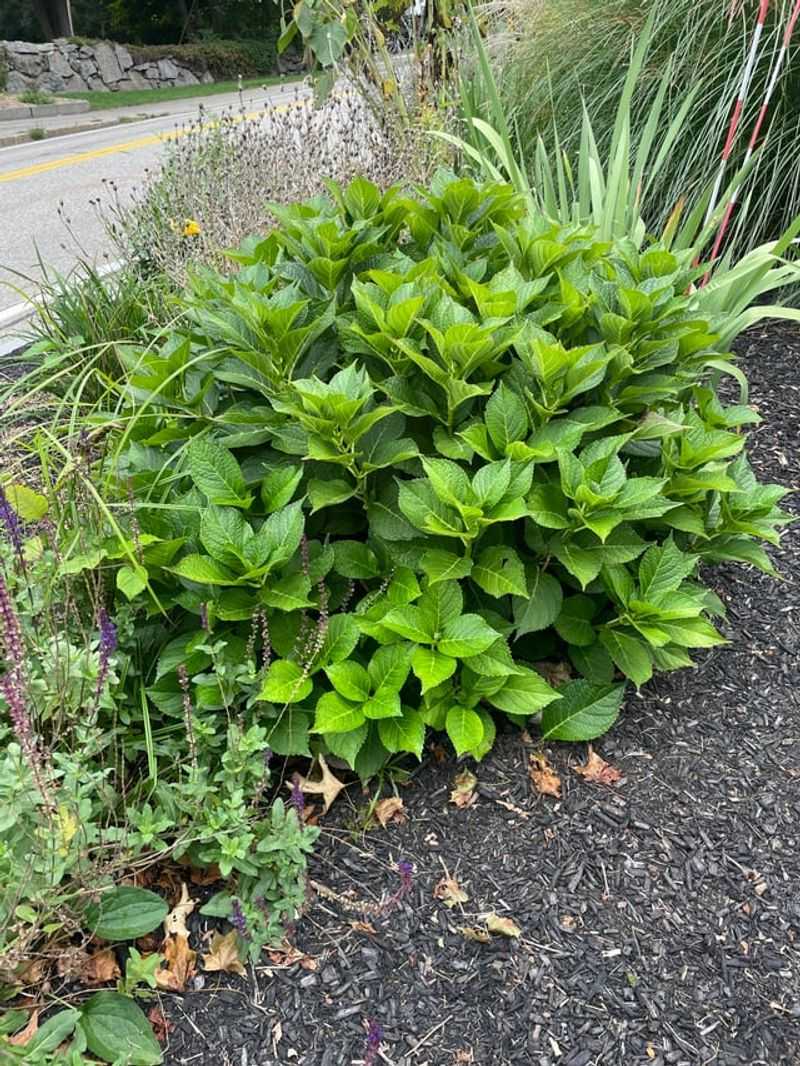
Few garden chores give such a quiet, satisfying payoff. You rake in November and get your reward in April.
A simple routine works well. Clean up fallen leaves after most have dropped, bag the spotted ones, and do a quick sweep again in late winter.
Add fresh mulch, set up root-level watering, and give crowded plants a little more space when you can. These steps stack together, so each one makes the others more effective.
Fungicides are usually unnecessary for home hydrangeas with leaf spot. UGA and other extension sources note that the disease is mostly cosmetic and best managed through cultural practices.
If a prized shrub struggles year after year, your county agent can advise on labeled products and timing.
Choosing tougher varieties also helps over time. Some panicle and oakleaf hydrangeas tend to show fewer leaf spot problems than many bigleaf types.
Keep realistic hopes. A wet Georgia summer can still bring a few spots, and that is normal.
What you will often notice is a shrub that holds its leaves longer, looks fuller, and puts more energy into those big, cheerful blooms you planted it for.