Why Georgia Gardeners Are Pulling Out Their High-Maintenance Plants And Replacing Them With Natives
Georgia yards are changing, and not in the way most garden magazines talk about.
Nobody is swapping plants for better curb appeal. Nobody is doing it for a trend. They are doing it because they are exhausted.
July comes around, and suddenly the yard becomes a second job. The hose, the sprinklers, the fertilizer schedule, the mystery yellowing on plants that cost fifty dollars each.
Year after year, same story, same sweat, same disappointment.
But here is what some Georgia gardeners figured out quietly, without any fanfare: the yard does not have to work against you.
There are plants that were literally built for this state, for the clay, the heat, the July humidity, the unpredictable dry spells. Plants that do not need babying, do not need rescuing, and do not send you a monthly maintenance bill.
The results? Fewer wilted plants, lower water bills, more butterflies than you have seen in years, and beds that actually improve over time instead of falling apart.
Sound too good? Keep reading, because this one might make you look at your yard very differently.
1. Cut Back On Constant Watering
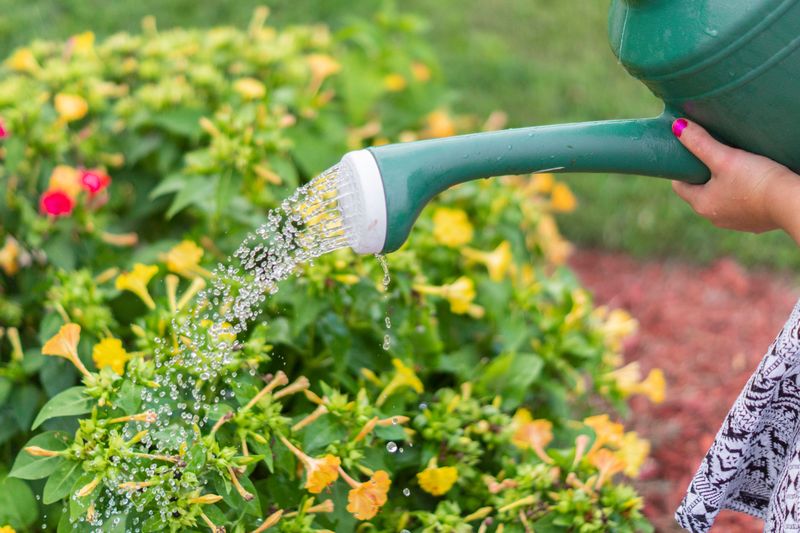
Almost every summer the hose becomes basically a fifth limb. You water on Monday, and by Wednesday the soil looks like it forgot that ever happened.
Non-native plants like impatiens, elephant ears, and many ornamental grasses are genuinely thirsty plants, and Georgia summers do not forgive that kind of demand.
Native plants are a completely different story. Once established, species like black-eyed Susan, coneflower, and native blazing star pull moisture from the soil in ways that most non-natives simply cannot.
Their root systems go deeper, reaching water that shallower plants never access. That is not a lucky coincidence. That is thousands of years of adaptation doing exactly what it was supposed to do.
The first season still requires regular attention while roots settle in. Many gardeners water new natives consistently through that first year, then dramatically back off.
By year two, many only water during extended dry stretches, not every few days like before.
No dragging hoses across the yard at 7 a.m. No setting reminders before a heat wave. No guilt when you leave town for a long weekend.
Georgia’s rainfall patterns, even with dry spells, are far closer to what native plants actually expect. Matching plants to climate is not a gardening philosophy.
It is the smartest watering strategy you can use, and honestly, it might save your weekends too.
2. Support Local Pollinators Better
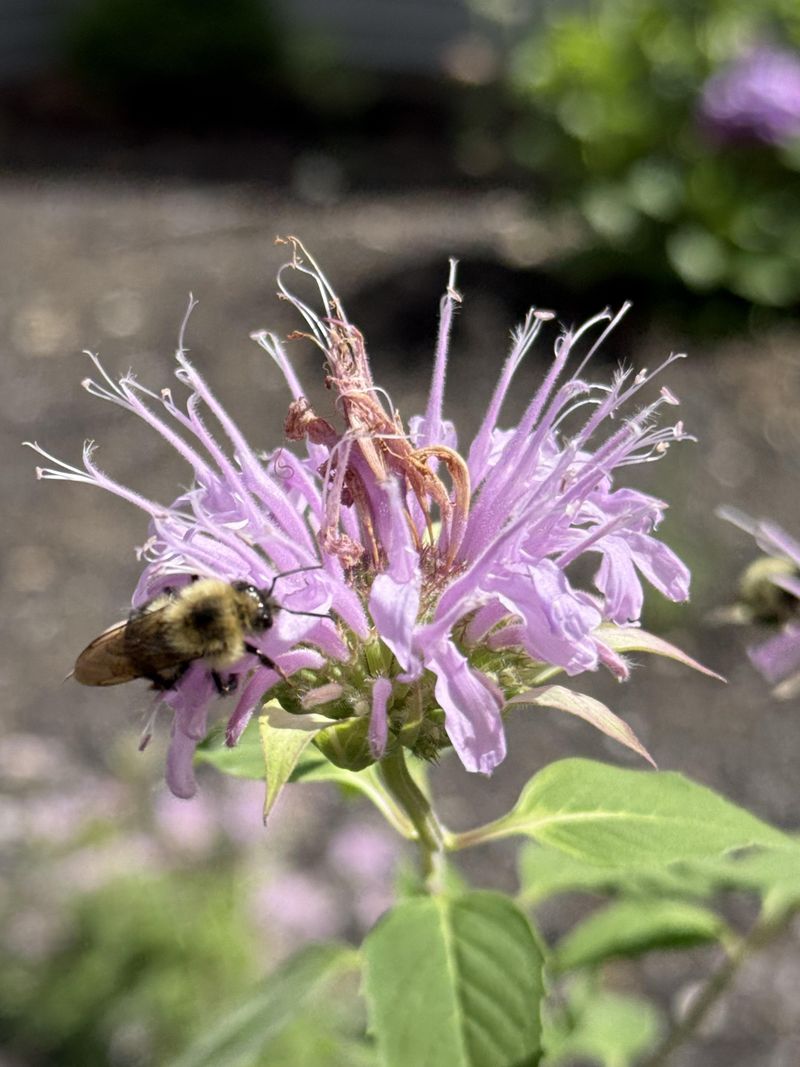
If you noticed your hives got healthier after your neighbors started planting native flowers, that is not a coincidence.
Native plants and native pollinators have been working out their relationship in Georgia for thousands of years, and that history runs deep.
Non-native ornamentals like knockout roses and standard crepe myrtles offer very little to Georgia’s native bees.
The flower shapes, pollen types, and bloom timing are often completely mismatched with what local bees, butterflies, and beneficial insects actually need.
A yard can be full of colorful blooms and still be practically empty of pollinator activity if none of those plants belong here.
Your Georgia Garden Changes Every Week. Your Plan Should Too.
Gardening in Georgia changes quickly throughout the season. Every Friday you’ll receive a simple weekly plan showing exactly what to plant, prune, fertilize, harvest, and protect so you never miss the right timing.
Swap in native options like wild bergamot, native asters, passionflower, and buttonbush, and the shift is almost immediate.
Bumblebees show up. Swallowtail butterflies start laying eggs. Hummingbirds start working the flowers.
Research from Georgia and the Xerces Society shows that native plantings support significantly more pollinator species than exotic ornamentals, even when the non-natives are technically blooming.
Georgia has over 500 native bee species, and most of them are struggling because their food sources have been replaced by landscaping plants from Asia and Europe.
Planting even a small patch of native flowers gives those bees a real foothold. Swapping just a few beds from non-native annuals to native perennials can turn your yard into a genuine pollinator hub without any extra effort from you.
Turns out, the bees were just waiting for an invitation.
3. Match Plants To Georgia Heat
It is July. The thermometer reads 97 degrees. Your Japanese boxwoods are browning at the tips and your hostas have essentially surrendered. If that sounds familiar, you are not a bad gardener. You just have the wrong plants.
Georgia summers are brutal, and plants that evolved in cooler, wetter climates were not designed for this kind of punishment.
No amount of mulch or careful watering fully fixes a fundamental mismatch between a plant’s biology and the climate it is sitting in.
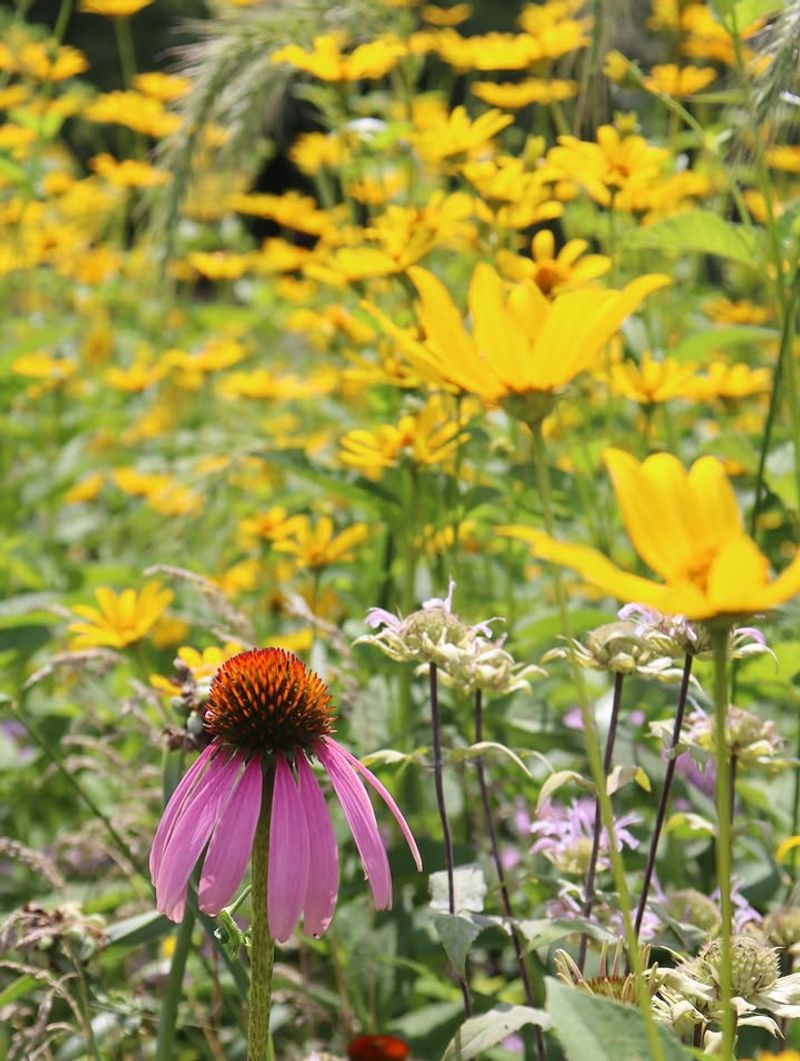
Native plants like Georgia aster, native sunflowers, beautyberry, and switchgrass were shaped by centuries of Georgia summers.
They expect the heat. They know what to do with red clay, weeks of humidity, and a dry stretch that arrives with no warning. Their entire biology is calibrated to conditions that non-native plants fight against every single season.
When a plant is matched to its climate, it spends its energy growing and blooming instead of just trying to survive.
Gardeners who have made the switch often describe it as a genuine turning point.
The secret is not better soil or more fertilizer. It is simply choosing a plant that belongs here and stepping back. Heat-adapted plants are not just survivors. They are built to thrive in this state.
4. Reduce Fertilizer Guesswork
Fertilizing non-native plants in Georgia can feel like sending very expensive text messages into the void.
You follow the label, apply on schedule, buy the recommended product, and still end up with yellowing leaves or stunted growth.
The reason is usually not your technique. It is the plant itself, stuck in soil it never evolved to handle.
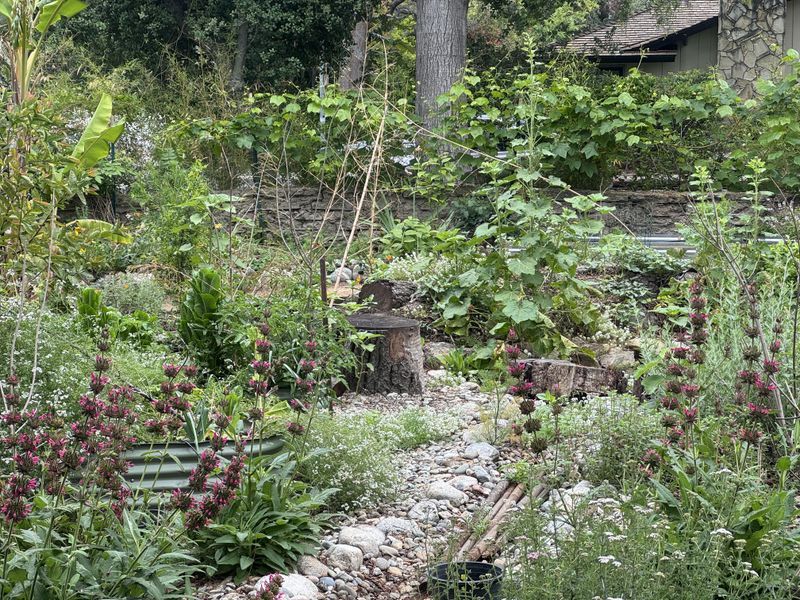
Native plants evolved in Georgia’s nutrient-poor red clay and sandy loam. They do not expect rich, heavily amended beds.
In fact, over-fertilizing native plants often backfires, pushing excessive leafy growth with fewer flowers and weaker stems. Less is genuinely more when the plant fits the site.
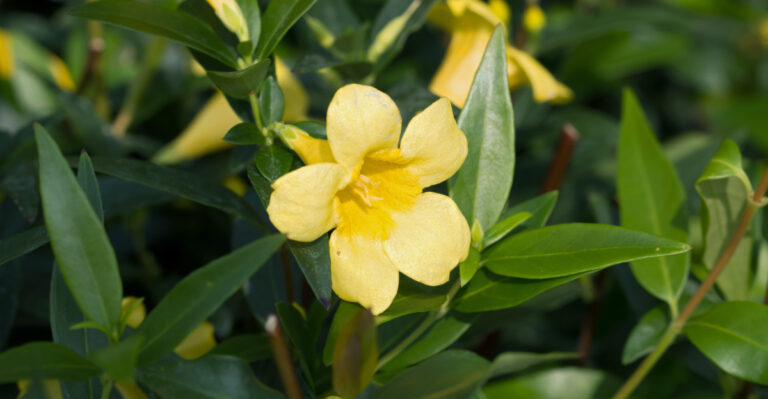
Species like wild columbine, native spiderwort, and Carolina jessamine thrive in average Georgia soil with zero added fertilizer once established.
They pull what they need from the natural nutrient cycle, which includes organic matter from fallen leaves and decomposing roots. That is the system they evolved alongside, and it still works perfectly.
Switching to natives means you can stop buying bags of slow-release granules, stop scheduling applications, and stop wondering why the plants still look off despite all the inputs.
That simplicity saves money every season. It also reduces fertilizer runoff into Georgia’s streams and watersheds, which is genuinely good for local water quality.
Choosing plants that fit your soil is the most practical fertilizer reduction strategy available, and it requires no chemistry degree to pull off.
5. Build Beds That Age Better
Many gardeners know the cycle well.
Fill the bed with annuals or marginally hardy perennials, watch them look great for one season, then start completely over the next spring.
That cycle costs real money, takes serious time, and never gives your beds a chance to mature and actually fill in the way you picture them.
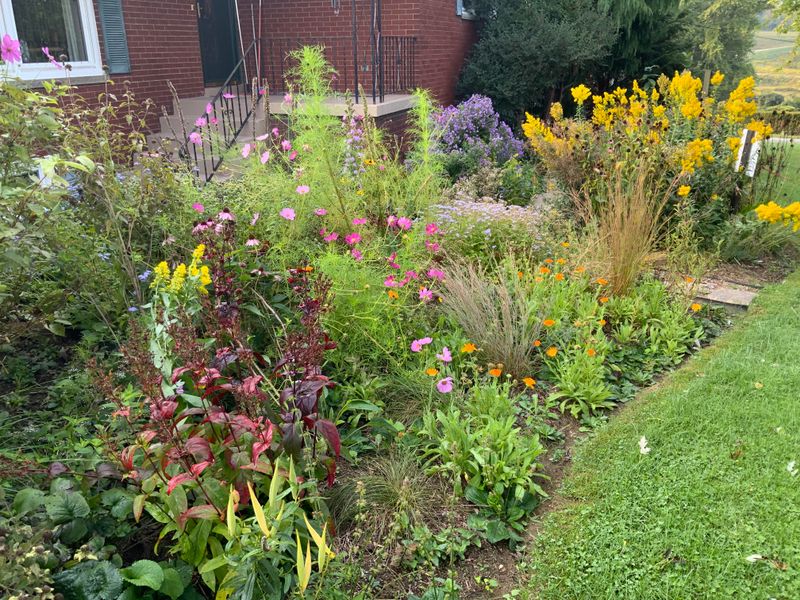
Native perennials and shrubs break that cycle entirely. Plants like native coneflower, wild ginger, inkberry holly, and Virginia sweetspire come back stronger each year.
Their root systems expand and deepen over time, making the plants more stable, more drought-tolerant, and better at crowding out weeds naturally. A native bed at three years old looks dramatically better than one fresh out of the nursery box.
Well-designed native plantings become more self-sustaining over time. As the canopy fills in and leaf litter accumulates, the soil improves and the need for outside inputs drops.
Long-term stability also means your investment compounds.
The plants you put in this year are still going strong five years from now, spreading slowly, filling gaps, and creating a layered habitat that looks intentional and full.
Compare that to replanting annuals every spring at ten to twenty dollars a flat, and the math becomes obvious fast.
Beds built around native plants are not just lower maintenance. They are genuinely built to age gracefully in Georgia’s climate, which is honestly more than most of us can say about ourselves by August.
6. Replace Fussy Blooms With Resilience
Some plants are absolute drama queens. Gardenias that demand pH-perfect soil. Roses that require weekly spraying.
Hybrid petunias that wilt the moment you miss one watering. Gardening is supposed to be enjoyable, not a full-time caregiving job for plants that barely say thank you.
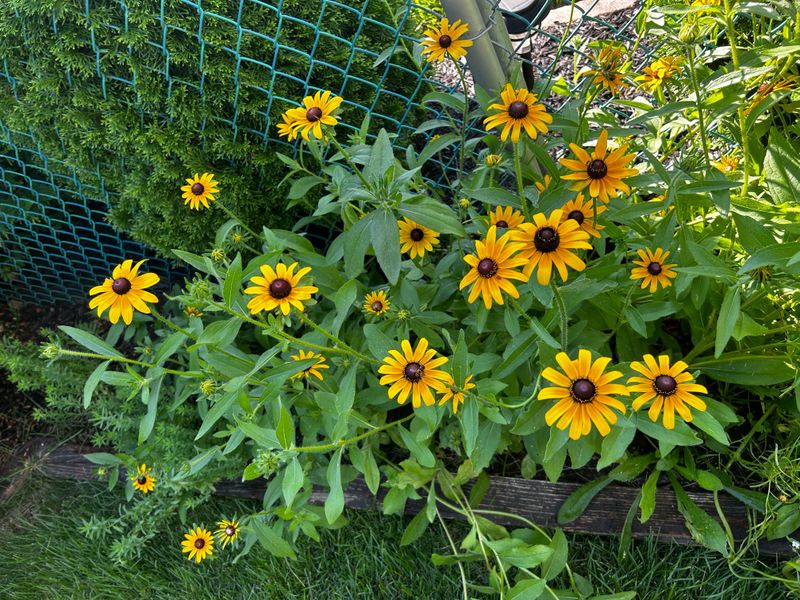
Resilient native plants offer beautiful blooms without the constant pampering. Native coneflowers bloom for weeks without deadheading.
Native black-eyed Susans reseed and come back thicker every year. Spiderwort blooms reliably from spring into summer with zero special treatment.
These plants were not bred for a greenhouse catalog. They were shaped by real Georgia conditions, and that difference shows.
The effort gap is striking. Gardeners who swap out high-maintenance bloomers for native alternatives often report spending significantly less time hovering over their beds.
Resilience also means the plants recover on their own when conditions get rough. A heat wave, a late frost, or a week of heavy rain that would send a hybrid ornamental into decline often barely slows down a well-established native.
That toughness is woven into their genetics. Choosing plants with proven resilience in Georgia’s climate is not settling for second best.
It is actually choosing more, more color, more dependability, and far more enjoyment from every hour you spend out there. And way fewer panicked waterings at dusk.
7. Invite More Birds And Butterflies
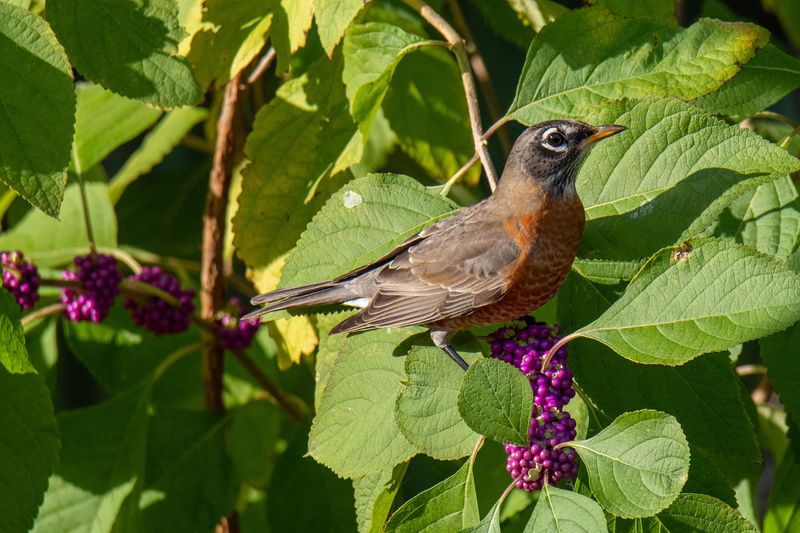
There is nothing quite like looking out your kitchen window and seeing a painted bunting working through your beautyberry shrub.
Or watching swallowtail butterflies spiral around a patch of native asters in October. These moments do not happen by accident.
They happen when your yard offers what birds and butterflies actually need, not just what looks pretty in a garden center photo.
Non-native plants often fall short as habitat. They may bloom well, but if the seeds are sterile or the berries are not palatable to Georgia wildlife, birds simply move on.
Butterflies need specific host plants for their caterpillars, and most non-native ornamentals do not qualify. A yard full of exotic plants can function as a wildlife desert despite looking lush from the street.
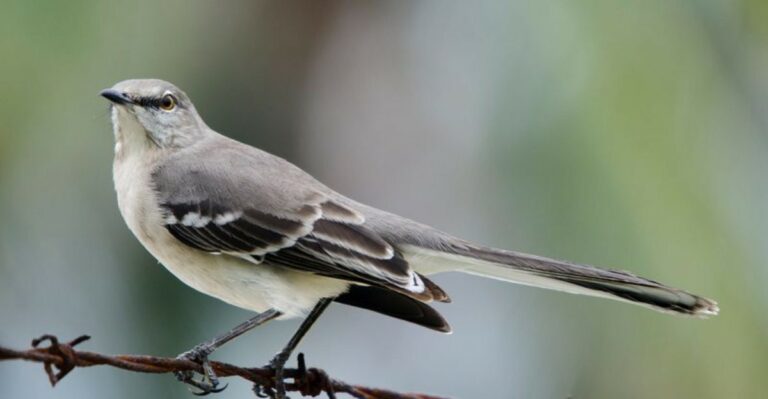
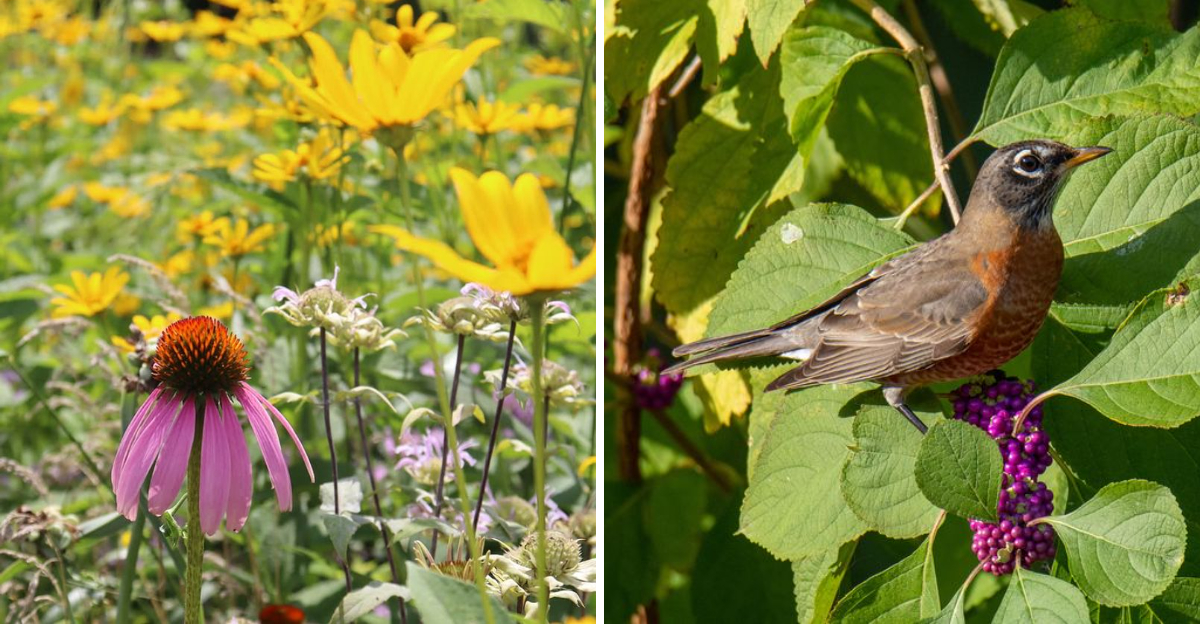
Native plants flip that equation. Beautyberry produces clusters of bright purple berries that mockingbirds and bluebirds genuinely seek out.
Native sunflowers provide seeds that goldfinches actively hunt for in late summer. Passionflower is the only host plant for Gulf fritillary butterfly caterpillars.
Serviceberry offers early spring fruit when almost nothing else is available. Each native plant you add is a direct food source or habitat piece for something living nearby.
You do not need a large property to make a difference. Even a small corner bed planted with native asters, native grasses, and a beautyberry shrub can attract a surprising number of species within a single season.
Your yard can become a genuine wildlife refuge. The birds were always looking for a reason to stop by.