Why Georgia Gardeners Should Plant Native Sweetshrub This Summer
Certain plants seem to show up again and again in the best looking yards. You notice them while driving through a neighborhood or visiting a local garden.
They are not always the flashiest plants around, yet they somehow leave a stronger impression than many of the shrubs getting all the attention.
Part of that appeal comes from reliability. People are spending less time looking for plants that need constant care and more time looking for ones that fit naturally into the landscape.
A shrub that can handle local conditions and still look good through the season is becoming much more valuable.
That shift has encouraged more interest in native plants across Georgia. Some have been growing in the region for centuries but are only now getting the attention they deserve.
One native shrub has quietly become a favorite for gardeners who want something a little different this summer.
1. Plant Native Sweetshrub For Fragrant Summer Blooms
Nothing in a summer garden smells quite like sweetshrub.
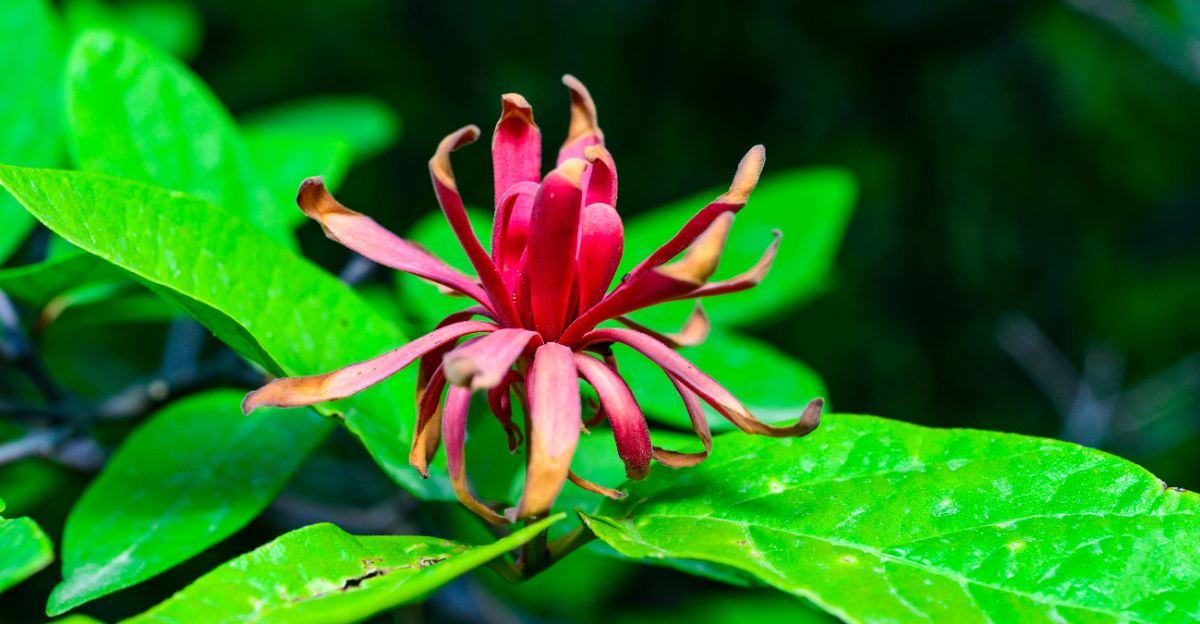
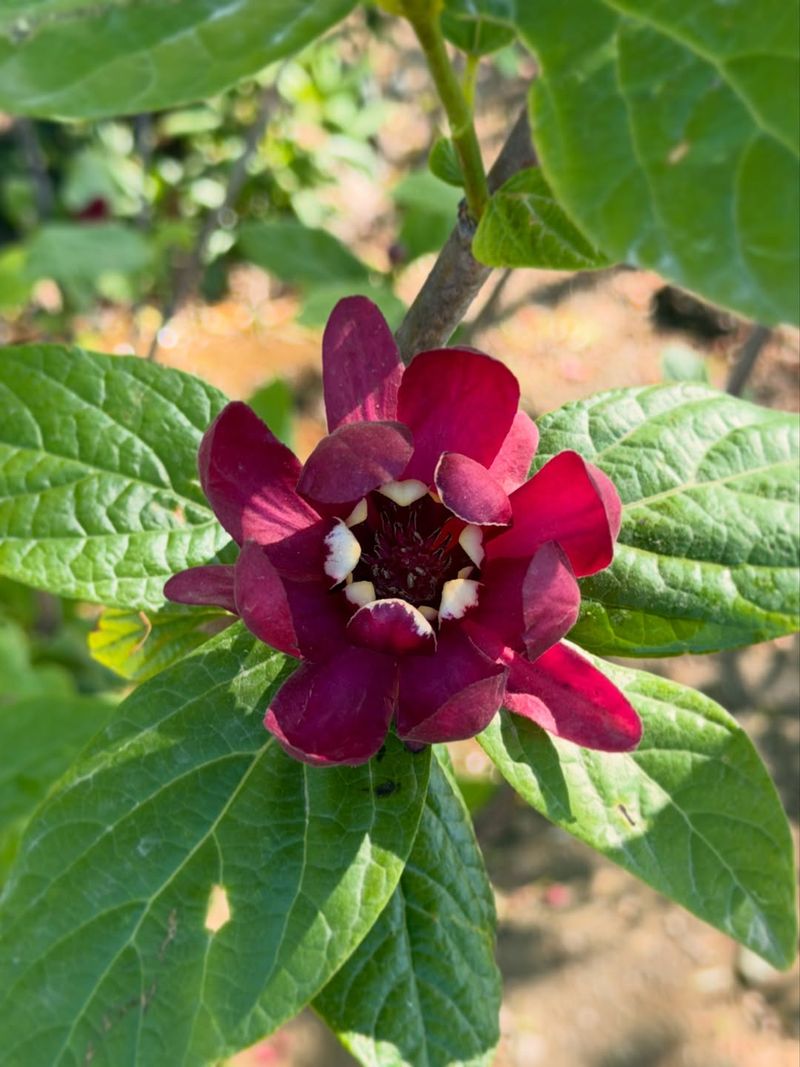
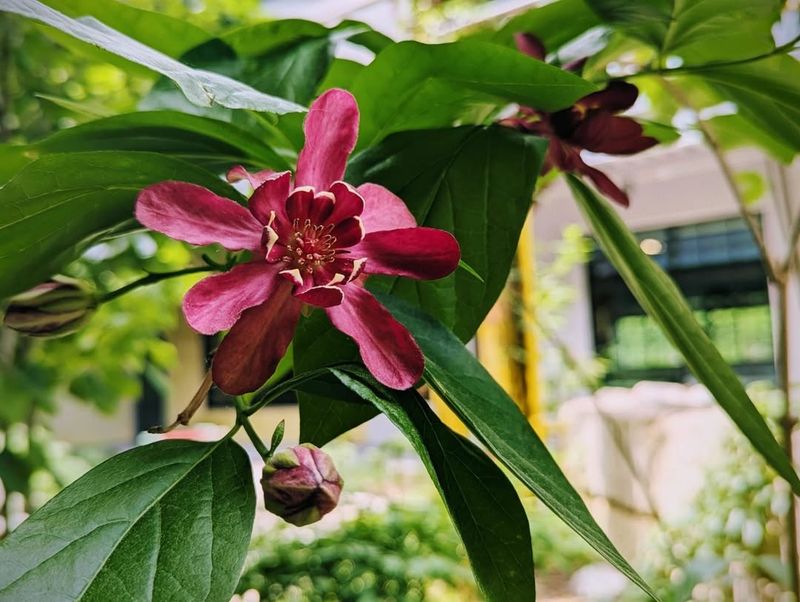
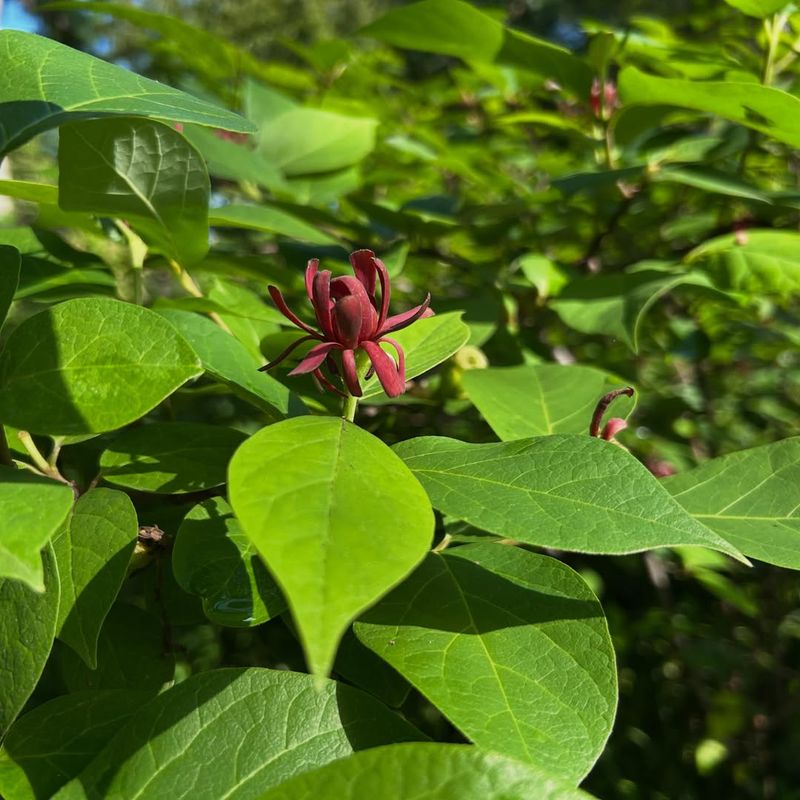
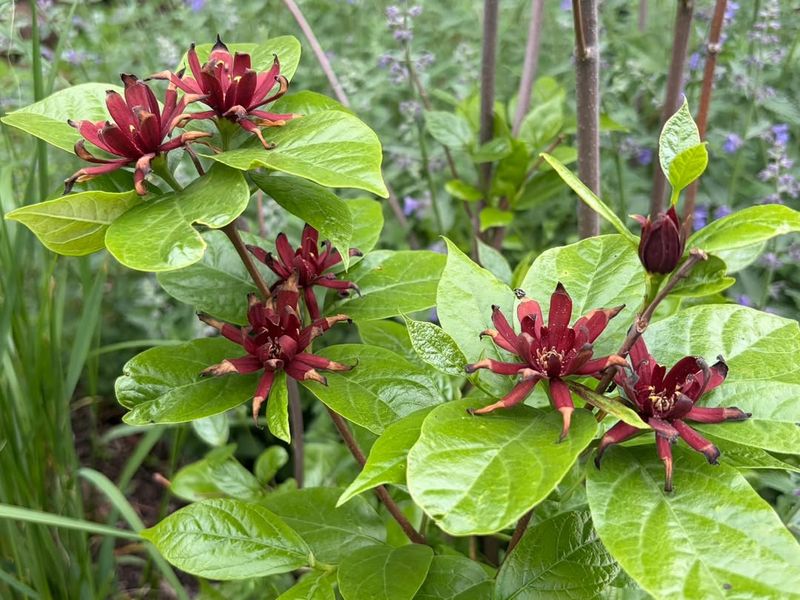
Calycanthus floridus produces deep burgundy, almost chocolate-red flowers that open from late spring right into summer, releasing a rich, spicy-sweet fragrance that carries surprisingly far on a warm afternoon.
Unlike a lot of flowering shrubs, sweetshrub blooms don’t just look good from a distance. Up close, the petals have a waxy, almost leathery texture, and the scent shifts slightly depending on the time of day.
Morning blooms tend to smell fruitier. Midday heat pushes out more of that warm, clove-like depth.
Scent intensity does vary from plant to plant. If fragrance matters most to you, smell the shrub before you buy it at the nursery.
Some plants are much stronger than others, and there’s no reliable way to predict it from looks alone.
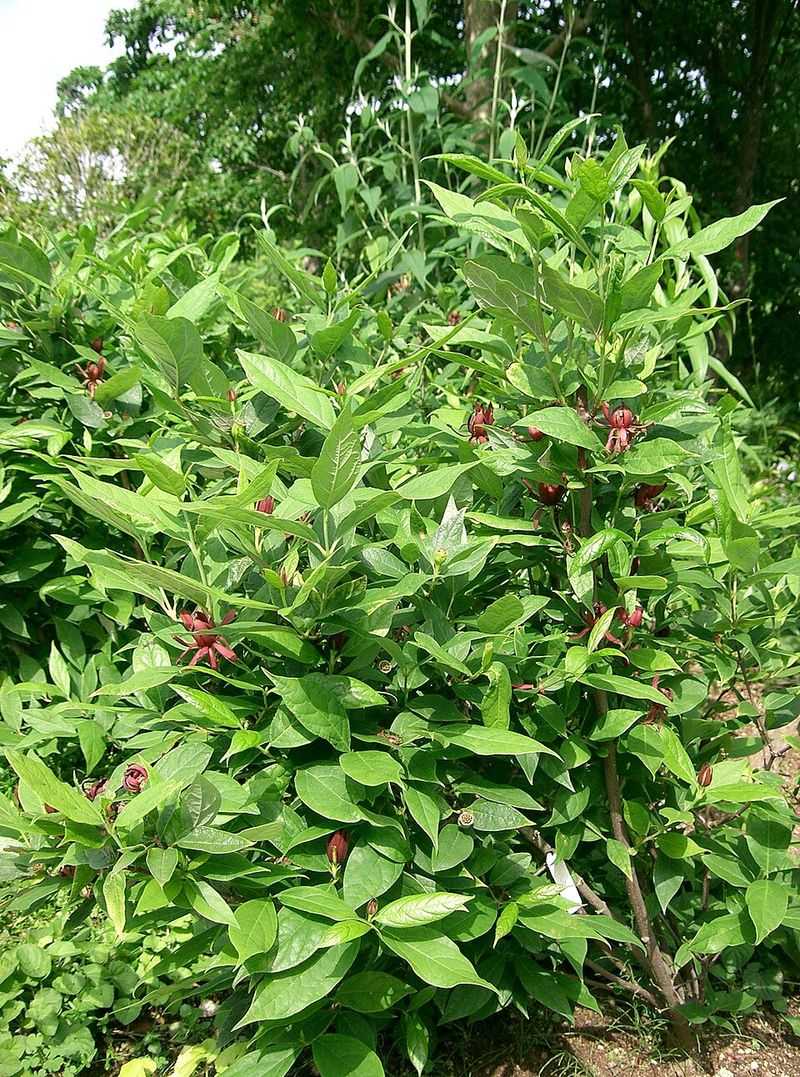
Sweetshrub typically grows six to nine feet tall and wide if left unpruned, though most home garden specimens stay more compact. It spreads slowly by suckers, forming a loose, natural clump over time.
Pruning right after bloom keeps it tidy without losing next year’s flowers.
2. Bring More Pollinators Into The Garden
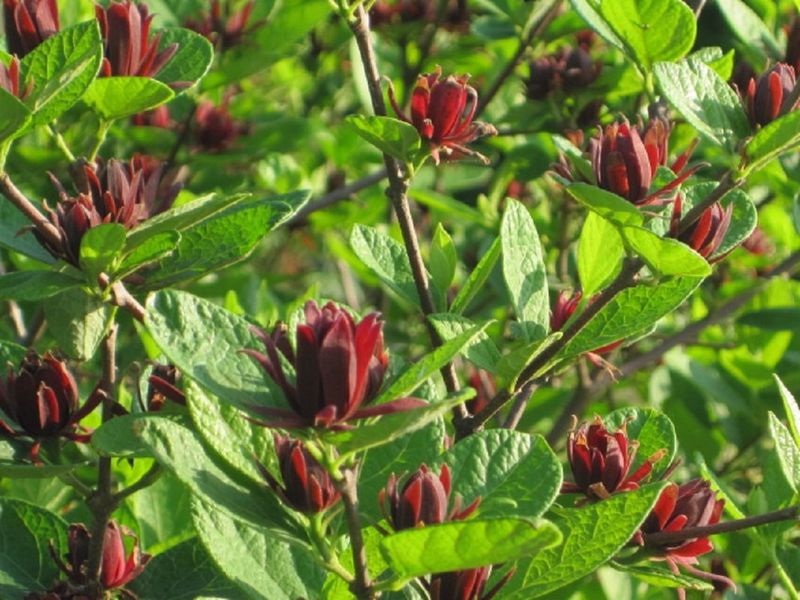
Sweetshrub has a pollinator story that most gardeners don’t know. Its flowers don’t just attract bees and butterflies.
They specifically lure beetles, which are among the oldest pollinators on earth, using both scent and a clever trap-like flower structure that temporarily holds insects inside.
Beetles crawl into the bloom, pick up pollen, and eventually work their way out. It’s a fascinating, ancient relationship that plays out quietly every summer in gardens across the Southeast.
Native bees also visit the flowers regularly, drawn by the scent and the accessible pollen. Swallowtail butterflies have been observed nectaring on sweetshrub as well, especially in gardens near wooded edges where these insects are already active.
Planting sweetshrub near other flowering natives creates a layered habitat that supports a wider range of beneficial insects.
Pairing it with plants like wild bergamot, black-eyed Susan, or native asters extends the pollinator season well beyond what sweetshrub alone can offer.
Your Georgia Garden Changes Every Week. Your Plan Should Too.
Gardening in Georgia changes quickly throughout the season. Every Friday you’ll receive a simple weekly plan showing exactly what to plant, prune, fertilize, harvest, and protect so you never miss the right timing.
A yard with more pollinators isn’t just good for wildlife. Fruit trees, vegetable gardens, and flowering perennials all benefit from stronger pollinator activity nearby.
Sweetshrub pulls its weight as a functional garden plant, not just a pretty one.
3. Count On Strong Performance In Heat And Humidity
Summers in the Southeast are brutal. High humidity, stretches of 90-plus-degree heat, and afternoon thunderstorms that do little to cool things down.
Most exotic ornamental shrubs struggle through that kind of weather. Sweetshrub doesn’t even flinch.
It evolved right here under these exact conditions. Generations of wild plants growing along creek banks and forest edges across the region shaped a shrub that handles southern summers better than almost anything you can buy at a big box store.
Heat stress, which shows up in many plants as leaf scorch, wilting, or flower drop, rarely affects established sweetshrub. Foliage stays green and full even during dry spells that send other plants into survival mode.
That reliability matters when you’re managing a yard through a long, unpredictable summer.
Humidity is actually less of a problem for sweetshrub than for many ornamentals. Fungal issues that plague roses and other popular shrubs in wet summer conditions are not a common concern with this plant under typical garden conditions.
Once roots are established, usually after the first full growing season, sweetshrub becomes genuinely low-maintenance. It doesn’t need babying through heat waves or extra attention during dry stretches.
4. Choose A Site With Sun Or Partial Shade
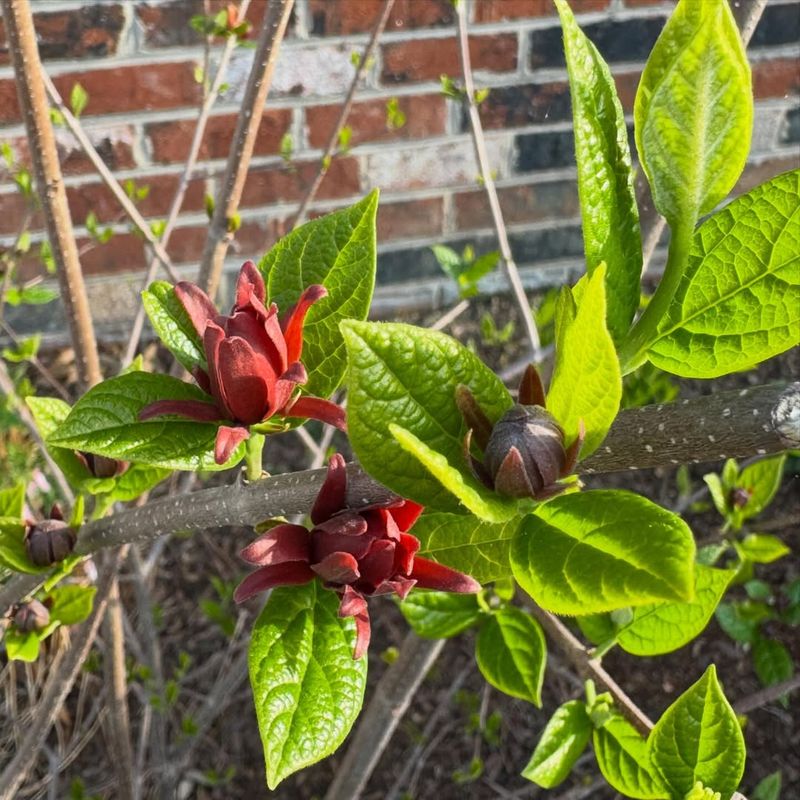
One of the best things about sweetshrub is its flexibility with light. Full sun, partial shade, or the dappled light under a high tree canopy all work.
Very few flowering shrubs give you that kind of planting freedom.
In full sun, plants tend to be more compact and may flower more heavily. Expect faster growth and a denser form when sunlight is strong and consistent throughout the day.
Partial shade is where sweetshrub truly feels at home. In woodland edge conditions, with a few hours of direct morning sun and filtered light in the afternoon, foliage stays lush and deep green all season.
Bloom production remains solid under these conditions as well.
Deep shade is where performance drops off. Less than two to three hours of direct sun typically reduces flowering significantly.
Foliage may also become sparse and open rather than full and attractive.
North-facing beds, spots under dense evergreen canopies, or areas blocked by structures for most of the day are not ideal. If you’re unsure about a site, watch how much direct sun it actually receives before planting.
5. Plant In Soil That Drains Well After Rain
Sweetshrub grows wild along stream banks, which might make you think it loves wet feet. In a garden setting, that’s not quite the right takeaway.
What it actually wants is consistent moisture with good drainage, not standing water after rain.
Soil that stays soggy for extended periods after a storm creates root problems over time. Root rot is a real risk in poorly drained clay-heavy beds, especially during Georgia’s rainy spring and summer seasons.
Most native soils in the region are workable with a little amendment. If your soil is heavy clay, mix in compost before planting to improve drainage and soil structure.
A raised planting bed, even just a few inches above grade, can make a meaningful difference in problem spots.
Sandy soils drain fast, sometimes too fast. In those situations, organic matter helps retain just enough moisture to keep roots comfortable between waterings.
Sweetshrub doesn’t want bone-dry roots any more than it wants waterlogged ones.
A simple drainage test helps before planting. Dig a hole about twelve inches deep, fill it with water, and watch how quickly it drains.
If water is still sitting after an hour, consider amending the soil or choosing a slightly raised spot.
6. Water Deeply While Roots Become Established
Newly planted sweetshrub needs steady moisture for the first growing season. Roots are still spreading, and the plant can’t pull water from a wide area yet.
Consistent watering during this window makes the difference between a shrub that thrives and one that just survives.
Deep watering is more effective than frequent shallow watering. Wetting just the top inch or two of soil encourages shallow root growth.
Soaking the root zone thoroughly and then letting the top layer dry out slightly between waterings pushes roots deeper into the soil.
A slow, deep soak once or twice a week during dry spells works well for most newly planted shrubs. During stretches of regular summer rain, you can pull back and let nature handle it.
Check soil moisture a few inches down before watering to avoid overdoing it.
Morning watering is preferable to evening watering in humid climates. Foliage that stays wet overnight in warm weather can invite fungal issues, though sweetshrub is generally less susceptible than many other ornamentals.
Drip irrigation or a soaker hose laid around the base of the plant delivers water directly to the root zone with minimal waste. It’s an efficient approach for gardeners who want to water less frequently without stressing the plant.
7. Spread Mulch To Hold Moisture Around The Base
Mulch is one of the simplest things you can do for a newly planted sweetshrub, and the benefits stack up fast.
A good layer around the base keeps soil moisture from evaporating quickly, which matters a lot during the hot, dry stretches that hit the Southeast every summer.
Shredded bark, pine straw, or wood chip mulch all work well. Apply a layer two to three inches deep, keeping it a few inches away from the main stem to prevent rot at the base.
Piling mulch directly against the trunk creates moisture problems over time.
Beyond moisture retention, mulch moderates soil temperature. Bare soil heats up dramatically under direct summer sun.
A mulched bed stays noticeably cooler, which protects shallow feeder roots and reduces stress on the plant during heat waves.
Weed suppression is another practical benefit. Fewer weeds around a young shrub means less competition for water and nutrients during the critical establishment period.
Less weeding also means less time on your knees in July heat.
Organic mulches break down gradually and improve soil structure over time. As they decompose, they add organic matter that benefits soil biology and long-term drainage.
Topping up mulch once a year keeps these benefits going without much effort.