13 Fast Spreading Perennials North Carolina Gardeners Are Planting This Fall
Roots can keep growing in soil above roughly forty degrees, long after the leaves above them have gone quiet. That hidden underground shift is why autumn planting feels like a cheat code to me every single year.
North Carolina soil often stays warm well into November, while the cooler air eases stress on new transplants. Extension specialists across the state point to fall as a prime window for setting out hardy perennials.
I love how a few small pots tucked in now can turn into wide drifts by next summer. You get the fun of planting without the sweaty July afternoons and the endless trips with the hose.
Some of my favorite spreaders below are native treasures that pollinators chase from spring through the first frost. Which of these eager growers will claim that empty corner of your North Carolina yard first?
1. New York Ironweed
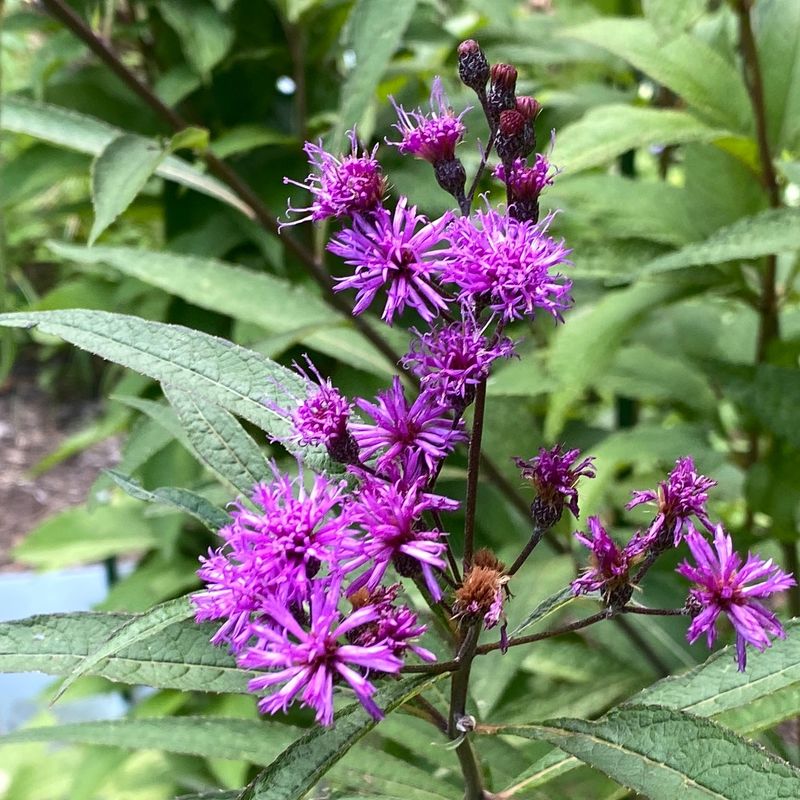
Towering stems of New York ironweed can stretch past six feet, topped with purple fuzz that looks almost electric. I stopped in my tracks the first time I saw a swallowtail parked on those blooms in late August.
Its botanical name, Vernonia noveboracensis, honors the state where it was first described, yet it grows wild here too. You will find it in wet meadows and along stream banks across much of the eastern United States.
Spreading happens mostly by seed, so fluffy seed heads drift into nearby open, moist ground and sprout the following spring. Over a few seasons, one plant can become a small colony that fills a soggy corner nicely.
Fall planting lets the roots settle while the soil still holds summer warmth and autumn rains arrive regularly. By the time spring heat returns, your young ironweed will already have a sturdy foundation underground.
Give it full sun or light shade, plus soil that stays moist without turning into standing water for weeks. Rain gardens and low spots near downspouts make ideal homes for this thirsty, tall native perennial.
If height worries you, cut the stems back by about half in late spring before buds start forming. That simple trim creates a fuller, shorter plant that rarely flops over after heavy summer thunderstorms.
Monarchs and bumblebees visit the blooms often, and goldfinches pick at the seed heads once the petals fade. I like leaving the stems standing through winter because they add height when the rest of the bed rests.
2. Wild Geranium
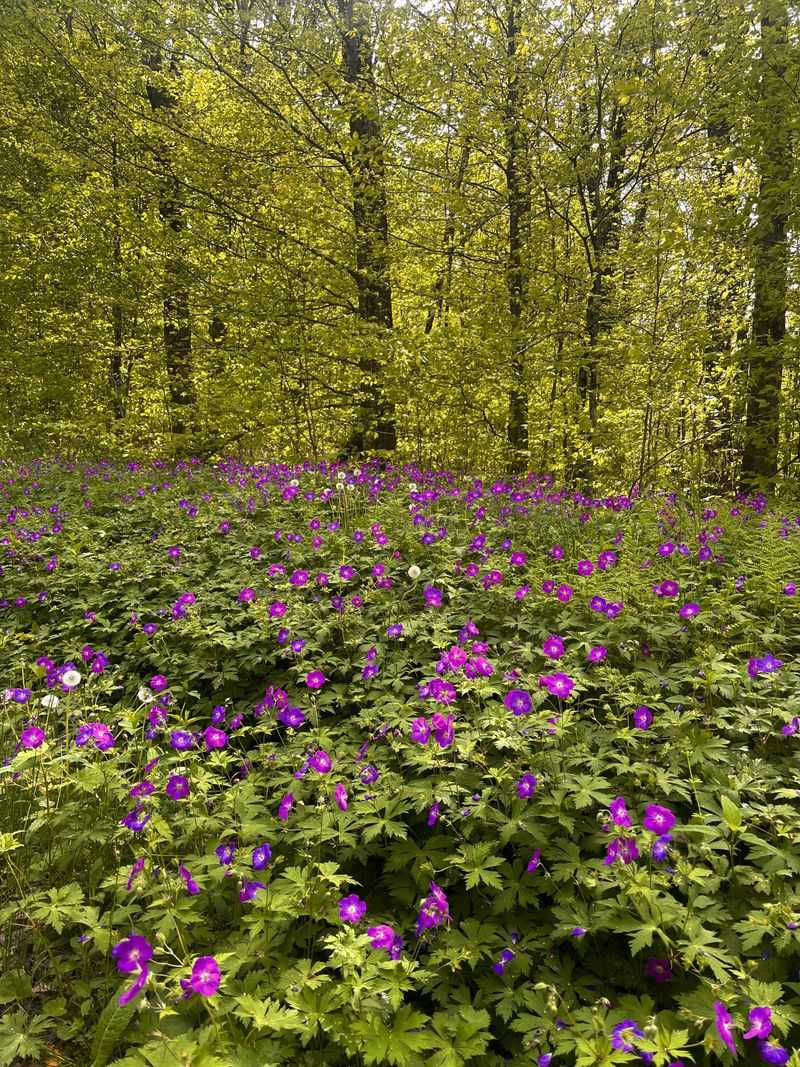
Soft lavender saucers floating above deeply cut leaves make wild geranium feel like a woodland secret you stumbled upon. Every April, I find myself crouching beside my patch just to admire the delicate veins on each petal.
Geranium maculatum spreads slowly but steadily through thick underground rhizomes that push up fresh shoots each year. Give it a couple of seasons, and a few plants knit into a tidy carpet under your trees.
Shady beds are where it shines, especially spots with dappled light and soil rich in leaf litter. It handles some morning sun, though afternoon heat in our southern summers can scorch the foliage.
Early fall is a smart time to tuck in new plants or divide crowded clumps you already own. Cool nights and warm soil help those rhizomes anchor themselves nicely before winter slows everything down.
Plants usually reach one to two feet tall and form rounded mounds that look neat without much fuss. In some years, the leaves pick up reddish tints in autumn, adding a bonus splash of seasonal color.
Native bees love the open flowers, and the seeds launch from little beak-shaped capsules like tiny catapults. That springy seed release explains the cranesbill nickname, which comes from the pointy shape of the fruit.
Mix in compost at planting time, then water regularly through the first fall if rain turns scarce. After that, you can mostly leave it alone and let the colony grow at its own relaxed pace.
3. Golden Ragwort
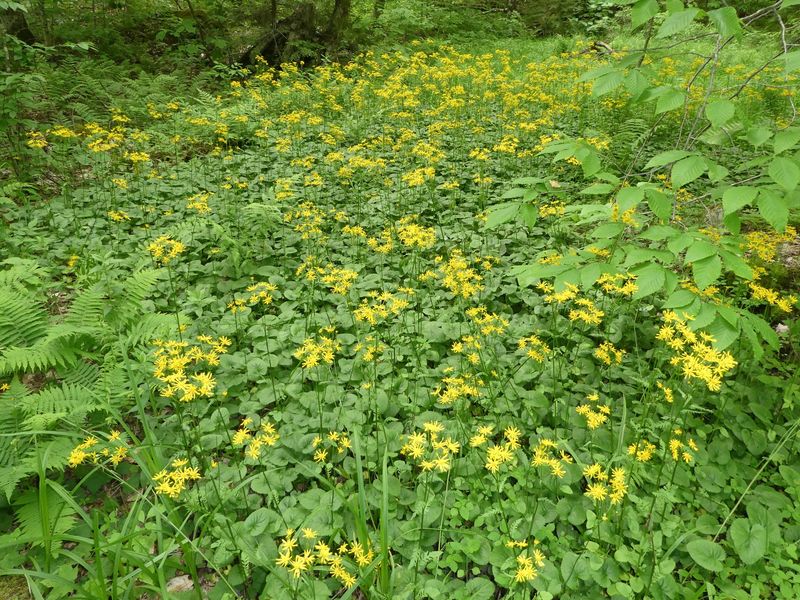
Bright yellow daisies popping up in March feel like a pep talk after a gray winter, and golden ragwort delivers. I count on it every year to wake up the shady side of my yard before most perennials stir.
Packera aurea spreads by creeping stems and seeds, forming dense mats of rounded leaves that hug the ground. Those leaves often stay green through mild winters, so the bed rarely looks bare even in January.
Moist soil suits it best, and it handles partial shade happily along creeks, ditches, or damp woodland edges. Drier spots can work too, but expect slower spreading if the ground bakes hard in midsummer.
Planting in fall gives the runners a head start, so they begin creeping outward as soon as spring arrives. Space plants about a foot and a half apart if you want a solid carpet within two seasons.
Early flowers matter because hungry native bees and small flies emerge before many other nectar sources are open. Your plants become a welcome snack bar for insects searching for food on chilly late-winter days.
One caution worth knowing is that all parts of the plant are toxic if eaten by people or pets. Keep curious grazers away, and wear gloves if you have sensitive skin while dividing big clumps.
Care stays simple, since established colonies need little beyond trimming off tall seed stalks once flowering ends. Personally, I love letting it crowd out weeds under my old maple, where grass struggled for years.
4. Creeping Phlox
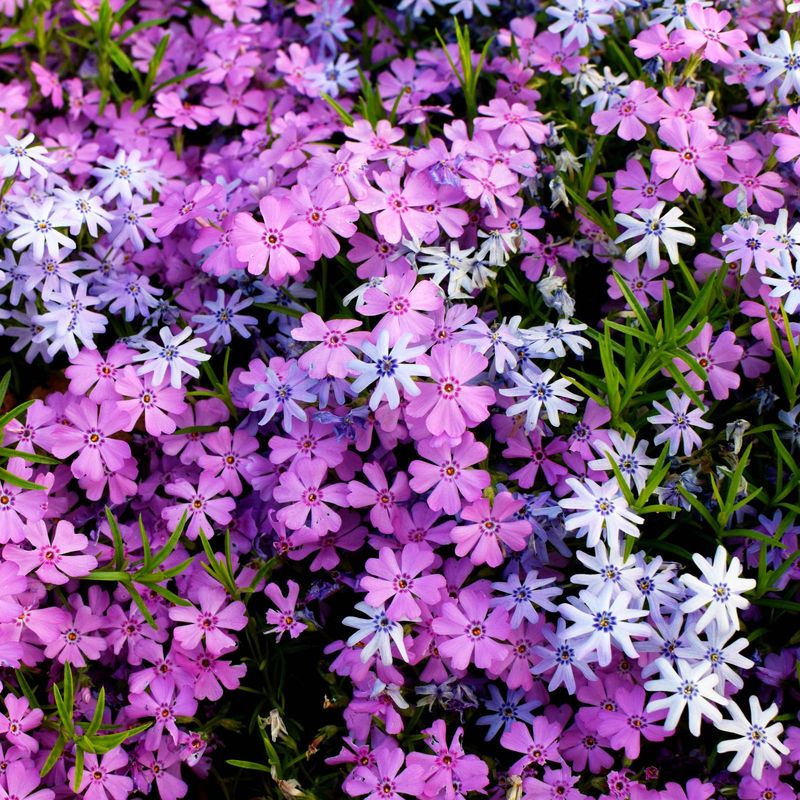
A blanket of lavender blooms rolling across shady ground in April looks almost unreal, and creeping phlox makes it happen. Phlox stolonifera earned its species name from the runners it sends out to root wherever they touch soil.
Each runner forms new roots at its nodes, so one small pot can spread into a lush mat surprisingly fast. I like using it to soften the edges of stepping stones and woodland paths that look a bit bare.
This woodland species prefers partial shade and moist soil loaded with organic matter, much like a forest floor. Sunny slopes call for its cousin, moss phlox, which handles heat and lean soil much better.
Fall planting works beautifully because roots grow while the foliage stays low and quiet through cooler weeks. Water new plants well until winter rains take over, especially during the dry spells that sometimes hit in October.
Flower color varies by cultivar, with popular choices like the soft blue Sherwood Purple and pale pink selections. Butterflies and long-tongued bees visit the fragrant blooms, which appear when gardens badly need early color.
Good airflow helps prevent powdery mildew, so avoid crowding plants under dense shrubs with little breeze. Thin out tangled sections every few years, then replant the extra pieces somewhere else that needs cover.
After flowering, a light shearing keeps the mat tidy and encourages fresh leaves for the rest of the season. You will be surprised how quickly a shady slope turns green and holds its soil in place.
5. Lanceleaf Coreopsis
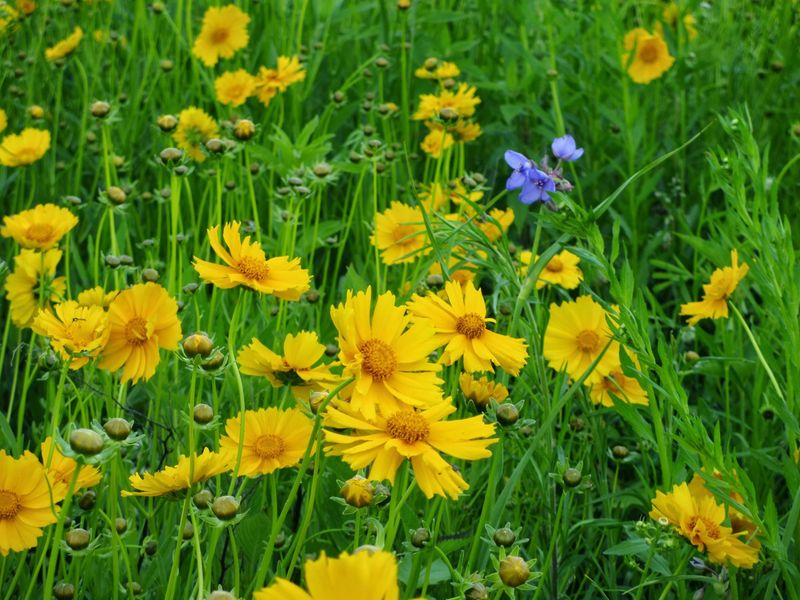
Golden daisies bouncing on wiry stems along a sunny roadside often turn out to be lanceleaf coreopsis. I have seen it thrive in gravelly spots where I could barely get a shovel into the ground.
Coreopsis lanceolata is native to much of the eastern United States and reseeds with real enthusiasm. A single clump can scatter enough seed to fill nearby gaps within a year or two.
Full sun is a must, ideally six hours or more, for the strongest stems and the most flowers. Lean, sandy, or rocky soil works fine, and rich soil can make the stems flop over.
Fall is a great window for setting out transplants or scattering seed directly onto bare, raked soil. Winter cold and moisture help the seeds wake up, which mimics what happens naturally in wild meadows.
Blooms usually peak in late spring and early summer, bringing bees and small butterflies to every open flower. Deer tend to ignore it, which makes it a handy pick for gardens near wooded edges.
Snipping off faded blooms can extend the show and limit seedlings if you prefer a tidier look. Leave some seed heads, though, because goldfinches love perching on the stems to pick at the seeds.
Clumps may fade after a few years, yet seedlings usually step in to keep the colony going. Dividing older plants in fall every couple of years also refreshes them and gives you free starts.
6. Swamp Milkweed
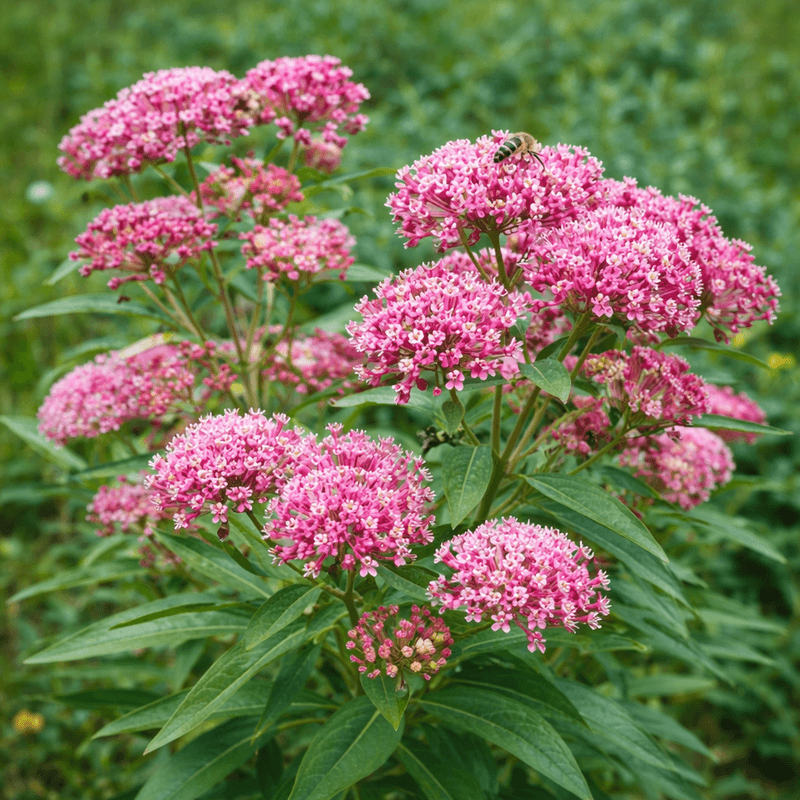
Monarch caterpillars munching on swamp milkweed leaves might be the most rewarding sight in my whole summer garden. Asclepias incarnata serves as a host plant, which means monarch butterflies lay eggs on it and caterpillars eat it.
Spreading happens mostly by seed, as pods split in fall and send silky parachutes drifting across the yard. Clumps also widen slowly, so this pick fills space more politely than some of the wilder spreaders here.
Despite the swampy name, it grows well in average garden soil that holds moisture between rains. Pond edges and rain gardens suit it nicely, though full sun gives you the sturdiest plants and most blooms.
Fall is a perfect time to sow seeds outdoors because winter cold helps break their natural dormancy. Container plants can go in now too, as long as you water them steadily until regular rains settle in.
Expect plants about three to five feet tall, topped with clusters of fragrant pink flowers from midsummer on. The scent reminds me a little of vanilla, and bees seem just as charmed by it as I am.
Like other milkweeds, its sap is toxic if eaten, so keep it away from nibbling pets. Deer usually leave it alone for that same reason, which is a nice perk in rural yards.
New shoots appear late in spring, so mark the spot to avoid digging into it by accident. I tie a bit of string to a stake beside each clump before winter cleanup begins.
7. Black-Eyed Susan
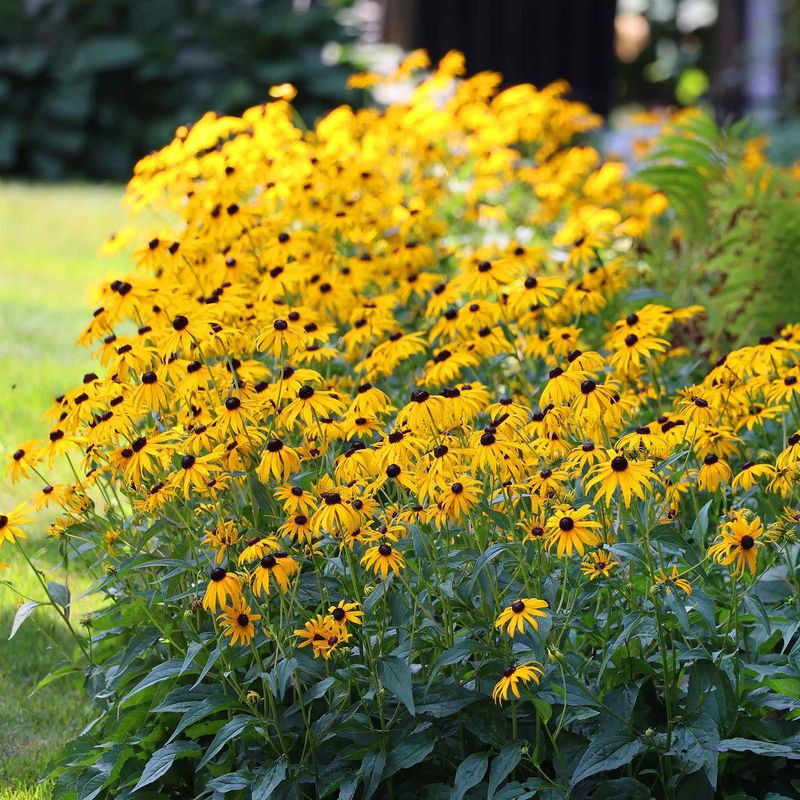
Few flowers say late summer quite like a sweep of black-eyed Susans glowing gold beside a mailbox. Fun fact: Maryland claims it as the state flower, though it grows wild across much of our region too.
Two main types show up at garden centers, and they spread in slightly different ways once planted. Rudbeckia hirta reseeds freely but lives only a few years, while Rudbeckia fulgida creeps outward through underground rhizomes.
Planting in fall gives roots time to settle while soil stays warm and autumn showers help with watering. You can also scatter seeds of Rudbeckia hirta on bare ground and let winter weather handle the rest.
Full sun produces the heaviest flowering, so aim for spots that get at least six hours of light daily. Average, well-drained soil suits them well, and too much fertilizer mostly gives you floppy stems instead of blooms.
Bees and butterflies crowd the golden petals, and the dark cones later feed goldfinches through fall and winter. I leave a few seed heads standing just to watch those yellow birds bounce from stem to stem.
Clumps of the rhizome type benefit from division every three or four years when centers start thinning out. Spring or fall both work for dividing, and extra pieces make lovely gifts for neighbors starting new beds.
Leaf spot can show up in humid summers, so space plants for airflow and water at the base. Cutting back tattered stems in late winter keeps the bed tidy before fresh green leaves return.
8. Purple Coneflower
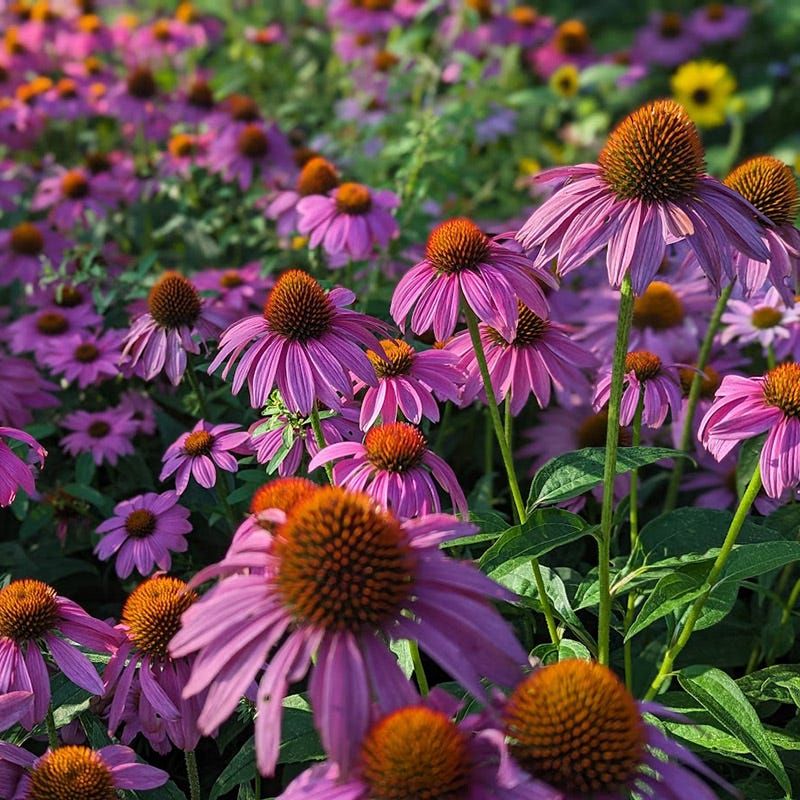
Spiky orange cones surrounded by drooping pink petals make purple coneflower look like a flower drawn by a cheerful kid. I adore how it keeps blooming through the hottest weeks, when other perennials start looking tired.
Echinacea purpurea spreads mainly by reseeding, with fresh seedlings popping up around the parent plant each spring. Clumps also widen slowly over time, giving you plenty of extras to move around the garden.
Early fall planting lets roots grow deep before winter, which pays off with stronger stems next summer. Mulch lightly around the new plants, but keep the mulch pulled away from the crown to prevent rot.
Full sun suits it best, though a little afternoon shade helps in the hottest parts of the Piedmont and coast. Well-drained soil is key, since soggy winter ground tends to cause more trouble than drought ever will.
Once established, it handles dry spells with impressive grit, making it a favorite for low-water beds. I rarely water mine after the first year, except during long stretches without any summer rain.
Bees and butterflies visit from early summer through fall, and goldfinches later pull seeds from the cones. Leaving those seed heads up into winter adds texture to the garden and feeds birds when food is scarce.
Divide crowded clumps every three or four years in spring or fall to keep them flowering well. Deer tend to pass it by, which matters a lot if they wander through your yard often.
9. Bee Balm
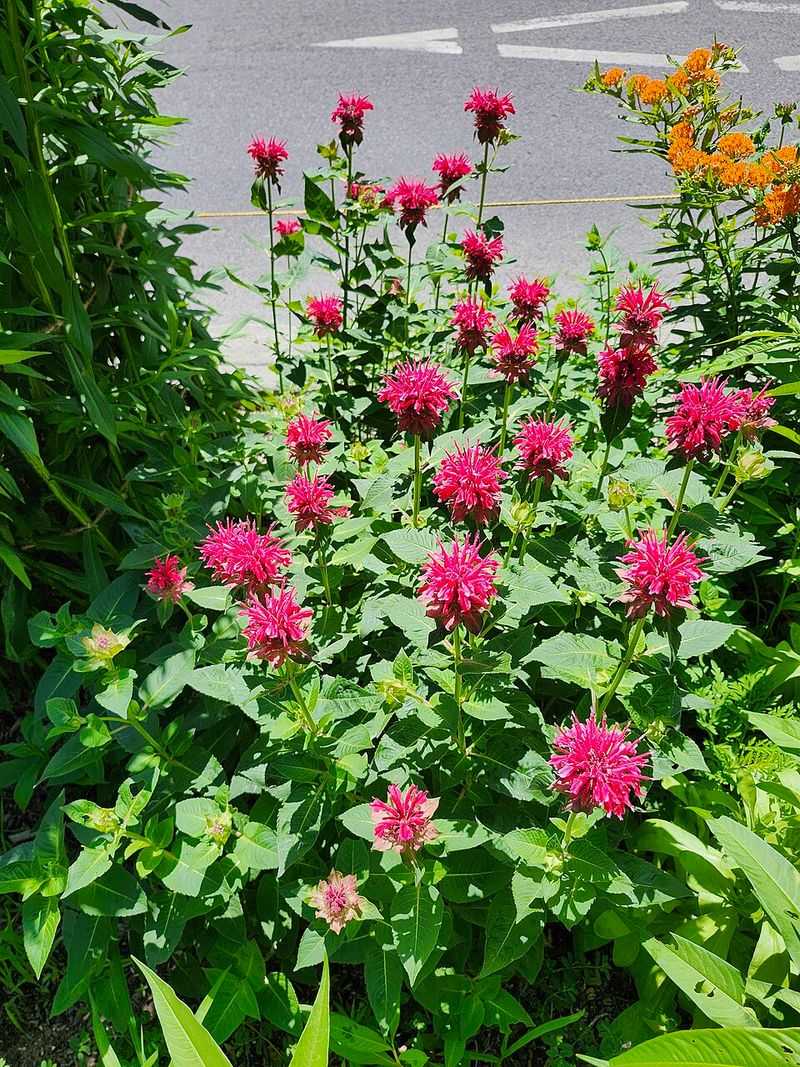
Shaggy red blooms that look like fireworks frozen mid-burst make bee balm a hummingbird magnet in early summer. The first time a ruby-throated hummingbird zipped past my ear toward a patch, I was hooked for good.
Bee balm spreads by shallow underground runners, so a single plant can double in size within a season. That eagerness is lovely in a big border, though smaller beds may need a firm hand each spring.
Monarda didyma grows wild in North Carolina mountains, while Monarda fistulosa offers soft lavender flowers and tougher drought tolerance. Both are native picks, and newer cultivars often handle humid southern summers with fewer leaf problems.
Fall planting gives roots a cozy head start, and you can divide older clumps at the same time. The center of a clump often thins out, so replant the vigorous outer pieces and toss the woody core.
Full sun or light shade works, along with moist soil that drains well after heavy downpours. Powdery mildew is common in muggy weather, so spacing plants for airflow helps keep leaves cleaner.
Crush a leaf between your fingers and you will catch a minty scent that hints at its herbal history. Bees and butterflies share the blooms with hummingbirds, turning your bed into a busy little airport.
Deer usually skip the fragrant foliage, which makes this plant a smart choice near wooded property lines. Cutting stems back after the first flush can sometimes encourage a smaller second round of flowers.
10. Goldenrod
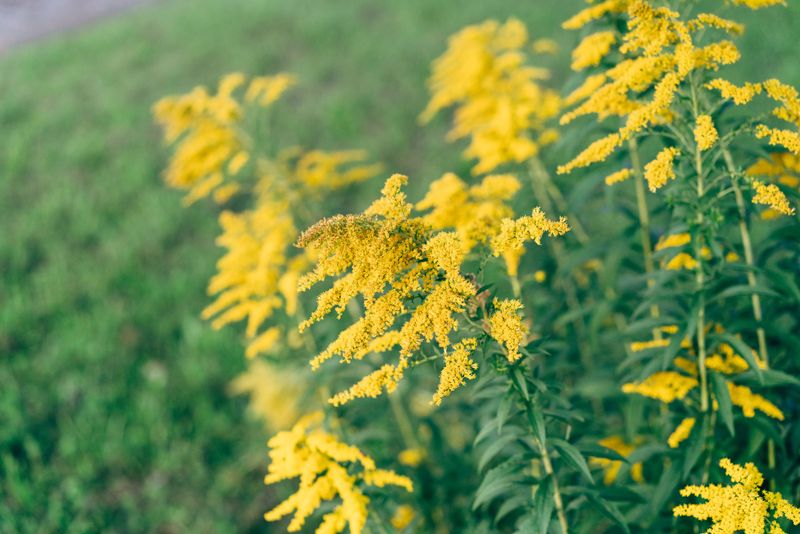
Goldenrod takes the blame for fall sneezing, yet ragweed is usually the real culprit hiding nearby. Its heavy, sticky pollen travels on insects rather than the wind, so it rarely bothers allergy sufferers.
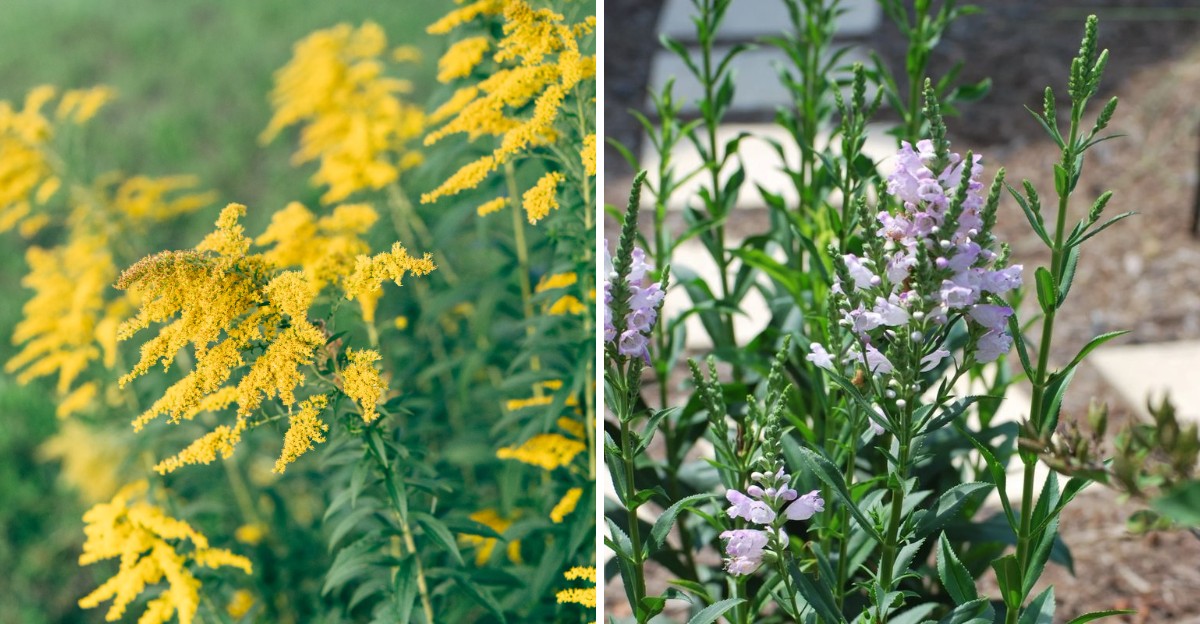
Several native goldenrods spread by rhizomes and wind-borne seeds, building golden colonies across open fields quite fast. Canada goldenrod is a famously aggressive spreader, so it fits wild meadows better than tidy beds.
For smaller gardens, I lean toward blue-stemmed goldenrod, a shade-tolerant species with arching wands of yellow blooms. Wrinkleleaf goldenrod, especially the Fireworks cultivar, also stays more polite while still putting on a dazzling show.
Fall is perfect for planting since nurseries often sell goldenrods in bloom, letting you see the exact color. Seeds sown now also benefit from winter cold, which helps them germinate when the soil warms in spring.
Most species love full sun and adapt to average soil, including clay that challenges fussier perennials. Skip rich soil amendments, since extra fertility tends to make the tall stems lean and topple during storms.
Late flowers feed migrating monarchs and bees stocking up before winter, which makes goldenrod a true lifeline. Songbirds pick at the seeds later, and hollow stems shelter some native insects through the cold months.
Divide spreading types every few years to keep them in bounds and to refresh tired centers. Pair them with asters, and you will get a purple and gold combination that feels like autumn sunshine.
11. Yarrow
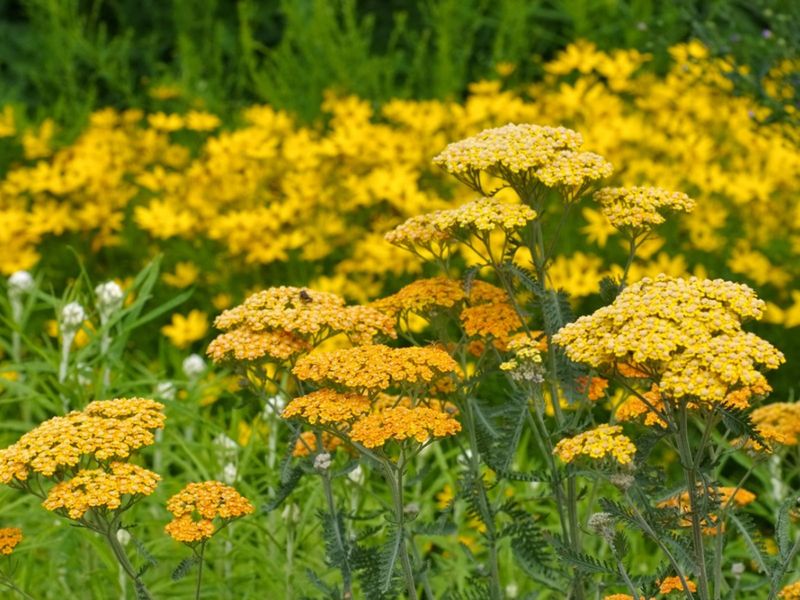
Feathery leaves soft as a fern make yarrow fun to brush past, and the scent is pleasantly sharp. Its genus name, Achillea, comes from a Greek hero of legend, which gives this humble plant a fancy backstory.
Achillea millefolium spreads by creeping rhizomes and self-sown seeds, quickly covering bare patches in hot, sunny beds. I have watched one clump double its width in a single season without any special attention from me.
Plant it at least six weeks before your first hard frost so roots can settle before winter. In the cooler mountain counties, that window closes earlier, so gardeners there should aim for September planting.
Full sun and lean, well-drained soil keep yarrow happiest, while rich or soggy ground causes floppy stems. Heavy clay can work if you add grit or plant on a slight slope where water runs off.
Flat flower clusters come in white or a rainbow of cultivar colors, and they bloom from late spring into summer. Hoverflies and small native bees crowd the tiny florets, and some of those visitors help control aphids.
Some people get skin irritation from handling the foliage, so gloves are a sensible choice during cleanup. Snipping faded blooms often encourages more flowers and also limits how many seedlings appear next year.
Once established, it shrugs off dry spells and needs little more than a division every few years. Personally, I love tucking it along driveway edges where the heat reflects off the pavement all afternoon.
12. Obedient Plant
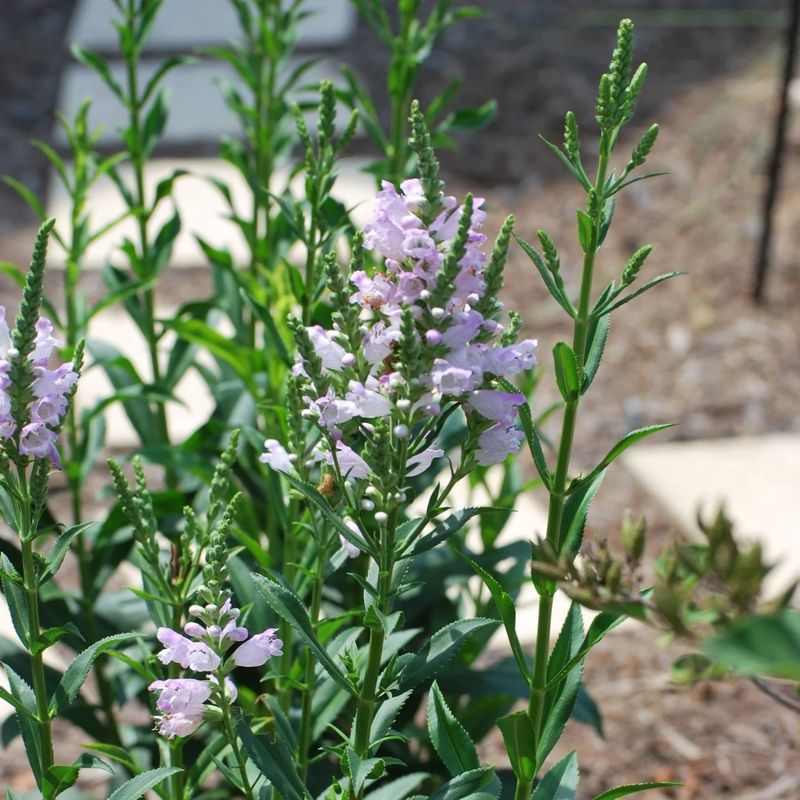
Push one of the little flowers sideways, and it stays put, which is how obedient plant got its funny name. Kids at my house treat it like a toy, nudging blooms around the stem to make silly patterns.
Jokes aside, the plant is anything but obedient underground, where its rhizomes travel fast through moist soil. Many gardeners call it a runner, so give it room or plant it where neighbors can keep it in check.
Physostegia virginiana is native to much of eastern North America and blooms from late summer into fall. Its spikes of pink snapdragon-like flowers arrive when many perennials are fading, which keeps beds lively longer.
Fall planting lets roots settle during cool weather, and dividing existing clumps now is easy and quick. Pull up wandering shoots each spring, since they lift out of loose soil with only a gentle tug.
Full sun to partial shade works, and average to moist soil keeps it growing strong all season. In dry, lean ground it spreads more slowly, which can be handy if you want a calmer patch.
Bumblebees love crawling inside the tubular flowers, and hummingbirds sometimes stop by during their fall migration south. I enjoy watching a fat bumblebee vanish inside a bloom and then back out covered in pollen.
Tall stems can flop in rich soil, so a quick late spring pinch helps keep them upright. White cultivars like Miss Manners are known for spreading less, making them easier to fit in smaller beds.
13. Lamb’s Ear
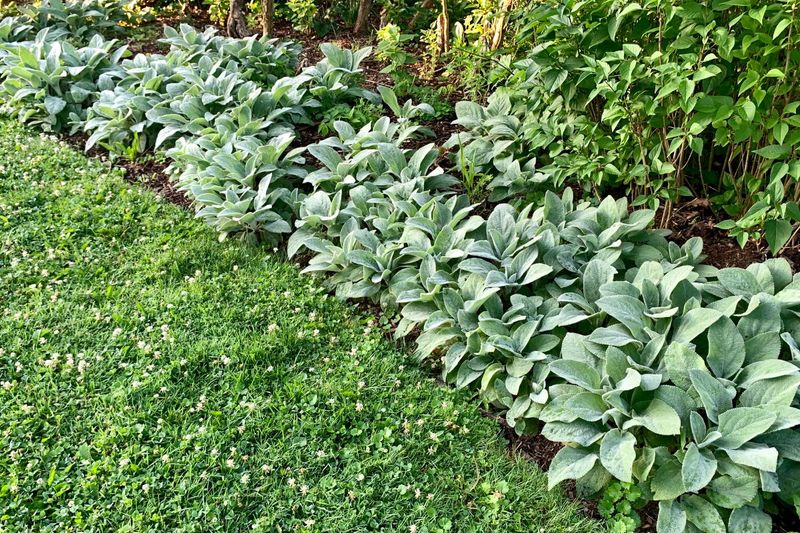
Run your fingers across a lamb’s ear leaf, and you will see why children beg to pet it. The silvery fuzz feels like velvet and catches morning dew in tiny sparkles that glow in low light.
Stachys byzantina spreads by creeping stems that root as they go, forming a dense silver mat over time. Extras pull up easily, so it stays manageable even when it wanders a little past its bed.
Our humid summers can be tough on those woolly leaves, which tend to rot when they stay damp. The Helen von Stein cultivar handles humidity better and rarely flowers, so its big leaves stay the star.
Fall planting suits it well, especially from September into October, when roots can settle before winter rains. Choose a raised spot or slope, because soggy soil in cold months causes more problems than any drought.
Full sun keeps plants compact, though light afternoon shade helps them cope in the hottest lowland gardens. Sandy or gravelly soil works nicely, and you can skip fertilizer since lean ground keeps foliage tidy.
Deer and rabbits usually avoid the fuzzy leaves, which seem to feel unpleasant in their mouths. Bees still visit the purple flower spikes on blooming types, so you can leave a few for them.
Clear away mushy leaves after wet spells to improve airflow and keep the clump looking fresh. I love edging a path with it, where the silver glow softens bright flowers growing right behind.