7 Vegetables That Develop Sweeter Flavors In California’s Cool Winter Weather
Cold nights can turn plain starch into sugar inside certain vegetables, and the change happens right in your garden bed. Plants build up those sugars as a kind of natural antifreeze that helps protect their cells from ice damage.
Some growers have a cheerful nickname for frost-sweetened roots, calling them candy because the flavor shift is so noticeable. California rarely gets the hard freezes of colder states, yet its cool winter nights still nudge that sugar upward.
I have to admit that my first frosty harvest tasted so different that I checked the seed packet twice. You might notice the same thing once you taste a vegetable picked after a chilly stretch of weather.
Winter gardens across California hold more sweet surprises than most people expect from leafy greens and humble roots. So which crops deserve a spot in your beds before the next cold snap rolls through the neighborhood?
1. Carrots
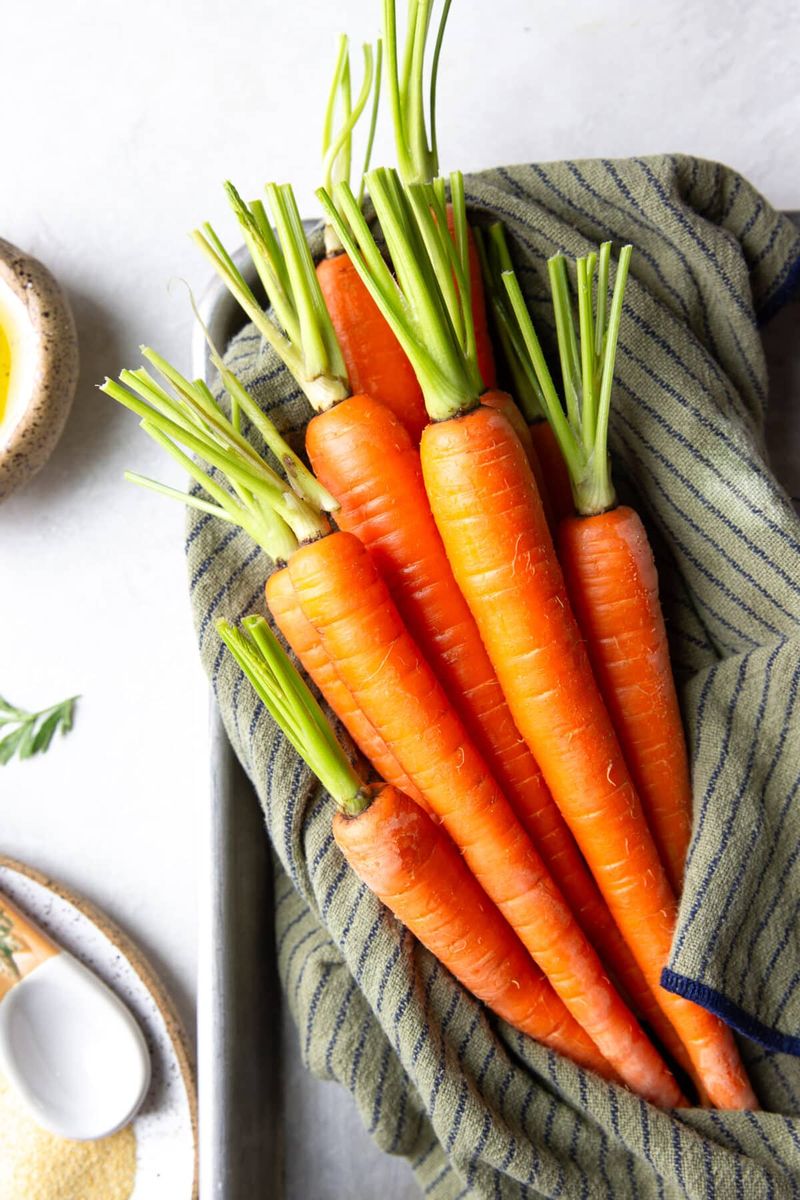
Pull a carrot after a frosty week, and you may wonder if someone snuck sugar into the soil overnight. Cold weather prompts the roots to turn stored starch into simple sugars that taste noticeably sweeter on the tongue.
Those extra sugars act like antifreeze inside the cells, which helps prevent ice crystals from forming and causing damage. Cool temperatures can also lower bitter compounds called terpenes, so the sweetness comes through even more clearly.
Carrots grow best when temperatures stay between about 59 and 68 degrees, which matches many mild winter gardens nicely. In much of California, you can sow seeds in small batches from early fall through early spring.
Personally, I sow a short row every few weeks so the harvest stays steady instead of arriving all at once. Loose soil matters a lot, because rocks and heavy clay can push roots into forked or twisted shapes.
Raised beds filled with a sandy, compost-rich mix make a big difference if your native ground is dense. Full sun works best, although carrots will tolerate a little light shade during the shorter days of winter.
Watering takes some attention, since dry spells can leave roots tough and bitter instead of crisp and sweet. Push a finger a few inches into the soil, and water whenever it feels dry at that depth.
Colorful varieties in purple or yellow also respond to cold, so feel free to mix a rainbow into one bed. I love tasting a fresh winter carrot straight from the garden, with just a quick rinse under the hose.
2. Beets
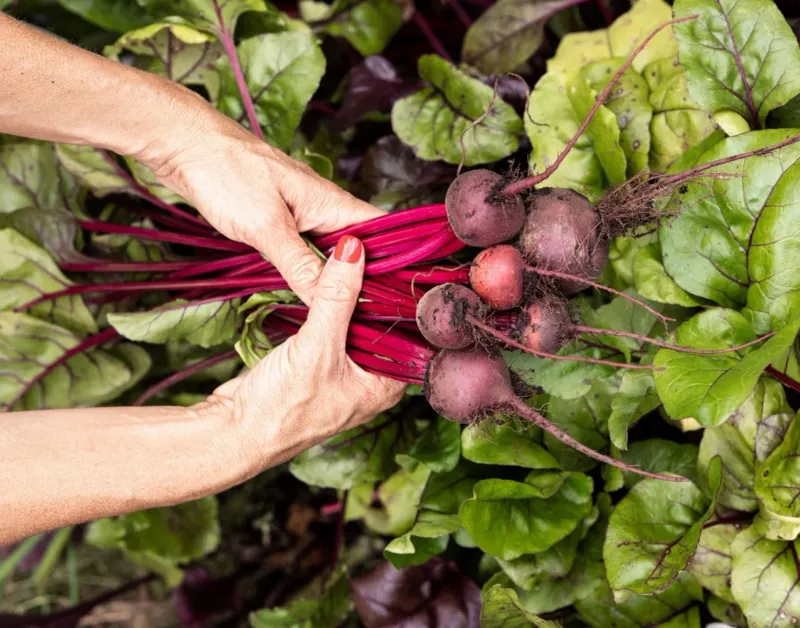
Earthy is the word most people use for beets, yet a cold snap can soften that edge into something sweet. Dig one up after a chilly week, and the deep red flesh tastes more like dessert than dirt.
Beets respond to cold the same way many root crops do, by stockpiling simple sugars inside their cells. Most varieties can handle temperatures down to about 20 degrees, so a light frost rarely causes any trouble.
Timing is the secret, and late summer sowing gives roots enough time to size up before winter arrives. By the coldest weeks, the plants are mature enough to sweeten instead of just sitting still and waiting.
Beets prefer full sun and loose, sandy soil enriched with compost, with a pH near neutral or slightly alkaline. Steady watering keeps the roots tender, because uneven moisture can make them woody and tough to chew.
Each wrinkled beet seed is actually a cluster that can produce several seedlings, so thinning is a must. I snip the extras at soil level with scissors rather than pulling them, which protects neighboring roots.
You get a bonus crop too, since young beet greens are tasty sauteed or tossed into a winter salad. Just take a few leaves from each plant so the root keeps enough foliage to keep growing strong.
Golden and striped varieties are worth a try if red stains on your cutting board drive you a little crazy. Roasted winter beets turn soft and caramelized, and I think they win over even the pickiest eaters.
3. Kale
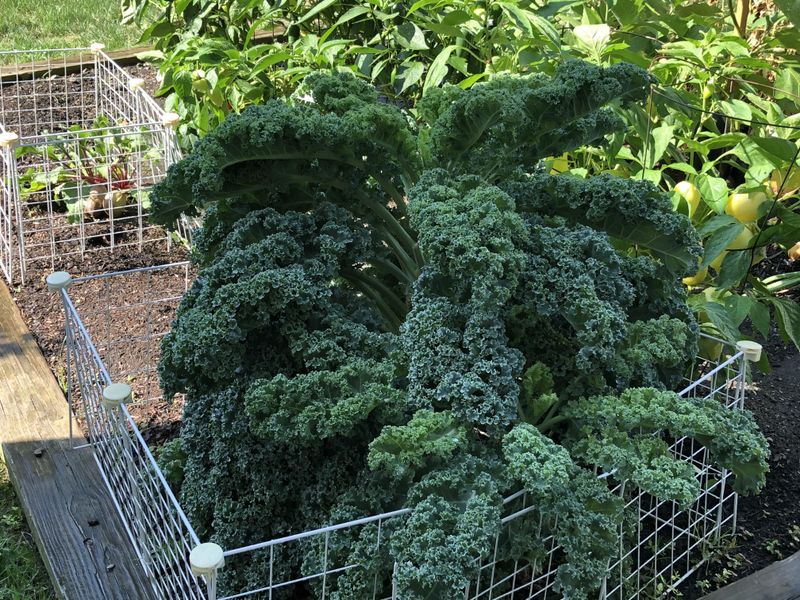
Kale has a reputation for tasting like a lawn clipping, but winter weather gives it a much friendlier personality. After a few cool nights, the leaves turn tender and pleasantly sweet, with far less of that bitter bite.
Cold triggers the plant to pile up sugars in its leaves, which helps protect its tissues from freezing. Many varieties can shrug off temperatures near 5 degrees, so a typical mild winter feels like a vacation.
Kale grows happiest when air temperatures sit between 50 and 75 degrees, which describes many coastal winter afternoons. In mild parts of California, you can often keep harvesting leaves from the same plants all season long.
Pick the lower, outer leaves first and let the center keep pushing out fresh growth from the top. Personally, I like how a single well-fed plant can supply a bunch every week for months.
Full sun is ideal, though some afternoon shade helps in warmer inland spots where winter days still heat up. Kale likes fertile, well-drained soil with a pH between 6.0 and 7.5 and plenty of compost mixed in.
Keep the soil evenly moist, because thirsty plants tend to produce tougher leaves with a sharper flavor. Watch the undersides of leaves for aphids, and blast them off with a firm spray of water.
Curly types look fun in the garden, while flat Lacinato kale has bumpy blue-green leaves that cook quickly. You’re in for a big surprise if you only know kale from bitter salads at the grocery store.
4. Brussels Sprouts
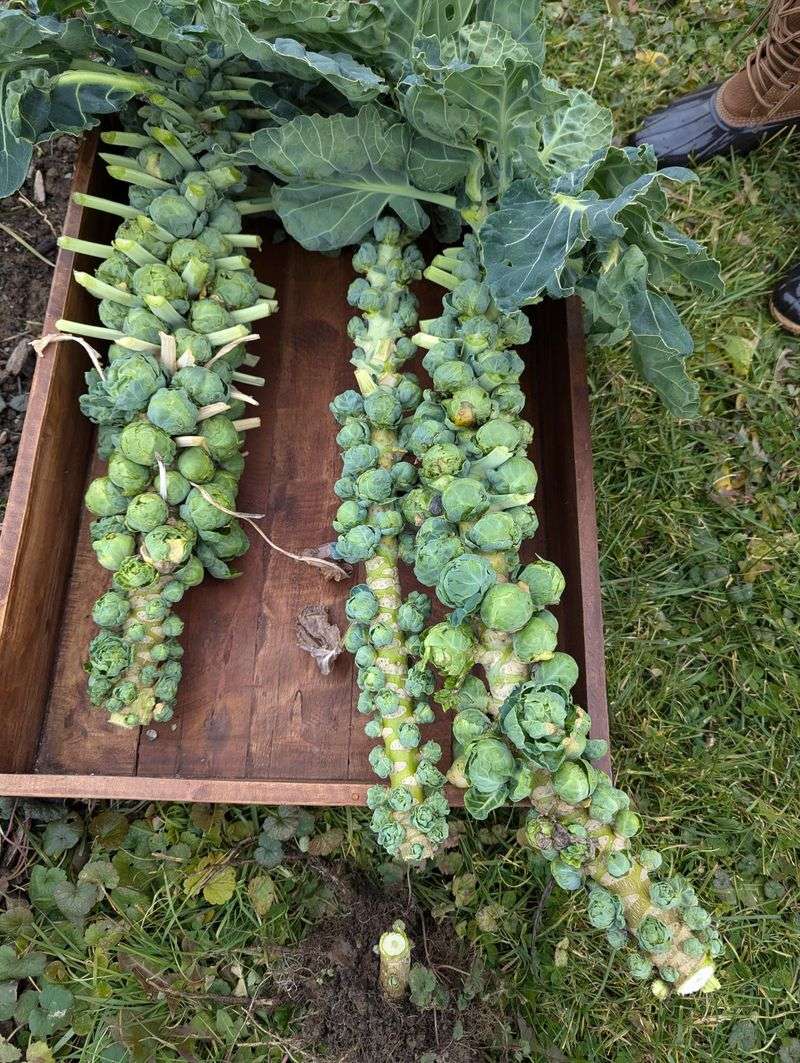
Few vegetables have suffered more dinner-table grudges than Brussels sprouts, yet frost-touched sprouts can change minds fast. Those tiny cabbages lined up along a tall stalk taste milder and sweeter once cold weather settles in.
Chilly temperatures convert some stored starches into sugars, which tones down the bitterness many people remember from childhood. Plenty of gardeners insist the best sprouts come after a few frosts, and my taste buds happily agree.
Patience is part of the deal, because these plants need a long season before the sprouts are ready. Seeds are usually started in late spring or early summer, so winter plants should already be loaded with buds.
The stalks commonly reach two to three feet tall, so give each plant about eighteen inches of elbow room. Full sun and rich, well-drained soil with a pH between 6.0 and 7.5 keep them productive.
Consistent watering matters during that long growing stretch, since dry soil can leave sprouts loose and poorly formed. Tall plants can also tip over in winter wind, so a sturdy stake is a smart addition.
Harvest from the bottom up, snapping off sprouts when they feel firm and reach about an inch across. Removing the lower leaves as you pick gives the upper sprouts more room and light to fill out.
The plants handle temperatures down to about 25 degrees, which covers most cold nights in mild winter gardens. I believe a pan of roasted homegrown sprouts can turn even a stubborn skeptic into a loyal fan.
5. Cabbage
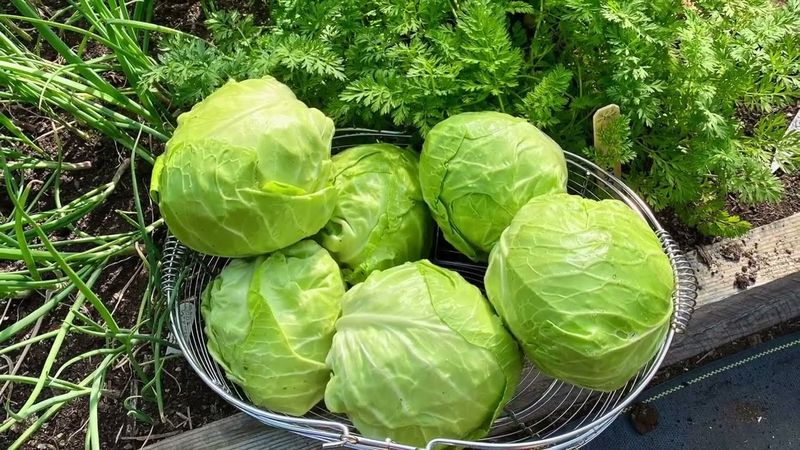
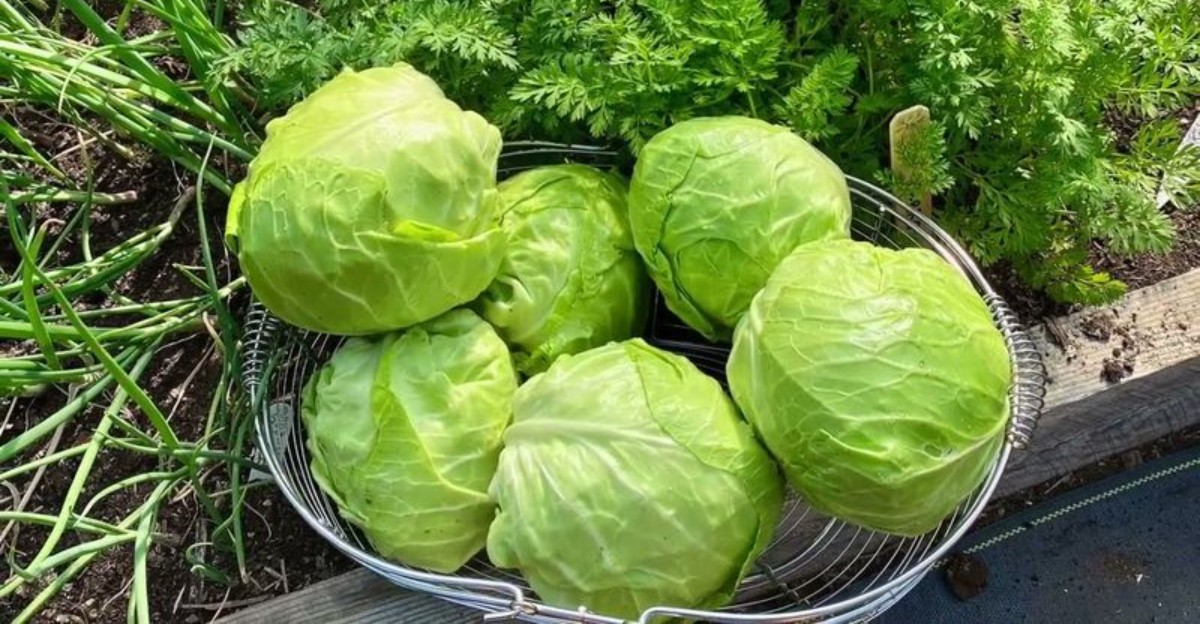
Slice into a cabbage picked after a cold week, and the crunchy leaves taste surprisingly sweet and juicy. Homemade coleslaw made from a frosty garden head might spoil store-bought cabbage for you in the best possible way.
Like its cousins in the cabbage family, this crop turns starches into sugars as a defense against freezing. Cool weather also helps reduce bitterness, so the heads end up crisper and more pleasant to eat raw.
Cabbage grows best around 60 to 65 degrees, and that sweet spot shows up often during mild winters. Foggy coastal areas of California can sometimes grow it nearly year-round, thanks to their steady cool weather.
Inland growers in places like the Imperial Valley plant from mid-September through October for a winter harvest. Home gardeners elsewhere can usually set out transplants in fall and start cutting heads during the cool months.
Give plants six to eight hours of direct sun and soil with a pH around 6.2 to 6.5. Well-drained ground keeps the roots healthy, especially during rainy stretches when soggy beds can lead to rot.
Steady moisture matters most while heads are forming, but heavy watering on a mature head can make it split. I have learned to ease off a bit once heads feel firm, especially after a soaking winter rain.
Savoy cabbage, with its crinkly leaves, makes a lovely choice if you want something tender for wraps. Red varieties add bold color to winter beds, and the purple heads look almost too pretty to harvest.
6. Parsnips
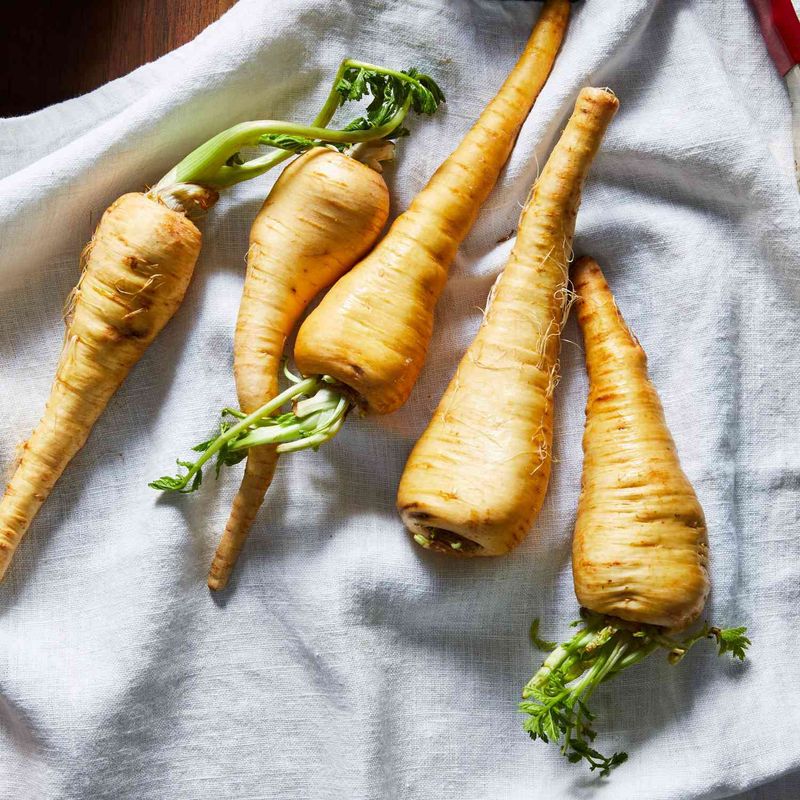
Parsnips are the slowpokes of the winter garden, but their patience pays off with a nutty, honeyed sweetness. Their pale, creamy roots look like ghostly carrots, and the two vegetables really are close relatives.
Flavor in parsnips is not fully developed until cold weather turns their stored starches into sugar. Many growers wait for two to four weeks of near-freezing temperatures before digging, and the difference is remarkable.
Mild coastal winters may not bring much frost, so sweetness can build more gradually in those gardens. Leaving roots in the ground through the cool months lets them keep sweetening until you are ready to eat.
Deep, loose soil is a must, since these roots can stretch down nearly a foot when conditions suit them. Clear out stones and clods first, or you may end up with oddly forked roots that are tricky to peel.
Seeds sprout slowly, so I keep the seedbed moist with a light covering of burlap until tiny leaves appear. After that, regular deep watering and a sunny spot help the roots form evenly without stress.
Handle the foliage with gloves and long sleeves, because parsnip sap can cause painful skin blisters in sunlight. Wild parsnip carries the biggest risk, but I treat my garden plants with the same caution.
Harvest the roots before they send up a flower stalk, which can reach six feet in their second year. Roasted with a drizzle of olive oil, winter parsnips taste so sweet that kids may ask for seconds.
7. Leeks
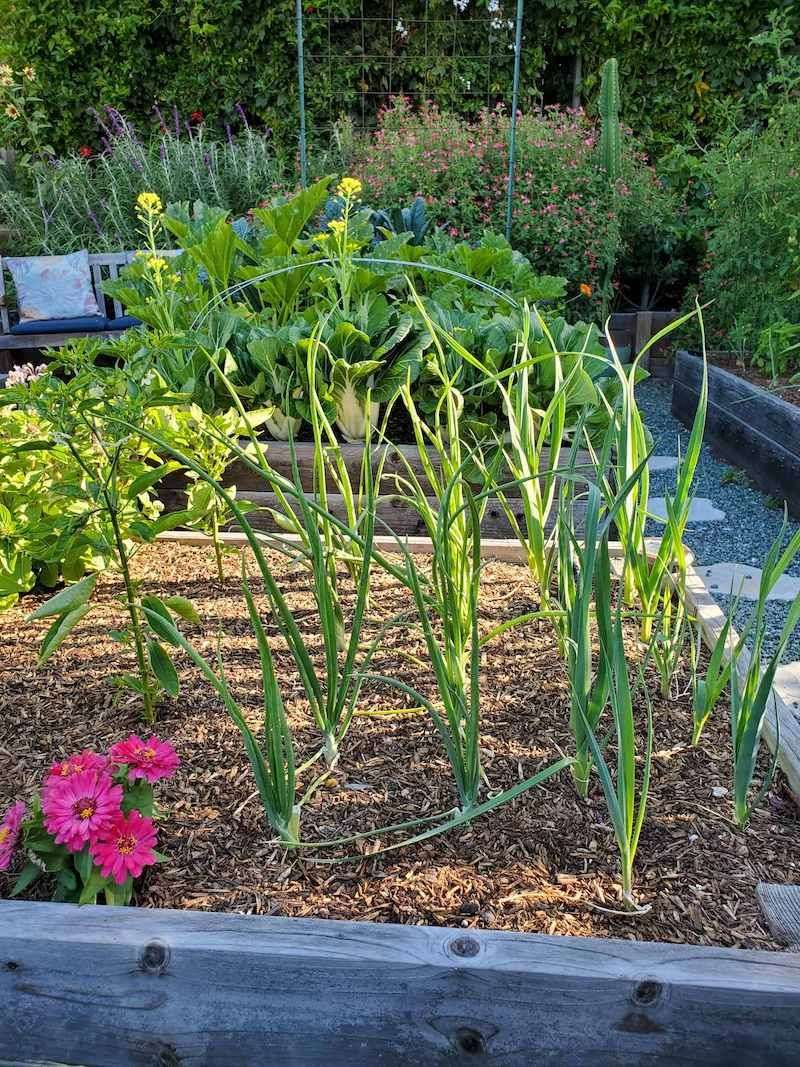
Leeks look like giant green onions that went to the gym, and winter brings out their gentlest flavor. Their thick white stalks turn milder and sweeter as temperatures drop, making soups taste rich and mellow.
Unlike regular onions, leeks do not form a round bulb, so the long shank is the part you eat. Their flat blue-green leaves fan out like a hand of playing cards, which makes them easy to spot.
Leeks can handle a good deal of freezing weather, so a chilly winter night rarely bothers them. In mild California gardens, plant them in late summer or early fall for a steady winter harvest.
Patience helps here too, since leeks can take about five months from seed to harvest through winter. Buying transplants from a nursery can shave weeks off that wait and give you a head start.
Long white stems come from blanching, which simply means mounding soil around the base as the plants grow. I add a little more soil every few weeks, and the hidden section stays pale and tender.
Leeks want full sun and deep, rich loam that drains well but holds steady moisture during the season. Mixing in compost before planting gives them the organic matter they crave for thick, healthy stalks.
Soil sneaks between the layers, so slice each leek lengthwise and rinse it well before cooking. What surprises me most is how a simple potato leek soup can taste so cozy on a foggy evening.