9 Shrubs New York Gardeners Can Propagate From Hardwood Cuttings Right Now
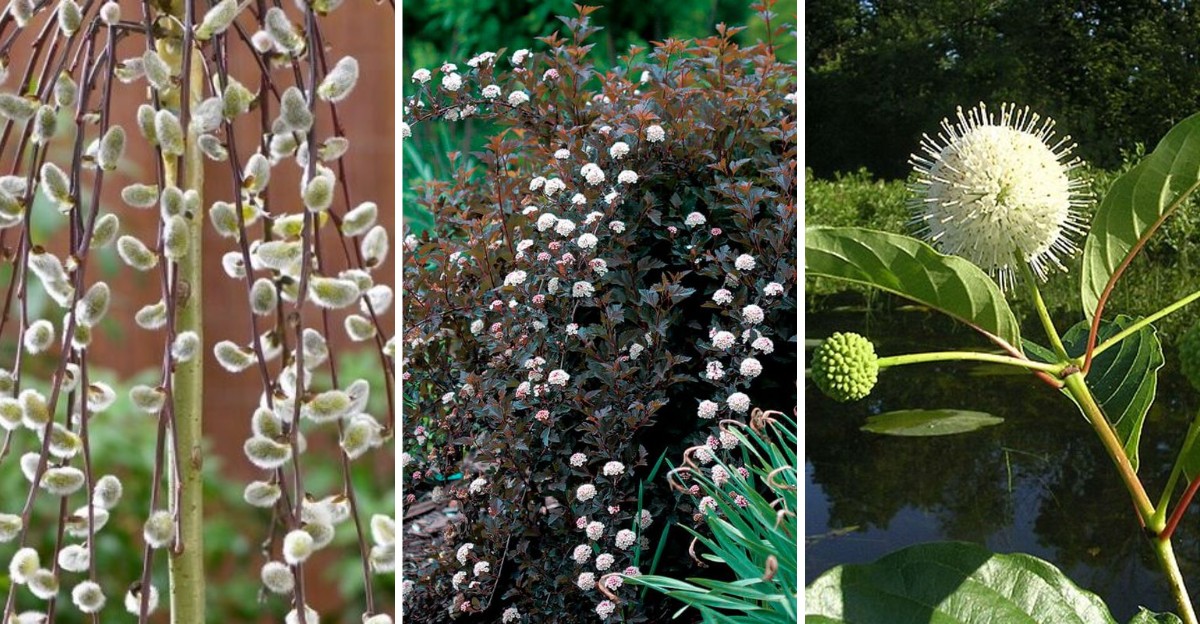
Native Americans once used the straight young stems of one common Northeast shrub to craft their arrow shafts. That same wood, cut in winter and stuck into soil, can grow roots by early spring.
Bare twigs look like nothing special once the leaves drop across New York in late autumn each year. Inside each pencil-thick stem, though, sits enough stored energy to build a whole brand new plant from scratch.
Take it from someone who once paid full nursery prices for a hedge I could have grown myself. Looking back, a pair of sharp pruners and a little patience would have saved me plenty of money.
Dormant season is prime time for this trick, and your New York yard probably holds several candidates already. Which of your favorite shrubs could quietly become a dozen free plants by this time next fall?
1. Pussy Willow
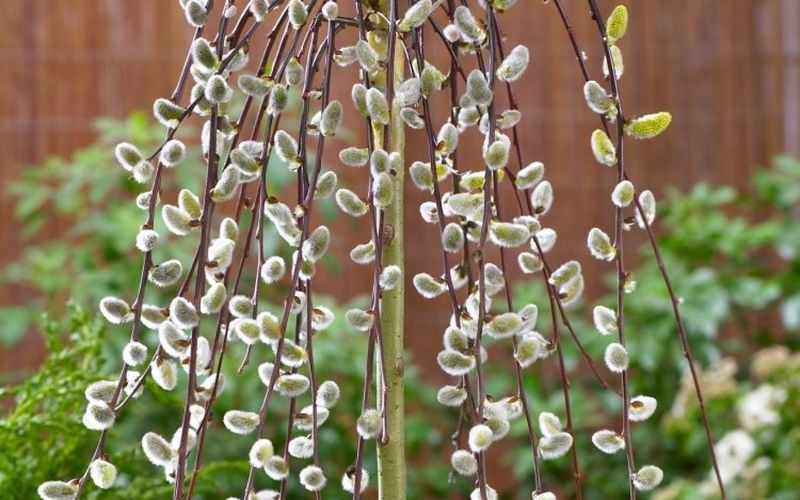
Those fuzzy silver catkins kids love to stroke each March come from a native shrub that roots almost effortlessly. Willow stems contain natural rooting compounds, which is why some gardeners soak them to make homemade rooting water.
Pussy willow, Salix discolor, grows wild in wet meadows and along stream banks across much of the Northeast. Expect a large shrub or small tree reaching roughly six to fifteen feet tall when left unpruned.
For cuttings, look for straight stems from last year’s growth that are about as thick as a pencil. Snip pieces around ten inches long, cutting flat at the bottom and slanted at the top.
That slanted top cut keeps you from planting the stick upside down, a mistake I made exactly once. Buds point upward along the stem, so double-check their direction before pushing anything into the ground.
Sink each cutting about two-thirds deep in moist soil, or tuck a bundle into a bucket of damp sand. A sheltered spot near the house helps protect them from harsh winds during the coldest stretches of winter.
Pussy willow thrives in full sun to part shade and happily handles soggy soil where other shrubs sulk. Give it plenty of room, since those thirsty roots wander and should stay well away from septic lines.
In my own yard, the early catkins pull in bumblebee queens hunting for pollen before most flowers open. Watching a cutting go from bare stick to bee buffet in two short years feels like a small victory.
2. Red Osier Dogwood
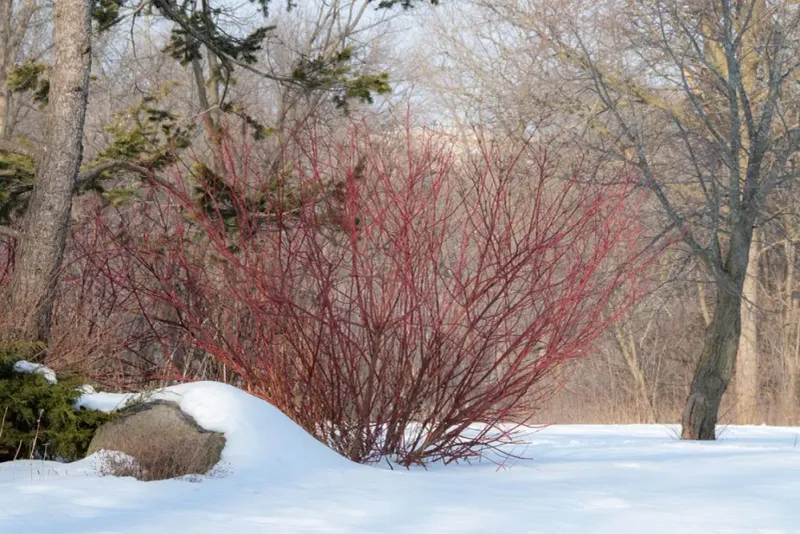
Nothing brightens a gray February snowbank quite like a clump of glowing red stems standing at attention. Red osier dogwood, Cornus sericea, puts on that show each winter and clones with almost no effort.
This native shrub grows wild throughout the state, often lining marshes and stream edges with colorful twigs. Mature plants usually reach six to nine feet tall and spread wider over time through suckering stems.
The brightest color shows up on young stems, so older wood turns brown and dull after a few years. Cutting out a third of the oldest canes each late winter keeps the whole shrub glowing like embers.
For what it’s worth, those pruned canes make perfect cutting material, so the chore pays you back twice. Choose healthy one-year stems and slice them into pieces about eight inches long with several buds each.
Stick them two-thirds deep in a pot of gritty mix or straight into a prepared nursery bed outdoors. Rooting hormone is optional here, since this species forms roots readily on its own in moist soil.
Red osier loves wet ground, making it a natural pick for rain gardens and low spots that stay damp. Full sun brings out the richest stem color, though plants will still grow in considerable shade too.
Birds gobble the white berries in late summer, and the dense branches give songbirds safe places to nest. Let’s just say a row of rooted cuttings can turn a soggy corner into a lively wildlife hangout.
3. Forsythia
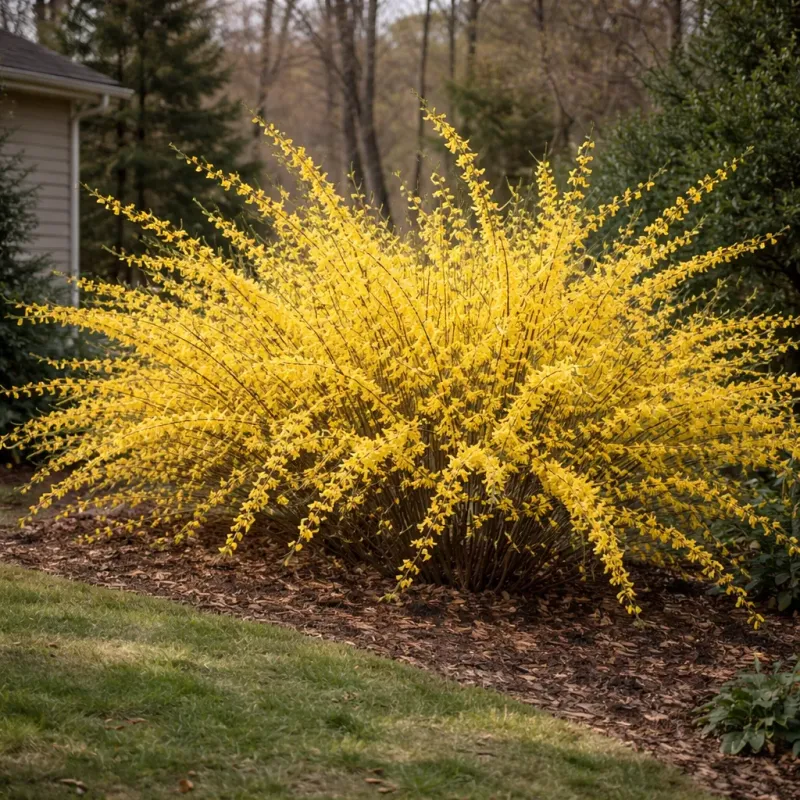
Forsythia roots so easily that some gardeners joke it propagates itself whenever a branch touches the ground. Long arching stems often form roots where they flop onto soil, a habit known as tip layering.
Every spring those bare branches erupt in bright yellow bells, usually before most trees even think about leafing out. Hybrid forsythia, Forsythia x intermedia, can reach eight to ten feet tall and just as wide.
Right now the stems are dormant and packed with stored energy, which is exactly what hardwood cuttings need. Pick pencil-thick wood from this past season’s growth and cut sections roughly six to eight inches long.
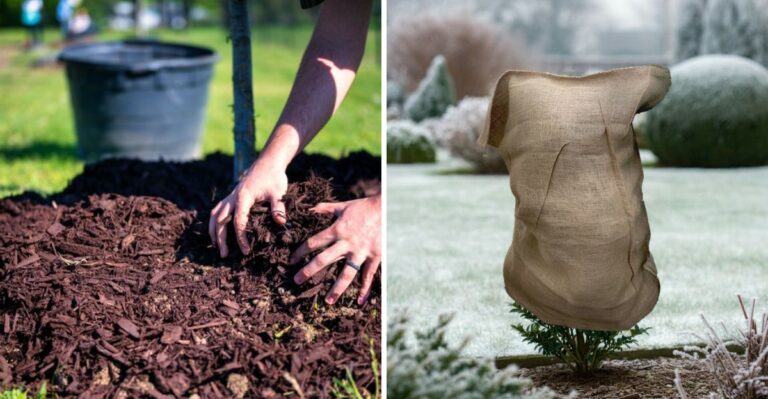
Honestly, you can push these cuttings straight into loose garden soil and expect a respectable number to root. A few inches of mulch around them helps prevent frost heaving that can lift cuttings out of the ground.
Keep in mind that cutting branches now also removes some of next spring’s flower buds from the parent shrub. Snip from the back or underside of the plant so the front still looks cheerful in April.
Forsythia blooms best in full sun and tolerates both clay and sandy soils, provided water drains away decently. Once established, it handles dry spells well, though young plants appreciate a deep drink during summer heat waves.
Early bees do visit the flowers, but forsythia offers less food for pollinators than many native shrubs do. If you ask me, pairing it with a native like pussy willow gives spring bees a much better buffet.
4. American Elderberry
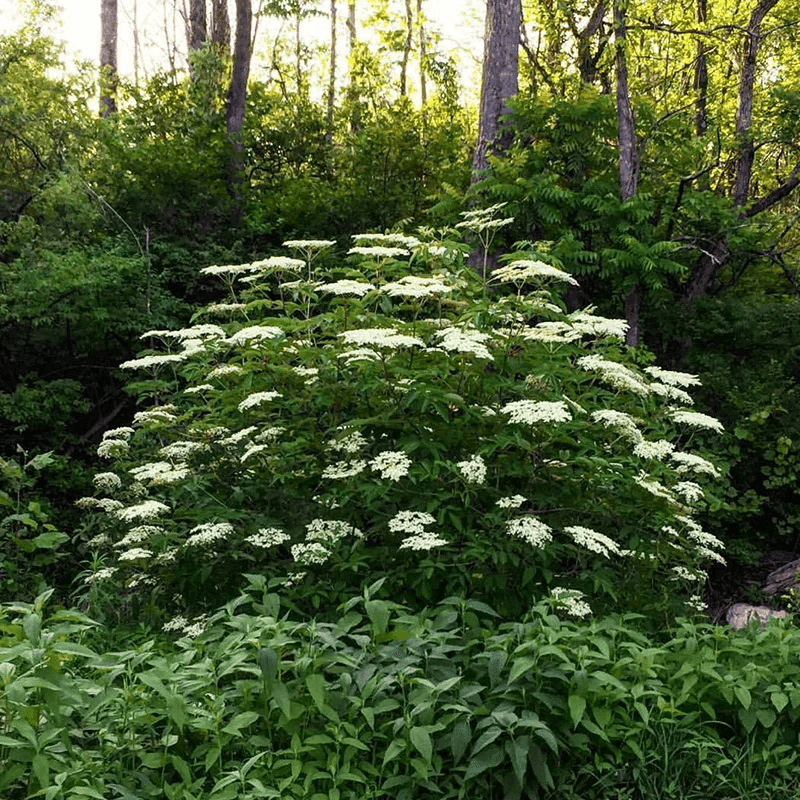
Elderberry grows so fast that a cutting planted this winter can sometimes flower by its second summer. American elderberry, Sambucus canadensis, is a native shrub known for flat creamy blossoms and dark purple fruit.
Wild plants often crowd roadside ditches and moist woodland edges throughout the Northeast in large clumps. Most reach five to twelve feet tall and spread steadily by suckers into a loose, leafy thicket.
Elderberry stems have a soft, spongy center called pith, so look for firm sections with plump paired buds. Cut pieces with at least two sets of buds, leaving one pair below the soil and one above.
Many growers have great luck sticking these cuttings directly into a nursery bed once the soil can be worked. Others prefer pots in an unheated garage, where cuttings stay cold but protected from drying winter winds.
Elderberry prefers moist, rich soil and full sun to part shade for the heaviest fruit production each year. Growers often plant two different cultivars near each other, since cross-pollination tends to boost the size of the harvest.
Don’t make my mistake of nibbling raw berries straight off the bush, because they can upset your stomach. Stems and unripe fruit carry compounds that cause trouble too, so cook ripe berries before using them in recipes.
Birds adore the fruit, and the summer flowers attract a busy crowd of bees and other helpful pollinators. Planting rooted cuttings along a wet fence line creates a hedge that feeds both your pantry and the birds.
5. Ninebark
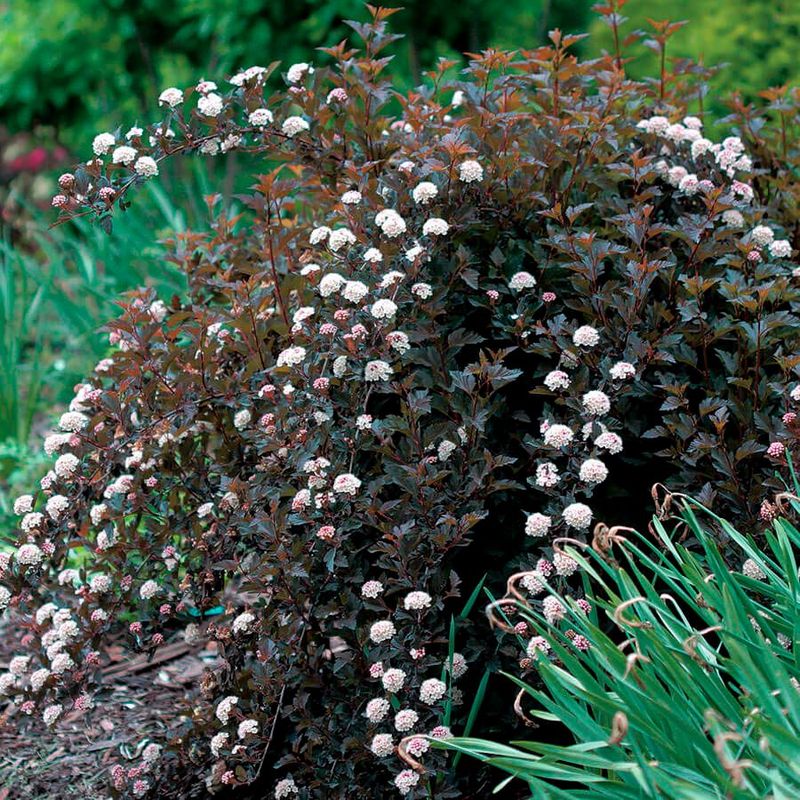
Ninebark earned its odd name from bark that peels away in papery strips, supposedly in nine thin layers. Nobody has counted precisely, of course, but the shaggy look adds real texture to a snowy winter garden.
Common ninebark, Physocarpus opulifolius, is native to New York and grows wild on rocky slopes and stream banks. Plants typically reach five to ten feet tall, with arching branches that form a rounded fountain shape.
Popular cultivars come in purple, burgundy, or gold foliage, and cuttings will match the parent plant exactly. Check whether your variety is patented first, since patents restrict cloning many newer named ninebarks without the owner’s permission.
Take cuttings from vigorous one-year stems, aiming for pieces about eight inches long with several buds on each. Dip the bottom ends in rooting hormone, which seems to improve success with this shrub in my experience.
A deep pot filled with half perlite and half coir gives developing roots plenty of air and steady moisture. Water the pot thoroughly, then park it in a cold frame or sheltered corner until spring finally arrives.
Ninebark handles heavy clay and dry spells once established, so it fits tough spots where fussier shrubs struggle. Full sun brings out the strongest leaf color, especially on purple types, which can turn greenish in heavy shade.
Late spring brings clusters of small white to pink flowers that buzz with bees for several weeks. Reddish seed capsules follow, and birds poke through the dense branches for shelter during the colder months.
6. Arrowwood Viburnum
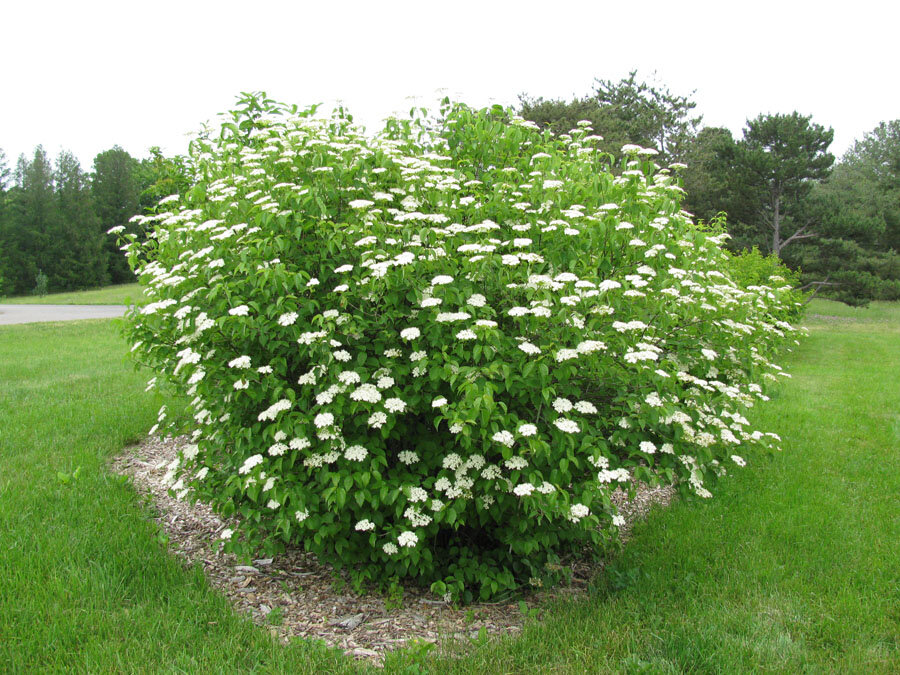
Arrowwood viburnum got its name because Native Americans reportedly used its remarkably straight young stems for arrow shafts. Those same arrow-straight shoots happen to make tidy, easy-to-handle cuttings for curious gardeners today.
Viburnum dentatum is native across the eastern United States and grows roughly six to ten feet tall and wide. Its glossy toothed leaves turn shades of yellow, red, or reddish purple before dropping in autumn.
For honesty’s sake, this one roots less reliably from hardwood than willows or dogwoods, so plan on taking extras. Many propagators prefer summer softwood cuttings for viburnums, but dormant stems are still worth a winter experiment.
Collect straight one-year shoots and trim them to about eight inches, keeping at least three sets of buds. A rooting hormone powder labeled for woody plants gives these slower rooters a helpful boost in getting started.
Bundle the cuttings in damp sand inside a cool, protected spot, then pot them up as spring approaches. Some will form roots quickly while others lag, so be patient before tossing any that look stubborn.
Once rooted, arrowwood adapts to sun or part shade and tolerates both occasional drought and brief flooding. Flat clusters of white flowers appear in late spring, followed by blue-black fruit that ripens in late summer.
Birds strip those berries quickly, and the shrub also hosts caterpillars of the spring azure butterfly. Funny thing is, deer often leave arrowwood alone, which makes it a smart choice for hungry suburban neighborhoods.
7. Annabelle Hydrangea
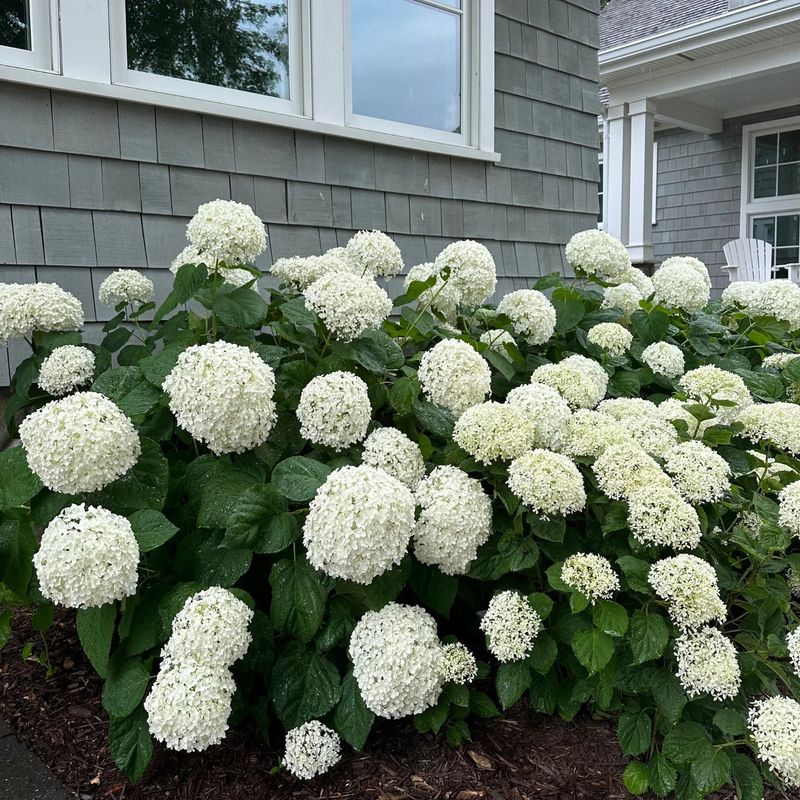
Annabelle hydrangea was discovered growing wild near Anna, Illinois, which is where its sweet name comes from. Its flower heads can stretch nearly a foot across, looking like giant snowballs perched on slender green stems.
This cultivar of smooth hydrangea, Hydrangea arborescens, blooms on new wood, so harsh winters rarely spoil the summer show. Plants usually stay three to five feet tall, spreading a bit wider as they settle in and mature.
Since Annabelle is an older variety with no active patent, you can propagate it freely for your own garden. That makes it a great choice for anyone wanting a matching row along a shady walkway or patio.
Choose firm stems that held up through fall, skipping the hollow or mushy pieces near the tips. Cut sections about six inches long with two bud pairs, and bury the lower pair beneath the rooting mix.
Softwood cuttings in early summer often root faster, but dormant cuttings save you from fussing over wilting leaves. Keep the mix lightly moist rather than soggy, since standing water can rot stems before roots appear.
Annabelle prefers morning sun with afternoon shade and steady moisture in most New York yards. Dry soil makes those big leaves droop dramatically, so a thick layer of mulch around young plants helps hold water.
The sterile flower clusters offer limited pollinator value compared with the wild species, which is worth considering. Looking back, I wish I had mixed a few wild smooth hydrangeas in with mine for the bees.
8. Black Currant
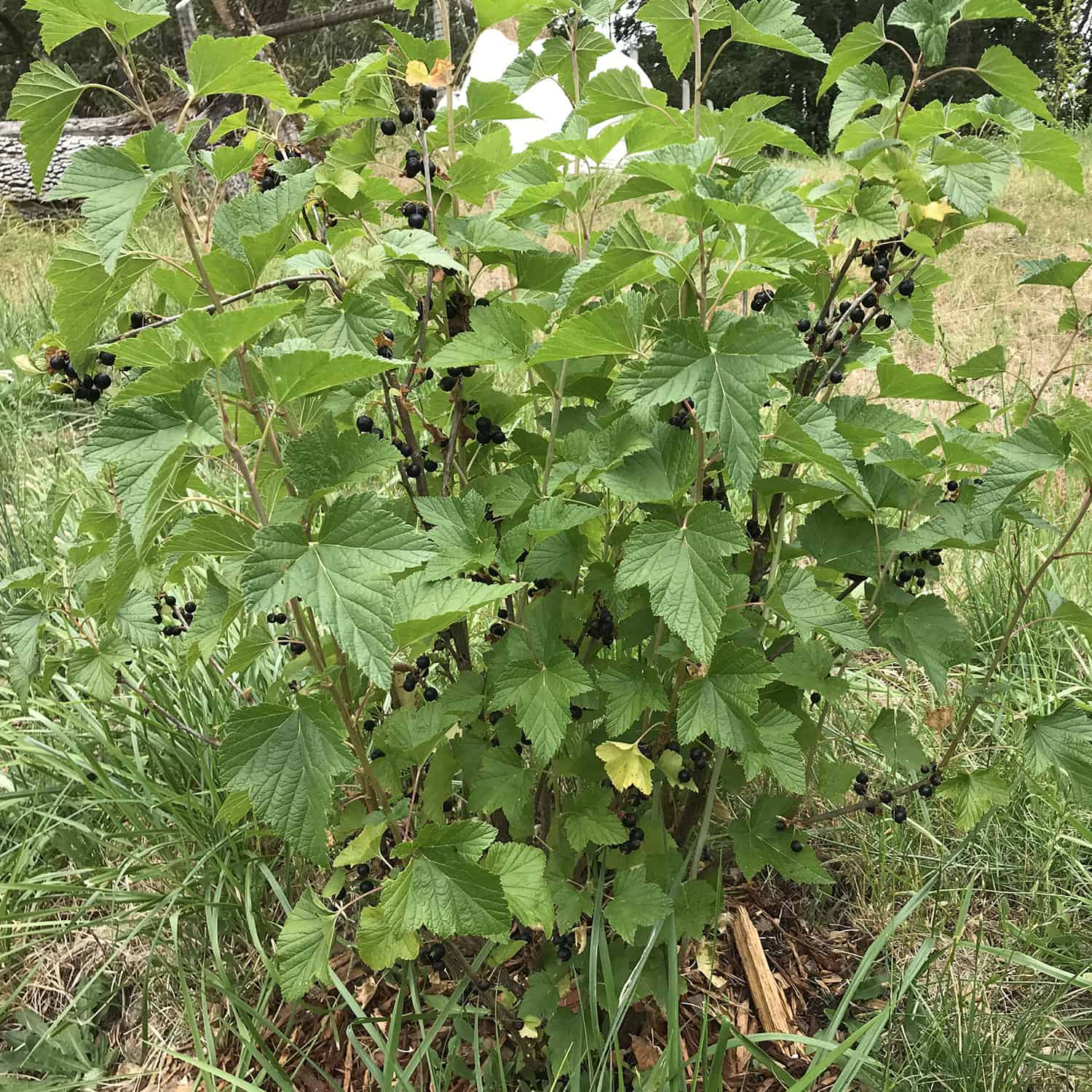
Black currant cuttings root so readily that European gardeners have relied on them for generations to fill fruit patches. Ribes nigrum is a hardy, bushy fruit shrub that produces glossy black berries bursting with tangy flavor.
Bushes generally grow three to six feet tall, and the leaves smell wonderfully musky when you brush past them. Fruit ripens in early to mid summer, and the berries pack impressive amounts of vitamin C into each bite.
Currants and gooseberries can host white pine blister rust, a disease that harms valuable white pine trees. Before planting, check current rules with your local Cornell Cooperative Extension office, and choose rust-resistant cultivars like Consort or Titania.
Once you have the green light, snip healthy one-year stems into pieces around eight inches long after leaves drop. Many growers plant them straight into the garden, leaving just two buds showing above the soil surface.
Burying most of the stem encourages strong roots and multiple shoots, giving you a bushier plant from the start. Firm the soil well around each cutting so cold air pockets do not dry out the buried buds.
Black currants prefer rich, well-drained soil that stays evenly moist, plus full sun or light afternoon shade. Cool summers suit them nicely, which is one reason they perform so well across much of the region.
In my own yard, a single cutting turned into a bush heavy enough with fruit to fill several jam jars. Spring flowers draw early pollinators too, so your new currant patch helps the bees while it feeds you.
9. Buttonbush
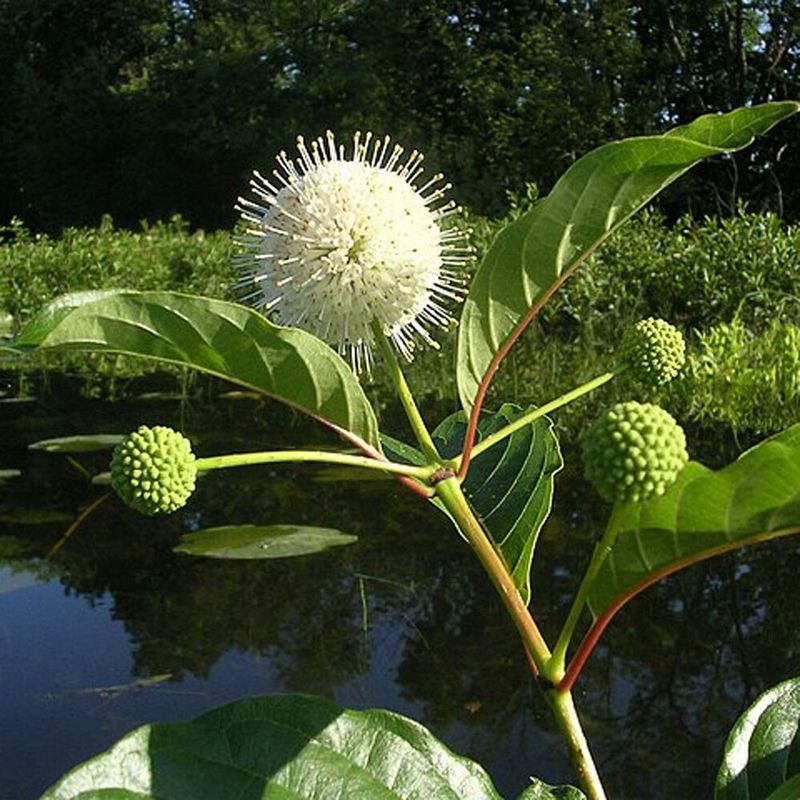
Buttonbush flowers look like tiny spiky pincushions or fireworks frozen mid-burst, and pollinators swarm them in midsummer. Cephalanthus occidentalis is a native wetland shrub that grows naturally along pond edges and swampy shorelines in the East.
Most plants reach five to twelve feet tall, forming a loose, rounded shrub with glossy leaves in pairs or whorls. Round seed heads follow the flowers and hang on into winter, which makes the shrub easy to spot.
Since buttonbush lives where its roots stay wet, the stems seem eager to form new roots in damp conditions. Take pencil-thick cuttings around eight inches long from the most recent growth before buds begin to swell.
Leafing out late is normal for this species, so do not panic if cuttings stay bare longer than others. Mine sat looking like plain sticks well into May before a few tiny green leaves finally appeared one morning.
Keep the rooting mix consistently moist, since buttonbush cuttings handle wet feet much better than dry soil. Some gardeners even set their pots in a shallow tray of water to mimic a soggy creek bank.
Buttonbush grows best in full sun to part shade and fits rain gardens and pond edges perfectly. Colder upstate pockets can see some winter tip damage, but plants usually resprout vigorously from lower stems each spring.
Ducks and other water birds eat the seeds, and hummingbirds regularly visit the fragrant summer blooms too. If you have a soggy spot that seems hopeless, a few rooted buttonbush cuttings might be the perfect fix.