Why Matted Wet Leaves Are Quietly Smothering Your Ohio Lawn Right Now
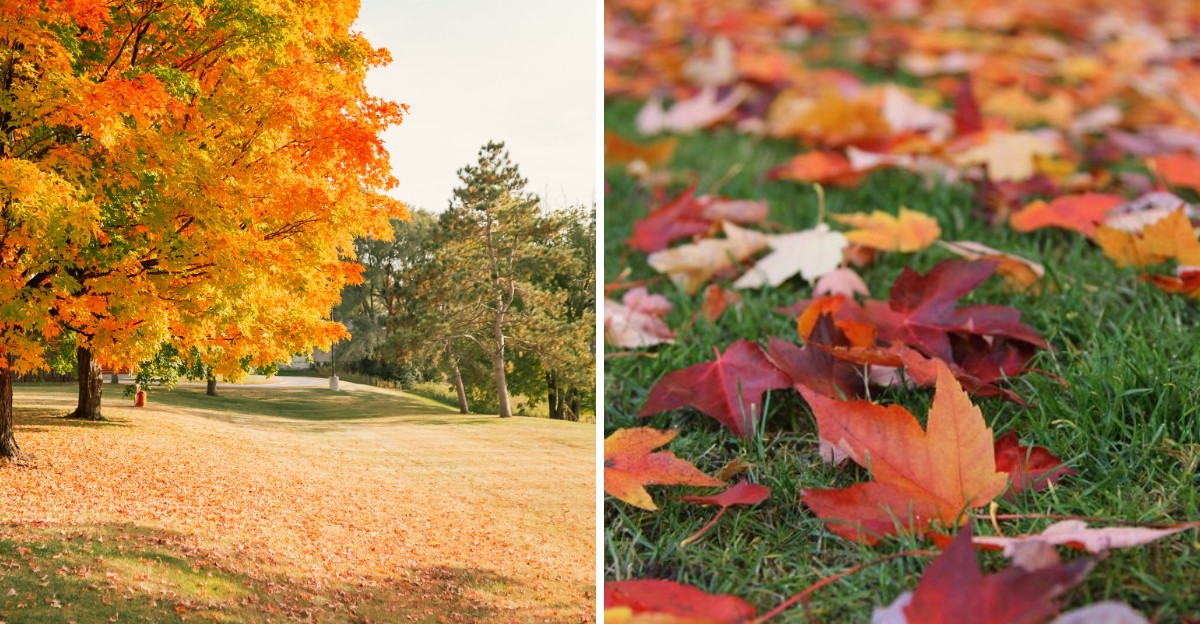
A single mature oak can drop thousands of leaves in one fall season. After a cold Ohio rain, those leaves stop acting like confetti and start acting like wet paper.
I learned this the hard way one spring. I lifted a soggy brown sheet near my fence and found pale, flattened grass with a gray crust on top.
It looked like the lawn had spent all winter under a damp towel.
Your grass is still busy this time of year. Cool-season turf keeps making food on mild autumn days and tucks that energy into its roots and crowns.
Anything that blocks light and air during these weeks cuts into its winter savings account.
Ever wonder what’s really going on under that quiet brown layer, and why a little rain makes such a big difference? The answers might change how you spend your next weekend outside.
Something Is Happening Under That Soggy Leaf Layer on Your Grass
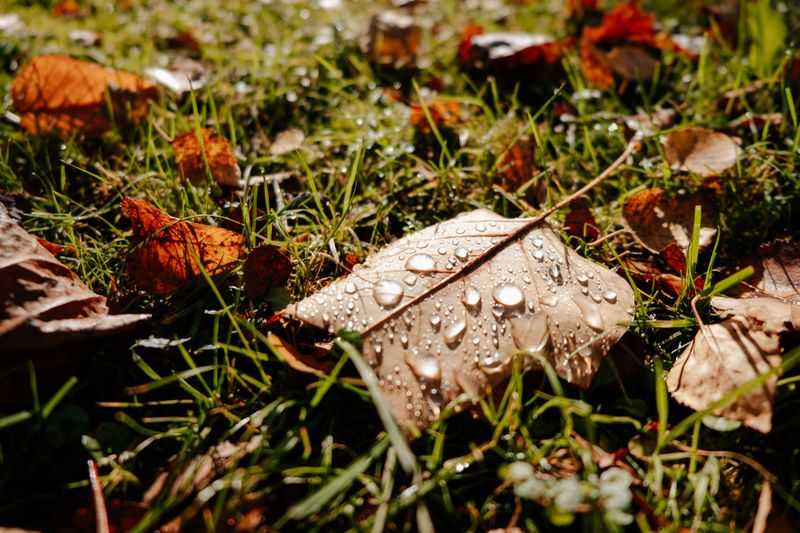
Dry leaves are mostly harmless. They tumble, shift in the wind, and let plenty of light slip through the gaps.
Rain changes the whole picture. Once leaves soak up water, they slump down, stick together, and press flat against the turf like layers of wet newspaper.
Ohio State University Extension and other turf experts point to this matted layer as the real trouble, not the leaves themselves.
Underneath, three things go wrong at once. Light gets blocked, air stops moving, and moisture stays trapped against the grass blades for days or weeks.
Your lawn ends up in a dim, damp pocket while it should be soaking up autumn sun.
I like to compare it to leaving a wet tarp on the grass. A day or two is no big deal.
A whole month is a different story, and you can often see the outline of the tarp the next spring.
The tricky part is how quiet it all is. From the kitchen window, a leafy lawn just looks seasonal and cozy.
You only notice the problem when you peel back a section and see yellow, flattened blades staring back at you.
Kentucky Bluegrass and Fescue Still Need Fall Sunlight
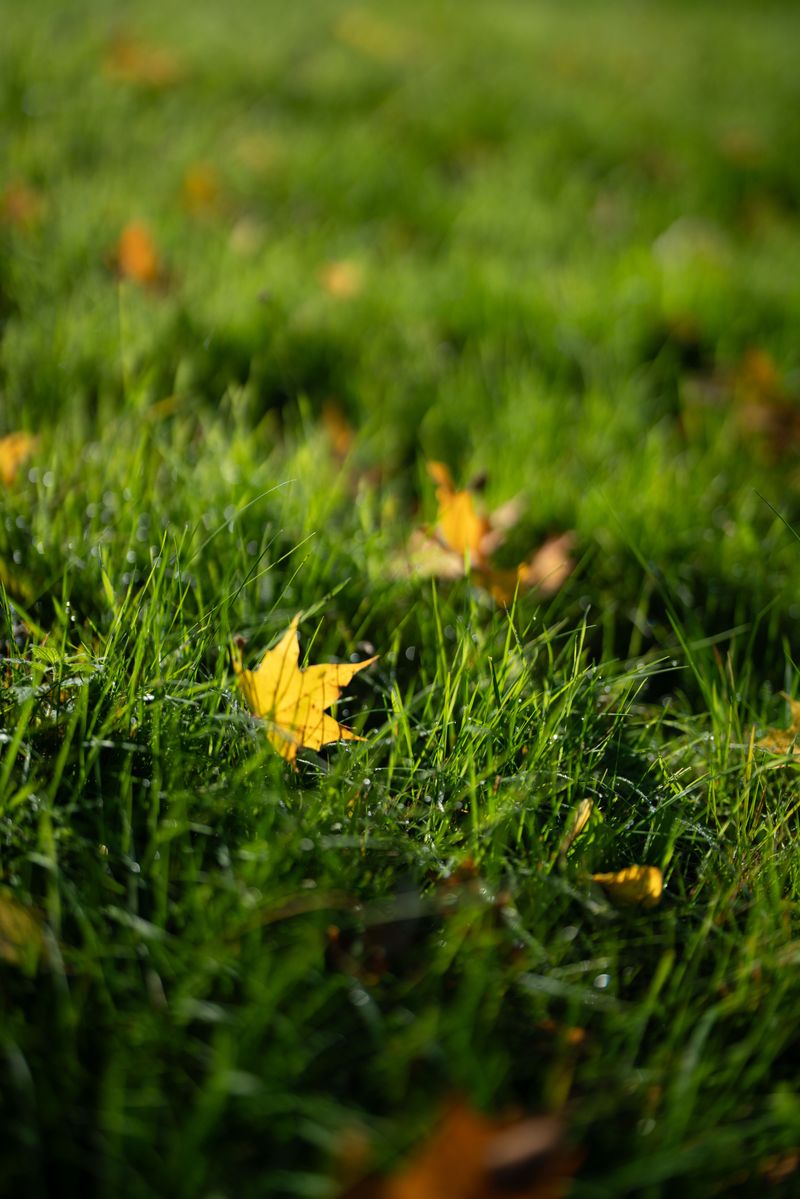
Most Ohio lawns are built from cool-season grasses. Kentucky bluegrass, tall fescue, fine fescue, and perennial ryegrass are the usual crew, and they love the crisp weather of October and November.
While the top growth slows down, these grasses keep making food through photosynthesis on mild days. They store sugars in their crowns, roots, and rhizomes.
That stored energy helps them handle freezing weather and gives them a strong push of green in spring.
Now cover that grass with a solid layer of wet leaves. Photosynthesis needs light, and a thick mat can block most of it.
The plant keeps breathing and using energy but has little coming in to replace it.
Personally, I think of fall as the lawn’s grocery shopping season. Every sunny afternoon is another bag of food in the pantry.
Matted leaves are like locking the store doors early.
The result often shows up months later. Grass that went into winter hungry tends to green up slowly, look thin, and struggle to fill in against weeds.
A few cleanup sessions now can save you a lot of reseeding and frustration next April.
Snow Mold Loves a Damp Leaf Blanket
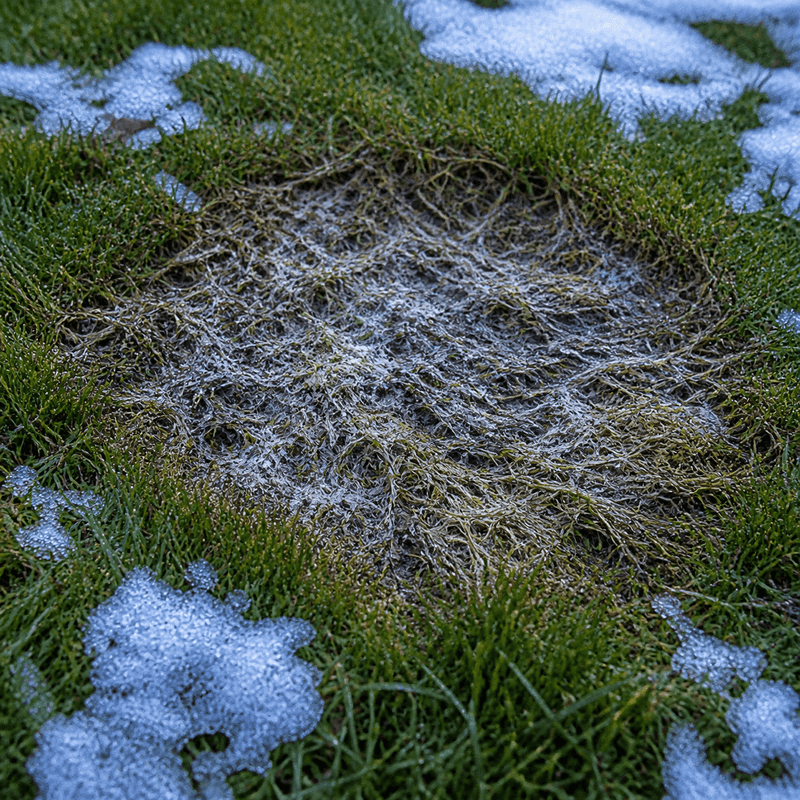
Spring snowmelt sometimes reveals odd circles on the lawn. Some look grayish and crusty, while others carry a faint pink or salmon tint around the edges.
Those patches are usually snow mold, a group of fungal diseases that thrive in cold, wet, low-airflow conditions. Gray snow mold and pink snow mold are both common across Ohio.
They do their best work under long-lasting snow cover, especially when the snow lands on unfrozen ground or on top of matted leaves.
Wet leaves give these fungi a head start. They hold moisture against the grass and keep the air still and humid, which is exactly what the fungus wants.
Long, floppy grass left uncut in fall adds to the problem too.
Most snow mold damage is cosmetic and recovers on its own. Gray snow mold mostly affects the leaf blades.
Pink snow mold can sometimes reach the crowns and leave patches that need extra help.
When you spot it in spring, gently rake the matted areas to fluff the grass and let it dry. For prevention, the best move is simple: clear heavy leaves and keep mowing until the grass stops growing.
Flattened Grass Blades Are Starved for Air
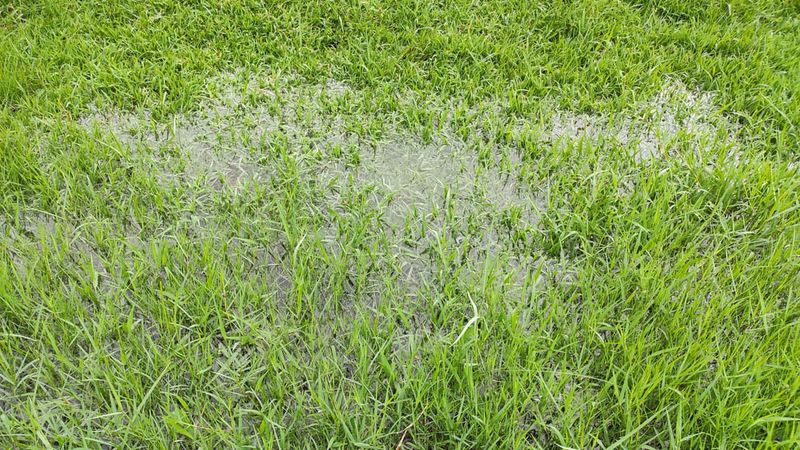
Lift a soggy clump of leaves and look closely. The grass underneath often lies flat, slick, and pale, almost like it was ironed into the soil.
That flattening matters more than it seems. Grass plants exchange gases through their leaves, and the soil needs air too.
A dense, waterlogged layer slows that exchange and keeps the surface constantly damp.
Extended dampness weakens the blades and invites rot. It also gives voles and other small critters a sheltered hiding spot.
Voles love moving under leaf piles and snow, and they can chew winding runways through the turf by spring.
You need to look at your lawn the way you would look at a houseplant left in a soggy saucer. A little water is welcome.
Constant wetness with no airflow is where problems start.
Thin spots and bare patches are the usual leftovers. They pop up in the exact shapes where leaves piled up, often along fences, under shrubs, and in low corners where the wind pushes everything together.
Those same corners deserve the most attention during cleanup. Clear them first and you remove the worst trouble spots fast.
Your Mulching Mower Can Shred Dry Leaves Into Free Fertilizer
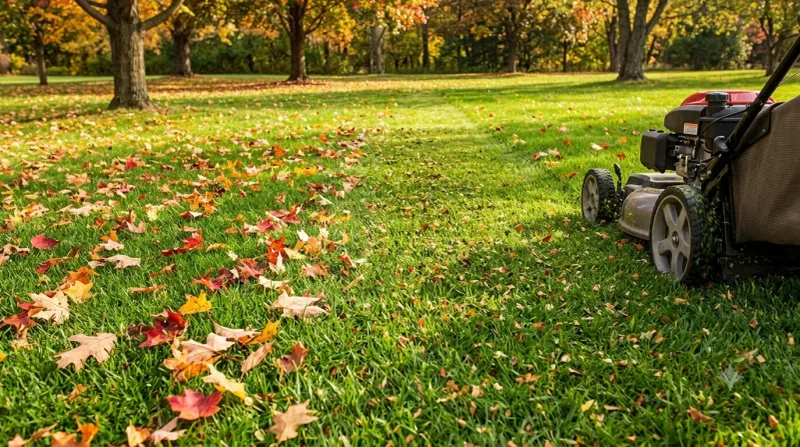
Here is my favorite fall shortcut. Instead of raking every leaf, you can chop many of them right back into the lawn with a mower.
Research from Michigan State University found that mulching leaves into turf did not hurt lawn quality, and the shredded bits added organic matter over time. Ohio State Extension also supports mulch mowing when the leaf layer is light to moderate.
The trick is dryness. Dry leaves shatter into tiny flakes that settle down between the grass blades.
Wet leaves clump, clog the mower deck, and leave soggy piles behind.
Aim for a sunny afternoon after a dry spell. Set your mower to a normal height, around 3 to 3.5 inches, and make one or two passes.
A mulching blade helps, but a regular mower with the side chute closed often works too.
Afterward, check your work. You should see plenty of green grass peeking through the confetti of leaf bits.
If the lawn still looks brown, the layer is too thick to mulch alone.
In that case, bag the extra or move it to your garden beds. Your soil will thank you either way.
Heavy Oak and Sycamore Leaves Call for a Rake or Leaf Blower
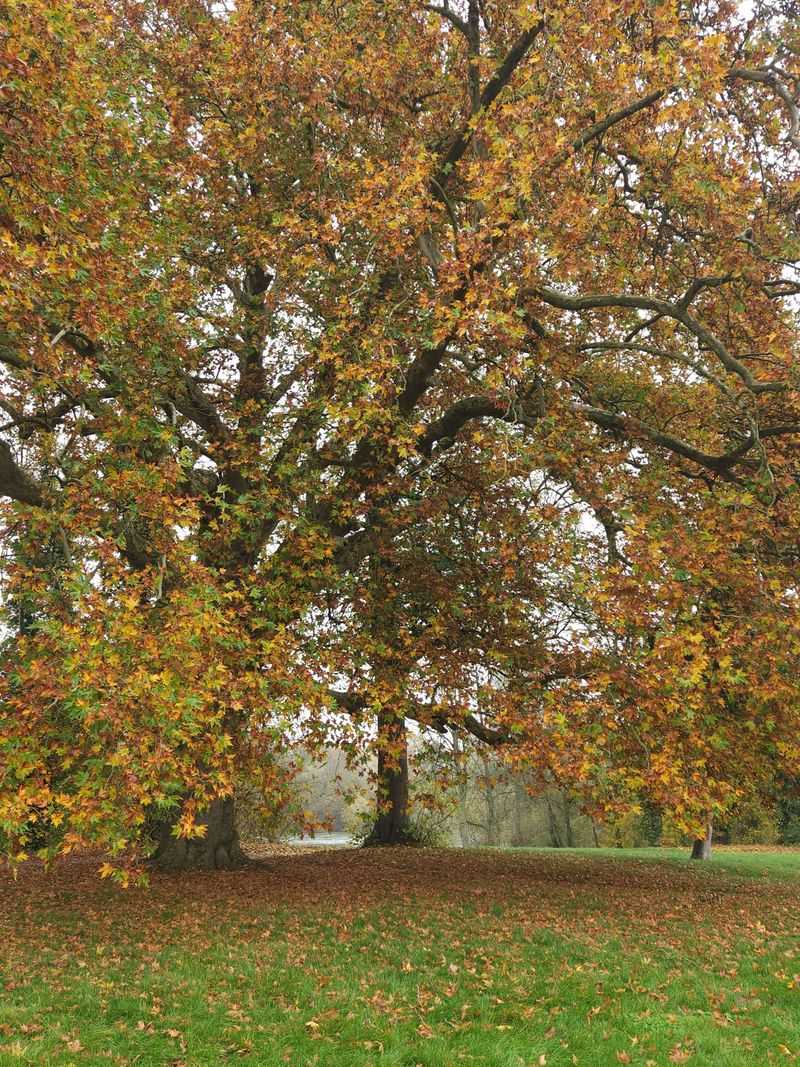
Not every tree plays nice with a mower. Oak and sycamore leaves are thick, leathery, and slow to break down, and they can bury a lawn fast.
When the pile is deep or already soaked, mulching just smears it around. That is the moment to grab a rake, a leaf blower, or a mower with a bagger.
A wide plastic rake moves wet leaves without tearing up the turf, and a tarp makes hauling much easier.
Wet leaves are heavy, so work in small sections. Drag them onto the tarp and take breaks.
Your back matters more than finishing in one afternoon.
Many Ohio cities offer curbside leaf pickup or drop-off sites in fall. Rules vary a lot, so check your local public works page for dates and whether leaves must be bagged or piled loose.
Avoid pushing piles into the street where they can clog storm drains.
Raked leaves are valuable, too. Pile them in a compost bin, spread them as mulch on vegetable beds, or stash a bag for spring.
Leaf mold, made from slowly rotted leaves, is a crumbly soil booster gardeners love.
Watch Your Maple and Oak Trees to Time Leaf Cleanup
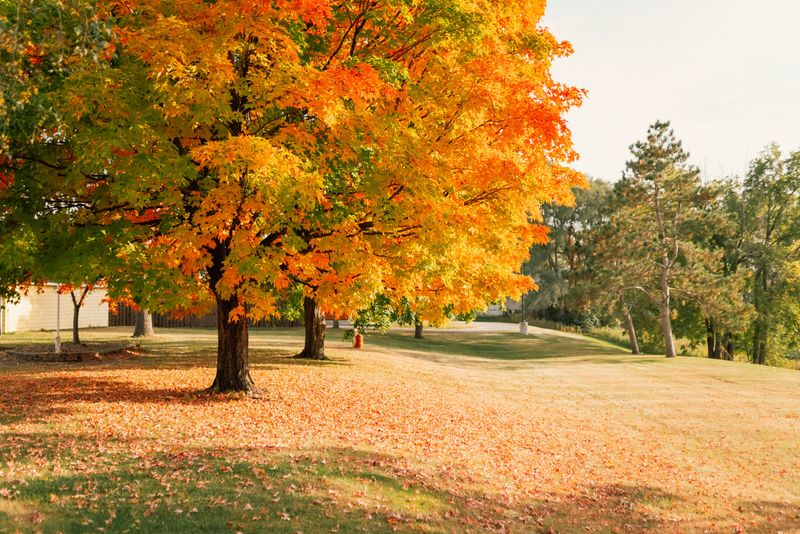
Timing is half the battle. Leaf drop in Ohio usually peaks from mid-October through November, with northern counties often a bit earlier than the southern part of the state.
Oaks tend to hang on longest. Some hold brown leaves into December, and pin oaks may keep a few all winter.
A steady rhythm works better than one giant cleanup. Clearing or mulching every week or two during peak drop keeps the layer thin and manageable.
Leaves rarely get the chance to mat down when you stay ahead of them.
I watch the trees as my calendar. Once most of the branches are bare, I plan one final, thorough sweep of the yard.
Try to finish that last cleanup before lasting snow arrives. Snow on top of matted leaves creates the cold, damp hideout snow mold loves.
It also makes spring cleanup much messier.
Keep mowing as long as the grass is growing, too. A final mow slightly shorter than summer height, around 2.5 to 3 inches, helps reduce floppy blades that mat down.
Avoid scalping, though, since very short grass handles winter stress poorly.
Check Under the Leaves Before Spring Lawn Problems Show Up
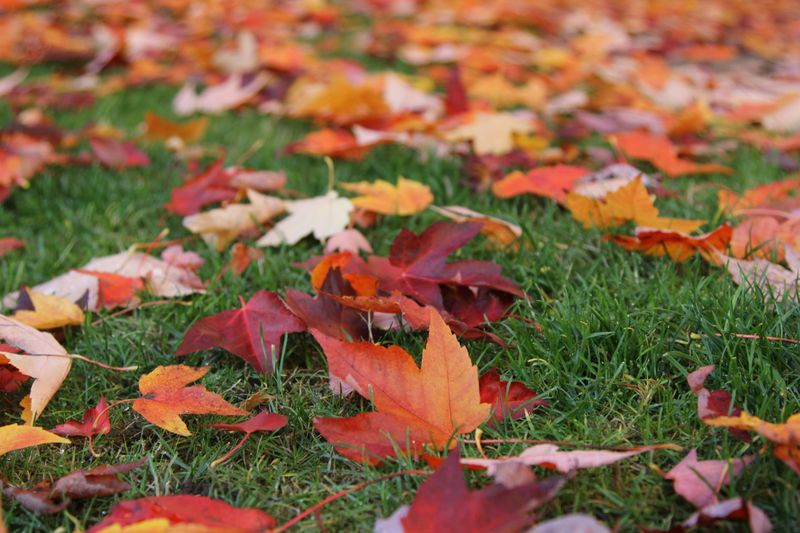
A quick five-minute walk around the yard tells you a lot. Grab a rake and lift a few spots where leaves look thickest.
Green, upright grass underneath means you are in decent shape. Yellowed, flattened, or slimy blades mean the layer has overstayed its welcome.
Clear those areas first, even if the rest of the yard can wait.
A simple rule helps. If you cannot see grass through the leaves, or the layer is more than about an inch thick and packed down, it needs attention soon.
Little extras make a difference as well. Skip heavy late-season fertilizing on soggy, covered grass, since it cannot use nutrients well under a mat.
Keep piles off the lawn instead of letting them sit for weeks.
Spring offers a second chance. Rake any matted or crusty patches once the ground dries, and overseed thin spots in late summer or early fall, which is the best seeding window for cool-season grass in Ohio.
Treat fallen leaves as a resource, not just a chore. A little attention now means a thicker, greener lawn when the robins return.