The Old Ohio Belief About What It Means When Crickets Come Inside
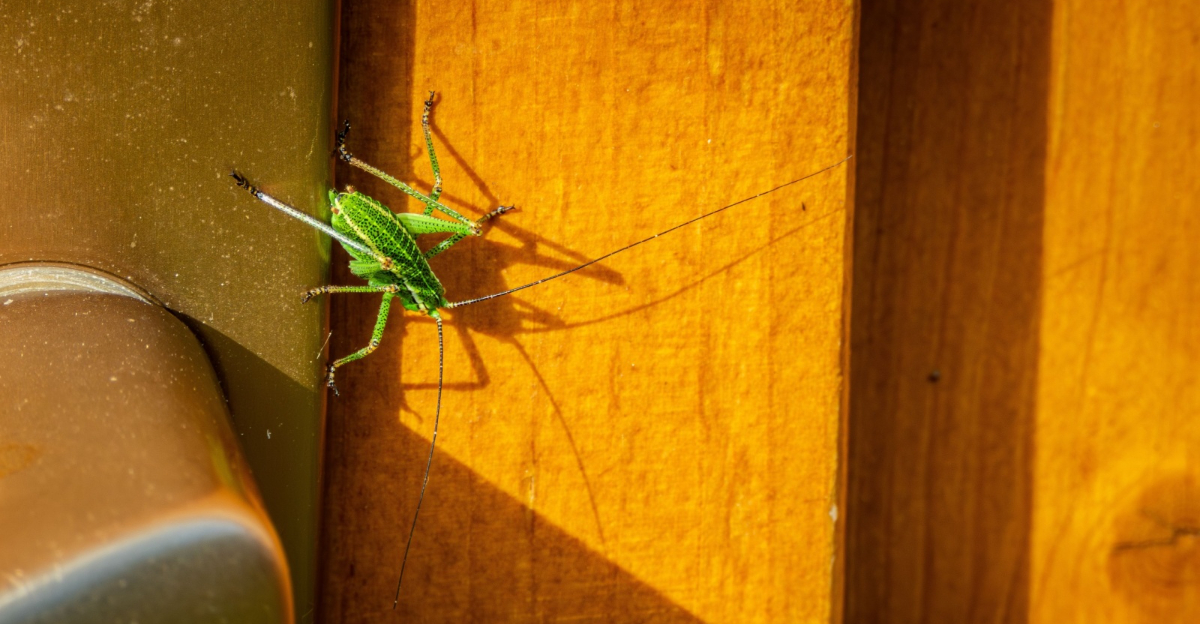
There are few sounds more quintessentially Ohio summer than crickets chirping from the garden as the sun goes down.
It is the kind of background music that makes a warm evening feel exactly right, and most people do not think much about it until one of those crickets finds its way inside the house.
Then things get interesting. For generations across Ohio and the broader eastern United States, a cricket indoors was not just a minor household inconvenience to be dealt with quickly.
It was something to pause over. Rural families who spent their lives paying close attention to the land, the seasons, and the creatures around them had very specific ideas about what that little visitor meant.
Some of those beliefs are practical, some are symbolic, and honestly, some of them are surprisingly hard to dismiss.
1. A Cricket Indoors Was Seen As A Sign Of Good Luck
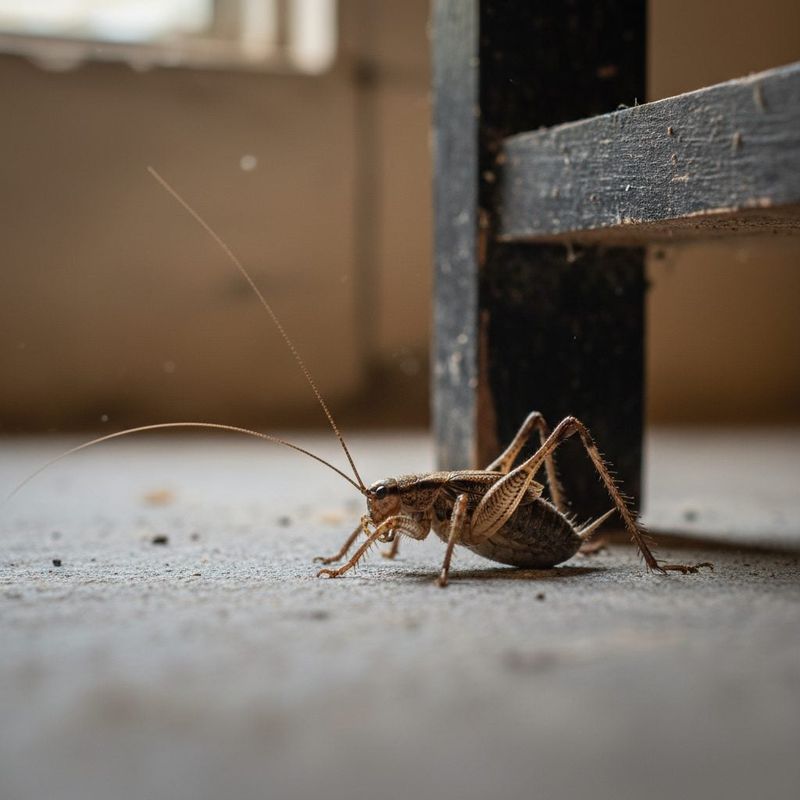
Spend enough time on an old farm, and someone will eventually tell you not to shoo away a cricket that wanders inside.
Across much of rural Ohio and the wider eastern United States, a cricket crossing the threshold of a home was traditionally seen as a sign that good fortune was on its way.
The belief was not unique to Ohio, but it settled comfortably into the state’s farming communities, where seasonal signs were taken seriously.
Families who worked gardens and fields tended to be observant people. They noticed when the first frost arrived, when the soil felt right for planting, and when certain insects appeared in unusual places.
A cricket showing up inside the house, especially as the growing season wound down, felt meaningful to many of them. It was treated less like a pest and more like a small, welcome visitor.
The idea that crickets bring good luck appears in folklore traditions from several parts of the world, including regions of Europe and Asia, as well as Appalachian communities closer to home.
Whether families inherited the belief through Appalachian neighbors, older European roots, or simply developed it through repeated observation is not entirely clear.
What is clear is that the belief held real weight for many rural households.
Gardeners and homeowners who grew up hearing this belief often carried it into adulthood. Even those who did not take it literally tended to leave the cricket alone, just in case the old saying held a grain of truth worth respecting.
2. Its Chirping Was Linked With A Peaceful Home
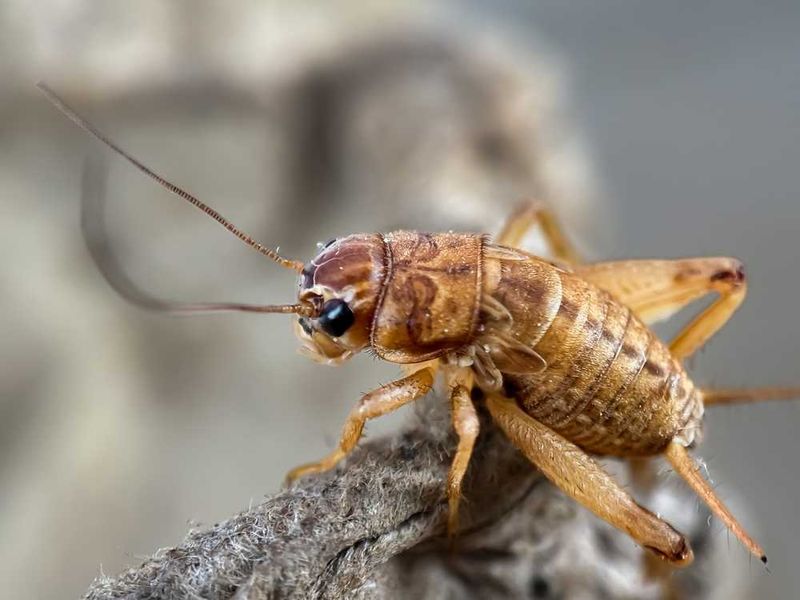
Late summer nights have a particular soundtrack. Tree frogs call from the pond edge, katydids buzz through the treetops, and somewhere in the tall grass near the vegetable garden, a cricket chirps steadily into the dark.
That sound, familiar and rhythmic, became associated over time with calm and contentment in many rural households.
When a cricket came indoors and continued chirping, some Ohio families took it as a sign that the home was at peace. The chirping was not seen as a nuisance but as a kind of reassurance.
Your Ohio Garden Changes Every Week. Your Plan Should Too.
Gardening in Ohio changes quickly throughout the season. Every Friday you’ll receive a simple weekly plan showing exactly what to plant, prune, fertilize, harvest, and protect so you never miss the right timing.
A quiet, steady cricket sound inside the house was interpreted by some as evidence that the household was in good order, that no trouble was near, and that the family could rest easy through the night.
This idea likely grew from simple association. Crickets chirp most actively during warm, settled weather.
Their sound filled evenings when crops were growing well and the season felt generous. Over time, the chirping itself became linked with those positive conditions rather than simply reflecting them.
Folklore often works that way, connecting a sound or sign with the feelings it tends to accompany.
Modern entomologists note that male crickets chirp primarily to attract mates, using a process called stridulation, which involves rubbing their wings together. The behavior is entirely biological.
But for generations of Ohio gardeners and farm families, that steady chirp inside the house felt like something more than insect behavior. It felt like the sound of a home that was doing just fine.
3. The Visitor Was Sometimes Connected With Coming Prosperity
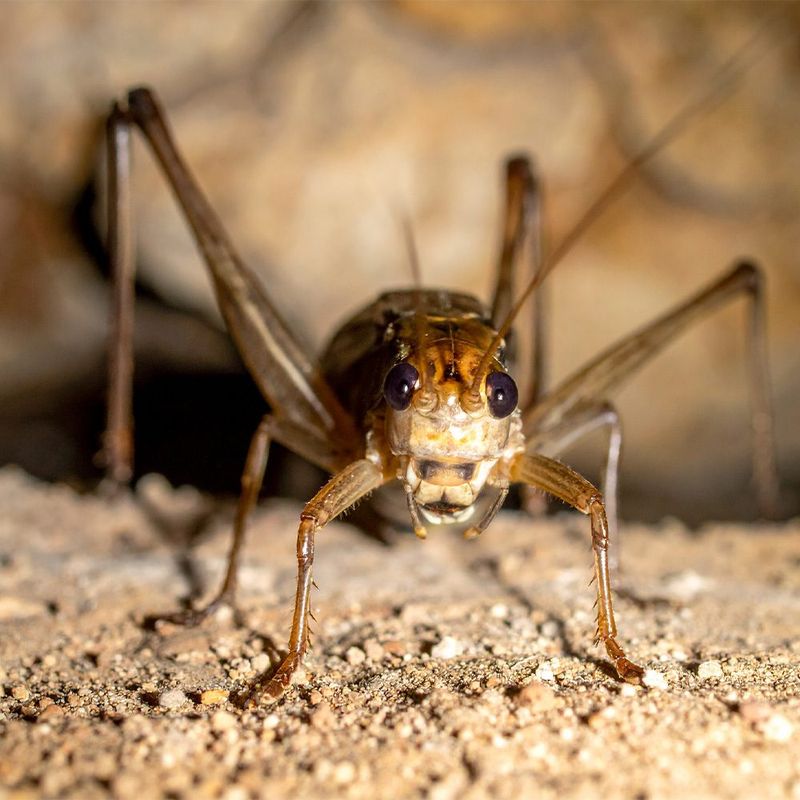
Old farming families understood prosperity in very practical terms. A good harvest, a dry barn, a healthy garden, and enough food stored before winter arrived were the measures that mattered most.
When a cricket appeared inside the home during the late growing season, some families connected its presence with the hope that those practical blessings were coming.
In parts of Ohio, particularly in communities with Appalachian or older European roots, a cricket inside the house was sometimes seen as a sign that money or abundance was on its way.
This belief appears in folklore from several traditions, and it likely traveled into Ohio through the movement of settlers and rural families who brought their customs with them.
The connection between crickets and prosperity was not invented in Ohio, but it found a receptive audience among people who lived close to the land.
The seasonal timing of cricket activity may have reinforced the belief. Crickets are most visible and active in late summer and early autumn, which also happens to be harvest time.
Gardens are full, markets are busy, and the sense of abundance is real. A cricket appearing in the house during that same window would naturally feel like part of a prosperous season rather than a coincidence.
Whether anyone truly believed a single cricket could predict financial gain is hard to say.
More likely, the belief was a way of marking the moment, of noticing a small sign and choosing to read it hopefully, which is something gardeners and farmers have always known how to do well.
4. Harming The Cricket Was Thought To Bring Bad Luck
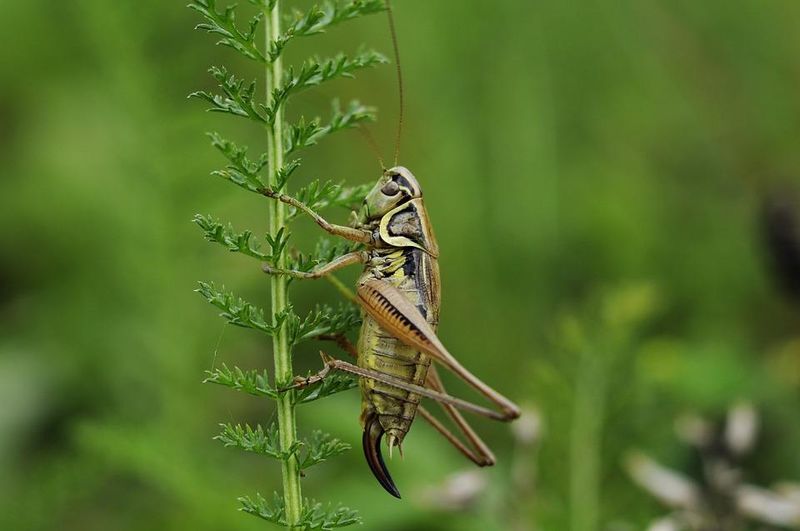
Across many of the same communities where a cricket indoors meant good fortune, there was an equally firm belief on the other side of the coin. Harming the cricket was thought to reverse whatever luck it had brought through the door.
This was not a casual warning but a genuine piece of household wisdom that some Ohio families passed down through generations.
The reasoning followed a kind of folklore logic. If the cricket arrived as a welcome sign, then treating it poorly would be an act of ingratitude toward the luck it represented.
Some families believed that misfortune would follow anyone who harmed an indoor cricket, ranging from minor setbacks in the garden to broader troubles around the home. The belief discouraged careless or impatient responses to the small visitor.
Similar warnings appear in Appalachian tradition and in older European folk beliefs, particularly from the British Isles and parts of continental Europe, where crickets near the hearth were considered protective household spirits of a sort.
Whether Ohio families inherited this specific version of the belief or arrived at something similar on their own through shared rural values is not fully documented.
What made the belief practical, regardless of its origin, is that it encouraged a certain mindfulness. Rather than reacting immediately to an insect that most people would simply brush aside, the tradition asked people to pause and consider.
For families who depended on their gardens and farms, that habit of careful observation was genuinely useful, even when it arrived wrapped in folklore.
5. Removing It Gently Was Considered The Safer Choice
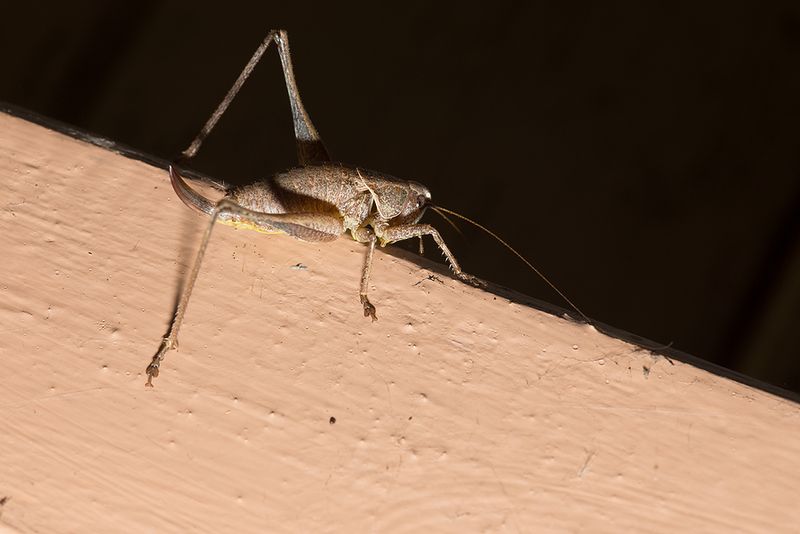
Given that harming the cricket was thought to invite trouble, the logical solution passed down through many Ohio households was simple enough: remove it carefully and release it back outside.
A glass, a piece of paper, or a cupped pair of hands were the preferred tools, and the cricket was carried to the garden or the yard without any fuss.
This gentle approach reflected something broader about how many rural Ohio families interacted with the natural world around their homes.
Gardens and farms required an awareness of beneficial insects, seasonal rhythms, and the small creatures that moved through the landscape.
Treating even an unexpected indoor visitor with care fit naturally into that way of thinking. The cricket was returned to its habitat, and the household was left undisturbed.
From a practical standpoint, releasing a cricket outdoors also makes good sense for reasons that have nothing to do with folklore. Crickets are omnivores and, when indoors for extended periods, may chew on fabric, paper, or stored plant material.
Returning one to the garden is genuinely the more sensible outcome for both the insect and the homeowner.
Entomologists generally note that field crickets and house crickets found indoors are not harmful to humans and pose no significant threat to a healthy garden when present in normal numbers. Releasing them outside is straightforward and causes no disruption.
In this case, the old belief and the practical recommendation happen to point in exactly the same direction, which may be part of why the tradition lasted as long as it did.
6. The Belief Likely Reached Ohio Through Appalachian Traditions
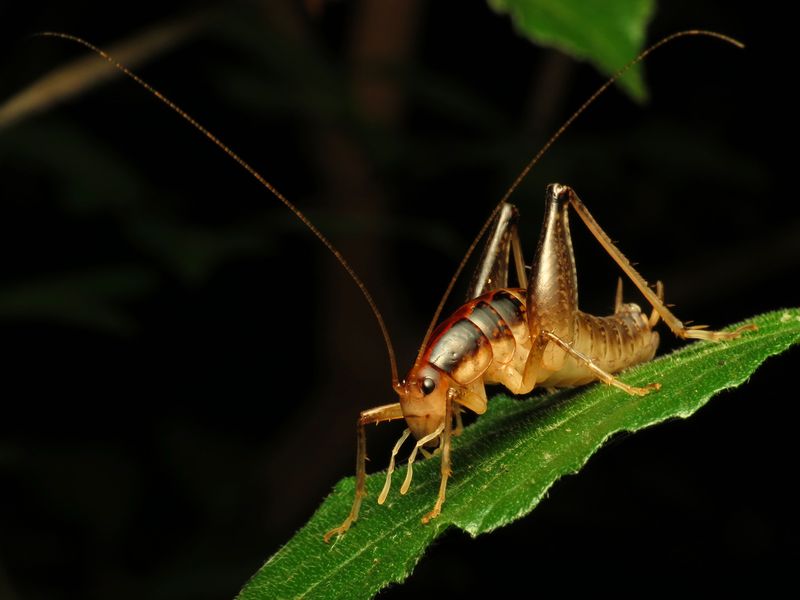
Southeastern Ohio shares geography, history, and cultural roots with the broader Appalachian region.
Families who settled the hills and valleys of that part of the state often brought with them traditions from Virginia, Kentucky, West Virginia, and the Carolinas, including beliefs about animals, weather, and household signs that had been part of rural life for generations before Ohio was even a state.
Cricket folklore fits comfortably within that Appalachian tradition.
Beliefs about crickets in the home, including the ideas that they bring good luck, that their chirping signals peace, and that harming them invites misfortune, appear in documented Appalachian folk tradition.
As those communities extended into Ohio, their customs traveled with them. The belief was not invented in Ohio, but it found a natural home in communities where farming and garden life made seasonal signs feel relevant and worth observing.
It is worth noting that similar cricket beliefs exist in cultures far removed from Appalachia, including traditions from China, Japan, and parts of western Europe.
Whether the Appalachian version developed independently or blended influences from multiple sources over centuries of migration and settlement is a question folklorists have explored without arriving at a single clean answer.
What gardeners and rural families inherited was a living tradition rather than a fixed text. The belief shifted slightly from one household to the next, from one county to another.
Some families emphasized the luck angle, others the peace, and others simply observed the old rule about not harming the cricket without attaching much explanation to it at all.
7. A Real Cricket Indoors Usually Has A Seasonal Explanation
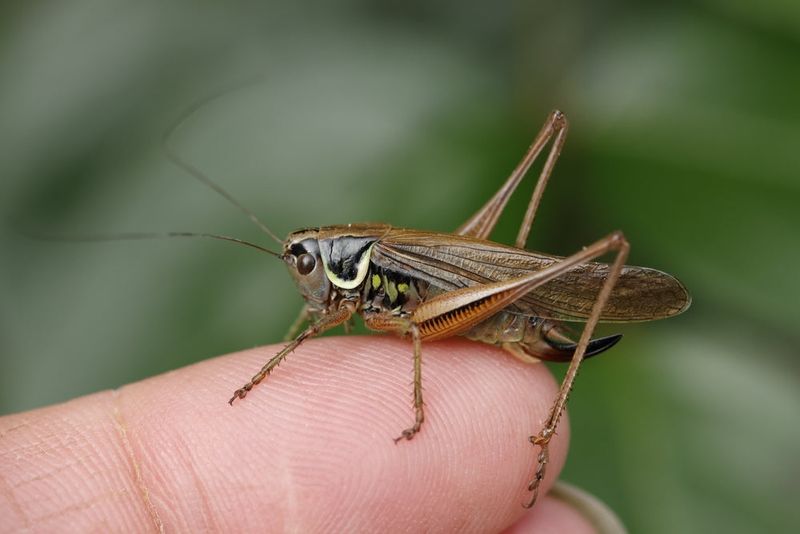
Whatever meaning older generations attached to an indoor cricket, the insect itself usually arrives for reasons that have nothing to do with fortune.
As summers wind down and nighttime temperatures begin to drop, crickets actively seek out shelter, warmth, and moisture.
Homes near gardens, landscaped beds, dense ground cover, or wood piles provide exactly the kind of environment a cricket is looking for as the season shifts.
Field crickets and house crickets, the two species most commonly found indoors in Ohio, typically enter buildings through gaps around doors, windows, foundations, utility lines, and vents.
Homes surrounded by mulched garden beds, tall ornamental grasses, or dense plantings near the foundation may notice more cricket activity in late summer and early autumn simply because the habitat right outside the door is so favorable.
Outdoor lighting can also draw crickets closer to entry points.
Reducing cricket entry is straightforward for most homeowners. Sealing gaps around doors and windows, keeping mulch pulled back slightly from the foundation, and adjusting outdoor lighting to less cricket-attracting wavelengths can all help.
These are the same kinds of small maintenance tasks that benefit the garden and the home in other ways as well.
Understanding why a cricket comes inside does not make the old belief any less interesting as a piece of Ohio history. Folklore and biology can coexist without one canceling out the other.
The cricket is following its instincts, and the homeowner gets to decide whether to see a seasonal wanderer, a piece of living folklore, or simply a small neighbor that needs a gentle escort back to the garden.