7 Pennsylvania Animals That Eat Acorns And What That Means For Your Yard
One busy bird in a Virginia study stashed thousands of small capped nuts during a single autumn season. Nobody warned me that my backyard trees were feeding a whole neighborhood of hungry visitors with fur and feathers.
In Pennsylvania, those little brown nuts rank among the richest wild foods available before cold winter weather arrives. Wildlife biologists even track the yearly crop because a big or small harvest shapes animal behavior for months.
I used to rake them up without a second thought, until I noticed who showed up afterward. You might notice fresh holes in your lawn or chewed caps scattered across the stone patio near the door.
Each clue points to a different visitor, and some guests are far more welcome in Pennsylvania yards than others.
1. White-Tailed Deer Gather Under Oak Trees In Fall
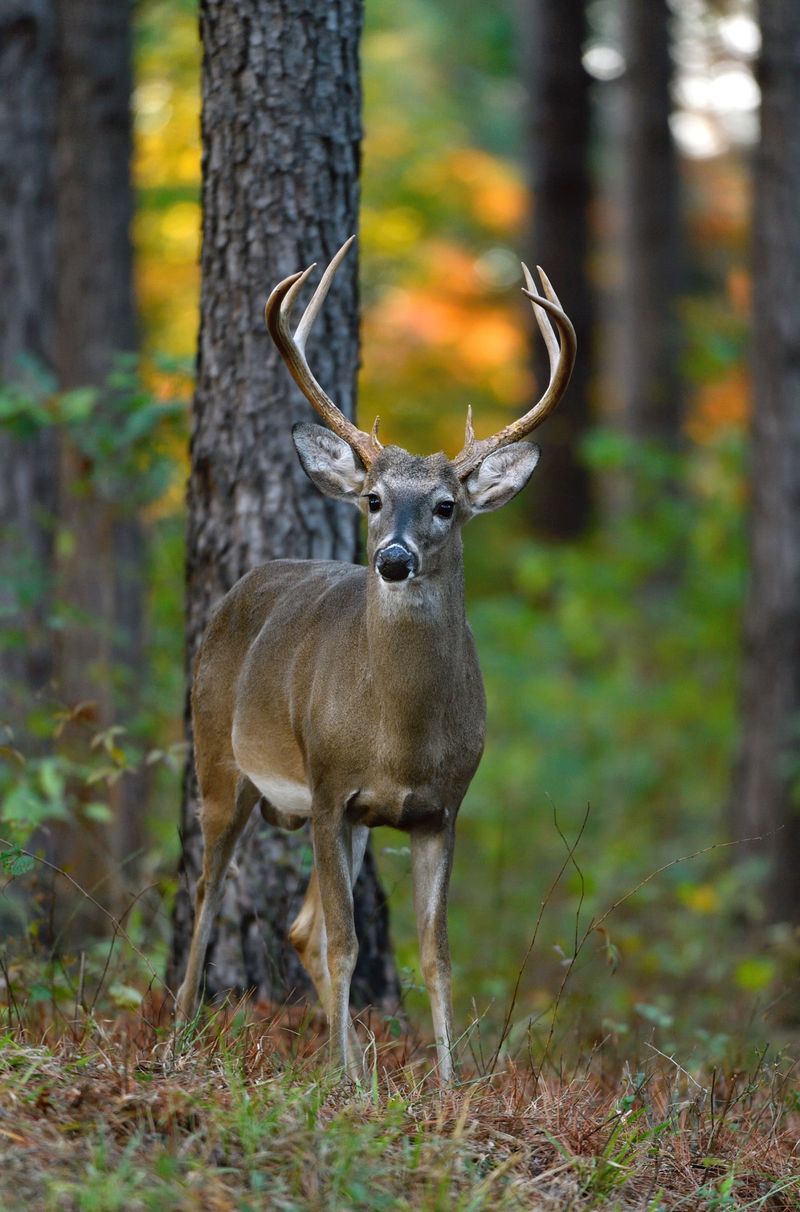
Ever heard a soft crunch at dusk and spotted a pair of ears flicking under your oak tree? White-tailed deer treat fallen acorns like candy, and they will happily walk a long way for them.
Wildlife experts note that acorns can make up a huge share of a deer’s fall diet in good mast years. They swallow acorns quickly, then chew them later as cud while resting somewhere quiet and safe.
Personally, I find white oak acorns disappear first, since they carry less bitter tannin than red oak acorns. Deer seem to know this, and they often clean up white oak drops within days of falling.
The trouble starts when they stick around after the acorns run out and start browsing your landscape plants. Hostas and arborvitae rank high on their snack list once natural food grows scarce in many neighborhoods.
Bucks also rub their antlers on small trunks during fall, which can strip bark from young ornamental trees. You need to wrap new tree trunks with plastic guards or fencing before the rut begins in autumn.
A fence at least eight feet tall offers the most reliable protection for vegetable beds and young shrubs.
Repellent sprays help too, but you need to reapply them often, especially after heavy rain washes them away.
Raking up acorns near your garden beds can make your yard a little less tempting for these hungry visitors. I like to leave a few under distant trees, letting deer feast far from my favorite plants.
2. Gray Squirrels Bury Acorns All Over Your Lawn
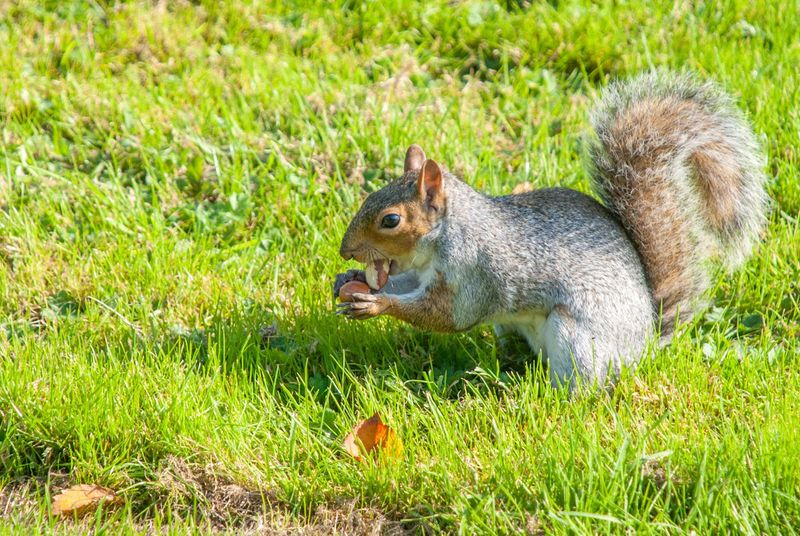
If my garden had a group chat, the gray squirrels would be the loudest members, gossiping about acorns nonstop. Eastern gray squirrels bury nuts one at a time in scattered spots, a habit scientists call scatter-hoarding.
Research shows these clever rodents treat acorns differently depending on which type of oak tree dropped them.
White oak acorns sprout soon after falling, so squirrels often eat them right away or nip out the embryo first.
Red oak acorns wait until spring to sprout, which makes them perfect for long-term storage in the ground. Squirrels tuck those away intact, saving them for the lean weeks of late winter and early spring.
Plenty of those buried acorns get forgotten, and that is how many new oak trees get their start. I have to admit, I find surprise oak seedlings in my flower beds every single spring.
Pull those seedlings while they are small, because oak taproots grow deep surprisingly fast in loose soil. A quick tug after a rain shower usually removes them cleanly without disturbing nearby garden perennials.
Squirrel digging can leave small holes across your lawn and uproot freshly planted bulbs like tulips and crocuses. Lay chicken wire over bulb beds and cover it with mulch to keep curious paws from digging.
Daffodils are a smart swap, since squirrels tend to leave their bitter bulbs alone in most gardens. Also check your roofline for gaps, because squirrels sometimes move into attics when the weather turns cold.
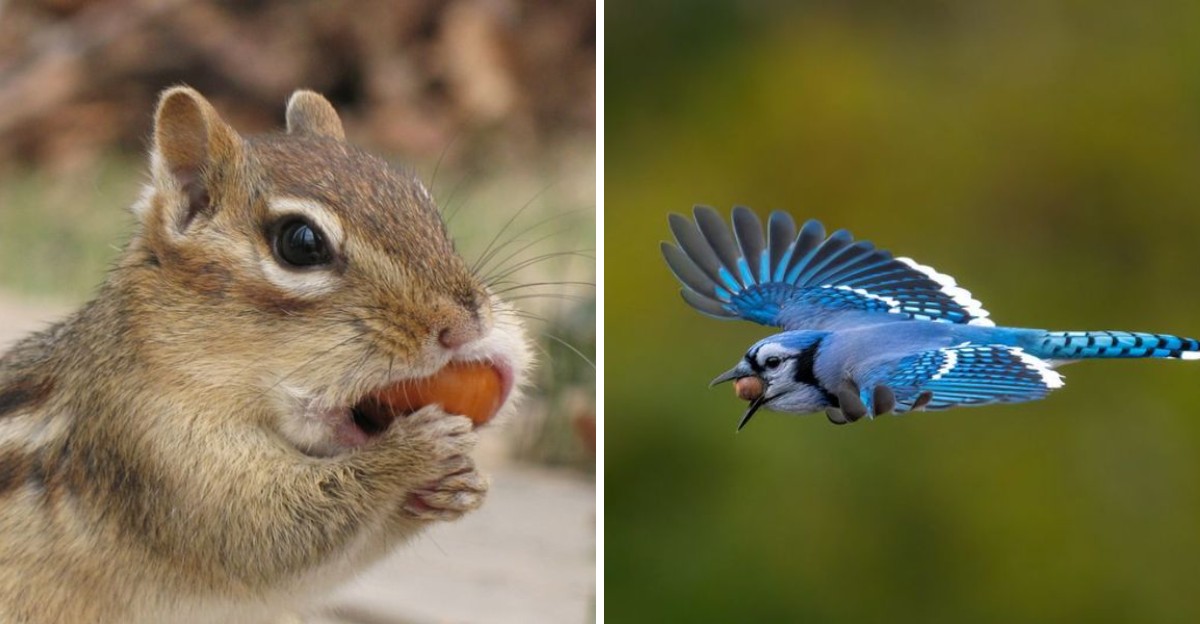
3. Striped Eastern Chipmunks Stuff Their Cheeks With Acorns
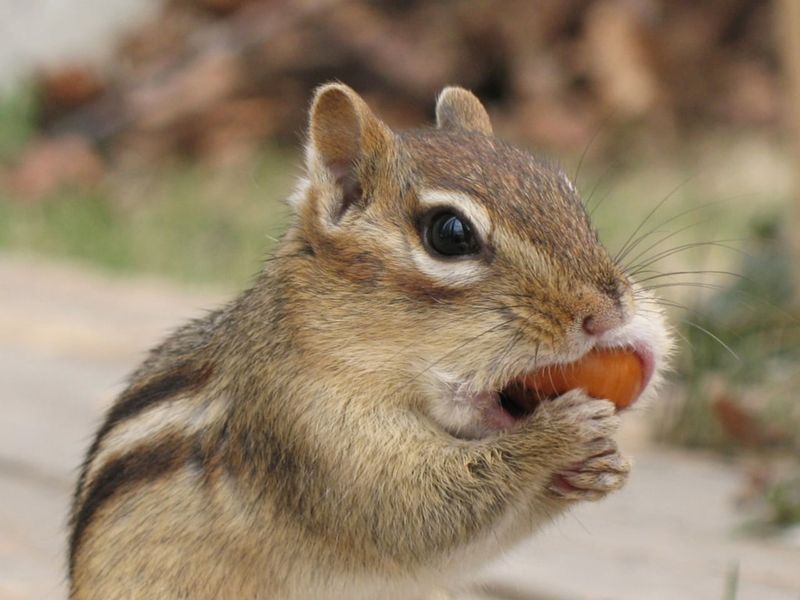
Watching an eastern chipmunk stuff its cheeks until its face looks twice as wide makes me laugh every time. The scientific name Tamias striatus roughly means striped steward, which fits this tiny storage expert perfectly.
Unlike squirrels, chipmunks pack most of their food into a single underground pantry inside their burrow system. Biologists call this larder-hoarding, and one chipmunk can gather a surprising pile of nuts before winter.
Chipmunks do not truly hibernate, so they wake up every few days to snack from their hidden stash. Researchers have found that big acorn years often lead to more chipmunks scurrying around yards the following year.
Their burrow entrances are tiny, clean holes about two inches wide, with no dirt piles to give them away. Chipmunks carry excavated soil off in their cheeks, which is a clever trick to hide their front doors.
Most of the time, chipmunks cause only minor trouble, but heavy burrowing can loosen soil under patios and walkways. They also dig up freshly planted bulbs and nibble on seedlings when acorns and seeds run low.
You need to keep stone walls and woodpiles away from your foundation, since chipmunks love those hiding spots. A wide gravel strip along the house also discourages burrowing right next to your basement walls.
Cleaning up spilled birdseed helps a lot, because chipmunks treat feeder leftovers like a free bonus buffet. I still enjoy their cheerful chatter, so I simply protect my bulbs and let them have the acorns.
4. Black Bears Fatten Up On Fallen Acorns
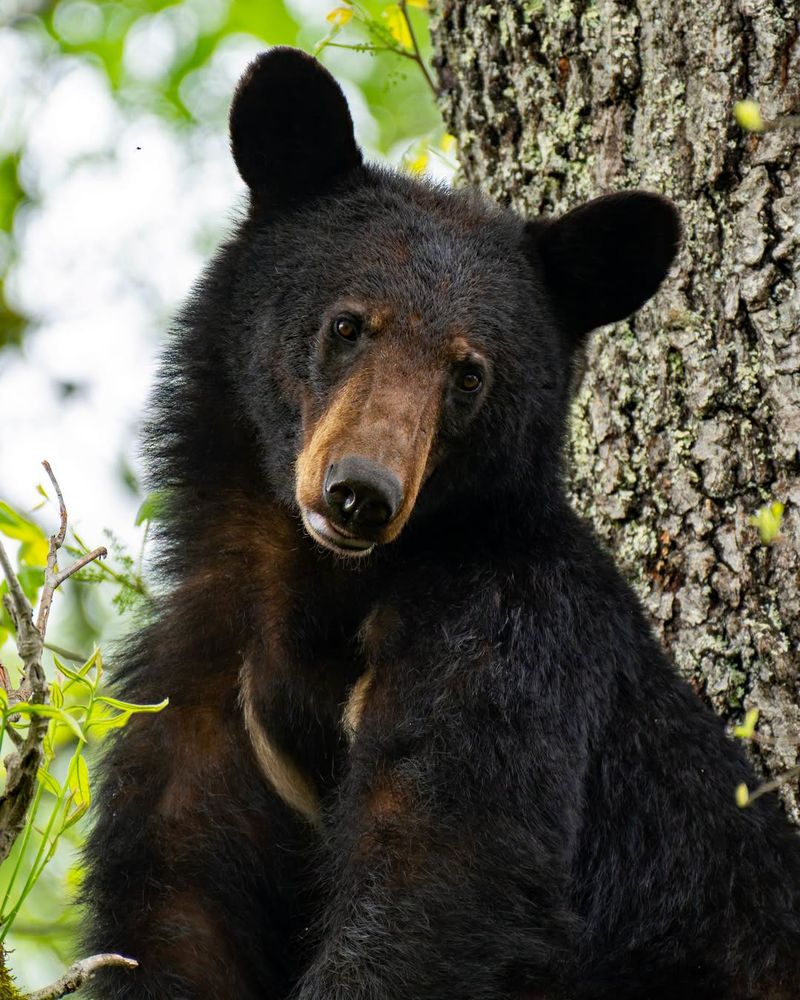
Believe it or not, black bears can eat for up to twenty hours a day while fattening up in fall. Acorns rank among their favorite foods during this feeding frenzy, along with beechnuts and wild cherries.
Pennsylvania has one of the largest black bear populations in the eastern United States, often estimated near twenty thousand animals.
Wildlife managers watch the acorn crop closely, because a poor year sends hungry bears searching closer to homes.
When oaks fail to produce, bears may raid garbage cans and bird feeders for easy calories near houses. I truly believe most bear trouble starts with food we leave out, not with the bears themselves.
Bird feeders are a big temptation, so take them down from spring through fall in bear country. Store trash in a locked shed or garage until the morning of pickup day each week.
Pet food left on the porch is another open invitation, so feed dogs and cats indoors whenever possible.
Intentionally feeding bears is illegal here, and officers can issue warnings when leftover attractants keep drawing them in.
Bears sometimes climb oaks and snap branches while reaching for acorns, leaving tangled clusters that hunters call bear nests. Spotting one of those clumps high in a backyard oak tells you a bear has visited lately.
If you meet one outdoors, give it plenty of room and back away slowly while speaking calmly. Most bears would much rather eat acorns in the woods than spend time near noisy people.
5. Wild Turkey Flocks Scratch For Acorns In The Yard
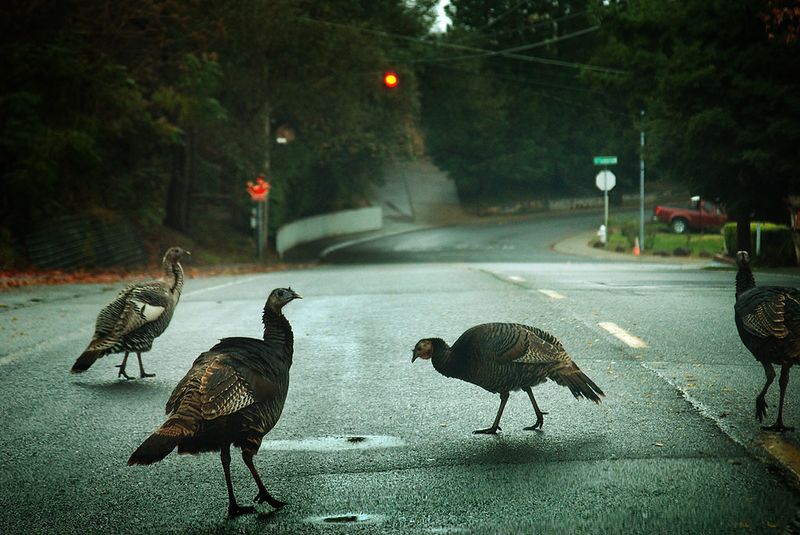
Nothing announces fall quite like a gang of wild turkeys scratching through the leaves under a big oak. They swallow acorns whole, and a strong muscular gizzard grinds those hard shells into something digestible.
Turkeys once vanished from much of Pennsylvania because of habitat loss and unregulated hunting long ago.
Restoration work and regrowing forests helped them rebound, and today flocks wander through many suburban neighborhoods.
To my surprise, acorns make up a large chunk of their fall and winter diet in oak country. They also gobble insects and wild grapes, so your yard can offer them a surprisingly varied menu.
Their scratching can leave bare patches in mulch beds and scatter freshly spread seed across your new lawn. Turkeys also love bird feeder spills, which is often the real reason a flock keeps returning.
Once turkeys get too comfortable around people, some become bold and even chase walkers or peck at car mirrors.
Toms sometimes attack their own reflections in shiny windows, mistaking them for rival males in spring.
You need to avoid feeding them on purpose, because handouts teach turkeys to lose their healthy fear of humans. Waving your arms or spraying a garden hose usually sends an overconfident bird hustling back toward the woods.
Covering new grass seed with straw or netting keeps scratching feet from undoing your hard work after planting.
Personally, I love seeing a flock stroll through, as long as they keep their beaks out of my seedlings.
6. Blue Jays Carry Acorns Far From The Oak Tree
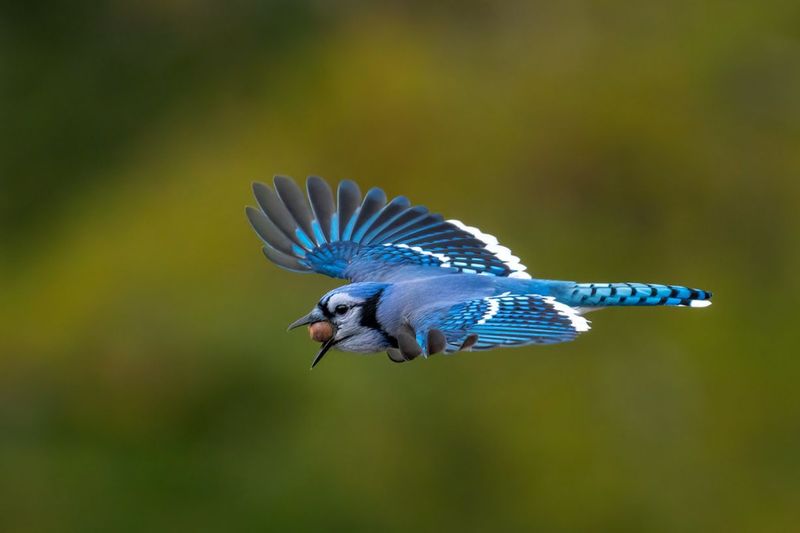
Few backyard birds work as hard at planting forests as the loud, flashy blue jay perched on your fence. A jay can carry several acorns at once, tucking them in its throat pouch and holding one in its bill.
In a well-known Virginia study, about fifty jays cached around 150,000 acorns during a single autumn season. Some birds flew more than a mile before burying each nut in loose soil or leaf litter.
Scientists credit blue jays with helping oaks spread northward quickly after the last ice age ended. I can’t imagine a better job description for a bird than tree planter for half a continent.
Jays tend to pick smaller acorns, like those from pin oaks, because they fit more easily in the pouch. They also seem to skip nuts with weevil holes, which keeps their winter stash full of solid food.
For your yard, that means tiny oak sprouts may pop up in garden beds far from any oak tree. Pull unwanted seedlings early, or pot a few up to share with neighbors who have room for shade trees.
Blue jays can be bossy at feeders, chasing off smaller songbirds while they grab sunflower seeds and peanuts. Offering a separate peanut feeder away from the main station usually spreads the crowd out nicely.
Planting a native oak is the best way to welcome these clever birds, and it feeds countless caterpillars too. Just remember that oaks grow slowly, so the acorn show may take a couple of decades to begin.
7. White-Footed Mice Hoard Acorns Near Your Home
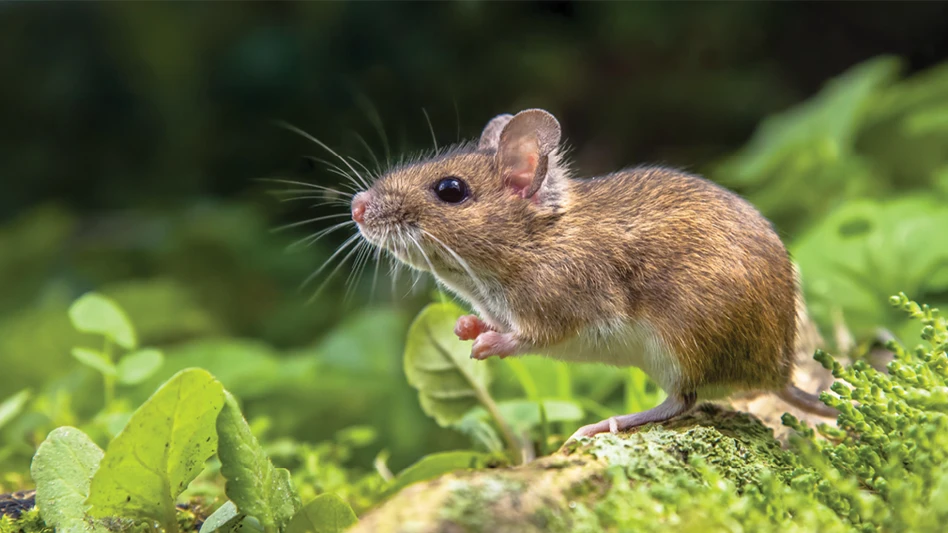
Small enough to fit in a teacup, the white-footed mouse might be the most important acorn eater in this lineup. Its big dark eyes and bright white feet make it look like something from a storybook.
Researchers at the Cary Institute found that big acorn years lead to booming mouse numbers the following summer.
More mice means more hosts for blacklegged ticks, which can raise Lyme disease risk about two years later.
Pennsylvania regularly reports some of the highest Lyme disease case counts in the country, so this connection matters.
I believe tick checks after yard work deserve a spot in every gardener’s routine, especially following a heavy acorn fall.
Keeping grass mowed short and leaf litter cleared near paths makes your yard less inviting to ticks. A strip of wood chips between lawn and woods also helps create a drier, less friendly tick zone.
As nights turn chilly, these mice often slip indoors through gaps barely wider than a pencil. Once inside, they build nests in walls and stash acorns in old boots or forgotten storage boxes.
You need to seal foundation cracks with steel wool and caulk before cold weather settles in for good. Check garage doors and sheds too, since stored birdseed and grass seed make tempting winter pantries.
Outdoors, these mice earn some credit by eating spongy moth pupae, which helps reduce the next generation of leaf-munching caterpillars. Keeping them outside while letting them work in the woods feels like a fair deal for everyone.