What It Really Means When You Spot A Carolina Wren Roosting On Your North Carolina Porch
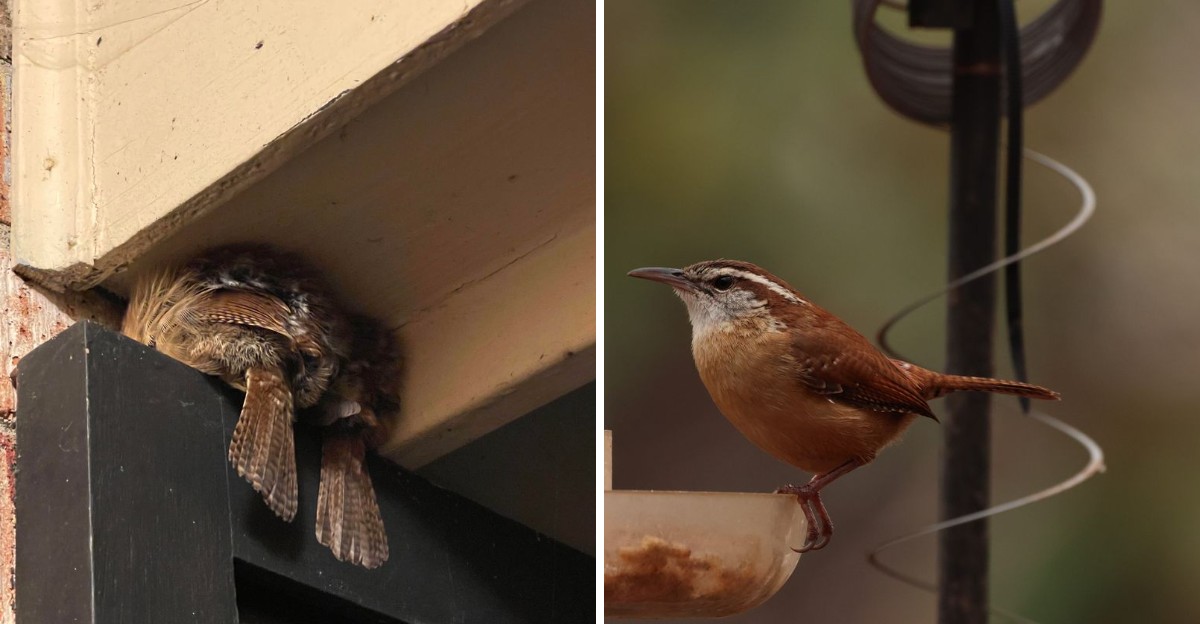
A bird that weighs about as much as four quarters can belt out a song loud enough to carry across your whole yard. I still grin every time that tiny voice shakes the morning air.
Now that same singer might be sleeping a few feet from your front door. Some folks find it tucked inside a hanging fern, a wreath, or an old flower pot on a shelf.
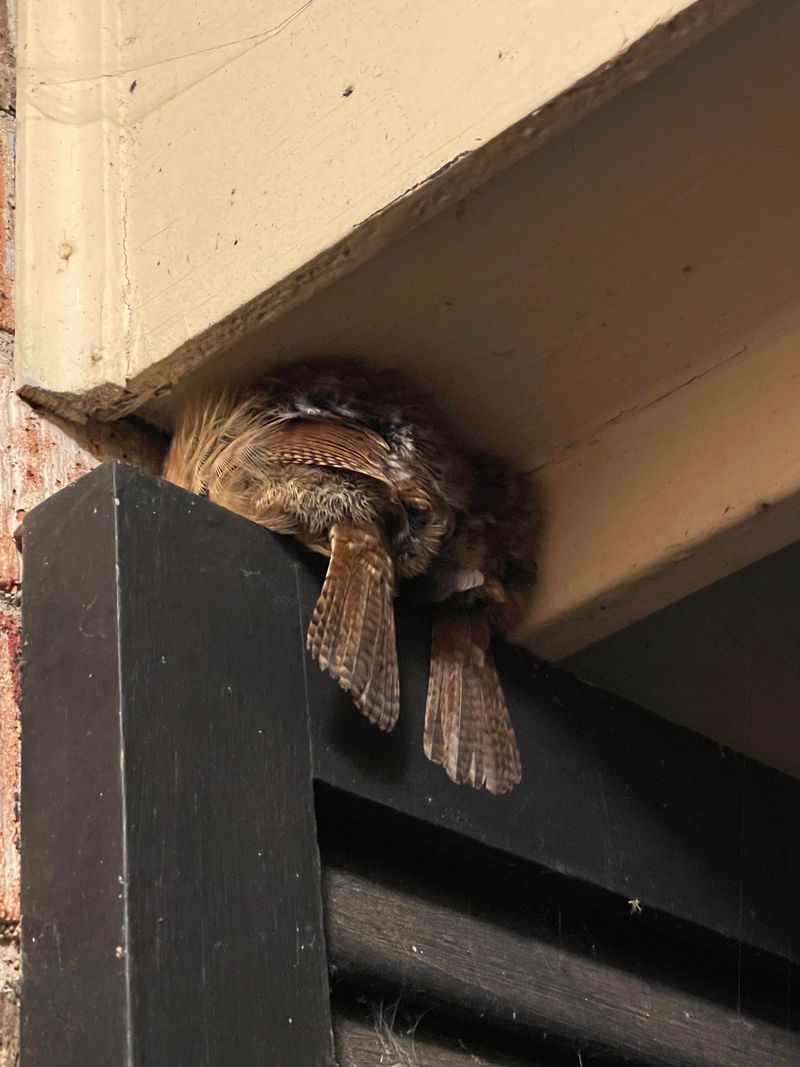
I believe these sleepy porch visits say a lot about the shelter your home quietly provides. You may have noticed a small round shape puffed up in a dark corner and wondered if something was wrong.
Personally, I think it ranks among the sweetest surprises a North Carolina gardener can get.
So what is that little brown bird really telling you about your porch, your garden, and the season ahead?
1. That Puffed-Up Brown Bird In Your Porch Corner Picked It On Purpose
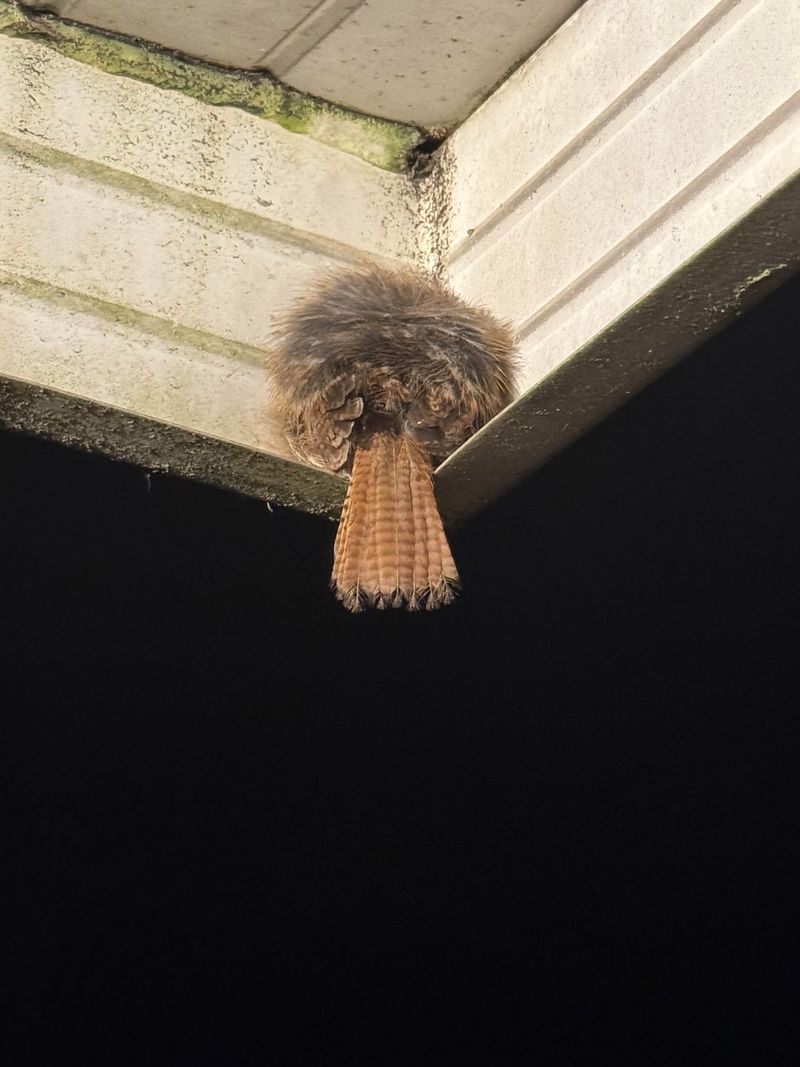
Your porch passed a test you never knew it was taking. Carolina Wrens are picky about where they sleep, and they look for tight, covered spots that block wind, rain, and hungry eyes.
In the wild, these birds tuck into tree cavities, tangled vines, brush piles, and thick shrubs. A porch corner, a ledge under the eaves, or a hanging basket gives them almost the same feeling of safety.
To a wren, your porch is basically a ready-made hollow tree with a roof.
So that round little bird is not lost or confused. It chose your space because it checks the boxes for a safe night.
Cornell Lab of Ornithology notes that this species often uses nooks around houses, sheds, and garages for shelter.
I love that it trusts the spot enough to return night after night. Many wrens use the same roost for weeks if nothing bothers them.
If you see one there, take it as a quiet compliment. Your home offers cover, calm, and nearby food.
That combination is harder to find than you might expect for a bird this small, especially when cold nights roll in.
2. Cold Nights Send Carolina Wrens Hunting For A Snug Roost
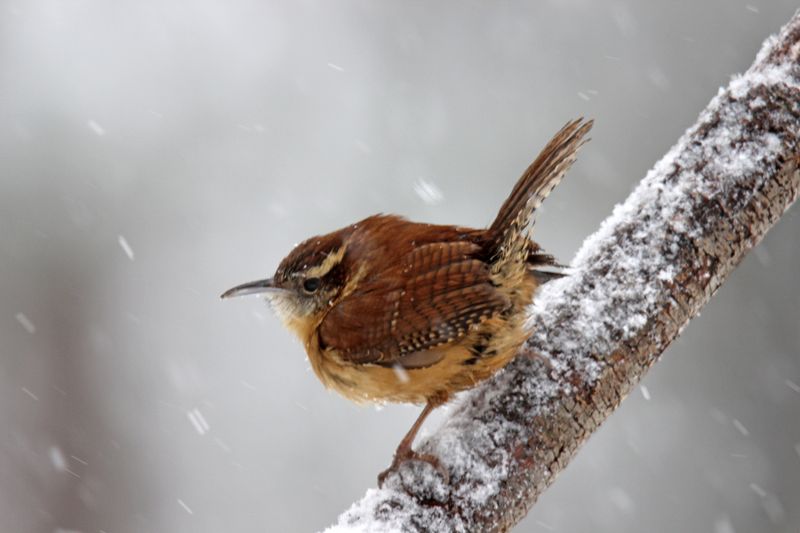
Body size is the big secret here. A Carolina Wren weighs only about two-thirds of an ounce, so it loses heat fast on chilly nights.
Unlike many songbirds, this wren does not migrate. It stays in the same area all year, which means it has to ride out every frosty night where it lives.
Finding a sheltered roost can make a real difference in how well it handles winter.
That fluffed-up, pinecone look you notice is a smart trick. By puffing out its feathers, the bird traps a layer of warm air close to its body.
It works a lot like your favorite puffy jacket.
Here is a fun bit of history. Carolina Wren numbers tend to drop after harsh winters, especially along the northern edge of their range.
Milder winters have helped them spread north over the last century.
In North Carolina, our winters are usually gentle, but the mountains can get bitter cold snaps. A wren in Boone may lean on your porch even more than one near Wilmington.
Either way, your covered porch helps it hold onto precious warmth until sunrise.
3. Hanging Ferns And Old Wreaths Make Surprising Wren Bedrooms
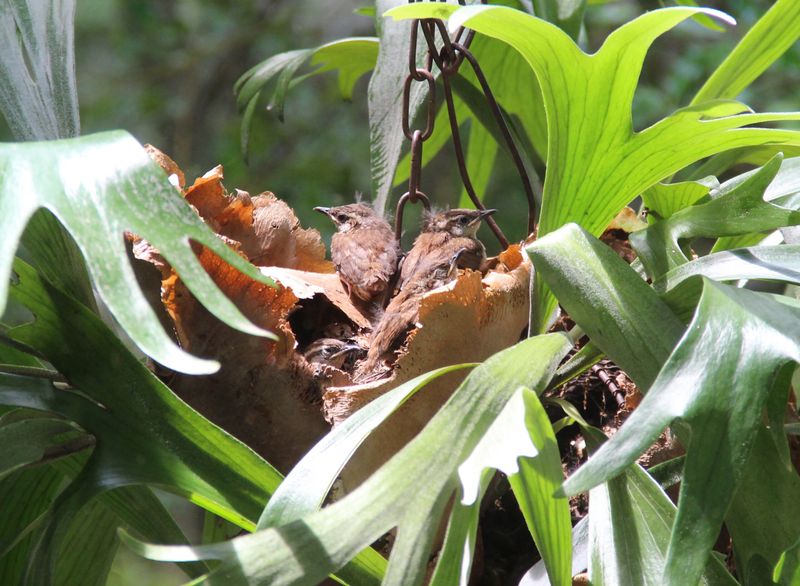
Ask any porch-loving Southerner, and you will hear a wren story involving a fern. These birds adore hanging baskets, door wreaths, mailboxes, and even pockets of old coats on a hook.
The reason is simple. Those items create small, covered hollows that feel safe.
A thick fern basket is soft, shady, and up off the ground, which keeps sneaky predators at a distance.
Wrens also show up in some odd spots. People have found them roosting in empty flowerpots, boots left by the door, grills, and old paper wasp nests.
Their curiosity seems to have no limit.
Here is a practical tip I have learned the hard way. Before you water a hanging basket in the evening, peek inside first.
A wren might be tucked in, and a cold soaking is no fun for anyone.
If you spot a roosting bird in a wreath, try to use another door for a while. Slamming that door every night may push the bird to find a quieter space.
A little patience keeps your feathered tenant comfortable and coming back.
4. That Porch Wren Is Probably A Year-Round Neighbor
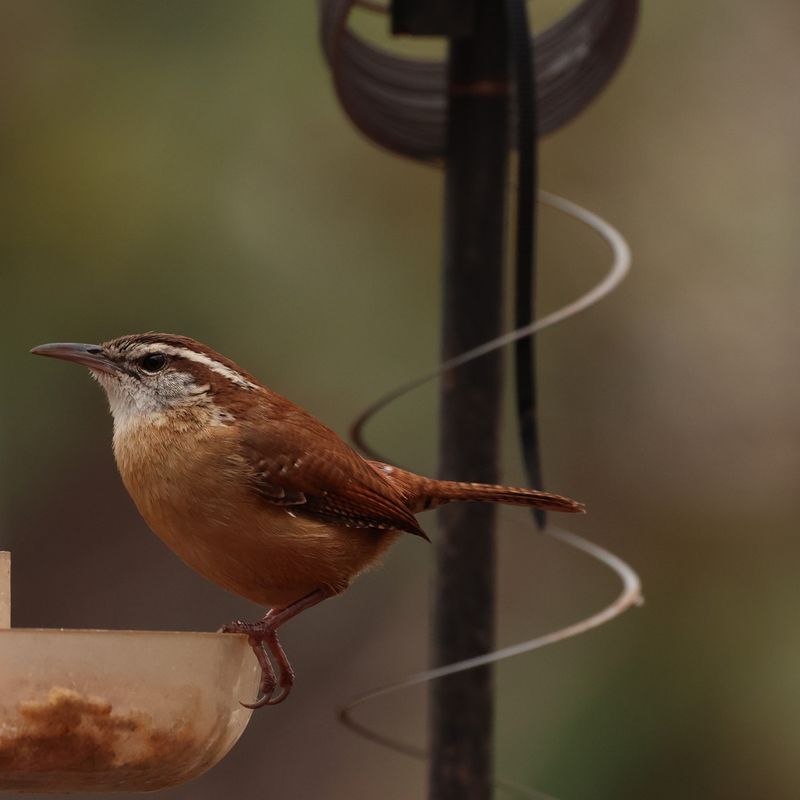
Think of the bird on your porch less as a guest and more as the family next door. Carolina Wrens set up territories and usually stay there for years.
Pairs often bond for a long time and defend their space together in every season. While many birds pack up and fly south, these two stick close to home.
That means the wren you see in January may be the same one singing in June.
Here is a sweet detail. Mated pairs often forage together and keep in touch with soft calls as they move through shrubs.
The male sings, and the female sometimes answers with a chattering call.
Because they stay put, a porch roost can quickly become part of their daily routine. You might notice one bird roosting nearby while its mate tucks into a separate hidden spot close by.
Getting to know your local pair can be a lot of fun. Watch for their bold white eyebrow stripes and cocked-up tails.
After a few weeks, you will start recognizing their habits, favorite perches, and even the times they head off to bed each evening.
5. Spiders And Caterpillars Disappear When Wrens Patrol Your Garden
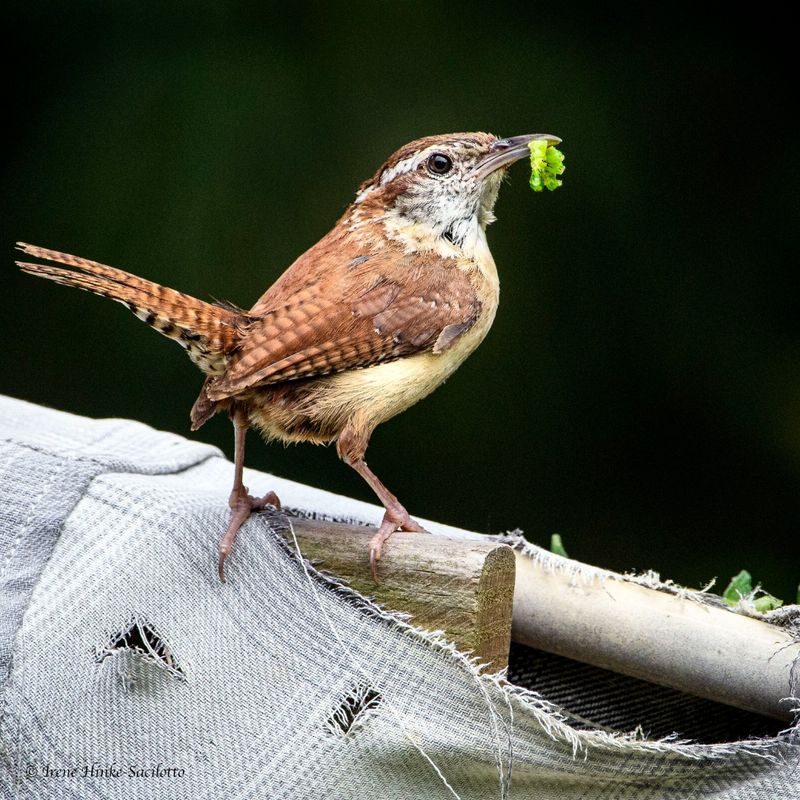
Gardeners, this part might make you cheer. A Carolina Wren is a tiny pest patrol that works for free.
Most of its diet is made up of insects and spiders. It snacks on beetles, caterpillars, crickets, grasshoppers, stink bugs, and moth larvae.
That curved beak is built for probing bark, leaf litter, and tight cracks where bugs hide.
So a wren sleeping on your porch is likely eating its breakfast in your flower beds and vegetable rows. I like to think of it as a small, noisy garden helper clocking in every morning.
Want to keep the buffet open? Go easy on broad-spectrum pesticides.
Spraying can reduce the insects these birds depend on, especially in spring when they feed hungry nestlings.
Leaving a light layer of fallen leaves under shrubs helps too. Those leaves shelter the bugs wrens love to hunt.
In North Carolina, where summer pests can explode, having a few wrens around adds natural balance. It will not erase every bug problem, but it certainly helps tip things in your favor.
6. Thick Native Shrubs Invite More Wrens Into Your Yard
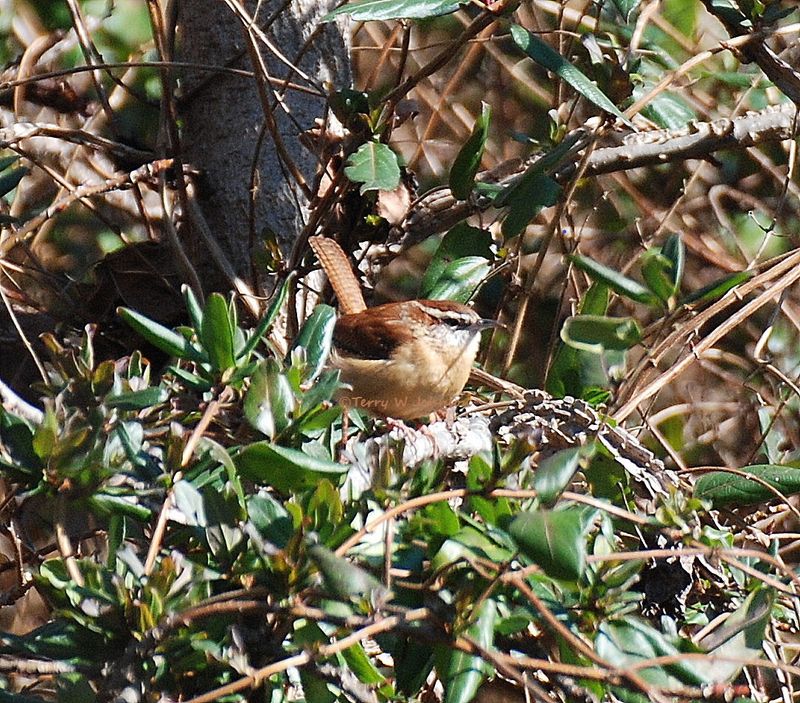
A tidy, wide-open lawn does very little for a Carolina Wren. These birds crave cover, and thick plantings are their favorite kind of neighborhood.
Native shrubs are a smart pick for North Carolina yards. Try inkberry holly, wax myrtle, American beautyberry, or Virginia sweetspire.
They offer shelter, attract insects, and fit our climate well.
A brush pile in a back corner is another wren magnet. Stack branches loosely so gaps form inside.
Wrens will forage, hide, and sometimes roost right in the tangle.
Native vines like crossvine or coral honeysuckle on a fence add more hiding spots. Skip invasive plants like English ivy or Japanese honeysuckle, since they crowd out native habitat.
Fall and late winter are great times to plant shrubs in most of the state. Cooler air and steady rain help roots settle in before summer heat arrives.
Over time, a layered yard with ground cover, shrubs, and trees will feel like home. The more cover you add, the more likely your porch wren will have friends nearby.
7. A Simple Roosting Box Or Suet Feeder Gives Wrens Extra Comfort
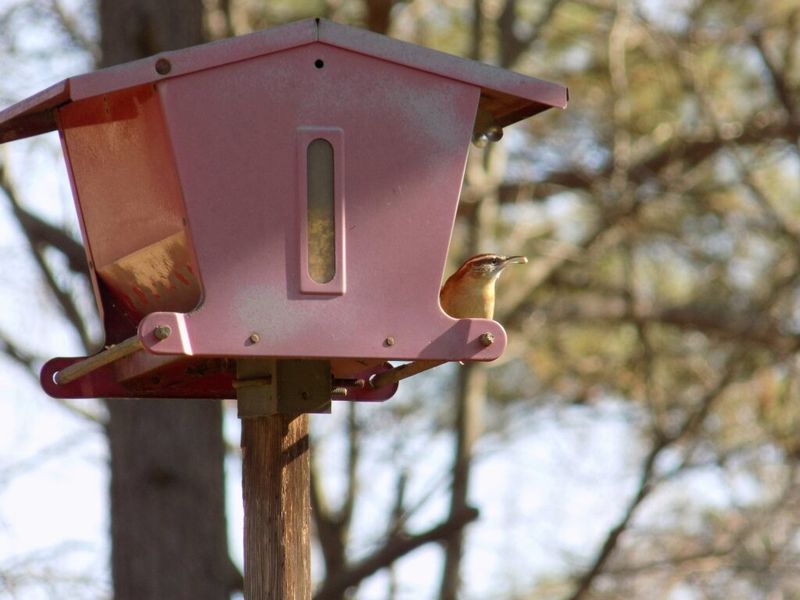
Want to roll out the welcome mat even more? A few small additions can make your porch wren’s life easier.
Suet is a winter favorite. Carolina Wrens visit suet feeders often, along with mealworms and chopped peanuts.
Those high-energy foods help fill gaps when cold weather keeps insects hidden.
A wooden nest box works well too. Many wrens will use a box with an entrance about one and a quarter to one and a half inches wide.
Mount it four to six feet high near shrubs, and the birds may use it for roosting or raising chicks.
Here is a quirky fact. Carolina Wrens sometimes build nests in strange places like flowerpots, mailboxes, and even car engines.
A proper box gives them a better choice.
Fresh water matters in every season. A shallow birdbath, cleaned every few days, gives them a place to drink and bathe.
In winter, a heated birdbath can be a real treat.
Keep feeders and boxes away from spots where cats can hide. A safe setup makes your porch even more appealing.
8. Give Your Roosting Wren Some Space And Enjoy The Show
My favorite advice is also the easiest. Let the little bird be.
Carolina Wrens, like most native songbirds, are protected under the federal Migratory Bird Treaty Act. You should not harm them, trap them, or disturb active nests.
That rule applies even though they do not migrate.
Try to keep porch lights low near the roost after dark. Bright lights and frequent door traffic can make a wren nervous and push it elsewhere.
Keeping pets indoors or leashed in the evening also helps.
If a wren starts nesting somewhere inconvenient, like your grill, wait it out. Chicks usually leave the nest about two weeks after hatching.
You can block the spot once the family moves on.
Cleanup can stay simple. A few droppings under the roost wipe away easily with warm water.
So what does that sleepy bird really mean? Your home provides shelter, your garden offers food, and your neighborhood still has room for wild things.
In North Carolina, that is a lovely sign. Grab a cup of coffee, listen for that bright morning song, and enjoy your tiny neighbor.