How Winter Bird Feeding And Habitat Help Control Ticks In Your New Jersey Yard
You pulled the first tick off your pant leg after raking leaves on a mild November afternoon, not on a trail, just in your own New Jersey backyard. Most people assume tick season ends with the first frost. In New Jersey it doesn’t.
Adult blacklegged ticks are active through fall and will climb grass and shrubs on any day the temperature stays above freezing.
Most people respond with chemical sprays, which hit far more than ticks. The better move is to use the weeks before the ground freezes to build a yard that birds want to stay in all winter.
Feeders, water, shelter, and native plants set up in November bring in birds now and put natural pressure on ticks when warm weather returns.
An honest note is that November feeders won’t wipe out this season’s adult ticks. The payoff is a bird-friendly yard that keeps working through winter and into spring, when tick nymphs become active.
1. What Birds Can Realistically Do About Ticks
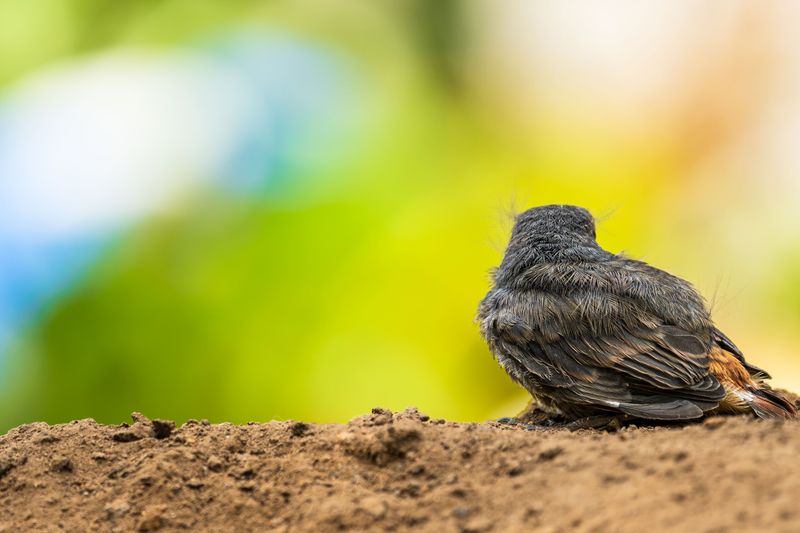
Ground-foraging birds eat ticks directly, and they do it with impressive efficiency. Wild turkeys, American robins, and Carolina wrens scratch through leaf litter looking for insects in New Jersey yards.
In winter they are joined by dark-eyed juncos, white-throated sparrows, and song sparrows. These birds work the ground in busy flocks.
Researchers note that the number of ticks a bird eats varies a great deal with environment and conditions, but ticks wait close to the ground for a host, which puts ground-feeders in exactly the right place to find them.
November is the month to leave some natural areas of your New Jersey yard alone. Skip the urge to rake every leaf.
A small patch of leaf litter in a back corner, away from walkways, patios, and play areas, is a winter buffet for juncos and sparrows, and it shelters the beetles, spiders, and other insects those birds feed on.
If a thick layer smothers your lawn, mulch or compost the leaves in a back corner rather than bagging them all. That messy corner you have been ignoring is becoming a hunting ground.
Letting nature stay a little wild this month is one of the smartest moves you can make for your yard, and it costs nothing but a little restraint with the rake.
Birds that find reliable food in your leaves in November will keep returning through the coldest weeks and into early spring.
2. Set Up Feeders and Water Before the Cold Sets In
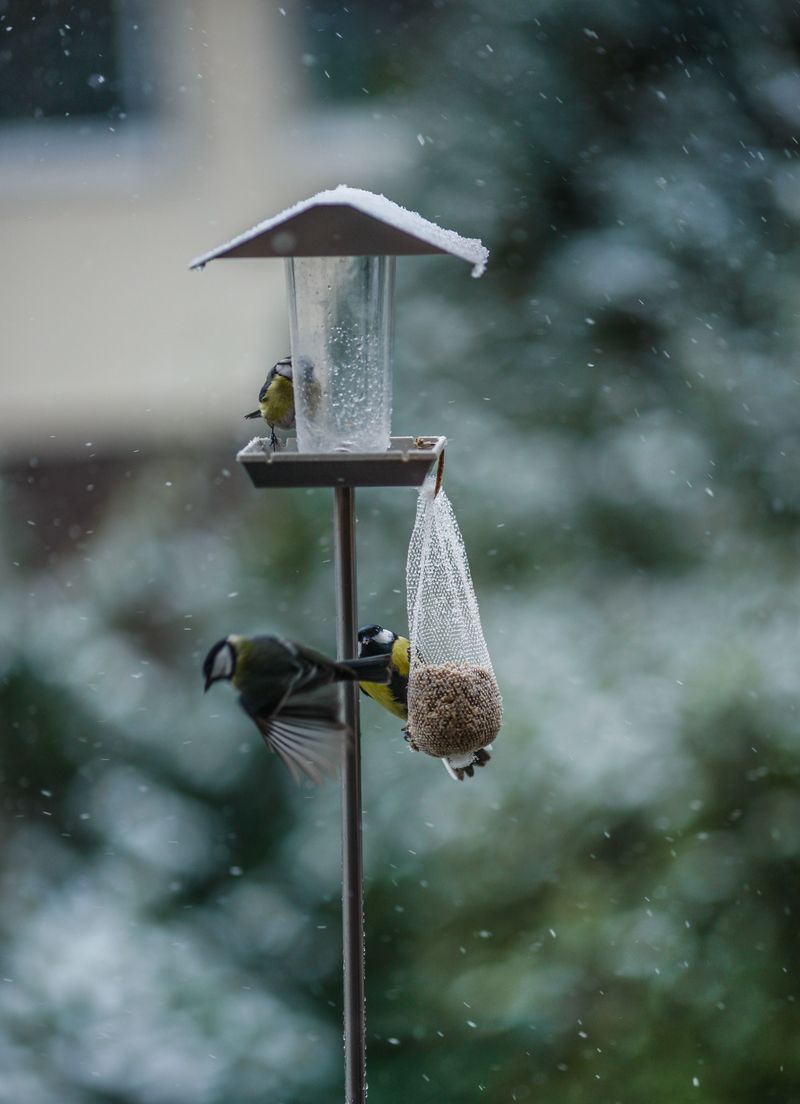
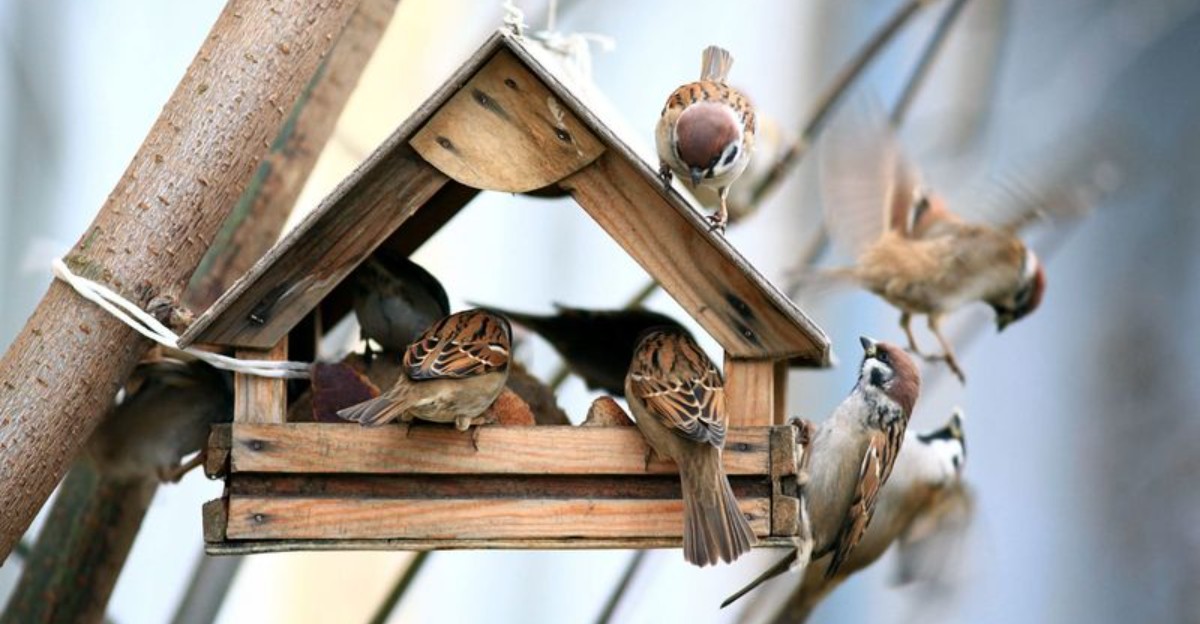
Feeders do the most for your yard in winter, when natural food is scarce and every calorie counts. Chickadees, nuthatches, tufted titmice, and Carolina wrens are regular visitors, and they also hunt insects and ticks in nearby vegetation.
Black oil sunflower seed and suet feed the widest range of species in cold weather, so those two items make a strong starting point for any New Jersey yard.
Placement matters as much as the food. Put feeders close to native shrubs rather than in the middle of an open lawn, because birds feel safer with cover nearby and will forage in the surrounding plants before and after each visit.
Water is often even more attractive than food in winter, since open water is hard to find. A heated birdbath or a simple birdbath de-icer is one of the best investments you can make this month.
A shallow basin set near shrubs gives birds a safe spot to drink without feeling exposed to hawks.
Keep everything clean to avoid mold and disease. Scrub feeders and baths every week or two, and rake up spilled seed from the ground below.
Starting in November means birds learn your yard as a reliable stop before the worst weather arrives, and a bird that trusts your yard in November will still be visiting in February.
3. Plant Native Species That Feed and Shelter Birds Through Winter
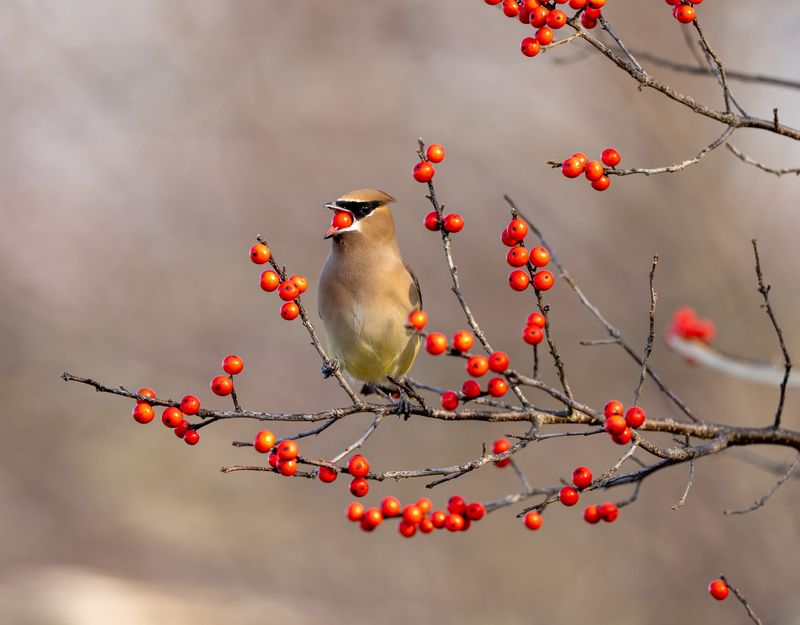
Fall is a good time to plant native shrubs and trees in New Jersey, as long as the ground has not frozen solid, and choosing species that hold berries and seeds into winter turns your yard into a dependable pantry.
Winterberry holly and American holly offer bright fruit that lasts for weeks, while northern bayberry is a favorite of wintering yellow-rumped warblers.
Eastern red cedar provides dense evergreen cover for roosting, and arrowwood viburnum and inkberry add berries and structure at the shrub level.
Native oaks support hundreds of caterpillar species and drop acorns that feed jays and turkeys in the cold months.
Non-native plants like Bradford pear and English ivy support very few native insects, so birds that need protein-rich bugs mostly ignore them.
Swapping even a few of those for local species can shift how your whole outdoor space works over time.
Resist the urge to cut everything back. Leave coneflower and wild bergamot stems standing through winter, because their seed heads feed chickadees and goldfinches and their hollow stems shelter overwintering insects.
Those insects become food for birds in early spring, right when ticks start to stir again. A garden that looks a little untidy in November is often the one that looks most alive by April, which is a trade most gardeners are happy to make.
4. Layer Your Yard So Birds Have Winter Cover
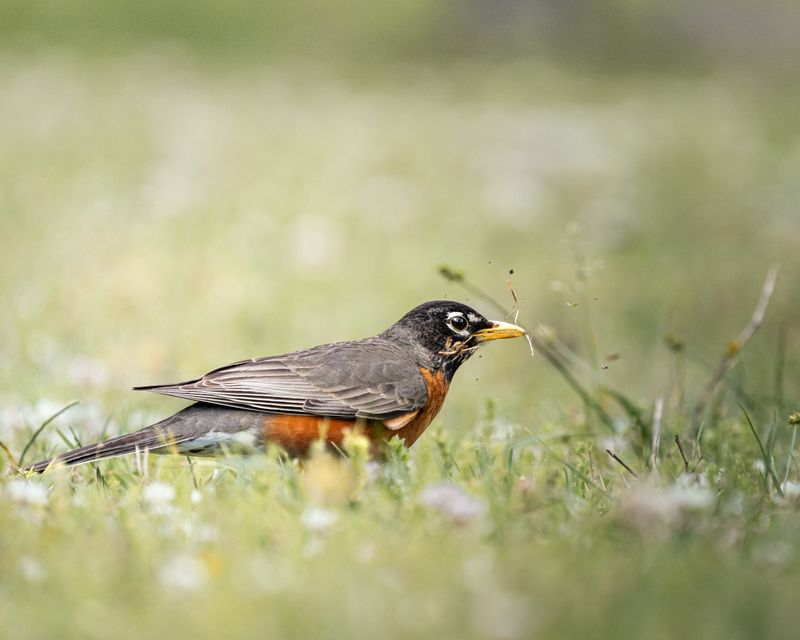
A flat, open lawn offers birds almost nothing in winter. Layered vegetation gives them places to feed, rest, and escape the wind and hunting hawks.
Tall trees, mid-level shrubs, and low ground cover create a stacked habitat that supports a wider variety of species, and each bird works a different zone.
Carolina wrens hunt near the ground, thrushes and sparrows work the leaf litter, and kinglets and chickadees pick through the shrub layer.
November is the ideal time to build a brush pile. Stack fallen limbs and prunings in a back corner, placing larger branches at the bottom to leave open gaps and smaller ones on top for a roof.
Brush piles shelter sparrows, juncos, and towhees, which root through the debris looking for insects and ticks, and they give wrens and other small birds a place to wait out storms.
Build yours near a shrub border or tree line so birds can move between cover and feeders without crossing open ground.
Creating layers does not mean letting your yard go wild. A shrub border and a thoughtful mix of heights make a space that looks tidy and works hard all season.
Birds that feel safe in layered habitat stay longer and forage more actively, and a yard full of bird activity is a yard where ticks struggle to survive.
5. Skip Broad Sprays So Birds Still Have Food
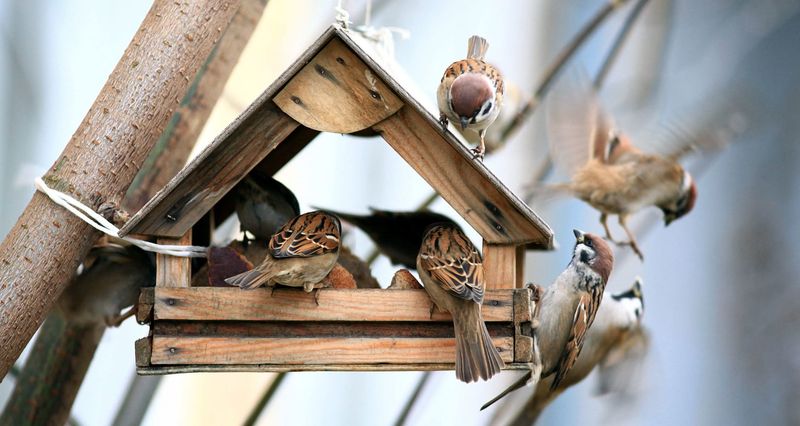
Spraying your yard feels satisfying in the moment, but pesticides do not just hit ticks. Many common lawn products wipe out the beetles, caterpillars, and earthworms that songbirds depend on, and insecticides can accumulate in the food chain.
Birds that eat contaminated insects can experience harm to their nervous systems, reproduction, and immune health.
When the insect supply drops, birds move on, and without birds around, ticks lose a source of natural pressure. A yard treated heavily with chemicals becomes an unwelcoming place for the animals you want to attract.
In November the lawn care season is winding down anyway, so this is a good time to settle on a plan for spring. Cutting back on pesticides does not mean accepting a damaged lawn or a yard full of ticks.
Targeted applications in specific problem areas, such as the edge where lawn meets woods, cause far less collateral damage than blanket spraying across the whole property.
Beneficial nematodes need warm soil to work, so they are a spring option rather than a November one.
Pairing reduced pesticide use with bird-friendly habitat creates a feedback loop that works in your favor.
Birds move in, insects stay balanced, and ticks face regular pressure from natural predators. That is a system worth protecting, and the choices you make this fall will set it up.
6. Native Shrubs Shelter Tick-Eating Opossums Through the Cold
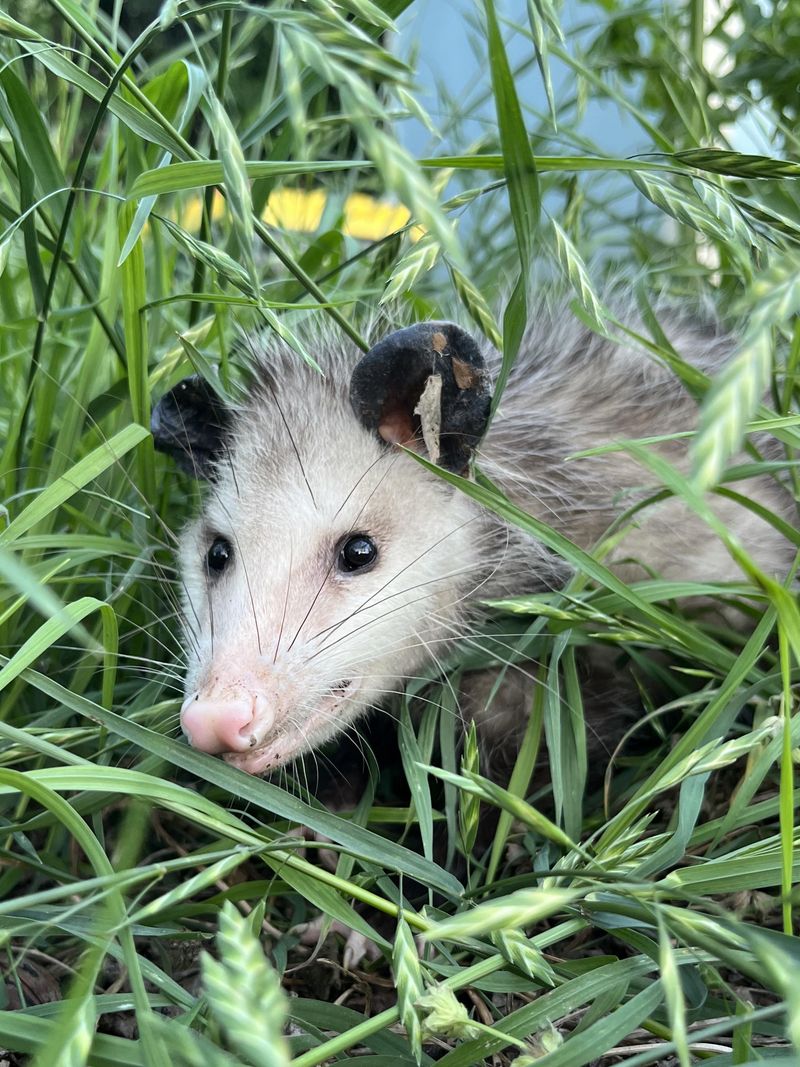
Opossums are among the most talked-about tick eaters in the Northeast. Research from the Cary Institute of Ecosystem Studies estimated that a single opossum could consume up to 5,000 ticks in a season.
That figure comes from lab observations of grooming behavior. Real-world numbers likely vary. Opossums groom obsessively, and most ticks that crawl onto one never survive the encounter.
Winter is hard on them. Opossums do not hibernate and are poorly equipped for cold, and they often lose the tips of their ears and tails to frostbite.
That makes November the right moment to provide shelter. Dense native shrubs, evergreens like Eastern red cedar, and brush piles give these shy, nocturnal animals the low cover they need to move without feeling exposed.
A native shrub border along a fence line, with a brush pile tucked behind it, offers a safe place to den and forage through the coldest months.
Berries and seeds from plants like winterberry and arrowwood viburnum supplement their diet when other food runs short.
Many homeowners feel nervous about opossums, but they are non-aggressive and clean animals, and they rarely carry rabies, likely because of their low body temperature.
A comfortable, well-fed opossum will stick around and keep working on your tick population night after night. You get beauty, biodiversity, and a nighttime ally.
7. Remove Invasives While the Ground Is Still Workable
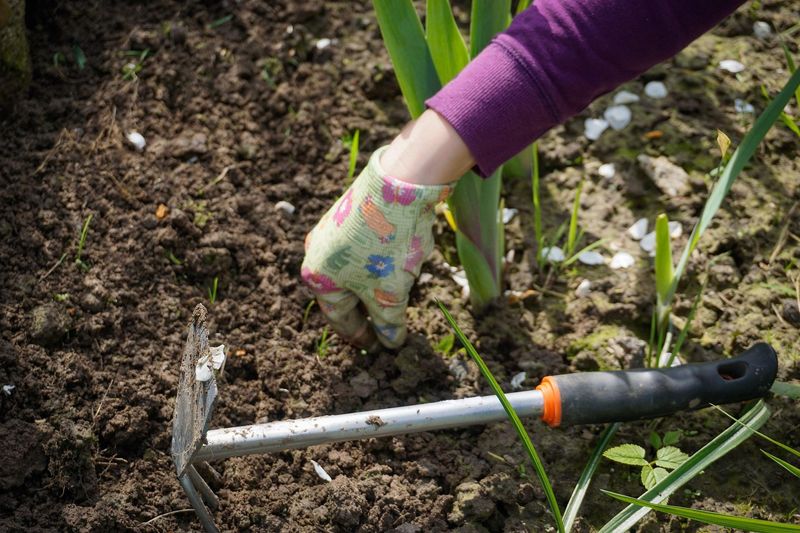
Japanese barberry, multiflora rose, and autumn olive create dense, humid thickets at ground level, and ticks thrive in exactly those conditions.
Studies in the Northeast have linked heavy Japanese barberry infestations to higher tick densities, because the thick canopy traps moisture right where ticks need it most.
Removing these invasives opens space for ground-foraging birds to work more effectively and cuts down the humid microhabitat ticks depend on.
November is a good month for the job. Barberry holds its leaves late into fall, so it is easy to spot, and the ground is still soft enough to dig.
Wear thick gloves and long sleeves, because barberry has thorns and a stubborn root system. The payoff in reduced tick pressure is well worth it.
Replace what you remove with open-structured natives like inkberry, arrowwood viburnum, and winterberry. They provide berries for birds, structure for the landscape, and far less cover for ticks.
Remember that adult blacklegged ticks are still active on mild days, so tuck pants into socks during yard work, check yourself afterward, and shower soon after coming inside.
A bird-friendly yard lowers tick pressure over time, and it works best alongside those personal habits.
Build the combination of food, water, shelter, and native plants this month, and you will have feathered visitors every day through winter and into spring.