Utility Crews Can Trim Or Remove Trees Planted Under Power Lines On Georgia Properties
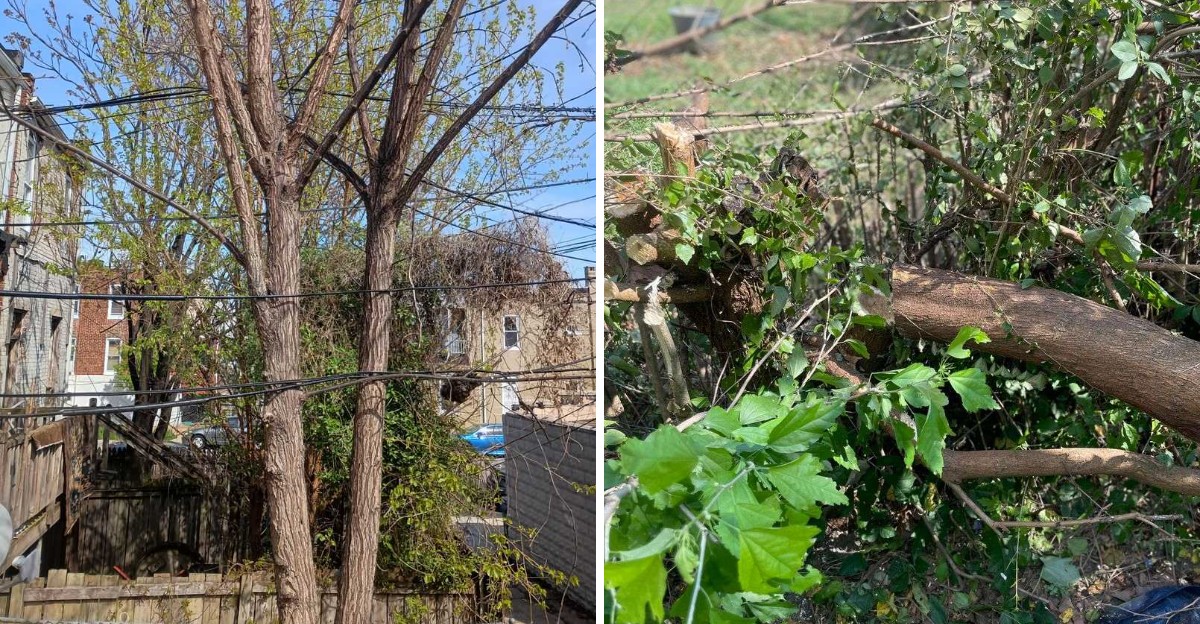
Even a tree you planted, watered, and paid for can be cut back by someone else, right in your own yard. Utility crews in Georgia often have that right, and most homeowners learn about it the hard way.
The reason usually sits in old paperwork. Many properties carry an easement, a legal permission that lets the power company maintain lines crossing your land.
That permission often covers branches, trunks, and even saplings growing beneath the wires.
I get why it stings. You nurture a young oak for years, and suddenly a bucket truck shows up with a plan.
I would rather know the rules before that knock on the door than after.
Understanding what utility crews can legally trim or remove, along with which trees are suitable for planting near power lines, could save you from an expensive landscaping mistake.
1. That Bucket Truck In Your Yard Has Paperwork Behind It
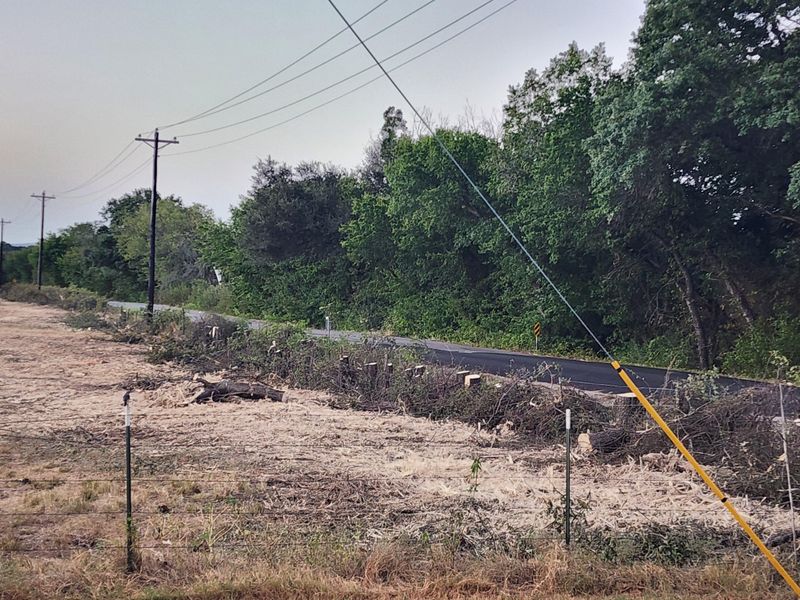
Most folks never read the fine print on their property deed. Tucked inside, many Georgia homeowners would find an easement granting the electric utility rights to a strip of their land.
An easement does not hand over ownership. You still own the ground, pay the taxes, and mow the grass.
The utility simply holds a legal right to build, reach, and maintain its lines in that space.
Vegetation management is usually part of that deal. If a tree grows into the easement area, the company can generally trim it or take it out to protect the lines.
Some easements spell this out in detail, while others use broad language about clearing obstructions.
Georgia Power, the state’s many electric membership corporations, and municipal utilities each follow their own easement terms. Some rights were recorded decades ago, long before you bought the house.
A few lines also run along public road rights-of-way rather than private easements.
You can request a copy of your deed and plat from your county clerk of superior court. Look for words like easement, right-of-way, or utility.
Knowing exactly what you signed up for makes any conversation with a crew far calmer and more productive.
2. Branches Touching Wires Can Spark Outages And Fires
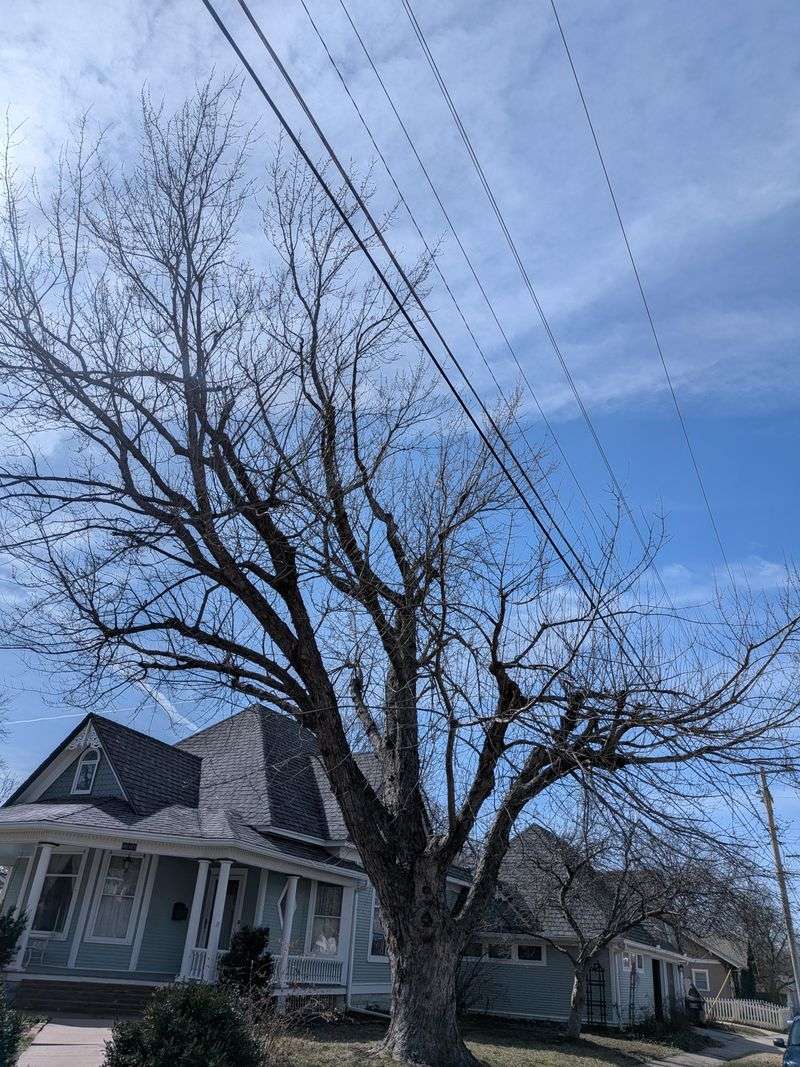
Wood seems harmless, yet a wet branch can carry electricity surprisingly well. When limbs touch energized lines, they can trip circuits, start fires, or send current down toward anyone nearby.
Tree contact is one of the leading causes of power outages across the country. Georgia’s summer thunderstorms, ice events in the north, and hurricane remnants in the south all push heavy limbs into wires.
One overgrown tree can leave a whole neighborhood sitting in the dark.
Safety rules back up the crews too. The National Electrical Safety Code sets clearance expectations for lines, and federal reliability standards require strict vegetation control around high-voltage transmission corridors.
Utilities that ignore these risks face serious liability.
Kids climbing trees add another layer of worry. A child scrambling up a limb near a wire may not notice danger until it is too late.
Clearing those branches protects curious climbers as much as power service.
So when a crew arrives, the goal is rarely about looks. They are reducing the odds of a sparking line, a stuck family during a heat wave, or a serious injury.
That perspective helps soften the shock of seeing fresh cuts on a favorite tree.
3. Those Odd V-Shaped Cuts In Your Oak Tree Follow A Method
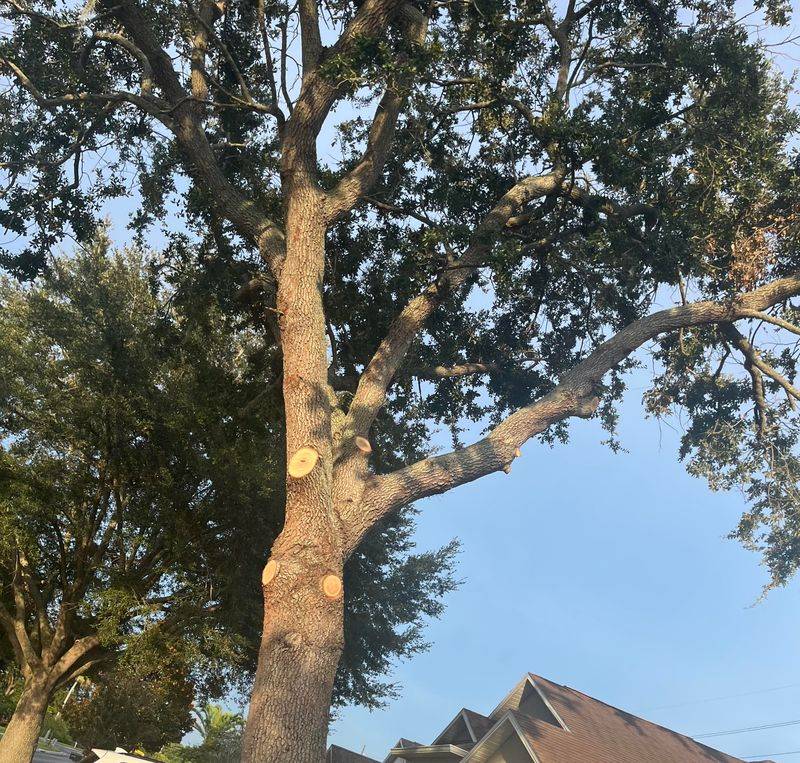
Drive through older Atlanta neighborhoods and you will spot oaks shaped like giant letter Vs. Those strange forms come from directional pruning, a technique crews use to guide growth away from wires.
Rather than chopping the top flat, arborists remove limbs back to a branch collar or a side branch growing in a safer direction. This approach follows ANSI A300 pruning standards.
It may look lopsided, but it often helps the tree heal better than topping would.
Topping, by contrast, triggers a burst of weak, fast sprouts that shoot right back toward the lines. Those sprouts break easily in storms.
Directional cuts slow regrowth and help the tree stay sturdier over time.
Trim cycles vary by utility, often running every few years for distribution lines. Crews also prune more heavily than you might choose, so they can stretch the time before the next visit.
If the shape bothers you, try viewing it as a compromise. Your shade tree stays standing, and the line stays clear.
Over a few seasons, new growth on the open side often softens that harsh first look.
4. Some Trees Under Big Transmission Towers Get Removed Outright
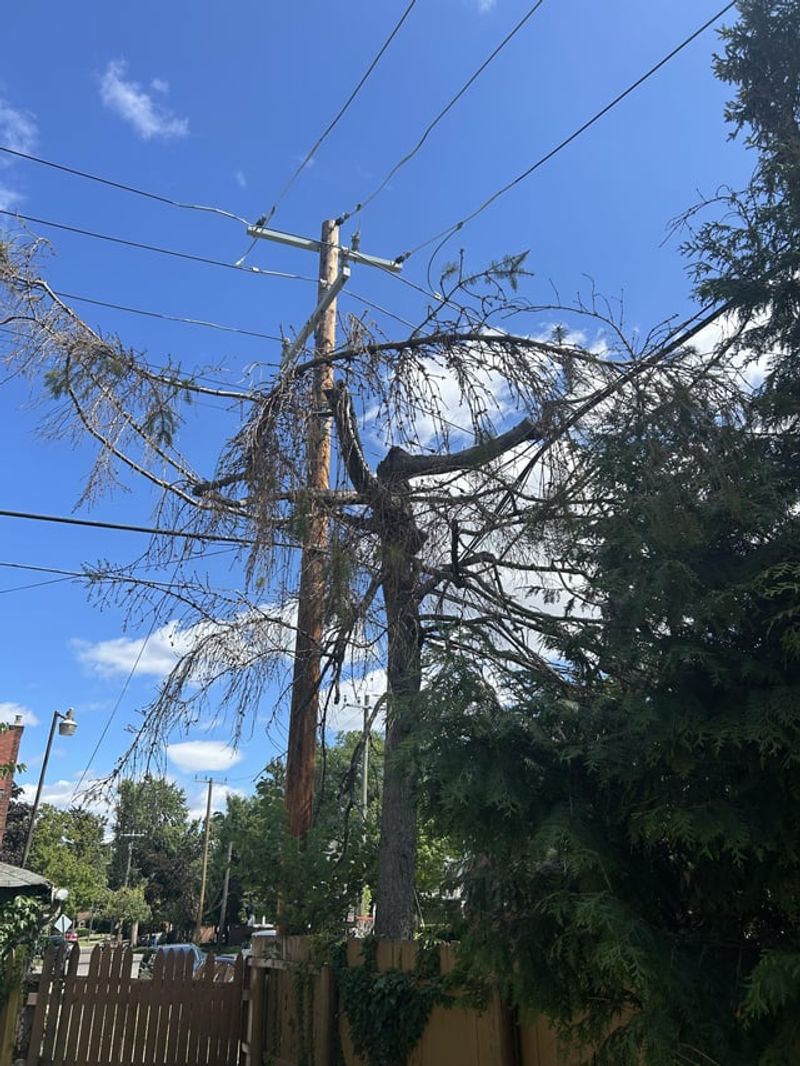
Tall steel towers marching across the countryside carry far more voltage than the wires along your street. Around those transmission lines, the rules get much tougher.
Federal reliability standards require utilities to keep transmission corridors clear, because a single tree contact can knock out service for huge areas. The massive 2003 Northeast blackout began partly with trees touching lines in Ohio.
That event reshaped how utilities manage these corridors nationwide.
In Georgia, transmission rights-of-way often allow only low vegetation. Georgia Transmission and Georgia Power commonly limit plantings to grasses, low shrubs, or species that stay short.
Tall trees in that zone are usually removed rather than pruned.
Herbicide treatments and mowing are also common tools for keeping corridors open. Many utilities use selective methods designed to encourage low-growing native plants, which can benefit pollinators and ground-nesting birds.
Before planting anything near a large tower line, call the utility that owns it. Ask about height limits and allowed species.
A quick phone call can spare you the heartache of watching a beloved young tree come down a few years after you planted it.
5. Leave The Pole Saw In The Garage Near Live Wires
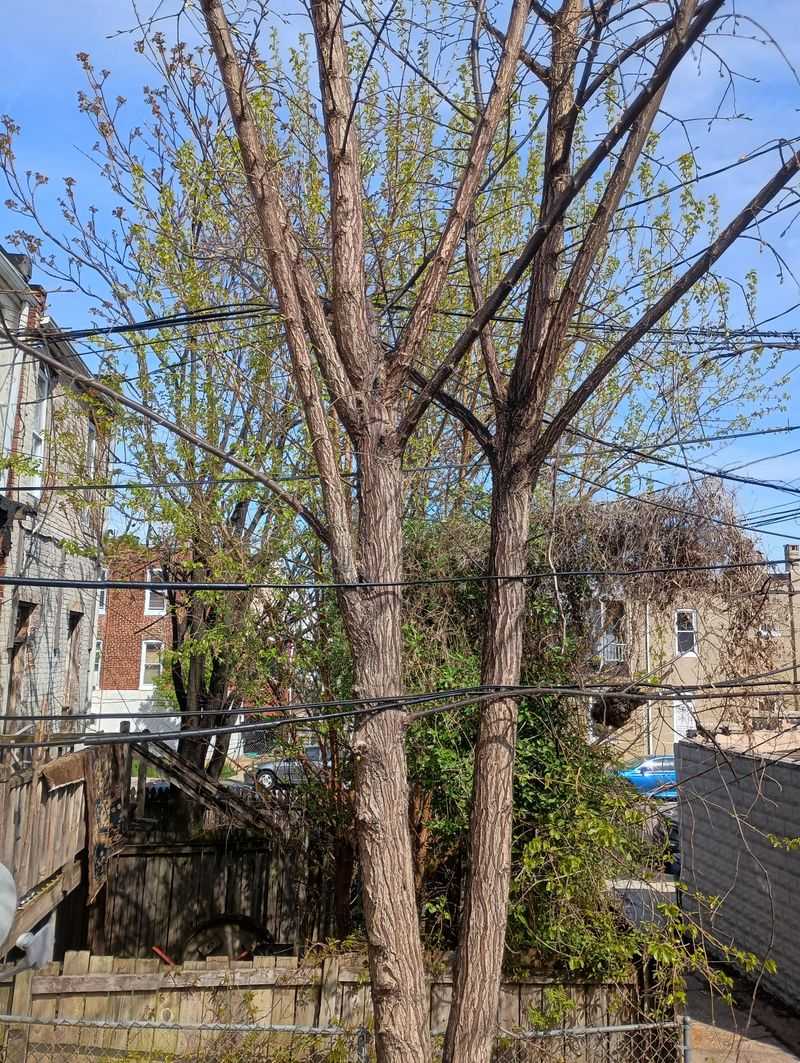
Here is a rule I take seriously. Homeowners should not prune branches anywhere close to overhead power lines.
Electricity can jump, or arc, across a gap without direct contact. A metal ladder, a damp rope, or a pole saw can become a path for current straight into your body.
Line clearance work is done by specially trained arborists for good reason.
Georgia’s High-Voltage Safety Act sets strict limits on working within 10 feet of high-voltage lines. Anyone planning work that close must notify the utility through the Georgia 811 system first.
Ignoring this law can bring penalties and liability for damages.
Hiring a regular tree service does not solve the problem either. Only qualified line clearance workers should handle limbs near energized lines.
Many standard tree companies will ask the utility to drop or cover the line before they start.
If you spot a branch rubbing a wire, report it to your utility. Most companies offer online forms or phone lines for tree concerns.
For the service drop running to your house, ask whether the company will temporarily disconnect it so your own arborist can work safely.
6. Redbuds And Fringetrees Play Nicely Under Power Lines
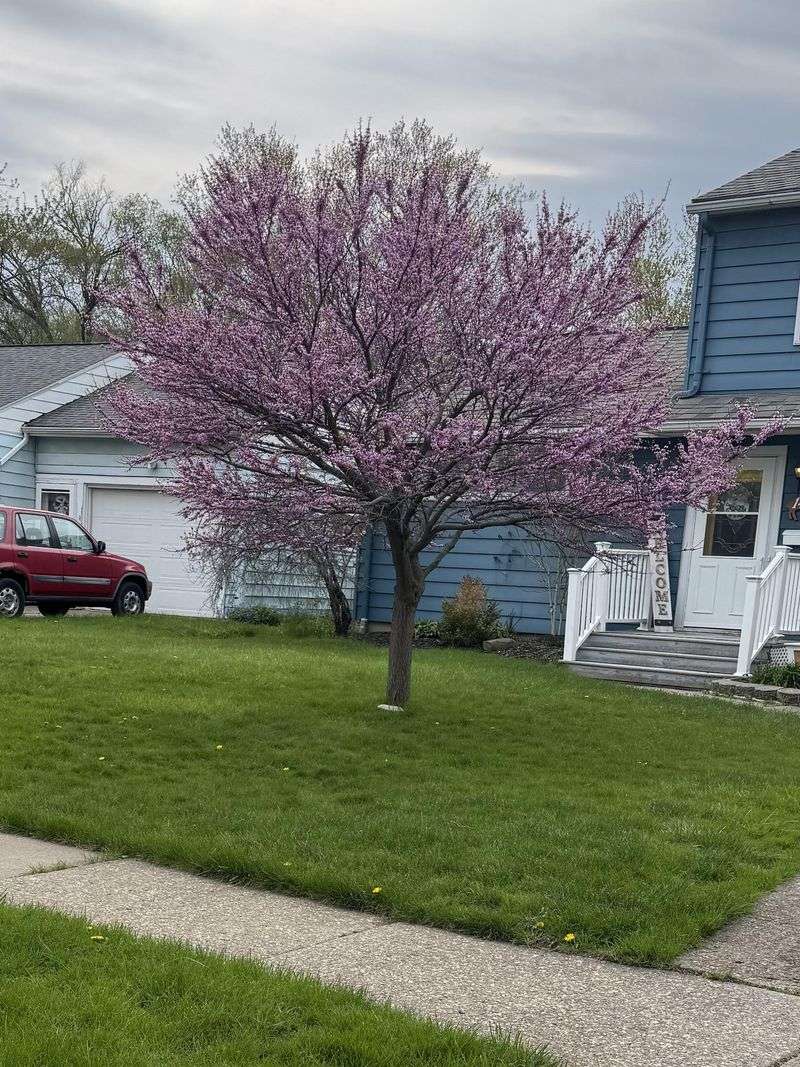
Spring in Georgia brings clouds of pink redbud blossoms along roadsides. That same native tree makes a smart pick for spots near wires, since it usually stays around 20 to 30 feet tall.
For the zone directly under lines, many utilities recommend plants that mature at 15 feet or less.
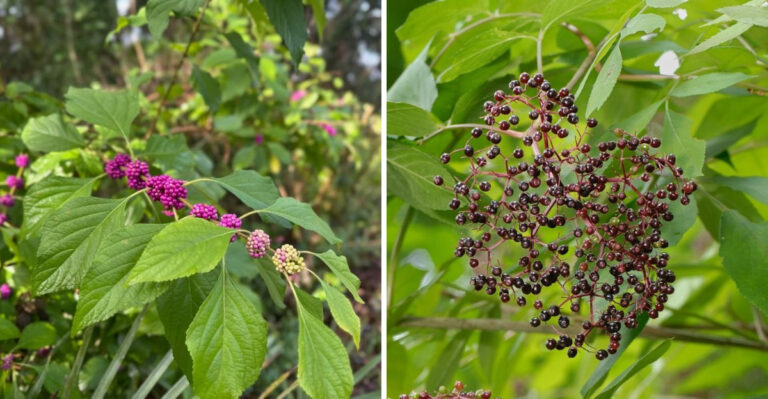
Good native options include possumhaw holly and American beautyberry, while fringetree and Carolina silverbell should be planted farther from overhead lines because they can exceed 15 feet.
Serviceberry and dwarf yaupon holly also work in many yards.
Georgia Power’s right tree, right place guidance follows a simple idea. Short trees go closest to lines, medium trees sit farther away, and large shade trees need roughly 50 feet or more of distance.
Crape myrtles are popular too, but choose dwarf or semi-dwarf types. Some full-size varieties easily reach 25 feet, which can push them into wire territory.
Always check the mature height on the tag, not the size in the nursery pot. University of Georgia Extension publications list many regional choices.
Picking well now means no surprise trims later, and you get blooms, berries, and birds without the stress.
7. Call 811 Before Your Shovel Hits The Dirt
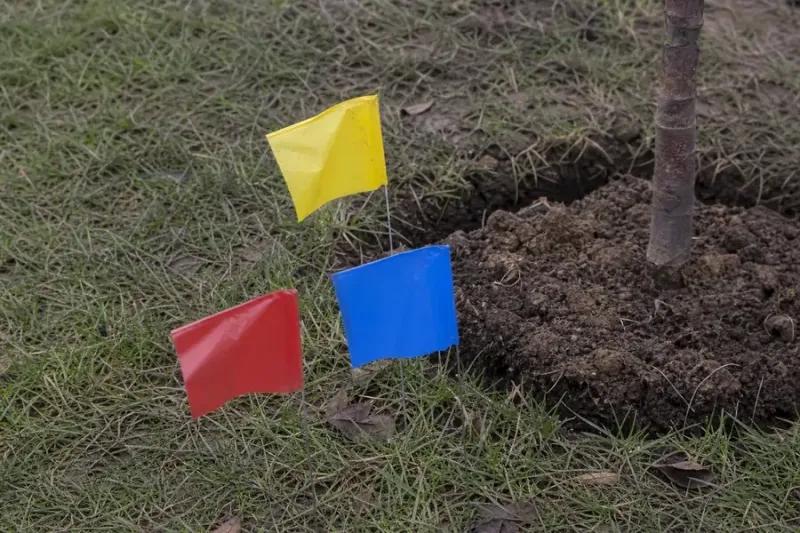
Power lines do not only hang overhead. Plenty of Georgia neighborhoods have electric, gas, and fiber cables buried just under the lawn.
State law requires anyone digging to contact Georgia 811 before breaking ground. The service is free, and locators mark underground lines with colored paint or flags.
Red usually signals electric lines, while yellow marks gas.
You need to submit your request at least a few business days ahead, so plan your planting weekend with that in mind. Fall is a prime planting season here, which makes it a busy time for locate requests.
Tree roots matter too. A tree planted on top of buried cables may eventually need removal if crews must reach those lines for repairs.
Keep new trees well away from marked routes and green transformer boxes.
Many utilities also ask for clear space around pad-mounted transformers, often around 10 feet in front and a few feet on the sides. Crews need room to open those boxes safely.
A shrub crowding that space could get cut back or removed during the next service call.
8. Wood Chips And Stumps Left Behind Have Their Own Rules
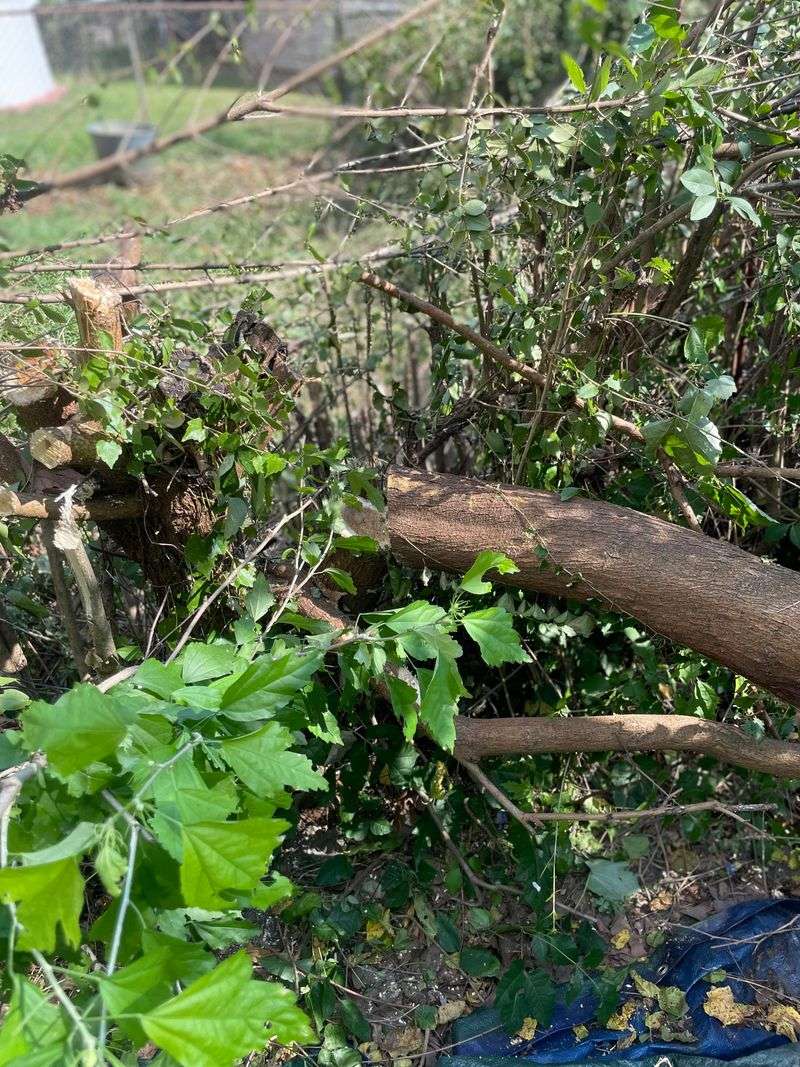
Once the chainsaws go quiet, many homeowners wonder about the mess. Cleanup policies vary widely between Georgia Power, local EMCs, and city utilities.
During routine maintenance, crews often chip smaller branches and haul them off. Larger logs may be left on site for you to keep.
After storms, utilities typically focus on restoring power first, so debris from emergency work is usually left behind.
Stumps are another common surprise. Many utilities cut trees close to the ground but do not grind stumps.
Ask about this before work begins so you can plan.
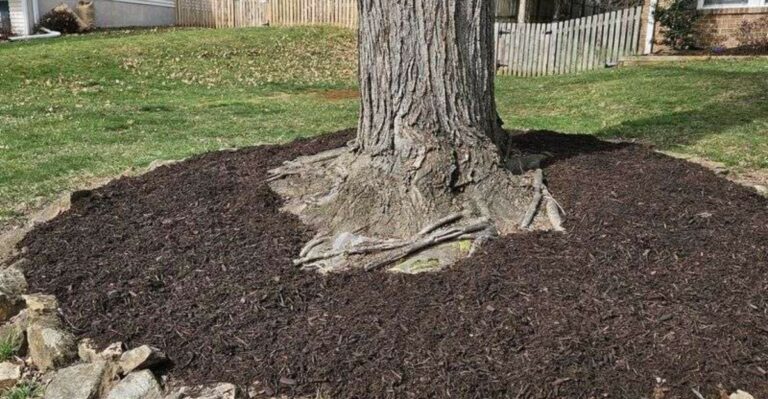
Those leftovers can be useful. Fresh wood chips make excellent mulch for paths and shrub beds once spread a few inches deep.
Keep chips away from tree trunks to avoid rot.
My best advice is simple. Talk with the crew or call the number on the door hanger before work starts.
Ask what will be trimmed, what will be removed, and what cleanup looks like. Then plan replacements with low-growing natives so your yard stays lovely and the lights stay on for years ahead.