The Georgia Herb That Can Help Make Your Porch Less Appealing To Stink Bugs
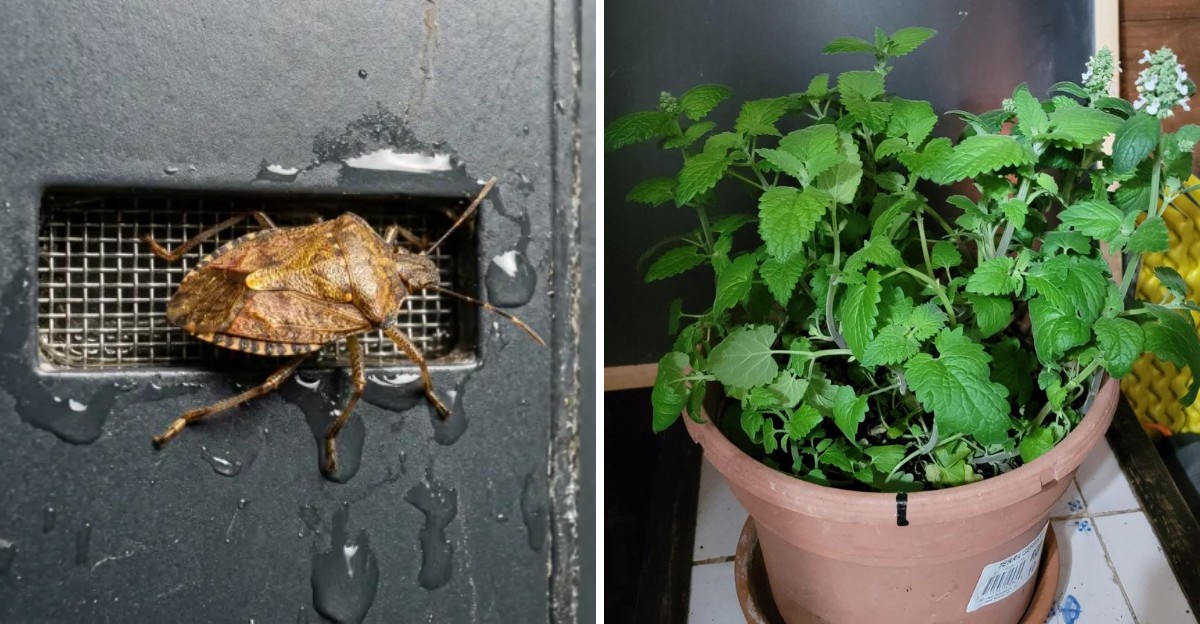
Brown, shield-shaped bugs clustering on porch screens and siding are a familiar sight once nights start cooling off.
Stink bugs gather on sunny walls while searching for a sheltered spot to spend winter. A few often sneak inside, and swatting one releases a smell that lingers.
Sprays and traps help some, but many homeowners would rather try a plant-based option near the door.
One common herb has drawn attention for its strong scent, which some insects avoid. It grows easily in pots and beds across Georgia, so trying it near your porch is low risk.
No plant will clear stink bugs out completely, but it can be one piece of a bigger plan.
Watch which walls they favor this week, since that is where a few pots could help most.
1. One Aromatic Herb May Add Another Layer Of Deterrence
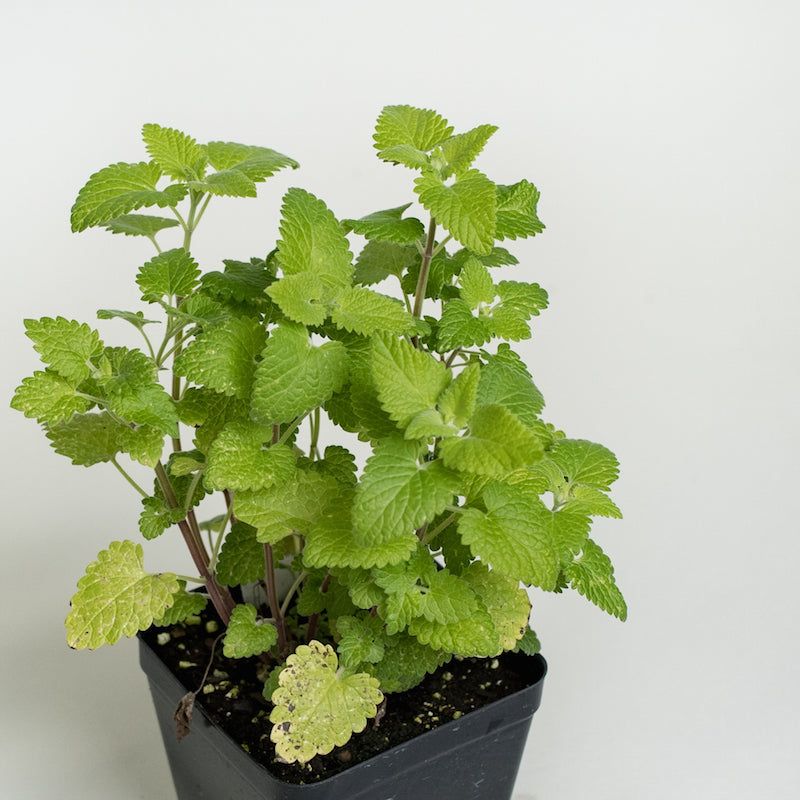
Catnip is the herb in question, and it might surprise you. Most people know it as a cat toy, not a porch plant with a possible job.
Gardeners in Georgia have started tucking pots of catnip near doors and windows where stink bugs like to gather.
Its sharp, minty scent is the reason for the interest. Some insects seem to avoid strong plant oils, and catnip has plenty of them.
Think of it as one small piece of a bigger plan rather than a fix by itself.
A few pots will not clear your porch of bugs overnight. What they may do is make the area slightly less attractive, especially when paired with other simple steps.
Catnip also grows fast and asks for very little care once it settles in.
Plant it in spring after the last frost, and it can fill out nicely by early summer. By fall, when stink bugs start hunting for shelter, the plant should be full and fragrant.
Keep in mind that neighborhood cats may visit your pots and roll around in them.
If that sounds like a problem, a hanging basket or a high shelf can keep the plant out of reach. You still get the scent and the green look without any furry trouble on the porch.
2. Nepetalactone Gives Catnip Its Distinctive Scent
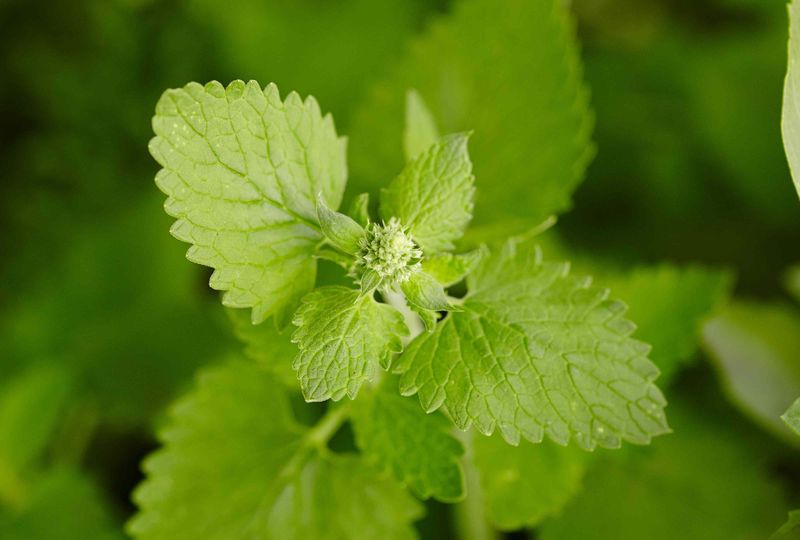
Rub a catnip leaf between your fingers and you will notice the smell right away. That strong, slightly minty odor comes from a natural compound called nepetalactone.
Nepetalactone is the same oil that makes cats act silly and roll around.
Insect researchers have looked at it for years because it appears to bother certain bugs, including some mosquitoes and flies. Results vary by insect, so nobody should assume it works the same way on every pest.
Oil levels in the leaves can shift with growing conditions.
Plants grown in good sun usually smell stronger than those kept in deep shade. Heat, plant age, and the time of year can also make a difference in how fragrant the leaves feel.
Here in Georgia, summer heat can push the plant to bloom quickly, which changes how it grows.
Your Georgia Garden Changes Every Week. Your Plan Should Too.
Gardening in Georgia changes quickly throughout the season. Every Friday you’ll receive a simple weekly plan showing exactly what to plant, prune, fertilize, harvest, and protect so you never miss the right timing.
Brushing past the leaves releases more scent than leaving them alone. Placing pots where you walk by often, like next to the steps, lets you notice and refresh that aroma naturally.
Fresh leaves carry the most oil, while dried leaves lose strength over time.
So a living plant on the porch is a better choice than a bowl of dried catnip from the pet store. Keep the plant healthy, and the scent tends to stay noticeable through the warm months.
3. Stink Bug Specific Repellent Claims Still Need Caution
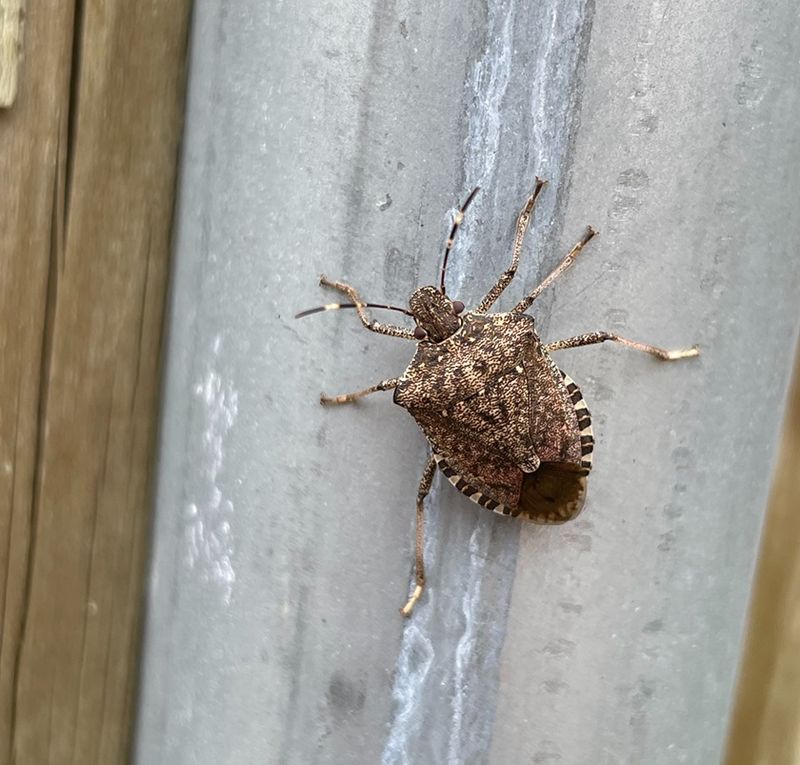
Here is the honest part. Solid proof that catnip pushes away stink bugs is still thin.
Most of the strong evidence for nepetalactone involves other insects, like mosquitoes and cockroaches.
Stink bugs, especially the brown marmorated stink bug found in parts of Georgia, have not been tested nearly as much. That gap means gardeners should treat any bold promise with a raised eyebrow.
Online posts sometimes make catnip sound like a cure for every bug problem.
Real porches are messier than those claims suggest. Wind, nearby trees, house lights, and the number of bugs in your area all play a role in what you see.
Try it as a small experiment and watch what happens over a season.
Notice where the bugs gather before you place the pots, then check again after a few weeks. Your own notes will tell you more about your porch than any big promise online.
Some years simply bring more stink bugs than others, no matter what you plant.
A mild winter or a busy fall can mean extra bugs on your siding. If catnip seems to help a little, great, but keep using other steps alongside it so you are not relying on one plant to do everything.
4. A Sunny Porch Gives Potted Catnip Room To Thrive
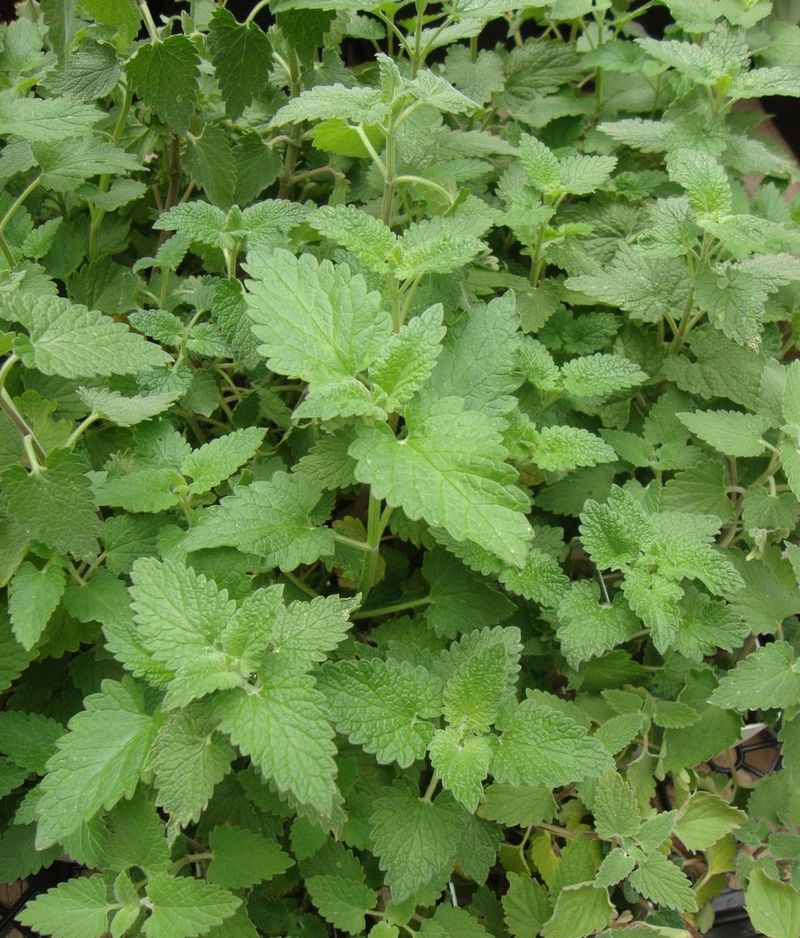
Sunlight makes or breaks this plant. Give catnip at least six hours of sun, and it usually rewards you with thick, fragrant growth.
A south or west facing porch tends to work well across most of Georgia.
Afternoon heat in July and August can be rough, though. If leaves start drooping by late afternoon, a spot with light shade after about 3 p.m. may keep the plant happier.
Shady porches are a different story.
In low light, catnip often grows tall and thin with fewer leaves and weaker scent. Moving pots to the sunniest edge of the porch, or near the steps, can help a lot.
Watch the plant through the seasons and shift it as the sun angle changes.
A spot that gets bright light in spring may sit in shade by October. Pots make that easy since you can slide them a few feet without disturbing the roots.
Wind and reflected heat from brick or concrete can dry pots quickly.
Check the soil with your finger on hot days. If the top inch feels dry, give it a good drink, but skip watering when the soil still feels damp from the day before.
5. Good Drainage Keeps Container Roots From Staying Too Wet
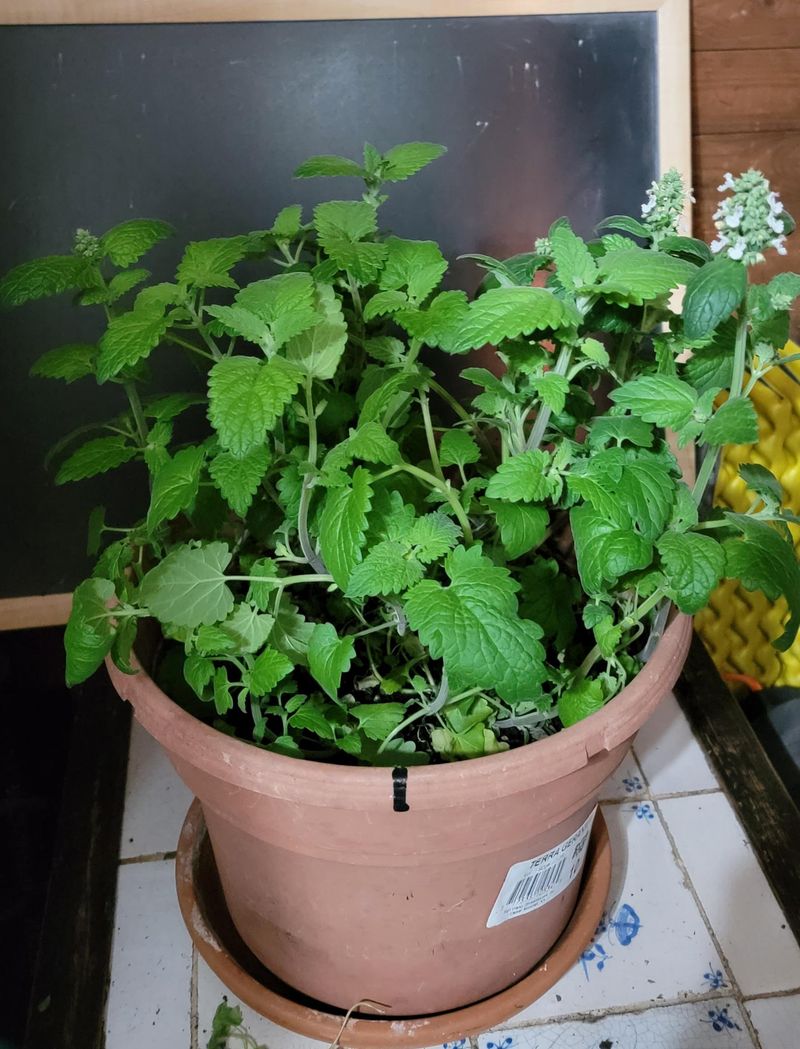
Soggy soil is the quickest way to ruin a catnip pot. Roots sitting in water can rot, and the plant often wilts even though it looks well watered.
Start with a container that has at least one drainage hole in the bottom.
Decorative pots without holes trap water, especially during Georgia thunderstorms in summer. If you love a solid pot, set a plastic nursery pot inside it and empty extra water after rain.
Potting mix matters as much as the pot itself.
Skip heavy garden soil or red clay from the yard, since it packs down and holds too much water. A light, bagged potting mix with some perlite lets roots breathe and drain properly.
Saucers under pots can be handy, but they create a hidden problem.
Water collects in them and soaks back into the soil for days. Pour out the saucer after watering or heavy rain, or raise the pot on small feet so air can move underneath.
Terracotta pots dry faster than plastic ones, which helps in humid weather.
Plastic holds moisture longer and may suit a windy, sun-baked porch better. Choose based on your spot, and adjust watering as you learn how quickly each pot dries out.
6. Trimming The Stems Encourages Fresh Aromatic Growth
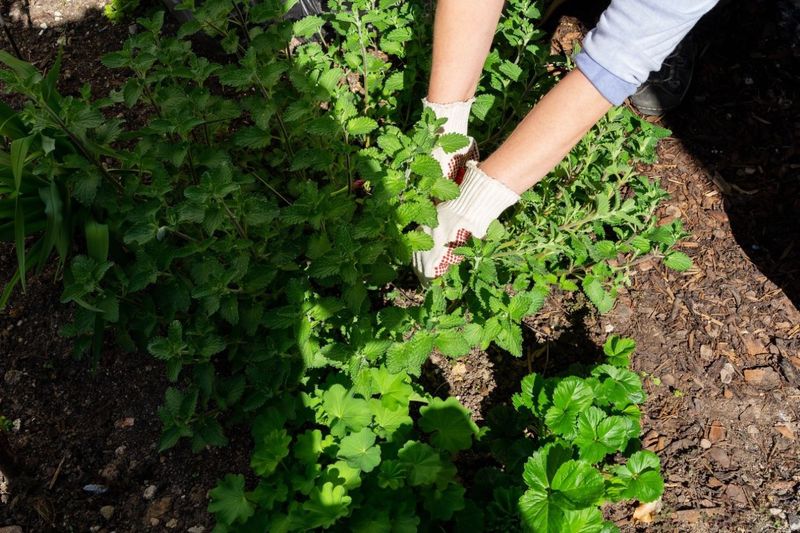
Scissors might be your best catnip tool. Regular snipping keeps the plant bushy instead of tall and floppy.
Cut stems back by about one third whenever they start stretching out.
Make each cut just above a pair of leaves. New shoots usually sprout from that spot within a couple of weeks, giving you a fuller, more fragrant plant.
Flowers are pretty, but they shift the plant’s energy away from leaf growth.
Pinching off flower spikes as they appear can keep leaves coming longer. Letting a few bloom is fine too, since bees and other pollinators enjoy the small purple blossoms.
In Georgia, catnip often slows down during the hottest weeks of summer.
A light trim in early summer can refresh tired stems before that slump. Then, as temperatures cool in September, the plant often perks up again with new growth.
Save the clippings instead of tossing them.
Fresh cuttings can be tucked into small bundles and hung near a door, though their scent fades as they dry. Cat owners can also share a few leaves with their pets for a little afternoon fun.
Use clean, sharp shears to avoid tearing stems and inviting disease.
7. Screens And Sealed Gaps Remain The Stronger Line Of Defense
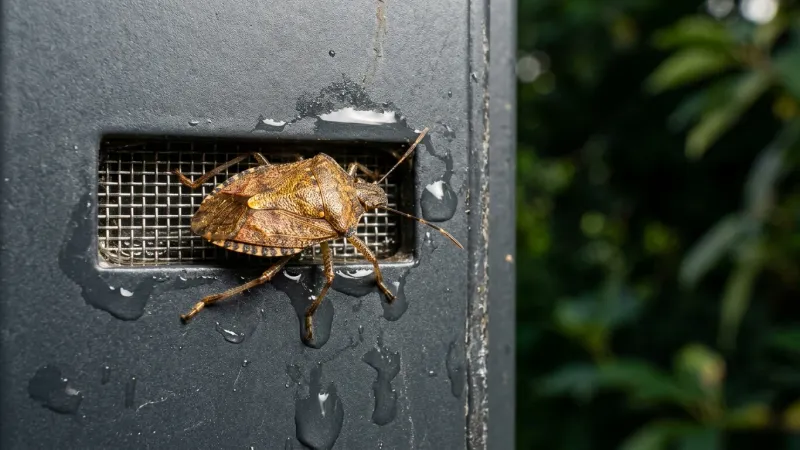
Plants can help, but caulk does the real work. Stink bugs slip through surprisingly small cracks around windows, doors, and siding.
Walk around your home in late summer and look for gaps before the bugs start moving.
Early fall is when stink bugs in Georgia begin searching for winter shelter. Sealing openings ahead of that rush gives you a much better chance of keeping them outside.
Torn window screens are an easy fix that pays off fast.
Patch small holes with a screen repair kit, or replace damaged panels entirely. Check screens on attic vents and crawl space openings too, since bugs crawl in there quietly.
Door sweeps close the gap under exterior doors where light often shines through.
Weatherstripping around door frames adds another barrier and may help with energy bills. Silicone caulk works well for sealing cracks around window trim and where pipes enter the wall.
Porch lights draw insects at night, including stink bugs.
Switching to yellow bulbs or turning lights off when not needed may reduce how many gather by the door. Results vary, but it costs very little to try.
Pair these steps with your catnip pots, and your porch has a few layers working together.