The One Thing You Must Do To Georgia Tulips Before Fall Ends
Your refrigerator might be the best garden tool you own this fall. I learned that from bulbs that sprouted short, sad stems.
The flowers in question come from regions where winters run long and bitterly cold. Their buds actually measure how many chilly weeks they get before they agree to grow tall.
In most of Georgia, our soil rarely stays cold long enough to satisfy them.
I believe this one quiet step separates a flat, disappointing spring from a bed of tall, glowing cups. You need to start it while the leaves are still turning, not after the holidays.
I now plan my fall around a crisper drawer.
Getting those bulbs ready for spring starts in your kitchen, but timing isn’t the only thing that matters. Even the fruit sitting nearby could affect how well they bloom.
1. Tulip Bulbs Are Counting Cold Days Under Your Soil
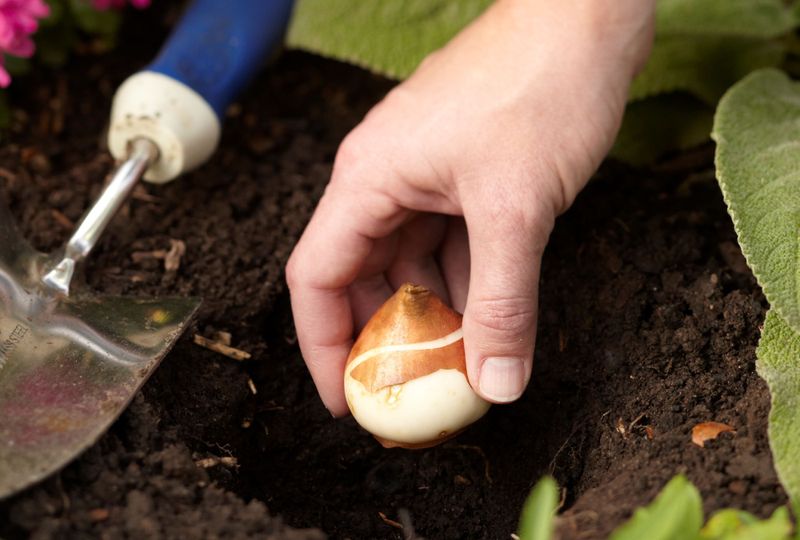
Every tulip bulb carries a tiny flower already folded inside it. That bud is waiting for a signal, and the signal is a long stretch of cold weather.
Tulips evolved in places like Turkey, Iran, and the mountains of Central Asia. Winters there stay cold for months, so the bulbs learned to wait for that chill before they stretch out a stem.
Scientists call this a vernalization or cold requirement, and gardeners simply call it chilling.
Most of Georgia sits in USDA zones 7b through 9a. Our winters bring warm spells, sunny afternoons, and soil that often stays well above 45 degrees.
Bulbs planted straight from the bag in these conditions may sprout early, bloom right at ground level, or skip flowering.
I used to blame bad bulbs for those stubby blooms. The bulbs were fine, though.
They just never got the winter they were expecting.
North Georgia mountain gardens sometimes get enough natural cold, especially at higher elevations. Even there, a mild winter can leave bulbs short of their quota.
Further south, the gap gets bigger every mile you drive toward the coast.
Knowing this changes everything about how you handle tulips in a warm state.
2. Your Fridge Can Give Tulip Bulbs A Northern Winter
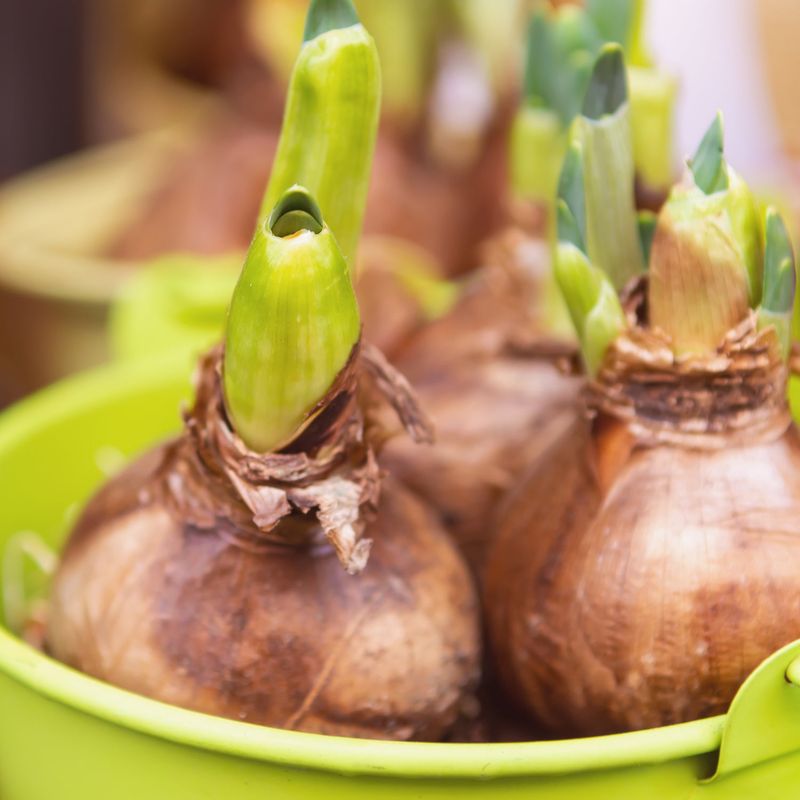
Pre-chilling is the one job that matters most before fall wraps up. You simply give your bulbs an artificial winter in the refrigerator.
Most tulip varieties need about 12 to 16 weeks at temperatures between 35 and 45 degrees. A standard kitchen fridge usually sits right in that range.
Starting in late September or October lets the chilling finish in time for planting.
Place the bulbs in a paper bag or mesh bag so air can move around them. Plastic traps moisture, and damp bulbs can grow mold.
A spare fridge in the garage works great if your kitchen drawers are full of vegetables.
Label the bag with the start date. Trust me, by week ten you will forget when you began.
A quick note on the calendar helps, too.
Many garden centers also sell pre-chilled bulbs for Southern gardeners. These save you the fridge space, but check that the seller actually chilled them for the full period.
Keep the bulbs away from the freezer section. Freezing temperatures can harm the flower bud inside, and you want cold, not icy.
A steady chill is what wakes that bud up properly.
3. Keep Apples Far Away From Chilling Tulip Bulbs
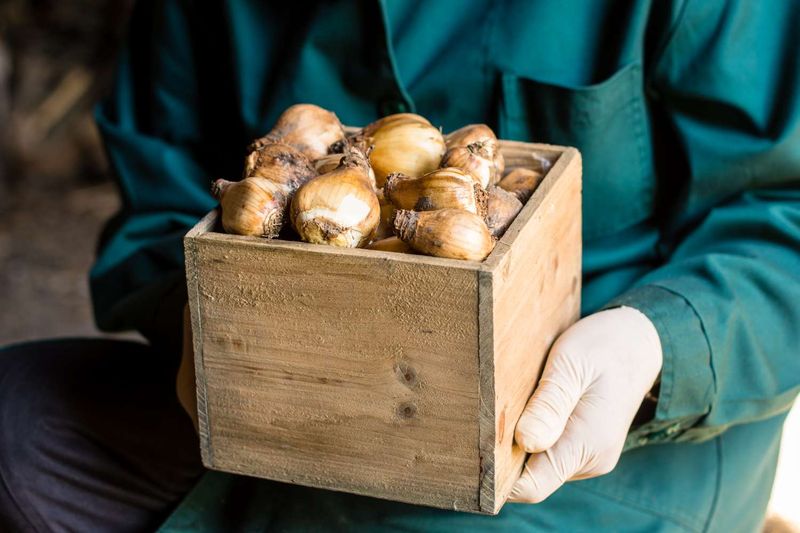
Your fruit bowl has a sneaky side. Apples, bananas, pears, and other ripening fruits give off ethylene gas, a natural ripening hormone.
That gas is harmless to you, but tulip bulbs react badly to it. Ethylene can damage the young flower bud inside the bulb, which may leave you with leaves and no bloom.
Some gardeners call these blind bulbs.
I once stored bulbs right beside a bag of Honeycrisps. Half of them came up as plain green leaves the next spring, and I finally understood why.
The fix is easy. Clear the crisper drawer of fruit before the bulbs move in, or use a separate fridge that holds only drinks and condiments.
Even a closed drawer can trap the gas if fruit shares the space.
Check on the bags every couple of weeks. You are looking for soft spots, mold, or moisture collecting in the paper.
Toss any mushy bulbs so they do not spread rot to their neighbors.
A little shuffling in the kitchen pays off with big color later. Think of it as giving your bulbs a quiet room with no noisy roommates while they rest.
4. Plant Chilled Tulips When Georgia Soil Turns Cool
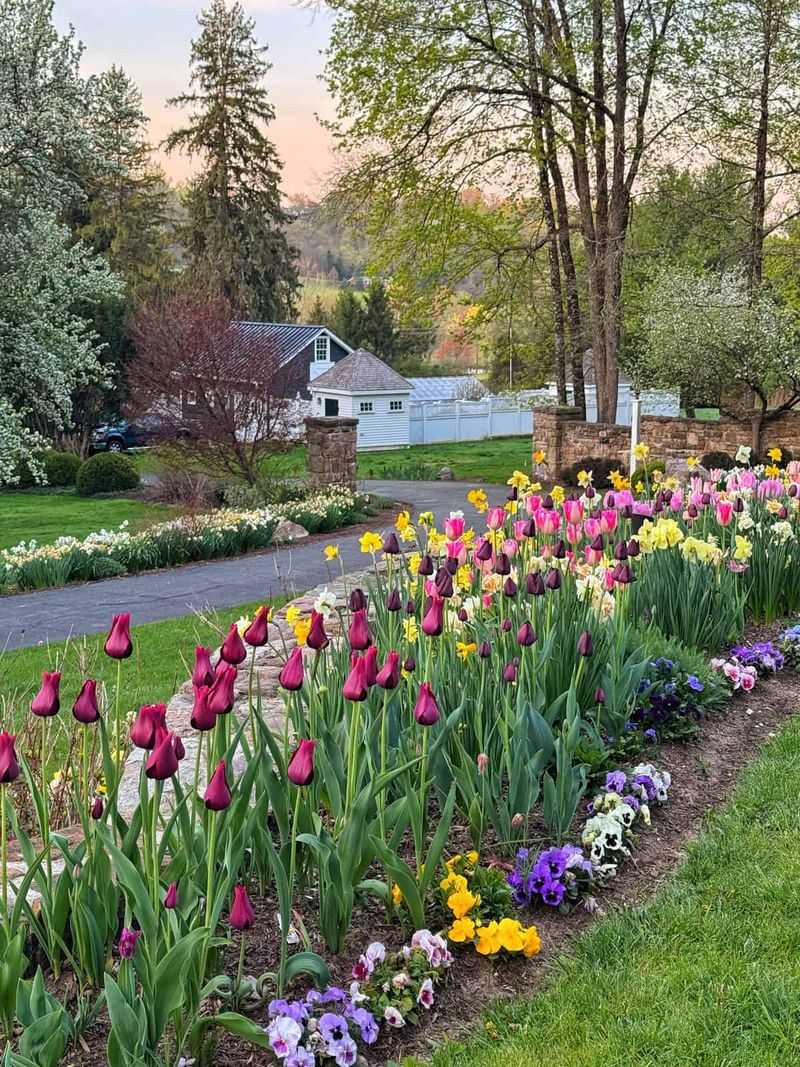
Once the chill is done, timing the planting comes next. Your goal is soil that stays below about 55 degrees, so the bulbs do not sprout too early.
Gardeners in North Georgia, mostly zone 7, should plant pre-chilled tulip bulbs once their chilling period is complete and soil temperatures are sufficiently cool, often in December or January.
Middle Georgia gardens in zone 8 usually do best from mid-November into mid-December. South Georgia and coastal areas often wait until late December or early January.
A cheap soil thermometer takes the guesswork out of this. Push it about six inches down in the morning for a few days in a row.
When the reading stays cool, you are ready.
Plant bulbs right after they leave the fridge. Letting them sit warm on a counter for weeks can undo some of the cold treatment you worked so hard on.
I like picking a cloudy, cool afternoon for this job. The soil is easier to work, and the bulbs go from cold storage into cold ground with little shock.
Watch the forecast, too. A long warm spell right after planting is not ideal, but mulch and deeper planting help soften those swings.
5. Well-Drained Sunny Beds Help Tulip Bulbs Thrive
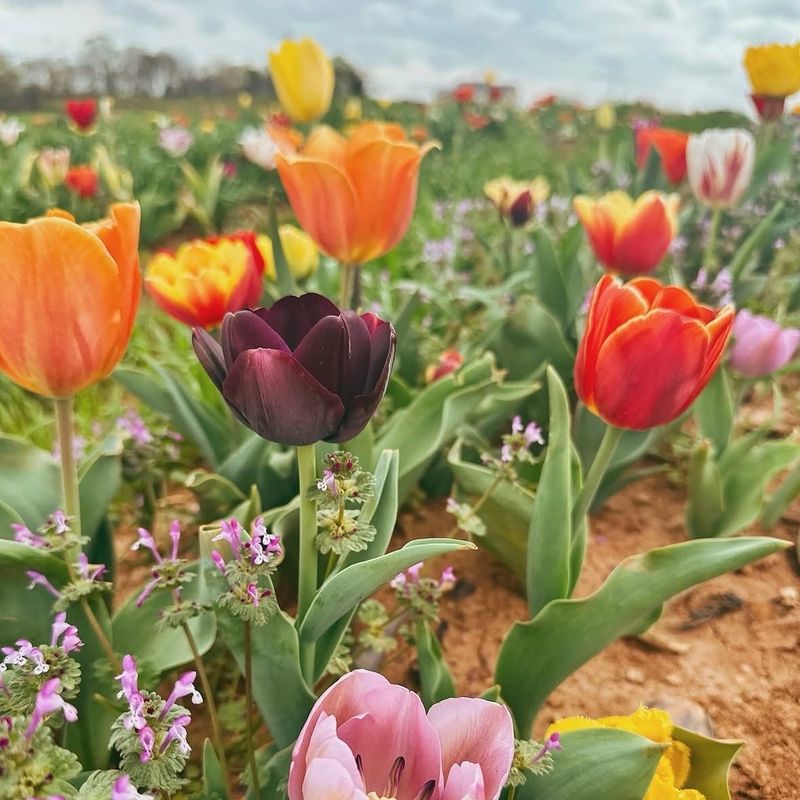
Georgia red clay holds water like a sponge. Tulip bulbs sitting in wet clay can rot before spring arrives.
Good drainage matters as much as cold. Mix several inches of compost into heavy soil to loosen it up.
Raised beds and large containers are also smart choices if your yard stays soggy after rain.
Tulips like full sun, which means at least six hours of direct light. In our warm springs, though, a spot with bright morning sun and a bit of afternoon shade can help blooms last longer.
Strong late-day heat tends to make petals fade fast.
Try a simple drainage test before you plant. Dig a hole about a foot deep, fill it with water, and see how quickly it empties.
If water still sits there after several hours, choose a different spot or build up the bed.
Containers deserve a mention, too. Pots on a porch let you move tulips into better light and away from puddles.
Use a quality potting mix rather than garden soil.
Picking the right bed now saves you a lot of disappointment in March.
6. Tuck Tulip Bulbs Deep And Cover With Pine Straw
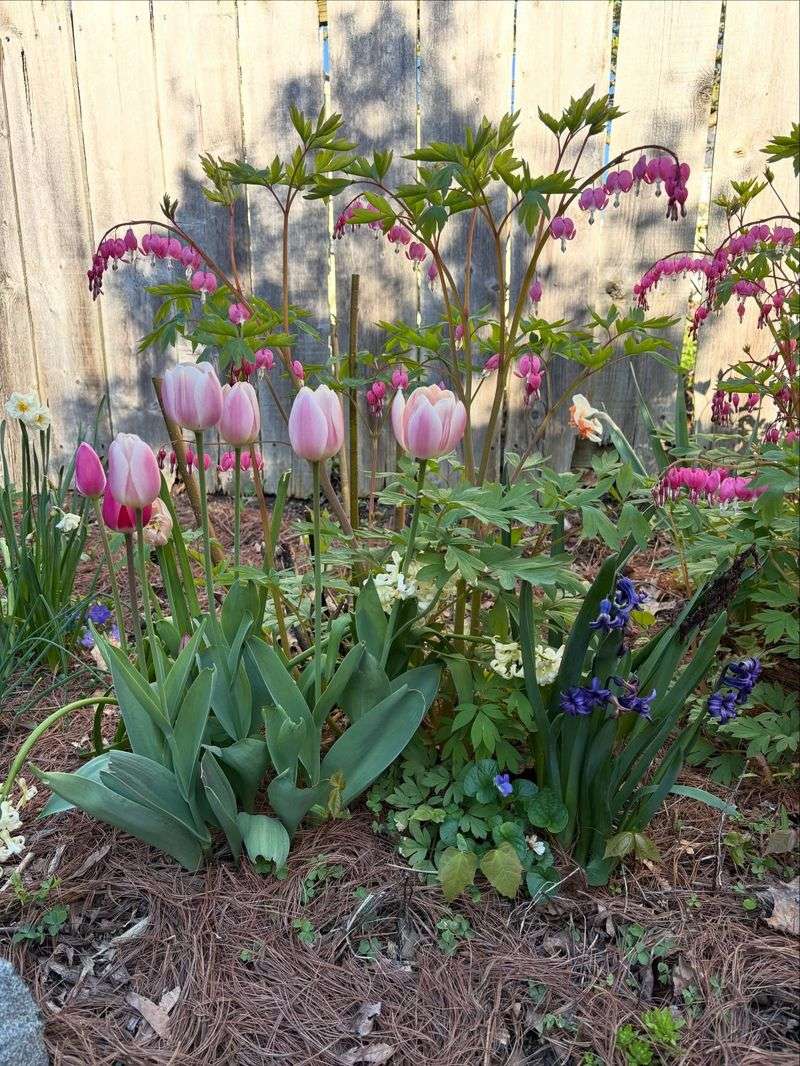
Depth is your secret helper in a warm climate. Plant bulbs about six to eight inches deep with the pointed end facing up.
Deeper soil stays cooler and steadier than the surface. That extra buffer protects bulbs from the warm days that pop up during a Southern winter.
Space bulbs a few inches apart so each one has room to grow.
Water the bed well right after planting. A good soak settles the soil and helps roots get started.
After that, winter rain usually covers their needs, but water every couple of weeks during a long dry stretch.
Next, spread about two inches of mulch. Pine straw is a classic choice in Georgia, and shredded bark or chopped leaves work nicely as well.
Mulch keeps soil cooler and holds moisture.
Squirrels and voles think tulip bulbs make a fine snack. Laying chicken wire over the bed before mulching blocks most digging.
Some gardeners also try repellents, though results vary.
Fun fact: tulips are among the favorite foods of deer, too. If deer visit your yard, plant tulips close to the house or inside a fenced area.
7. Enjoy Spring Tulip Blooms As A One-Season Treat
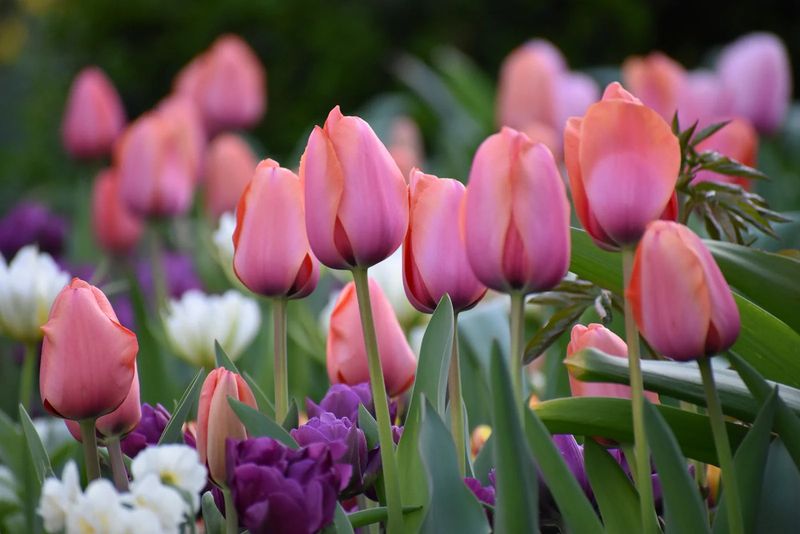
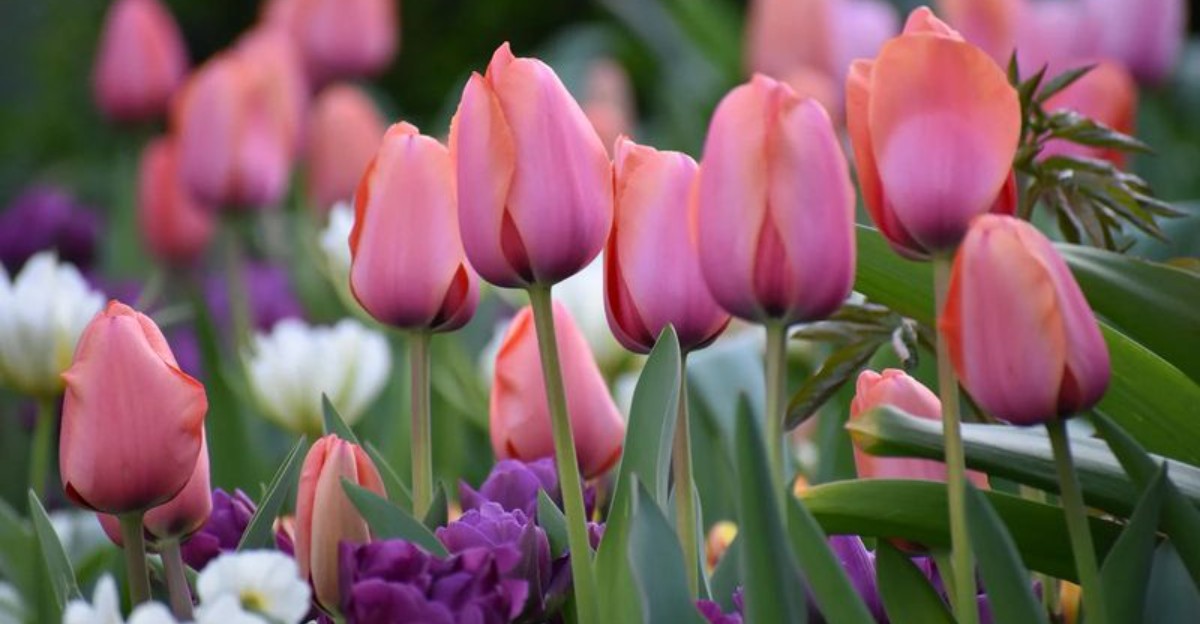
A bed of red and yellow tulips opening in March feels like a reward for all that fridge juggling. Enjoy every minute, because these blooms are mostly a one-season show here.
Hot, humid summers and mild winters make it hard for hybrid tulips to rebuild their bulbs. Many come back smaller or send up only leaves.
That is why many gardeners in the South treat them as annuals.
Honestly, I find that freeing. Each fall becomes a chance to try a new color, a fringed variety, or a different mix in containers.
If you want a better shot at repeat blooms, look at species tulips. Types such as Tulipa clusiana, often called lady tulips, have a reputation for returning more reliably in warm areas.
Results still vary by site.
After the petals fall, you can let the leaves yellow naturally or pull the bulbs to make room for summer flowers. Add the spent plants to compost if they look healthy.
Write down your chilling dates, planting dates, and bloom times this year. Those notes become your best guide for an even brighter spring next time.