10 Copperhead Myths North Carolina Families Keep Believing
A baby snake in your mulch bed may wiggle a bright yellow tail tip like a tiny worm on purpose. Scientists call that trick caudal luring, and it helps young snakes catch frogs and lizards near your tomatoes.
That same snake causes more porch arguments in my part of the South than almost any other creature. Folks swear by old stories about cucumber smells and mothballs sprinkled around the garden shed like magic dust.
I’ve spent plenty of North Carolina summer mornings pulling weeds with one eye on the leaf litter. You probably have your own nervous habits too, like stomping loudly before reaching for the garden hose.
The funny part about those backyard legends is how long they linger around North Carolina kitchen tables. Some hold a sliver of truth, while others put families at real risk, so which ones have you believed?
1. Baby Copperheads Are Not More Dangerous Than Adults
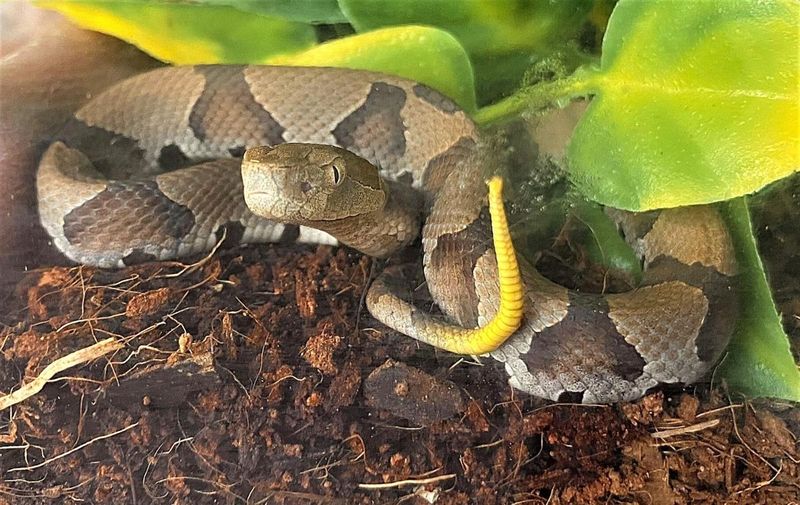
Those tiny copperheads with neon yellow tails look like they came straight out of a cartoon. Many parents believe these babies pack a stronger punch than adults because they cannot control their venom.
Scientists who study these snakes have found no evidence supporting that scary idea about youngsters lacking control. Young copperheads carry far less venom than adults, and both ages can deliver dry bites without injecting any.
That bright tail tip has a clever job, though, and I find it one of nature’s neatest tricks. Babies wiggle the yellow or greenish tip like a worm, luring curious frogs and lizards close enough to grab.
The colorful tail fades as the snake grows, so a glowing tip usually means you are watching a youngster. Newborns arrive in late summer or early fall, which is when many families first notice them near patios.
Smaller size still does not make a baby snake harmless, and any bite deserves a quick trip for medical care. Treat every copperhead with equal respect, no matter how cute or tiny it looks curled beside your flowerpot.
In my own beds, I wear sturdy gloves and closed shoes whenever I reach into thick mulch or groundcover. Kids should learn to look before grabbing toys from under bushes, especially during the late summer birthing season.
Teaching children to back away calmly works far better than any panic about which snake size seems scarier. A quiet step backward gives that little copperhead room to slip away and keep hunting its tiny frog snacks.
2. A Copperhead Bite Is Rarely Life Threatening
Ask around a backyard cookout, and someone will share a scary story about losing a leg to a copperhead. Those tales spread fast, yet actual medical records paint a much calmer picture of these painful bites.
Life-threatening copperhead bites are extremely rare, according to experts at NC State University. Amputations are even rarer, which surprises many people who grew up hearing grim warnings from older relatives.
Roughly half of all copperhead bites cause only mild swelling and pain, according to the Carolinas Poison Center. That number still means the other half can bring serious swelling, so nobody should shrug off a bite.
A bite remains painful and needs prompt medical attention, even when it seems minor during the first few minutes. Doctors watch closely for spreading swelling and blood changes, then decide whether antivenom treatment makes sense for you.
I think the fear itself causes trouble, because panicked people make rushed choices that slow down proper care. Staying calm helps you call for help quickly and reach the emergency room without wasting precious time.
Keep the NC Poison Control number, 1-800-222-1222, saved in your phone and posted on the fridge. Specialists there answer calls around the clock and can guide you while someone drives toward medical help.
Respect for copperheads makes perfect sense, but terror does not help anyone working in the vegetable patch. A clear plan in your pocket beats a scary legend every single time you head outside to garden.
3. Not Every Brown Banded Snake Is A Copperhead
Northern water snakes probably get blamed for more copperhead sightings than any other snake swimming in local ponds. Their brown blotches look similar at a glance, and frightened people often grab a shovel before taking a second look.
Young rat snakes and eastern hognose snakes also get mistaken for copperheads around gardens and woodpiles quite often. Milksnakes join that list too, and these harmless look-alikes help control mice and other pests.
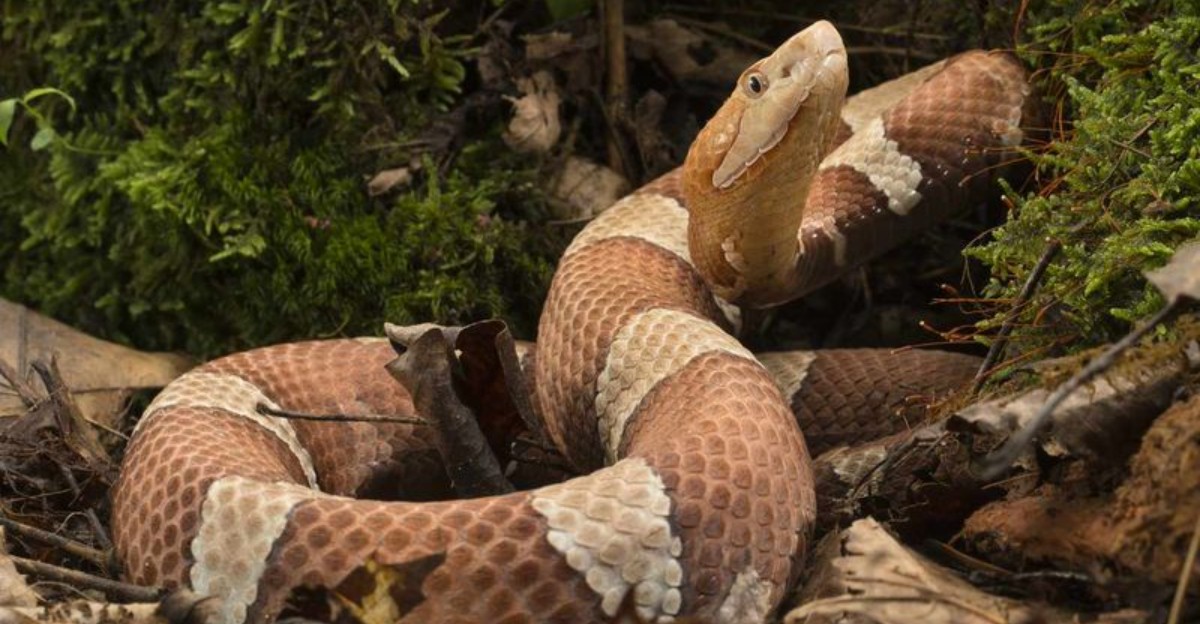
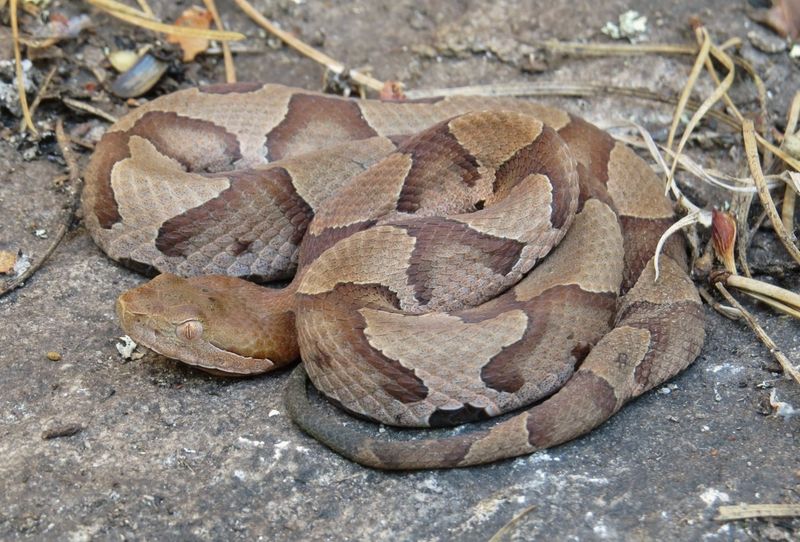
True copperheads, known scientifically as Agkistrodon contortrix, wear a pattern that makes identification easier once you learn it. Their crossbands are narrow across the back and wide along the sides, forming shapes like hourglasses.
Many folks describe those bands as Hershey’s Kisses when viewed from the side, and I love that easy memory trick. Kids remember it quickly, which makes it a handy lesson during a walk along the edge of the woods.
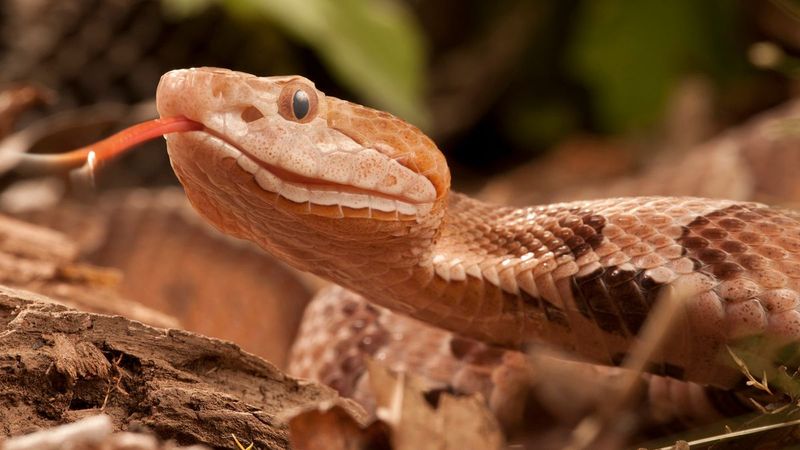
Copperheads also have a plain coppery or tan head that looks noticeably wider than the slender neck behind it. Their pupils are vertical slits, and small heat-sensing pits sit between each eye and nostril on the face.
Please do not get close enough to check pupils, because a safe distance matters far more than a perfect identification. Snap a photo from several feet away, then compare it with the free guides from state wildlife offices.
Learning these patterns saves plenty of helpful snakes that keep rodents from chewing through your garden hoses and seedlings. Honestly, I feel a lot calmer outdoors now that I can tell a water snake from its venomous cousin.
4. Copperheads Do Not Chase People Across The Yard
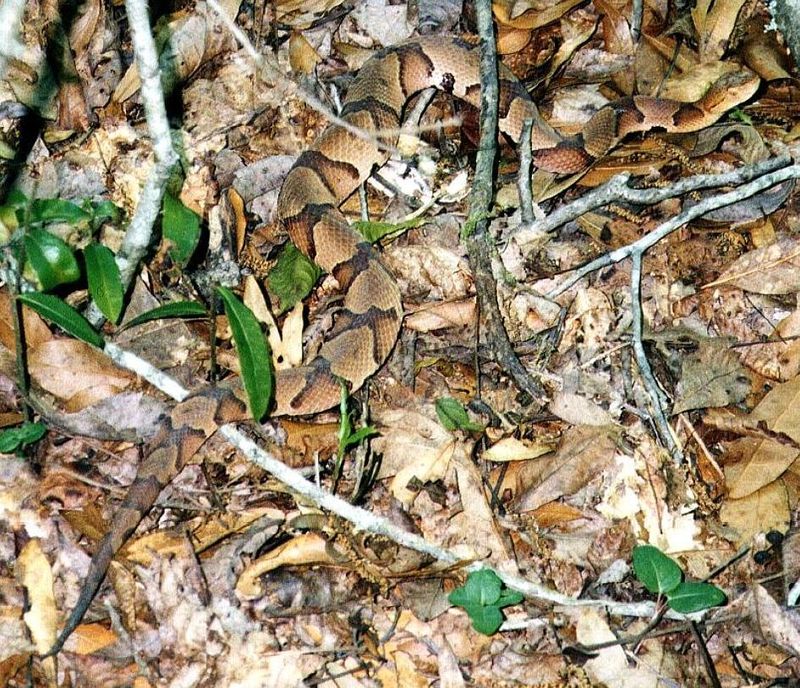
Stories of copperheads charging across the lawn sound thrilling, but these snakes prefer staying still and hidden. Their coppery colors melt into fallen leaves so well that you could stand right beside one without noticing a thing.
Camouflage is their main defense, and freezing in place usually works better for them than running or striking. When a copperhead does feel threatened, it usually tries to crawl away rather than move toward the person nearby.
Most bites happen when someone accidentally steps on a hidden snake or reaches into a spot without looking first. Many other bites happen when people try to handle or harm the snake instead of simply walking away.
So why do some folks swear a snake came after them while they hurried through the backyard? A startled copperhead may simply flee in your direction because you happen to be standing between it and cover.
I like to remind myself that a frozen copperhead is hoping I will simply pass by and leave it alone. That thought keeps me calm, and calm gardeners make smarter choices when they spot a snake near the beds.
Give any snake at least a few steps of space, then let it leave on its own schedule. Watch where you put your hands and feet, especially around woodpiles and thick groundcover after warm summer evenings.
Copperheads often hunt at night during hot weather, so a flashlight helps on evening walks to the garden. Bright light lets you spot that hourglass pattern before your sandals land anywhere close to it.
5. That Cucumber Smell Does Not Reveal A Copperhead

Plenty of grandparents insist they can sniff out a copperhead because the air suddenly smells like fresh cucumbers. It sounds charming and oddly specific, which probably explains why the story keeps passing down through families.
Researchers have found no solid scientific evidence that copperheads give off a cucumber or watermelon scent. Some snakes release a musky odor when threatened, and a few people describe that smell as somewhat melon-like.
That musk comes from glands near the tail, and many snakes use it, not just the venomous ones. A harmless water snake or garter snake can produce a strong stink when someone picks it up.
Summer gardens also hold plenty of real cucumber smells, especially from crushed vines and ripe fruit near the fence. Blaming those scents on a hidden snake could send you into needless worry while you pick supper vegetables.
The bigger danger comes from trusting your nose instead of your eyes when you walk through tall grass. A copperhead resting quietly might give off no noticeable smell at all, leaving the old rule useless that day.
I enjoy the folklore, honestly, because it shows how closely older generations paid attention to the woods. Still, a quick visual scan of the path ahead offers far more protection than any sniff test ever could.
Keep pathways trimmed short so you can see the ground clearly, especially near cucumber and melon beds. Wear boots in thick plantings, and use a stick to part foliage before reaching for that hidden zucchini.
6. Skip The Tourniquet And Head Straight To The Hospital

Old westerns taught generations to slice a bite open and suck out venom, and that advice still circulates today. Medical experts now agree those dramatic movie moves cause more harm than good and can complicate hospital treatment.
Tourniquets trap venom in one area, which can increase tissue damage in the arm or leg that was bitten. Cutting the wound opens the door to infection, while sucking at it does not remove meaningful amounts of venom.
Ice packs also make the list of bad ideas, since cold can worsen damage to already injured tissue. Folk remedies feel helpful in a scary moment, yet they mostly waste time that should be spent driving.
What actually works starts with staying calm and calling 911 or Poison Control at 1-800-222-1222 immediately. Get the person to a hospital quickly, since emergency teams can judge whether antivenom is needed.
Keep the bitten limb still and held at or below heart level during the ride to medical care. Remove rings and tight clothing near the bite soon, because swelling can build quickly within the first hour.
I keep a laminated card in my garden shed with these steps written in big, easy letters. You might tape a similar card inside your back door so everyone in the family knows the plan.
Please skip the snakebite kits sold online, because experts do not recommend suction devices for real bites. Your phone and your car keys are the best first aid tools you can carry outside.
7. Kingsnakes And Rat Snakes Deserve A Place In Your Garden
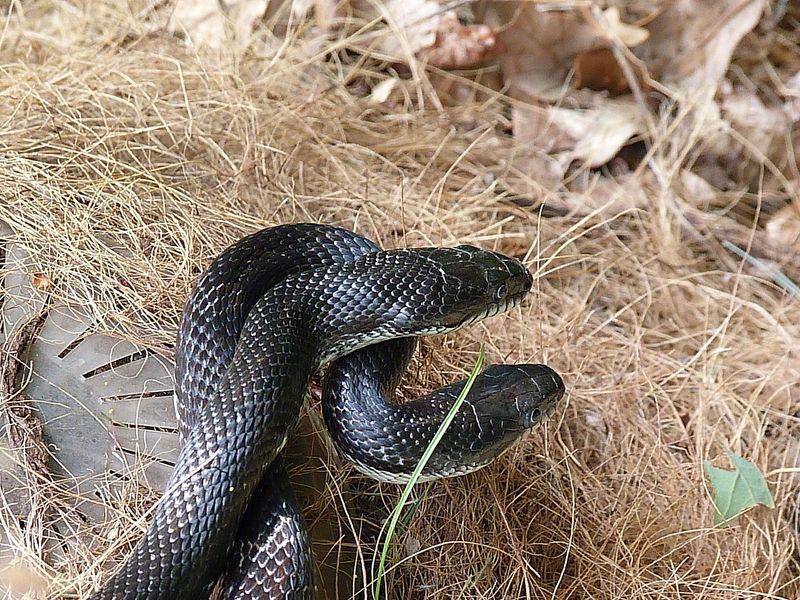
Eastern kingsnakes eat copperheads, and they shrug off the venom like it is barely an inconvenience to them. That fact alone makes me grin whenever I spot a shiny black kingsnake slipping along my garden fence.
Many families still believe the only good snake is one removed from the yard by any means necessary. That habit hurts helpful species and puts people at risk, because trying to harm a copperhead causes many bites.
Rat snakes and kingsnakes eat mice and rats that would otherwise chew through seed packets and stored bulbs. Fewer rodents can also mean fewer ticks around your yard, since mice carry ticks linked to Lyme disease.
Copperheads themselves play a role too, gobbling up plenty of mice and even emerging cicadas each summer. They are part of a balanced backyard food web, though nobody wants one sleeping beside the back steps.
If a copperhead settles somewhere risky, a licensed wildlife control operator can relocate it safely for you. Leaving the job to trained pros keeps your family and pets out of striking range during the process.
Harmless snakes deserve a gentler approach, so simply let them pass through and continue their pest patrol. A garden hose spray from a distance can nudge one along if it lingers near a doorway.
I have grown fond of seeing a black rat snake sunning on the woodpile during warm spring afternoons. It reminds me that a little wildness in the yard often brings more help than harm to our gardens.
8. Mothballs Will Not Keep Copperheads Out Of Your Yard
A ring of mothballs around the foundation sounds like a simple fix, and plenty of grandmothers swore by it. Sadly, research does not support mothballs as a snake deterrent, and the chemicals can harm kids and pets.
Mothballs are pesticides meant for sealed containers, so scattering them outdoors breaks label directions and pollutes soil. Curious dogs and toddlers may mistake the white balls for candy, which creates an emergency of its own.
Commercial snake repellents promise a lot on the packaging, yet most lack solid scientific proof that they work. Spending money on those granules often brings false confidence while the real snake habitat stays untouched nearby.
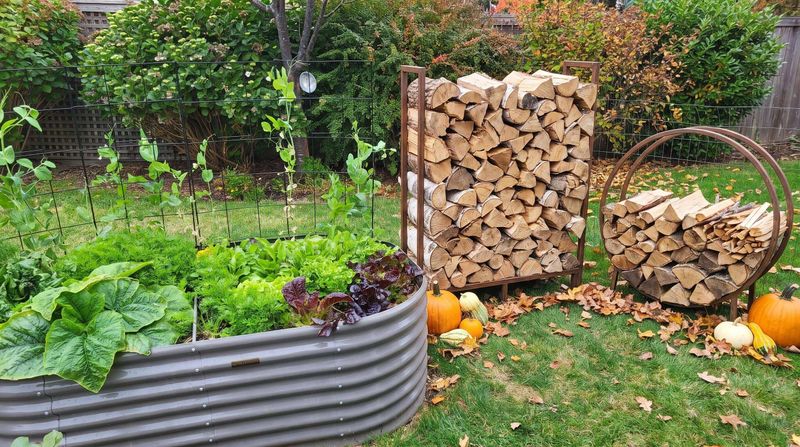
The approach that works best involves making your yard less inviting to snakes and the critters they hunt. Clear away brush piles and loose boards, and keep grass mowed short around play areas and patios.
Woodpiles should sit well off the ground and away from the house, since copperheads love those cozy crevices. Rake heavy leaf litter from paths, though leaving some in far corners still helps butterflies and beneficial insects.
Rodents draw copperheads like a free buffet, so seal garbage cans and store birdseed in tight metal bins. Pick up fallen fruit and spilled seed beneath feeders, because mice will happily feast there each evening.
I would rather spend an afternoon tidying the shed than sprinkling chemicals that barely do anything at all. Your yard ends up neater, and the snakes simply find better hunting grounds somewhere farther from your door.
9. Copperhead Sightings Rise In Summer Without A Population Boom
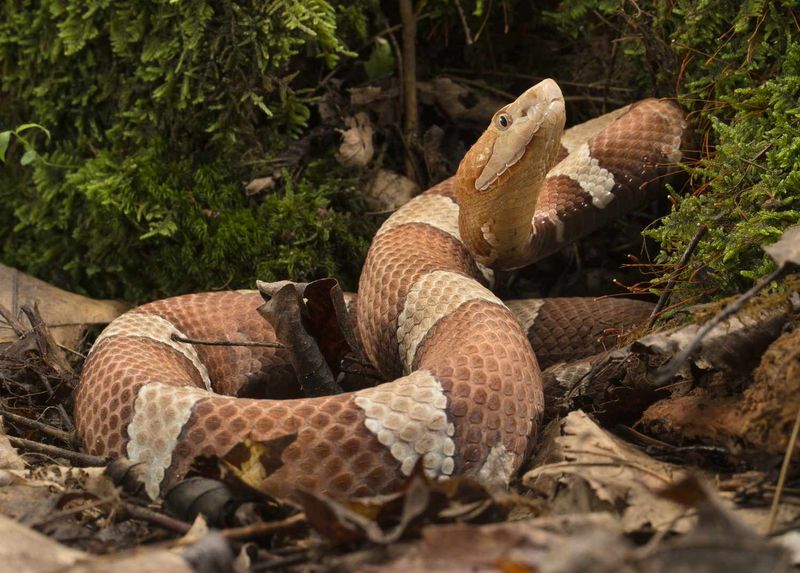
Every summer, social media fills with copperhead photos, and people start whispering that the snakes are taking over. Wildlife officials in North Carolina say no current data supports the claim that copperhead numbers are actually increasing.
More sightings happen during warm months because copperheads become active and people spend more time outdoors gardening. Two busy groups sharing the same space naturally produces more encounters, even when the snake population stays steady.
Late summer brings another reason for extra sightings, since newborn copperheads appear and young snakes wander looking for homes. Those little ones cover new ground, so a neighborhood may suddenly notice several small snakes within a few weeks.
Housing growth also pushes new subdivisions into wooded areas where copperheads have lived for a very long time. People living beside forest edges simply meet more wildlife than folks living in older downtown neighborhoods.
Online posts can make a single snake look like an outbreak, especially when the same photo gets shared repeatedly. I try to remember that a viral picture tells us about one moment, not about population trends.
Copperheads are the most common venomous snake across much of the state, so occasional meetings are expected. Accepting that reality helps families plan better than any panic over headlines about a supposed snake surge.
Check your yard with fresh eyes each warm season, looking for hiding spots that may have built up since spring. Wear sturdy shoes at dusk, and carry a light when you walk the dog after sunset on warm nights.
10. Copperhead Mothers Give Birth To Live Babies
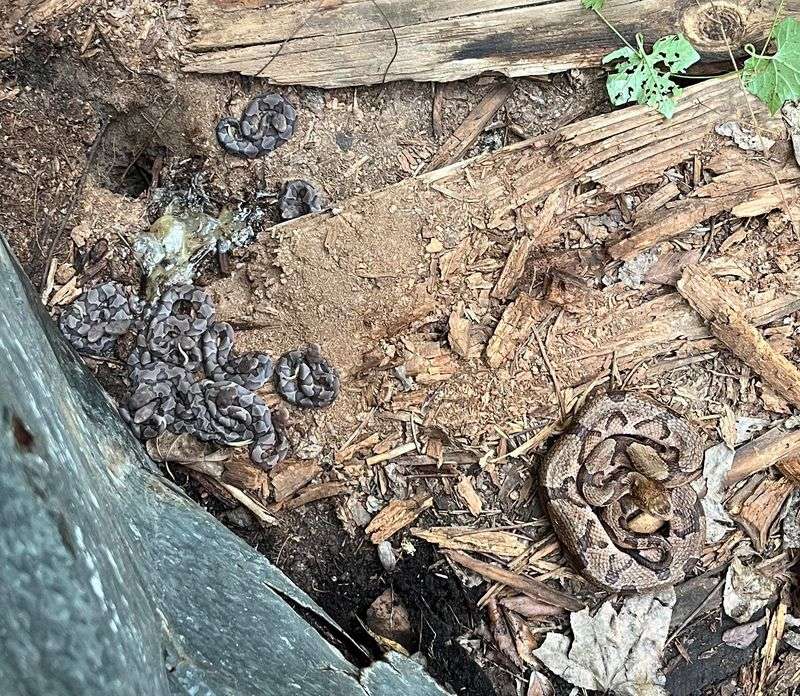
Copperhead mothers skip the nest of eggs and give birth to live, wiggling babies ready to hunt right away. Many people expect leathery snake eggs under every rotting log, so this surprise often catches families off guard.
Scientists call this reproduction style viviparous, though some describe it as eggs held inside the mother’s body. The young develop within membranes there, then emerge fully formed and equipped with fangs and venom from day one.
Litters usually range from about three to fourteen babies, with births happening from August into early October. That timing explains why so many tiny copperheads show up around porches and flower beds at summer’s end.
Each newborn measures roughly seven to ten inches long and sports that sulfur yellow tail tip for luring prey. The mother provides little care afterward, so the babies scatter quickly and start finding food on their own.
Knowing this, you can skip digging through soil looking for copperhead eggs to remove from your garden. Any leathery eggs you find likely belong to harmless rat snakes or skinks, which do lay eggs in mulch.
Late summer is a smart time to wear gloves and boots while weeding, since newborns hide in leafy cover. I also double check under plant pots and garden decor before lifting them during those early fall weeks.
Understanding the copperhead life cycle turns fear into simple planning, and I find that deeply reassuring as a gardener. A little knowledge lets you enjoy your beds while respecting the quiet neighbors living among the leaves.