The One Thing North Carolina Azaleas Need In August Or Next Spring’s Blooms Will Be Weak
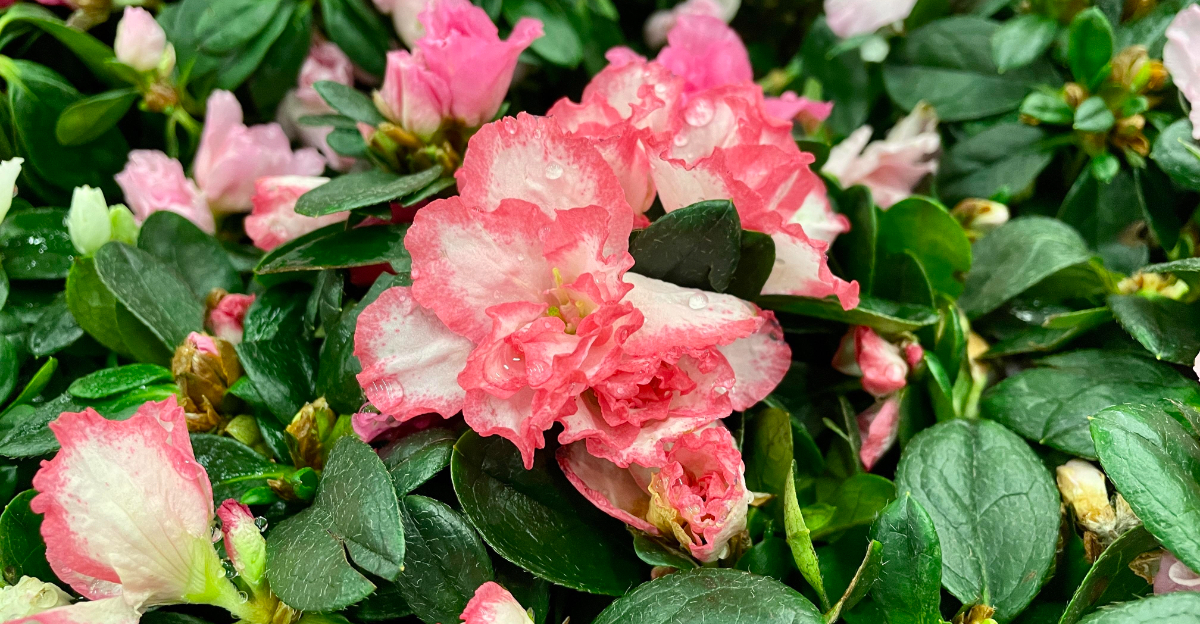
Azaleas are so deeply associated with North Carolina spring that disappointing bloom feels like a personal failure rather than a correctable oversight.
The bloom display that opens in March and April is largely determined by what happened the previous August, which is a timing relationship most gardeners never make because the two events feel so disconnected from each other on the calendar.
Azaleas set next year’s flower buds during late summer, and one specific need during that bud-setting window directly influences how many buds develop, how fully they mature, and how strong the spring display ultimately becomes.
August feels far too early to be thinking about next April’s flowers. For azaleas in North Carolina, it is exactly the right time.
1. Give Azaleas Steady Deep Moisture In August
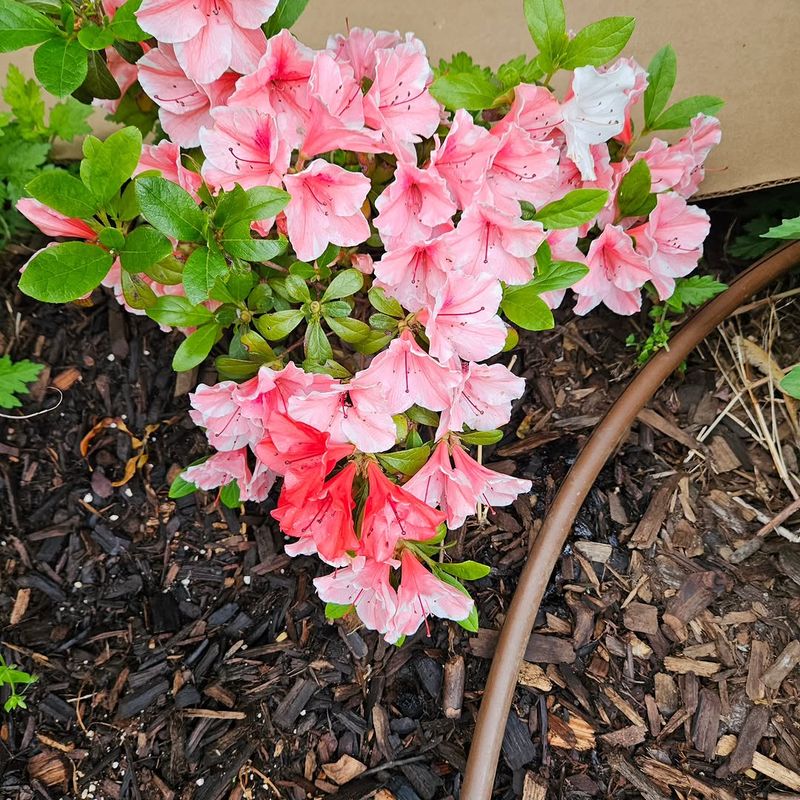
Azaleas are not dramatic about their needs, but they do have one non-negotiable requirement during August in North Carolina: steady, deep moisture at the root zone.
The summer heat across the Piedmont, mountains, and coastal plain can be relentless, and the soil dries out faster than most gardeners expect.
Azaleas prefer consistently moist, well-drained, acidic soil, and August is exactly when that preference becomes critical.
Here is the part that surprises many gardeners. While azaleas finish their spring bloom period and look perfectly green and healthy through early summer, they are quietly forming next year’s flower buds during late summer.
That process requires reliable soil moisture to go smoothly. When the root zone dries out repeatedly during this period, the plant puts its energy into survival rather than bud development.
North Carolina summers are notorious for stretches of hot, dry weather that can sneak up on even attentive gardeners. A week or two of drought stress during August can quietly reduce the number and quality of blooms you see the following spring.
The good news is that preventing this is straightforward. Water your azaleas consistently, aim for about an inch of water per week when rainfall falls short, and focus on getting that moisture down to where the roots actually live.
Shallow surface watering just does not cut it. Deep, steady moisture is what keeps those developing buds strong and gives you the colorful spring display your azaleas are fully capable of producing.
2. August Watering Protects Next Spring’s Bloom Potential
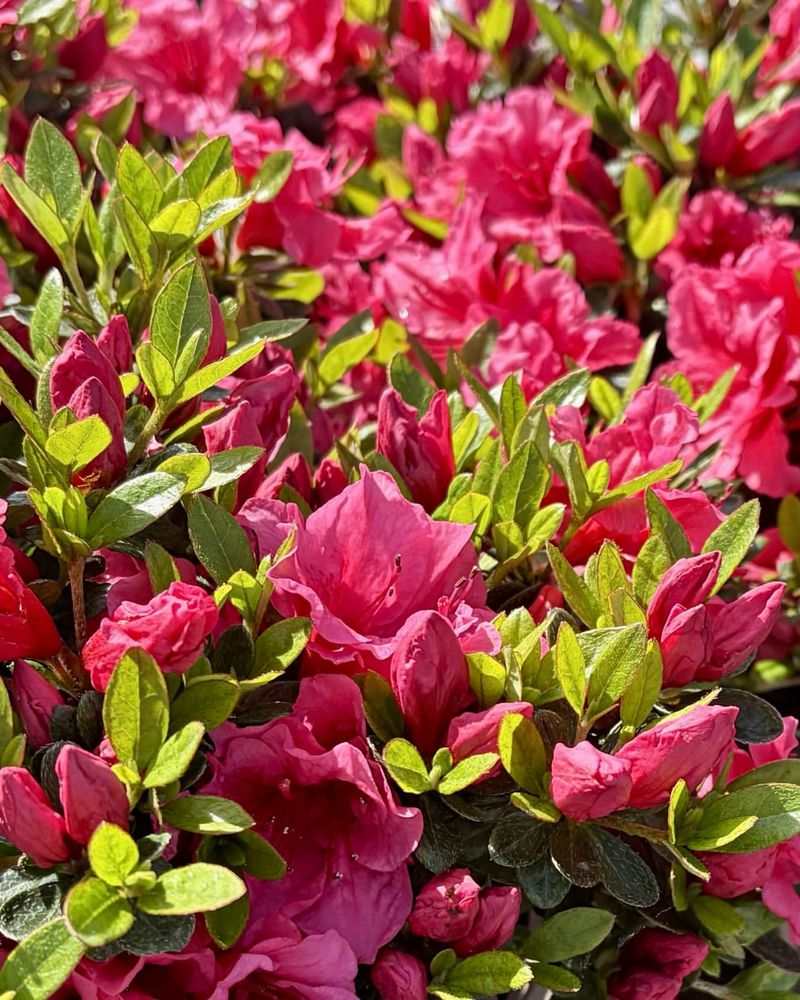
Timing matters more than most people realize when it comes to azalea care. After azaleas finish blooming in spring, they spend the next several months setting up the following year’s flower buds.
By the time August rolls around in North Carolina, those buds are actively developing inside the plant, even though you cannot see them yet. Moisture during this stage is not optional; it is the fuel the plant needs to build strong, full blooms.
Think of it this way: every time your azalea runs low on water during August, it has to make a choice. The plant will prioritize basic survival functions over bud development.
That means fewer buds, weaker buds, or buds that simply fail to open properly the following spring. You might not notice the damage until March or April, when the blooms come in thin and disappointing despite the plant looking fine all summer.
Your North Carolina Garden Changes Every Week. Your Plan Should Too.
Gardening in North Carolina changes quickly throughout the season. Every Friday you’ll receive a simple weekly plan showing exactly what to plant, prune, fertilize, harvest, and protect so you never miss the right timing.
North Carolina gardeners have an advantage here because most areas receive some summer rainfall, but that rainfall is often unpredictable and inconsistent.
A heavy rain one week followed by two dry weeks is common, and that pattern is not reliable enough for azaleas during bud formation.
Checking your plants regularly and supplementing with deep watering during dry spells makes a real difference. Consistent moisture from now through early fall gives those developing buds every advantage.
Protect this window, and your azaleas will reward you with a spring performance that makes the whole neighborhood stop and stare.
3. Water Deeply Instead Of Giving Light Sprinkles
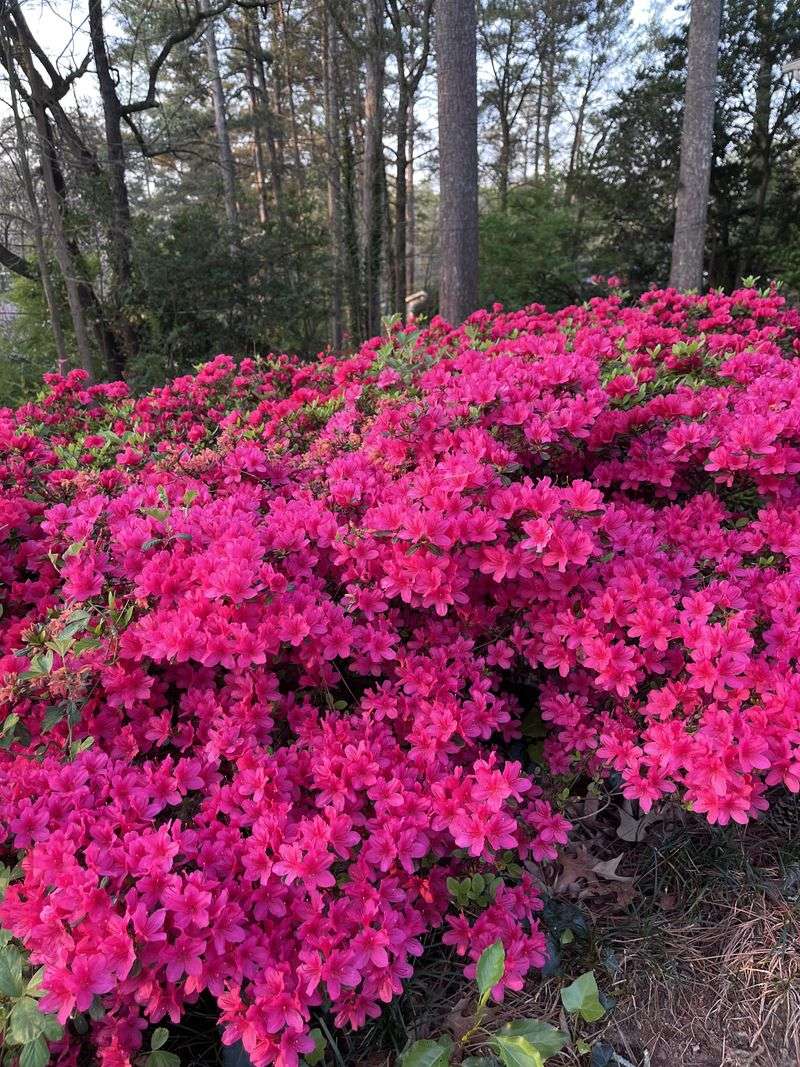
Most gardeners know azaleas need water, but the way you deliver that water makes an enormous difference. Azaleas have shallow, fibrous root systems that spread out horizontally rather than reaching deep into the ground.
Because of this, they depend on moisture in the top several inches of soil, and that zone dries out quickly during North Carolina’s hot August afternoons.
Light, frequent sprinkles might wet the surface and make it look like the job is done, but that moisture rarely reaches the root zone before it evaporates.
What azaleas actually need is a slow, deep soak that allows water to penetrate the soil and reach the roots where they are actively growing.
A good rule of thumb is to water slowly at the base of the plant for long enough that moisture soaks down at least six to eight inches. This encourages the roots to stay healthy and gives the plant the hydration it needs for strong bud development.
Soaker hoses and drip irrigation are excellent tools for this because they deliver water slowly and directly to the root zone without wetting the foliage.
Wet foliage in humid North Carolina summers can invite fungal problems, so keeping water off the leaves is a bonus.
If you are hand watering, use a slow trickle rather than a strong blast, and let the water soak in gradually. Watering deeply two to three times per week during dry spells is far more effective than a quick daily sprinkle.
Your azaleas will respond with noticeably better bloom next spring.
4. Check Under The Mulch Before Watering Again
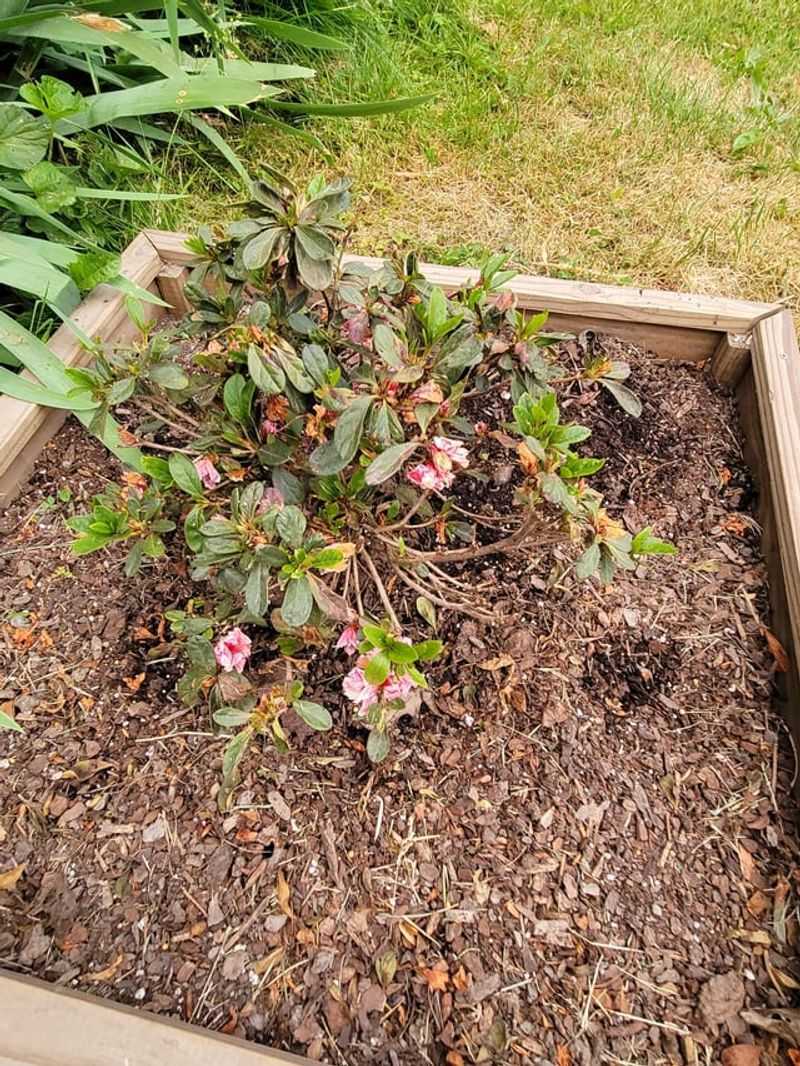
Here is a gardening habit that sounds small but saves a lot of trouble: before you water your azaleas, check what is actually happening under the mulch.
Mulch does a wonderful job of insulating the soil and slowing evaporation, which means the surface layer can look bone dry while the soil underneath is still holding plenty of moisture.
Watering on top of already-moist soil can push azaleas toward soggy conditions, which causes its own set of problems.
On the flip side, mulch can sometimes give a false sense of security. The top of the mulch layer might look fine and feel slightly cool, but if you pull it back and press your finger into the soil, you might find it is surprisingly dry just an inch or two down.
Azalea roots live in that zone, and if it is dry there, the plant is already under stress even if the mulch looks perfectly fine from above.
The fix is simple. Before you turn on the hose or soaker, take thirty seconds to pull back a small handful of mulch and press your finger about two inches into the soil.
If the soil feels moist and cool, you can wait another day. If it feels dry and crumbly, water deeply right away.
Making this a regular habit through August takes the guesswork out of your watering schedule and prevents both overwatering and underwatering.
Azaleas are surprisingly forgiving when you pay attention to what the soil is actually telling you rather than just following a fixed calendar schedule.
5. Keep Mulch Even But Away From The Stems
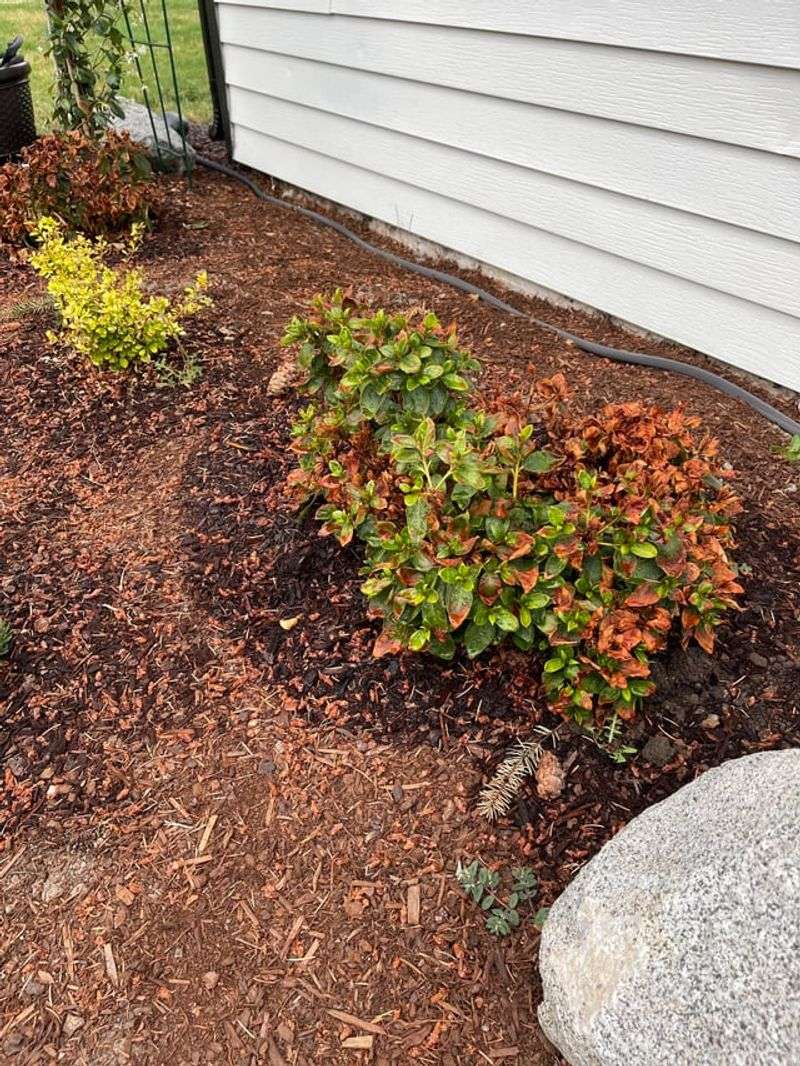
Mulch is one of the best tools a North Carolina gardener has for protecting azaleas in August. A two to three inch layer of pine straw, pine bark, or shredded leaves around the base of the plant does several important things at once.
It slows moisture evaporation from the soil, keeps root zone temperatures cooler during heat waves, and gradually breaks down to add organic matter that azaleas love.
For a shallow-rooted shrub trying to form flower buds in summer heat, that kind of protection is genuinely valuable.
Pine straw is especially popular in North Carolina and works beautifully for azaleas because it slightly acidifies the soil as it breaks down, which matches what these plants prefer.
Pine bark nuggets and shredded hardwood mulch also work well and stay in place during summer rain events.
The key is keeping the layer consistent and refreshing it if it has thinned out since spring. A thin mulch layer offers much less protection than a proper two to three inch blanket.
There is one important rule to follow with mulch: keep it away from the main stems of the plant.
Piling mulch up against the stems, sometimes called volcano mulching, traps moisture against the bark and creates conditions where rot and disease can take hold.
Leave a small clear gap of a few inches around each stem so the bark can breathe. Spread the mulch evenly outward to the drip line of the plant instead.
Done correctly, mulch is one of the simplest and most effective things you can do for August azalea health.
6. Protect Azaleas From Harsh Afternoon Sun
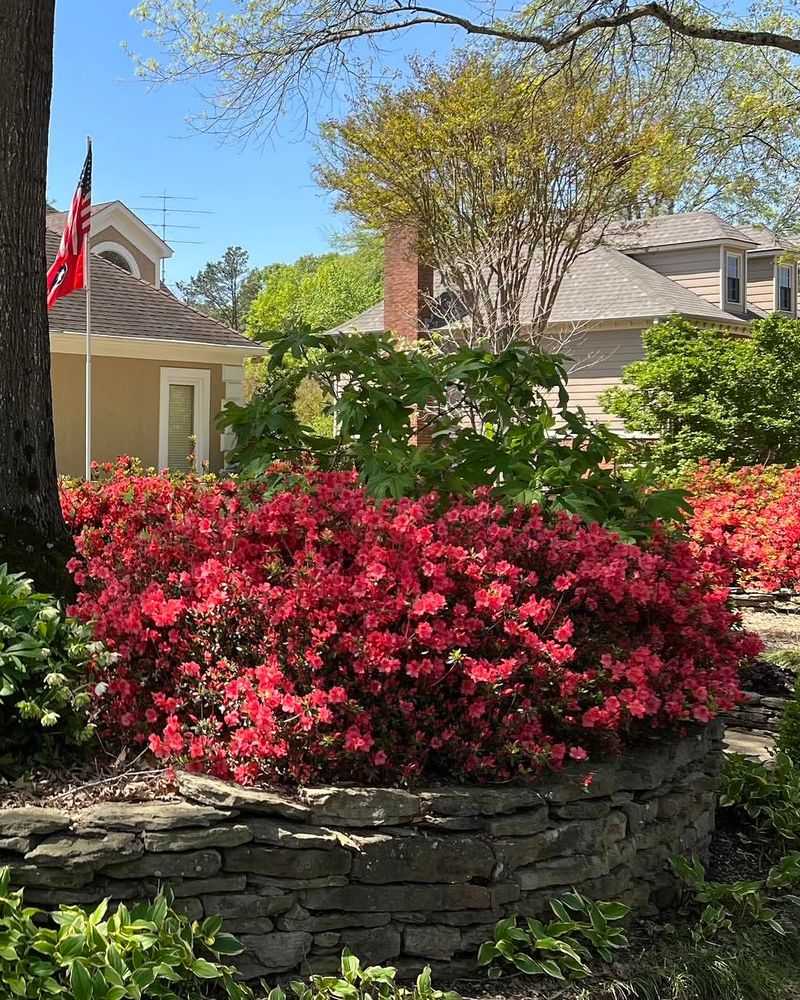
North Carolina summers are no joke. August afternoons can bring temperatures above 90 degrees with high humidity, and that combination hits azaleas hard, especially plants growing in full afternoon sun.
When intense sunlight hits azalea foliage for hours during the hottest part of the day, the plant loses moisture through its leaves much faster than the roots can replace it.
That rapid moisture loss puts real stress on the plant right when bud development needs steady, calm conditions.
Azaleas actually thrive in a setting that mimics their natural woodland habitat: bright morning sun, dappled light through the afternoon, and protection from the harshest direct rays between noon and four o’clock.
Many North Carolina gardeners find that azaleas planted on the east side of a house, under the filtered canopy of tall pines, or along a fence line that blocks western sun perform noticeably better during summer and bloom more fully in spring.
If your azaleas are already planted in a sunny spot and moving them is not practical, there are still ways to help. Keeping mulch thick and moisture levels consistent reduces heat stress significantly.
You can also use shade cloth temporarily during extreme heat waves to give the plants a break.
Healthy, well-watered azaleas handle sun better than stressed ones, so doubling down on deep watering during hot spells is the most practical response.
Paying attention to sun exposure now, and making small adjustments where possible, can make a real difference in how well your azaleas develop buds and perform when spring finally arrives.
7. Avoid Heavy Pruning In August
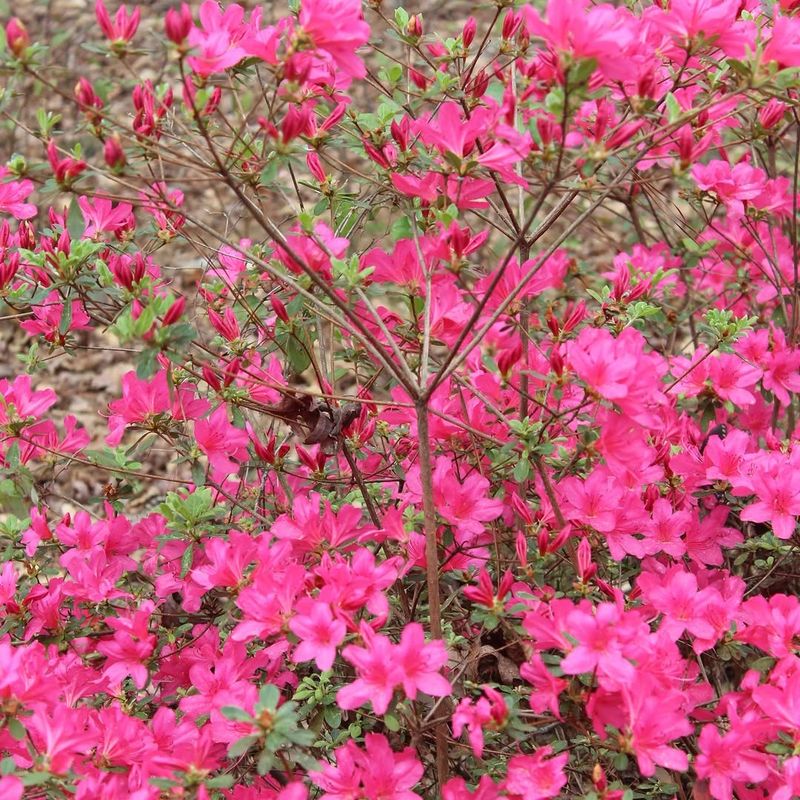
Pruning feels productive, and it is tempting to tidy up azaleas whenever they start looking a little wild. August, though, is one of the worst times to reach for the pruning shears and start cutting back azalea branches.
The reason comes back to those developing flower buds. By August, most North Carolina azaleas have already set the buds that will become next spring’s blooms, and those buds are sitting right on the tips and upper portions of the branches.
When you prune heavily in August, you are not just trimming the plant shape. You are removing the very buds that have been quietly forming since early summer.
Every branch you cut takes with it the blooms that would have opened the following spring. A heavy August pruning can dramatically reduce next year’s flower display, sometimes cutting it almost entirely, depending on how aggressively you prune.
The right time to prune azaleas is within about a month after they finish blooming in spring. That timing gives the plant the entire growing season to set new buds on the fresh growth before the following year.
Light cleanup, like removing a single broken branch or snipping off a wayward stem, is generally fine in August and will not cause major problems.
But reshaping the plant, cutting back multiple branches, or doing any significant size reduction should wait until after bloom next spring.
Protecting those developing buds through August and into fall is one of the most straightforward things you can do to guarantee a full and colorful spring bloom next year.
8. Do Not Push Fertilizer When The Plant Is Dry
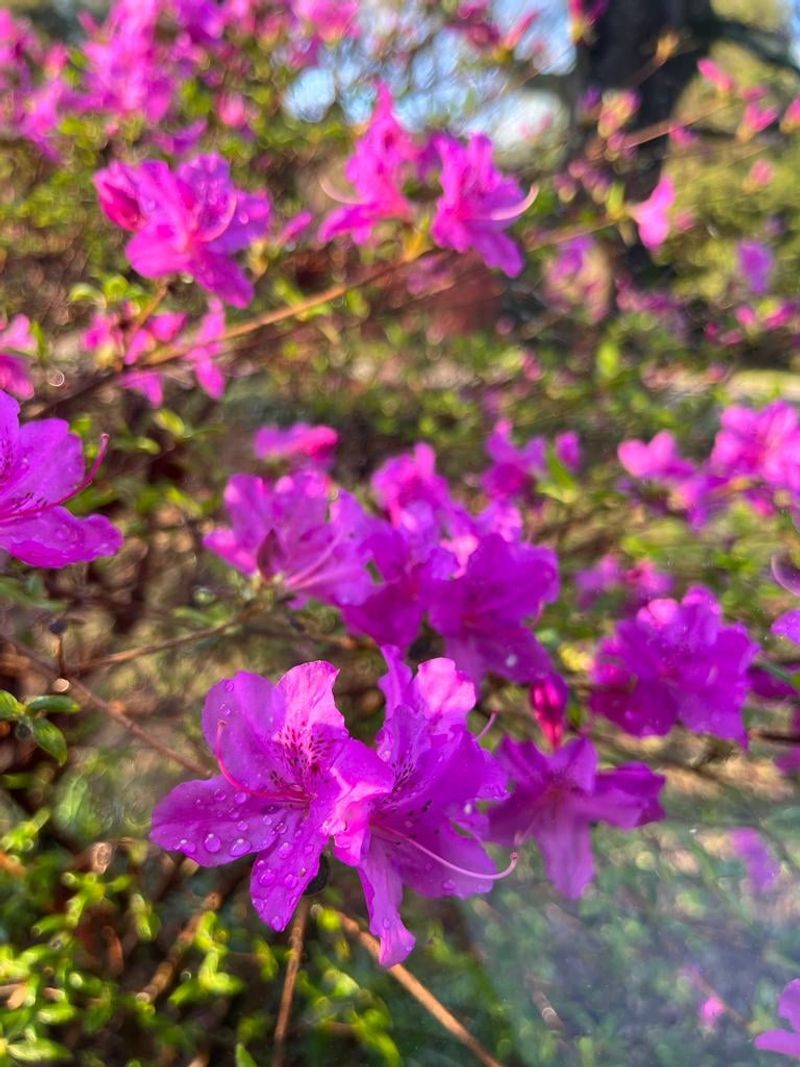
When azaleas look a little lackluster in August, the instinct for many gardeners is to reach for fertilizer. It seems logical: give the plant a nutrient boost and it will perk right up.
But fertilizing a drought-stressed azalea is actually one of the more counterproductive things you can do, and understanding why helps you avoid a mistake that can make things worse heading into fall.
Fertilizer works by encouraging the plant to grow and metabolize nutrients, but that process requires water.
When the soil is dry and the plant is already stressed from lack of moisture, applying fertilizer adds a chemical load the roots cannot process properly.
Instead of helping, it can burn the roots, increase stress on the plant, and redirect energy away from the bud development that is supposed to be happening right now.
The result can be a plant that looks worse in September and blooms even more poorly next spring.
The correct sequence is always water first. Get the soil consistently moist over several days before you even think about feeding.
Once the plant is properly hydrated and the soil moisture is stable, a light application of an acid-forming, slow-release fertilizer formulated for azaleas and rhododendrons can be beneficial if done by early August.
After mid-August, most experts recommend holding off on fertilizer entirely until spring to avoid pushing tender new growth that could be damaged by early cold snaps.
Moisture is the real priority right now, and getting that right will do far more for next spring’s blooms than any fertilizer ever could.