Why Late Fall Is The Perfect Time To Take Hardwood Cuttings In North Carolina
Spring cuttings need heat lamps, humid trays, and constant attention. Hardwood cuttings ask for almost nothing. Cut a few stems when a shrub goes dormant, tuck them into the ground, and walk away.
Roots form quietly through the cool months, and many are ready to grow by spring. North Carolina’s mild winters make this one of the easiest ways to multiply plants for free. Figs, crape myrtles, forsythia, and many others respond well.
Others refuse, and wasting time on them is the usual beginner’s mistake. Cutting length, angle, and placement matter more than most people think. Learn how it works, and a single shrub from a friend’s yard can turn into a whole row by next year.
1. Dormant Stems Are Packed With Stored Energy
Think of a dormant stem as a packed lunchbox. All summer long, leaves work hard making sugars, and before they fall, the plant tucks much of that food away inside its woody stems. By late fall, those stems are stocked and ready.
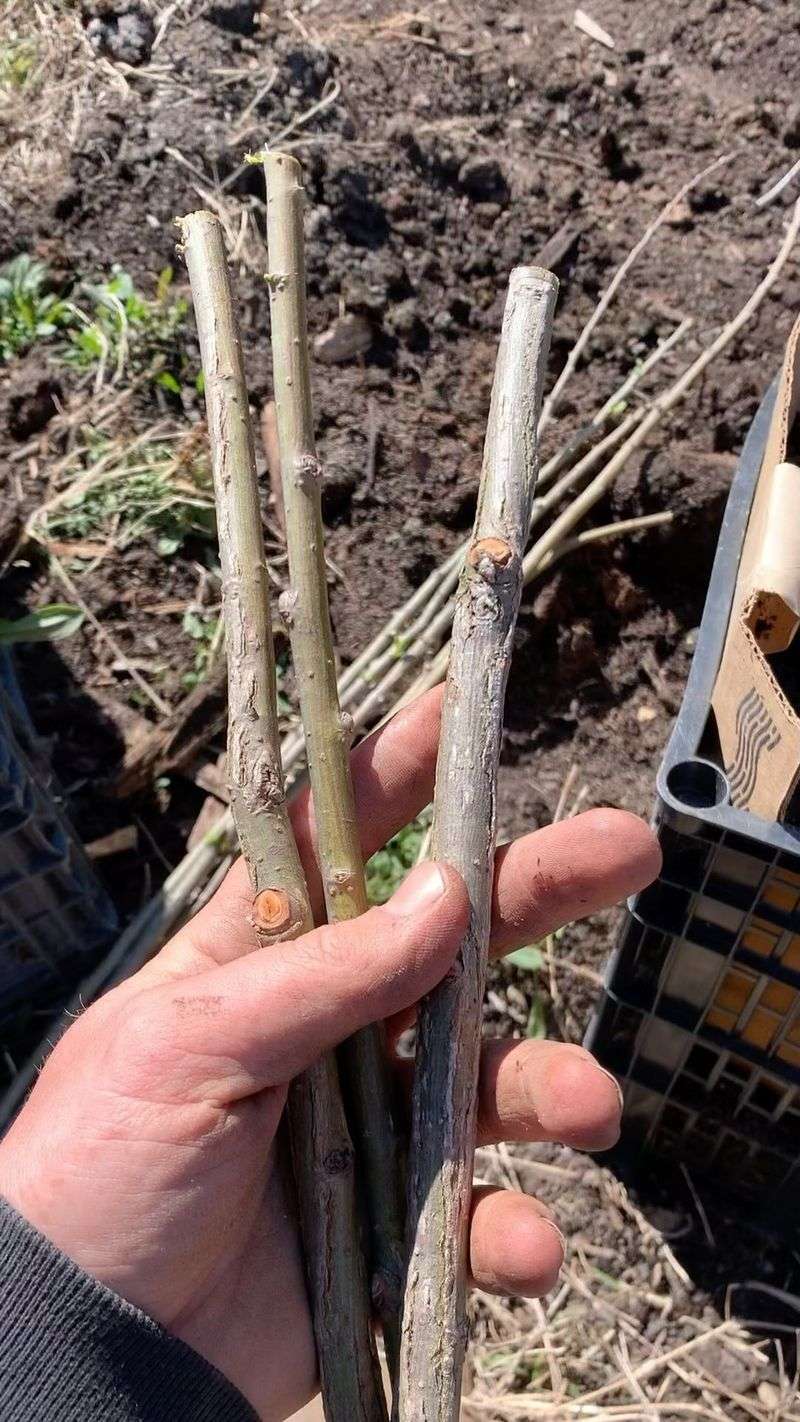
Hardwood cuttings are pieces of firm, woody stems that grew during the past season. You take them while the plant is dormant, which usually means after the leaves drop in late fall and on through winter.
The wood should feel solid and mature, not soft or green, and it should be about as thick as a pencil. That stored food matters more than you might guess.
A cutting has no roots and no leaves, so it cannot make or gather anything new for weeks. It survives on what is already inside, using those reserves to build roots first and then push out fresh shoots when spring arrives.
Cuttings taken in summer have a very different story. Their tissue is soft, their energy is spread thin, and they need lots of care to make it. Mature winter wood is tougher and far more forgiving, which is great news for anyone just starting out.
Here in North Carolina, many deciduous shrubs and trees settle into dormancy in November and December.
Once you see the last leaves hit the ground, the timing is right. Walk your yard, look for healthy stems from last season, and notice how plump the buds look along each one.
A simple tip helps a lot. Choose stems from the sunny side of the plant, since those usually have the most stored energy and the healthiest buds for the season ahead.
2. Leafless Cuttings Lose Very Little Water
Anyone who has tried rooting a leafy summer stem knows the heartbreak. You set it in a pot, turn your back for an afternoon, and it flops over like a tired noodle. Leaves pull water out of a stem fast, and without roots, the cutting simply cannot keep up.
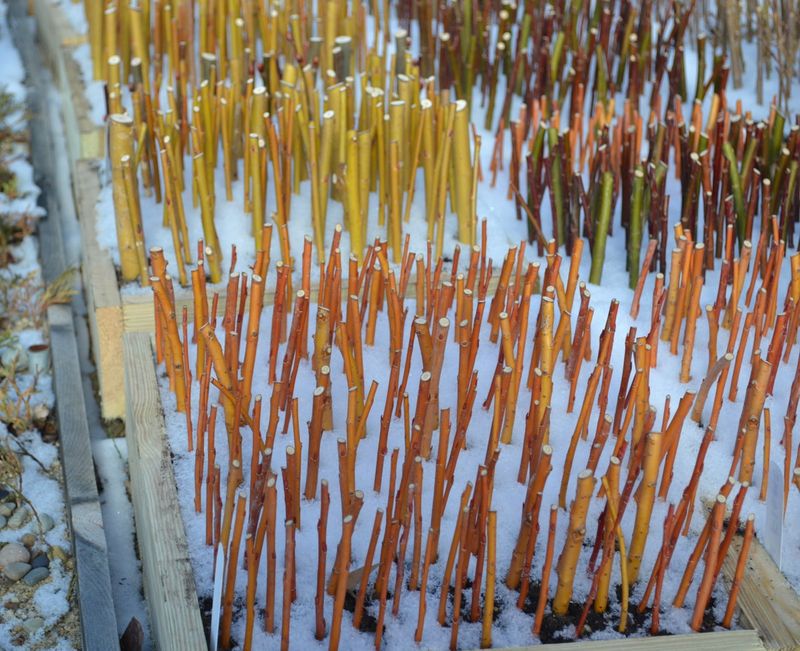
Hardwood cuttings skip that whole problem. With no leaves attached, they lose only a tiny bit of moisture through their bark and buds. They can sit quietly in the soil for weeks without wilting, slowly getting ready to grow.
Your North Carolina Garden Changes Every Week. Your Plan Should Too.
Gardening in North Carolina changes quickly throughout the season. Every Friday you’ll receive a simple weekly plan showing exactly what to plant, prune, fertilize, harvest, and protect so you never miss the right timing.
That means no misting systems, no plastic humidity domes, and no checking on them three times a day. Softwood cuttings often need all of that fuss to succeed. Dormant cuttings just need moist soil and a little time.
Many experienced growers call hardwood cuttings one of the easiest ways to make new plants at home. It fits busy schedules perfectly. You can stick them in the ground on a Saturday, water them in, and mostly leave them alone until spring shows up.
For North Carolina gardeners, the savings are real. You will not need a greenhouse, heat mats, or grow lights to get good results.
A shovel, a bucket of compost, and a sharp pair of pruners cover almost everything. Still, a little attention goes a long way.
Check the soil now and then during dry winter spells, because North Carolina can go weeks without rain in some years. If the top inch feels dry, give your cuttings a drink. Otherwise, let them rest and do their quiet work underground.
3. Many Popular Plants Root Easily This Way
Willows are such eager rooters that some gardeners soak willow twigs in water to make a homemade rooting tea for other plants.
They are only the beginning, though. A whole lineup of favorite shrubs, vines, and trees grows roots happily from dormant stems.
Figs top the list for many Southern gardeners, and for good reason. A few cuttings from a neighbor’s tree can become your own fruit producer in just a couple of years.
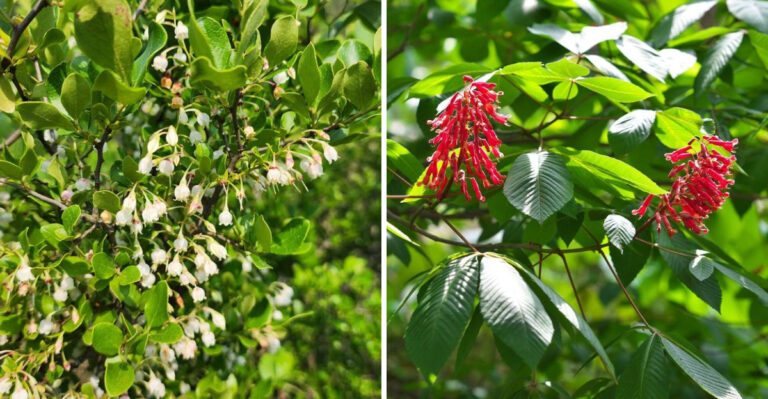
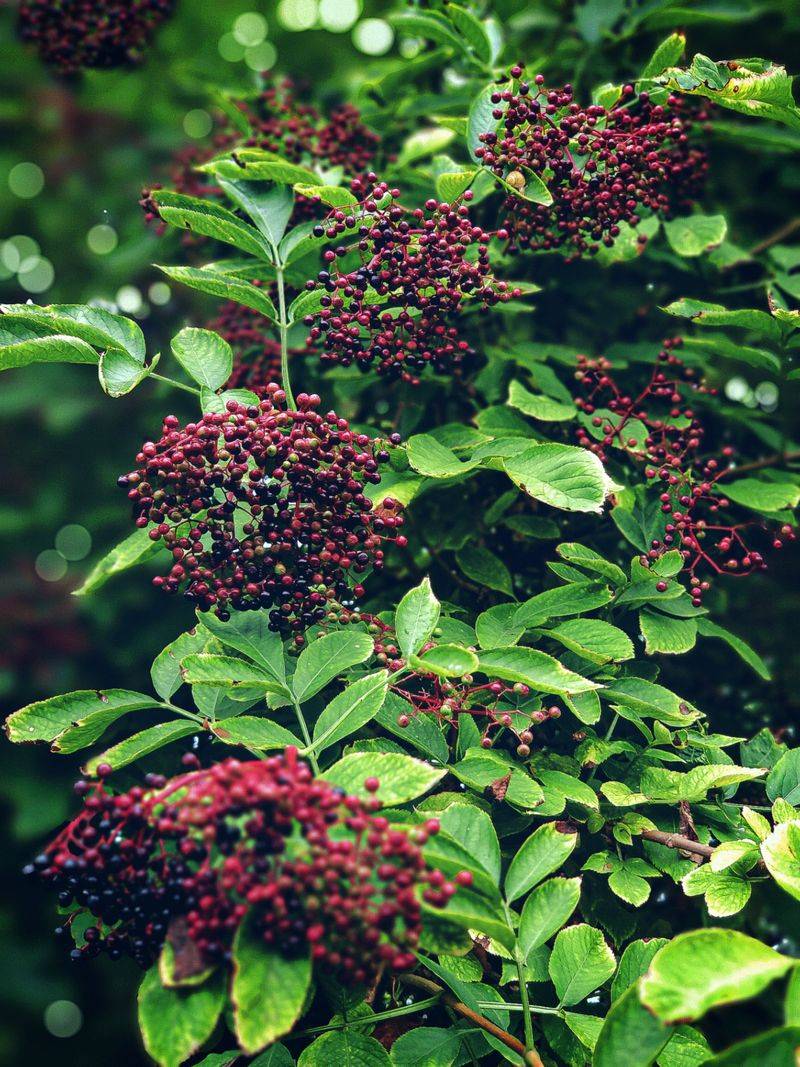
Native elderberry, Sambucus canadensis, roots quickly too and brings pretty white flowers and dark berries that birds adore.
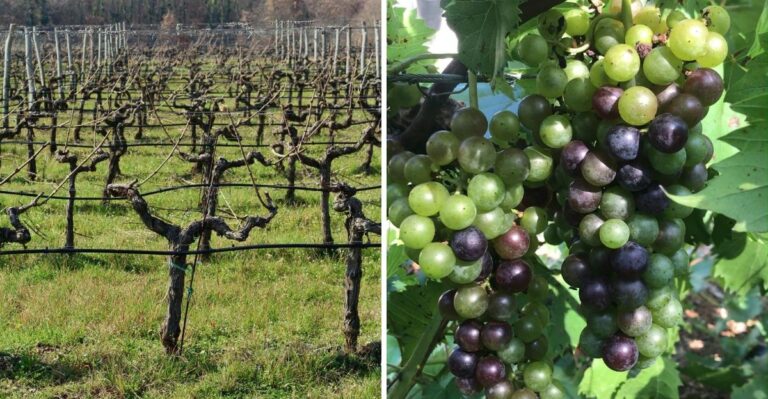
Bunch grapes are another strong choice. Forsythia, with its bright yellow spring blooms, roots almost as easily as willow. Smooth and panicle hydrangeas, red twig dogwood, and many types of roses also respond well to this method.
Not every plant plays along, though. Muscadines, the famous grapes of North Carolina, are usually started by layering instead. Blueberries are commonly grown from softwood cuttings in early summer rather than from dormant wood.
So a little homework pays off. Before you start snipping, look up the plant you want to grow and check which method works best. NC State Extension offers free, trustworthy guides that cover many common garden plants.
The good news is that so many of these plants already thrive across North Carolina. Figs love the warm summers, elderberries grow wild along creeks and roadsides, and hydrangeas fill yards from Asheville to Wilmington.
When you start with plants that suit the local climate, your new cuttings have an even better chance of growing into strong, happy additions to your garden.
4. Winter Gives Cuttings Time To Callus
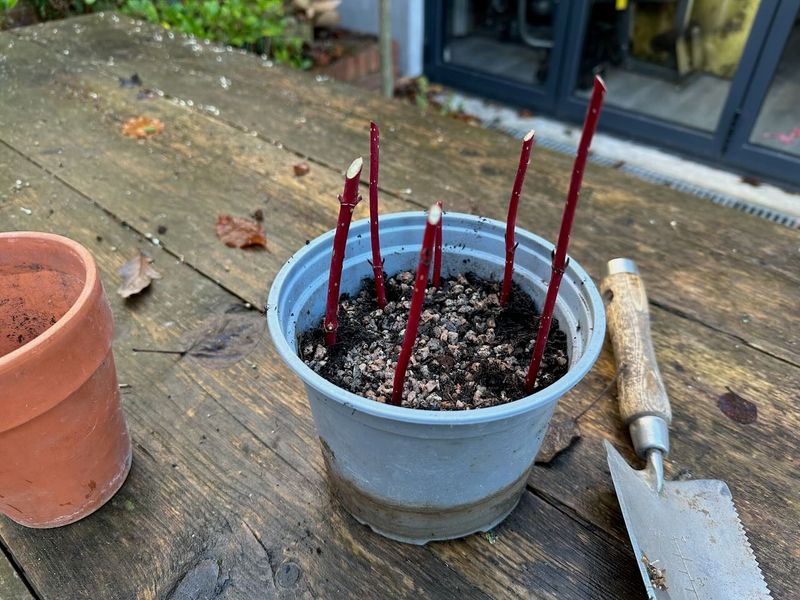
While you sip hot cocoa indoors, your cuttings are busy underground. During the cool months, the bottom end of each stem slowly forms a callus. That is a soft, bumpy layer of cells that seals the wound, and roots often grow from it or nearby.
Timing makes all the difference here. Because the callus forms during winter, many cuttings are ready to root as soon as the soil warms in spring. Instead of starting from scratch in March, they get a head start of several weeks.
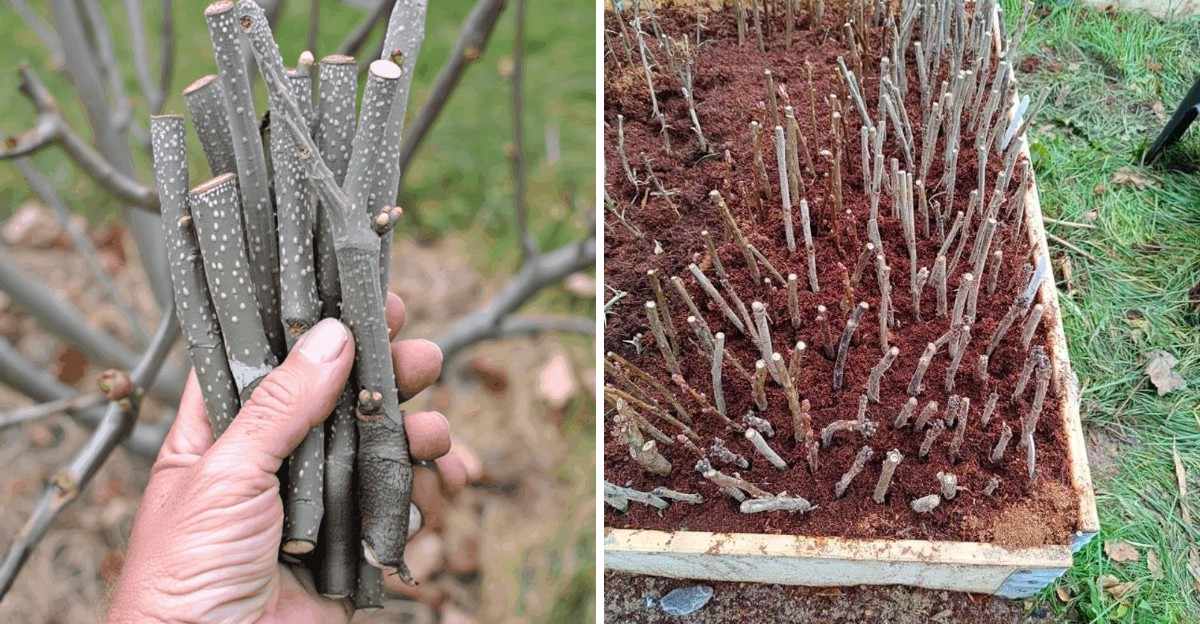
Good technique helps the process along. Cut pieces about 6 to 10 inches long, making sure each one has several buds. At the bottom, make a straight cut just below a bud, since that area roots best.
At the top, make a slanted cut just above a bud. The angle is a clever memory trick, because it tells you which end points up. Planting a cutting upside down is an easy mistake, and it will not grow.
Rooting hormone is optional but helpful. Dip the bottom inch into the powder or gel, tap off the extra, and you are set. Easy rooters like willow and forsythia rarely need it, while trickier plants often appreciate the boost.
North Carolina gardeners get a real bonus from this slow winter rest. Our cool but not brutal weather lets callus form steadily without much help from you. Nature handles the hard part.
Your job is simply to make clean cuts with sharp, sanitized pruners so the stems heal quickly and stay healthy.
5. Mild Winters Allow Rooting Outdoors
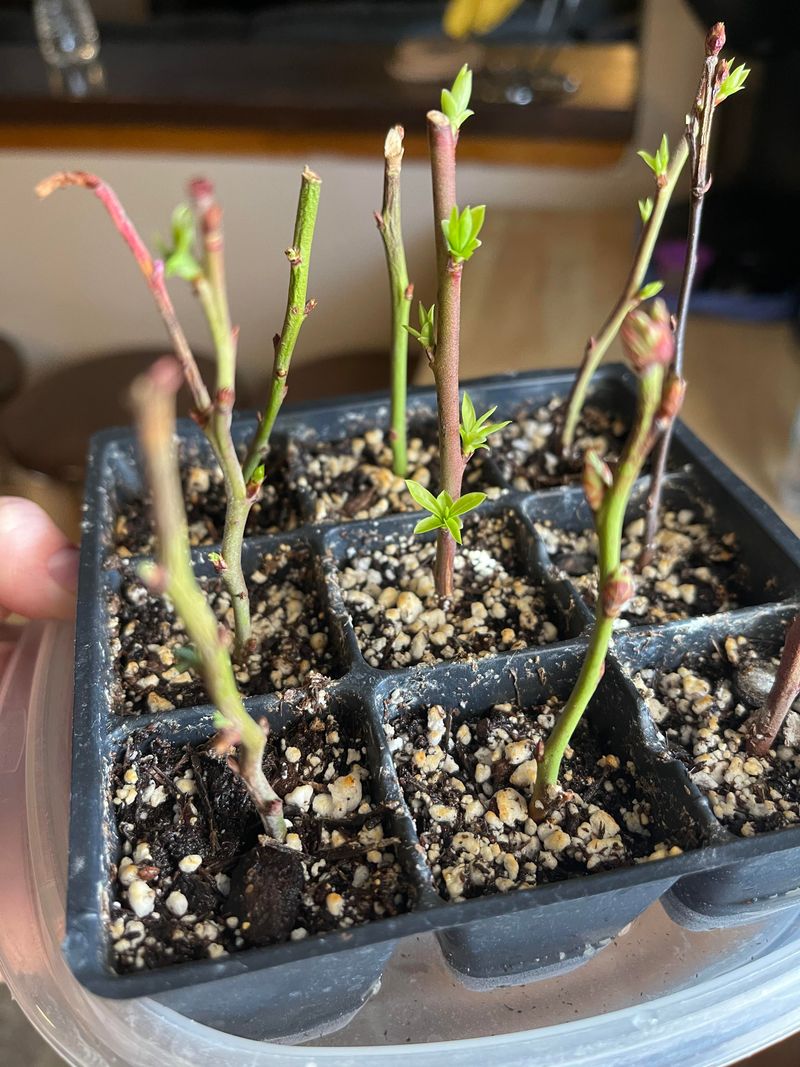
Gardeners in Minnesota might be jealous of this one. Across much of North Carolina, winters stay mild enough that you can stick hardwood cuttings straight into the ground outside.
They sit quietly through the cold months and start rooting once spring warms the soil. Picking the right spot is step one.
Look for soil that drains well, since soggy ground can cause cuttings to rot. Some shelter from strong winter wind, like a fence or the side of a shed, helps too.
Next, prepare the bed. Loosen the soil several inches deep and mix in a few shovels of compost to keep it light and moist. Our famous red clay especially benefits from this extra care.
Now comes the fun part. Push each cutting straight down so only the top one or two buds peek above the soil. If the ground is firm, make a hole first with a pencil or stick so you do not scrape off the hormone or damage the bark.
After that, press the soil snugly around each stem to remove air pockets. Water the bed well, then add a light layer of mulch such as shredded leaves or pine straw. The mulch keeps moisture steady and protects against sudden temperature swings.
Outdoor beds work especially well in the Piedmont and Coastal Plain, where hard freezes come and go quickly.
Space cuttings a few inches apart in rows so you can find them easily later. By next fall, many will have strong roots and be ready to move to their permanent homes in your yard.
6. Cuttings Can Be Stored For Spring Planting
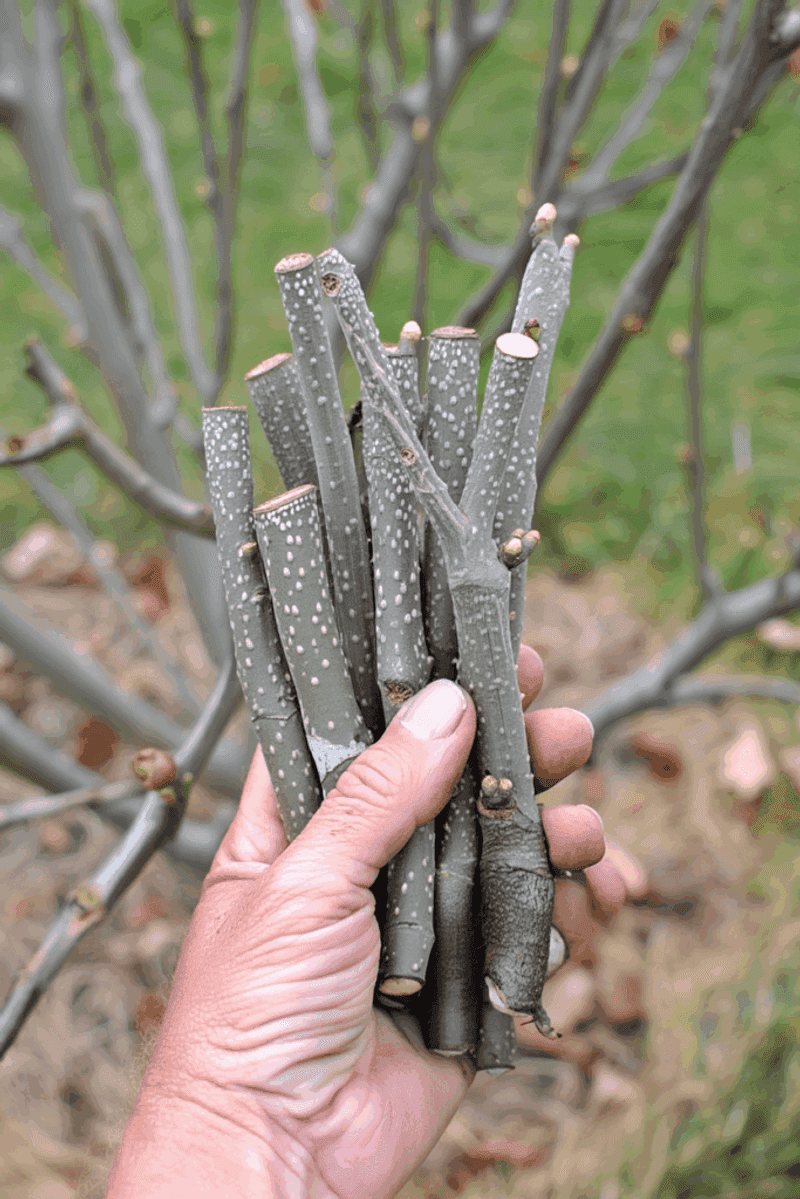
Up in Boone, the ground can freeze hard, and snow may cover the garden for days. That makes outdoor rooting beds risky in the Mountains. Happily, hardwood cuttings offer a simple backup plan.
You can take your cuttings in late fall, store them all winter, and plant them in early spring. They stay dormant while stored, and many still root well once they hit the soil. Busy gardeners love this option too, since it lets you collect wood now and plant later.
Start by gathering cuttings into small bundles. Line up the bottom ends so they all face the same direction, then tie them loosely with twine. Add a label with the plant name so nothing gets mixed up.
Moisture is the next key. Wrap each bundle in newspaper that is slightly damp, not dripping, and slip it into a plastic bag. Another choice is burying the bundles in a box of moist sand or sawdust.
Keep stored cuttings cold, around 35 to 40 degrees Fahrenheit. A spare refrigerator works great, though keep fruit away, since ripening fruit gives off a gas that can harm buds. An unheated garage or cellar is fine as long as it stays above freezing.
Check them every few weeks for mold or dryness. Then, in early spring, plant them outside just as you would in fall.
North Carolina’s weather changes a lot from the Blue Ridge to the Outer Banks, so this flexible method lets gardeners in every corner of the state join in.
7. It Turns Fall Pruning Into Free Plants
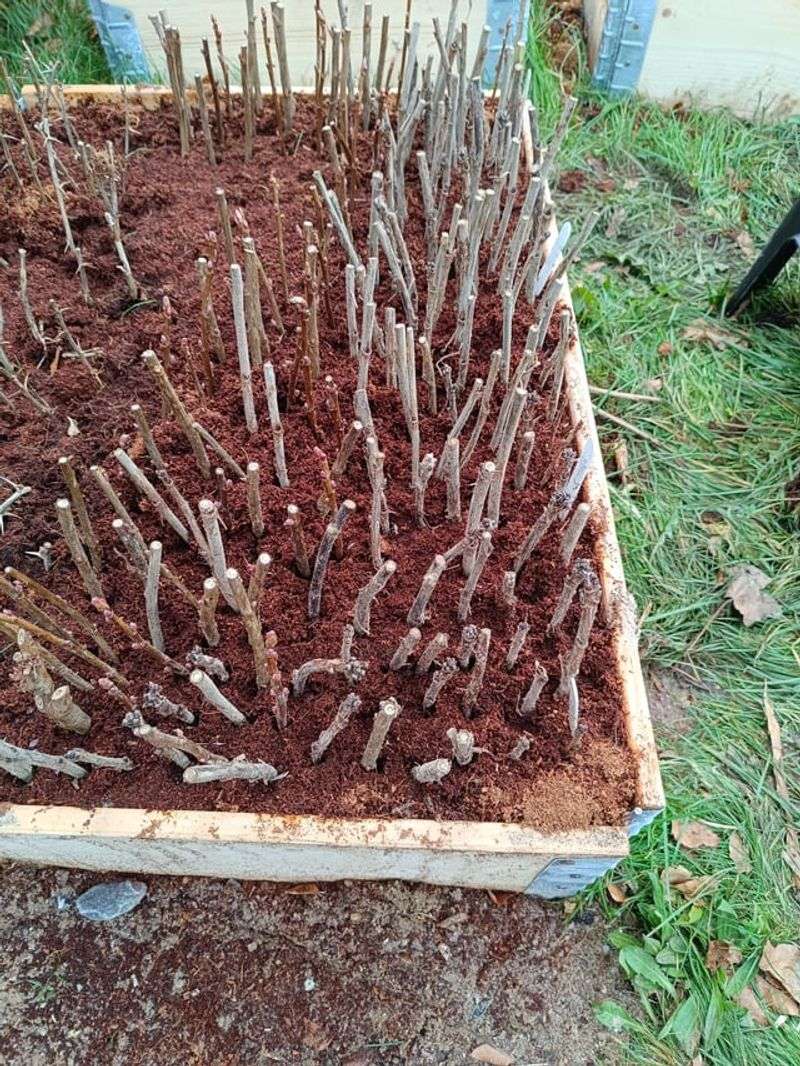
Every winter, piles of perfectly good stems end up on the curb or in the compost. What a waste! Those same branches could become a whole new hedge, a fig tree for your sister, or a row of roses along the driveway.
Plenty of gardeners already prune shrubs in late fall and winter. Instead of tossing the trimmings, look for healthy, pencil-thick stems from last season’s growth. Skip anything thin, damaged, or showing signs of disease.
Focus on plants that root easily, such as figs, forsythia, elderberry, and red twig dogwood. Cut those saved stems into proper lengths right away, or store them until you are ready. A little organization now saves headaches later.
Labels matter more than you think. Bare sticks all look alike in February, so mark each batch with the plant name and the date you took it. Plastic plant tags and a permanent marker work well, and they hold up in wet weather.
Next year, you will probably have more rooted plants than you need. That is the best part! Share extras with friends, neighbors, school gardens, or local plant swaps, which pop up across North Carolina every spring.
Many old Southern gardens grew exactly this way, with cuttings passed from one family to the next for generations. You can keep that tradition alive.
For gardeners here, hardwood cuttings make it easy to fill new beds, replace aging shrubs, or try fresh varieties without spending a dime. All it takes is a sharp eye during pruning and a few minutes of extra effort.