This Is Where Copperheads Spend the Winter in North Carolina Yards and Why Your Woodpile Matters
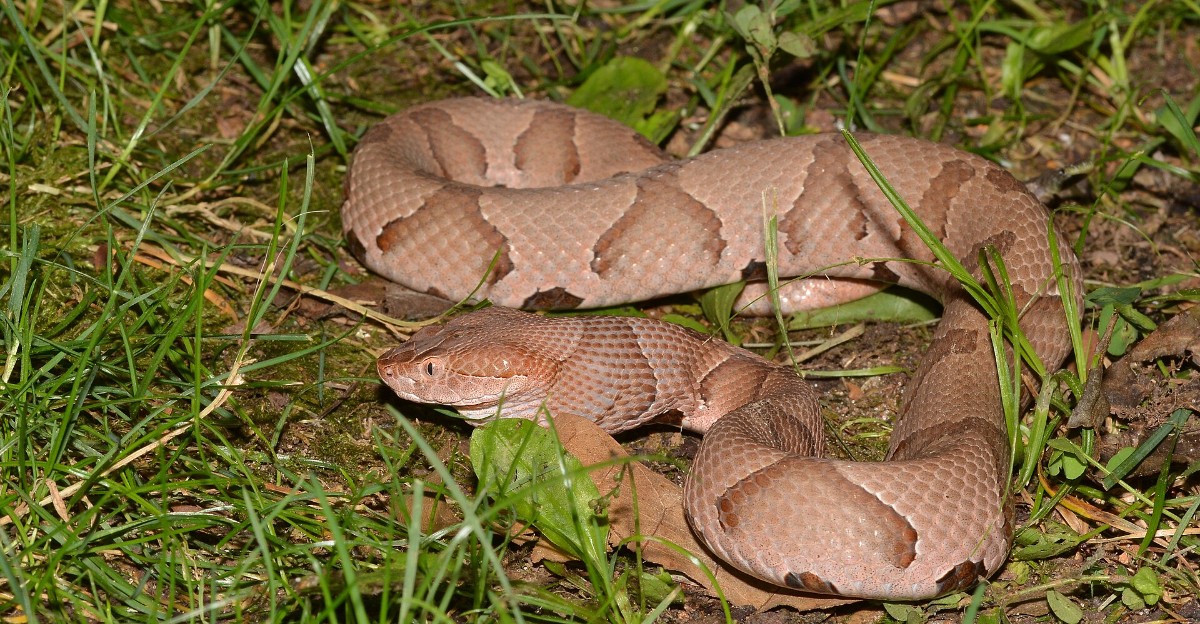
Some snakes in our area spend the cold months curled up with total strangers, including snakes of other species. They pick a shared hideout, tuck in below the frost line, and wait for spring.
I learned this while stacking firewood one November afternoon in North Carolina. Suddenly every gap between my logs looked a little more interesting, and a little less innocent.
You probably have a few of these cozy hideouts in your own yard right now. Stacked logs, deep leaf piles, and forgotten lumber all trap warmth and shelter the mice that hungry snakes love to eat.
Personally, I would rather know where these quiet neighbors settle in than be surprised by one in March. So which spots in a typical yard rank highest on their winter wish list, and is your woodpile one of them?
1. Those Copperheads Are Not Really Sleeping Through Winter
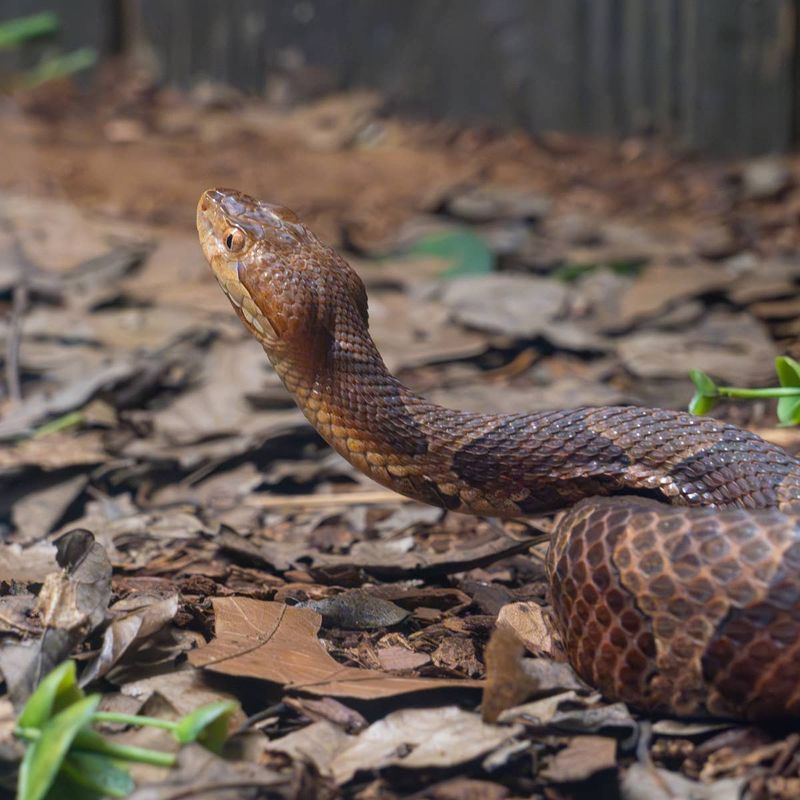
Copperheads do not hibernate the way bears do. They go through brumation, a slowed-down state where their body temperature drops along with the weather around them.
In North Carolina, this quiet stretch usually runs from about October or November into March or early April. Timing shifts a bit by region, so mountain snakes tend to tuck in earlier and stay put longer than coastal ones.
During brumation, a copperhead barely moves and rarely eats. Its heart rate slows, and it relies on energy stored during the warm months. That is why late summer and fall are busy hunting seasons for them.
Here is the part that surprised me most. These snakes are not lone sleepers in winter. They often share dens with other copperheads and sometimes with black rat snakes or timber rattlesnakes, a habit researchers have documented for years.
Brumating snakes can still wake up briefly. On a sunny winter afternoon when it climbs toward the 60s, a copperhead may crawl out to bask or sip water before heading back in.
So a mild January day is not a guarantee that every snake is out of sight. Keep your eyes open, especially near sunny rocks and walls.
2. Rock Crevices And Old Stump Holes Make Prime Copperhead Dens
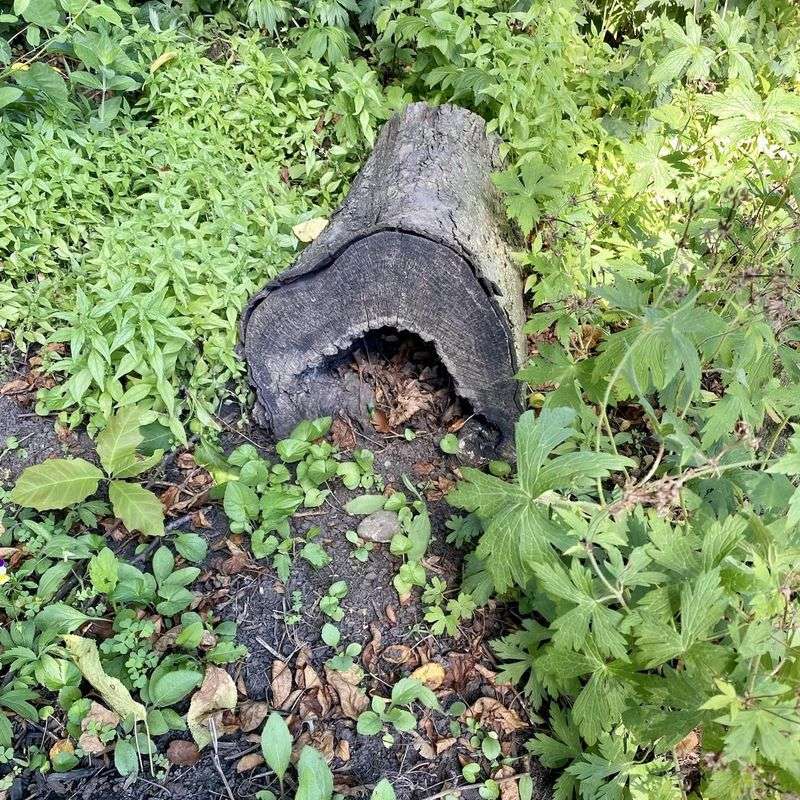
Ask a wildlife biologist where copperheads overwinter, and you will likely hear about rocks and stumps first. Natural shelters like these are their top choice.
Rock fissures, rocky hillsides, and old stump holes give snakes access to spaces below the frost line. Down there, temperatures stay steady enough to keep a cold-blooded animal safe until spring.
Stump holes are especially sneaky. When a tree’s roots rot away underground, they leave tunnels and pockets that act like a ready-made apartment building for snakes and small mammals.
Many yards in the Piedmont and mountains back right up to wooded edges with exactly these features. If your property has an old cut stump, a rocky slope, or a crumbling stone wall, those are the spots most worth noticing.
You do not need to dig out every stump in panic. Simply knowing where these places are helps you move carefully when spring cleanup begins.
I like to mark these areas in my mind and avoid reaching blindly into them. Wear sturdy gloves and boots when working nearby, and use a rake or stick to move debris instead of your hands. A little caution goes a long way.
3. Your Firewood Stack Can Turn Into A Snake Hotel
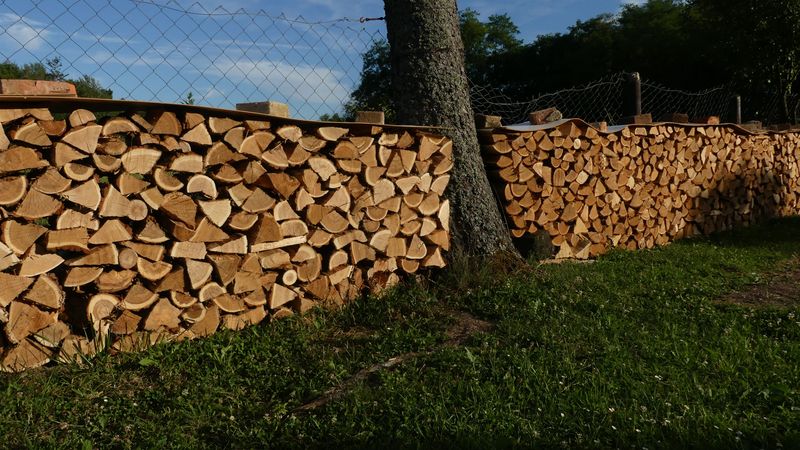
A woodpile is basically a five-star resort from a copperhead’s point of view. It offers shelter, darkness, and dinner all in one spot.
Logs stacked directly on the ground create damp, shaded gaps that hold warmth better than open lawn. Those gaps also attract mice, chipmunks, insects, and even small frogs, which are favorite copperhead meals.
Copperheads are ambush hunters. They wait quietly in tight spaces and let food come to them, so a busy rodent hangout near a woodpile is a dream setup.
Most experts consider woodpiles more of a fall and early spring hangout than a deep winter den. Still, a big, long-standing stack with ground contact can stay cozy enough for a snake to linger well into the cold season.
The real trouble comes when you pull logs out for the fireplace. Reaching into a stack without looking is one of the easiest ways to get surprised.
My rule is simple. I grab wood from the top, wear thick leather gloves, and lift logs toward me so anything underneath can move away. Bringing a flashlight on gray evenings helps a lot too.
4. Lift That Woodpile Onto A Rack And Move It Away From The House
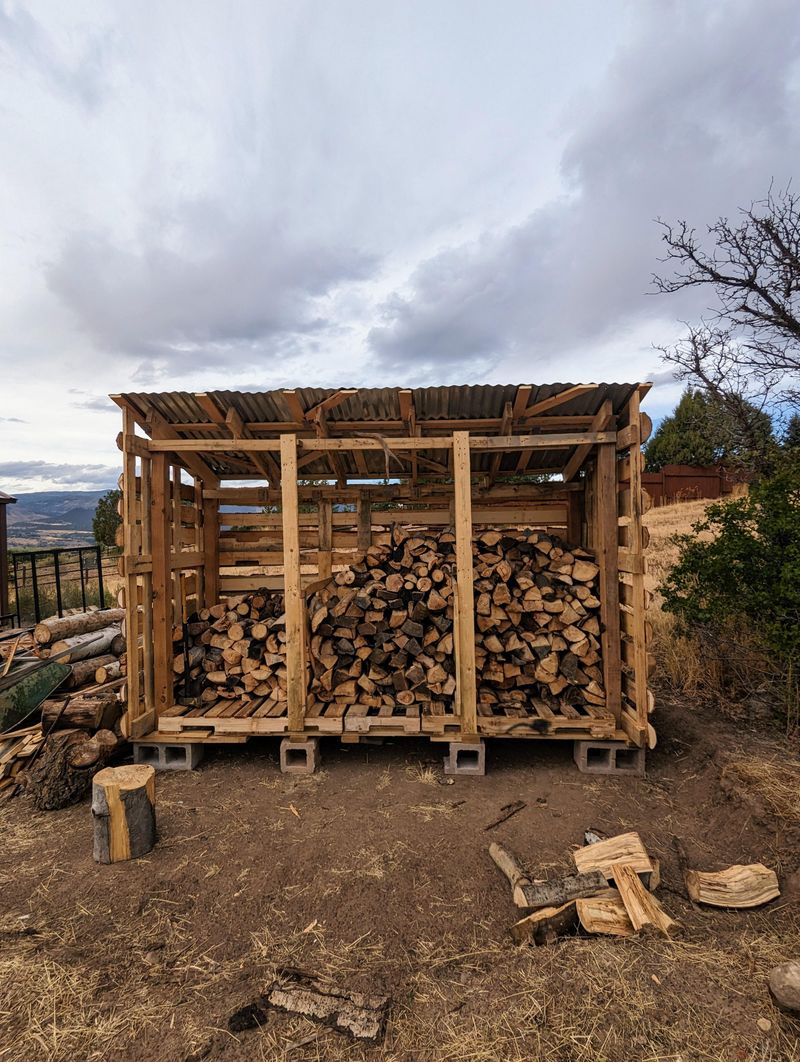
Getting your firewood off the ground might be the single best change you make this season. It is easy, cheap, and it works.
Store logs on a sturdy rack at least 12 inches high. Air can flow underneath, the space stays drier, and the dark pockets that snakes and rodents love mostly disappear.
Distance matters just as much. Experts commonly suggest keeping woodpiles about 20 feet or more from your house, sheds, and porches.
That buffer does two jobs. It keeps any visitors farther from your doors, and it moves the rodent buffet away from your foundation, which helps with mice inside too.
I also keep only the wood I plan to burn this winter. Huge piles that sit for years get crumbly, buggy, and full of hiding spots.
A few extra tips help: Keep grass and weeds trimmed around the rack. Avoid stacking wood against fences or walls, since that creates shady tunnels behind it. Cover the top with a tarp, but leave the sides open for airflow.
Honestly, my stack looks neater now, and I feel a lot calmer walking out to fetch logs after sunset.
5. Leaf Piles, Mulch Heaps, And Lumber Stacks Deserve A Second Look
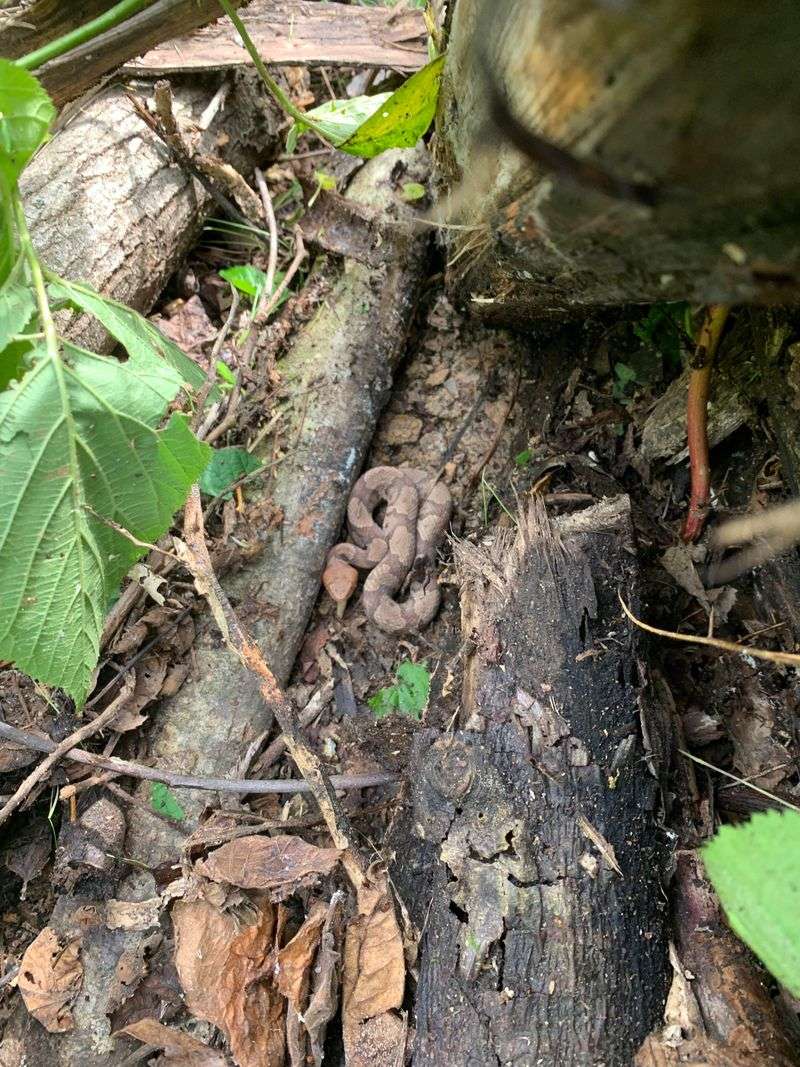
Woodpiles get most of the attention, but they are not the only cozy corners out there. Plenty of everyday yard clutter does the same job.
Deep leaf piles, old mulch heaps, compost bins, scrap lumber, sheet metal, and stacked bricks all trap warmth and moisture. They also give rodents a place to nest, which draws hungry snakes nearby.
Leftover building materials are a big one. A few boards forgotten behind the shed can shelter snakes for months without anyone noticing.
Leaves are tricky, though, since they help pollinators and soil life. You do not have to bag every single one.
A smart middle ground works well. Keep leaf mulch spread thin in garden beds rather than heaped deep, and keep piles away from doors, walkways, and play areas.
For junk piles, the answer is simpler. Haul off what you do not need, and store the rest on pallets or racks off the ground.
When you do clean up, pick a cool day and go slow. Use a rake or shovel to move material, wear gloves, and watch your feet. Kids and pets should stay inside until the job is done.
6. Mothballs And Sulfur Will Not Chase Copperheads Away
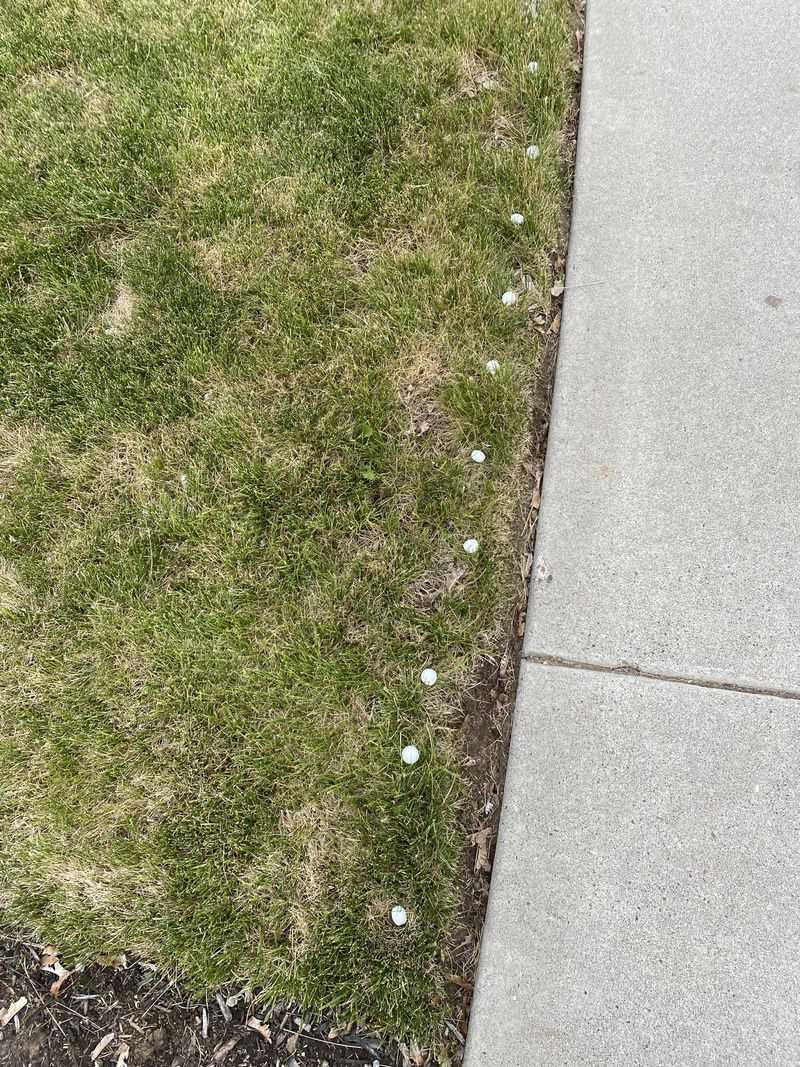
Mothballs, sulfur, lime, and salt get passed around as snake repellents all the time. Sadly, research and wildlife experts agree they do not reliably work.
Worse, mothballs contain chemicals that can harm pets, kids, and soil life, and using them outdoors goes against their label. Store-bought snake sprays have a poor track record too.
What actually helps is boring but effective. Take away food, water, and shelter, and snakes tend to move on.
Start with rodents. Keep trash cans tightly lidded, store birdseed and pet food in sealed bins, and clean up spilled seed under feeders.
Next, look at your house. Seal cracks in the foundation, gaps around pipes, and openings under doors and crawl spaces with caulk, mesh, or weatherstripping.
Fix leaky outdoor faucets and drippy hoses as well. Damp spots attract the frogs and insects that copperheads snack on.
Snake fencing made of fine mesh, buried a few inches deep and angled outward, can protect a small area like a play space.
It costs more and needs upkeep, but it beats spreading chemicals around. I would much rather spend a Saturday caulking than worrying about what my dog sniffed.
7. Spring Warmups Bring Copperheads Out Of Their Winter Hideouts
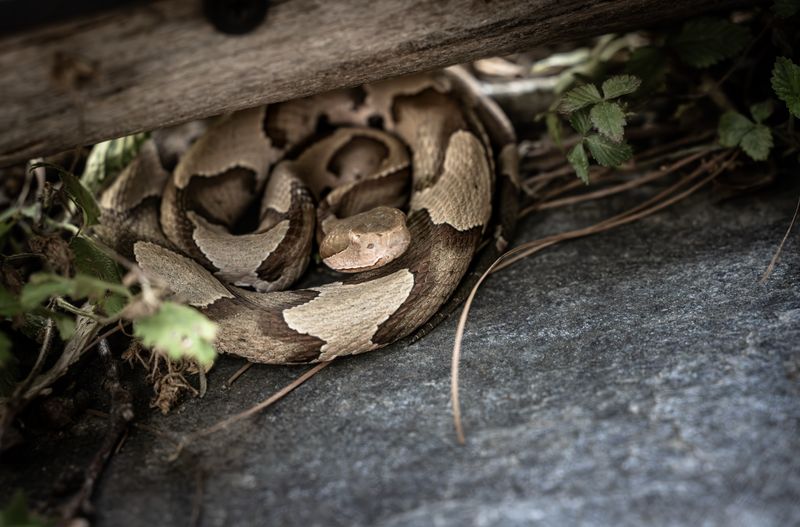
Late winter is when I start paying closer attention. Once days warm up in March and April, copperheads begin leaving their dens.
Freshly emerged snakes are often sluggish. They like to bask on sunny rocks, walkways, foundation edges, and the south side of woodpiles to warm up.
Their copper-colored heads and hourglass-shaped bands blend into leaf litter almost perfectly. Instead of fleeing, they usually freeze and trust their camouflage, which is why people step close without noticing.
Many bites happen when someone accidentally steps on one or reaches into hidden spaces. That makes spring yard cleanup one of the riskiest times.
A few habits lower the odds a lot. Wear closed shoes and gloves, carry a flashlight on warm evenings, and look before you sit on logs or reach under shrubs.
If a bite does happen, stay calm and call 911 or head to the nearest emergency room. Skip ice, tourniquets, and cutting the wound, since those old tricks cause harm.
Copperhead bites are very rarely life-threatening, but they are painful and need medical care. You can also call the Carolinas Poison Center for guidance on the way.
8. Give That Copper-Headed Neighbor Some Space And Respect
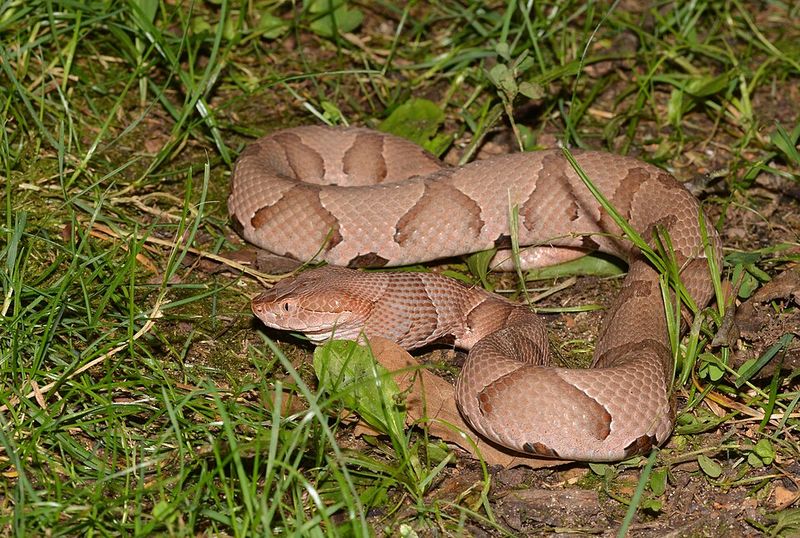
Copperheads are the most common venomous snake in North Carolina, found from the mountains to the coast. Chances are good one lives somewhere near you already.
They are not out to get anyone. These snakes are shy, prefer to stay hidden, and spend much of their lives eating mice, voles, and insects like cicadas.
That rodent control is a real benefit. Fewer mice means fewer chewed wires, raided gardens, and pests trying to slip indoors.
If you spot one, the safest move is to back away and give it room. Most will leave on their own once things quiet down.
Trying to capture or harm a snake is when many bites happen. If one sets up near a doorway or play area, call a licensed wildlife control operator. The NC Wildlife Resources Commission website lists helpful contacts.
Your winter to-do list can stay short. Raise the woodpile and move it away from the house, clear clutter and junk piles, control rodents, and seal gaps in your foundation.
Do those few things, and your yard becomes a less tempting winter hideout. You get peace of mind, and the snakes find somewhere wilder to curl up.