The Winter Guest Chewing Wires In South Carolina Crawl Spaces
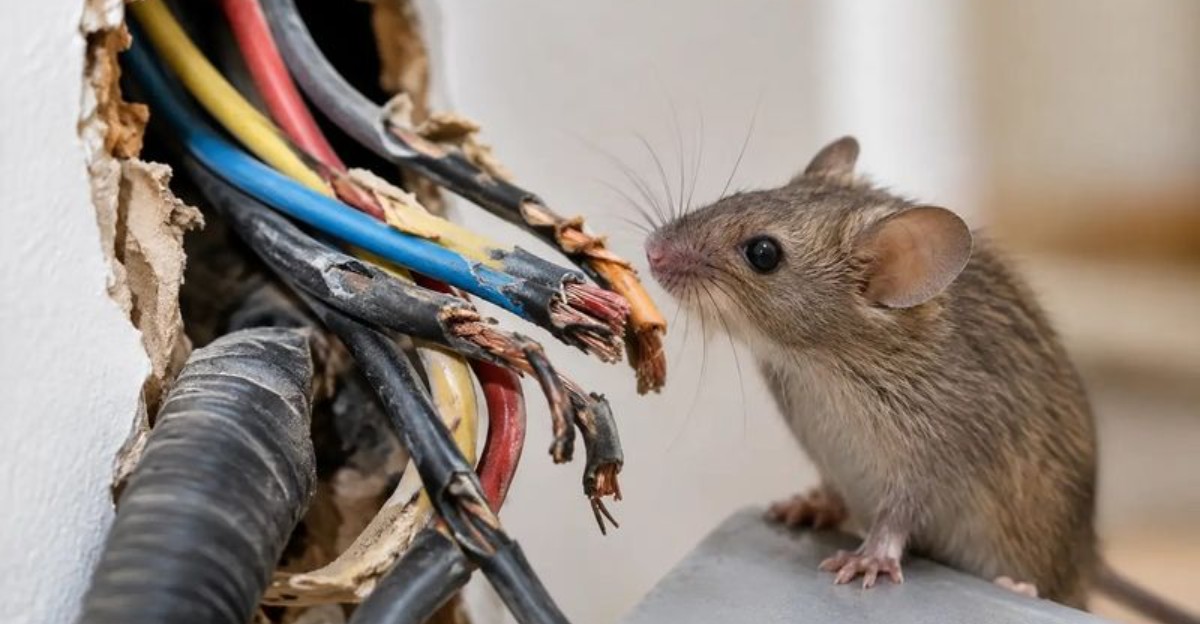
A rat’s front teeth grow roughly five inches a year, and they keep growing for its whole life. That one quirky fact explains a lot of strange noises under South Carolina homes once the nights turn chilly.
I learned the hard way that a flickering porch light can mean more than a loose bulb. Mine turned out to be a nibbled wire tucked behind a floor joist. The culprit had moved in quietly and made itself at home.
Here’s what gets me. Plastic wire coating is soft enough to chew but tough enough to wear teeth down, so it makes a handy nail file for small mouths. Your crawl space offers dry ground, warm ducts, and fluffy insulation, all in one hidden spot.
So who exactly is scratching around down there after dark, and how bold are they willing to get?
Those Scratching Sounds Under Your Floor Have a Furry Source
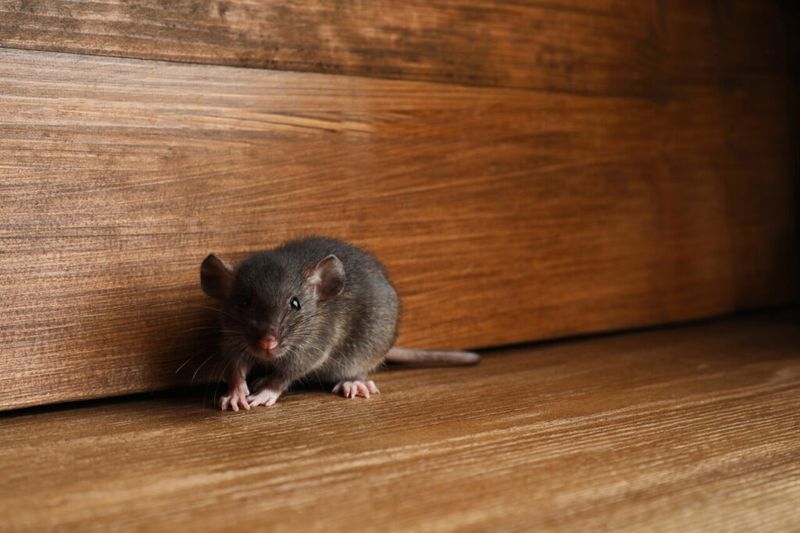
Late one January night, I heard a soft skittering right below my kitchen. It stopped, started again, and then came a faint gnawing sound that made my skin crawl.
In most South Carolina homes, that noise points to rodents. The usual suspects are Norway rats, roof rats, and house mice. Norway rats are stocky burrowers that love ground-level spaces, while roof rats are slimmer climbers that often travel along pipes and wires. House mice are small enough to slip through gaps you would barely notice.
Squirrels can also show up, though they usually prefer attics over crawl spaces. Flying squirrels are especially sneaky, since they are active at night like rats.
Winter is when trouble tends to peak. As temperatures drop, rodents look for steady shelter close to food and water. A crawl space checks every box, with dry corners, warm ductwork, and insulation that shreds nicely into nesting material.
Sound timing can help you narrow it down. Rodent noises mostly come at night, while squirrel activity often happens around dawn and dusk. Heavier thumping could mean a bigger visitor, like an opossum or raccoon. Paying attention to when and how the noises happen gives you a head start before you ever lift a crawl space door.
Rodent Teeth That Keep Growing Explain the Chewed Wires
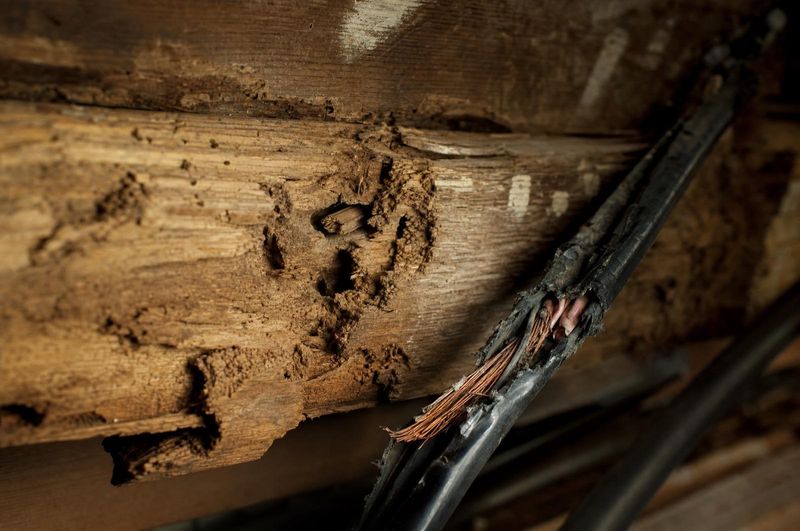
Rodent incisors are a marvel of biology. They grow nonstop, so rats, mice, and squirrels gnaw on hard things to keep those teeth at a usable length.
That orange color on a rat’s front teeth is real, too. It comes from iron in the enamel, which helps make the teeth extra tough. With that kind of equipment, chewing through plastic coating on a wire is easy work.
Wires are not a food source. Rodents chew them because the texture is handy for filing teeth and because cables often run right along their travel routes. A rat moving along a joist will bump into wires constantly, so a nibble here and there adds up fast.
Some people blame soy-based wire coatings for attracting rodents. That idea gets a lot of attention, but solid proof is limited. Older and newer wiring both get chewed, so location matters more than what the coating is made of.
Understanding this habit changes how you handle the problem. You cannot train a rat to stop gnawing, since chewing is built into its body. The smart move is keeping rodents away from the wires in the first place, which means focusing on entry points and shelter.
Bare Copper Wires Can Spark a Fire Risk
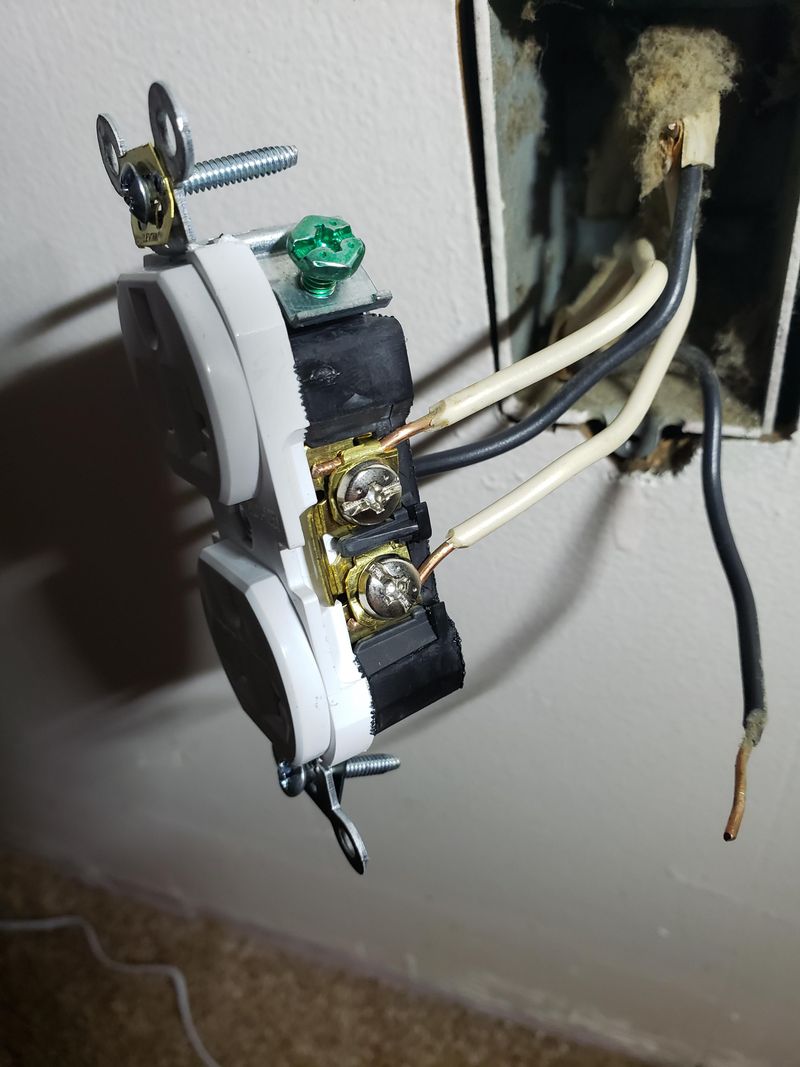
A chewed wire might look like a small scrape. Once the copper shows, though, the risk becomes much bigger than a flickering light.
Exposed wires can short out, trip breakers, or cause outlets to stop working. The more serious concern is heat and sparks near dry insulation, wood framing, or nesting material. Fire safety groups and insurance companies list rodent-damaged wiring as one possible cause of house fires with unknown origins.
Not going to lie, the first time I saw bare copper under my house, I turned off that breaker right away. That is a smart first step if you spot damage. Then call a licensed electrician rather than wrapping the wire in tape and hoping for the best.
Watch for these warning signs inside your home:
Lights that flicker for no clear reason, breakers that trip often, outlets that suddenly stop working, or a faint burning plastic smell. Any of these deserves attention, especially if you have also heard scratching underneath the floor.
Crawl spaces also hold HVAC ducts, plumbing, and sometimes cable or internet lines. Rodents can chew all of them. Catching the damage early saves money and gives you real peace of mind.
Droppings and Greasy Rub Marks Give the Visitors Away
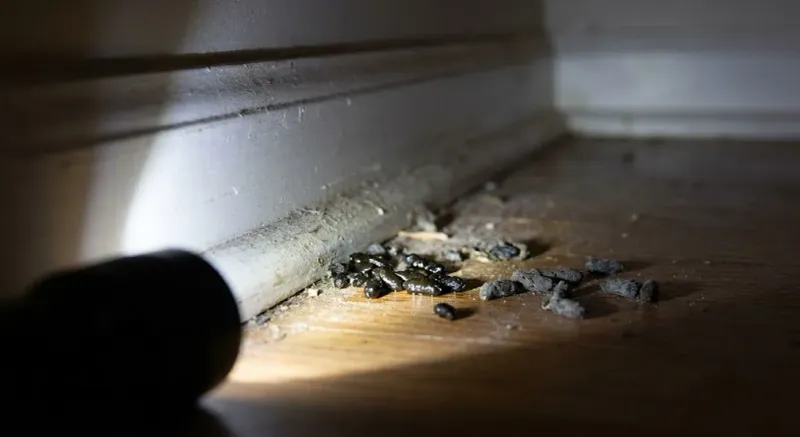
Rodents are shy, but they are terrible at hiding evidence. Grab a good flashlight, a dust mask, and gloves before you take a peek.
Droppings are the clearest clue. Mouse droppings are tiny, about the size of a rice grain, with pointed ends. Rat droppings are larger, roughly half an inch to three-quarters of an inch long. Fresh ones look dark and moist, while older ones turn dry and crumbly.
Look along beams, pipes, and sill plates for dark, greasy smudges. Those rub marks come from oily fur brushing the same path over and over. They basically map out the rodent highway under your house.
Other signs include:
Shredded or flattened insulation, gnaw marks on wood or ducts, small holes in the vapor barrier, and a sharp, musty smell like ammonia. Burrows in the dirt near the foundation often point to Norway rats.
Fair warning, do not sweep or vacuum droppings dry. The CDC suggests spraying them with a bleach and water mix first, letting it soak, then wiping up with paper towels. Rodent waste can carry germs, so careful cleanup keeps you safer.
A Gap the Width of a Pencil Lets Mice Squeeze Inside
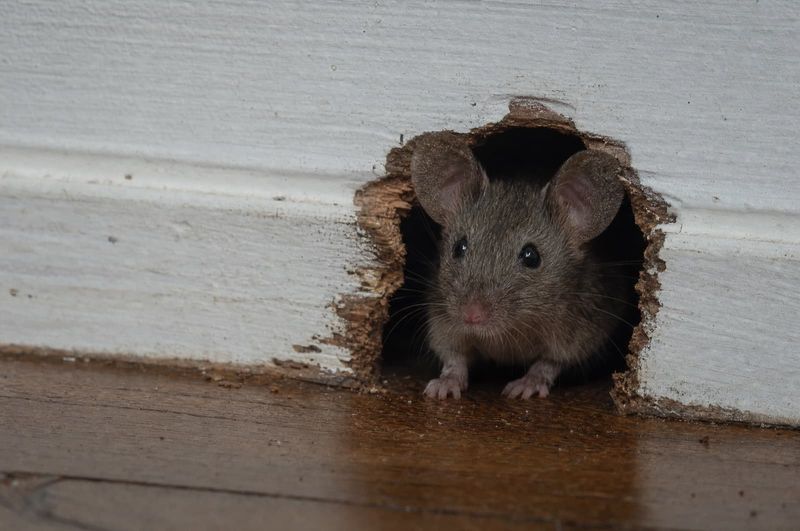
Mice are flexible little escape artists. Research from university extension programs shows a house mouse can squeeze through an opening about a quarter inch wide, roughly the width of a pencil.
Rats need a bit more room, about half an inch, roughly twice the width of a pencil. That still leaves plenty of chances around most foundations.
Walk slowly around your home and check these common trouble spots:
Torn or rusted crawl space vent screens, gaps around pipes and wires entering the house, loose crawl space doors, and cracks in brick or block foundations. Spots where the AC lines enter the house are classic entry points.
Remember that roof rats climb well. Branches touching the roof or vines running up siding give them an easy path. Check up high too, not just at ground level.
I’m the first to admit I skipped the back corner of my house for years, since it was hidden behind shrubs. Sure enough, that was the weak spot. Push plants back a bit so you can see the foundation clearly.
Doing this check in fall works best, before cold weather sends rodents searching for shelter.
Hardware Cloth and Steel Wool Keep Crawl Space Vents Shut Tight
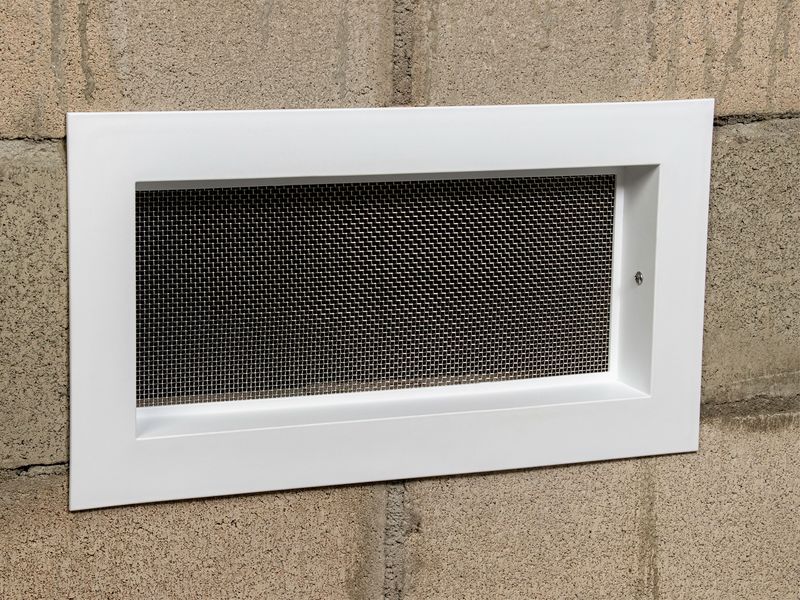
Sealing entry points is the single most effective step against rodents. Trapping without sealing just makes room for the next tenant.
Choose materials rodents struggle to chew. Galvanized hardware cloth with quarter-inch openings works great for vent covers. Expanding foam alone is a weak choice, since rodents can tunnel right through it.
Here is a simple approach:
Pack small gaps with copper mesh or steel wool, then seal over it with caulk or foam to hold it in place. Cover larger openings with hardware cloth or sheet metal. Use concrete or mortar to patch foundation cracks.
Copper mesh is worth a look in humid parts of the state. Steel wool can rust in damp coastal air, while copper holds up longer.
Before you seal everything, make sure no animals are still inside. Trapping a rat in a crawl space can lead to nasty smells later. Some folks install a one-way door for a few days first.
Also check your crawl space door. A snug, solid door with a good latch keeps curious noses out. Small repairs like these often make the biggest difference by far.
Birdseed and Pet Food Bowls Can Invite Rats Closer
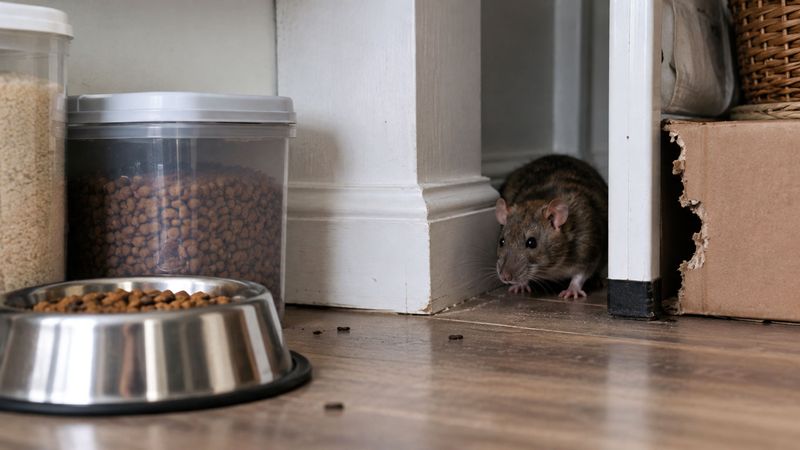
Guilty as charged, I love my winter bird feeders. Then I noticed the spilled seed under them was feeding more than cardinals.
Rodents settle where food is easy to find. Fallen birdseed, outdoor pet bowls, compost piles, and fruit dropped from backyard trees all draw them close to your home. Once they are near the foundation, a crawl space looks very tempting.
Small yard changes help a lot:
Use seed trays under feeders or move them away from the house. Bring pet food inside at night. Store seed and feed in metal cans with tight lids. Pick up fallen pecans, figs, and citrus regularly.
Compost piles are wonderful for gardens, but skip meat, dairy, and greasy scraps. A closed bin with a solid bottom or wire base keeps it rodent-resistant.
Clutter matters too. Woodpiles, thick ivy, and stacks of old pots give rodents hiding spots. Keep firewood raised and stored away from the house.
Trim shrubs back from the foundation so there is a clear gap. That bare strip makes rodents feel exposed, and it lets you spot problems more easily. Your garden can stay lovely without hosting a rat buffet.
Calling a Wildlife Pro Makes Sense for Raccoons and Big Messes
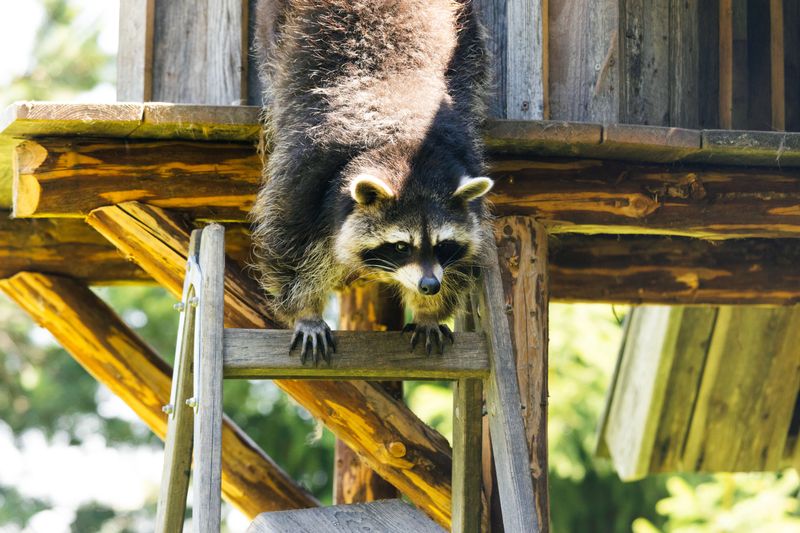
Some jobs are fine for a weekend project. Others call for an expert with the right gear and training.
Bring in help if you see heavy damage, large amounts of droppings, or signs of bigger animals. Raccoons, opossums, and skunks sometimes move into crawl spaces too. In South Carolina, most wildlife relocation rules are handled by the Department of Natural Resources, and moving certain animals yourself can break state rules.
A licensed wildlife or pest control company can find hidden entry points, remove animals safely, and clean up contaminated insulation. Many also offer exclusion work with warranties.
Ask a few questions before hiring:
Are you licensed and insured? Do you seal entry points, or only set traps? Do you offer follow-up visits? A good company explains its plan clearly.
After everything is fixed, keep checking. Peek into your crawl space each fall and after big storms. Walk around the foundation and look for fresh gaps or droppings.
Trust me on this one, a twice-yearly check takes less time than one electrician visit. Staying a step ahead keeps your wires safe and your winter nights much quieter.