Why Your California Houseplants Need Less Water In November
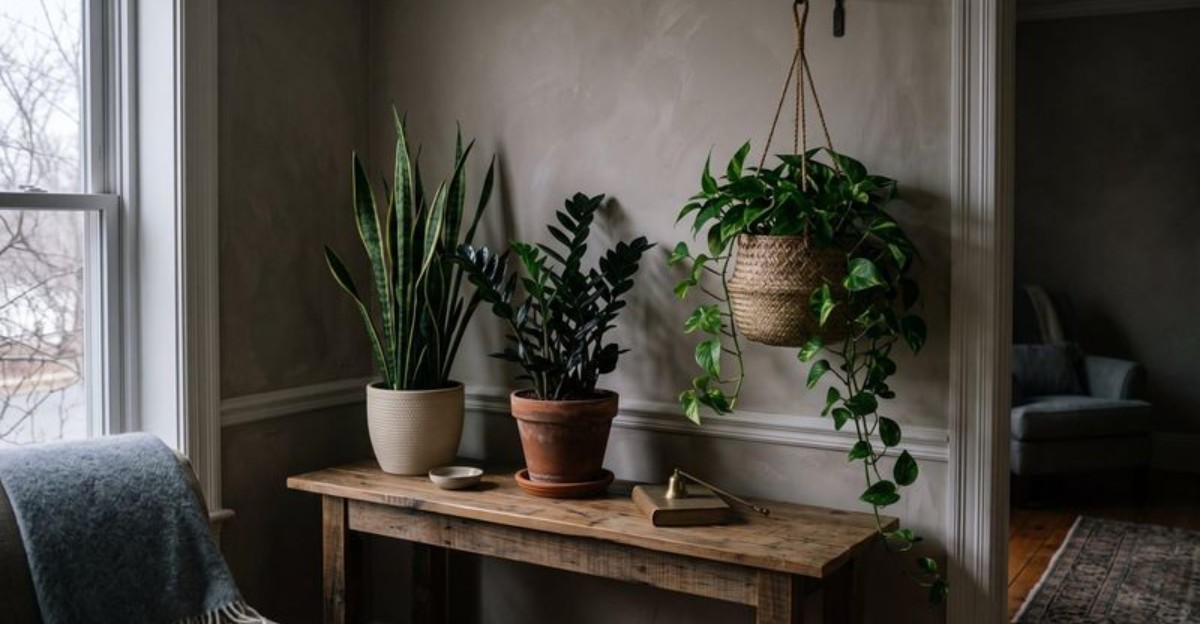
Los Angeles receives roughly four fewer hours of daylight in November than it does around the summer solstice, and indoor plants feel that seasonal change too. With less sunlight available, growth slows, leaves use less moisture, and potting soil takes considerably longer to dry.
A pothos that needed frequent drinks in July may now sit comfortably for several extra days between waterings. Even homes that stay warm throughout the California winter experience these changes, which can catch attentive plant owners off guard.
I learned this lesson the hard way after watching yellow leaves appear on a plant I had watered faithfully all summer. My first instinct was to add more water, when the roots actually needed a chance to dry out.
From tropical foliage to sturdy succulents, November calls for a gentler watering routine. Could your favorite houseplant be asking for a little less attention?
1. Shorter Days Put Your Pothos In Slow Motion
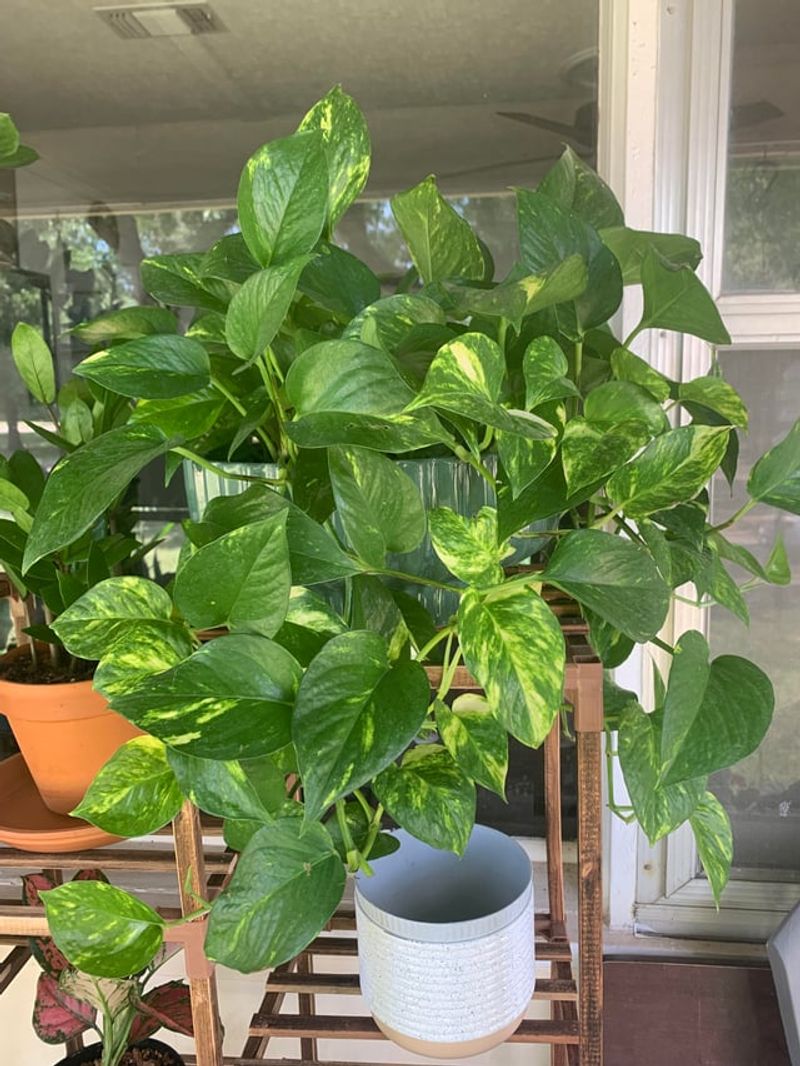
Sunlight is basically plant food, and November serves up a much smaller plate than summer ever did. In many California cities, daylight shrinks to roughly ten hours, and the sun sits lower in the sky.
Your pothos, philodendron, and monstera all rely on light to power photosynthesis, which drives their growth. When that energy drops, plants slow their metabolism and pull noticeably less water from the potting mix.
I love watching my trailing pothos during summer, because new leaves seem to unfurl every few days. By late fall, those same vines barely budge, and that pause is a healthy, natural response.
Less growth means fewer new cells that need water, so the roots simply do not drink as much. Watering on a summer rhythm now sends extra moisture into soil that is already holding plenty.
You can help by moving plants closer to bright windows, since winter sun is gentler and rarely scorches leaves. South and west windows usually offer the best light, though sheer curtains still help with sensitive tropical foliage.
Personally, I rotate my pots a quarter turn every week or two so every side gets some light. That simple habit keeps plants from leaning while they rest through these darker weeks of the year.
Think of reduced watering as matching the pace your plant has already chosen for itself this season. When light fades, the thirst fades with it, and your watering can deserves a little vacation too.
2. Resting Monstera Leaves Use Less Moisture
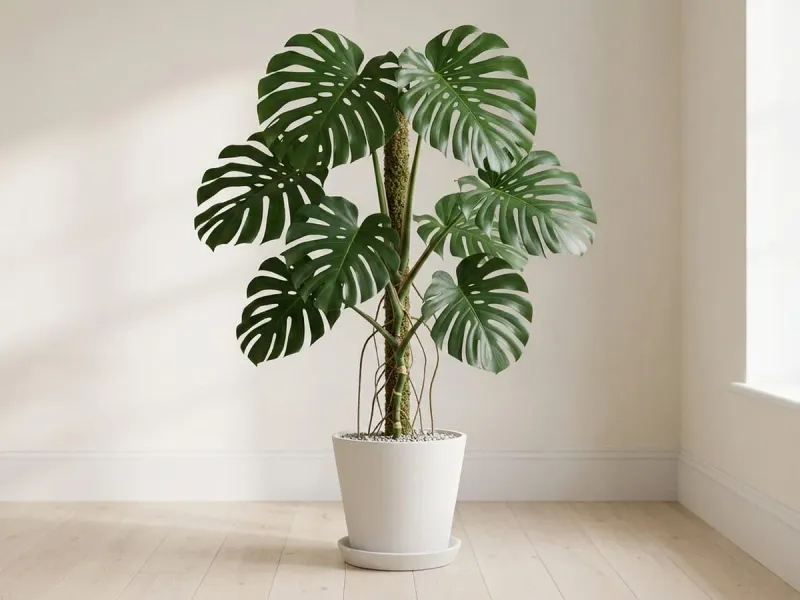
Many tropical houseplants enter a quiet resting phase in fall, even though they never fully go dormant indoors. Your monstera may stop pushing out those dramatic split leaves until longer days return next spring.
A slowdown like this often worries new plant parents, but it usually signals a plant behaving exactly as expected. Growth naturally ebbs and flows with the seasons, and houseplants follow that pattern even in heated homes.
When a plant rests, its roots take up water more slowly, so moisture lingers in the pot much longer. A monstera that wanted water weekly in August might only need it every two weeks now.
I have to admit, I used to panic when my monstera stalled, so I watered more to wake it up. That strategy only soaked the roots and caused droopy, yellowing leaves within a few short weeks.
Skip the fertilizer during this resting stretch, too, because unused nutrients can build up and stress the roots. Most extension experts suggest pausing feeding from late fall until new growth appears again in early spring.
You might notice slightly paler leaves or fewer aerial roots forming, and that is perfectly normal for now. Keep the plant clean by wiping dust off its broad leaves so it captures every bit of light.
Patience pays off here, and resting plants tend to come back strong once the sun climbs higher. Give your monstera a break, and it will reward you with fresh, glossy leaves later in the year.
3. Soggy Potting Soil Starves Roots Of Oxygen
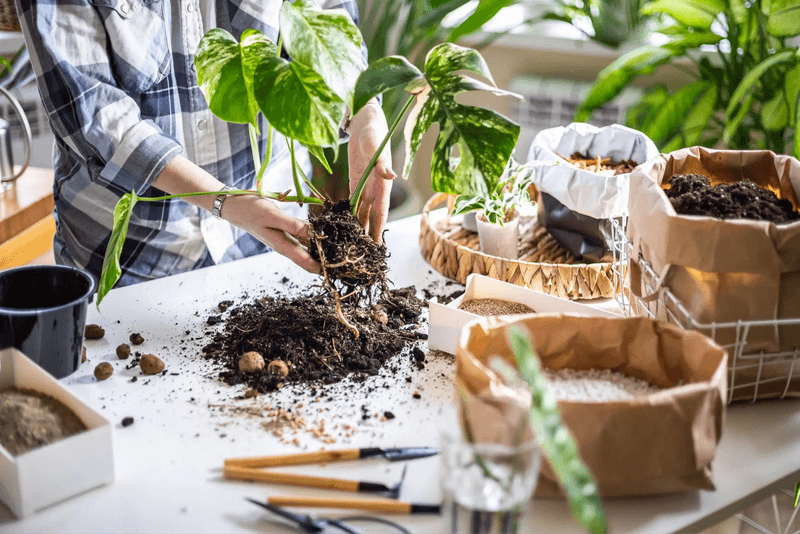
Roots need air just as much as they need water, which surprises plenty of people the first time. Every pocket in healthy potting mix holds a little oxygen that roots breathe while they absorb moisture.
When soil stays soaking wet for too long, water fills those pockets and pushes the oxygen right out. Roots then struggle to function, and fungi that cause root rot thrive in those soggy, airless conditions.
Healthy roots usually look firm and white or light tan, with a fresh, earthy smell. Rotting roots turn brown or black, feel mushy when squeezed, and often give off a sour, swampy odor.
What surprises me most is how overwatering can look just like thirst from the outside of the pot. Leaves may wilt and yellow because damaged roots cannot move water upward, even though the soil feels wet.
If you suspect trouble, gently slide the plant out of its pot and take a quick peek. Trim away soft, discolored roots with clean scissors, then repot into fresh, well-draining mix in a clean container.
Cooler fall conditions make root rot more likely, because wet soil dries slowly when plants are barely growing. That combination is exactly why cutting back on water now protects your plants from serious decline later.
I check roots on any plant that suddenly sulks, and it has saved several of my favorites. A quick look underground tells you far more than guessing from the leaves alone.
4. Cooler Rooms Keep Potting Mix Damp Longer
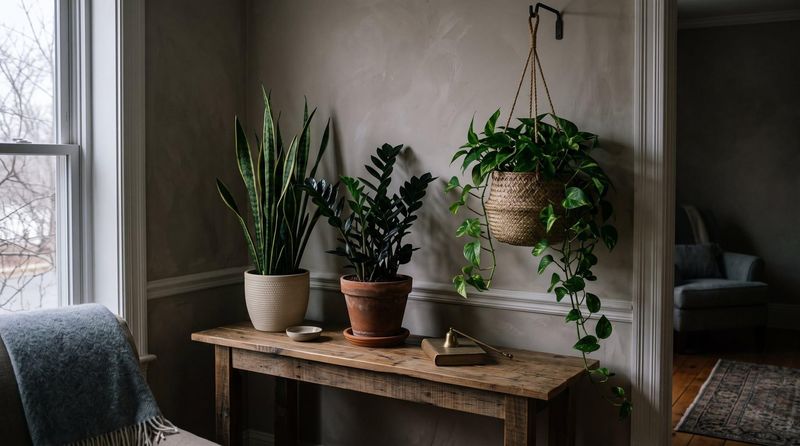
Warm summer air pulls moisture out of soil surprisingly fast, almost like a gentle invisible sponge. Once indoor temperatures dip in fall, that drying effect slows down, and pots hold water much longer.
Even mild California homes often run several degrees cooler at night by November, especially near drafty windows. Lower temperatures also slow transpiration, which is the water vapor leaves release through tiny pores called stomata.
Put those two changes together, and your peace lily simply loses less water than it did in July. Soil that once dried in days can stay moist for a week or more in a cooler room.
Heaters complicate things a bit, because warm forced air can dry the room and the leaf edges. Dry air may cause crispy brown tips, yet that usually calls for more humidity rather than more soil water.
Personally, I group humidity-loving plants together, since they create a slightly moister little microclimate around each other. A pebble tray filled with water, with the pot sitting above the waterline, can help too.
Keep plants away from heater vents and cold drafty doors, because sudden temperature swings can stress tender foliage. Most common tropical houseplants are happiest between about 65 and 75 degrees Fahrenheit during the day.
Let the soil itself guide you, not the dry feeling of the air inside your home. That small shift in thinking prevents a lot of accidental overwatering during the cooler months of the year.
5. Winter Rains Bring Higher Humidity Indoors
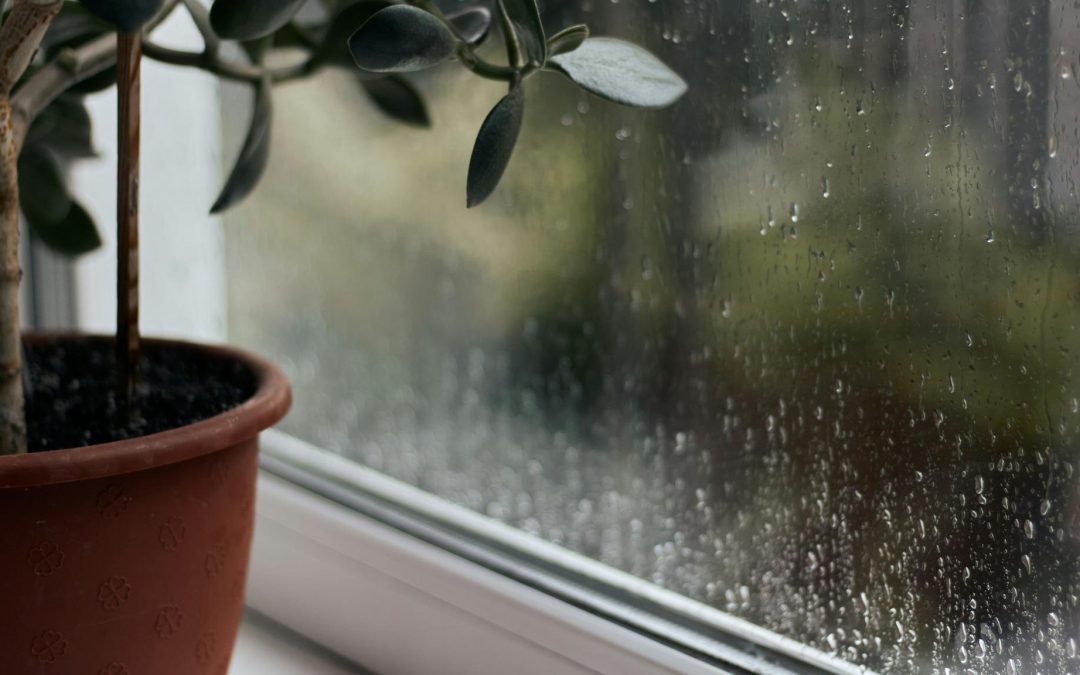
California follows a Mediterranean climate pattern, so most of its yearly rain arrives between November and March. That shift changes the air outside, and some of that extra moisture finds its way indoors.
During a rainy spell, indoor humidity often climbs higher than it does during dry summer heat waves. Leaves lose less water to moist air, and soil in your pots dries even more slowly than usual.
Rainfall varies enormously across the state, of course, from soggy northern coasts to dry southern deserts. Coastal homes might feel damp for days, while inland homes can stay fairly dry between passing storms.
I love those first gray, drizzly mornings of the season, when the whole house smells like wet earth. My ferns seem to perk up too, and I hold off on watering until their soil truly dries.
Overcast skies also mean even less light than usual, which slows plant growth a little more. Cloudy weeks are perfect moments to check pots carefully before adding any water at all.
Outdoor container plants on patios need attention during storms, since saucers can fill with rainwater quickly. Empty those saucers or lift pots onto feet so excess water drains away from the roots.
Watch your local forecast, and treat rainy stretches as a natural reminder to ease up indoors. Your plants respond to the whole environment, and wetter weather simply means lighter watering for most of them.
6. A Quick Finger Test Beats Any Watering Calendar
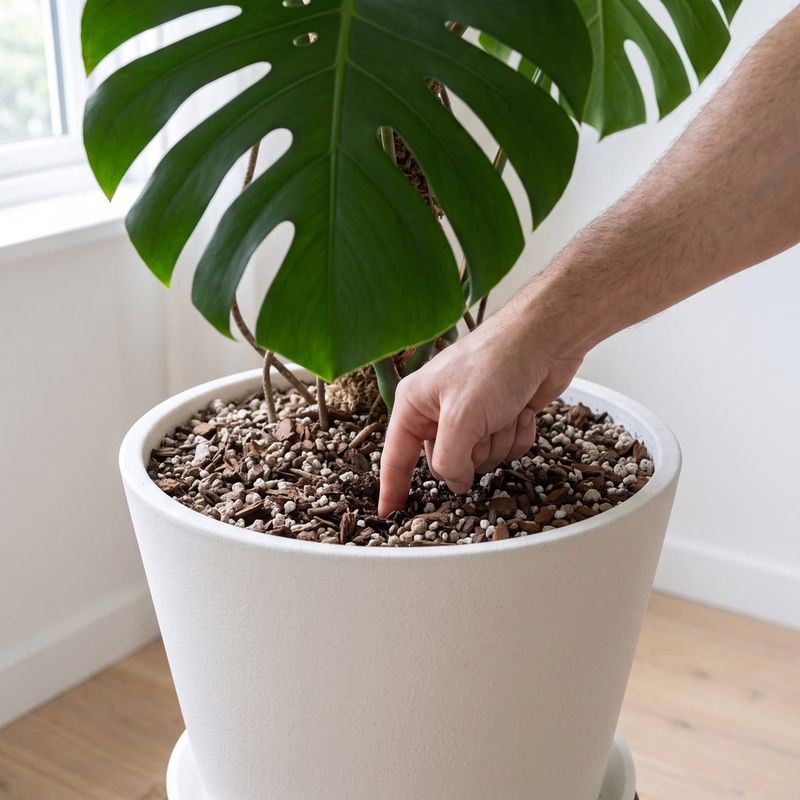
My favorite watering tool costs nothing, and you carry it around on both of your hands every day. Pushing a finger into the soil tells you more than any app reminder or calendar note ever could.
Slide your finger about one to two inches into the potting mix near the edge of the pot. If the soil feels cool and damp, or crumbs cling to your skin, wait a few more days.
When that depth feels dry, your plant is probably ready for a good drink of room-temperature water. Larger pots may need a deeper check, so a wooden chopstick works nicely for those big containers.
Push the chopstick down, leave it a minute, and then pull it out to look for dark, damp soil. Moist soil clings to the wood, while a clean chopstick usually means the deeper roots are getting dry.
Personally, I also lift smaller pots to feel their weight right after watering and again several days later. A light pot often signals dry soil, and you quickly learn the difference with a little practice.
Inexpensive moisture meters can help beginners, though readings may vary in mixes heavy with bark or perlite. I treat them as helpful hints and still double-check with my finger before pouring any water.
Checking first turns watering into a quick conversation with your plant instead of a rigid chore. That tiny habit prevents most fall overwatering problems and builds real confidence in your plant care skills.
7. Deep Soaks And Empty Saucers Protect Snake Plant Roots
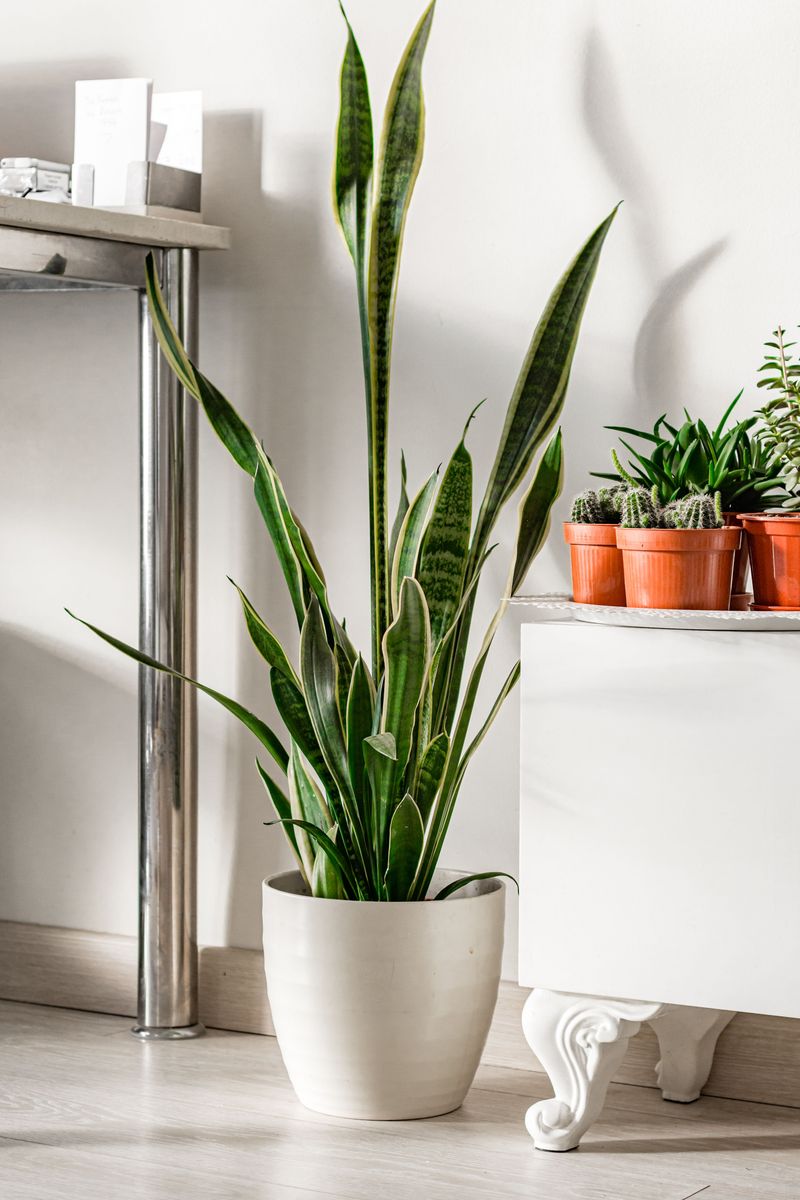
Watering less often does not mean giving tiny sips, which surprises many people trying to be careful. When the soil is dry, a thorough soak helps moisture reach every root inside the pot.
Pour slowly until water flows out of the drainage holes at the bottom, then let it finish dripping. Small splashes only wet the top layer, and roots tend to stay shallow when they get used to that.
Snake plants are a perfect example, since they handle dry spells well but resent soggy feet for long. In fall and winter, many snake plants need water only every three or four weeks indoors.
I like watering in the sink, because extra water drains away instead of pooling under the pot. After ten or fifteen minutes, the plant goes back to its spot with no standing water nearby.
Saucers are handy for protecting furniture, yet water left sitting in them can wick back into soggy soil. Empty them shortly after watering, or set pots on small feet so the base stays above any runoff.
Drainage holes matter more than pretty containers, so slip plastic nursery pots inside decorative ones without holes. That trick lets you lift the inner pot out easily whenever it is time for watering.
Terracotta pots breathe and dry faster than plastic or glazed ceramic, which helps plants prone to rot. Matching pot material to each plant gives you one more easy way to control moisture this season.
8. Succulents And Cacti Barely Need A Drink
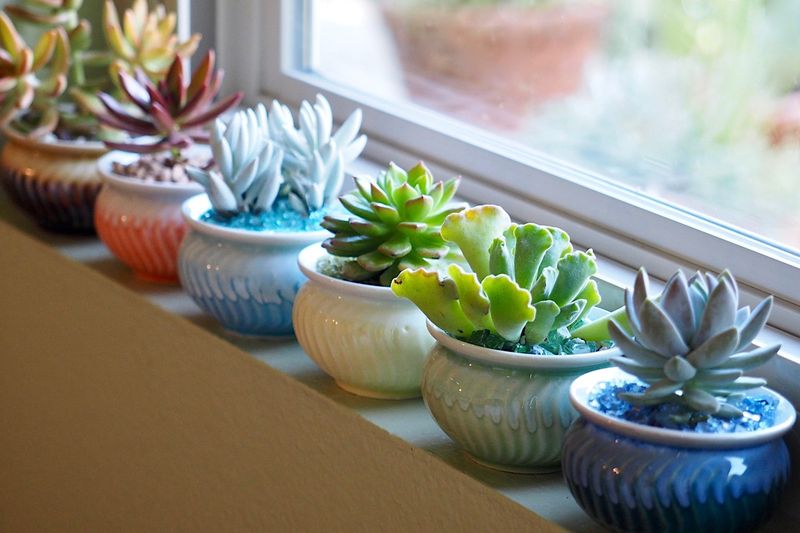
Plump succulent leaves are basically tiny water tanks, built to survive long stretches without any rain. That clever design means your jade plant, echeveria, and cactus need far less attention through cooler months.
Many succulents slow way down in fall and winter, especially indoors where light is much weaker. Watering about once a month, or even less, often keeps them happy until spring growth starts again.
Let the soil dry out fully before watering, then soak it well and let excess water drain away. Fast-draining cactus mix with added perlite or pumice helps roots dry quickly between those occasional drinks.
I have to admit, succulents taught me the hardest lessons about overwatering during my early plant years. Mushy, translucent leaves and blackened stems usually point to too much water rather than too little.
Slightly wrinkled or soft leaves can mean a plant is finally ready for water after a long dry stretch. Watch those subtle signals, and water when you see them rather than following a fixed schedule.
Bright light matters even more for succulents now, since dim rooms can make them stretch and lean. Place them in your sunniest window, or consider a simple grow light if your home stays shady.
Some winter-growing succulents, such as certain aeoniums, actually grow during cooler months and appreciate a bit more water. Look up your specific plant, because a quick check helps you give each one exactly what it needs.