How To Water A Christmas Cactus While It’s Budding
One famous holiday bloomer started life clinging to tree branches in the cloudy mountain forests of southeastern Brazil. Its roots grab moss and bark up there, sipping rain and fog instead of digging into dry desert sand.
That jungle background explains why this so-called cactus sulks when you treat it like a thirsty desert plant. Its flat green stems store some water, yet the roots still want steady moisture and plenty of fresh air.
I learned this the hard way one December, when a dozen fat pink buds dropped onto my windowsill overnight. You might notice the same heartbreak, and the culprit is often how the watering can gets handled during budding.
A few small changes to your watering habits can keep those buds hanging on until they finally open. Fix the watering mistakes, and your Christmas cactus will reward you with a blaze of blooms.
1. Drench The Pot Until Water Runs From The Drainage Holes
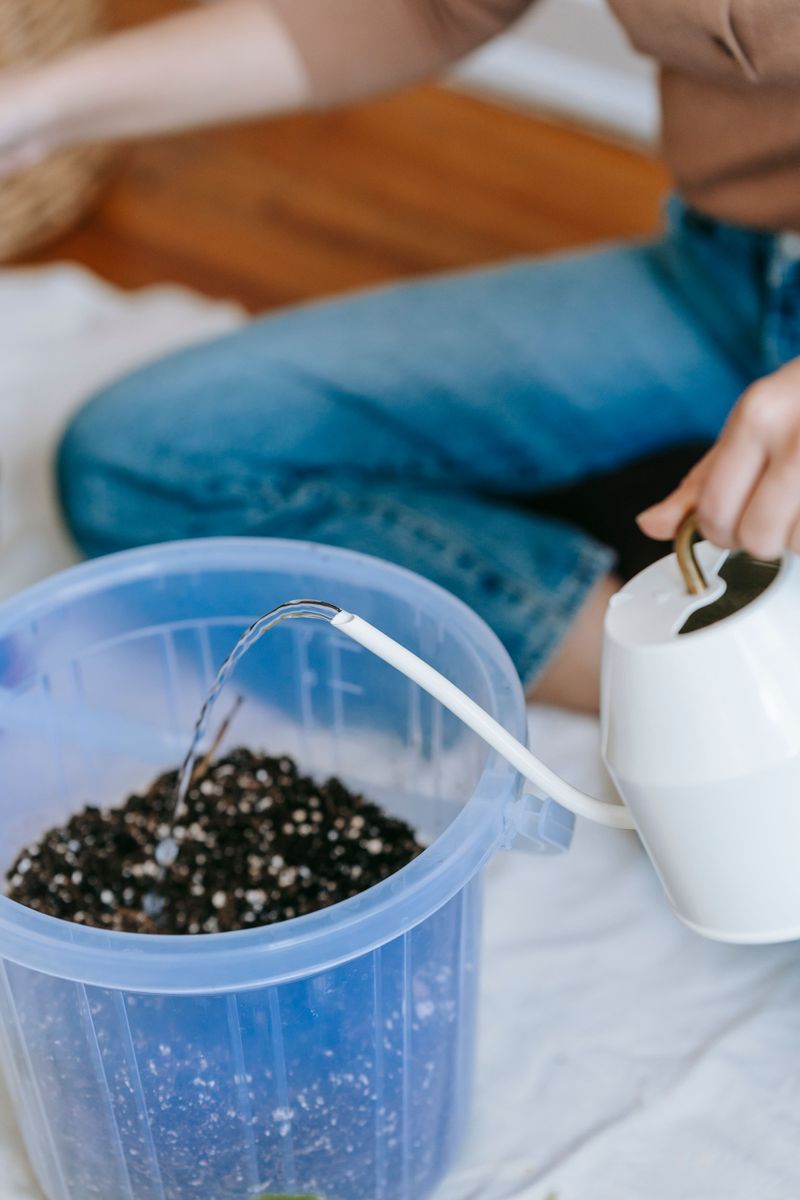
Tiny sips feel kind and careful, yet they often leave the lower roots parched while the surface looks fine. A deep, generous watering reaches every part of the root ball and gives developing buds a steady supply.
Pour room temperature water slowly over the soil surface until it begins trickling from the drainage holes below. That flow tells you the whole pot is soaked, rather than just the top layer near the stems.
Top watering this way also flushes out leftover fertilizer salts that slowly build up in the potting mix. Those salts can irritate roots over time, so a regular rinse keeps the growing environment much healthier.
Some gardeners love bottom watering, where the pot sits in a tray and drinks water up from below. It works nicely before buds form, though carrying the plant to a sink once buds appear invites trouble.
Moving a budding plant can shock it into dropping buds, so I water right where it already sits. A small watering can with a narrow spout lets me reach the soil without bumping any tender stems.
Drainage holes matter just as much as technique, because water needs a clear escape route after each soaking. Pots without holes trap moisture at the bottom, and roots sitting there tend to rot within a few weeks.
I also water in the morning so the plant has the whole day to settle before cooler nighttime temperatures. That simple timing habit feels like tucking the plant in early, and my buds seem happier for it.
2. Use Room Temperature Water On Tender Christmas Cactus Buds
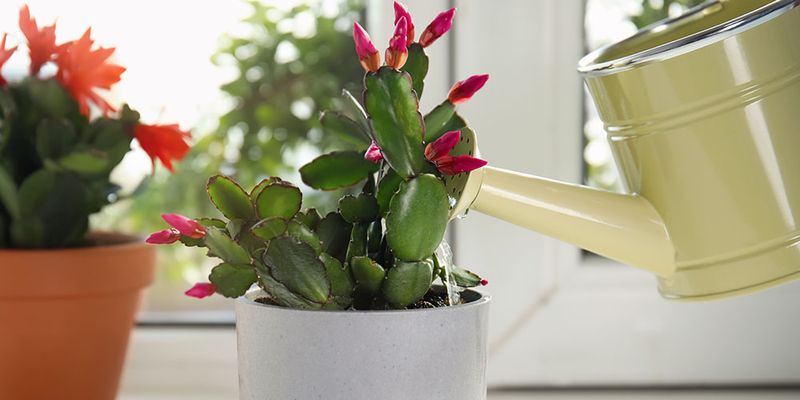
Ice cold water straight from the tap can startle tropical roots, much like jumping into a chilly lake. These forest plants come from mild mountain regions, so gentle room temperature water suits their comfort zone best.
Sudden temperature shocks are a well known trigger for bud drop, and cold water counts as one of them. Filling your watering can ahead of time lets it warm up naturally while you go about your day.
I fill mine the night before, which handles two jobs at once and fits nicely into my routine. Tap water left sitting overnight lets some chlorine escape, and many growers believe that gives plants a gentler drink.
Some sources also mention fluoride and chlorine as possible stressors that may add to bud or flower drop. Filtered water is a simple option if your tap water is heavily treated or tastes strongly of chemicals.
Rainwater can work beautifully too, as long as you collect it in a clean container and let it warm indoors. Bring it inside a day early, since outdoor rain barrels can be quite cold during late fall and winter.
Softened water is the one type I skip, because many water softeners add sodium that builds up in soil. Over many months that salt can harm roots, so tap water from a line that bypasses the softener is better.
I love how this tip asks for planning rather than effort, since the water simply waits on the counter. Your plant gets a comfortable drink, and you get to feel clever about such an easy little win.
3. Empty The Saucer Under Your Budding Cactus
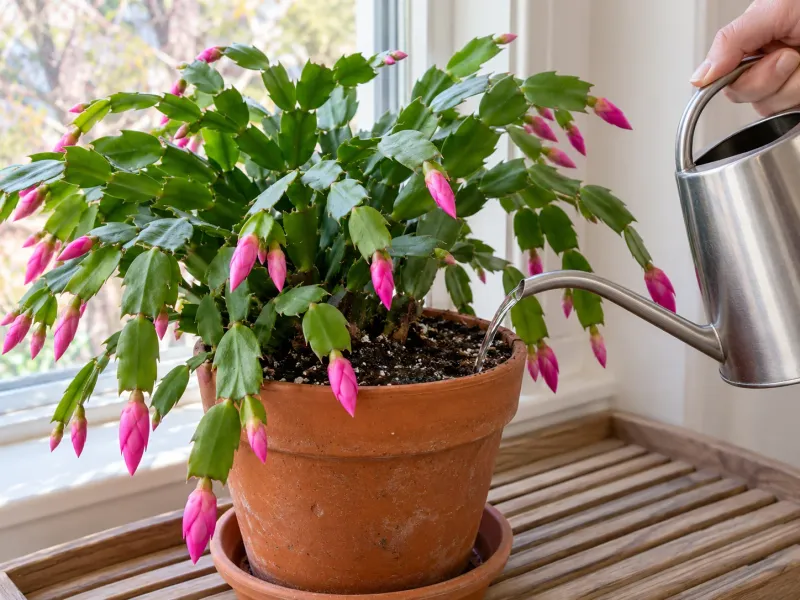
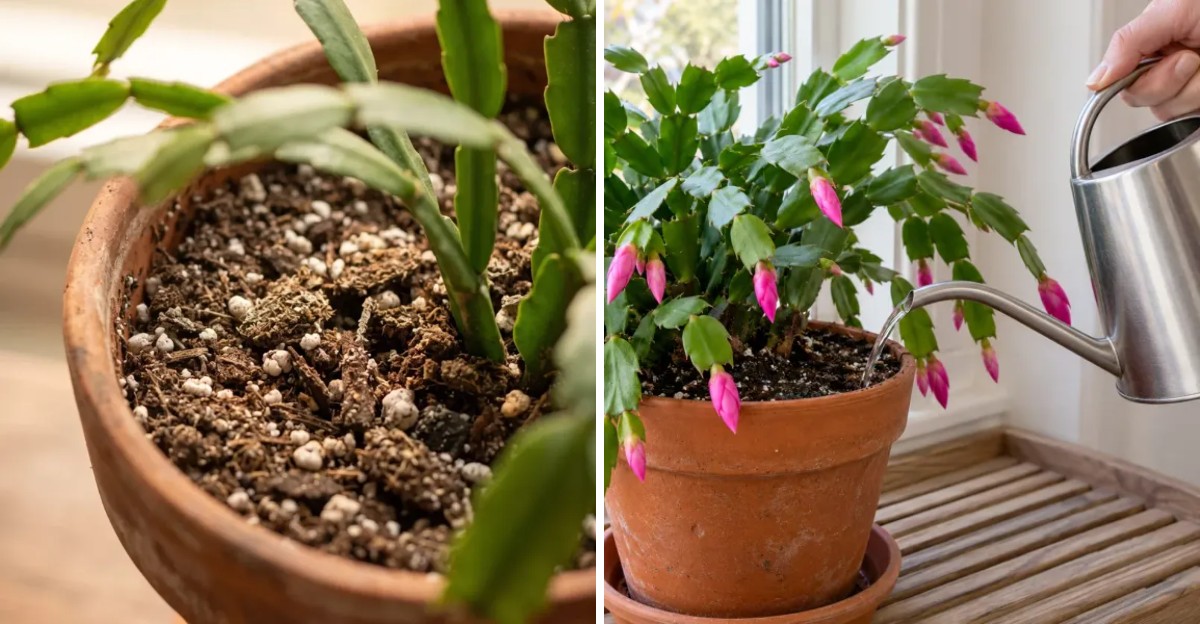
Decorative pot covers look adorable on a holiday table, but they can secretly hide a puddle of trouble. Water collects inside them after every soaking, and the roots end up standing in a soggy little bath.
Root rot thrives in those conditions, and damaged roots struggle to send water and nutrients up to buds. Once that supply line weakens, the plant may drop flower buds to save energy for its stems and roots.
After watering, give the pot about ten or fifteen minutes to finish draining into its saucer or cover. Then tip out every bit of leftover water, or soak it up with a paper towel if lifting feels risky.
I keep a turkey baster near my plants for this job, and it works surprisingly well on tight saucers. You can suck up standing water without tilting the pot, which keeps those delicate buds from being jostled.
Pebble trays can work too, but the pot base should rest above the waterline instead of soaking in it. That setup adds a bit of humidity while keeping roots out of the wet zone where rot begins.
Wicking is another sneaky problem, because a damp saucer can slowly pull moisture back into the bottom of the mix. Even a thin layer of water left for days keeps the lower soil wetter than your finger test suggests.
Honestly, emptying the saucer takes less time than refilling a coffee mug, yet it saves so many flowers. I think of it as the quick final step that turns a good watering into a great one.
4. Check Christmas Cactus Soil With Your Finger First
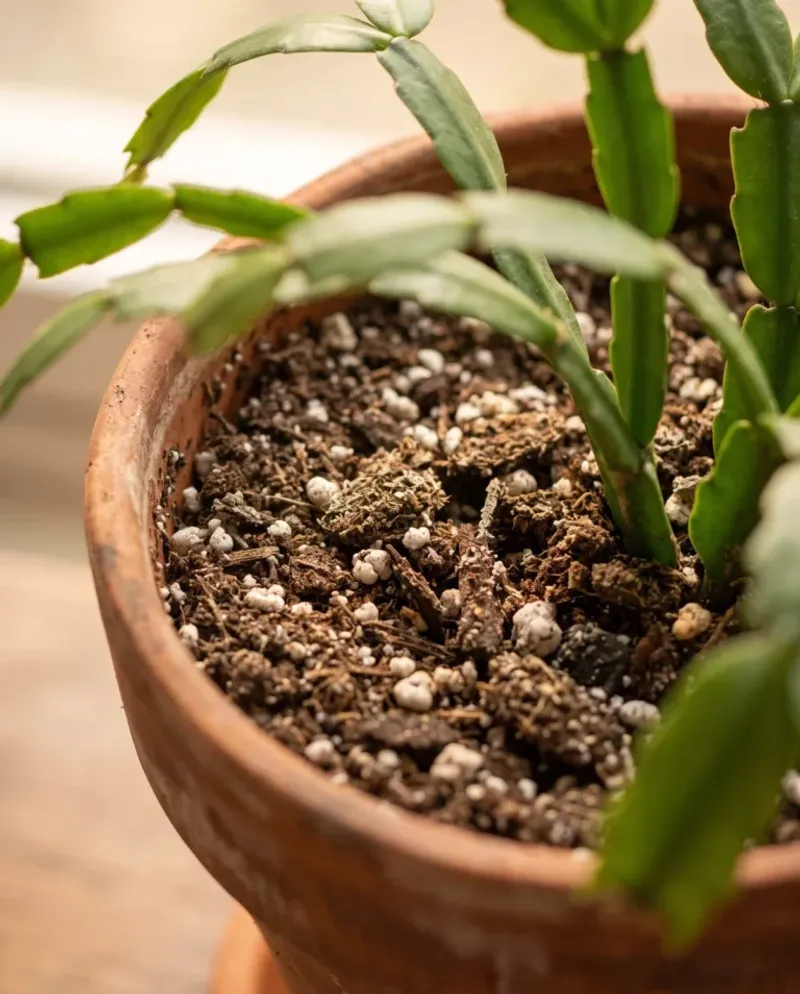
My favorite moisture meter cost nothing, and it has been attached to my hand for my entire life. Sticking a finger into the potting mix tells you far more than any calendar reminder on your phone.
Push your finger about one to two inches deep near the edge of the pot, away from stems. If the mix feels dry at that depth, your budding plant is ready for a thorough drink of water.
When the soil still feels cool and slightly damp, wait a couple of days and then check again. Patience at this stage protects the fine roots, which can rot quickly in mix that stays wet too long.
Fixed schedules cause trouble because indoor conditions shift a lot once the furnace kicks on for the cold season. Many homes see pots drying in one week, while cooler rooms might stretch that to two weeks or longer.
During heavy budding and blooming, I check my plants every three or four days to stay ahead of thirst. Flowers use plenty of energy, so the soil can dry faster than you expect while those buds swell.
Lifting the pot offers another handy clue, since a light pot usually means the mix has dried out. Try picking it up right after watering, then compare that heavy feeling against the weight a week later.
Over time your fingertip and your arm will learn the rhythm of your plant better than any app could. I find that small habit oddly relaxing, like a quick daily hello to a friend on the windowsill.
5. Keep Soil Evenly Moist To Prevent Christmas Cactus Bud Drop
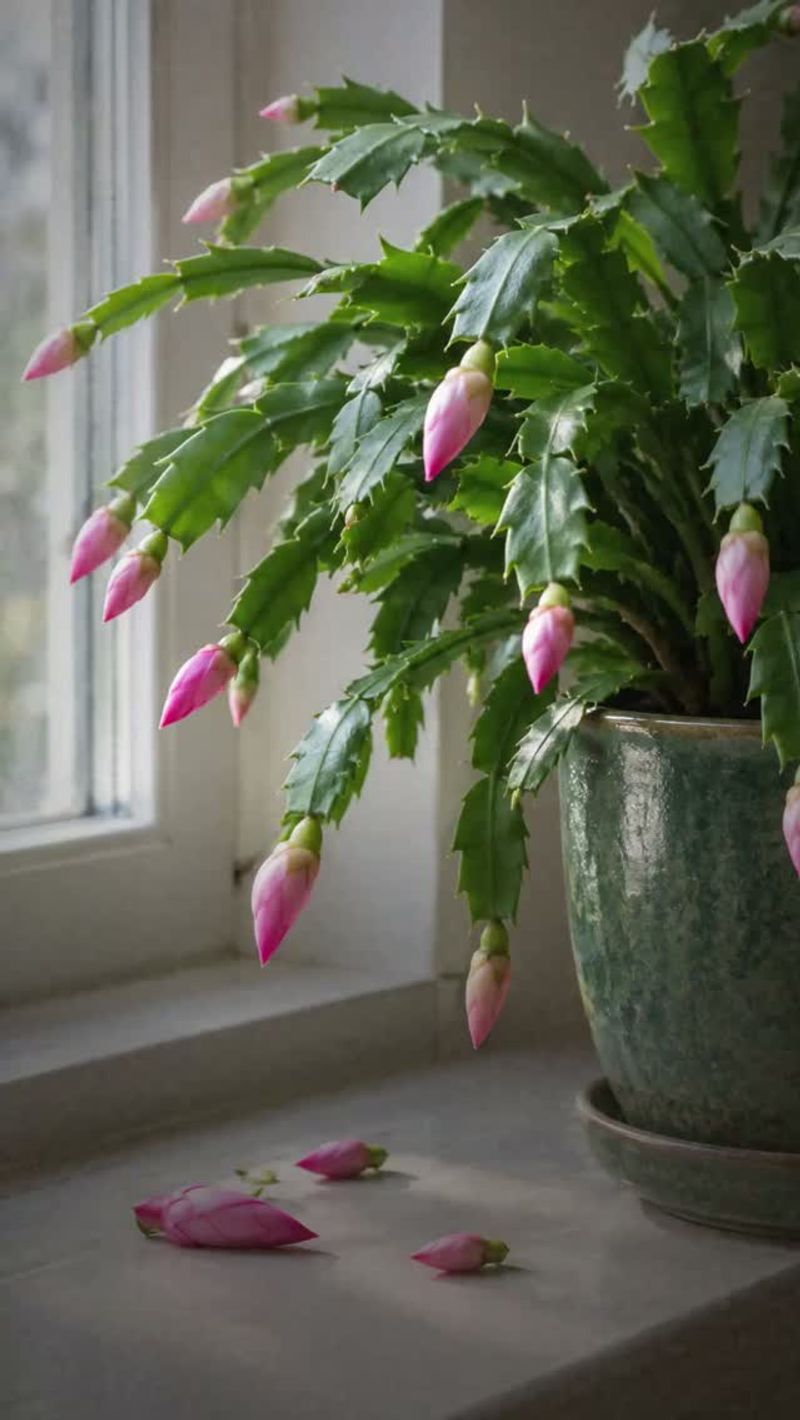
Bud drop is heartbreaking, and wild swings in soil moisture are one of the most common reasons it happens. Going from bone dry to soaking wet over and over keeps the plant stressed when it should be blooming.
While buds are forming and opening, aim for soil that stays evenly moist but not soggy or waterlogged. Think of a wrung out sponge, which feels damp to the touch without dripping when you give it a squeeze.
An underwatered plant shifts into survival mode and redirects moisture to its stems and roots instead of buds. You might see wrinkled segments drooping over the rim while the pale soil pulls away from the pot edges.
Consistency matters far more than any exact number of days between waterings during this busy flowering stretch. Most plants need water somewhere between once a week and once every two weeks, depending on your home.
The right potting mix makes steady moisture much easier, especially one with perlite or orchid bark for airflow. Dense standard potting soil holds too much water, so blends made for these plants usually perform far better.
Fertilizer is worth pausing as well, since many experts suggest stopping feedings in early fall before budding begins. Heavy feeding during bud set can push leafy growth or trigger bud drop, so I keep things simple.
I jot a quick note on a sticky pad whenever I water, and that habit evened out my routine. Steady care might feel boring, yet boring is exactly what a budding plant loves most this time of year.
6. Water The Budding Christmas Cactus Without Moving The Pot
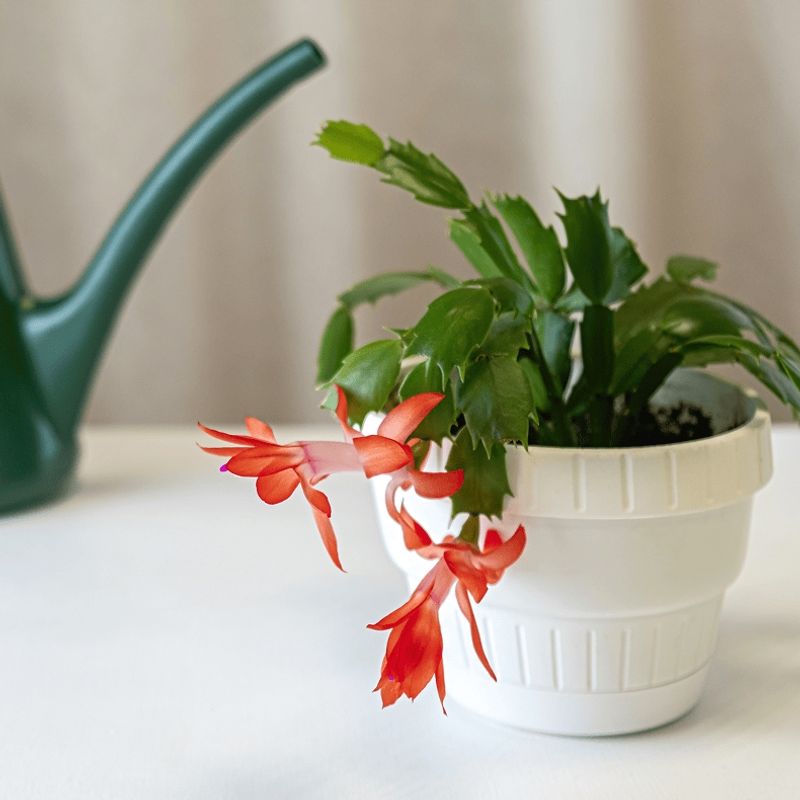
Buds on these plants are surprisingly picky about which way they face, and they notice when you spin the pot. Changing the direction of light can cause buds to drop, so a budding plant is best left in place.
Plenty of us carry plants to the kitchen sink for watering, but that trip can cost you flowers. The bumps along the way and the new angle of light afterward can add up to bud drop quickly.
Water the plant right where it sits, and slide a towel underneath first to catch any accidental drips. A long-spout watering can helps you aim between the arching stems without knocking against those dangling buds.
Location matters as much as stillness, so pick a spot with bright indirect light before buds show up. Harsh afternoon sun can scorch stems and developing buds, while a bright east window is often just right.
Keep the plant away from heating vents and drafty doors, since sudden temperature swings often trigger bud drop. Cool nights between roughly 55 and 65 degrees help set buds, and stable conditions afterward help them open.
Repotting falls into the same category, so save that chore for late winter or early spring after flowering ends. These plants actually like being a bit root-bound, which means a slightly crowded pot is perfectly fine for now.
I put a small sticky note on my pot that says hands off, mostly to remind my curious family. Leaving the plant alone feels strange for a busy gardener, yet it rewards you with a much bigger show.
7. Boost Humidity With A Pebble Tray Under The Christmas Cactus

Your living room in winter can feel drier than a desert once the furnace starts running for months. These forest natives prefer humidity around 50 to 60 percent, which most heated homes rarely reach without help.
Dry indoor air can make buds shed, even when your watering routine is spot on and the soil looks perfect. Water in the soil and moisture in the air work together, so handling both gives buds their best chance.
A pebble tray is my favorite fix, because it costs very little and takes only a few minutes to build. Fill a shallow tray with pebbles, then add water until it sits just below the tops of the stones.
Set the pot on top so its base stays above the waterline, keeping roots dry while moisture rises around it. As the water slowly evaporates, it creates a small pocket of humid air right where the stems hang.
A cool mist humidifier nearby offers a bigger boost, especially in rooms where the air feels crackly and dry. Grouping several houseplants together also helps a little, since leaves release moisture that neighbors can share.
Misting seems like a sweet gesture, but it only raises humidity briefly and can encourage fungal problems on stems. I gave up my spray bottle years ago, and my plants seem perfectly content without the daily shower.
Refill the pebble tray whenever you check the soil, so both chores happen in one quick and easy visit. Before long, you may notice plumper buds.
8. Spot Overwatered Christmas Cactus Signs Like Limp Mushy Stems
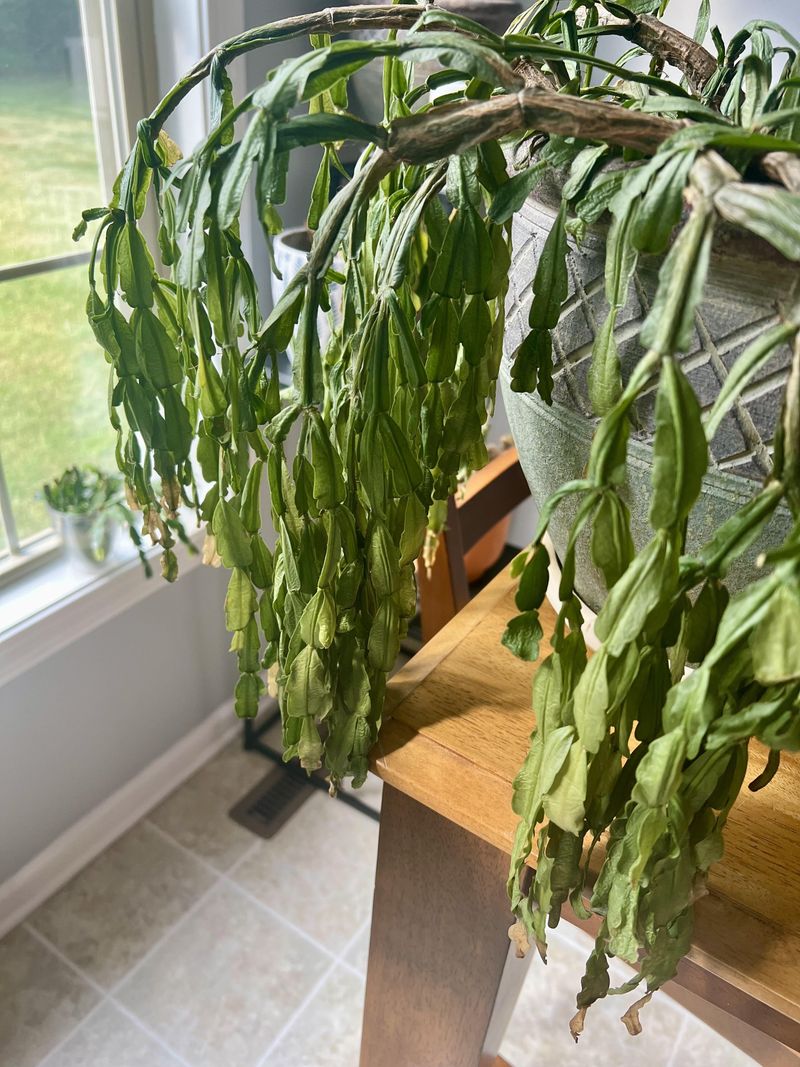
Few sights confuse a gardener more than a plant that looks thirsty while sitting in soil that feels wet. That odd combination usually points to overwatering, because damaged roots can no longer pull moisture up into the stems.
Limp, drooping segments are often the first clue, and they may feel soft or mushy when gently squeezed. Yellowing segments can follow, along with dark spots near the base where rot starts creeping into the stems.
Give the soil a sniff as well, since a sour or foul smell often signals that roots are rotting. Healthy potting mix smells earthy and clean, so any swampy odor deserves your attention right away.
When you spot these signs, stop watering and let the top couple of inches dry out before continuing. Check the saucer and drainage holes too, because blocked holes often keep water trapped at the bottom.
Severe root rot sometimes calls for repotting into fresh, well draining mix, even though buds may drop afterward. Saving the plant matters more than one season of flowers, and healthy segments can be rooted as cuttings.
Snip a few firm pieces with two or three segments each, then let them dry for a day. Tuck them into slightly moist cactus mix, and many will form roots within a few weeks in bright light.
I once rescued a soggy plant this way, and its cuttings bloomed beautifully two holiday seasons later. Watching for these signs early keeps small mistakes small, and your buds get a far better shot at opening.