7 Winter Blooming Perennials To Plant In California In November
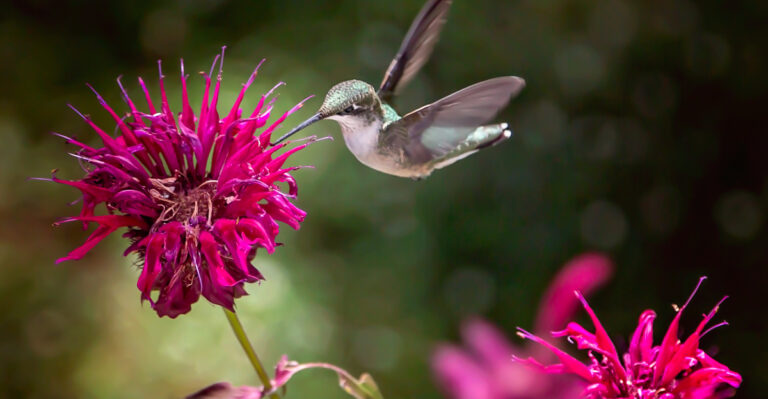
Anna’s hummingbirds stick around California all winter long, and they still need fresh nectar when December gets chilly. Males even perform dramatic diving displays during the cold months, swooping down at speeds that look almost impossible.
So where do those tiny birds find food when most garden beds look tired and brown by then? A surprising number of tough plants save their best flowers for the shortest days of the whole year.
I love how a single winter bloom can make a gray morning feel like a small celebration outside. You need very little effort, since cool air and seasonal rain do much of the heavy lifting for you.
Planting now in California gives roots several wet months to settle in before the long dry summer returns. So which bloomers deserve a spot in your yard, and which ones will the hummingbirds visit first?
1. Manzanita
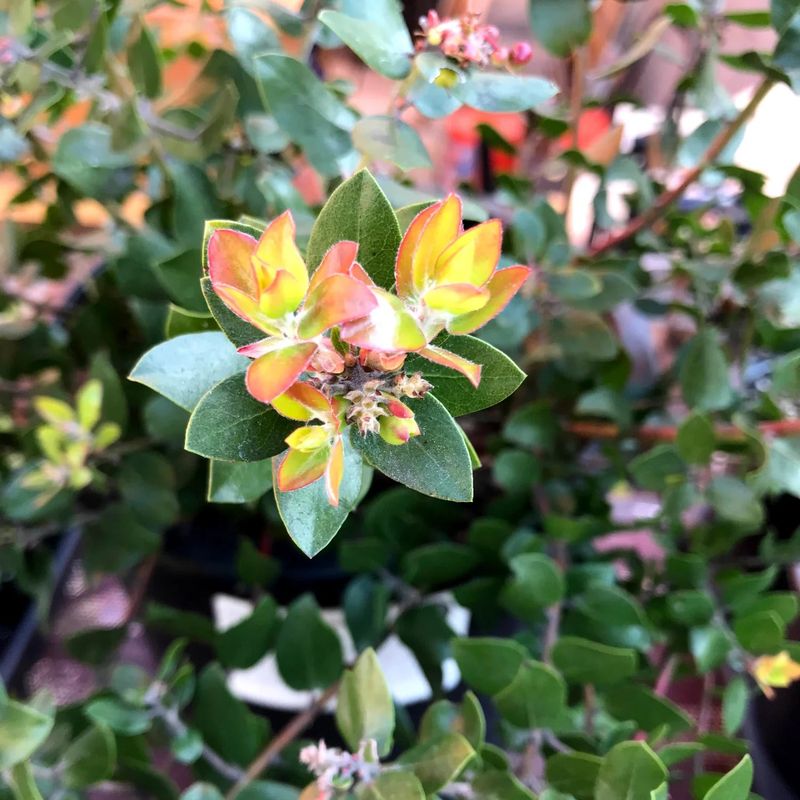
Tiny pink bells dangle from twisting red branches, and hummingbirds treat them like a winter snack bar. I have to admit the smooth, peeling mahogany bark makes me want to touch every stem I pass.
The name means little apple in Spanish, a nod to the small reddish fruits that follow the flowers. Dozens of kinds grow wild across California, so you can find one for nearly any yard or slope.
Most kinds bloom from late fall into early spring, giving bees and hummingbirds food during lean months. Birds and small mammals later nibble the berries, so one shrub keeps feeding wildlife for a long time.
Planting in November lets roots stretch out while winter rain does the watering for you this season. Pick a sunny spot with fast drainage, because soggy soil quickly leads to root rot and decline.
Skip rich compost and heavy fertilizer, since these shrubs evolved in lean, rocky ground on dry hillsides. Water deeply every week or two during the first summer, then cut back to little or none.
Sizes vary a lot, from flat groundcovers to small trees like Dr. Hurd, which reaches fifteen feet. Read the nursery tag carefully so your new shrub fits the space without constant trimming later on.
Personally, I think a manzanita near a window is the best seat in the house for bird watching. Avoid overhead sprinklers near the trunk, and let fallen leaves stay put as a natural mulch layer.
2. Hellebore
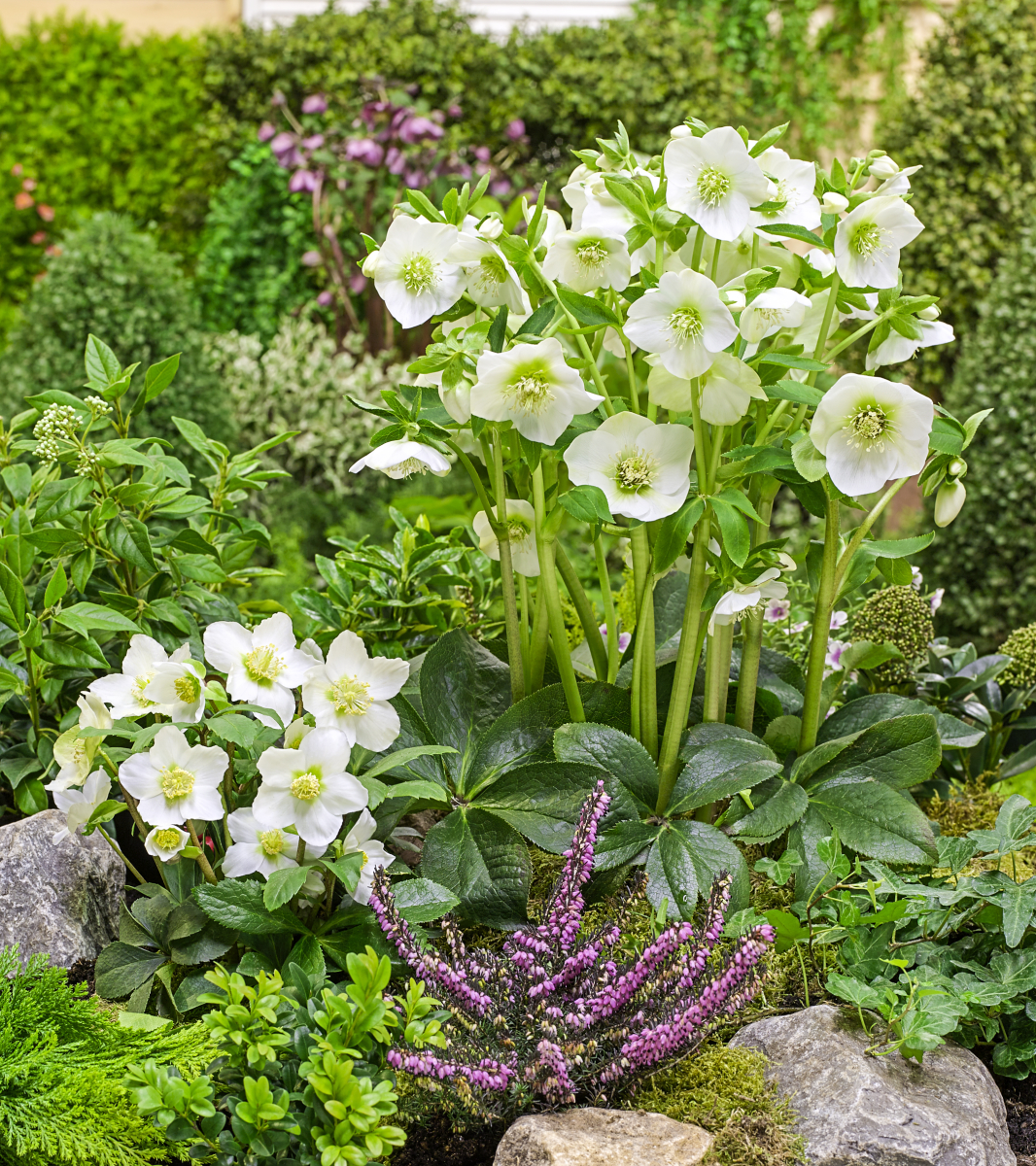
Those pretty petals on a hellebore are not petals at all, but long-lasting sepals that hold color for weeks. I love how the nodding blooms seem shy, so you have to tip them up to see inside.
Many people call them Lenten roses, even though they belong to the buttercup family and not roses. Flowers often open in late winter and hang on well into spring in shades of plum and cream.
Fall is the sweet spot for planting, since cool soil helps roots grow before the flower show begins. Tuck them under deciduous trees, where they get winter sun and summer shade from the leafy canopy above.
Mix compost into the planting hole, because hellebores like moist soil that still drains well after storms. They handle slightly alkaline ground nicely, which suits many Southern California yards with chalky native soil.
Once settled, established plants get by on surprisingly little water, though a deep soak helps in heat waves. Trim off tattered old leaves in winter so the fresh flower buds stand out clearly against new growth.
All parts of the plant are toxic if eaten, so keep curious pets and toddlers from chewing leaves. Wear gloves when you divide or prune, since the sap can bother sensitive skin for some gardeners.
Clumps grow about a foot tall and slowly self-seed, giving you free baby plants over the years. I can’t imagine a shady corner without them, especially when a cold morning makes everything else look sleepy.
3. Sasanqua Camellia
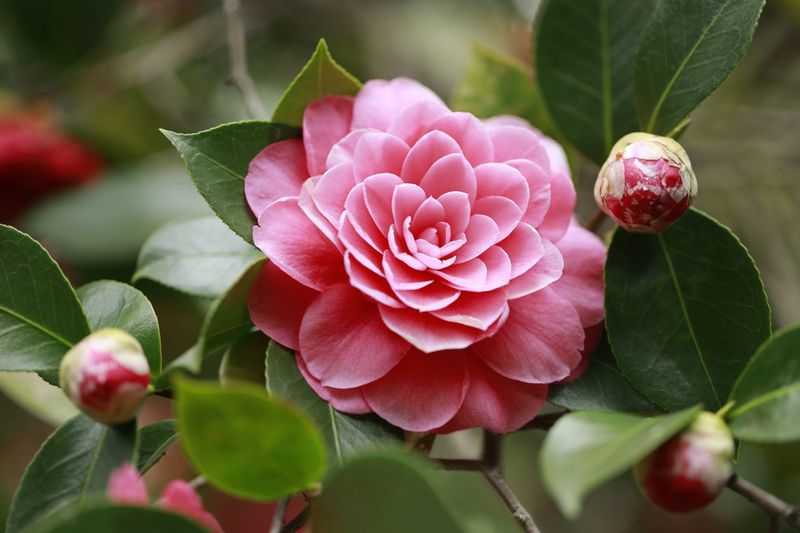
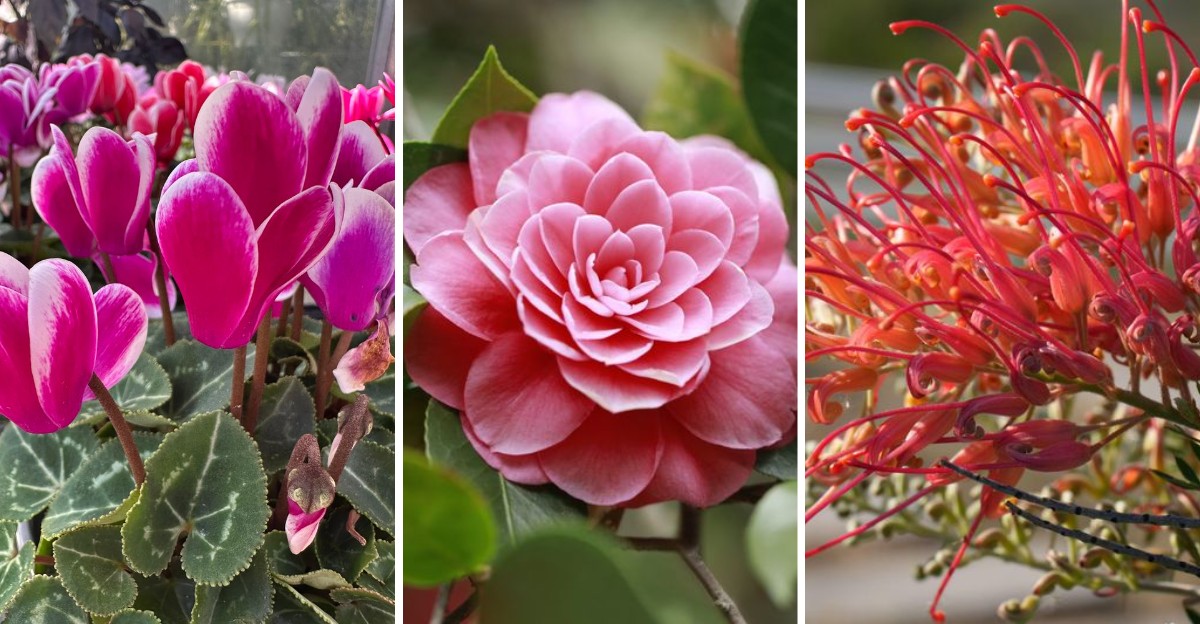
Sasanqua camellias start flowering while many gardens are packing up for the year, often by late autumn. Their glossy leaves shine like polished shoes, and the open blooms scatter soft petals across the path below.
Fun fact, the tea you drink comes from a close cousin called Camellia sinensis, grown for its leaves. Sasanquas have smaller flowers than japonica types, but they bloom earlier and handle a bit more sunshine.
Plant one sasanqua and one japonica nearby, and you can enjoy flowers from fall through early spring. Personally, I like pairing a white bloomer with a bright pink one near the front door for guests.
November planting gives roots months of cool weather to grow before the summer heat arrives next year. Set the root ball slightly above the soil line, since buried trunks often struggle with rot.
Camellias want slightly acidic, well-drained soil, so an azalea and camellia mix works well in pots and raised planters. Morning sun with afternoon shade keeps leaves from scorching during hot inland afternoons in late summer.
Water regularly through the warm months, then ease off in winter when rain keeps the ground damp. Soggy roots cause more trouble than thirst, so check the soil with a finger before reaching for the hose.
Dense evergreen growth makes camellias lovely privacy screens, and some sasanquas can be trained flat against walls. Prune lightly right after flowering ends, because next season’s buds start forming soon after that in spring.
4. Florist’s Cyclamen
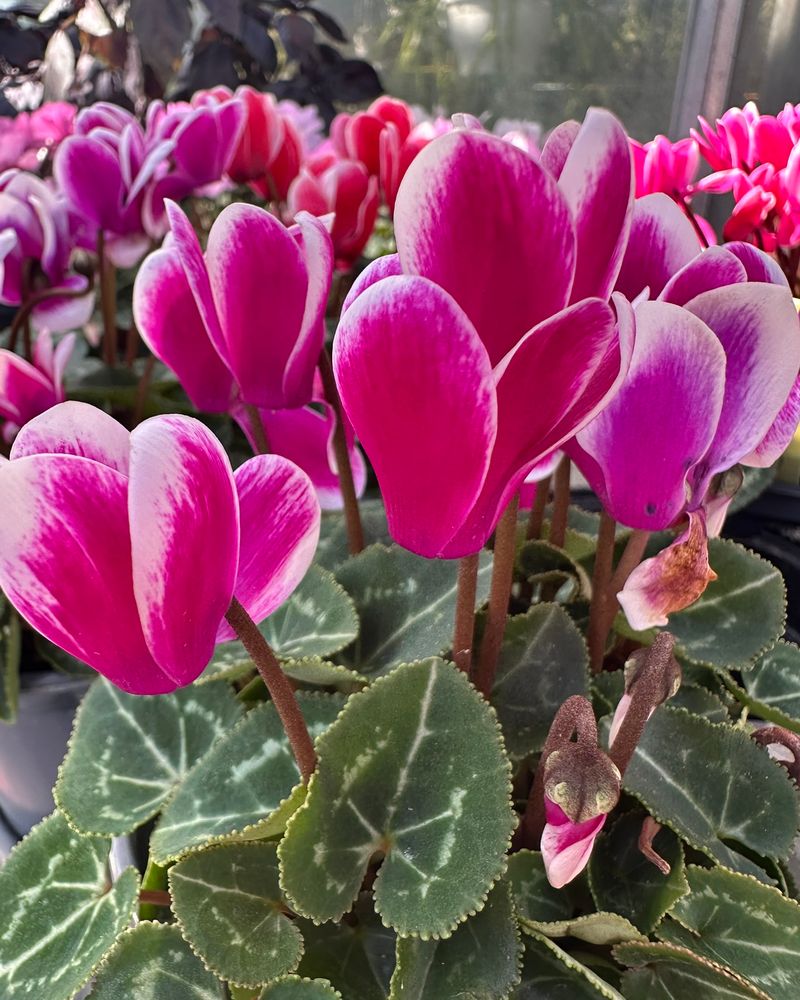
Swept-back petals make cyclamen flowers look like tiny butterflies frozen mid-flight above a bed of marbled leaves. You might notice that no two plants share the exact same silver pattern on their heart-shaped foliage.
Florist’s cyclamen come from rocky hillsides in the eastern Mediterranean, where winters are cool and summers are dry. That background explains why they flower happily from late fall into spring in mild coastal gardens.
They are tender to hard frost, so grow them in movable pots in colder inland valleys and foothills. Along the coast, they often bloom outdoors for months with very little fuss from the gardener.
Set each tuber so its top half sits above the soil, which helps keep the crown from rotting. Use rich, porous potting mix or garden soil loosened with compost so water drains away quickly.
I believe bottom watering is the secret, since water poured into the center often causes soft rot. Set pots in a tray of water for twenty minutes, then let them drain before returning them outside.
Give them bright morning light and afternoon shade, especially during warm spells that can pop up in autumn. Pinch off faded flowers by twisting the whole stem at the base, which encourages more buds to open.
When warm weather returns, leaves turn yellow and the tuber rests, so do not panic or toss it. Keep it mostly dry and shaded through summer, and fresh leaves often reappear once nights cool down again.
5. Winter Jasmine
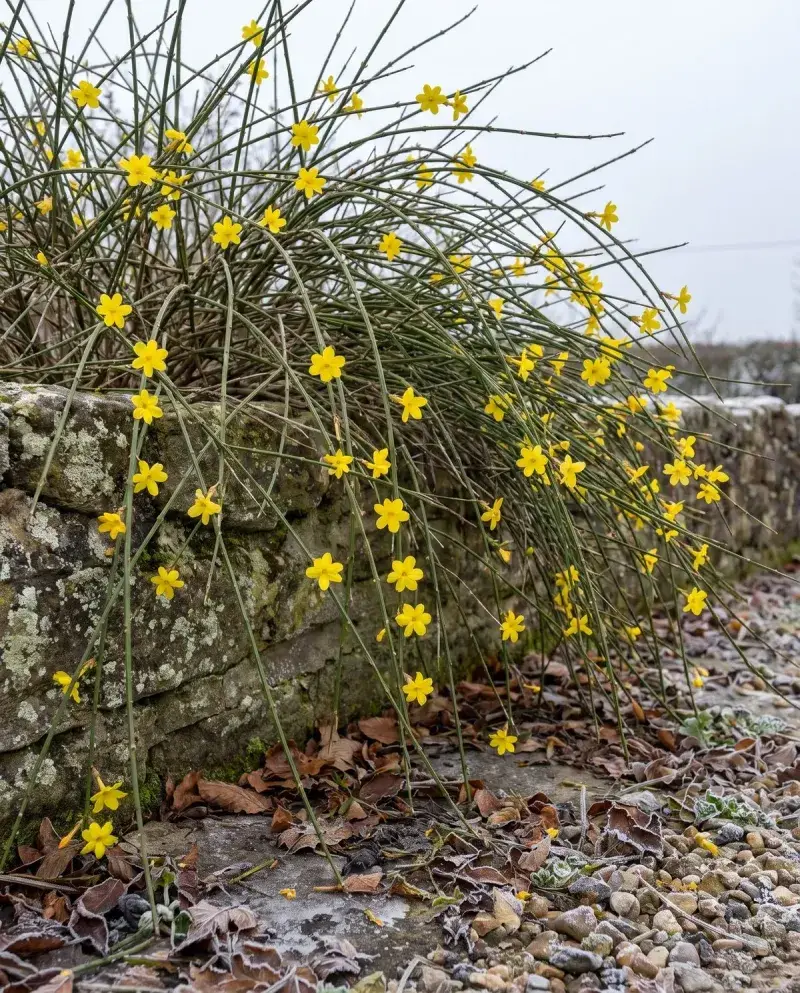
Bright yellow stars pop open on bare green stems in winter, long before a single leaf shows up. What surprises me most is the lack of scent, which feels odd for a plant called jasmine.
Plant hunter Robert Fortune brought it from China to Britain in 1844, and gardeners have loved it since. Its green stems keep their color all year, so the shrub looks lively even without leaves.
Flowers usually appear from midwinter into early spring, so a fall planting can reward you within a few months. It handles colder spots than most jasmines, growing well in USDA zones 6 through 9 or 10.
Full sun gives the heaviest flowering, though the plant still performs nicely in light afternoon shade too. Average, well-drained soil is plenty, so skip heavy feeding that pushes leafy growth over pretty blooms later.
Water regularly during the first year, then cut back once roots settle, since mature plants handle dry spells. Prune right after flowering ends, because next winter’s blooms form on stems that grow this coming season.
Left alone, it mounds three to four feet tall and can sprawl about seven feet wide. Tie it to a trellis, and the arching stems can climb ten feet or more over time.
I love letting it spill over a low wall, where the yellow flowers tumble down like a waterfall. Stems root where they touch soil, so trim stray shoots if you want to keep it tidy.
6. Chaparral Currant
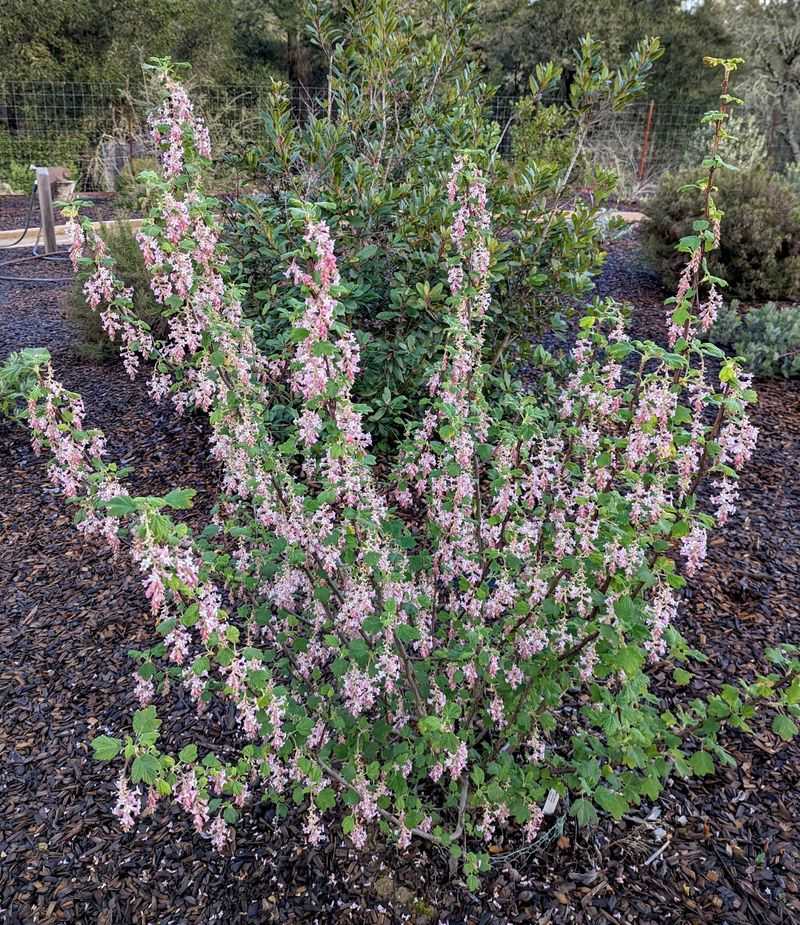
Pink flower clusters dangle from chaparral currant as early as November, often right after the first real rain. Brush a leaf with your fingers, and you’ll notice a fuzzy texture plus a spicy, resin-like scent.
Ribes malvaceum grows wild mainly in California and northern Baja, often in foothill chaparral and oak woodland. Unlike its gooseberry cousins, chaparral currant has smooth stems without any sharp prickles to dodge while weeding.
Anna’s hummingbirds visit the blooms eagerly, and early native bees find nectar there on sunny winter afternoons. Later, bluish berries form, and birds usually snap them up long before you could think about tasting one.
Plant it now so winter rain can soak the root zone, and water every week if storms skip you. Choose full sun near the coast or partial shade inland, where afternoon heat can stress the leaves.
Fast drainage matters more than rich soil, so skip the fertilizer and add a thin layer of mulch. Expect a shrub around five to eight feet tall, with an open, airy shape that suits informal gardens.
I have to admit the summer look surprised me, because leaves often drop when the hot dry season arrives. That natural summer rest is normal, so resist the urge to soak it with extra water.
Pair it with manzanita and sages for a native corner that keeps pollinators busy through the cool months. Once established, it needs little care beyond light shaping after bloom, which suits busy gardeners just fine.
7. Grevillea
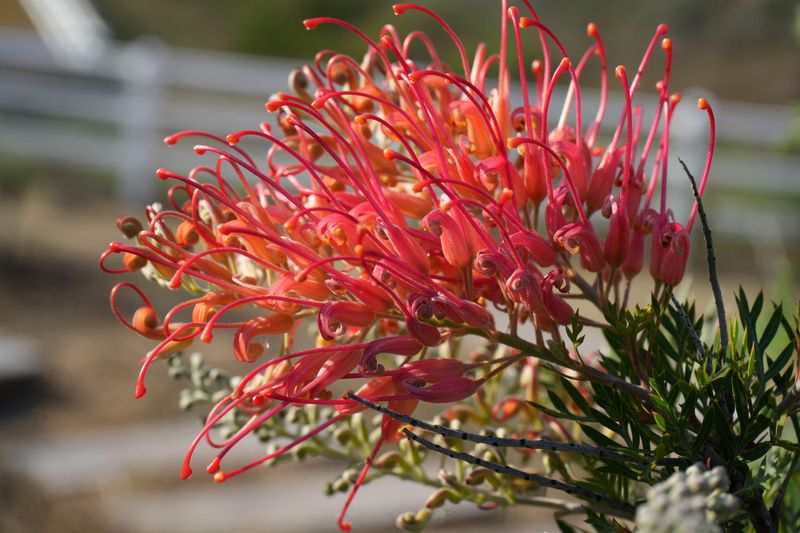
Curly, spidery flowers cover many grevilleas in winter, and hummingbirds zip between them like tiny race cars. You’re in for a big surprise the first time you see a flower open, because the styles spring loose.
Grevilleas hail from Australia, which has hundreds of species, and many feel right at home in our dry summers. Popular shrub types like Ned Kelly and Long John bloom for many months, often right through winter.
Stick with shrub varieties for home gardens, since the giant silk oak tree can reseed in some areas. Most shrub grevilleas handle light frost, but hard freezes below the mid-twenties can damage tender growth.
Planting in fall gives roots time to spread before summer, when these drought-tough plants prefer to be left alone. Give them full sun and fast drainage, since soggy ground causes far more trouble than poor, rocky soil.
One quirky rule surprises many gardeners, because grevilleas belong to the protea family and dislike phosphorus fertilizer. Most of the time, they grow happily with no feeding at all in ordinary garden soil.
Give a deep soak about once a week during the first summer, then taper off as roots settle. Light pruning after a big flush of flowers keeps the plant dense and encourages fresh blooming tips.
Some types spread low across slopes, while others grow tall enough to make a lovely informal hedge. Honestly, a blooming grevillea outside the kitchen window beats any screensaver when gray winter mornings roll in.