One Timing Trick Keeps Frost Heave From Pushing Your New York Perennials Out Of The Ground
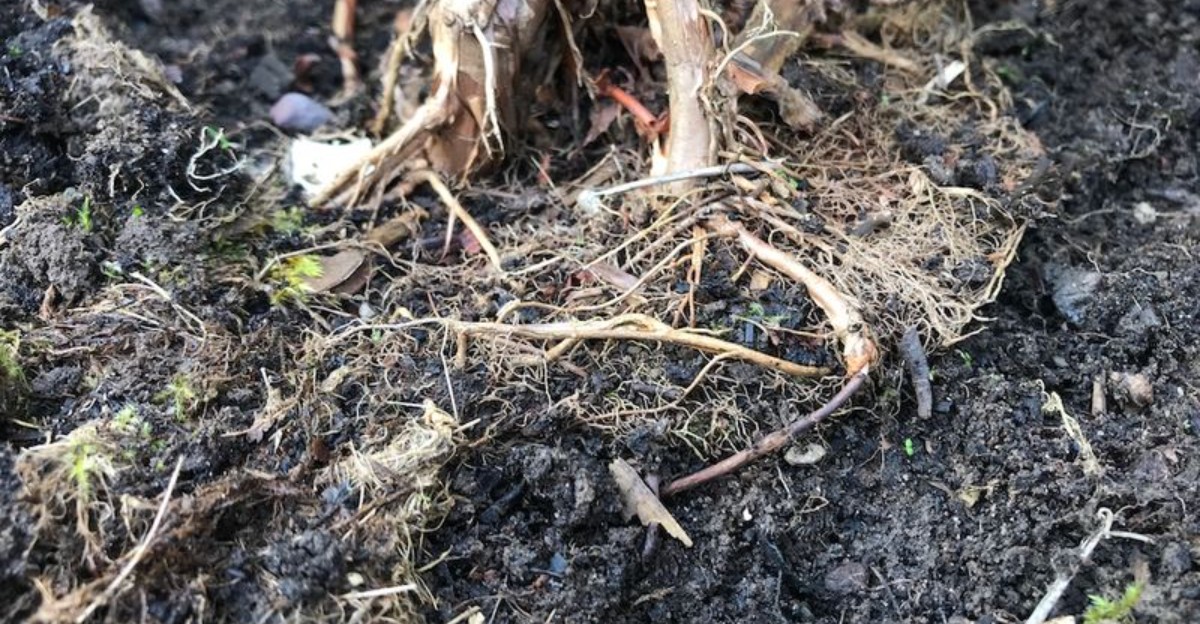
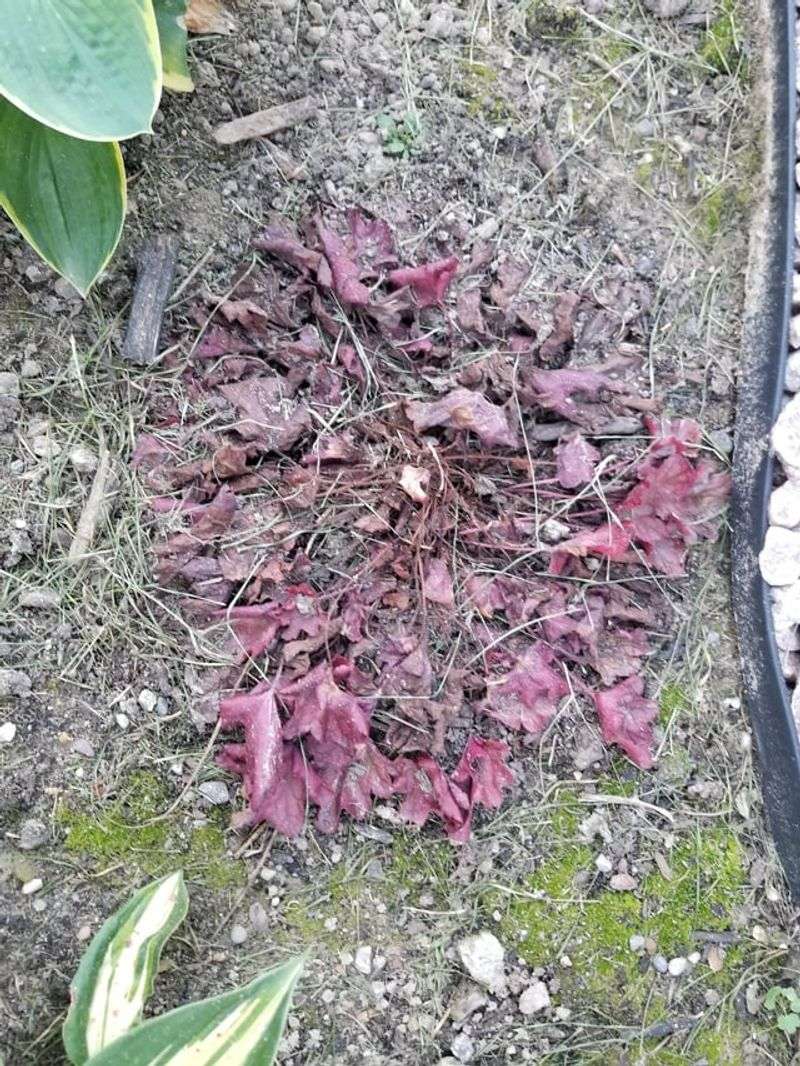
Freezing soil can grow ice lenses thick enough to lift a whole plant crown clean out of the ground. I found a coral bells clump sitting on top of my bed one March, roots dangling in the air like a lost sock.
Truth is, the cold itself was not the villain. The real trouble came from those warm January afternoons followed by bitter nights, over and over again.
New York winters love that seesaw, especially across the Southern Tier, Western New York, and the Hudson Valley. Every thaw softens the soil, and every refreeze gives it another shove upward.
I used to think my fall cleanup routine was protecting everything. Guilty as charged, I was doing the right job at the wrong moment. So what if the fix has less to do with what you spread and more to do with when you spread it?
Those Coral Bells Sitting On Top Of The Soil Have A Story
Ice is sneakier than it looks. When water in soil freezes, it pulls more moisture toward the cold zone and builds thin layers called ice lenses. Those layers swell and push the ground upward, carrying shallow plant crowns along for the ride.
One freeze rarely does much harm. The damage piles up when soil freezes, thaws, and refreezes again and again. Each cycle lifts plants a little higher, and when the soil settles back down, the roots often stay stuck up top.
Shallow-rooted perennials take the hardest hits. Coral bells, foamflower, garden mums, and many young perennials are classic heave victims. Strawberries get lifted so often that growers treat winter mulch as standard practice.
Once roots sit exposed, drying winter wind and harsh cold go to work on them. A plant can look fine in December and then struggle badly by April. Many gardeners blame the plant or the nursery, when the real culprit was a bouncy winter.
Fun fact for you. Frost heave is strong enough to push fence posts and big rocks up through farm fields, which is why farmers in New England and New York kept finding fresh stones to haul off and stack into walls.
Wait For Frozen Ground Before Spreading Winter Mulch
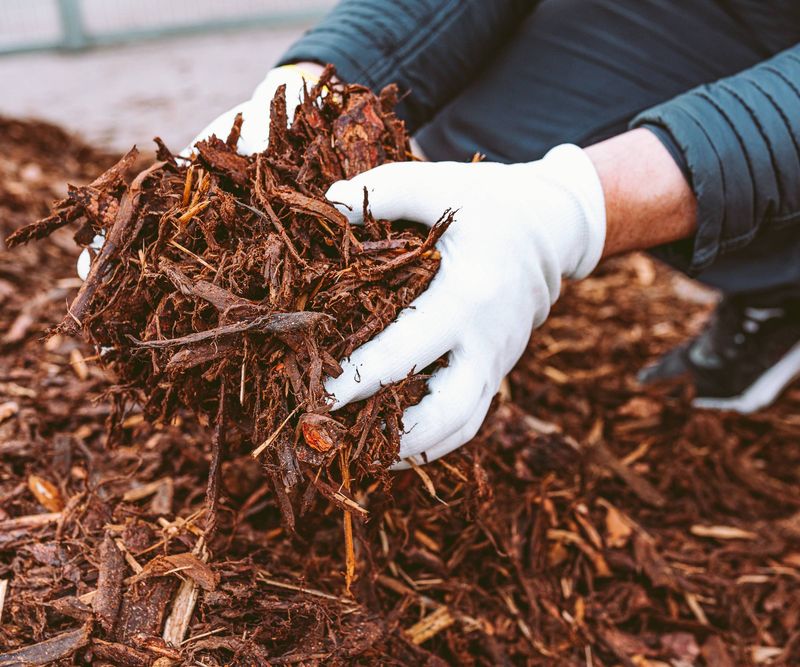
Here comes the trick, and it feels backward at first. Spread winter mulch after the top of the soil has frozen, not before. University extension guides, including Cornell and the University of Minnesota, recommend this timing for perennial beds.
Why wait? Winter mulch is not a heating pad. Its job is to shade frozen soil and keep it cold and steady, so sunny afternoons cannot thaw it and set off another heave cycle.
For much of New York, that moment arrives from late November into December. Higher spots like the Adirondacks and Tug Hill often freeze earlier, while Long Island and New York City may not freeze hard until well into December or later.
Watch for a few clues. The top inch or two of soil stays crunchy through the afternoon, and you have seen several nights in the low 20s. Perennial foliage has flopped and browned, which tells you plants have settled into dormancy.
Keep your mulch bags or leaf piles handy and dry until then. I stash mine under a tarp near the beds. When the ground finally stiffens, the whole job takes about an hour on a cold Saturday morning.
Early October Mulch Can Leave Your Hostas Confused
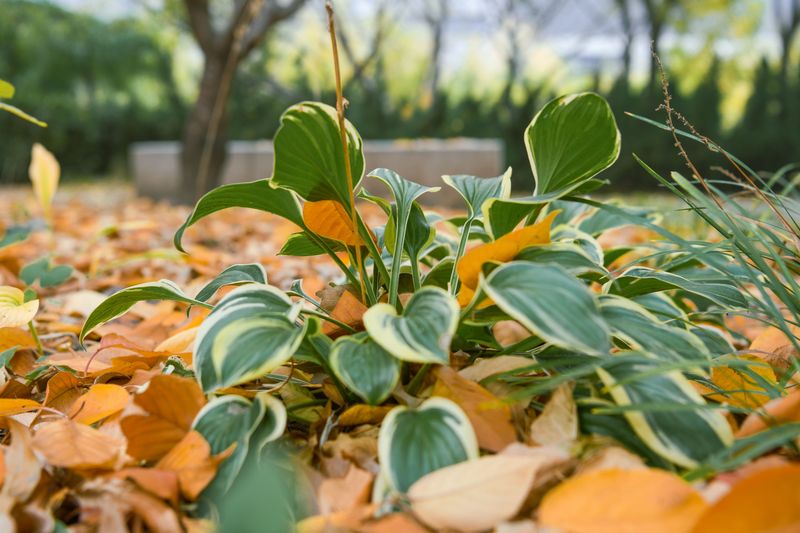
Not going to lie, I was the October mulcher for years. It felt responsible, like tucking kids into bed early. The plants did not see it that way.
Fall soil holds a lot of summer warmth. A thick blanket laid on warm ground traps that heat and can slow the natural slide into dormancy. Some perennials respond by pushing soft new growth that cold snaps quickly damage.
Early mulch also delays freezing just enough to stretch out that messy freeze-thaw stretch. Instead of preventing heave, you may simply push it into a less predictable window.
Critters notice too. Voles and mice love a cozy, moist layer to nest under, and they will happily nibble crowns and roots all winter. Waiting until cold weather sends many of them elsewhere first helps reduce that risk.
Wet mulch sitting against crowns for months can also invite rot, particularly on plants that hate soggy feet. Lavender, coral bells, and many silver-leaved perennials sulk when smothered.
Fall does still call for some work, of course. Weed, water, and rake leaves into a holding pile. Just hold off on the actual tuck-in until the soil gives you the signal.
Shredded Leaves And Straw Make A Fluffy Frost Blanket
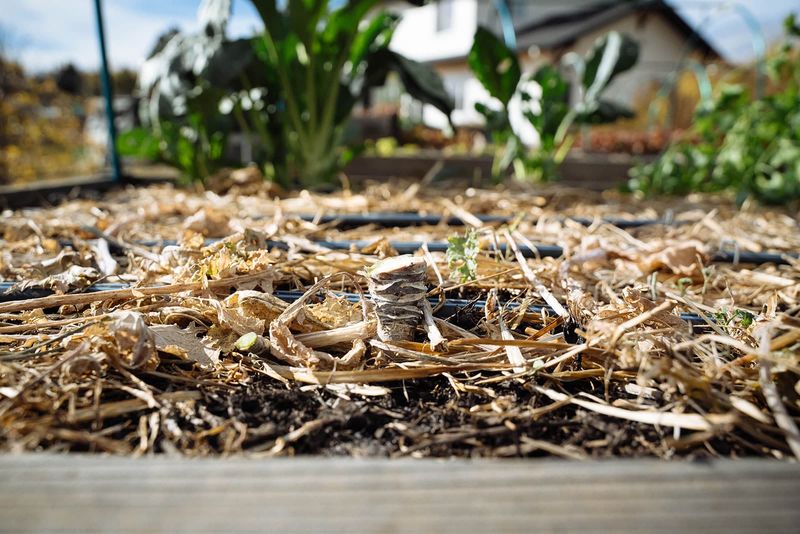
My favorite free mulch blows across the lawn every fall. Shredded leaves stay loose, trap air, and break down into lovely organic matter by summer. Running them over with a mower first keeps them from matting into a soggy sheet.
Clean straw works beautifully too. Pick straw rather than hay, since hay often carries weed seeds you will curse later. Evergreen boughs are another classic choice, and many folks recycle holiday tree branches for this job.
Aim for about 2 to 4 inches over most beds. Exposed, windy spots and brand-new plantings can handle a bit more, especially upstate where snow cover comes and goes.
Keep the layer light and airy around crowns. Heavy, wet material pressed right against stems can encourage rot and give rodents a hiding spot. Loosely surround the plant instead of burying it in a dense heap.
Snow counts as mulch, by the way. A steady snowpack is one of the best insulators around, which is why heave tends to be worse in winters with thin, patchy snow. Your mulch is basically backup for those bare, sunny stretches between storms.
Fall-Planted Perennials Need A Head Start On Rooting
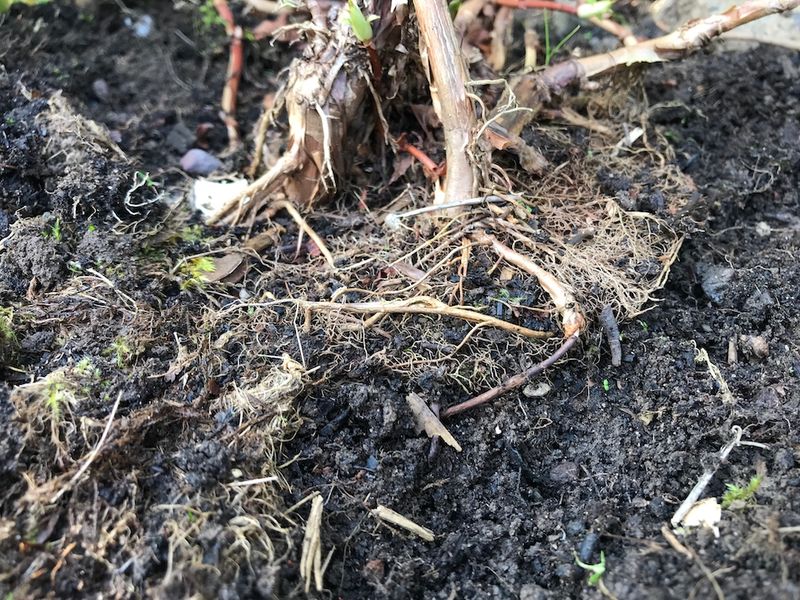
Young plants have the weakest grip on the ground. A perennial set out in fall has had only weeks to spread roots, so the soil can pop it up like toast.
Give fall plantings at least four to six weeks of root time before the first hard frost. In much of upstate New York that means finishing by mid to late September, while downstate gardeners can often stretch into early October.
Keep watering until the soil freezes. Moist soil helps roots knit in, and it also holds and releases heat more steadily than dry, dusty ground.
Late arrivals happen to all of us. Bargain-bin perennials in October are hard to resist, I admit. If you plant late, set the crown at the proper soil level, firm the soil well, and give that bed winter mulch once it freezes.
Another option works nicely for very late buys. Sink the pot into a sheltered spot in the vegetable garden, mulch it after the freeze, and transplant properly in spring.
Recently divided clumps deserve the same care. Splitting plants in fall leaves smaller root balls that heave easily without extra attention.
Soggy Clay Soil Gives Frost A Bigger Push
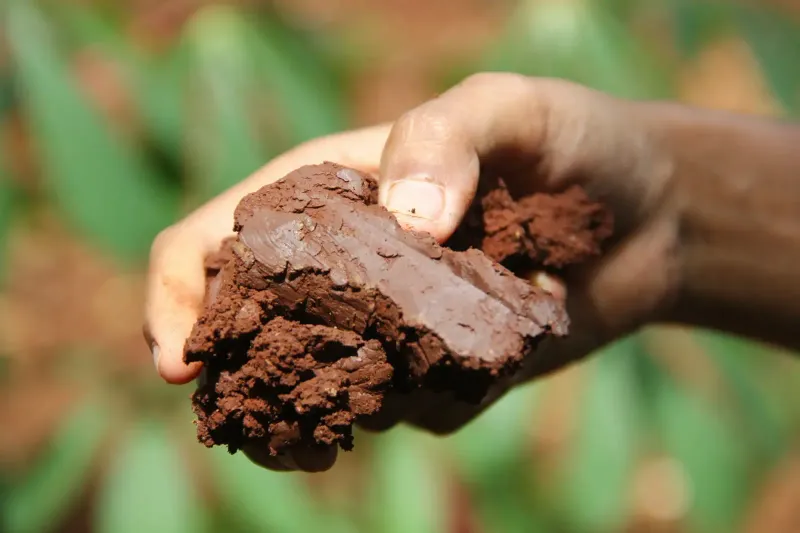
Soil type quietly decides how bad heave gets. Silty and clay soils hold lots of water and wick moisture upward, which feeds those swelling ice lenses. Sandy, well-drained soil heaves far less.
Plenty of New York gardeners deal with heavy ground. Parts of Western New York, the Finger Lakes, and the Hudson Valley have dense, slow-draining soils that stay wet well into winter.
Compost is your friend here. Working organic matter into beds over time improves structure, opens up air spaces, and helps water move down instead of sitting near the surface. Results build gradually, so think of it as a multi-season project.
Look at where water collects after a heavy fall rain. Low spots that puddle are prime heave zones, so save them for tough, deep-rooted plants or build a raised bed there instead.
Skip working soil while it is soaking wet. Walking on saturated beds compacts the ground, which makes drainage even worse. Stepping stones or a board can spread your weight during fall chores.
Pick the right plant for the right spot, too. Natives suited to wet ground, like swamp milkweed and blue flag iris, handle soggy conditions better than fussy shallow-rooted choices.
Gently Press Heaved Crowns Back Down In Early Spring
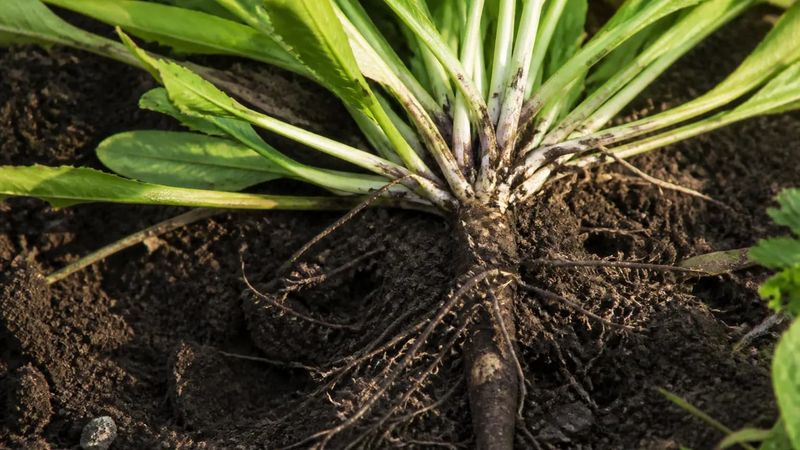
Spring walk-throughs are my favorite garden ritual. Coffee in hand, I check every bed for crowns sitting too high after thaws.
Spot a lifted plant? Wait until the soil has thawed and drained enough to work without smearing. Then press the crown back down firmly with your hands, or replant it at the right depth if roots are badly exposed.
A quick handful of soil or compost over bare roots helps in the meantime. Water lightly afterward so the soil settles around them.
Pull winter mulch back gradually as new shoots appear and nights stop dipping hard. Leaving it piled on too long can trap moisture around emerging growth and slow soil warming. You can spread that mulch between plants to break down over summer.
Jot down which plants heaved and where. Patterns tell you a lot, maybe one bed drains poorly or a certain plant wants a better spot.
Fair warning, timing will vary a bit each year. Still, the big lesson holds steady. Mulch once the ground freezes, check in spring, and your perennials have a far better shot at staying put for many seasons ahead.