That Crumpled White Paper Behind Your Louisiana Water Heater Is Not Trash
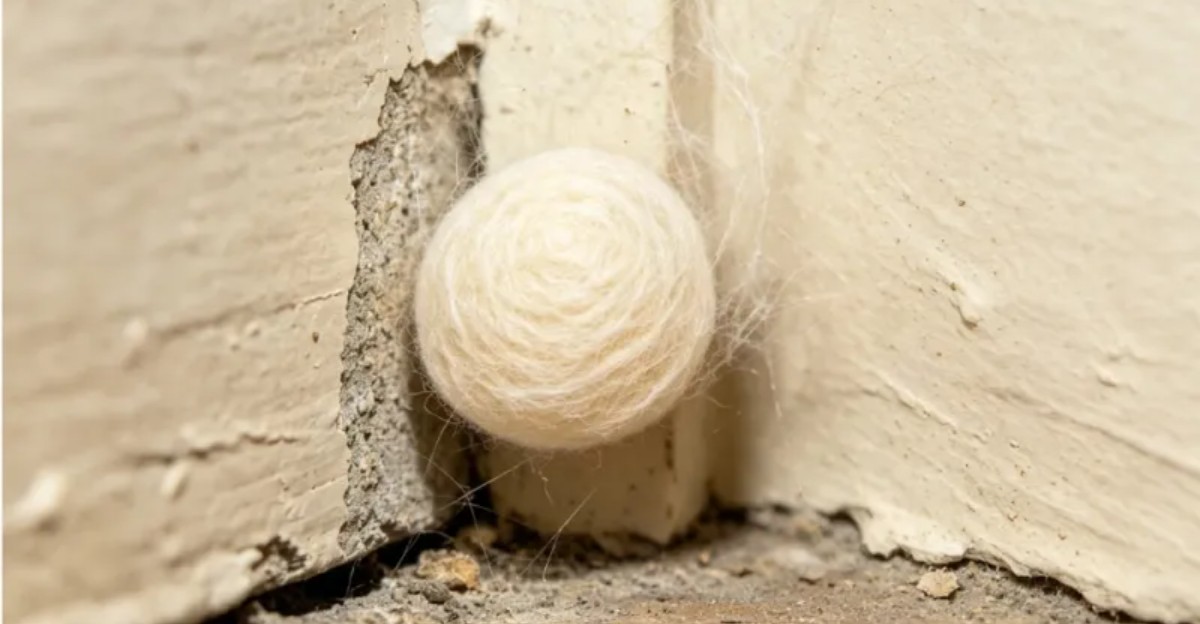
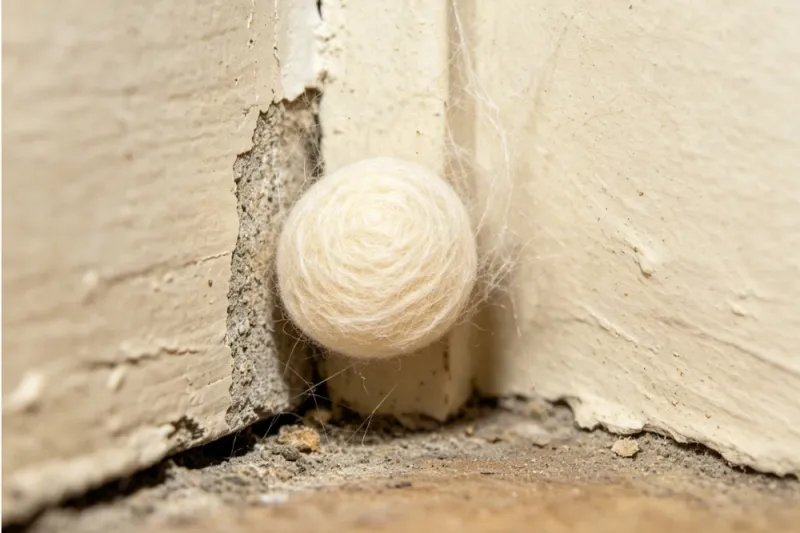
A single silk pouch smaller than a grape can hold a few hundred eggs. I found one tucked behind a water heater in Louisiana, and it looked like a crumpled bit of white paper someone forgot to sweep up.
Turns out that hiding spot was picked with care. The corner was dark, quiet, sheltered, and close to a steady supply of crawling snacks like roaches and crickets.
You might notice these pouches in garages, sheds, and utility closets across Louisiana. Our warm, humid weather keeps many eight-legged residents busy for much of the year, and a cozy closet suits them just fine.
I am surprised how many folks toss these pouches without a second look. The shape, color, and texture can tell you exactly who built it. Check those clues before you reach for the broom.
That Papery White Pouch Behind The Water Heater Has A Builder
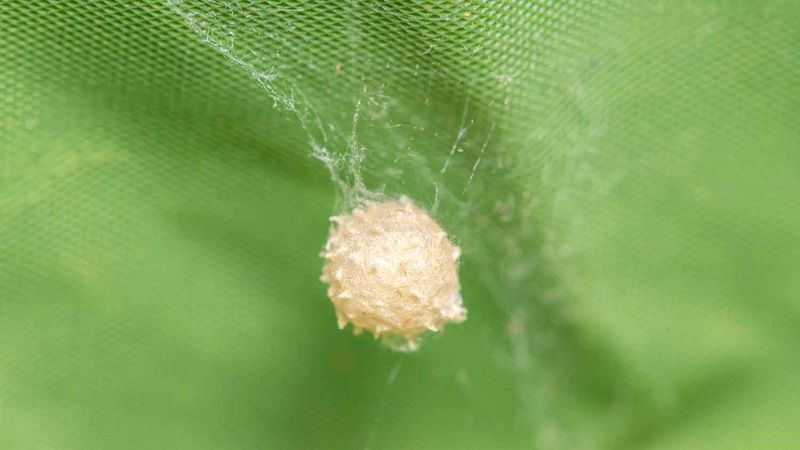
Nothing about that little pouch is accidental. A female spider spun it, filled it with eggs, and wrapped it in layers of tough silk to guard her young.
Behind a water heater is prime real estate for a nursery. The spot stays dark and rarely gets touched, and pipes and the tank add mild warmth on cool nights. Many homeowners only see the space when the heater needs repairs.
In Louisiana, a smooth, round, tan or cream sac in a messy, tangled web very often belongs to a widow spider. The southern black widow is a native resident across the state. The brown widow, a newer arrival, has also become common, especially in towns and cities.
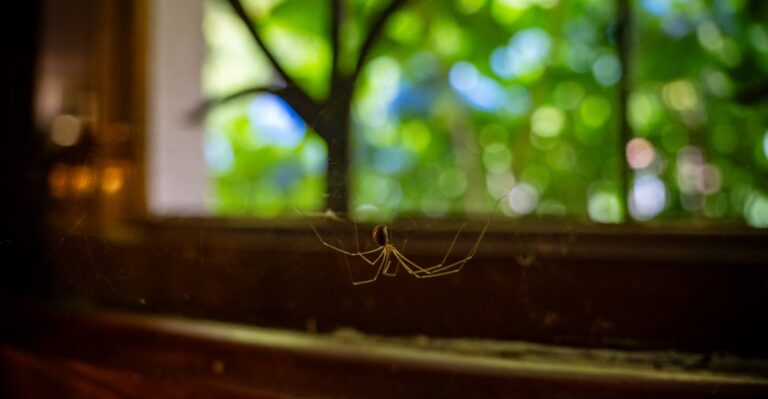
Other spiders make sacs too. Southern house spiders, cellar spiders, and common house spiders all tuck eggs into quiet corners, and most of them pose little risk to people. Cellar spiders even carry their eggs in their jaws instead of leaving them behind.
So the pouch is a clue, not a crisis. Before you panic or swat, take a slow look at the web around it and note the sac’s color and surface. Those few details point you toward the right answer and the right next step.
Smooth Or Spiky Widow Egg Sacs Tell Two Different Stories
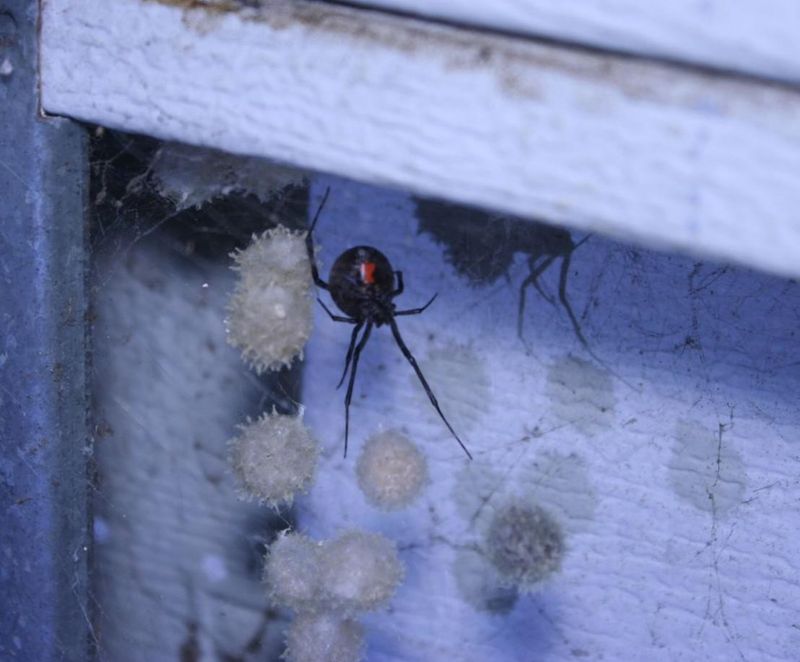
Run your eyes over the surface first, never your fingers. The texture of a widow sac is the easiest way to tell which species made it.
Southern black widow sacs, common across Louisiana, are smooth and round, sometimes slightly pear-shaped.
They feel papery and range from white to cream, tan, or light gray, often darkening with age. Most measure about a half inch across, roughly the size of a pea or a little bigger.
Brown widow sacs look wild by comparison. They are covered in tiny pointed bumps, a lot like a sandbur or a fuzzy cocklebur.
Once you see one, you will recognize it right away, and brown widows have become a familiar sight around Louisiana homes and yards.
Look at the spider nearby if she is home. A black widow female is shiny black with a red hourglass on her belly.
A brown widow is tan to gray with an orange or yellow hourglass and banded legs. Here is a handy trick I use. Snap a clear phone photo from a safe distance with the flash on. Zoom in later to check the sac’s surface and the spider’s markings.
The LSU AgCenter and your parish extension office can help confirm what you found if you are unsure, since they know which species turn up in Louisiana.
A Black Widow Mom Guards Her Silk Nursery Closely
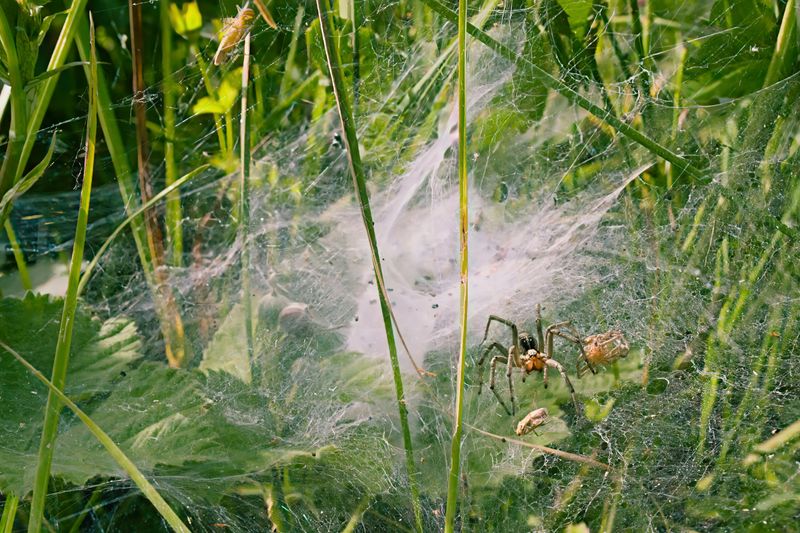
Mother widows are homebodies. A female often stays right beside her sac, hanging upside down in her tangled web, and she can get defensive when it is disturbed.
Widow spiders are shy and do not hunt people. Most bites happen when a hand presses against a hidden spider, like when you reach behind an appliance or slip on an old glove.
Near an egg sac, that accidental contact becomes more likely. A black widow bite can cause muscle pain, cramping, sweating, and nausea. Children, older adults, and people with health problems can react more strongly.
Brown widow bites are usually milder but can still hurt and cause symptoms. So keep your bare hands out of that gap. Wear thick gloves and long sleeves, and use a flashlight before reaching anywhere you cannot see clearly.
A long-handled tool keeps a comfy distance between you and the web. If someone gets bitten, wash the spot with soap and water and apply a cool pack. Call your doctor or the Poison Control line at 1-800-222-1222 for guidance.
Seek urgent care for severe pain, cramping, or trouble breathing, and bring a photo of the spider if you can.
Hundreds Of Tiny Spiderlings Can Hatch From One Sac
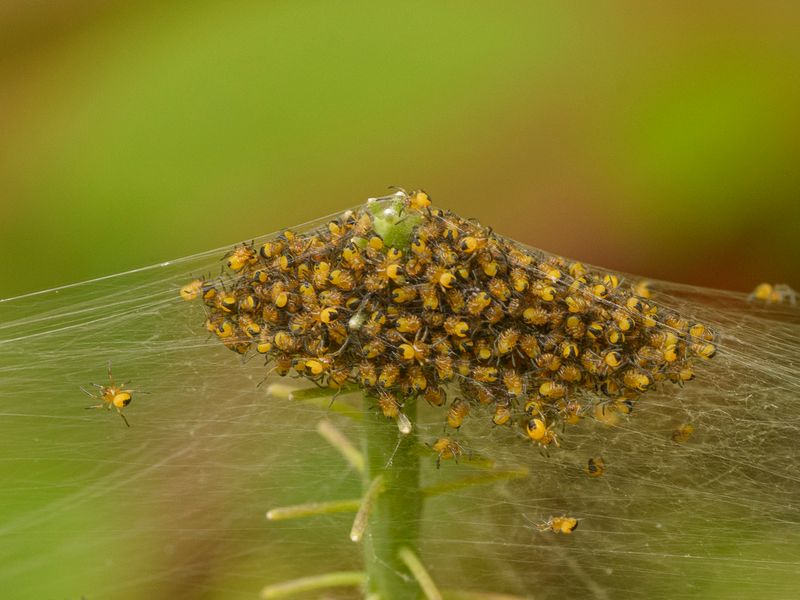
Count on a crowd. One widow sac can hold anywhere from about 100 to 400 eggs, and a single female may make several sacs during the warm season.
In Louisiana’s long, steamy months, eggs often hatch in roughly two to four weeks. The tiny spiderlings stay inside the sac until after their first molt, then chew their way out. They start out pale and look nothing like their glossy mother.
Life inside is rough. Spiderlings often eat each other, and many get gobbled by other predators once they leave. Only a small share make it to adulthood, which is why mom makes so many eggs.
The survivors spread out in a clever way. Many release a thin silk thread and let the breeze carry them off, a trick called ballooning. Some float only a few feet, while others drift much farther.
Here is why timing matters to you. Removing a sac before it hatches stops hundreds of babies from scattering through your closet or garage.
If you see tiny spiders already crawling around the web, a vacuum with a sealed bag handles them quickly and keeps them out of your hands.
Removing An Egg Sac Safely Takes Gloves And A Vacuum
Gear up first and the job goes fast. I keep a pair of heavy gloves, a flashlight, and a vacuum with a hose attachment ready for exactly this chore.
Start by shining your light around the whole area. Look for the female near the sac, since she often hides in a crack or under a ledge close by.
Turn off nearby power or gas controls only if you need to move parts, and never tamper with the water heater itself.
Vacuuming works well. Suck up the spider, the web, and the sac in one pass, then seal the bag in a plastic sack and put it in an outdoor trash can.
A bagless canister should be emptied outside right away. No vacuum handy? A long stick or a scraper can lift the sac into a jar or zip bag. Seal it tightly and freeze it for a couple of days before tossing it out.
Skip squishing the sac with your shoe. It can split open and release eggs or babies onto the floor.
Spraying random bug spray into the closet also rarely helps, because the silk protects eggs well and the spray can leave residue near your appliance.
Fewer Roaches And Crickets Mean Fewer Widow Webs
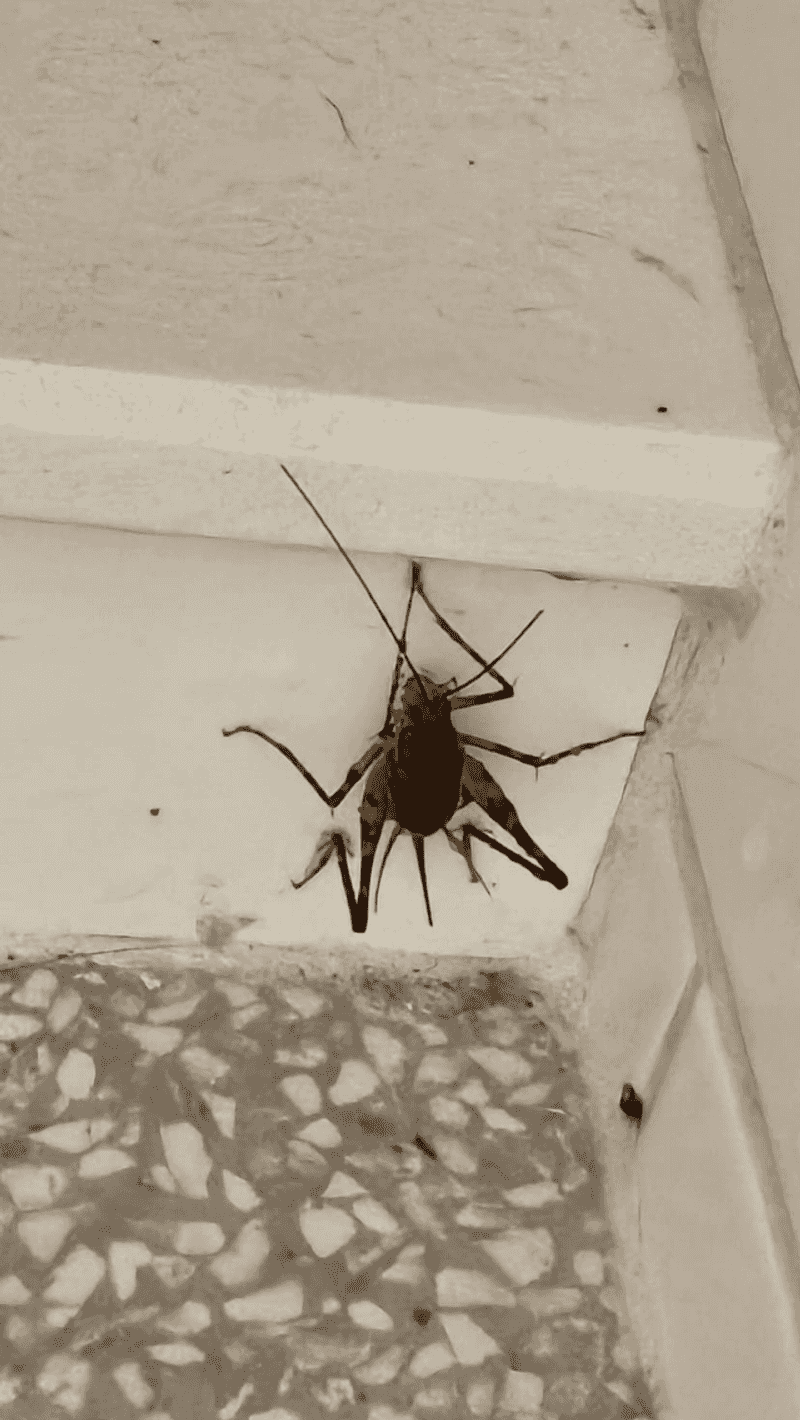
Spiders go where the food goes. If roaches, crickets, and ants wander behind your water heater, widows have a reason to move in and stay.
Cut off that buffet. Fix dripping pipes and leaky fittings, because moisture draws many insects.
Keep pet food in sealed bins and sweep up crumbs in garages and laundry rooms.
Clutter is the next big draw. Cardboard boxes, stacked newspapers, and piles of old shoes create dark hiding spots that widows adore.
Swap boxes for lidded plastic tubs and keep storage a few inches off the floor and away from walls.
Seal the way in, too. Caulk gaps around pipes, wires, and vents, and add door sweeps to garage and exterior doors.
LSU AgCenter experts point out that sealing entry points is one of the most effective spider control steps around a home.
Outside, trim shrubs and vines away from the foundation. Move firewood and brick piles away from the house, and swap bright white porch bulbs for yellow bug lights so fewer insects gather.
Glue traps placed along walls catch wandering spiders and show you where activity is highest.
A Quick Check Behind Your Water Heater Keeps Spiders In Check
Make it a routine and you will rarely be surprised again. A flashlight check every month or two behind the water heater, washer, and dryer takes about five minutes.
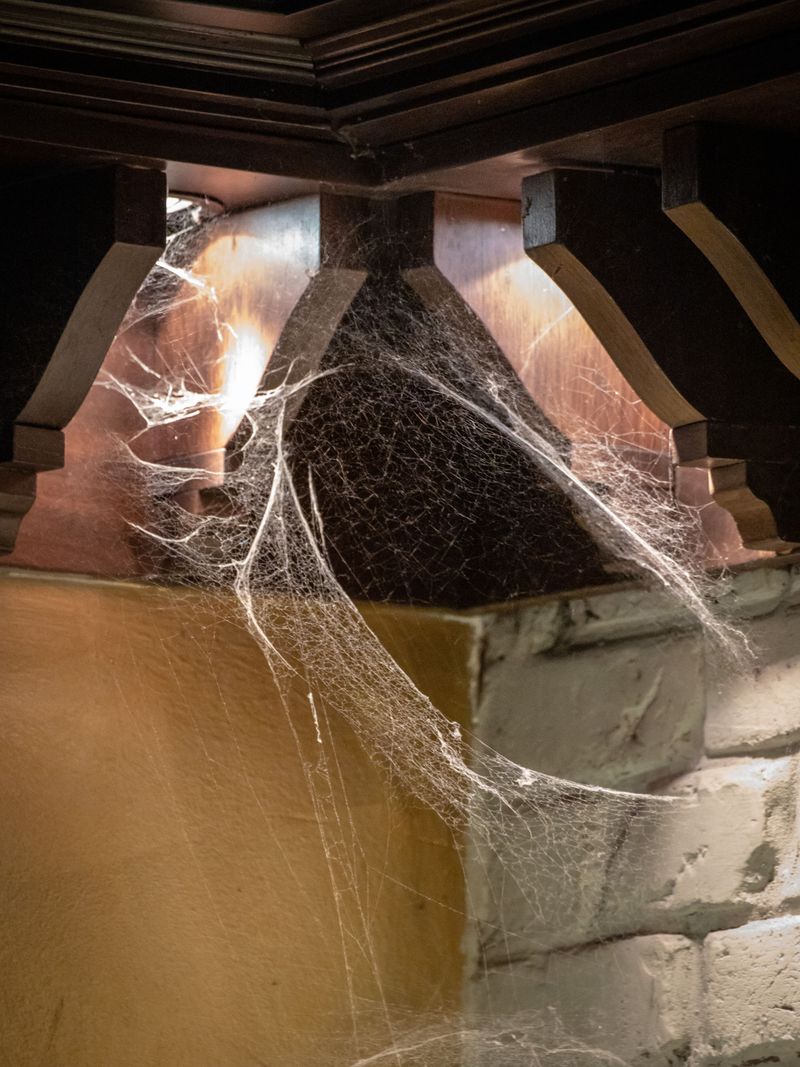
Look for messy, irregular webs close to the floor. Widow silk feels unusually strong and sticky, almost like fishing line.
Catching webs early, before any sac appears, keeps a single spider from turning into a household project.
Spring and summer bring the most egg-laying in Louisiana, so check a bit more often then. Fall is another good time, since cooling nights can nudge spiders toward sheltered spots indoors.
Remember that most spiders in your home are helpful. House spiders and cellar spiders eat mosquitoes, flies, and other pests, and they rarely bother people.
Reserve your concern mostly for widows and brown recluses, both of which live in parts of the state.
Call a licensed pest control pro if you keep finding widow sacs or spot several spiders at once. They can identify the species and target hiding spots safely.
A little regular attention lets you share your home with its tiniest residents on your terms, keeping that cozy closet corner yours again.