The Wet Glow On Your Minnesota Window Frames Is A Warning Worth Reading
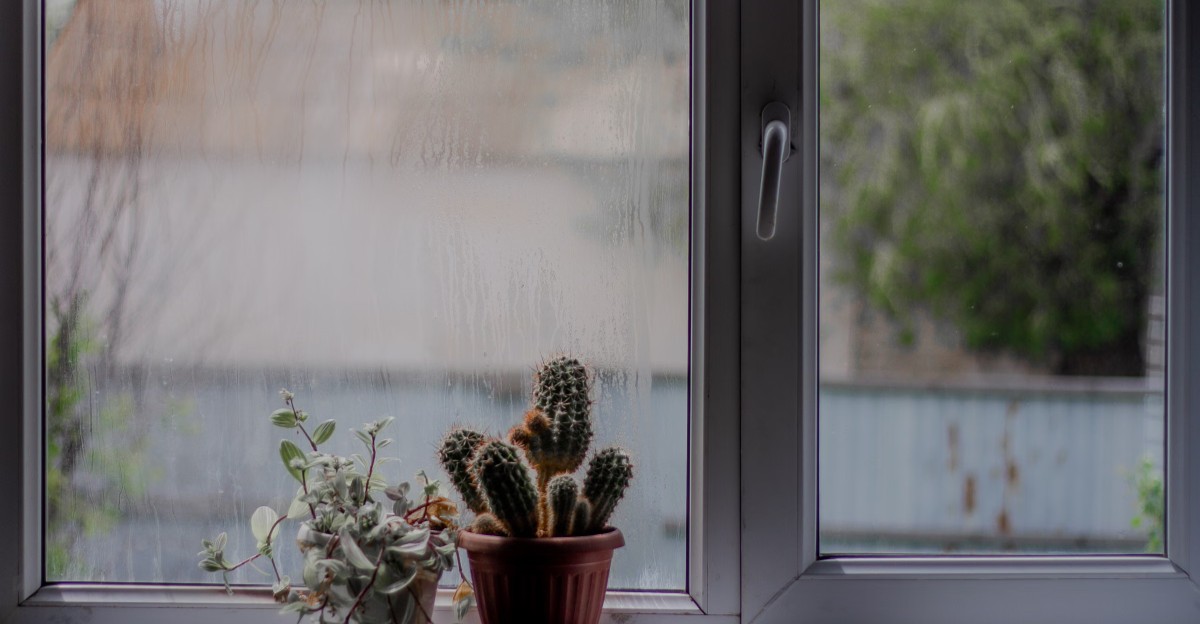
A Minnesota family of four can add gallons of water to the air inside a house every single day. Nobody pours it. It drifts out of showers, soup pots, houseplants, and plain old breathing.
In a Minnesota winter, all that invisible water goes looking for the coldest surface it can find. Usually that means the glass and the wooden frame wrapped around it. I used to wipe that shiny film off my sills with a dish towel and forget about it by lunch.
After I poked a soft spot in one corner with a screwdriver, I stopped shrugging. Wood that stays damp week after week invites mold, peeling paint, and slow rot.
You might notice the earliest clues long before the bigger trouble shows up. That glossy sheen is your house sounding an alarm, and knowing where harmless condensation ends and real damage begins will save your windows.
That Shiny Film On Your Wooden Window Sill Has A Source
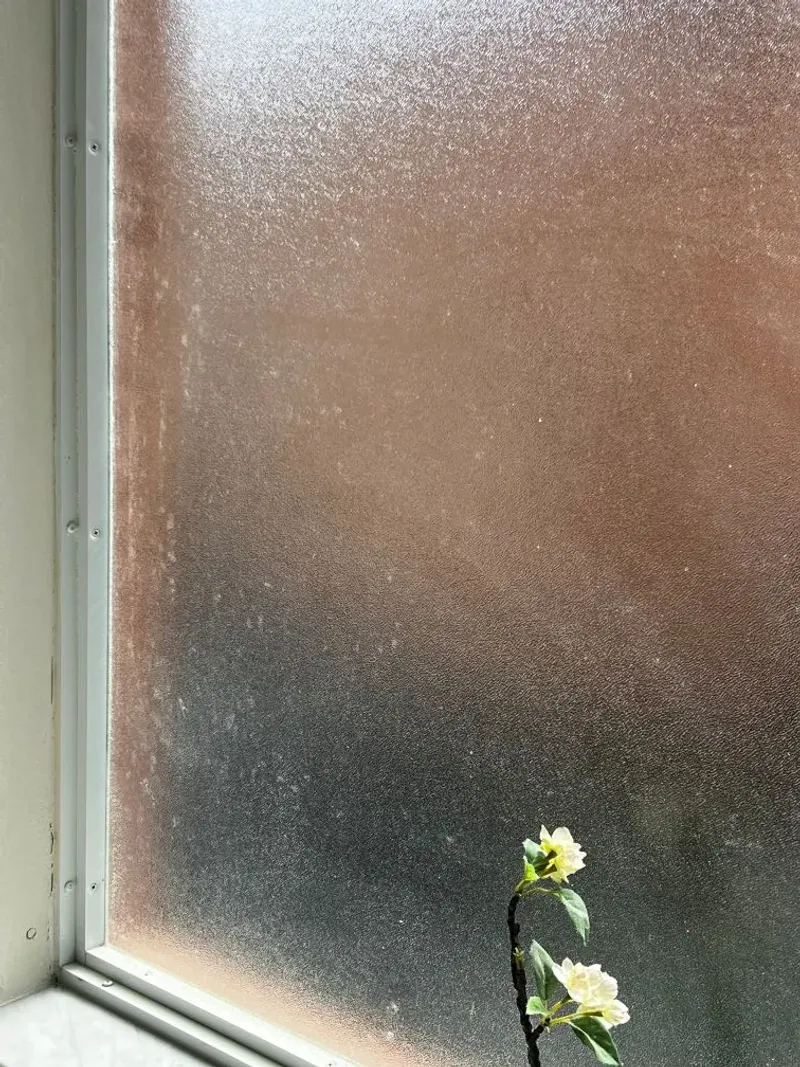
My first clue was a puddle on the sill under a sleepy spider plant. I blamed the plant. The plant was innocent.
That wet glow you see on cold mornings is usually water that came from the air in your own rooms, not from a leak outside. Most often, it came from the air in your own rooms.
When it shows up on wooden frames, sashes, or the bottom corners of the glass, your house is handing you a moisture report card.
A little fog on a bitter January morning is common in older homes. The trouble starts when the shine sticks around all day, gathers into droplets, or runs down and pools where glass meets wood. Wood soaks up that water slowly and lets it go slowly too.
Watch for patterns rather than single days. Note which windows get wettest, what time it appears, and how cold it was outside.
Bedrooms, kitchens, and bathrooms often top the list because people sleep, cook, and shower there.
A quick note on your phone helps a lot. After a week or two, you will see whether the problem is one leaky window or a whole-house humidity issue. That difference shapes every fix that follows.
Warm Indoor Air Meets Frigid Window Glass And Leaves Water Behind
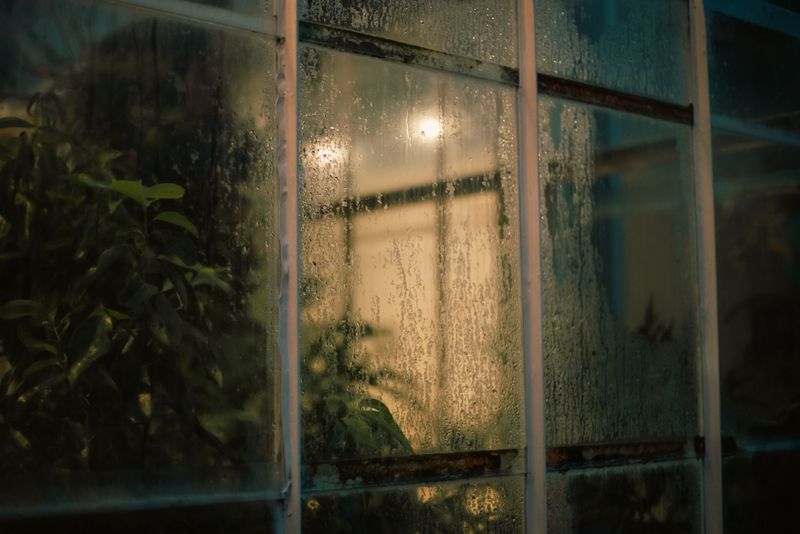
Science class finally pays off here. Air can hold only so much water vapor, and colder air holds less. The temperature where air can no longer hold its moisture is called the dew point.
Your windows are usually the coldest surfaces in a heated room. On a bitter-cold night, the inside face of a single pane drops far below room temperature, and the wooden frame around it chills too.
Warm indoor air drifts against that surface, cools past its dew point, and drops its water right there.
Same trick as a glass of iced lemonade sweating in July. Minnesota winters make it extra noticeable because the gap between indoor and outdoor temperatures can top 80 degrees. Bigger gaps mean colder glass and more water.
So where does all that indoor moisture come from? Showers, boiling pasta, laundry drying on a rack, fish tanks, firewood stored indoors, and a crowd of thirsty houseplants all add to it. People add plenty just by breathing.
Newer homes can be sneaky too. Tight construction keeps heat in, but it also traps humidity unless ventilation keeps up.
Fresh plaster, concrete, or lumber in a recently built or remodeled house can release moisture for months.
Turn Down The Humidifier Before Your Window Frames Pay The Price
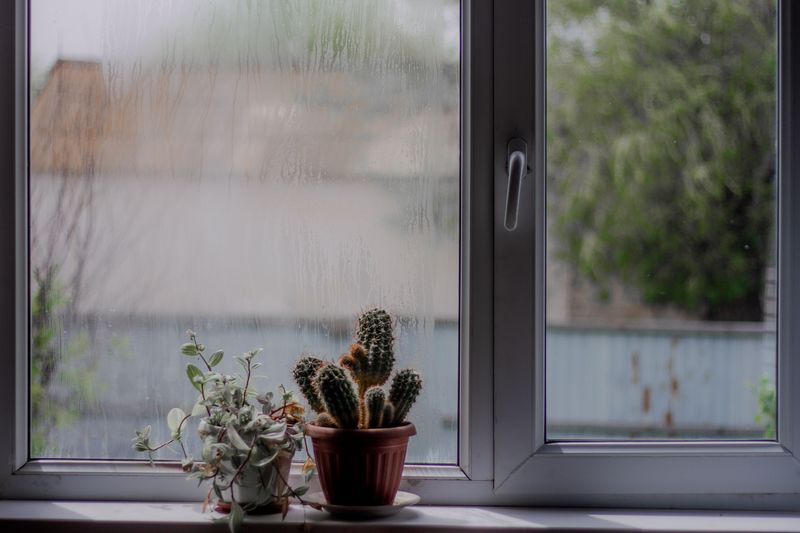
My humidifier and I had a long talk one February. It was winning, and my windows were losing.
University of Minnesota Extension suggests lowering indoor humidity as outdoor temperatures fall.
Their general guide runs roughly like this: about 40 percent when it is 20 to 40 degrees outside, 35 percent from 10 to 20, 30 percent from 0 to 10, 25 percent from minus 10 to 0, and about 20 percent from minus 20 to minus 10. Colder than that, aim near 15 percent.
Those numbers may look low, but they help keep water off cold glass. An inexpensive digital hygrometer costs about as much as a pizza, so grab one and check a few rooms.
Run bathroom fans during showers and for 20 minutes or so afterward. Use the range hood while cooking, and make sure both fans vent outdoors instead of into the attic. The clothes dryer should vent outside, too.
Open curtains and blinds during the day so warm room air can reach the glass. Heavy drapes pulled tight at night trap chilly air against the window, which often makes the morning shine worse.
Still too humid? A heat recovery ventilator or a basement dehumidifier can help balance things out.
Peeling Paint And Black Specks On Window Frames Mean Moisture Is Winning
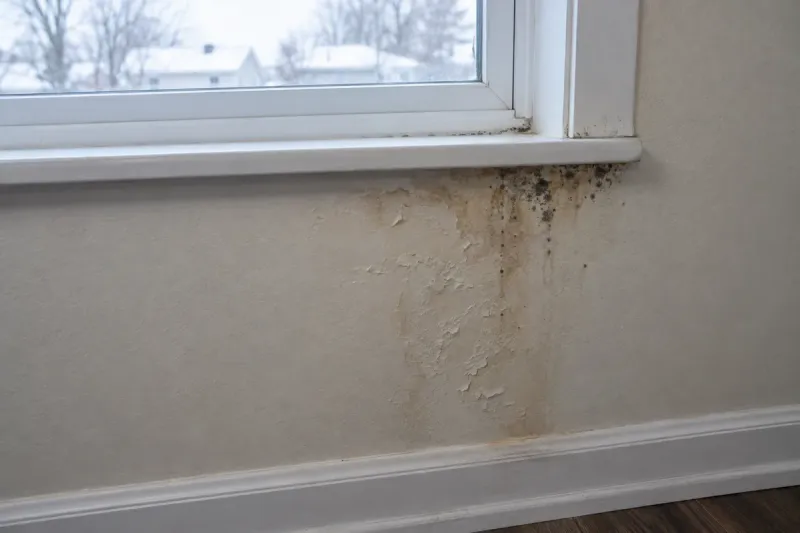
Paint is a fantastic tattletale. When water keeps soaking into the wood beneath it, the paint bubbles, cracks, and lifts in flaky curls, usually starting along the bottom rail and sill.
Next, hunt for spots. Black, gray, green, or pinkish specks on caulk, wood, or the window track usually mean mold has moved in.
The Minnesota Department of Health notes that indoor mold can trigger allergy symptoms, asthma flare-ups, and irritation, so even a small patch deserves attention.
Dark gray or brown stains on bare wood, especially around corners and joints, point to water that has been sitting there a while. Swollen sashes that stick or refuse to close smoothly tell a similar story.
Then try my favorite test. Press a screwdriver or awl gently into the wood at the lower corners. Sound wood pushes back, while rotted wood feels soft, spongy, or crumbly, and the tip may sink in with little effort.
Check the outside, too. Cracked exterior caulk, missing glazing putty, and poor drainage at the sill let rain and melting snow in from the other direction. Outdoor leaks and indoor dampness can team up on the very same frame.
Could Glowing Foxfire Fungus Really Show Up In Rotting Window Wood

Glowing wood is real, and it carries a wonderful old name: foxfire. Certain fungi growing in decaying wood give off a faint greenish light through a chemical process known as bioluminescence, the same general phenomenon fireflies use.
In Minnesota woodlands, the bitter oyster, Panellus stipticus, is one of the best known glowing species. It grows in little clusters on fallen hardwood logs and stumps. The light is so dim that you need a pitch-dark night and well-adjusted eyes to catch it.
So could it pop up in a window frame? I have not found solid documentation of foxfire appearing in household windows, so treat that idea as a long shot rather than a common sight.
Glowing fungi favor soggy, decaying hardwood in the forest, not painted pine sashes. Most of the time, the wet glow on your frames is plain water catching the light.
A shimmering film of condensation reflects lamps and streetlights beautifully, and it can look eerie after dark.
Either way, the message lines up. Any fungus feeding on wood needs steady moisture, so mushrooms or a strange glow on window trim mean that wood has stayed wet for a long time. That calls for a carpenter’s closer look.
Frost Patterns On Window Glass Point Straight To Air Leaks
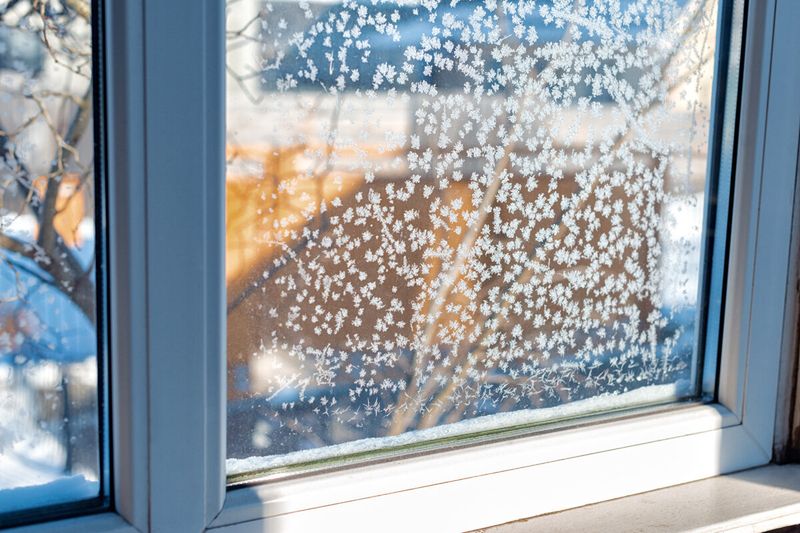
Feathery frost on the inside of the glass looks pretty enough to frame. It also works like a treasure map.
Ice builds where the glass is coldest and the moisture is highest. Thick frost along one edge, a single corner, or around the sash lock often marks a spot where outside air sneaks in or warm room air slips out.
On a breezy day, hold a lit incense stick near the edges and watch the smoke waver at drafty spots.
Old double-hung windows paired with storm windows can get frosty between the panes. That usually means warm, moist room air is leaking past the inner sash.
Weatherstripping that inside sash, while leaving the small weep holes at the bottom of the storm window open, helps trapped air dry out.
Interior plastic film kits are a budget-friendly winter fix for drafty glass. They create an insulating air pocket and keep moist room air off the cold pane. Removable interior storm panels do a similar job and last for years.
When that ice melts on a sunny afternoon, the water runs right onto the sill. Wipe it up the same day. Repeated melt-and-soak cycles are what push paint to fail and wood to soften.
Drying Out Damp Window Frames Starts With A Towel And A Fan
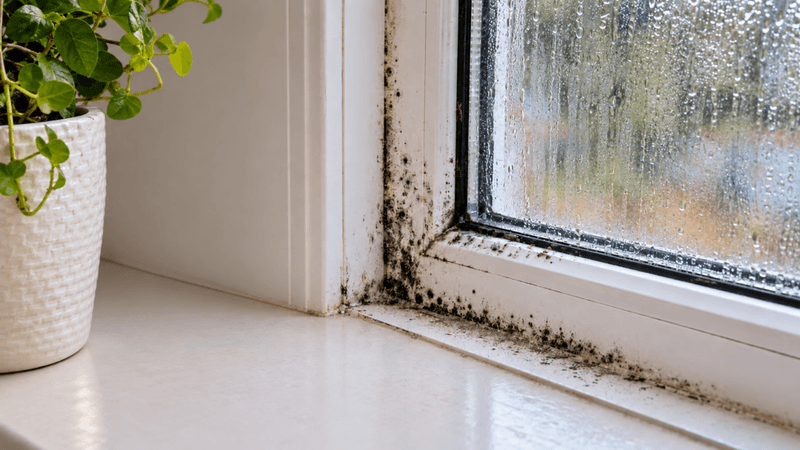
Start small and start today. A dry microfiber cloth each morning keeps water from sitting on the wood, and a small fan aimed at a stubborn window speeds up drying.
For light mold on sealed or painted surfaces, the Minnesota Department of Health recommends cleaning with soap or detergent and water, then drying the area well. Wear gloves, eye protection, and a snug mask, and keep the room ventilated.
Skip mixing cleaners, especially bleach with ammonia products, because the fumes are harmful.
Soft, rotted wood needs a different plan. Small spots can be dug out, treated with a wood consolidant, filled with epoxy wood filler, then primed and painted.
Bigger damage to sills or sashes may call for a carpenter to splice in new wood, or for a replacement window.
Late spring and early fall are friendly seasons for outdoor repairs, since paint and caulk cure best in mild, dry weather. Recaulk cracked joints, reglaze loose glass, and repaint bare wood before the cold returns.
My favorite takeaway? Treat that morning shine like a gauge on your dashboard. Dry sills mean your house is in balance, while a wet glow says it is time to adjust humidity before the wood starts complaining louder.