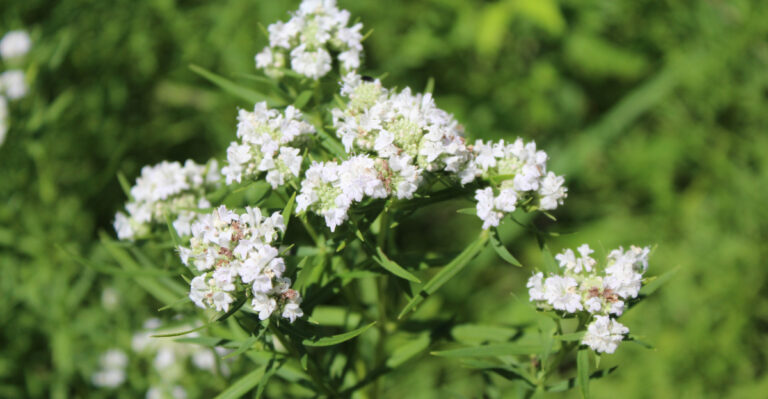
The Threatened Wildflower That Still Blooms In Minnesota
You’ve probably walked right past an extraordinary detail without ever noticing. A tiny organism persists where almost nothing else can.
Botanists rank it among North America’s rarest native species. Winters press hard against these quiet hillsides year after year.
Imagine something so delicate returning every early spring. Instead of fading, it reappears against every expectation.
Nearly everyone overlooks it without a passing thought. Meanwhile, you drive past completely unaware.
Fewer people still understand how close it once came to fading out completely. Conservationists protect Minnesota’s last populations like a closely held secret.
Your own neighborhood could secretly be hiding a protected site. Scientists study this organism for clues about ecological balance.
Rarity doesn’t automatically mean irrelevance; it means real urgency and attention. This isn’t really a story about something small.
Every detail here changes how you see Minnesota forever. Once you learn what’s truly at stake, you won’t look away.
What Is Kittentails And Why It’s So Rare
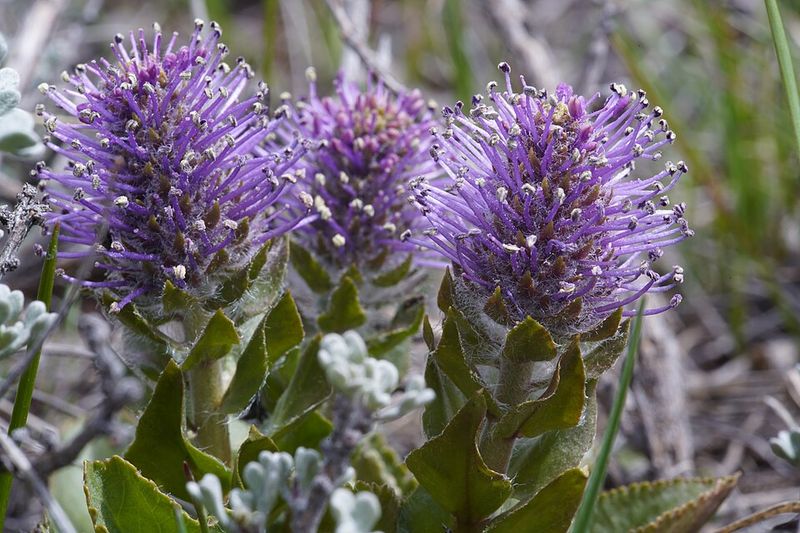
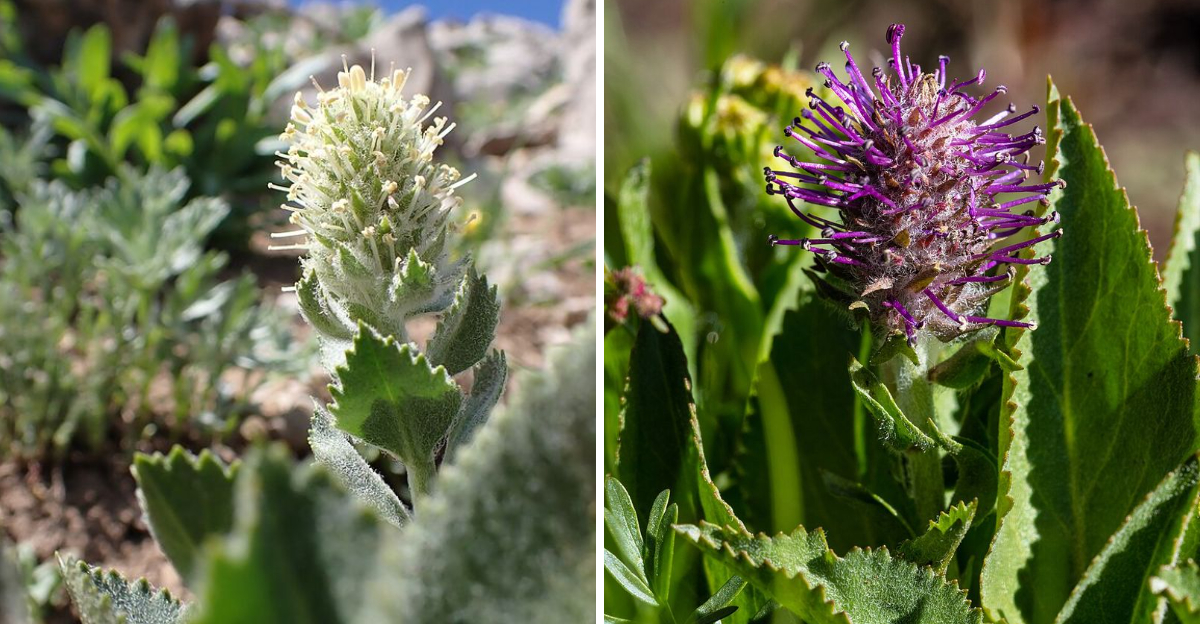
Picture a flower so small and overlooked that scientists once thought it had disappeared for good. Kittentails, known scientifically as Besseya bullii, is a native perennial wildflower found in six Upper Midwest states, though it is presumed gone from one of them.
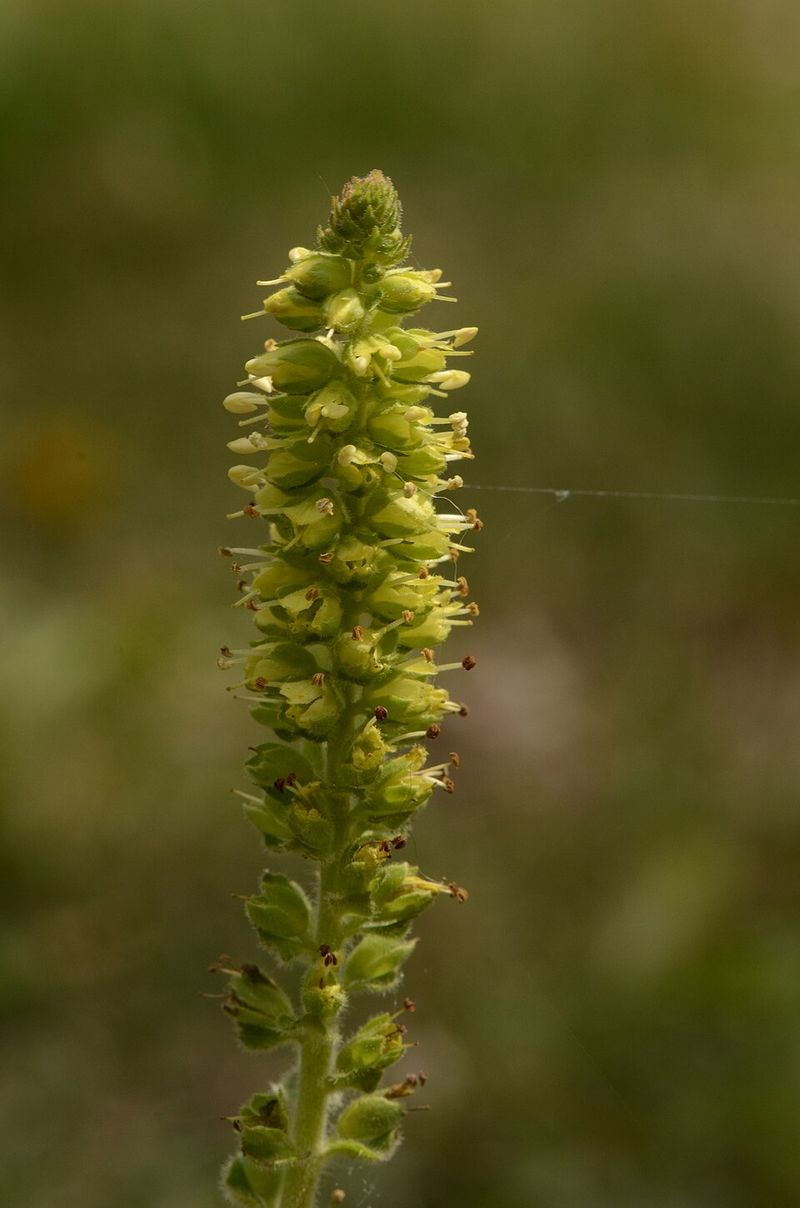
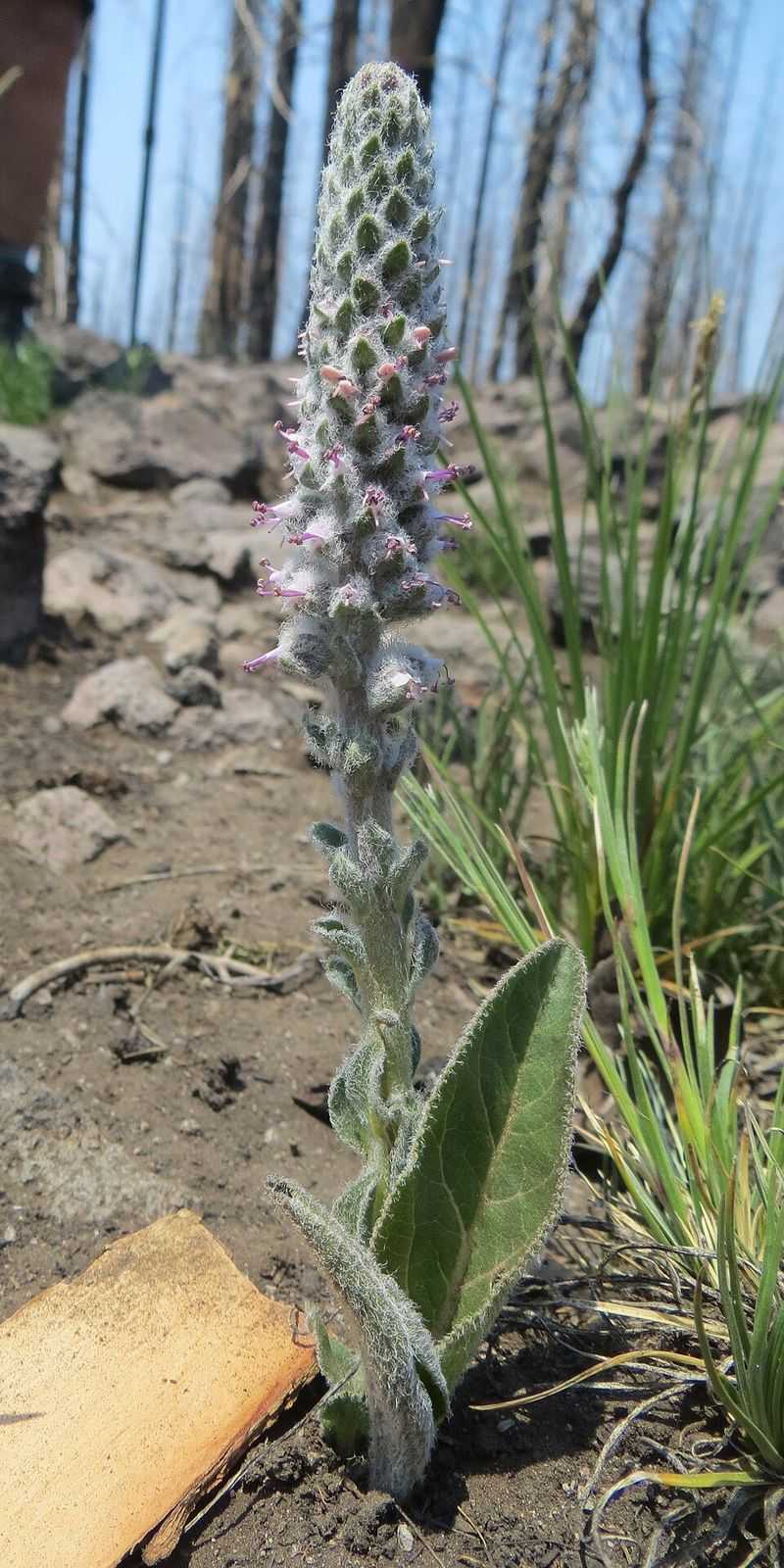
The plant grows just eight to sixteen inches tall, producing fuzzy spikes of tiny greenish purple blooms.
Kittentails is state-listed as threatened in Minnesota and several neighboring states, according to available conservation records.
Only a small number of known populations are estimated to remain across North America, according to conservation surveys, making every plant count.
What makes it so rare is a tough combination of factors. It needs specific soil, specific light, and very little competition from other plants to thrive.
The species depends on open, rocky, or gravelly slopes with thin soil and full sun. Those conditions are hard to find and even harder to protect from development and invasive species.
Botanists have documented the plant since the nineteenth century, and populations are believed to have declined as prairies and savannas were converted to farmland. Habitat loss hit this wildflower hard and fast.
Today, the threatened wildflower that still blooms in Minnesota represents one of the best remaining chances for the species to hold on. Protecting even one new patch could make a real difference for its long-term outlook.
Why Minnesota Is Its Stronghold
Against all odds, the Land of 10,000 Lakes holds some of the best remaining habitat for this fragile plant. The state’s unique geology plays a huge role in that story.
Glaciers carved out exposed limestone and dolomite outcrops across the eastern and southeastern parts of the state. Those rocky ridges and south facing slopes create exactly the dry, open conditions kittentails craves.
Most other states lost these habitats long ago to agriculture, suburban sprawl, or forest encroachment. The state managed to protect several key sites before development could erase them.
Your Minnesota Garden Changes Every Week. Your Plan Should Too.
Gardening in Minnesota changes quickly throughout the season. Every Friday you’ll receive a simple weekly plan showing exactly what to plant, prune, fertilize, harvest, and protect so you never miss the right timing.
State parks, nature preserves, and scientific and natural areas have become critical refuges for the plant. Land managers here have made a conscious effort to maintain open, sunny conditions through controlled burns and invasive species removal.
The climate here also suits the plant well, with cold winters and warm, dry springs that trigger timely blooming. Other states in the plant’s historical range have seen populations decline faster due to different land use patterns.
Conservation experts often describe Minnesota as a critical stronghold for the species. If the populations here collapse, recovery becomes almost impossible across the broader range.
Some wildflower enthusiasts have traveled to the state specifically to see this rare bloom in person. The state’s commitment to preserving bluff prairies and rocky outcrops has made it a key contributor to kittentails conservation.
Where To Find It Around The Twin Cities
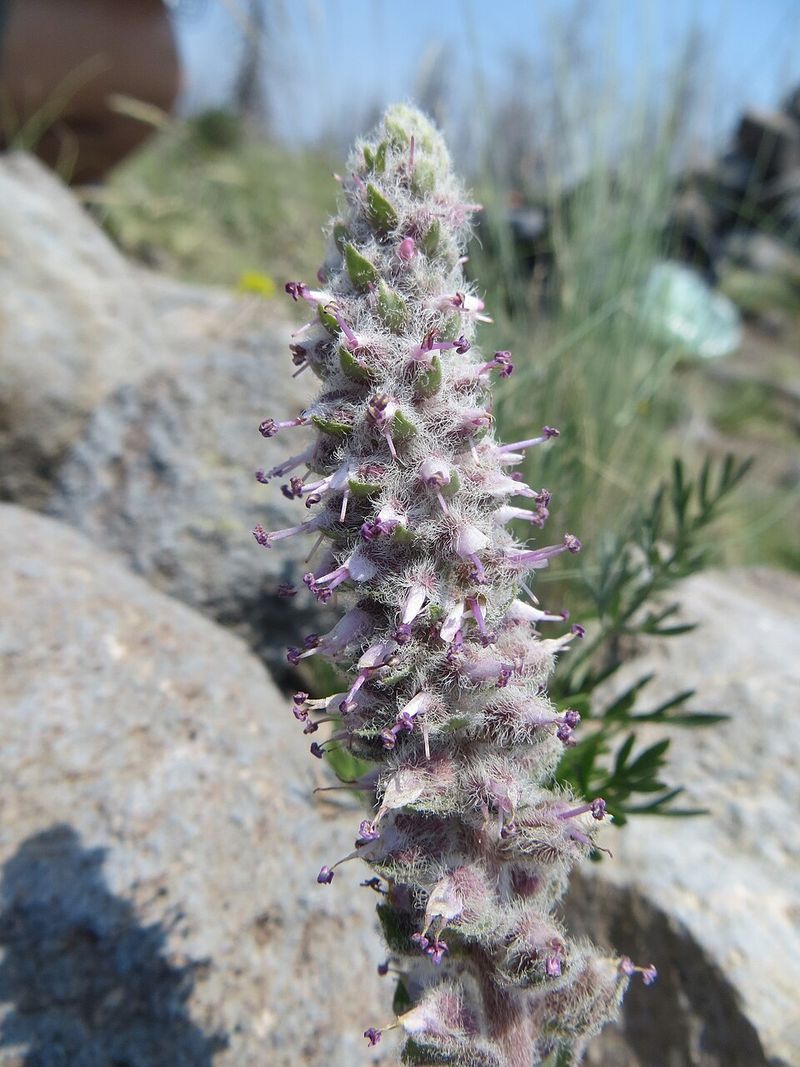
You do not need to travel to a remote wilderness to catch a glimpse of this rare bloom. Several protected sites within driving distance of the metro area host active populations.
Bluffs along the St. Croix River corridor and select scientific and natural areas are among the sites where botanists have historically documented the plant. Always confirm current site information with the Minnesota Department of Natural Resources before visiting.
Access to some sites is intentionally limited to protect the fragile soil and plant communities. Always check with the Minnesota Department of Natural Resources before visiting any known population site.
Bluff prairies and rocky south facing ridges are your best bet when scanning the landscape. Look for thin, gravelly soil with little ground cover and full afternoon sun exposure.
Joining a guided wildflower walk through local naturalist groups is one of the smartest ways to find the plant. Experts know exactly where to look and how to observe without causing harm.
Local native plant organizations in Minnesota have, at times, organized spring outings to rare plant sites; check current event listings for availability. Signing up for one of those trips gives you access and education at the same time.
Spotting this rare wildflower offers a rare glimpse into one of Minnesota’s lesser known landscapes. Once you see those fuzzy pink spikes for the first time, you will never forget them.
Best Time Of Year To Spot It Blooming
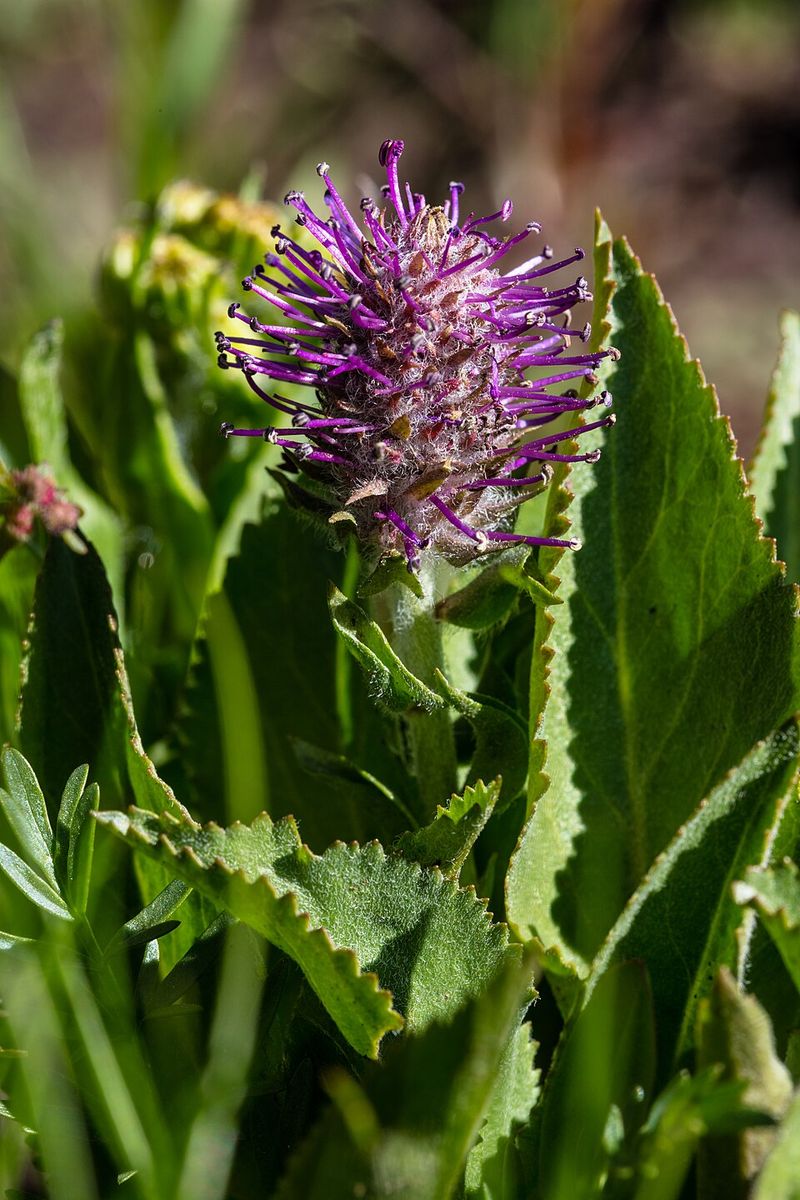
Timing is everything with this plant, and missing the window by even a week can mean seeing nothing but bare stems. Kittentails blooms early and fast, often finishing before most wildflower enthusiasts even start looking.
Peak bloom is generally reported between late April and mid-May, though timing can vary depending on the year’s weather patterns. A warm March can push flowering earlier, while a cold snap can delay it into the third week of May.
The flowers emerge before the leaves fully develop, which gives the plant a slightly otherworldly look. Those fuzzy pink spikes seem to rise straight out of the rocky ground with almost no greenery around them.
Morning visits offer the best viewing conditions, especially on sunny days when pollinators are most active. Bees and early season butterflies are drawn to the blooms and add extra life to the scene.
Checking local phenology reports and native plant forums in early April helps you stay ahead of the bloom. Many naturalist communities post real time updates when the first flowers open each season.
After bloom, the plant goes semi dormant and blends into surrounding vegetation. By June, it is nearly impossible to spot without already knowing exactly where to look.
Setting a recurring calendar reminder for the last week of April is a simple trick that pays off. Show up at the right moment and you may witness one of the region’s rarest seasonal blooms.
Threats Facing This Endangered Wildflower
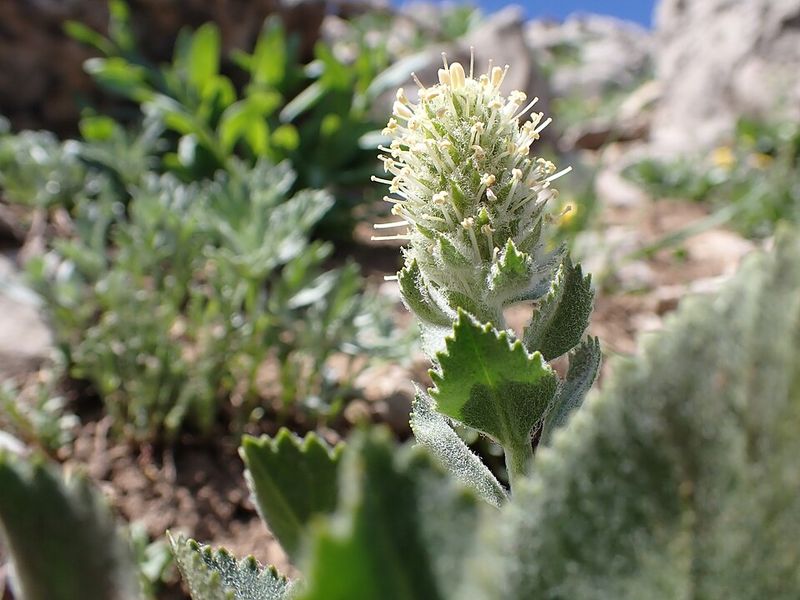
Surviving for thousands of years did not make this plant bulletproof. Kittentails faces several modern pressures at once, and it has limited capacity to recover from disturbance.
Habitat loss remains the biggest threat, as rocky bluff prairies get converted for housing, roads, and commercial development. Once those thin soiled slopes are graded or built upon, they cannot be restored to their original condition.
Invasive species are a close second on the threat list. Common buckthorn and other aggressive shrubs shade out the open, sunny conditions the plant depends on to flower and set seed.
Fire suppression has also played a major role in the decline. Historically, natural wildfires kept bluff prairies open and prevented woody species from taking over the landscape.
Without periodic burning, shrubs and trees close in quickly. Within a decade, a thriving kittentails colony can be shaded out and disappear from a site.
Deer browsing adds another layer of pressure, as hungry deer will graze on emerging spring plants before they can reproduce. Even a small local deer population can suppress flowering in a fragile colony.
Climate shifts are creating unpredictable spring conditions that can throw off the plant’s tight blooming schedule. A mismatch between flower timing and pollinator activity reduces seed production and long term recovery chances.
How Conservation Efforts Are Helping It Survive
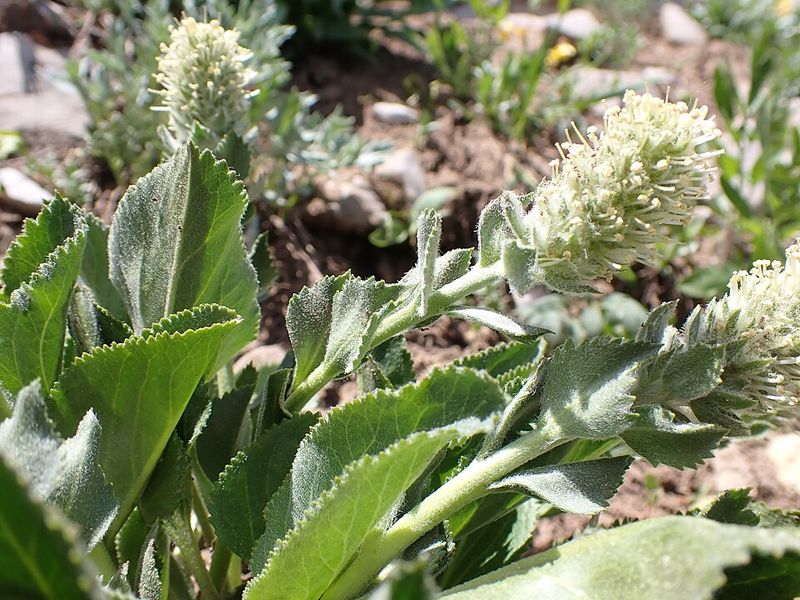
Conservation progress is underway, and that matters. Dedicated scientists, land managers, and volunteers have been quietly working to give this plant a fighting chance for several decades now.
Prescribed burns are one of the most powerful tools in the conservation toolkit. Regular burning removes invasive shrubs, recycles nutrients, and reopens the sunny habitat kittentails needs to thrive.
The Minnesota Department of Natural Resources is involved in managing several protected sites where the plant grows, with monitoring and management practices adjusted based on available data.
Seed banking programs have also been established to preserve genetic material from existing populations. Those frozen seeds serve as a safeguard in case a severe event were to damage a wild colony.
Botanical gardens and native plant nurseries have begun propagating kittentails for research and potential reintroduction. Growing plants in controlled settings helps scientists understand what the species needs to reproduce successfully.
Citizen science programs invite everyday nature lovers to help monitor known sites each spring. Trained volunteers count flowering stems, document bloom dates, and report any new threats they observe.
Community education efforts are spreading awareness about bluff prairie ecosystems and the rare plants that depend on them. When more people understand what is at stake, more people show up to help protect it.
How You Can Help Protect It
You do not need a biology degree to make a real difference for this plant. Everyday actions, taken consistently, add up to meaningful protection over time.
Start by learning to identify kittentails and the bluff prairie habitat it calls home. The more eyes watching over known sites, the better the chances of catching threats early.
Supporting land trusts and conservation organizations that protect rocky bluff habitats is one of the highest impact moves you can make. Your membership dollars fund land purchases, management work, and monitoring programs that keep these sites intact.
Volunteering for invasive species removal events is another hands-on option. Pulling buckthorn and garlic mustard from a bluff prairie directly opens up space for native plants to recover.
Planting native species in your own yard helps build a broader ecological network. While your backyard may not host kittentails, supporting native bees and butterflies strengthens the pollinators that rare plants depend on.
Sharing what you learn about this plant with friends and family spreads awareness without costing a thing. A single conversation at a backyard barbecue can inspire someone else to get involved.
Staying on marked trails when visiting natural areas prevents soil compaction that can damage fragile plant communities.
Small habits practiced by many visitors add up to big protection for the endangered wildflower that still blooms in Minnesota.