Plant These 8 Cool-Season Vegetables In Florida Before November Ends Or Miss The Best Harvest Window
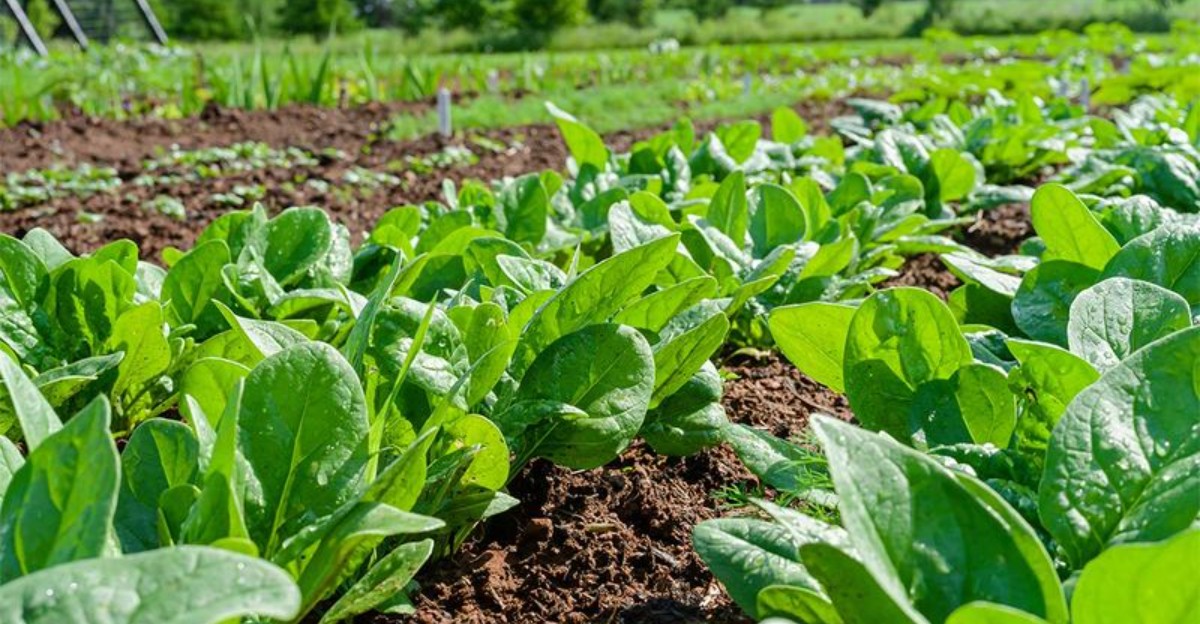
Florida gardeners do most of their serious vegetable growing in winter, while northern friends are shoveling snow off their driveways. That backward calendar surprises almost every newcomer who moves here expecting a normal spring planting routine.
University of Florida experts point to roughly November through March as the sweet spot for many cooler weather crops. Summer heat makes leafy and root crops turn bitter, while mild winter days keep them tender and sweet.
Don’t tell anyone, but my first fall garden here felt like cheating because the plants barely asked for anything. You get fewer bugs, gentler sunshine, and far less sweating while you pull weeds on a breezy morning.
The catch is timing, because Florida’s spring warmth arrives early and pushes many crops to flower and toughen. Eight cool-weather vegetables are practically begging for a spot in your beds before this month slips away.
1. Broccoli
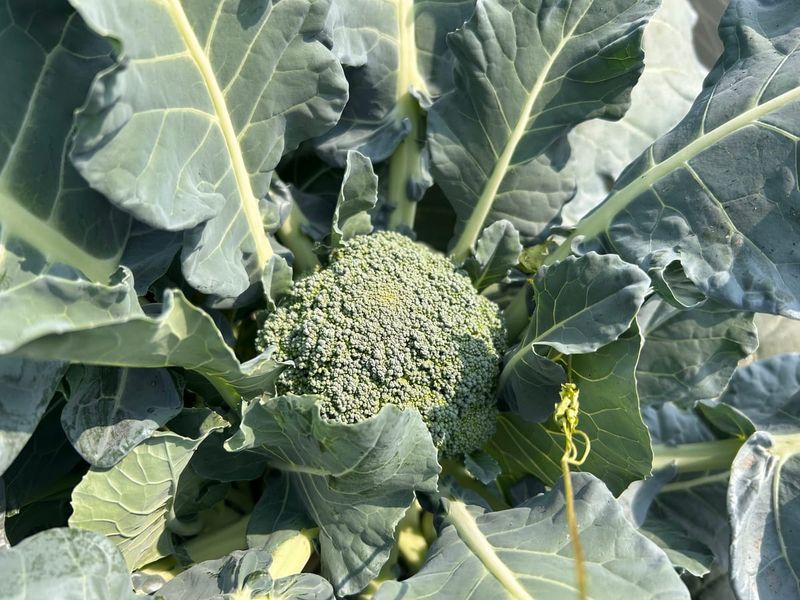
One broccoli plant can feed you twice, because side shoots keep sprouting after you cut the main head. I love walking out on a cool morning and finding fresh little florets where the big one used to be.
Broccoli takes roughly 80 to 100 days from transplants, so getting plants in the ground now really matters. Waiting too long means warm spring days arrive before heads form, and the plants rush into yellow flowers.
South Florida gardeners can set transplants from October through December, while northern and central areas stretch into February. Still, a November start gives most yards a comfortable cushion of cool weather for strong, tight heads.
Pick a spot with at least six hours of sun and mix compost or composted manure into sandy soil. Broccoli likes slightly acidic ground, around 6.2 to 6.5, so a simple soil test can save you some guesswork.
Give the bed one to two inches of water each week, using deep soakings instead of quick sprinkles. When small heads start forming, a side dressing of nitrogen fertilizer helps them bulk up nicely and stay green.
Harvest the main head while the buds are still tight and before any yellow petals peek through. Cut the stem at an angle, then keep watering so the plant rewards you with smaller shoots for weeks.
Personally, I think homegrown broccoli tastes sweeter than store heads, especially after a chilly night. You might notice kids eat it happily when they helped grow it themselves.
2. Carrots
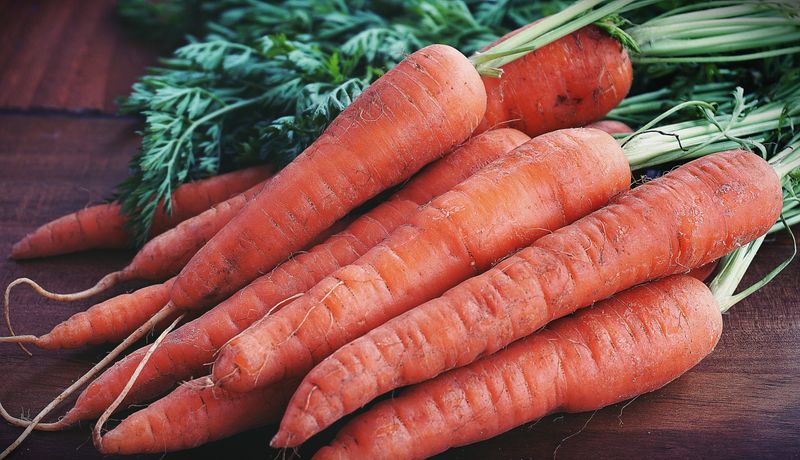
Pulling a carrot feels like opening a tiny present, since you honestly never know what shape waits underground. Some come out perfectly straight, while others twist like little orange corkscrews and make everyone at the table laugh.
Florida’s sandy soil can be a secret advantage here, because loose ground lets roots stretch down without much resistance. Just remove rocks, sticks, and old roots, since anything hard in the way can split or bend your harvest.
Work the bed about eight inches deep and blend in finished compost, but skip fresh manure for this crop. Fresh manure often causes forked, hairy roots that look funny and are harder to clean in the kitchen sink.
Sow seeds directly in the garden, because carrots dislike being moved once their delicate taproot begins growing. The seeds are tiny and slow to sprout, so keep the surface evenly damp for the first couple weeks.
Steady watering matters as roots expand, since dry spells followed by heavy soaking can make carrots crack open. A light layer of mulch between rows helps hold moisture and keeps weeds from crowding the slender seedlings.
Most varieties are ready in 70 to 120 days, so a November sowing lines up nicely with cool weather. Cooler soil often brings out extra sweetness, which I believe makes the wait worth every single day.
Pull them on time, though, because carrots left too long can turn tough and woody. Short, stubby types work well in containers if your soil stays stubborn.
3. Lettuce
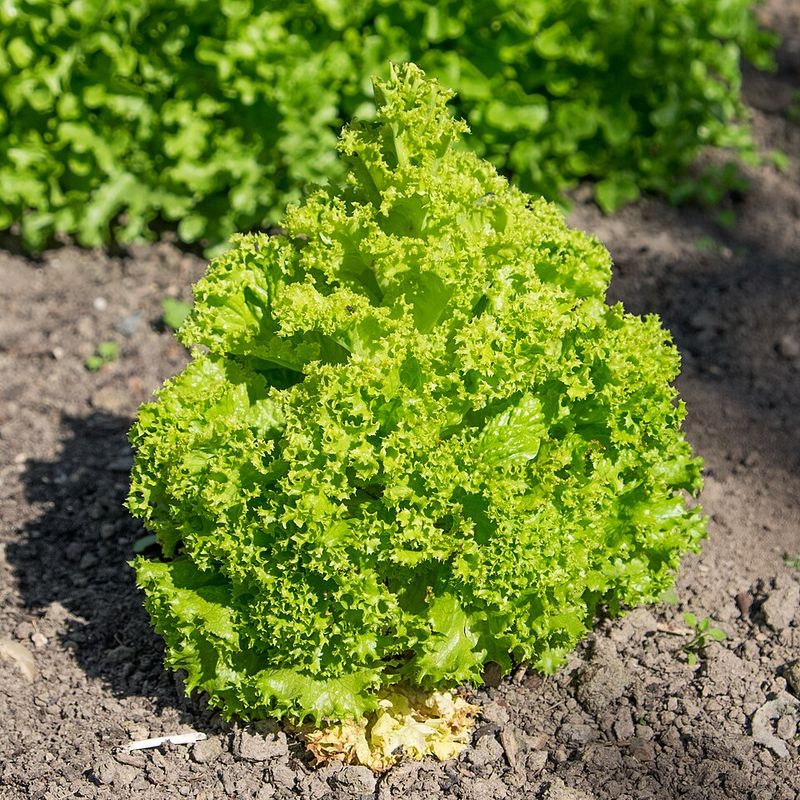
Some lettuce varieties are ready to snip in about a month, which feels almost speedy for a garden crop. I can’t imagine a faster way to turn a bare patch of dirt into a bowl of crisp salad.
Lettuce sulks in hot weather, so cool months are its time to shine in our state. Warm nights make plants stretch, taste bitter, or refuse to form heads, so timing your sowing really pays off.
Loose leaf, romaine, and butterhead types all grow nicely now, and mixing several gives your salads lovely color. Leaf types are often the easiest for beginners because they skip the challenge of forming a tight head.
Scatter seeds shallowly and cover them with just a whisper of soil, since light helps many varieties sprout. Mist the bed gently with a soft spray so the tiny seeds stay damp without washing away.
Lettuce roots stay close to the surface, so frequent light watering keeps leaves tender and crunchy. Thin seedlings to roughly four to eight inches apart, giving each plant room and better air flow around its leaves.
Morning sun suits lettuce well, and a little afternoon shade can help in warmer southern spots. Fertile, well-drained soil with plenty of compost keeps growth quick and leaves sweet.
Harvest outer leaves first and let the center keep growing for a steady supply. Sowing a short row every couple weeks means you rarely run out of fresh greens.
4. Radishes
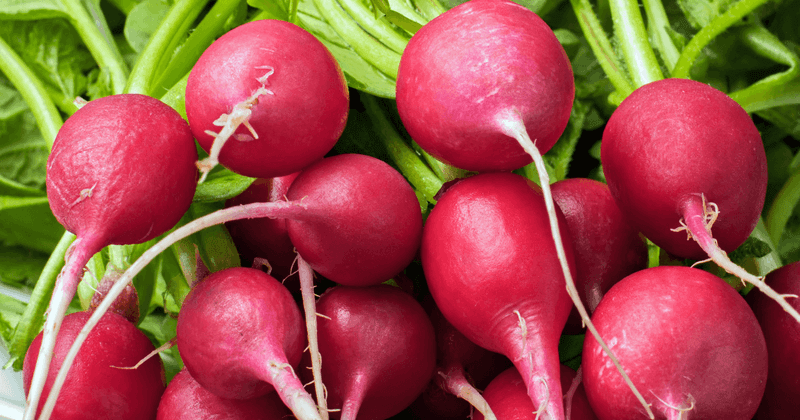
Radishes can go from seed to snack in roughly 25 days, faster than most library books are due back. If you crave quick results, this zippy little root delivers the speediest payoff in the whole cool-season garden.
Kids especially love radishes because they sprout within days and give everyone something exciting to check each morning. I like tucking them between slower crops like broccoli, since they finish long before their neighbors need the space.
Sow seeds about a quarter inch deep and roughly one inch apart in loose, sunny ground. Keep the seedbed evenly moist, because steady water helps radishes sprout quickly and grow crisp, mild roots instead of tough ones.
Containers work great too, so apartment gardeners with a sunny balcony can still enjoy a crunchy harvest. Choose a pot with drainage holes and fill it with a light mix that stays damp but not soggy.
Start checking roots around day 20 by brushing soil away from the top of a plant. Pull them promptly, because radishes left too long often turn spicy, woody, or send up flower stalks quickly.
A fun trick is sowing a small batch every week or two through the cool months. That rhythm keeps your salad bowl stocked without leaving you buried under fifty radishes at once.
You’re in for a surprise if you have only tasted store radishes. Fresh ones are juicy, peppery, and wonderful sliced thin on buttered toast.
5. Spinach
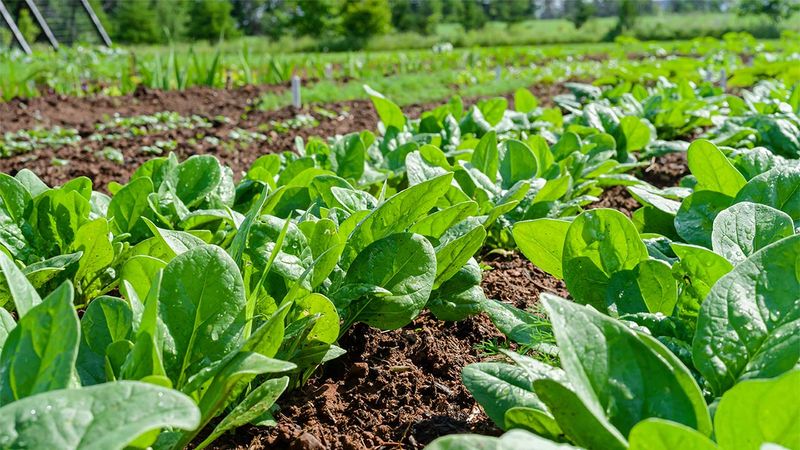
Spinach is a bit of a diva in Florida, demanding cool weather and quickly bolting once warmth returns. I have to admit, that short window makes every tender leaf feel like a special winter treat.
UF/IFAS lists planting windows into March for northern and central areas, but warmth shortens the useful season. Many local gardeners find the sweet spot runs roughly November through January, especially farther south where heat lingers.
Sow seeds about half an inch deep and two inches apart, then thin seedlings to four to six inches. Those extra seedlings make lovely baby greens, so you can toss the thinnings straight into a sandwich.
Spinach loves soil rich in organic matter, so dig generous compost into sandy beds before planting. Sandy ground drains fast, which means you may need to water more often to keep the roots happily moist.
Full sun works well during cool months, though partial shade helps plants stay calm on warmer afternoons. Watch for sudden warm spells, since they can push spinach toward flowering sooner than you expect.
Most plants are ready for harvest in about 45 to 60 days after sowing. You can cut the whole plant at once or pick outer leaves while the center keeps growing.
Finish picking before spring warmth makes leaves bitter and stalks shoot upward. If spinach struggles in your yard, heat-loving Malabar spinach can fill that leafy gap later in the year.
6. Kale
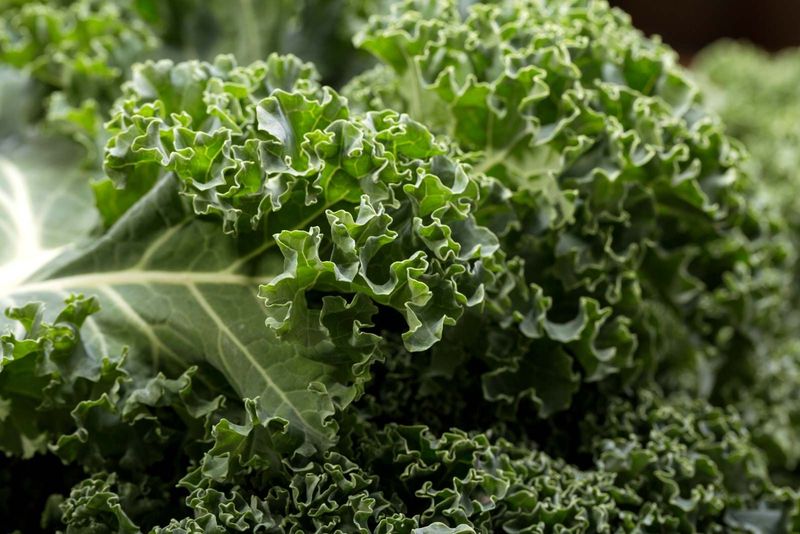
Kale shrugs off chilly snaps that send other plants pouting, and light frost can even sweeten its leaves. Honestly, it might be the toughest and most forgiving green you can grow during a mild Florida winter.
Varieties like Lacinato, sometimes called Tuscan or dinosaur kale, have bumpy blue-green leaves that look almost prehistoric. Dwarf Blue Curled Vates stays compact with frilly leaves, making it a smart choice for smaller beds and containers.
UF/IFAS suggests planting into February up north and roughly through January in central and southern regions. Getting plants started this month gives them time to settle in and pump out leaves all winter long.
Choose a sunny spot with at least six hours of direct light each day for steady growth. Kale is not fussy about soil, but adding compost to sandy ground helps hold nutrients and moisture much better.
Water regularly so leaves stay tender, since stressed plants often get tough and strongly bitter. Keep an eye out for green caterpillars on leaf undersides, and hand-pick them before they chew noticeable holes.
Leaves are usually ready about 50 to 70 days from seed, or sooner from transplants. Harvest lower outer leaves first, taking no more than one third of the plant at any single time.
I love how one healthy plant can supply smoothies, soups, and crispy oven chips for months. Plant just a few, and you might find yourself sharing extras with neighbors.
7. Beets
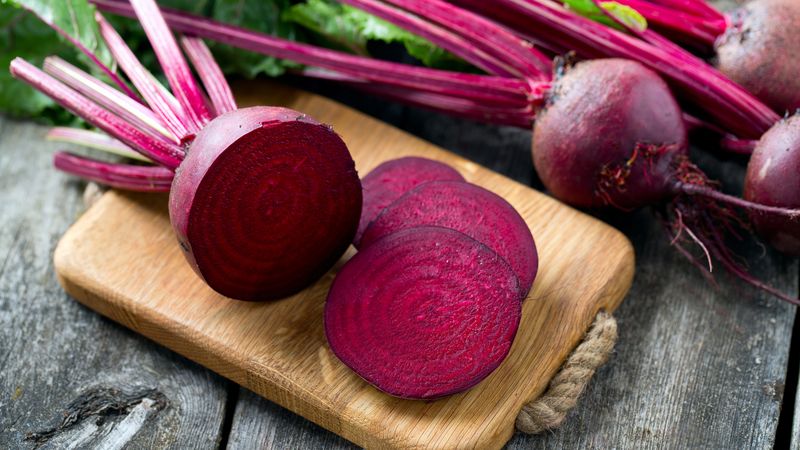
Each wrinkly beet seed is secretly a tiny cluster holding several seeds, so one planting spot often sprouts multiple seedlings. What surprises me most is how many new gardeners miss this detail and end up with crowded rows.
Beets give you a two-for-one deal, because both the leafy tops and the sweet roots are edible. Young greens taste mild and earthy, and they cook down nicely in a skillet with a little garlic.
Planting windows vary across the state, running roughly October through January in southern regions. This month works especially well in central and southern areas, giving roots plenty of cool weather to swell sweetly.
Sow seeds about half an inch deep in loose, sunny ground mixed with compost. Once seedlings appear, thin them to three or four inches apart so each root has room to grow round and full.
Steady, even watering matters a lot, since dry spells can make roots crack or turn tough. A thin layer of mulch keeps soil moisture consistent and helps reduce weeds around the young plants.
Aim for a soil pH between 6.0 and 6.8, which suits most garden vegetables anyway. Beets also handle cold snaps well, so a chilly January night is rarely a big worry for them.
Harvest roots in about 50 to 70 days when they reach 1.5 to 3 inches wide. Bigger beets often turn woody, so smaller ones usually taste best.
8. Swiss Chard
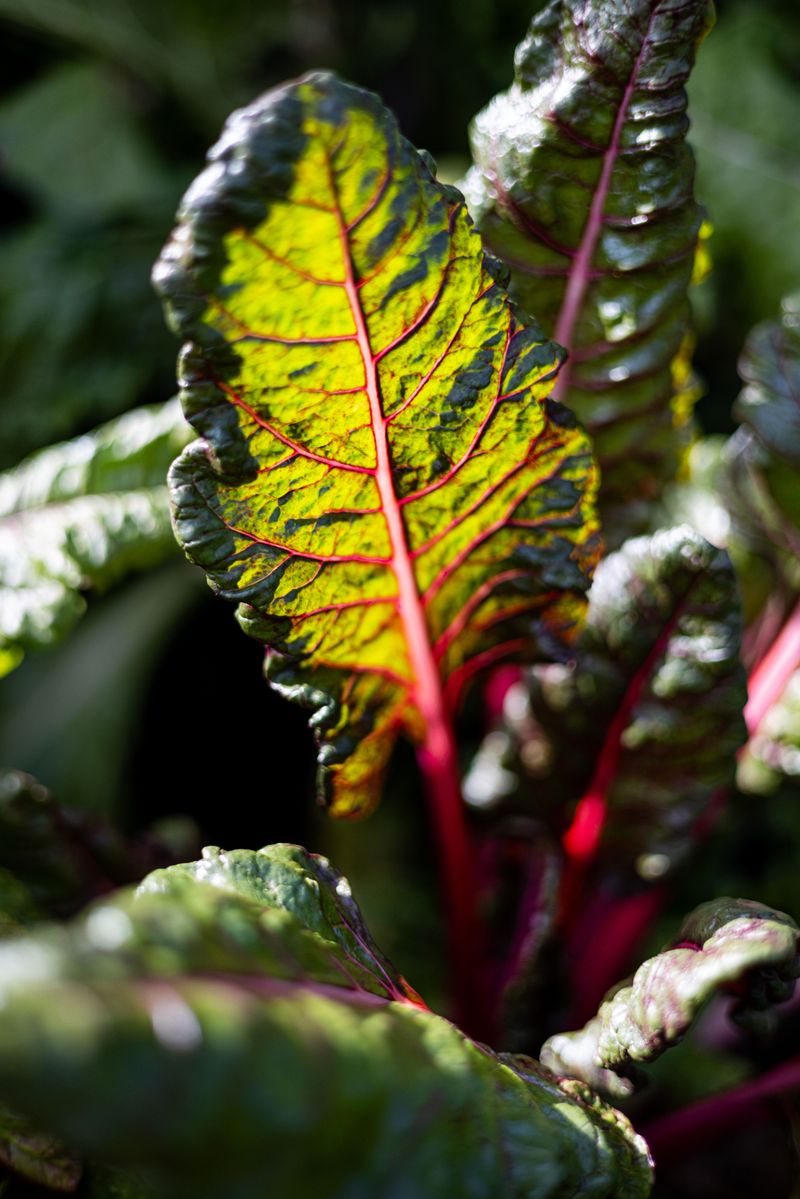
Swiss chard stems glow in shades of ruby, gold, and hot pink, like a garden bed wearing party clothes. Honestly, I sometimes plant it just for the color, and the delicious leaves feel like a happy bonus.
Chard is actually a close cousin of beets, sharing the same species name, Beta vulgaris. Instead of growing a big round root, though, it pours its energy into wide, glossy leaves and those thick colorful stalks.
Cool weather suits chard beautifully, so starting seeds or transplants now gives you months of steady harvests. It also handles warmer days better than spinach, which makes it a forgiving choice for southern gardeners.
Find a sunny spot and work plenty of compost into sandy soil before planting. Like beet seeds, chard seeds come in small clusters, so thin seedlings to give each plant breathing room as it grows.
Keep the soil evenly moist through the season, since steady water keeps leaves tender and stems juicy. A layer of mulch helps a lot, especially during breezy, dry stretches that often show up in winter.
Treat chard as a cut-and-come-again green by picking outer leaves while the center keeps producing. Snip stems near the base, and new leaves usually push up quickly to replace them.
You need to try chard stems sauteed separately, since they taste a little like celery. Rainbow mixes also look stunning tucked into flower beds or front porch containers.