7 November Rosemary Jobs Arizona Gardeners Should Do Before the First Freeze
Phoenix often records its first autumn air frost in early November, while some mountain towns feel it weeks earlier. That gap surprises plenty of newcomers who assume the desert stays warm straight through the holidays.
Ground temperatures can dip lower than the forecast air temperature, so frost may show up on a night that looks safe. Experienced Arizona growers start watching the sky about two weeks before their average first freeze date.
I have to admit, one fragrant Mediterranean shrub in my yard gets more of my attention this month than anything else. You might notice that the toughest plants still appreciate a little help before the cold finally rolls into Arizona.
A few small chores now can mean fresh sprigs for holiday cooking and a healthier shrub when spring returns. So which simple jobs actually matter, and which ones could quietly cause harm to your favorite herb?
1. Water Your Rosemary Deeply But Less Often
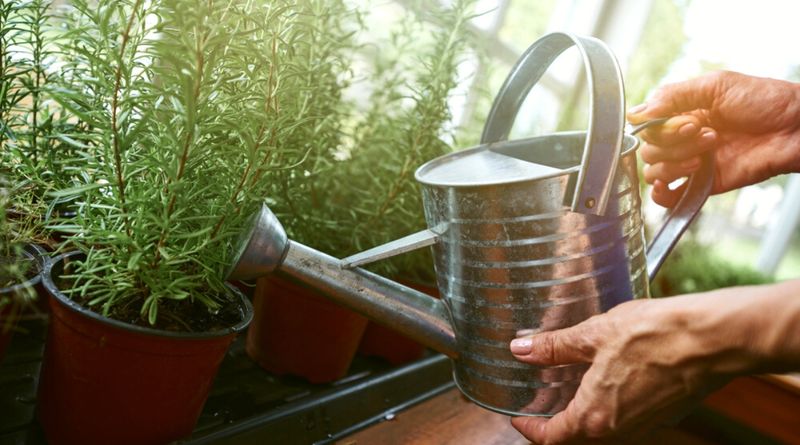
Rosemary handles desert drought like a seasoned hiker, yet established shrubs still enjoy an occasional deep drink in winter. I water mine slowly every three to four weeks once nights cool, unless rain has recently soaked the ground.
Before you grab the hose, push a finger or a moisture probe a few inches into the soil near the roots. If that layer still feels damp, wait several more days and check again before adding any water at all.
Soggy roots cause far more trouble for rosemary than dry ones, since constant moisture invites root rot in heavy soils. I believe a slightly thirsty rosemary looks happier than a pampered one sitting in wet dirt all winter long.
Young plants set out this fall need more frequent attention while their roots spread into the surrounding native ground. A weekly soak often suits newcomers through their first winter, though cooler weather slows how fast the soil dries.
Moist soil does hold heat a bit better than bone-dry soil, which offers modest protection on a frosty night. Watering a day or two before a predicted freeze can help, as long as drainage around the crown stays excellent.
2. Put Down The Pruning Shears On Big Rosemary Cuts
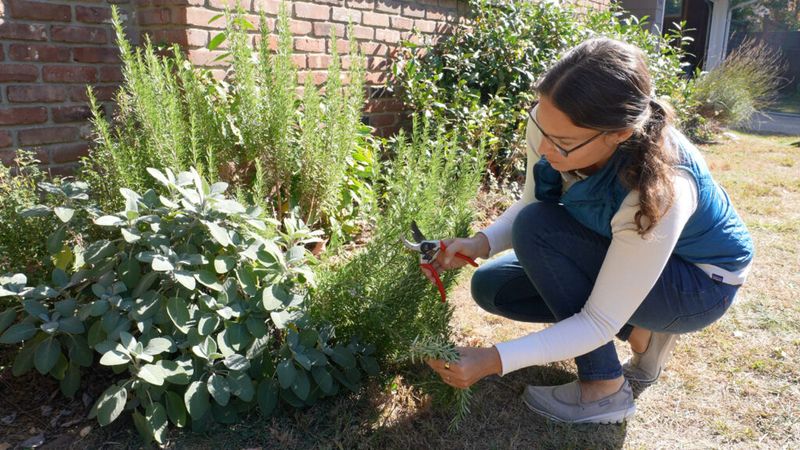
Few things tempt me more than a shaggy rosemary begging for a dramatic haircut on a breezy November morning. Heavy pruning right now, though, wakes up soft new shoots that frost can scorch within a single chilly night.
Those tender tips lack the tougher tissue that older growth develops slowly as days shorten and temperatures fall. When a freeze hits that fresh growth, browned tips and stressed branches often follow, weakening the shrub through winter.
Light harvesting for the kitchen is perfectly fine, so snip sprigs for roasted potatoes or holiday stuffing whenever you like. I take small amounts from different spots, which keeps the shrub looking tidy without stripping any single branch bare.
Save serious shaping for late spring, after the blue blooms fade and before summer heat settles across the valley. New growth then has months to toughen up before the following winter arrives with its first cold surprise.
Older shrubs sometimes turn woody and leggy, with bare stems showing beneath a thin cap of green leaves. Rosemary rarely regrows well from old bare wood, so replacing a tired plant later is often the smarter long-term move.
3. Spread Gravel Mulch Around Rosemary Roots

Decomposed granite might be the most underrated winter blanket in the desert, and rosemary seems to agree with me. A gravel layer evens out soil temperatures while letting water drain quickly away from the woody crown below.
Freezing and thawing cycles can stress roots when cold nights swing into sunny afternoons across the low desert. Mulch softens those swings, giving the root zone a steadier environment during the bumpy weeks ahead of winter.
Keep the mulch a few inches back from the main stem so air can move freely around the base. Piling material against the trunk traps moisture there, and that dampness can encourage rot where you least want it.
Organic mulches like straw or pine needles can work, but they tend to hold more water near the surface. I stick with rock in my beds, since rosemary comes from rocky Mediterranean hillsides and clearly feels at home there.
You might notice lizards basking on that warm gravel during sunny winter afternoons around your herb garden. Those small reptiles snack on insects, so a rock-mulched bed quietly doubles as friendly habitat for natural pest control.
4. Cover Young Rosemary Plants On Frosty Nights
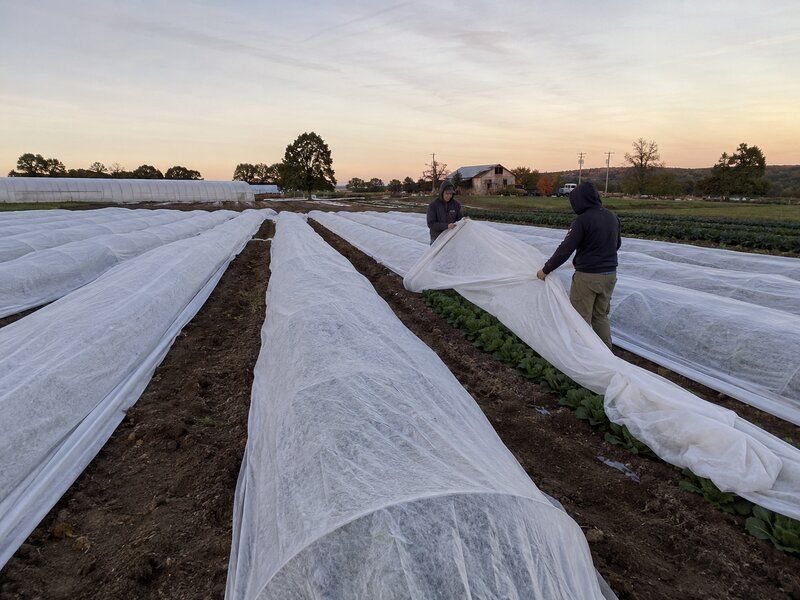
Baby rosemary plants are a lot like toddlers in winter, since they lose warmth faster than their grown-up relatives. Recently planted shrubs have smaller root systems and thinner stems, so a hard frost hits them much harder.
Keep frost cloth, burlap, or an old bedsheet handy for nights when forecasts drop near or below freezing. Drape the cover all the way to the ground, because trapped soil warmth does the real protective work overnight.
Avoid plastic touching the leaves directly, since it can transfer cold and actually increase damage on exposed foliage. I use a few stakes to lift fabric slightly above the plant, which keeps branches from bending under the weight.
Remove the covers the next morning once temperatures climb, giving the plant sunlight and fresh air again. Leaving fabric on during a bright warm day can overheat foliage, and that undoes all your careful evening effort quickly.
Potted rosemary is even easier, since you can simply roll the container under a covered patio overnight. Roots in pots chill faster than roots in the ground, so moving containers deserves a spot on your freeze checklist.
5. Move Potted Rosemary Into Full Winter Sun
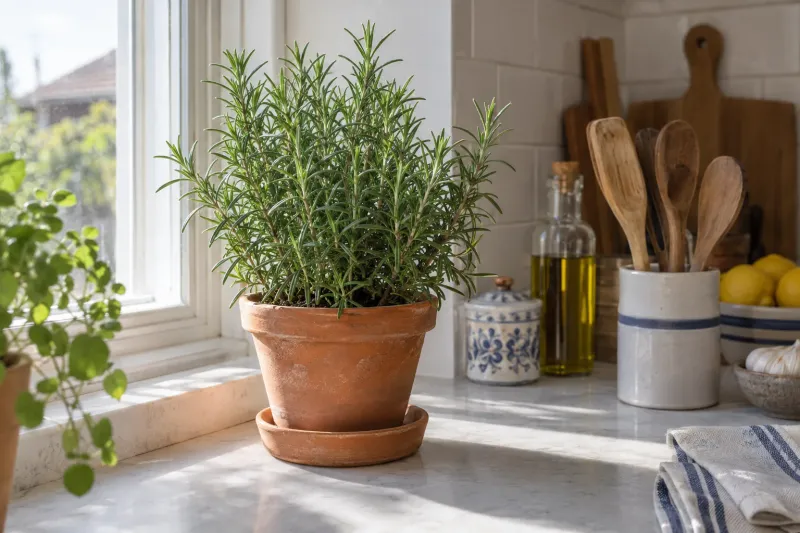
Winter sunlight in the desert feels like a gift after months of punishing summer glare on every patio. Rosemary craves at least six hours of direct sun daily, and that need grows more noticeable as days shorten.
The sun angle drops low this time of year, so shadows from walls and trees stretch much farther. A spot that baked in July might sit in shade by mid-afternoon now, leaving your rosemary chilly and sluggish.
South-facing and west-facing walls soak up heat during the day, then release some warmth after the sun sets. Placing pots near those surfaces can create a cozy pocket that runs a few degrees warmer on frosty nights.
Deciduous trees dropping leaves may actually open up more light, but evergreen shrubs can block precious afternoon rays. I walk my yard at different hours to see where sunshine lingers longest before choosing winter homes for containers.
Personally, I love how a sun-warmed rosemary releases its piney scent when I brush past it outdoors. Brighter light keeps the foliage dense and aromatic, which also means more flavorful sprigs for your winter soups and roasts.
6. Check Soggy Soil And Drainage Around Rosemary
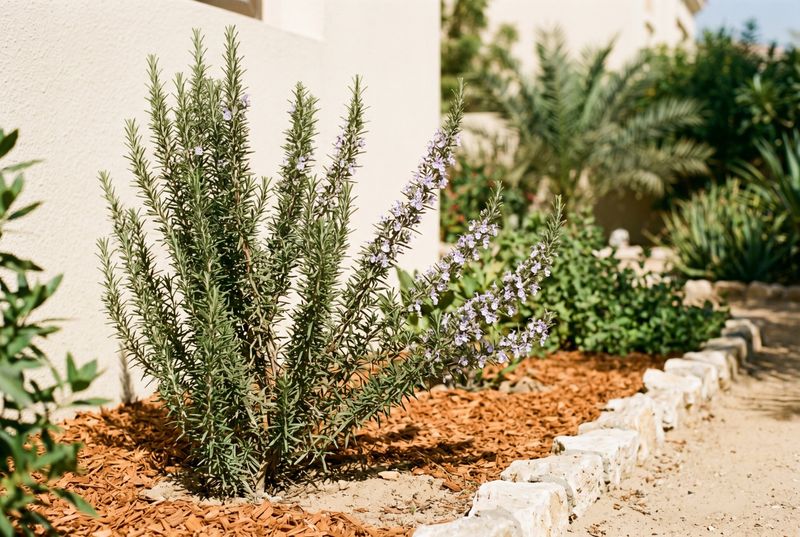
Cold weather rarely ranks as rosemary’s biggest enemy in the desert, since soggy soil usually causes far more trouble. Winter storms can drop surprising rain, and poorly draining beds hold that water around roots for days.
Watch your garden after irrigation or a rainstorm to see how quickly puddles disappear from the surface. Standing water near the crown signals a drainage problem that deserves fixing well before colder months settle across your yard.
Heavy clay and hard caliche layers are common culprits in many desert neighborhoods, trapping moisture just below the surface. Raised beds or large containers with fast-draining mix give rosemary the airy root zone it strongly prefers.
Container gardeners should confirm drainage holes stay open rather than blocked by saucers full of old water. I empty saucers after every watering, because a constantly wet pot bottom invites rot faster than any frost.
Yellowing lower leaves or a wilting plant in damp soil can both point toward root stress from excess moisture. Catching those warning signs early gives you time to adjust watering or relocate the plant before winter gets serious.
7. Root Rosemary Cuttings Indoors As Backup Plants
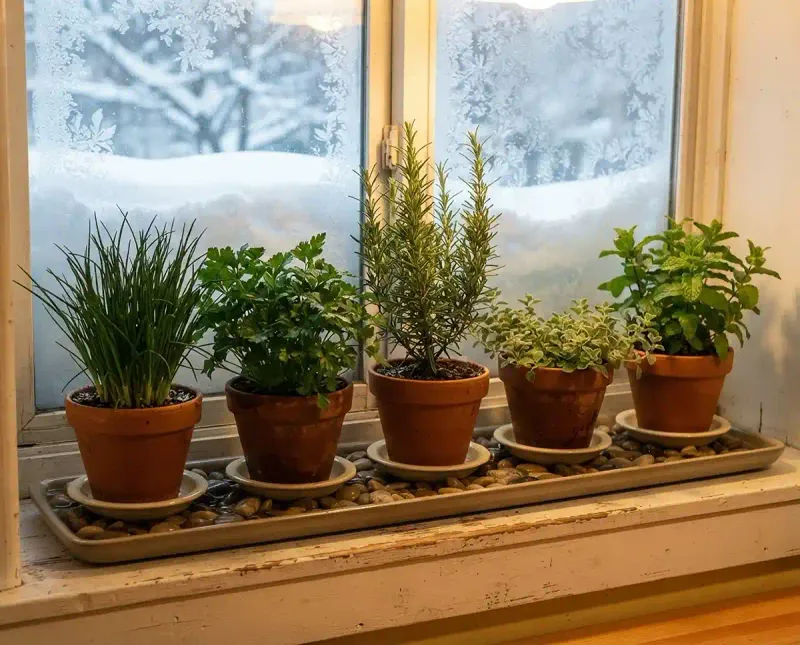
Snipping a few rosemary cuttings feels like buying cheap insurance for a plant you would hate to lose. Gardeners in colder high-elevation towns especially appreciate having backups if a hard winter damages their favorite outdoor shrub.
Choose healthy, non-flowering tips about four to six inches long, cutting them cleanly just below a leaf node. Strip leaves from the bottom half, since buried leaves tend to rot instead of helping new roots form.
Tuck the stems into a moist, well-draining potting mix, or set them in water if you enjoy watching progress. Bright indirect light indoors works well, though rooting rosemary takes patience and may stretch across several weeks.
Not every cutting will succeed, so I usually start several and keep the strongest few that show new growth. A gentle tug that meets resistance tells you roots have formed and the young plant is settling in.
Rooted cuttings also make thoughtful holiday gifts for friends who cook or love fragrant herbs on their windowsills. By spring, those little starts can head outdoors into sunny beds, ready to grow into sturdy new shrubs.