The Smartest Way To Protect Your Arkansas Porch Before The Spring Buzz Returns
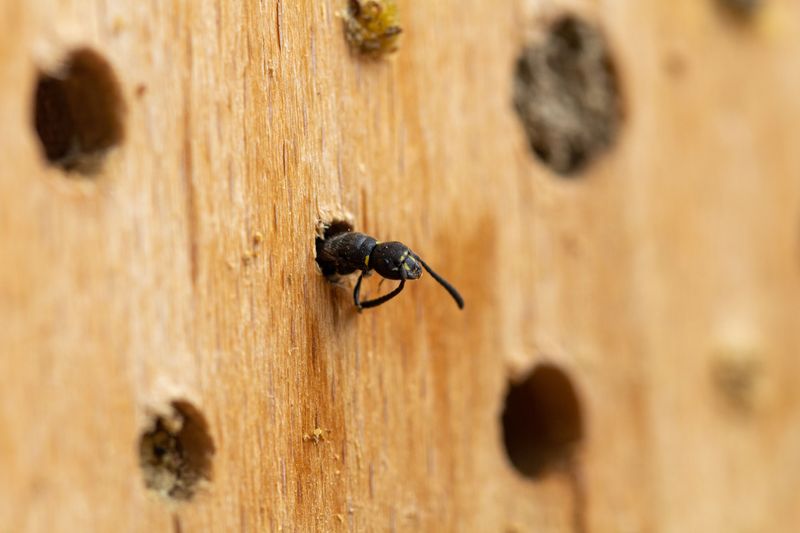
Take a quiet walk around your porch this November and look at the wood. You may spot a hole so perfectly round it looks machine-made, carved into a beam. You did not put it there.
A carpenter bee claimed that spot last spring, long before you noticed. These bees are loyal to the same wood year after year, returning to widen old tunnels and bore fresh ones.
Right now, they are resting inside those hidden galleries, which can stretch nearly a foot deep, waiting for the first warm days. Across Arkansas, porches hold more sleepers than most homeowners realize.
The good news is that winter gives you a calm window to act. Nothing is buzzing past your ear, and the wood is dry and ready for repair. With simple steps, you can close the openings and protect your Arkansas porch.
Why November Is The Best Time To Work On Your Porch
Arkansas nights are dipping into the 30s and 40s, and the cheerful buzzing of spring has faded into silence. The hovering visitors that once zipped around your porch have settled into their tunnels to rest until warmer days return.
This stillness makes November one of the nicest times to work outdoors. The wood has had months to dry out under the summer sun, which means it is ready to accept filler, paint, and sealant beautifully.
You can walk around your porch without a single bee circling your head, and that makes the whole project calm and relaxing.
Weather matters, so pick your day with care. Glue, filler, and paint all prefer mild conditions, and most exterior products ask for temperatures above 50 degrees Fahrenheit while they cure.
Watch the forecast and choose a dry, sunny afternoon, ideally between noon and four o’clock when the air is warmest. Early mornings in November can be chilly and damp, so let the day warm up before you begin.
If a cold snap arrives, simply wait for the next gentle stretch. Arkansas often serves up several pleasant, springlike days in November, so patience is rewarded.
Keep a few rags, a bucket, and your supplies close to the porch so you are ready the moment the weather cooperates.
Inspect Your Porch And Find Every Bee Hole
Before you fix anything on your Arkansas porch, it helps to know where every doorway is. Walk slowly around your whole porch in good daylight and let your eyes do the work. A little patience here makes every later step easier.
Look for round holes about half an inch wide, drilled with almost machine-like precision. Notice any yellow-brown streaks running down the wood below an entrance, since those are tidy little signs that someone lives inside.
Watch for small piles of fine sawdust, called frass, resting on the deck, the railing, or the ground beneath. Birds can leave clues too, so keep an eye out for small pecked spots where a woodpecker stopped to investigate.
Check the places most people forget. Fascia boards, window trim, the undersides of rails, and the beams above your head all deserve a close look.
Sunny south and west sides often hold the most holes, and across Arkansas, those warm exposures tend to attract the most visitors, so spend a little extra time there. Stick a small piece of painter’s tape beside every hole you find.
This simple habit keeps you from missing any openings later, and it gives you a satisfying count of how much work lies ahead.
Take a quick photo of the taped porch so you have a record to compare with next spring, because every Arkansas homeowner loves a good before and after.
Your November Timing Guide For Plugging Holes
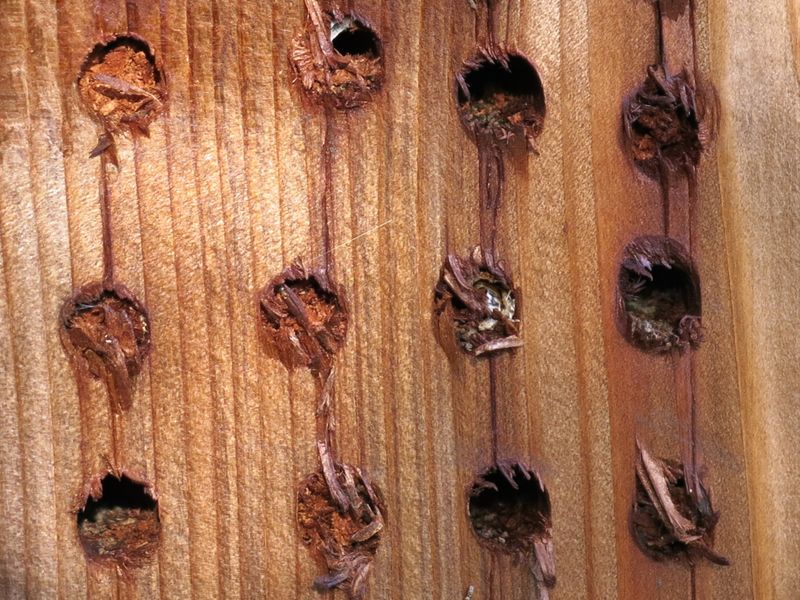
November is a quiet time to work on your porch, but many bees are resting inside their tunnels right now, so a little care before you plug each hole goes a long way.
Start with a dusk check. Bees tend to be inside their tunnels in the evening, and on cold November days they may not move at all, so a quiet hole does not prove it is empty.
Spend a few minutes near each hole around sunset for a day or two, and if you are unsure whether a hole is empty, treat it as busy.
Plug the quiet holes. Push in a snug dowel with waterproof wood glue, fill the edges with exterior filler, and sand it smooth. Pick a mild afternoon above 50 degrees Fahrenheit.
Take extra care with busy holes. If you notice activity, or you are not sure, ask a licensed pest professional or your local garden center about a treatment made for wood-boring insects. Follow the label closely, and plug the hole afterward.
Finish with a hard coat. A firm plug and two coats of paint or varnish are your best protection, since a weak patch can sometimes be worked through in spring.
Plan your follow up. Mark early March on your calendar to catch any missed holes before the females begin digging.
Check Each Hole, Then Plug The Quiet Ones
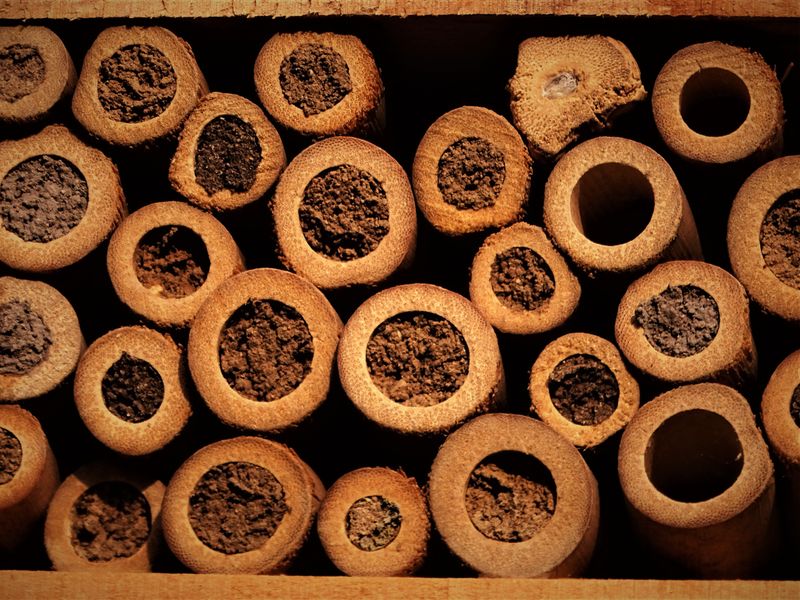
Closing a tunnel in the fall or winter helps your porch in two ways. It helps discourage the family habit of returning to the same nest year after year, and it keeps moisture out of the old tunnels.
Once you have confirmed a hole is quiet, push a snug wooden dowel or a small cork into it, adding a dab of waterproof wood glue so it holds firmly.
Choose a dowel that fits closely, since a tight plug makes the strongest seal. Trim any extra length so it sits nearly flush with the wood.
Next, fill the small gaps around the plug using exterior wood filler, putty, or caulk. Press it in smoothly with a putty knife and wipe away the extra.
Give it the full curing time listed on the package, then sand the area until it feels perfectly even under your fingertips.
Here is a friendly note worth remembering. Bees may still be resting inside in November, so check each hole for activity first, and consider asking your local extension office or a licensed pest professional about treating a hole before you plug it.
A determined bee can sometimes find its way past a weak patch when spring warms the air, so a firm plug and a hard, finished coat of paint or varnish really do matter.
A thoughtful repair now means a quieter porch later. If you would like extra reassurance, ask your local garden center about a wood treatment made for tunnels, and follow the label with care.
Sand And Clean The Wood Before Painting

Bare, gray, weathered wood is exactly what bees and other wood-loving insects look for when they house hunt. Giving the surface a fresh start makes your porch less appealing to them and far more beautiful to you.
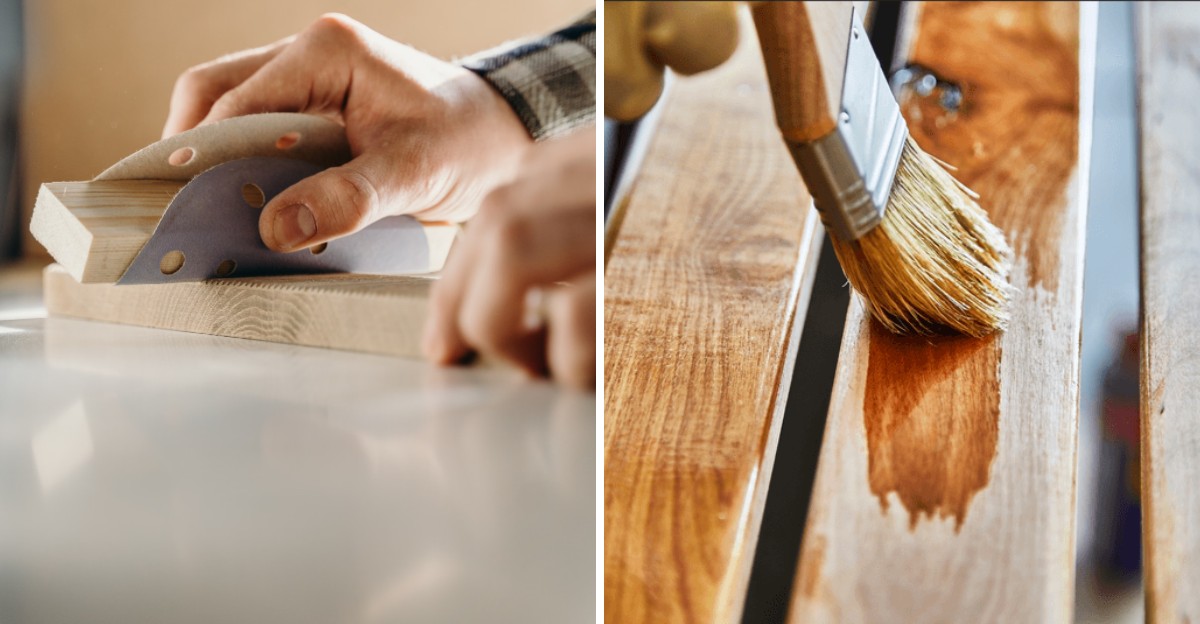
Think of this step as a spa day for your lumber. Start by sanding rough or silvered areas with medium grit sandpaper until you see warm, bright wood underneath.
A sanding block works well for flat railings, while a folded piece of sandpaper reaches into corners and around spindles. Take your time, because smooth wood holds paint much better than rough wood.
Once the sanding is finished, brush away the dust with a soft bristle brush. Then wipe each surface with a slightly damp rag to lift the fine particles that hide in the grain.
Let everything dry completely before you go any further, which usually takes a few hours on a mild, sunny day. If you notice soft or crumbly spots, press them gently with a screwdriver tip.
Small areas can be filled and sanded smooth, while larger ones may deserve a closer look from a carpenter. Prep may feel like the quiet part of the project, yet it is what makes a finish last for years.
Choose The Right Paint Or Varnish To Protect The Wood
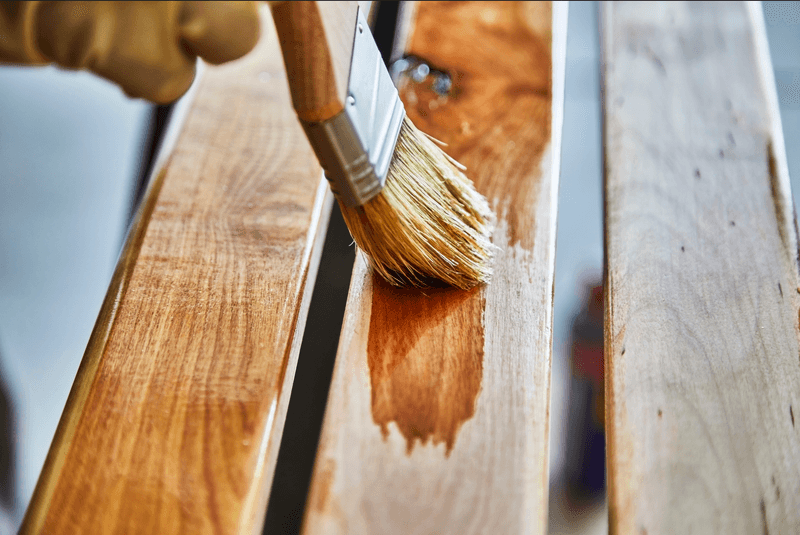
Soft, untreated lumber is like a welcome mat for nest-building bees. Wood that is painted or sealed takes much more effort to work with, so bees usually move along to an easier spot. A good finish makes your porch both pretty and protected.
Oil-based exterior paint offers the strongest layer of protection, and it hides your patched holes beautifully. Choose a color you love, since you will be enjoying it all year.
Spar varnish or marine-grade sealant is a lovely choice when you want the natural wood grain to shine. It stands up to rain, sun, and humidity, which makes it a wonderful fit for Arkansas weather.
Stain with a sealer on top gives you rich color without the look of full paint, though stained wood is not always protected from bees, so paint or varnish offers stronger protection. It is a popular option for railings and decks that you want to keep looking natural.
Whichever you pick, two coats are better than one. Let the first coat dry fully before adding the second, and read the can for its minimum application temperature.
Brush in the direction of the grain, and take extra care around the plugged holes so they blend in.
Protect The Hidden Spots Most People Forget
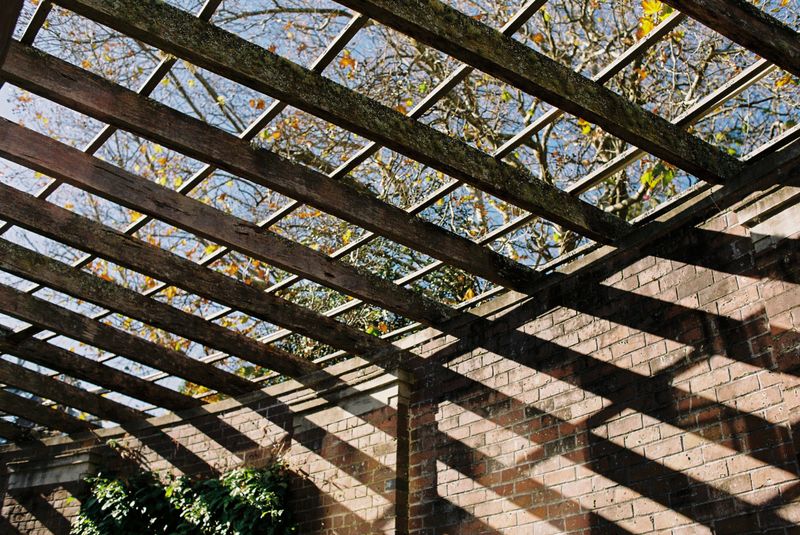
Do not stop at the porch rail. Some of the most welcoming surfaces on your property are the ones that rarely get attention, and a little paint on them goes a long way.
Fascia and soffit boards sit high above the ground, so they are easy to overlook. Window and door trim, deck undersides, and floor joists are also favorite spots.
Pergola beams, fence posts, and outdoor furniture deserve a touch of care too. Even birdhouses and garden sheds can benefit from a fresh coat.
South and west sides get the most sun, and warm wood feels especially inviting to nesting insects. Give these areas an extra layer of sealant or paint, and look closely at any cracks or open seams.
A tube of exterior caulk is a handy friend for these small gaps.A ladder makes the job easier, but please set it on firm, level ground and ask a helper to steady it. Work slowly, and take breaks when your arms get tired.
Overhead painting can be tiring, and a calm pace keeps the work enjoyable. Bring a drop cloth to keep paint off your deck. When you step back and see everything finished, the effort will feel entirely worthwhile.
Give The Bees A Friendly Place To Nest Away From Your Home
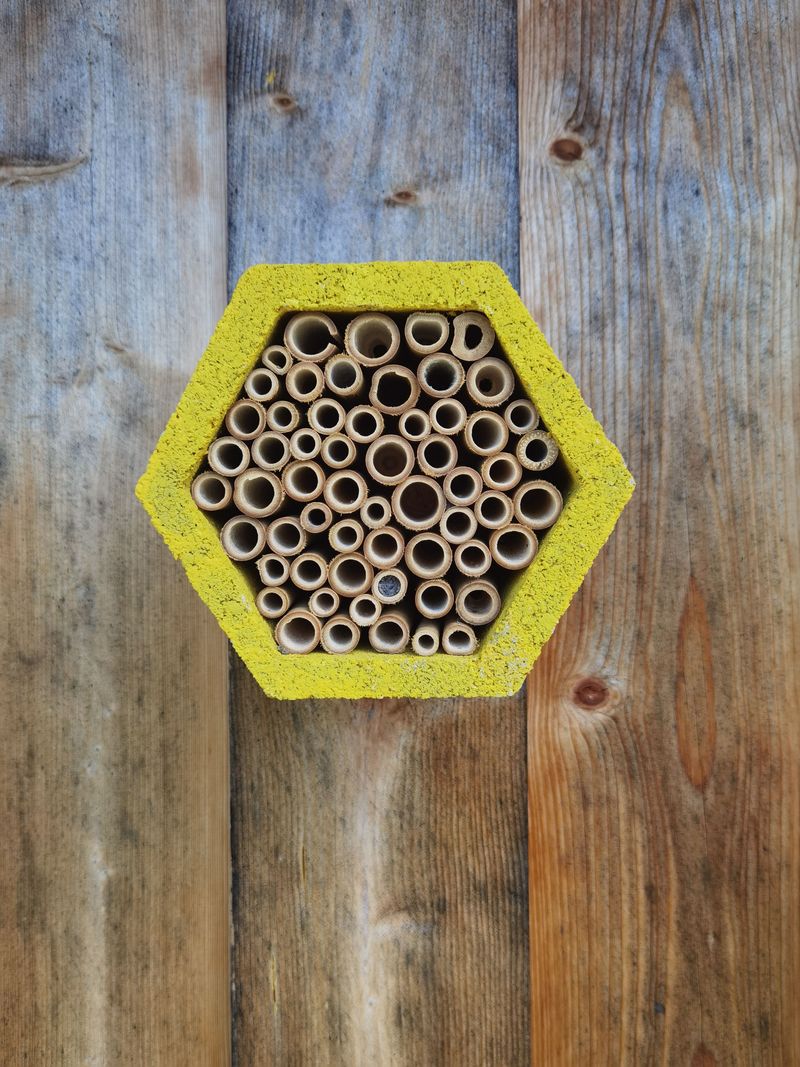
Closing your porch does not mean the bees have nowhere to go. These insects are gentle pollinators that help your garden grow, so offering them a friendly alternative is a kind and clever idea.
Set up a wooden nesting block with pre-drilled holes on a post or fence in a quiet corner of your yard, well away from the house.
Untreated softwood works best, and a spot that catches morning sun makes the block feel warm and welcoming. Spring visitors will discover it and may happily move in.
You can also plant native flowers farther from the porch. Coneflowers, black-eyed Susans, and wild bergamot are favorites, and they bring color to your yard from summer into fall.
When the feeding zone sits across the garden, bees have little reason to linger near your beams.
Consider a birdhouse for insect-eating birds placed on its own post, not attached to the porch. Songbirds are cheerful company, and they help keep the balance of your backyard healthy.
Winter is a lovely time to build or buy one, and November is just right for placing it. Your garden will thank you. A little planning now brings a lively, harmonious yard next year.