8 Smart Ways to Use Citrus Peels in Your Arizona Garden
That orange rind headed for your trash can carries an oil that ants, aphids, and even some curious cats seem to avoid. I was honestly shocked to learn that a single fragrant compound, d-limonene, does much of that work, and Arizona backyards have peels to spare after every citrus season.
Personally, I love any trick that turns kitchen scraps into free help for a garden fighting desert heat and stubborn pests. So what could your next breakfast leftovers do for the plants, soil, and critters right outside your Arizona back door?
1. Citrus Peels Rubbed Along Doorways To Discourage Scorpions
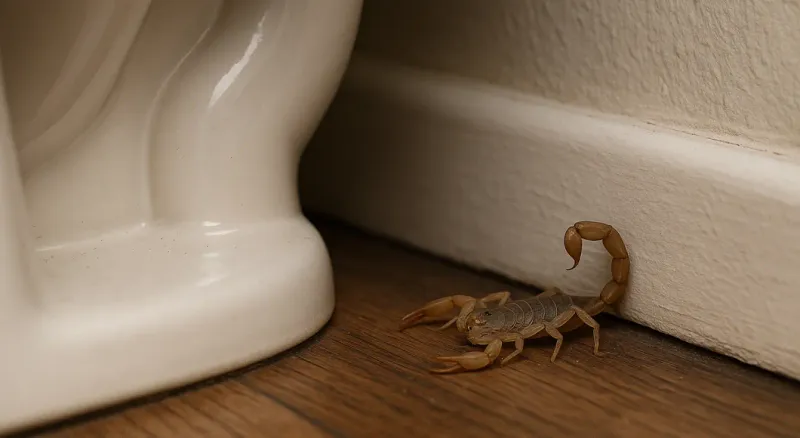
Bark scorpions slipping under doors is a classic desert headache, and many residents swear these arachnids dislike strong citrus scent. I keep a bowl of fresh peels near the back door during October, when warm evenings still bring them out.
Rub the colorful outer rind along windowsills, door thresholds, and patio edges to release those fragrant oils. You can also scatter small pieces near cracks where scorpions like to squeeze inside after dark.
Keep your expectations realistic, though, because citrus scent fades quickly in sun and dry air. Swap in fresh peels every few days, and treat this as a bonus layer rather than your main defense.
Sealing gaps with weatherstripping and clearing woodpiles away from walls does far more heavy lifting for your home. Peels simply add a pleasant, chemical-free extra step that smells wonderful instead of harsh.
I like using organic fruit here, since conventional peels may carry fungicide residues you probably want off your doorstep. Pick up old, shriveled pieces too, because sugary scraps can draw crickets, and crickets happen to be scorpion snacks.
2. Grapefruit Peel Water Poured On Garden Ant Trails
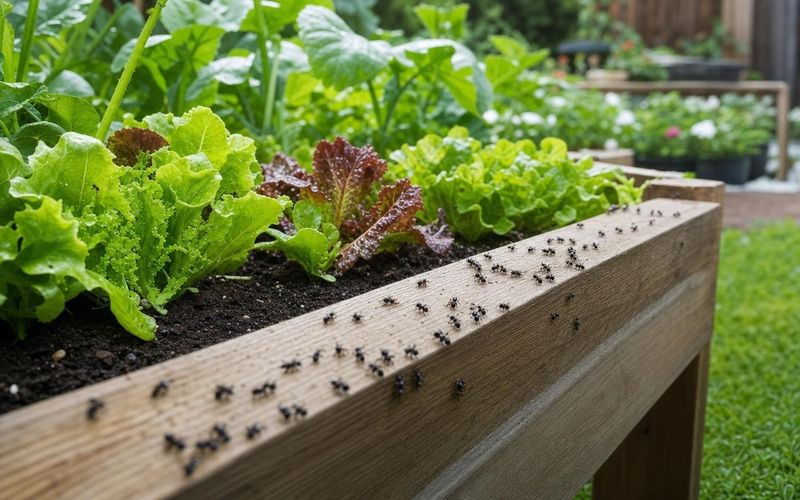
Ants follow invisible scent highways, and grapefruit rind ranks among the strongest citrus options for scrambling those chemical trails. Many gardeners favor grapefruit because its peel tends to hold plenty of d-limonene compared with other fruit.
My favorite method takes about five minutes with a blender and some leftover breakfast rinds. Blend the peels with warm water, let it sit overnight, then pour the slurry along bed edges.
You can also pour the mixture directly onto an active mound near your vegetables or herbs. The scent seems to confuse foragers, and many colonies shift their traffic somewhere less annoying for you.
Watch out for one funny twist, because juicy pulp left lying around can actually attract ants instead. Scrape off most of the sweet flesh first, and rinse away sticky leftovers after a few days.
Fall is a smart window for this trick in low desert gardens across the state. New cool-season seedlings are going in, and nobody wants harvester ants hauling seeds away overnight from freshly planted rows.
3. Steeped Orange Peel Spray For Aphids And Whiteflies
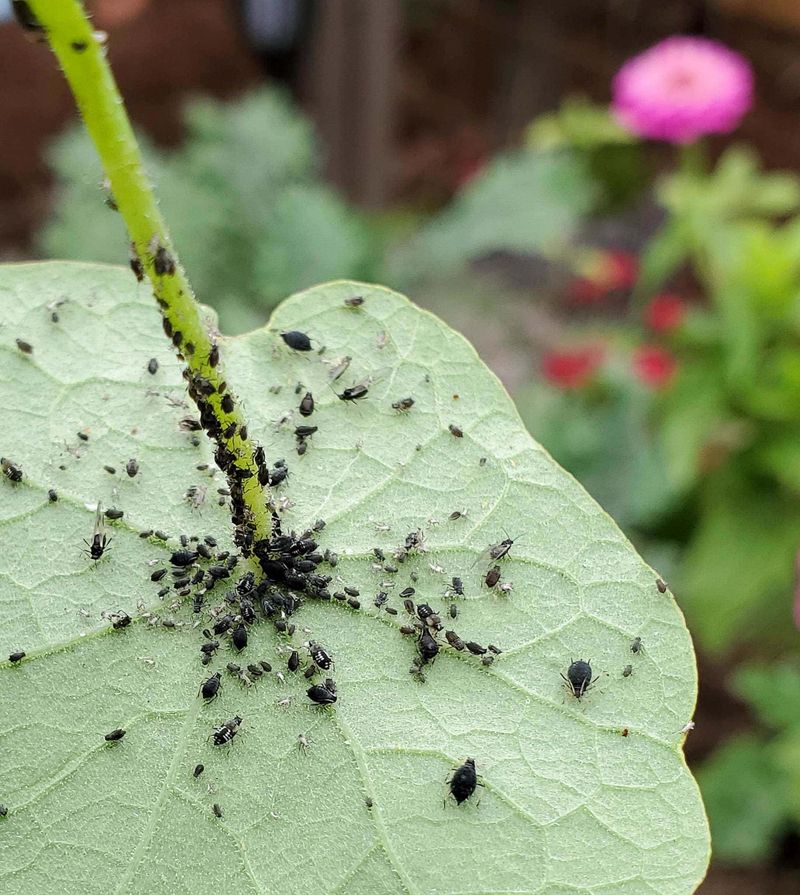
Brewing tea for your plants sounds silly until aphids start crowding the tender tips of new kale. I started steeping orange peels last fall, and my brassicas looked cleaner within a couple of weeks.
Pour boiling water over a few handfuls of peels and let them soak until the liquid cools. Strain everything through a coffee filter so the spray bottle nozzle stays clear and easy to use.
Mist the undersides of leaves, where whiteflies and aphids love to hide from sun and predators. A strong blast of plain water first knocks many pests loose, and the citrus rinse follows nicely.
Test a small patch before spraying a whole plant, since citrus oils can occasionally irritate delicate foliage. Spray in the cool morning or evening, because harsh afternoon sun plus oils can scorch leaves quickly.
Remember that ladybugs and lacewings also visit your garden to eat aphids for free. Gentle homemade sprays leave room for those helpful hunters, which matters far more than any single bottle could.
4. Upside Down Grapefruit Halves As Snail And Slug Traps
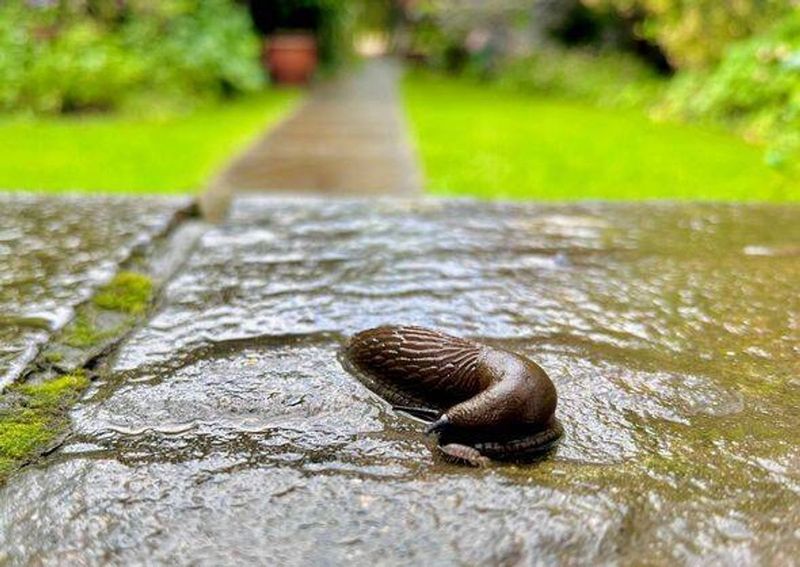
Snails in the desert sound unlikely, yet irrigated beds and shady corners can host a surprising crowd. Brown garden snails especially love moist drip zones, chewing ragged holes in lettuce and young flower seedlings.
After juicing a grapefruit, scoop out most of the pulp and leave a thin layer inside. Set each empty half upside down on the soil near damaged plants, ideally under shade.
Snails and slugs crawl underneath overnight, drawn by sweet aroma and the cool, damp hiding spot. Lift the shells early the next morning, and you will often find several visitors waiting for relocation.
I drop my catch into a bucket of soapy water or carry them far from the vegetable patch. Toss the used halves into compost after two or three nights, then set out fresh ones.
October watering schedules often stretch out as temperatures ease, which may reduce snail pressure naturally. Still, newly sown fall greens stay vulnerable, so these free traps earn their spot right beside the seedlings.
5. Chopped Citrus Peels Mixed Into A Backyard Compost Pile
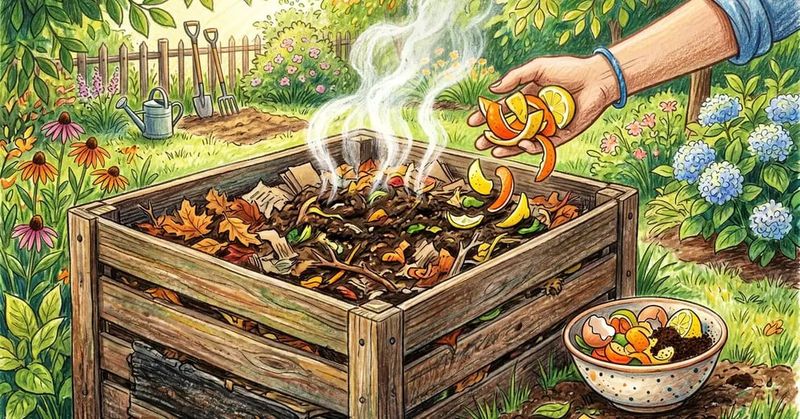
Old garden myths warn that citrus ruins compost, but research and experience suggest moderate amounts break down fine. Peels supply small amounts of potassium, phosphorus, and nitrogen, plus a bright scent that masks funky odors.
Chop rinds into small bits before tossing them in, since whole halves linger for months. Smaller pieces offer more surface area, letting microbes work faster in a warm desert pile.
Balance peels with dry leaves, straw, or shredded cardboard, and keep the mix about as damp as a wrung sponge. Dry air pulls moisture quickly here, so I check my pile weekly with a quick squeeze test.
Skip the worm bin, though, because red wigglers generally dislike acidic, waxy citrus skins. Your outdoor heap handles them much better, especially when you turn it every week or two.
Fresh peels feel acidic, but their pH tends to settle toward neutral as they decompose. Finished compost then helps sandy desert soil hold water longer, giving roots welcome relief between deep, salt-flushing irrigations.
6. Hollowed Orange Halves As Biodegradable Seed Starter Pots
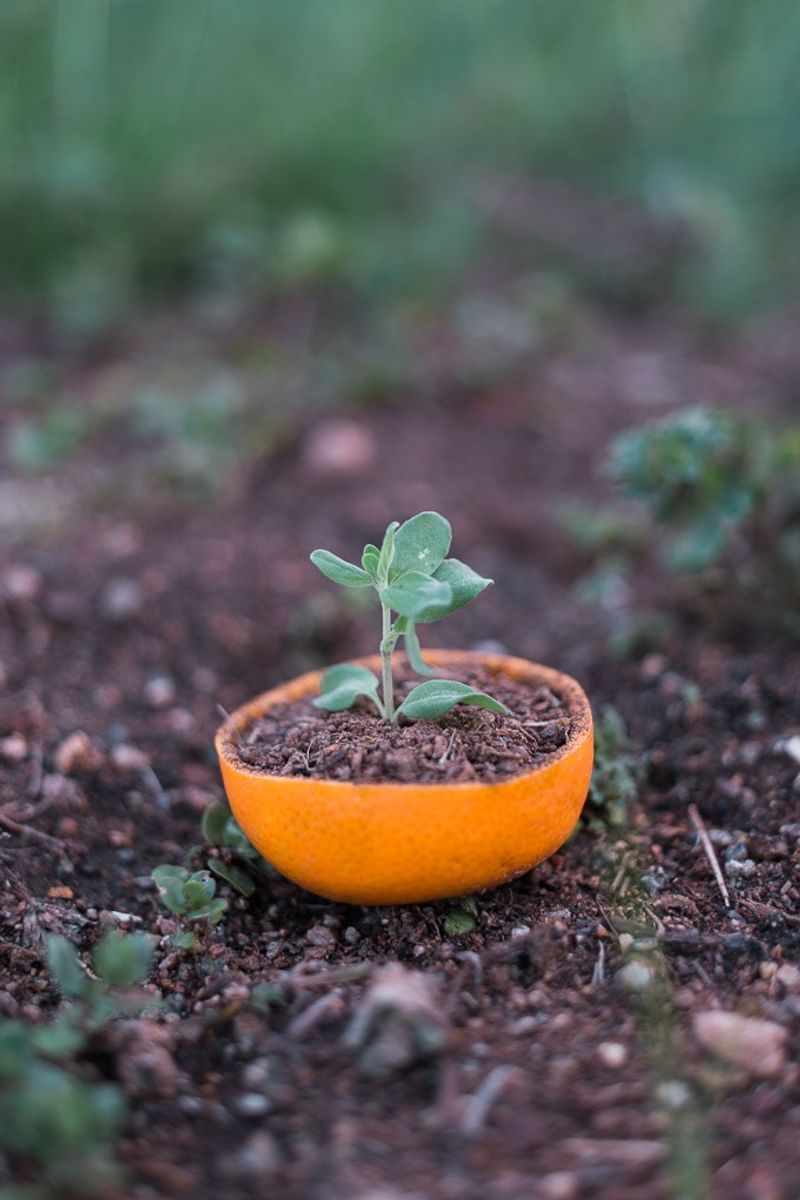
Plastic seed trays pile up fast in my garage, so cute orange cups felt like a happy discovery. Kids especially love this project, since each little rind looks like a tiny sunny planter.
Scoop out the pulp, then poke a small drainage hole through the bottom with a skewer. Fill each half with moist seed starting mix and press in two or three seeds.
October is prime sowing time in low desert regions for lettuce, cilantro, and other cool-season favorites. Set the cups in an egg carton for stability, keeping them in bright shade until sprouts appear.
Once seedlings show true leaves, plant the whole thing directly into the garden bed. Gently score or tear the rind first, so roots can push outward instead of circling inside.
Bury the rim fully below the soil line, because exposed peel dries out and wicks moisture away. The rind softens underground over time, slowly adding organic matter right where those young roots need it.
7. Orange Peels Scattered To Keep Cats Out Of Garden Beds
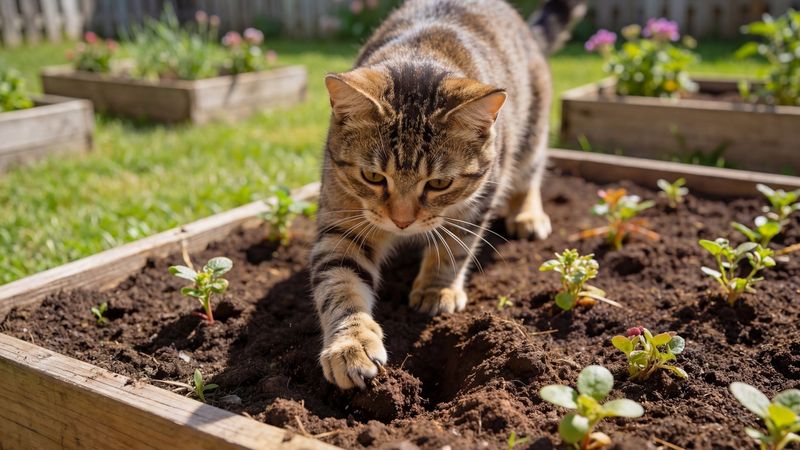
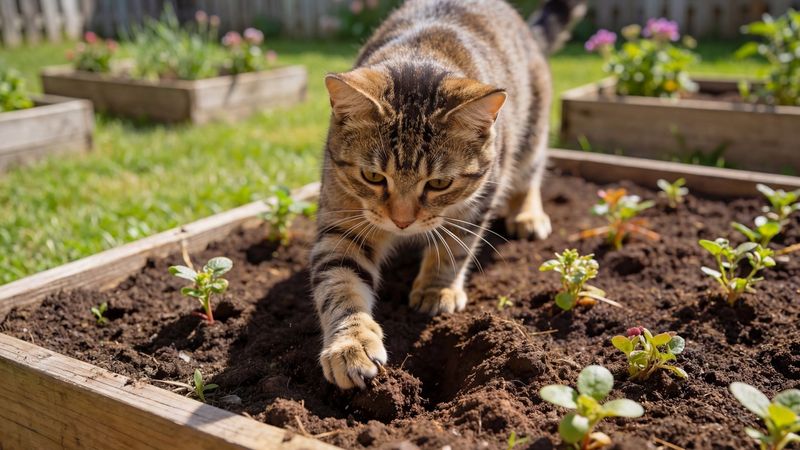
Neighborhood cats treat freshly raked soil like a luxury litter box, and I have lost many carrot rows that way. Thankfully, plenty of felines wrinkle their noses at strong citrus smells and wander elsewhere instead.
Scatter orange or lemon peels across newly seeded beds, focusing on spots where you see digging. Some dogs also avoid the scent, which helps keep curious pups out of tender fall plantings.
Refresh the pieces every few days, since sunshine and dry wind steal their aroma quickly. I sometimes grate fresh zest over the surface for an extra burst of fragrance after watering.
Combine peels with physical barriers for better results, like chicken wire laid flat over the soil. Cats dislike walking on that texture, and seedlings poke through the openings without much trouble.
Results vary from one stubborn kitty to the next, so watch closely and adjust your plan. Even a partial reduction in digging feels like a win when tiny fall seedlings are finally emerging.
8. Shallow Dish Of Citrus Peels That Draws Fruit Loving Butterflies
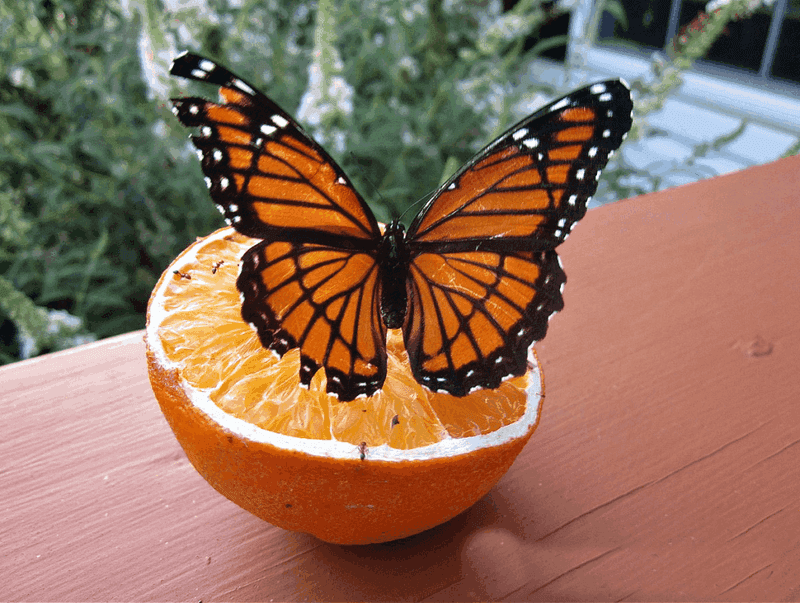
Not every butterfly sips nectar, and some species happily feast on fermenting fruit and sweet juices instead. Mourning cloaks and other fruit feeders sometimes visit a well placed dish of overripe citrus scraps.
Set a shallow saucer in a sunny, sheltered spot near flowering plants, then add juicy peels or slices. A flat rock in the center gives visitors a sturdy landing pad while they feed.
I find this trick delightful during October, when mild days pull more winged guests into my yard. Swap the scraps every couple of days, though, before they draw too many wasps or flies.
Citrus trees also host giant swallowtail caterpillars, which look remarkably like bird droppings perched on leaves. Many Arizona growers learn to tolerate a few, since mature trees usually shrug off their modest nibbling.
Pair your fruit dish with native nectar plants like desert marigold or penstemon for steady visitors. Your kitchen leftovers then become a sweet little café, adding color and movement to the fall garden.