Pruning Your Georgia Peach Tree Before Winter Could Cost You Spring Blossoms
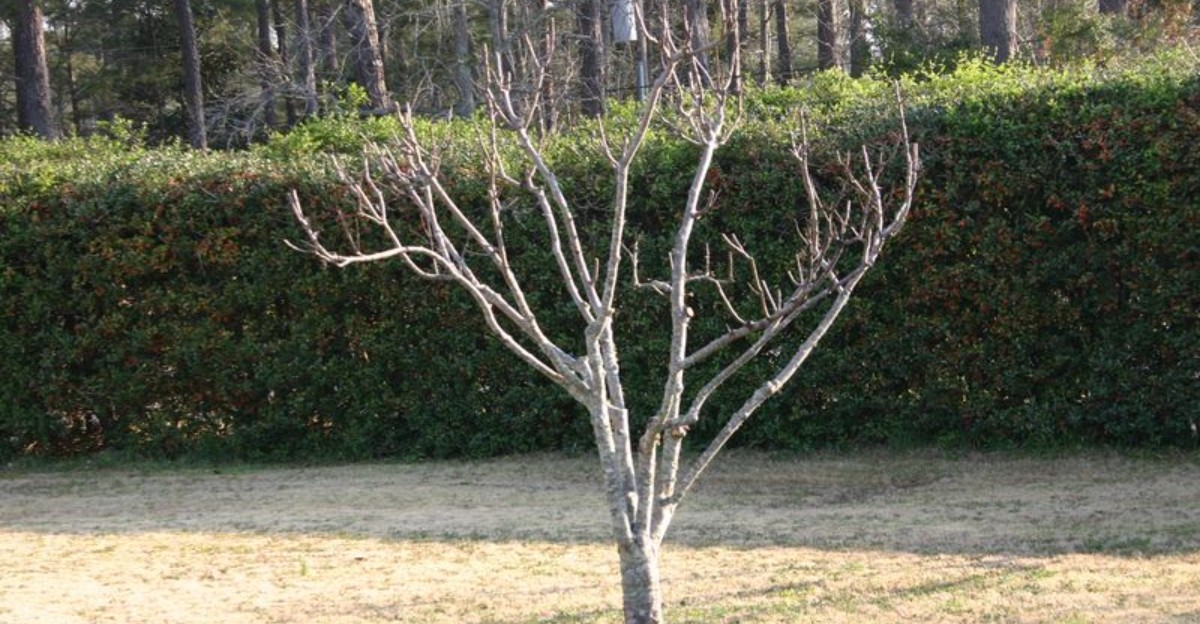
Even a fresh pruning cut can make a dormant fruit tree less cold hardy for a short stretch afterward. That surprised me the first time I read it in an extension guide.
The flower buds for next spring are already sitting on the branches right now. They formed last summer, and they are tucked along the wood you might be tempted to trim this fall.
I love a tidy yard as much as anyone in Georgia. I get the itch to grab my shears the moment the leaves drop.
You need to resist that urge with this particular tree, and the reason is sneakier than you might expect.
Pruning those bare branches too soon can leave your tree vulnerable to cold snaps, slow-healing wounds, and a stubborn bacteria that thrives in cool, wet conditions. Your spring flowers may depend on a little patience.
1. Those Bare Peach Branches Are Busier Than They Look
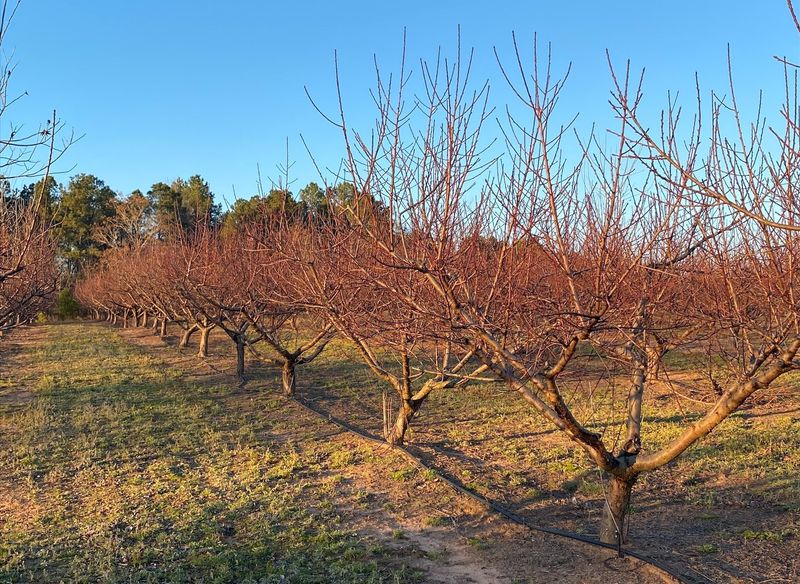
Bare branches fool a lot of us. Once the leaves fall, a peach tree seems to be sleeping, but it is quietly getting ready for the cold months ahead.
During fall and early winter, the tree slowly builds cold hardiness. University extension research shows that pruning during this period can reduce that hardiness for a short time afterward.
A sudden hard freeze right after you prune can then injure buds and wood that would have handled the cold just fine.
Fall pruning also has another catch. If a warm spell follows your cuts, the tree may push tender new growth.
That soft growth is not ready for winter and often gets damaged when temperatures drop again.
I find it fascinating that a single afternoon of trimming can change how a tree responds to weather. It feels like a small chore, but the timing matters a lot.
Remember, your future flower buds are already sitting on last summer’s shoots. Any injury to that wood can mean fewer pink blossoms in spring.
Leaving the shears in the shed until late winter gives the tree its best shot at coming through the cold season with those buds safe and sound.
2. Late Winter Is When Peach Pruning Shears Belong in Your Hands
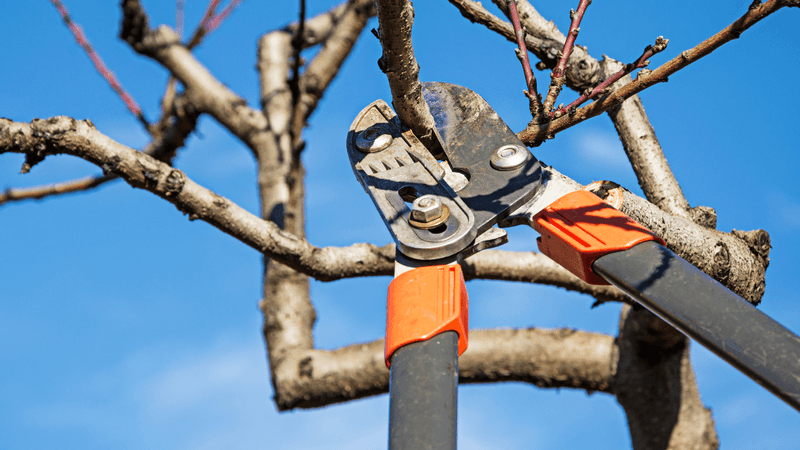
So when should you prune? The University of Georgia and other Southern extension services point to late winter, just before bloom, as the sweet spot.
For most Georgia gardens, that means roughly mid-February into early March. North Georgia mountain areas may lean a little later, while South Georgia trees often wake up sooner.
Watch your own tree and local weather instead of relying on a fixed calendar date.
Commercial peach growers often prune as close to bloom as they can manage. Many of them have hundreds of acres to cover, so they start in winter and save their younger or most cold-sensitive blocks for last.
For backyard growers, late timing is easy to follow. You have one or a few trees, so you can wait until the worst cold is likely behind you.
Pruning just ahead of bloom also lets you work with fewer surprises. You can see which buds came through winter and which branches took a beating.
That way you shape the tree based on what really survived, not on guesses made back in November. Waiting is a simple habit, yet it can protect a whole season of fruit.
3. Bacterial Canker Loves a Fresh Winter Cut on Peach Wood
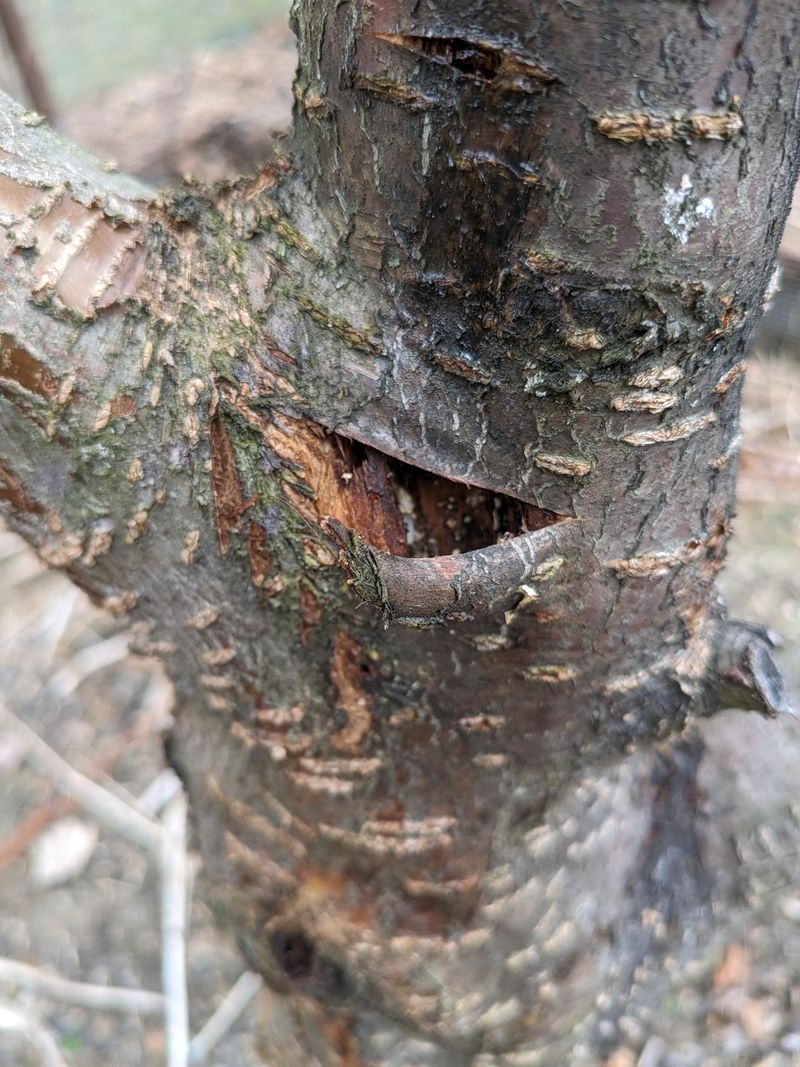
Peach wood is fairly soft, and that makes it an easy target for trouble. Fresh cuts in cold, damp weather heal slowly because the tree is not actively growing.
Those open wounds give disease organisms a doorway. Bacterial canker, caused by Pseudomonas syringae, is one of the main concerns for stone fruit growers.
It can cause sunken bark, gumming, and branch damage that reduces blossoms and fruit production.
In the Southeast, there is also peach tree short life, a problem tied to early pruning, cold injury, ring nematodes, and bacterial canker. Clemson and UGA specialists have long advised against fall or early winter pruning partly because of this connection.
Gardeners sometimes ask me if a quick cut really matters that much. Honestly, it can.
A wound that sits open for weeks in chilly rain is an open invitation.
Cuts made closer to spring tend to seal up faster once the tree starts growing. That quicker healing is one of your best natural defenses.
Keep an eye out for amber gum oozing from the bark or branches that fail to leaf out. If you spot those signs, contact your county extension office for help confirming the cause.
4. Swelling Pink Buds Give You the Green Light
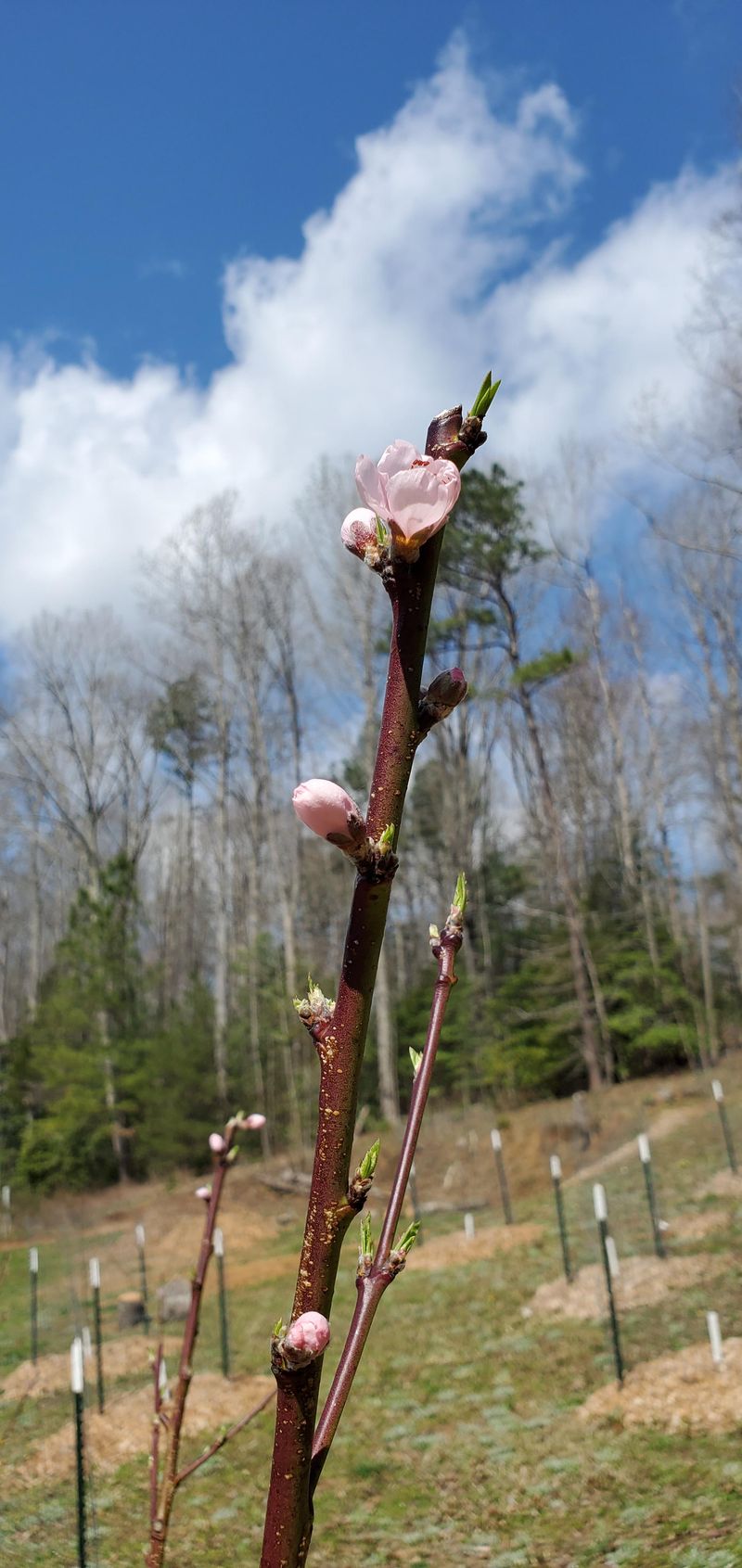
Nature hands you a pretty clear signal. When the flower buds on your peach tree begin to swell and show a little pink at the tips, the tree is waking up.
That stage is a great time to start pruning. You can easily tell flower buds from leaf buds, since the flower buds are rounder and plumper.
Most sit beside a slimmer, pointed leaf bud along the shoot.
Spotting live buds also helps you judge winter damage. Gently slice a bud in half with a sharp knife.
A healthy one looks green inside, while a bud hurt by cold often shows brown or black tissue.
I like doing this little test on a few branches before I make any big decisions. It feels a bit like detective work, and it saves heartache later.
If many buds were lost, you may prune more lightly to keep as many good ones as possible. A strong bud set means you can be a bit bolder.
Try to finish before full bloom, since flowers knock off easily as you work. Gentle hands and a quick pace keep more of those blooms on the tree for bees to visit.
5. Peach Trees Bloom on Last Year’s Red Shoots, Not Old Wood
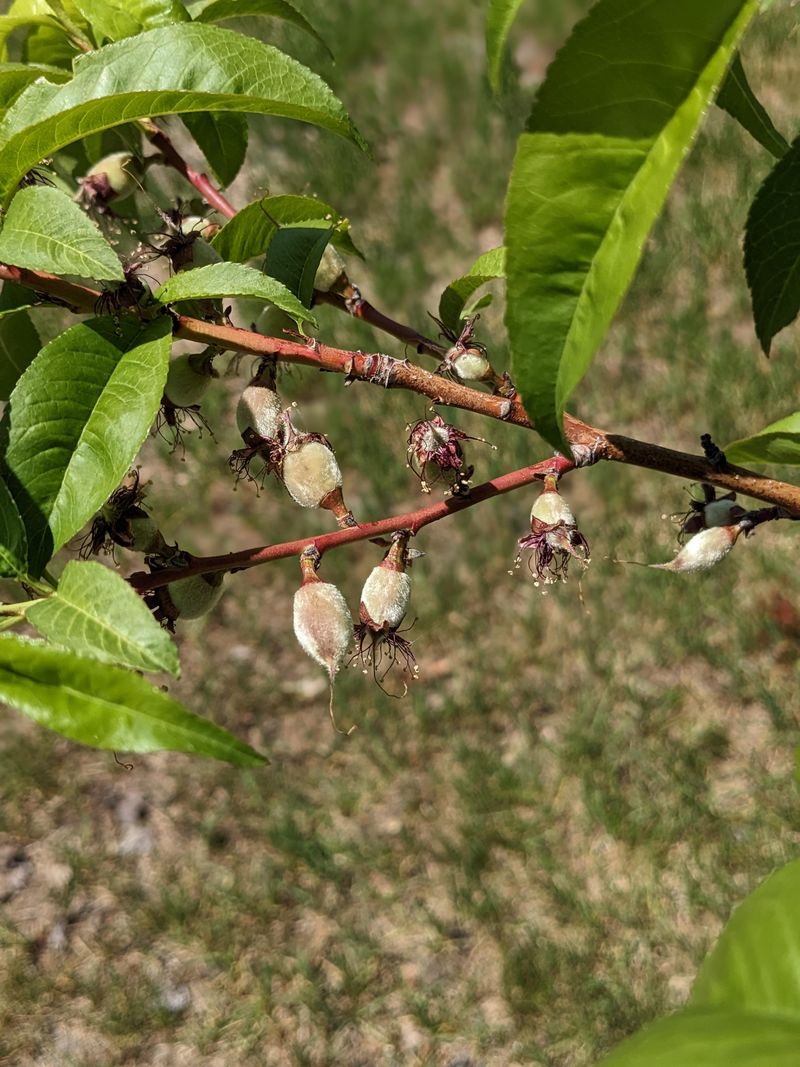
Peaches have a quirky fruiting habit that sets them apart from apples and pears. They flower and fruit on shoots that grew the previous summer.
Those one-year-old shoots are usually reddish and smooth, often about pencil thickness. Older gray wood rarely produces flowers again.
Apples, by comparison, fruit on long-lived spurs that keep producing for years.
This explains why peach trees need pruning every year. Without fresh growth, the fruiting wood creeps farther up and out, leaving the center bare and the crop high out of reach.
Here is a fun fact I love sharing. Georgia is called the Peach State, yet California grows far more peaches.
Georgia still earns its fame for flavor and history, and South Carolina actually out-produces it most years too.
Knowing the fruiting habit changes how you look at your tree. Every cut either encourages new shoots for next year or removes this year’s flower wood.
Aim to keep plenty of healthy red shoots spread evenly through the tree. Thin out weak, crowded, or downward-growing ones.
That balance gives you blossoms this spring and a fresh supply of fruiting wood for the following season.
6. An Open Vase Shape Lets Sunlight Reach Every Peach
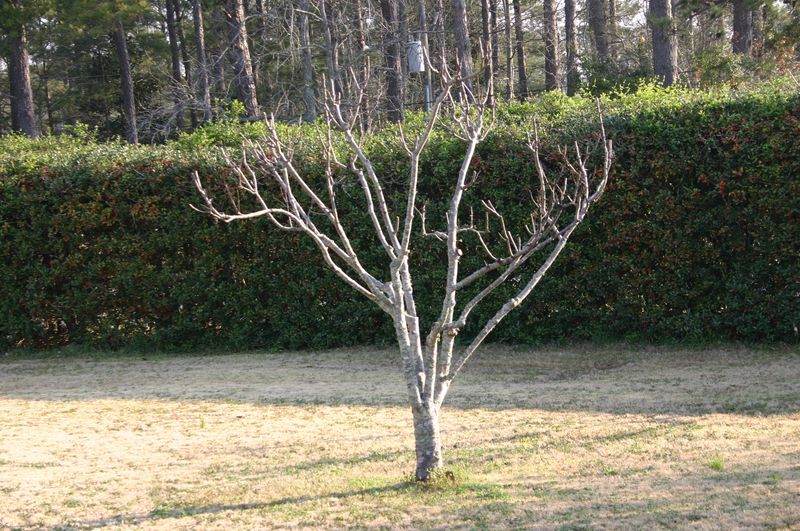
Most peach experts recommend an open-center shape, often called a vase. Three or four strong scaffold limbs spread outward, leaving the middle open to the sky.
That open middle is not just for looks. Sunlight reaching inside the canopy helps develop flower buds for next year and gives fruit better color and sweetness.
Better airflow also helps leaves and fruit dry faster, which can reduce disease pressure.
Each year, many guides suggest removing a sizable portion of the previous season’s growth, often around a third or more on mature trees. Your exact amount depends on tree vigor and how many buds made it through winter.
Start with the obvious cuts. Remove broken, diseased, or crossing branches first.
Then take out tall shoots growing straight up through the center.
Next, thin the remaining shoots so they sit several inches apart along the limbs. Shorten overly long branches back to an outward-facing shoot to keep the tree low enough to harvest from the ground.
Step back often while you work. I find walking around the tree every few cuts keeps me from getting carried away on one side.
A balanced vase rewards you with easier picking and healthier fruit.
7. Clean Pruners and a Dry Day Keep Your Peach Tree Happy
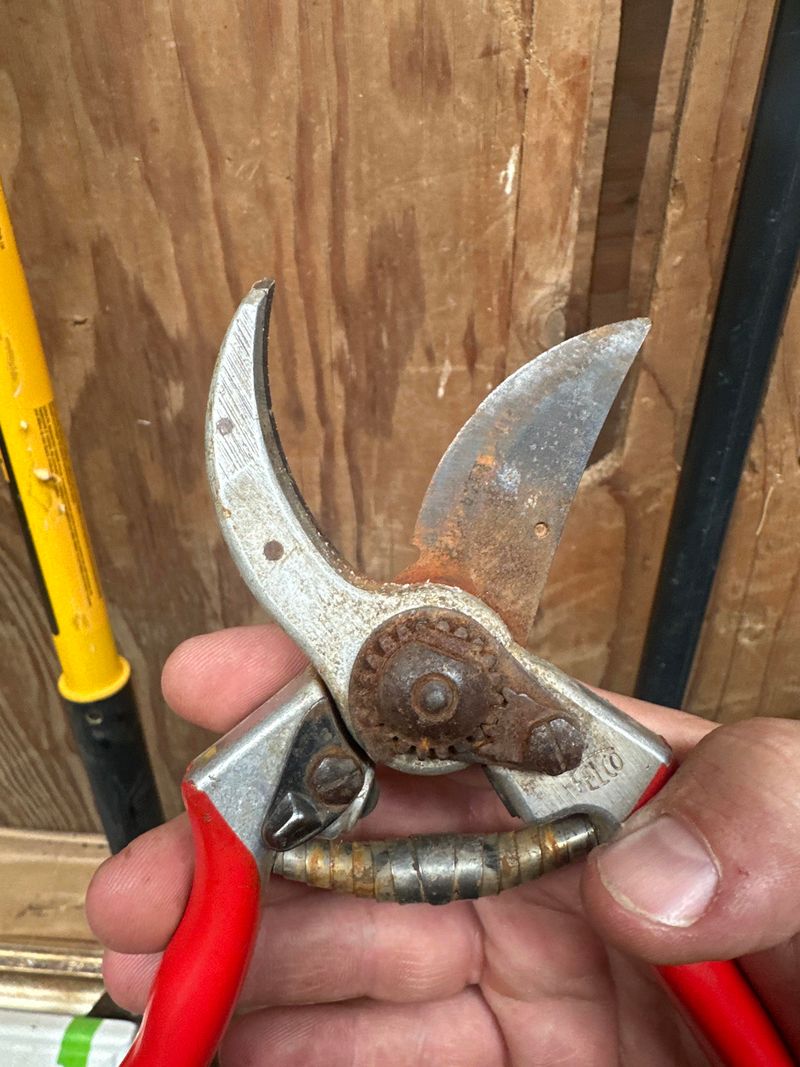
Small habits add up to a healthier peach harvest. Pick a dry, mild day for pruning, since wet weather helps bacteria and fungi spread into fresh cuts.
Keep your tools sharp and clean. Cleaning blades between trees helps limit the spread of disease.
Sharp pruners make clean cuts that heal more effectively than ragged ones.
Skip the wound paint. Research from several extension services shows that pruning sealers do not speed healing and can trap moisture against the wood.
Summer pruning has a role too, but keep it light. Removing vigorous upright water sprouts in early summer can let more light into the canopy.
Avoid heavy pruning in late summer, because it can push tender growth that struggles in early cold.
Fall is a better time for cleanup on the ground. Rake fallen leaves and remove mummified fruit to reduce brown rot next year.
My best advice is simple. Mark your calendar for late winter, watch for swelling pink buds, and grab clean shears on a sunny afternoon.
Your patience now could mean a cloud of spring flowers and a basket full of juicy peaches.