10 Flowering Shrubs Arizona Homeowners Plant Instead of Hydrangeas
Those famous blue mophead blooms only turn blue in acidic soil, and most Arizona ground leans stubbornly alkaline instead. That means many desert gardeners pour money into sulfur and shade cloth, only to watch the leaves crisp by July.
Our sun-baked yards reward a different kind of shrub, the tough type that keeps blooming when the heat climbs. Many of these plants sip water once or twice a month after they settle in, which feels almost unfair.
I love how several of them turn a quiet yard into a busy hummingbird stop by mid-morning. Personally, I think a garden that feeds wildlife and saves water earns its spot far more than a thirsty showpiece.
You might notice a few familiar faces on this list, plus some desert natives your neighbors probably overlooked. So which of these sun-loving bloomers deserves the empty corner in your Arizona yard this fall?
1. Bougainvillea
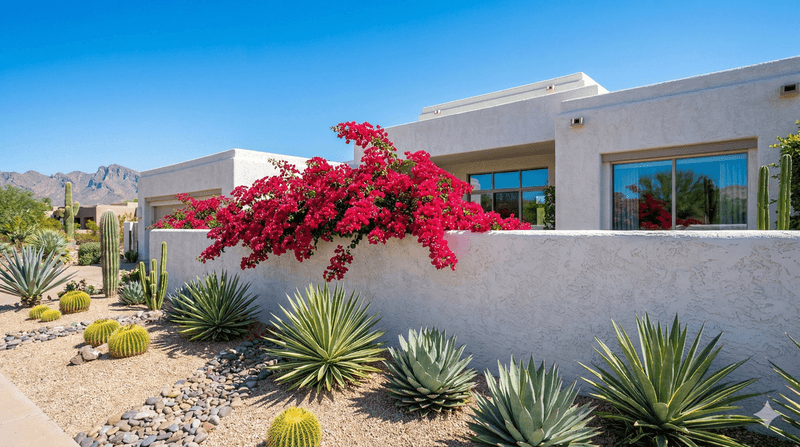
Those fiery pink petals on bougainvillea are not petals at all, but papery bracts hugging tiny white flowers inside. I still remember the first time I peeked inside one and found those little white blooms hiding in plain sight.
Bougainvillea is hardy in zones 9 through 11, so it shines in low desert yards around Phoenix and Tucson. Frost below about 28 degrees can freeze stems back, yet roots usually push fresh growth when spring warms up.
Give it at least six hours of direct sun, because shade means plenty of leaves and very little color. Sandy or loamy soil that drains fast keeps the roots happy and helps prevent rot during monsoon storms.
Water deeply, then let the soil dry out before the next drink, since soggy feet cause more trouble than drought. October often brings another flush of bracts, so hold off on heavy pruning until frost danger passes next year.
Hummingbirds and butterflies visit regularly, and rabbits tend to leave the thorny stems alone in most yards. Keep curious dogs and cats away, though, because the plant is considered toxic to pets if they chew it.
2. Desert Willow

Desert willow is not a willow at all, but a cousin of the catalpa wearing skinny, willow-like leaves. I like how its ruffled trumpet flowers smell faintly sweet on warm evenings, almost like a desert orchid.
Native to the Southwest, this multi-trunked shrub handles cold down to roughly zero to fifteen degrees with ease. That toughness makes it a smart pick for high desert towns as well as the hotter valleys below.
Blooms in white, pink, lavender, or purple appear from spring into fall, and hummingbirds treat them like a buffet. Large butterflies and bees join the party, turning a single shrub into a lively little pollinator station.
Plant it in full sun with gritty, fast-draining soil, because rich amended beds encourage floppy growth instead of flowers. Once established, a deep monthly soak is often enough, with weekly watering only during the hottest stretches.
Long, thin seedpods hang on into the following spring, adding a quirky texture after the leaves drop. Flowers form on new wood, so a light winter trim can reward you with even more trumpets later.
3. Autumn Sage
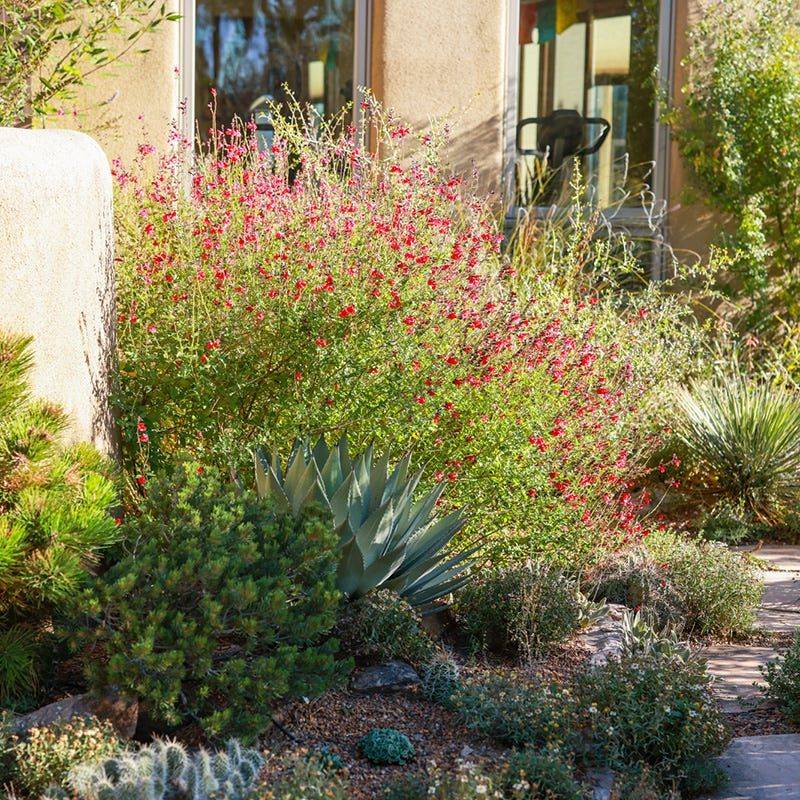
Hummingbirds seem to find autumn sage quickly, and I have watched them zip in shortly after a new mound starts blooming. Its tiny tubular flowers come in red, pink, coral, purple, yellow, and white, so you can match any color scheme.
This compact native of Texas and northern Mexico usually stays two to three feet tall and wide. The small glossy leaves release a fresh, herbal scent when you brush past them on the way to the mailbox.
Spring and fall bring the heaviest bloom, which means October gardens light up just as temperatures finally ease. Flowering slows during summer heat, so don’t panic if the plant looks a bit quiet in July.
In the low desert, afternoon shade helps, while higher elevations can give it full sun all day long. Well-drained soil matters most, since soggy roots cause trouble far faster than a few missed waterings ever do.
A light trim after the spring flush keeps the plant tidy and encourages fresh growth for repeat flowers. Finches and other small songbirds later pick at the tiny black seeds, so leave a few spent stems standing.
4. Lantana
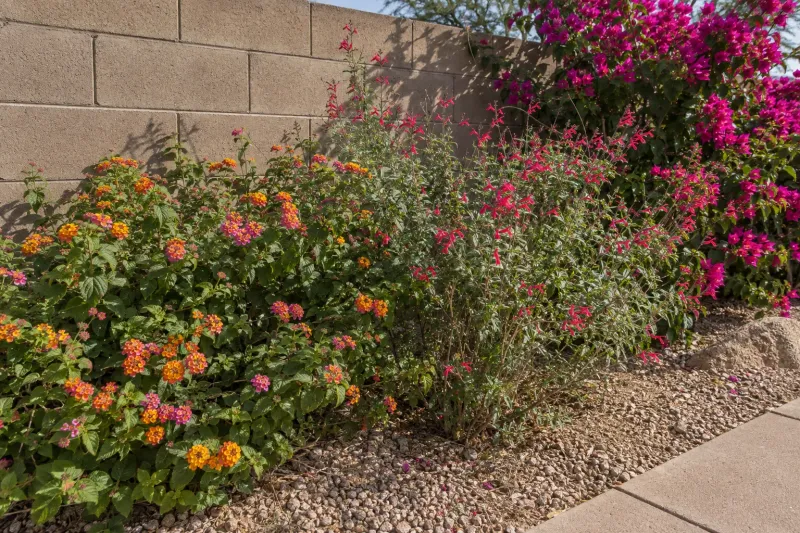
Each lantana cluster often blends two or more colors at once, like a tiny sunset sitting on every stem. I have to admit, butterflies on a blooming lantana are one of my favorite sights during a warm fall afternoon.
Hardy in zones 9 through 11, the top growth may freeze back in winter while roots survive near 20 degrees. New shoots usually return in spring, so a frosted plant is rarely a reason to dig it out.
Full sun produces the most flowers, and the plant adapts to many well-draining soils with a moderate pH. Monthly watering works for established plants, though summer often calls for a steadier routine without overdoing it.
Lantana camara has spread aggressively in some tropical regions, although it is not currently listed as invasive here. Choosing sterile hybrids that set little or no fruit is a thoughtful way to keep seedlings from wandering off.
Unripe berries and leaves are toxic to people and animals, so plant it away from curious kids and pets. Regular trimming keeps mounds compact, and October is a fine time for gentle shaping before cooler nights arrive.
5. Yellow Bells
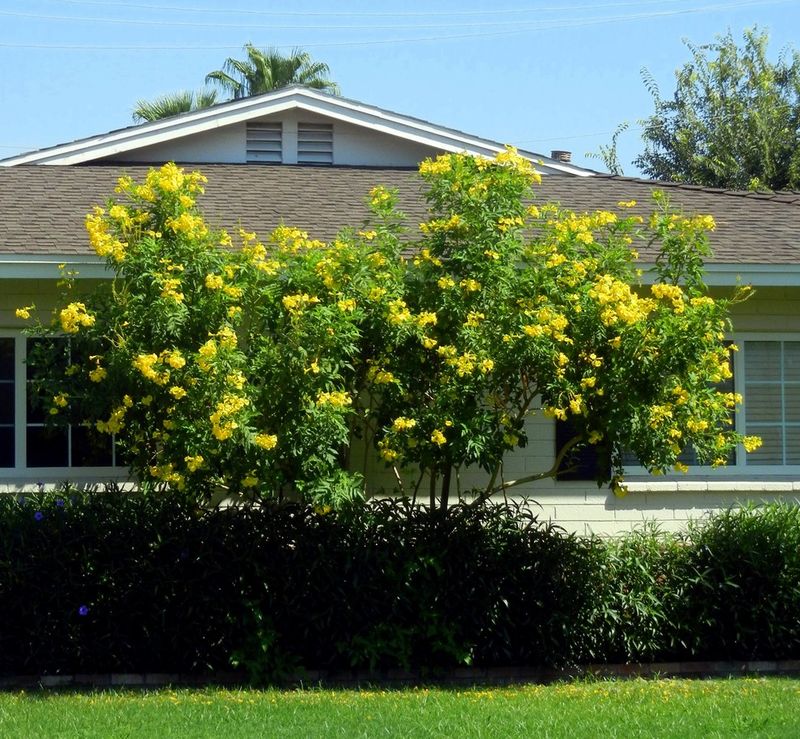
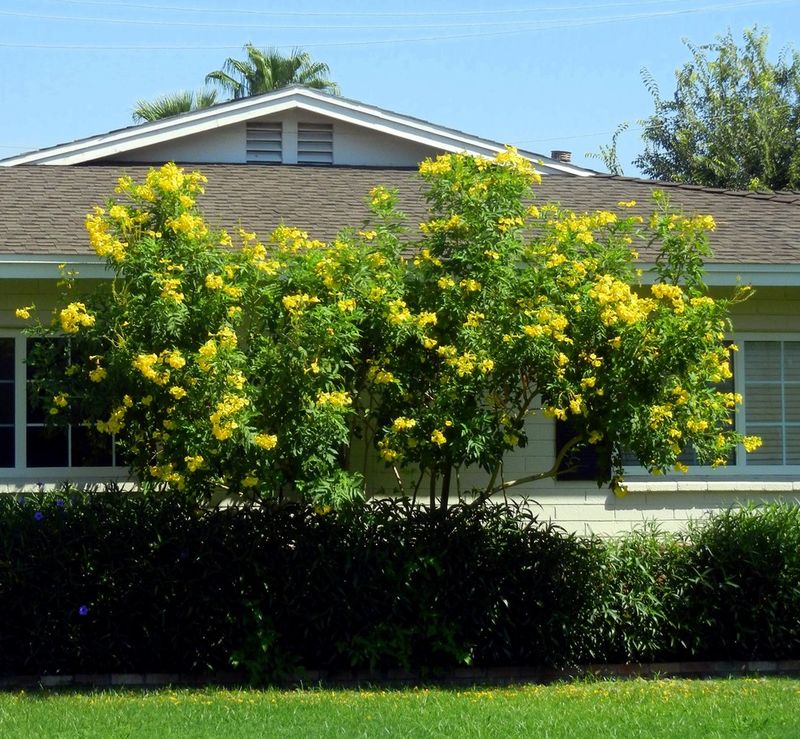
Few shrubs shout sunshine quite like yellow bells, with clusters of golden trumpets nodding from late spring through fall. I like how one plant can brighten a bare block wall almost overnight once it gets going.
Look for the native variety angustata, which handles cold and drought better than tropical forms of Tecoma stans. Foliage tolerates about 28 degrees, and roots often regrow even after colder snaps freeze the top to the ground.
Expect a fast grower reaching four to ten feet tall, making it handy for screening a neighbor’s window. Full sun keeps it dense, while too much shade leaves the branches lanky and a bit awkward looking.
Established shrubs need water once or twice a month, with weekly soaks in summer boosting growth and bloom. Wait until frost danger passes before pruning, since damaged stems help shield the inner branches through winter.
Hummingbirds and bees work the flowers constantly, and small mammals sometimes nibble the seeds from the long pods. The plant is not considered toxic, which gives families with pets one less thing to worry about.
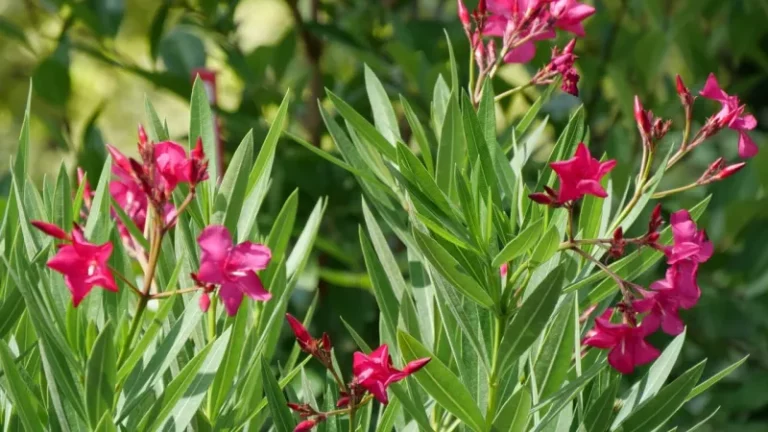
6. Oleander
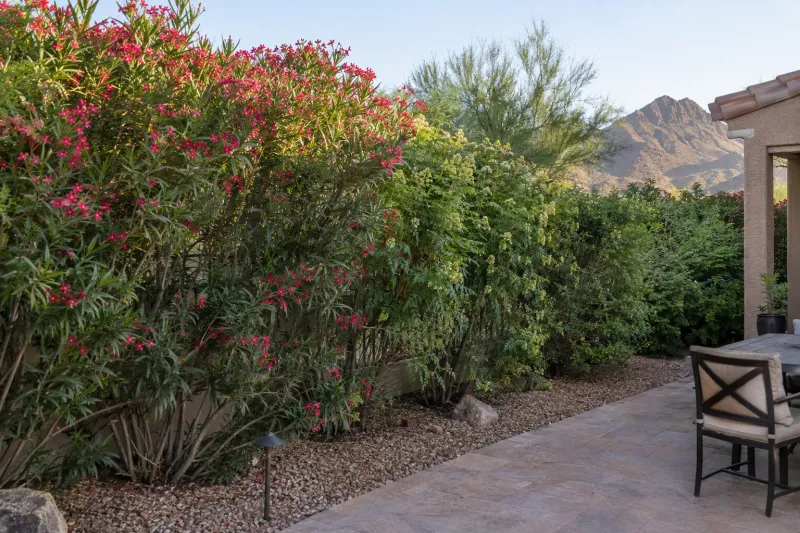
Drive through older Phoenix neighborhoods and you will spot towering oleander hedges that have screened backyards for decades. Their toughness is impressive, since they shrug off scorching heat and alkaline ground that would frustrate pickier shrubs.
Flowers in red, pink, salmon, white, or yellow appear from spring into fall, and some varieties smell sweet. Dwarf types stay around five or six feet, which suits smaller yards better than giant twenty-foot forms.
Every part of oleander is highly toxic if eaten, including leaves, sap, and even smoke from burning clippings. Personally, I would skip it near play areas or pet runs, and wear gloves whenever you prune it.
The flowers make no nectar, so wildlife lovers will find little activity buzzing around these dense green walls. Still, it works as a tough privacy screen when water is scarce and the sun feels relentless.
Water once or twice a month during dry spells, and give it full sun to prevent leggy growth. Save shaping for midwinter, and bag trimmings for the trash instead of composting or burning them.
7. Cape Honeysuckle
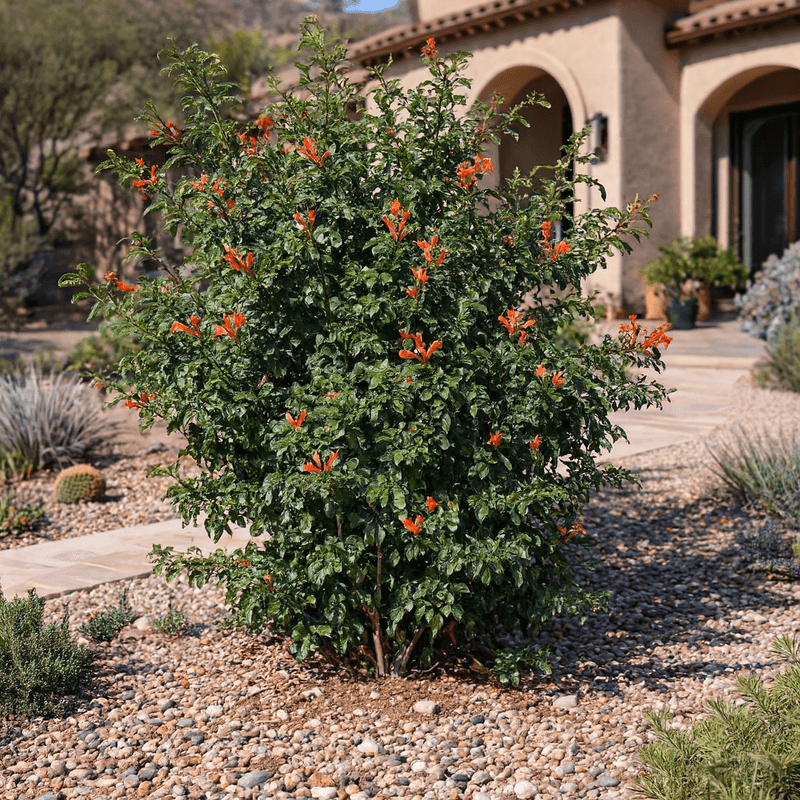
Just when many shrubs are winding down, cape honeysuckle gears up for its best show of bright orange trumpets. Fall into spring is its prime blooming window, so October visitors may spot the first fiery clusters opening.
Native to southern Africa, it can grow as a mounding shrub or a climbing vine depending on how you prune. As a shrub it usually reaches six to ten feet, and it stays evergreen in milder winters.
Hummingbirds rely on its nectar during cooler months, when fewer flowers are open around the neighborhood. I love how the glossy dark leaves stay green all year, keeping the yard lively even in January.
Frost below about 25 degrees can damage it, so a south or west wall offers welcome winter warmth. In the hottest low desert spots, leaves may scorch above 105 degrees, so afternoon shade can help.
Water once or twice a month after establishment, and keep it slightly drier to encourage stronger flowering. It grows fast and spreads in some countries, so prune regularly and keep it tidy within your garden.
8. Texas Ranger
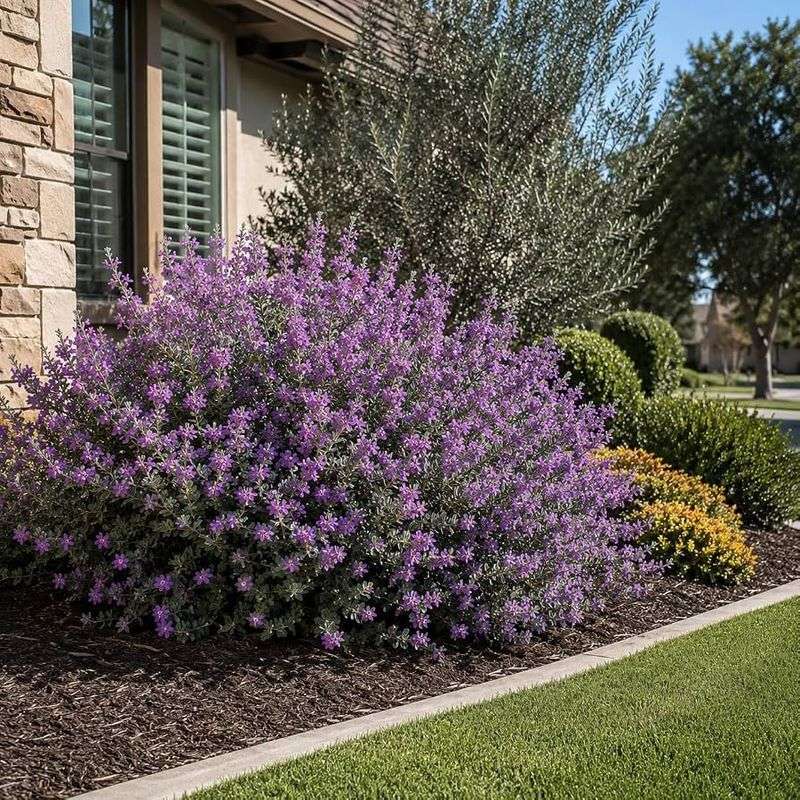
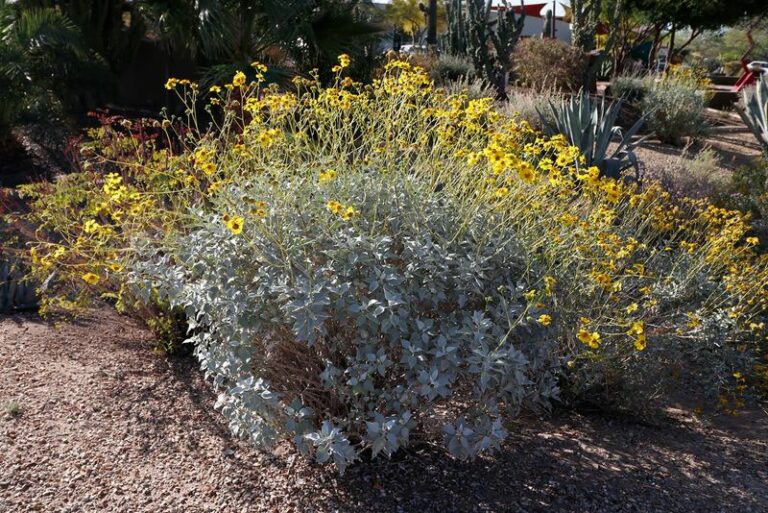
Some gardeners call Texas ranger the barometer bush, because it often bursts into purple bloom after humid weather or rain. I can’t imagine a more entertaining forecaster than a silver shrub that suddenly turns lavender after a monsoon storm.
Its silvery gray leaves reflect harsh light, giving the plant a soft, cool look even in blazing afternoon sun. Most plants reach three to eight feet tall, and they handle cold down to roughly ten degrees.
Full sun is a must, along with deep but infrequent watering that lets soil dry out between drinks. Overwatering is the most common mistake, since this native of Texas and northern Mexico prefers lean, dry conditions.
Please skip the tight meatball shearing you see along commercial strips, because heavy pruning reduces flowering. A light spring trim keeps a natural shape and still leaves plenty of branches ready to bloom.
Hummingbirds visit the small flowers, and rabbits usually leave the fuzzy foliage alone, which saves young plantings. Pests rarely bother it, so it fits busy homeowners who want color without a long weekly chore list.
9. Mexican Bird Of Paradise
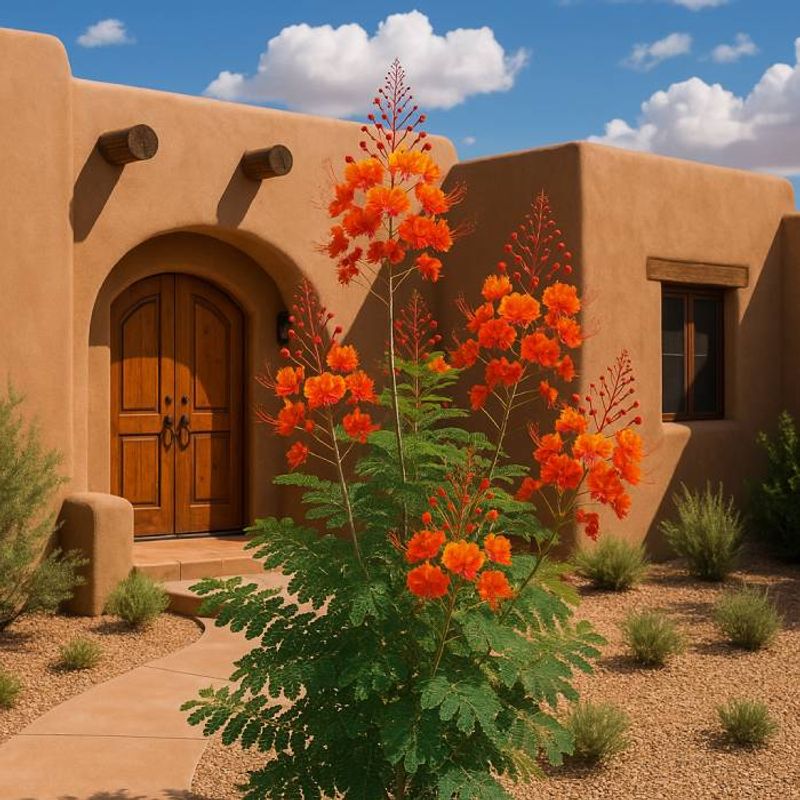
Long red stamens curl out of each blossom like party streamers, making red bird of paradise hard to ignore. Petals mix yellow, orange, and red, and the whole shrub seems to glow during a summer sunset.
Fern-like leaflets give it a tropical vibe, yet it laughs at heat that sends other shrubs into hiding. Plants usually grow five to ten feet tall, and blooms continue from spring through fall in sunny spots.
Colder areas may see it freeze to the ground, but roots typically recover in spring with some protection. October is a smart time to spread a thick mulch layer over the root zone before winter nights.
Its roots fix nitrogen, so skip the nitrogen fertilizer and let the plant feed itself in well-draining soil. Established plants want water once or twice a month, with extra drinks when the foliage looks tired.
Butterflies and hummingbirds visit often, and deer tend to pass it by in favor of softer meals. Watch the sharp stem thorns, and keep kids away from the seeds, which are toxic if eaten.
10. Chuparosa
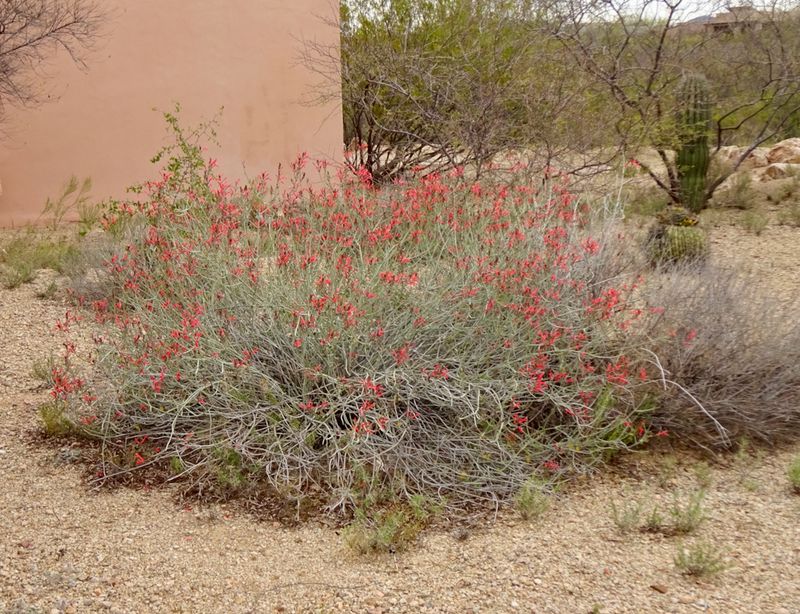
Chuparosa is a Spanish word for hummingbird, and trust me, the name fits once you see the traffic here. Bright red tubular flowers appear mainly from fall through spring, just when wintering hummingbirds need reliable fuel.
This shrub is native to the deserts of southern California, Arizona, and northern Mexico, so it truly belongs here. Its arching green stems handle photosynthesis, which explains why the plant often looks nearly leafless during drought.
What surprises me most is that the flowers are edible, with nectar that reportedly tastes a little like cucumber. Small birds sometimes nip off petals to reach that nectar, which is a quirky little show to watch.
Plant it in full sun or reflected heat, using rocky, fast-draining soil that stays dry between waterings. Monthly water keeps it going, while extra summer sips encourage fuller growth and more flowers later on.
Hard freezes near 20 degrees can knock it back, yet roots usually send up fresh stems in spring. Save pruning for late winter, and enjoy a native plant that feeds wildlife while barely sipping water.