Where Georgia Roaches Hide Indoors Once The Nights Finally Turn Cold
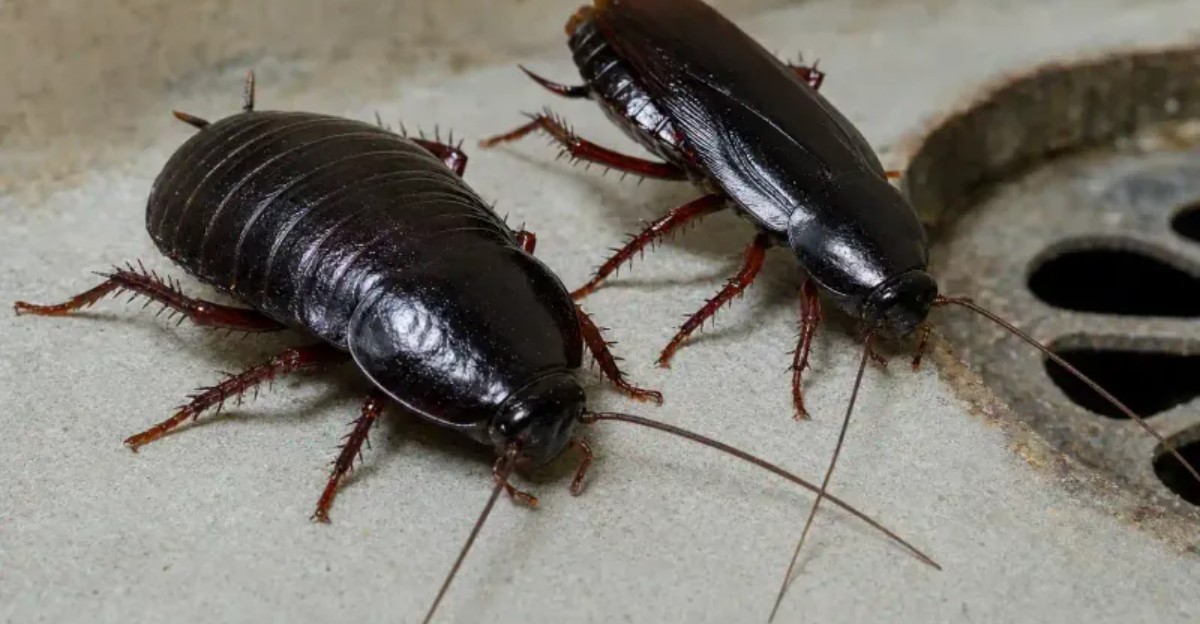
Some American cockroaches can live for about a year as adults, and they can glide short distances on warm nights.
That flying habit startles plenty of folks who spot one cruising across a Georgia porch light in late summer.
When the evening air turns crisp, the bigger outdoor species start hunting for warmer and wetter places to wait out winter. Mulch beds, tree holes, and leaf piles stop feeling cozy once temperatures dip into the thirties overnight.
I have to admit, I used to blame every sighting on a messy kitchen or a forgotten bag of chips. You might notice them more in cooler months, though, simply because your heated home suddenly looks like a resort.
Knowing where these flat little travelers tuck themselves away makes the battle much easier for any homeowner or gardener.
Their favorite cold-weather hiding spots might be much closer to your living space than you realize.
1. Warm Spots Behind The Refrigerator And Stove
That gentle hum from your refrigerator motor is basically a dinner bell and space heater rolled into one for small pests.
German cockroaches love the warm, greasy gap behind fridges and stoves because crumbs collect there and people rarely look.
I pulled my own fridge out last winter and found a dusty layer of cat food bits that made me shudder. Droppings from German roaches look like tiny black pepper specks or coffee grounds, often smeared along edges and corners.
Unlike the big outdoor species, German cockroaches live almost wholly indoors and breed year-round in heated homes across the Southeast. Cold nights outside rarely slow them down, so cooler months are simply when you spend more time noticing them inside.
You need to slide appliances out a couple of times each year and vacuum the floor, the coils, and the wall behind.
A flashlight helps you check the motor compartment, since warmth near the compressor can attract roaches seeking a stable hiding place.
Wipe up grease splatters on the stove sides, because roaches happily snack on cooking residue that we barely notice at all. Gel baits placed in cracks near appliances work well, and university extension experts often recommend them over spray treatments.
Personally, I keep a small crumb brush near the stove and give the edges a quick sweep after dinner each night. That tiny habit removes much of the food these pests depend on, and it keeps my kitchen smelling fresher too.
2. Dark Cabinets Under The Kitchen Sink
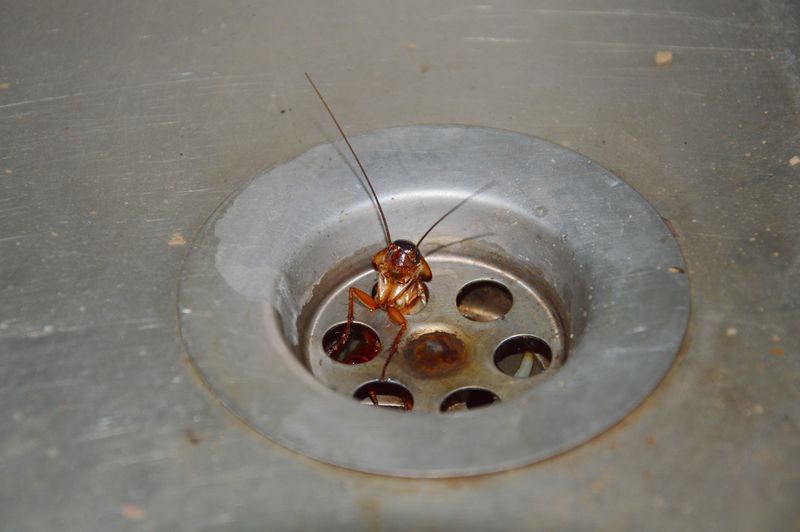
Open the cabinet under your kitchen sink at midnight, and you might catch a few antennae waving back at you.
Pipes bring both moisture and a hidden doorway, which makes this cramped space a favorite roach hangout in winter.
Roaches can go weeks without food, yet water is a different story, so damp cabinets are hard for them to resist. A slow drip or a sweaty cold water pipe provides enough moisture to support a hidden colony for months.
German cockroach females carry their egg cases until shortly before hatching, and each case usually holds roughly thirty to forty eggs. That fast cycle explains how a few visitors under the sink can grow into a busy crowd before spring arrives.
I like to empty that cabinet completely every few months and check the back corners with a bright flashlight. Look closely at the holes where pipes enter the wall, since those gaps often act as secret highways between rooms.
Fill those pipe gaps with caulk or foam, and fix any leaks you find as soon as you possibly can.
Storing pantry food in sealed plastic or glass containers also helps, because cardboard boxes and paper bags offer easy snacks.
What surprises me most is how much cleaner a cabinet stays once moisture disappears and the clutter gets trimmed down. Fewer bottles and sponges mean fewer shadows, and roaches strongly prefer cramped, dark spaces where their backs touch something.
3. Damp Crawl Spaces Under Southern Homes
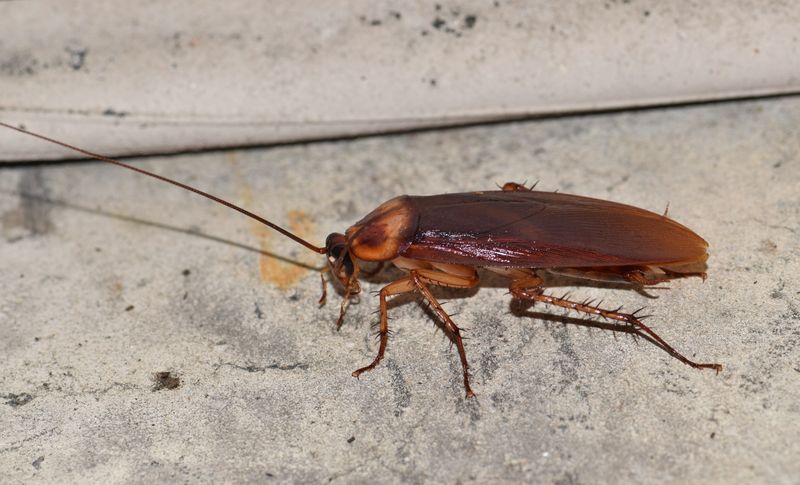
Plenty of older Southern houses sit on crawl spaces, and those shady, earthy pockets are prime real estate for big roaches.
American and smokybrown cockroaches prefer warm, humid shelter, so a damp crawl space works like a winter cabin for them.
Smokybrown roaches lose moisture easily through their bodies, which pushes them toward humid hiding spots when outdoor conditions change. That need for dampness explains why you often find them near wet soil, sagging insulation, or leaky ductwork underneath homes.
I crawled under my aunt’s house once with a flashlight, and the shiny reddish bodies scattering along the joists made me gasp. The experience taught me that what happens beneath the floor often decides what eventually wanders into the living room upstairs.
You can make this space less inviting by laying a plastic vapor barrier over bare soil and fixing plumbing drips.
Proper vents or a dehumidifier help lower humidity, and extension specialists often stress moisture control as a key roach strategy.
Remove old lumber, cardboard, and leftover building scraps, since roaches tuck themselves into any stacked clutter they can find. Check the crawl space door and vents for tears or gaps, then repair screens so fewer insects drift inside.
Honestly, crawl spaces are rarely fun to inspect, yet a twice-yearly look can save you plenty of headaches later. Pair the inspection with a quick look for termite tubes, since both pests enjoy the same damp, shadowy conditions underneath.
4. Humid Bathrooms Around Toilets And Tubs
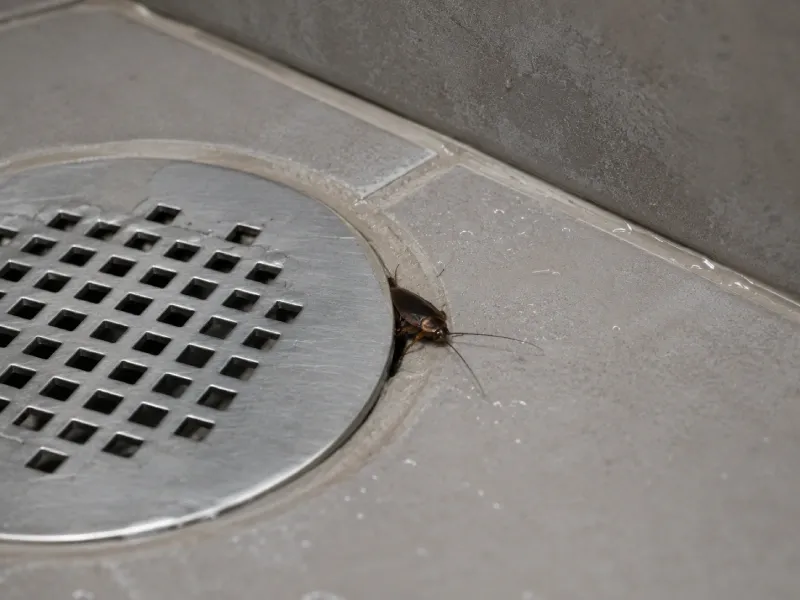
Nobody enjoys meeting a roach during a late-night bathroom trip, yet that steamy room is a natural magnet. Showers, toilets, and sinks keep moisture high, and the gaps around fixtures give insects plenty of quiet places to rest.
American cockroaches sometimes travel up through plumbing and sewer connections, especially in older homes or buildings with dry drain traps.
Their reddish brown bodies can grow about an inch and a half long, which makes every bathroom encounter feel dramatic.
I have to admit I once screamed so loudly at one near the tub that my dog barked for minutes afterward. Since then, I have learned that a few smart repairs work far better than shrieking at an innocent shower curtain.
Start by checking the caulk around your tub and toilet base, then replace any cracked or peeling sections. Look behind the toilet tank, since condensation can drip down the back and keep that corner damp for days.
Run the exhaust fan during and after showers so humidity drops faster, and hang wet towels where they dry quickly. Small changes like these make the room less comfortable for roaches that rely heavily on moisture for survival.
You might notice fewer sightings once escutcheon plates around pipes are snug against the wall again with no visible gaps.
Those little metal rings often loosen over time, leaving openings just wide enough for a roach to slip through easily.
5. Hidden Gaps Behind Baseboards And Wall Voids
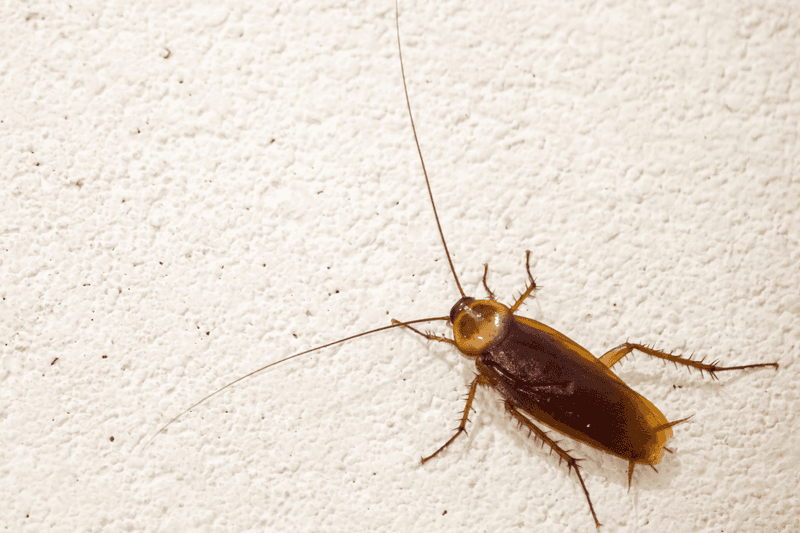
Roaches are champion squeezers, and some studies show they can flatten their bodies to fit cracks thinner than a coin.
That flexible armor lets them slip behind baseboards and vanish into wall voids before you can grab a shoe.
Researchers at the University of California, Berkeley, found American cockroaches squeezing through gaps only a few millimeters tall. Their tough yet bendable exoskeleton spreads pressure, allowing them to scramble through spaces that seem far too tight for any bug.
I love how one tube of caulk can feel like a superpower once you realize how much it blocks. Inside the walls, roaches travel along wires and pipes, moving between kitchens and bathrooms without ever crossing open floors.
You need to check where baseboards meet the floor, especially in older homes where wood has shrunk over the years.
Seal those cracks with a flexible caulk, and pay extra attention to spots behind furniture where gaps go unnoticed.
Outlet covers and switch plates can also hide openings into wall voids, so make sure they sit tight and flush. Foam outlet gaskets, sold at most hardware stores, close those gaps while also reducing chilly drafts during colder weather.
Personally, I spend one rainy afternoon each fall walking the house with a caulk gun and a good flashlight. The job feels tedious for an hour or so, yet it pays back with fewer surprise visitors all winter long.
6. Cluttered Attics And Cardboard Storage Boxes
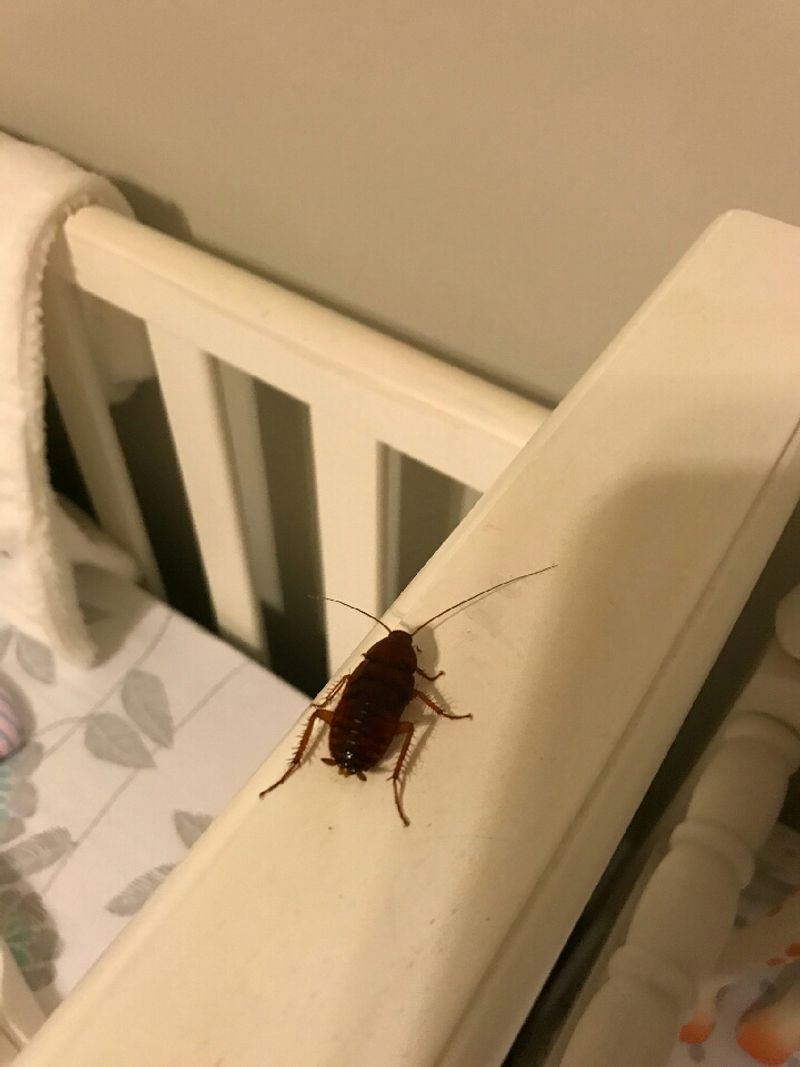
Smokybrown cockroaches are strong fliers, and they sometimes sail right up to rooflines looking for shelter.
Pest experts across the Southeast report them entering attics through gaps in soffits, vents, and shingles near tree branches.
Their mahogany coloring and shiny wings make them easy to tell apart from the smaller tan German roach. Smokybrowns usually prefer outdoor spots like gutters and tree holes, though attics offer welcome protection during cooler stretches.
Cardboard boxes deserve a special warning, since roaches enjoy both the tight corrugated layers and the glue holding them together. Holiday decorations stored up there can carry hitchhikers straight down into your living room when December arrives.
I switched my seasonal storage to clear plastic bins with snug lids a few years ago, and it helped noticeably. You can also see what is inside without opening every lid, which makes decorating day go much faster.
Trim tree limbs that touch your roof, since those branches act like bridges for smokybrown roaches and other critters.
Check that attic vents have intact screens, and repair any gaps around soffits or where plumbing vents poke through.
Whenever you bring boxes down, shake them gently outside before carrying them indoors, just to be safe. That little routine takes only a minute, and it keeps any surprise roach from moving into your cozy living space.
7. Floor Drains And Pipes In The Laundry Room
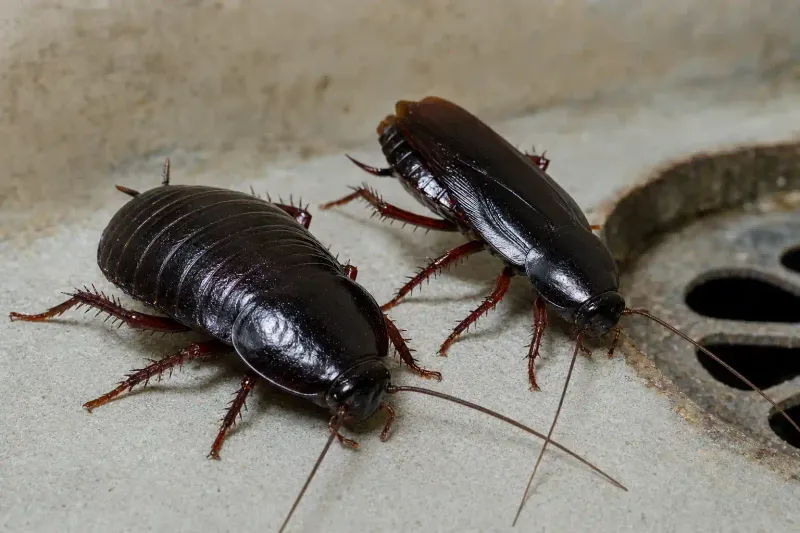
Folks around here often call big roaches water bugs, and the nickname makes sense once you see where they lurk. Oriental cockroaches especially love floor drains, basements, and laundry rooms where moisture lingers long after the washer stops.
Oriental roaches are dark, nearly black, and move more slowly than the speedy German species found in kitchens.
They prefer cooler damp spots, which is why drains and pipes become favorite hiding places when outdoor conditions turn chilly.
I find it oddly fascinating that a simple drain trap holds water that blocks sewer gases and many crawling insects. When a rarely used floor drain dries out, that protective barrier disappears, and roaches can wander up from below.
You need to pour a little water down unused drains every couple of weeks to keep those traps filled. Some homeowners add a drain cover or mesh screen, which still lets water pass while blocking curious insects from climbing up.
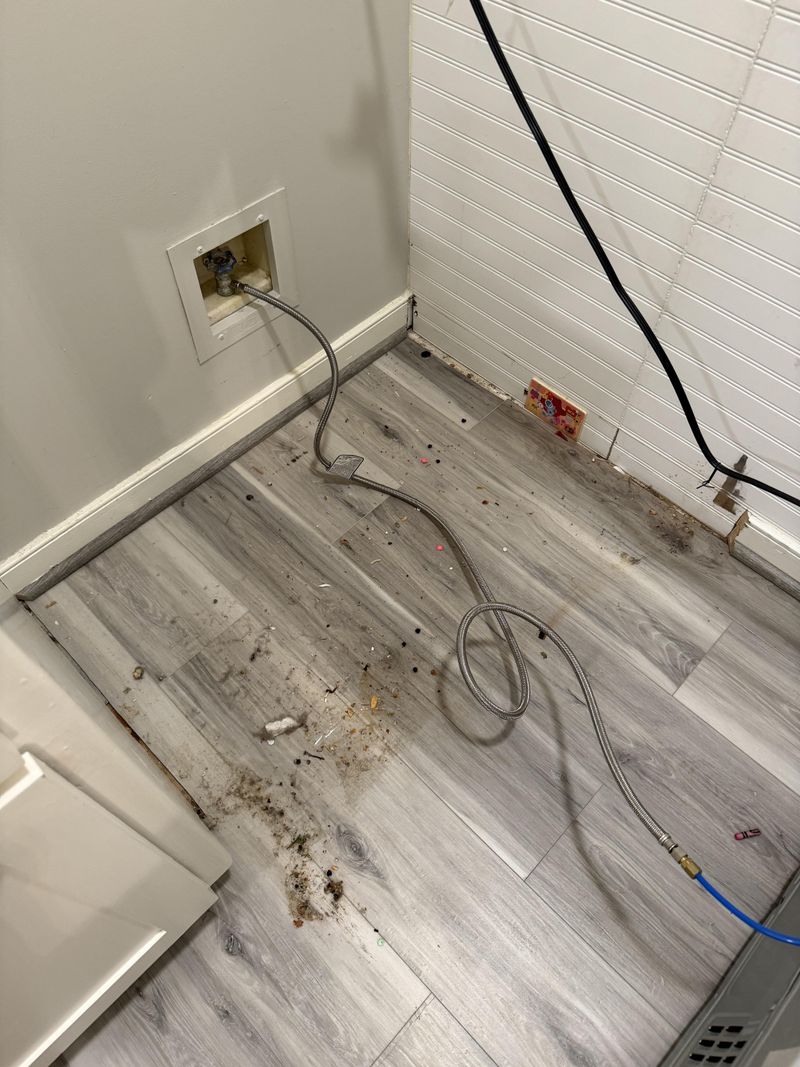
Check the hoses behind your washing machine for small leaks, since those drips create a steady water source. Lint piles behind dryers also give roaches cozy cover, so sweep that area whenever you clean the lint screen.
Personally, I keep my laundry room door open after washing so the space dries out faster and stays fresh.
Less dampness means fewer sightings, and your towels will thank you with a much cleaner smell over time.
8. Cozy Electronics And Upholstered Furniture
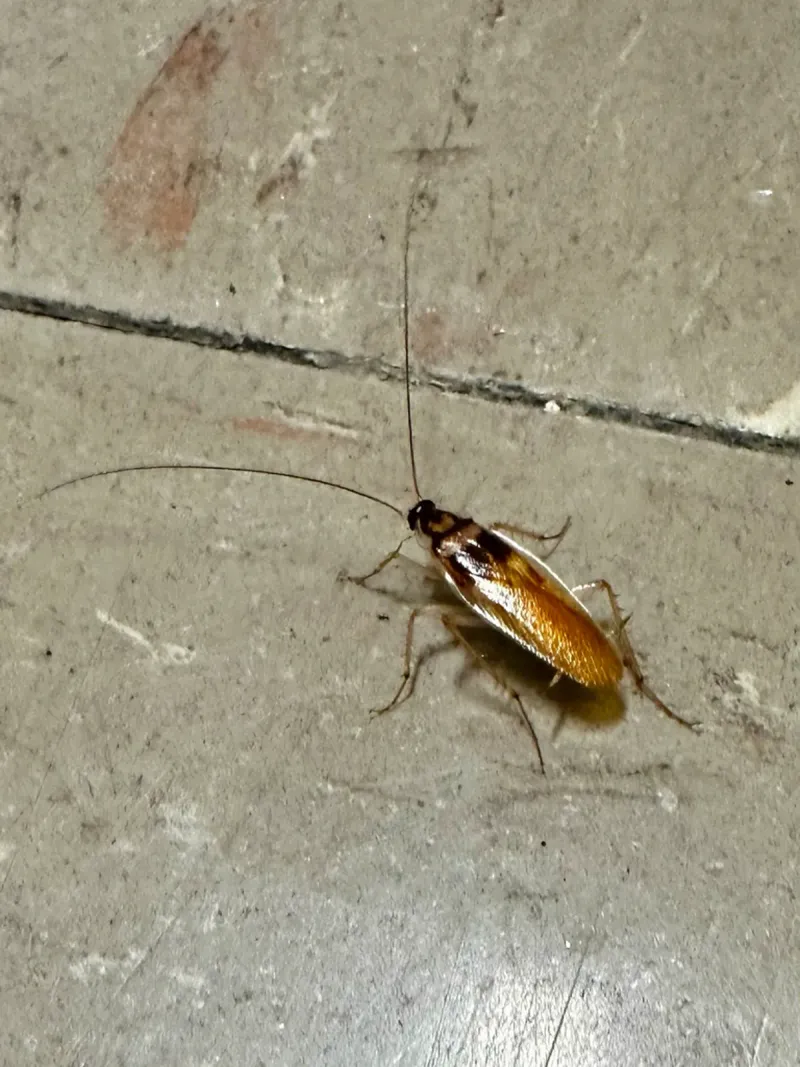
Brown-banded cockroaches are the oddballs of the roach world, preferring warm, dry rooms instead of damp kitchens.
You might find them in bedrooms, living rooms, or high inside closets, far from the sink where you expect trouble.
These small roaches have two light bands across their wings and bodies, which gives them their descriptive common name. Extension sources note they often hide inside electronics, picture frames, and furniture, where warmth from devices keeps them comfortable.
I can’t imagine the surprise of opening a game console for repairs and finding tiny egg cases glued inside. Brown-banded females attach their egg capsules to hidden surfaces, often ceilings, furniture undersides, or the backs of drawers.
You can reduce trouble by dusting behind televisions and computers regularly, since lint and crumbs gather in those warm corners. Vacuum couch cushions and the gaps beneath them, because dropped snacks give roaches an easy meal near cozy shelter.
When buying used furniture or electronics, inspect them carefully outside before bringing anything into your home for good. Secondhand finds sometimes carry hidden egg cases, and a quick check with a flashlight can spare you weeks of frustration.
Sticky traps placed under furniture and near electronics help you learn where roaches gather before choosing a treatment plan.
If sightings keep climbing despite your efforts, calling a licensed pest professional is a smart and practical next step.