Who’s Responsible When a City Snowplow Tears Up Your Ohio Lawn?
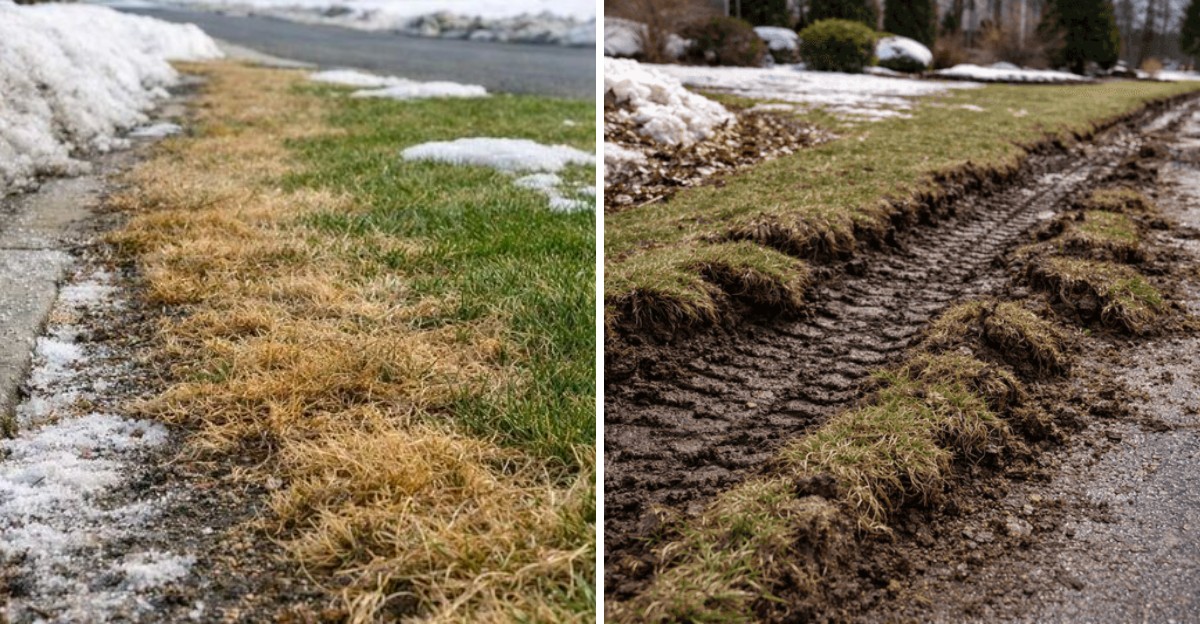
A single pass from a plow blade can peel back a strip of turf like the lid on a sardine can.
In many towns, nobody even notices until March, when the snow slumps away and reveals a muddy trench where your neat grass edge used to be. I still wince at that sight every spring.
Here in Ohio, a surprising number of cities quietly promise to fix that kind of damage for free. Others draw a firm line at the narrow strip beside the curb, and plenty of homeowners never learn the difference until it’s too late.
You put months of mowing, feeding, and edging into that front yard. I believe you deserve to know who pays when winter road crews chew it up.
Does the city owe you fresh sod, or is that torn patch your problem now?
1. That Torn Strip By The Curb Might Belong To The City
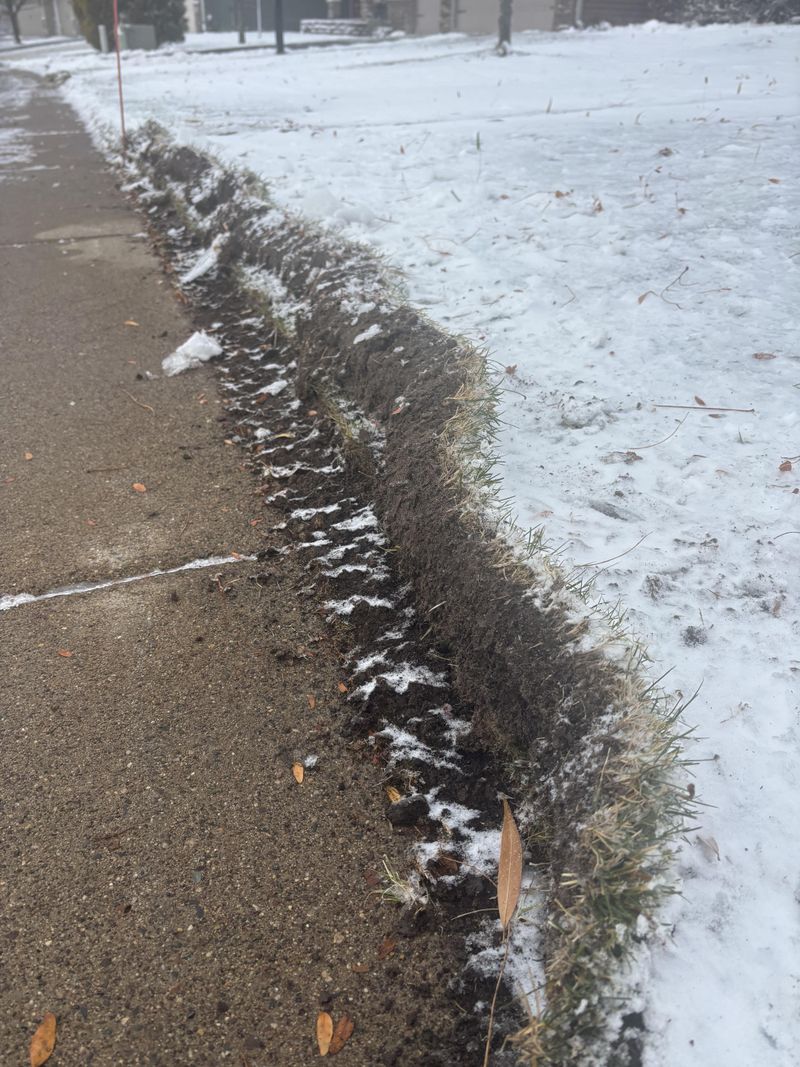
Most folks are shocked to learn that the grass between the sidewalk and the street often sits on public land. Cities call it the right-of-way, the tree lawn, or the berm, and you usually mow it even though you don’t own it.
That detail matters a lot after a plow scrapes it up. Many Ohio cities treat damage inside the right-of-way differently from damage deeper in your yard.
Some communities see small gouges along the berm as a normal cost of clearing roads. Others repair it anyway as a courtesy, often with topsoil and grass seed in spring.
Here’s a simple way to figure out where you stand. Look up your property lines on your county auditor’s website, which most Ohio counties offer for free with clickable parcel maps.
Those maps show roughly where your lot ends and the public strip begins. It’s not survey-level exact, but it gives you a solid starting point before you call anyone.
Once you know whether the scuffed spot sits on city land or your land, the next phone call gets much easier. You’ll sound informed, and staff will route your request faster.
2. Plenty Of Ohio Cities Will Patch Plow-Damaged Grass For Free
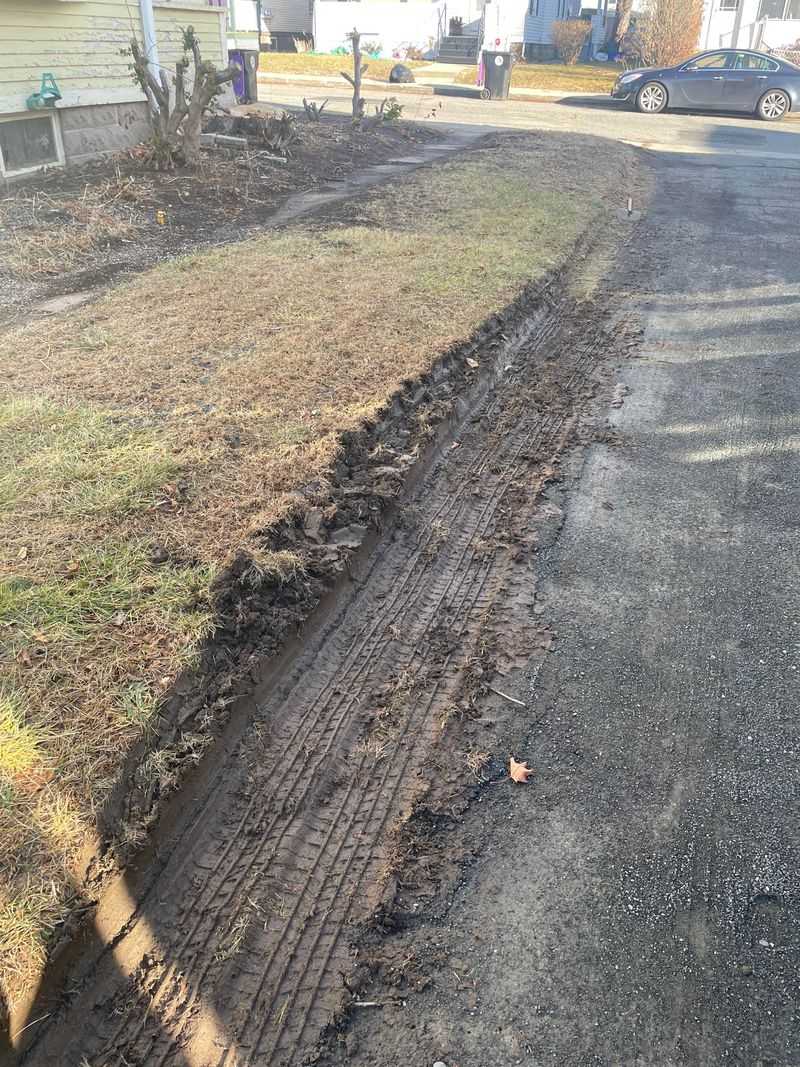
Hudson, Centerville, Brecksville, and Chardon all publish snow policies saying they repair accidental plow damage to lawns. Crews typically handle it in spring once the ground thaws and dries.
I love that this exists, because it saves homeowners real money. A small repair might just mean fresh topsoil and seed, while bigger gouges can get new sod.
The catch is that every city writes its own rules. Some cover only damage they cause with the blade, not damage from piled snow or salt spray.
Some places also set a reporting cutoff date. A few want to hear from you by early spring, such as April 1, so they can schedule their repair crews.
Your best move is to search your city’s website for “snow removal policy” or “plow damage.” The answer is often sitting right there in a short FAQ.
If you can’t find it, call the Service Department or Public Works office directly. Staff field these calls every winter and can tell you in a couple of minutes whether your street qualifies.
Townships and county roads may follow different policies than cities, so check who actually plows your road first.
3. Careless Plow Driving Can Open The Door To A Liability Claim
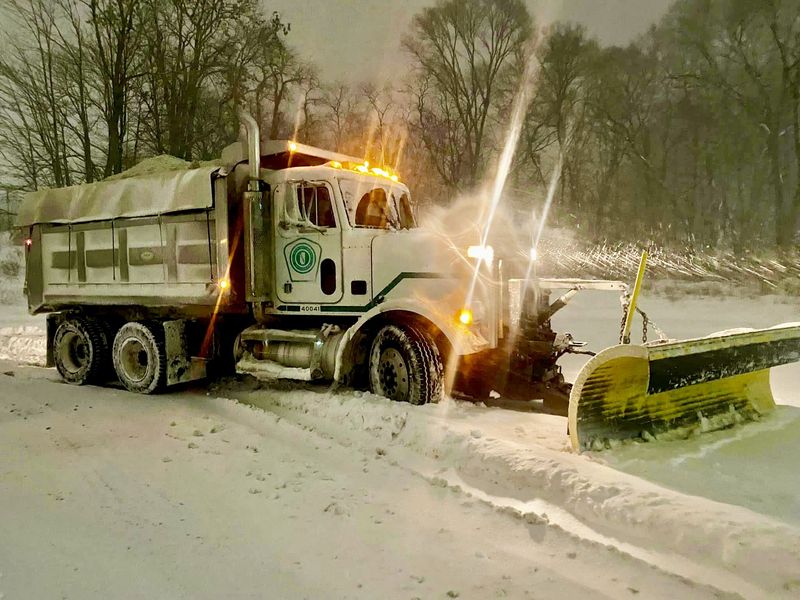
Government agencies in Ohio usually enjoy protection from lawsuits, a legal idea called sovereign immunity. There’s an important exception, though.
Ohio Revised Code Section 2744.02(B)(1) removes that shield when damage comes from the negligent operation of a motor vehicle by a public employee. A snowplow counts as a motor vehicle.
So if a driver was careless, like cutting a corner sharply onto your yard or driving well off the road, the city may be on the hook. That’s different from a blade nicking the edge during normal clearing.
The law also offers some defenses for emergency work, and courts look closely at the facts. That means outcomes vary from case to case.
For a scraped lawn, you likely won’t need a courtroom. Most cities settle simple turf damage through their own claims process, which is quicker and cheaper for everyone.
If the damage is serious, such as a smashed fence, retaining wall, or mailbox post, it may be worth talking with a local attorney. Many offer free consultations.
Keep notes on what you saw, including the date, time, and any truck number. Those details help prove the damage came from careless driving rather than routine plowing.
4. Snap Photos Of The Ripped-Up Sod Before You Touch Anything
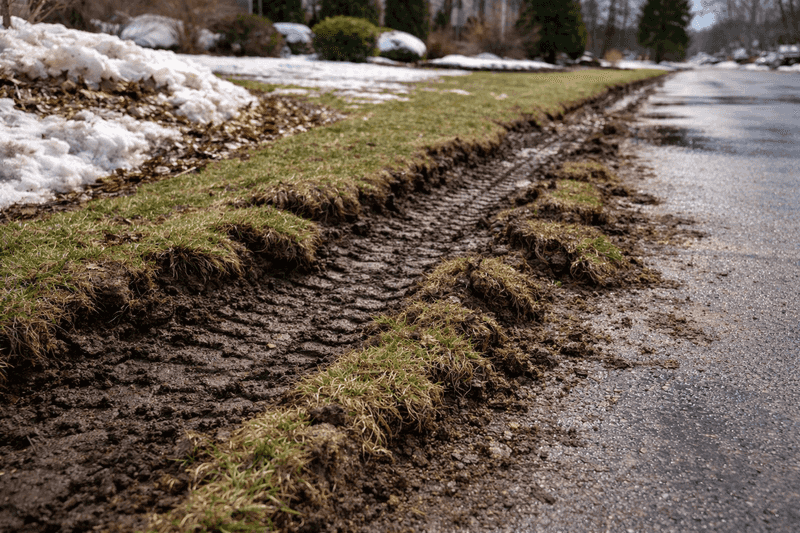
My phone camera has saved me more headaches than any garden tool. When a plow chews up your yard, those pictures become your best evidence.
Take wide shots that show the street, curb, and your house together. Then grab close-ups of ruts, chunks of turf, and any broken items like sprinkler heads or lights.
Photos with dates stamped automatically work best. If you spot the plow in action, a quick snapshot of the truck or its number helps even more.
Next, contact your city’s Public Works or Service Department and ask how to file a claim. Many cities have an online form, while others want a written letter.
Be ready to share a short description of what happened, your address, and your photos. Some cities also ask for repair estimates from one or two landscapers.
Keep copies of everything you send, plus the name of anyone you speak with. Filing a claim doesn’t guarantee payment, since each one gets reviewed under local and state rules.
Don’t wait until summer to report it. Early reporting keeps you inside the reporting window and gets you on the spring repair list before it fills up.
5. Reflective Yard Stakes Give Plow Drivers A Fighting Chance
Plow drivers often work before sunrise, in blowing snow, with the curb buried under a white blanket. Honestly, I’m amazed they find the road edge as often as they do.
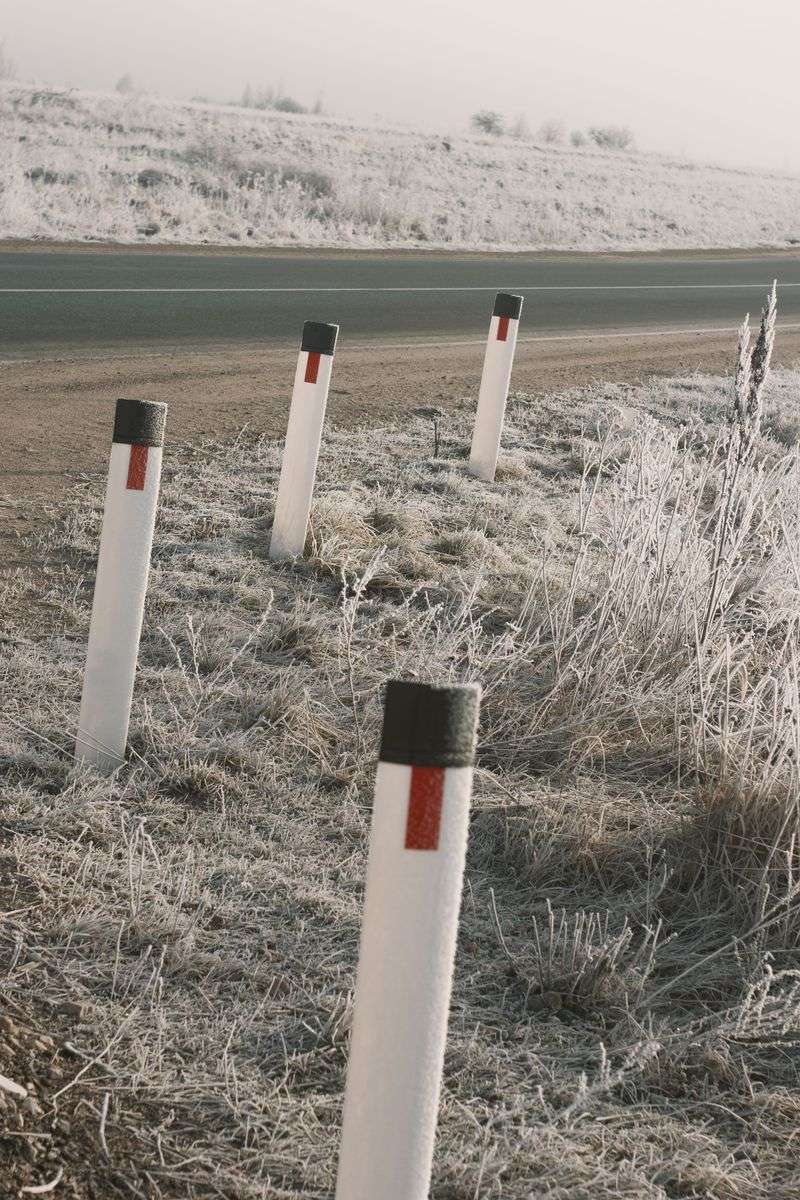
You can make their job easier with tall reflective driveway markers. These fiberglass or plastic stakes cost just a few dollars each at hardware stores.
Push them in along your lawn edge in fall, before the soil freezes hard. A screwdriver or small pilot rod helps open the hole if the ground is firm.
Space them about every ten to fifteen feet along the curb line. Add extra markers near corners, driveway aprons, and anything fragile.
Sprinkler heads, low landscape lights, and stone edging take a beating near the street. A bright stake near each one warns the driver to steer clear.
Check that your markers stay out of the street itself and don’t block sidewalks. Some cities have rules about objects placed in the right-of-way, so a quick check is smart.
Pull the stakes once snow season ends, usually around late March or early April in much of the state. That way your mower won’t snag them come spring.
6. Let Soggy Spring Turf Dry Out Before You Start Repairs
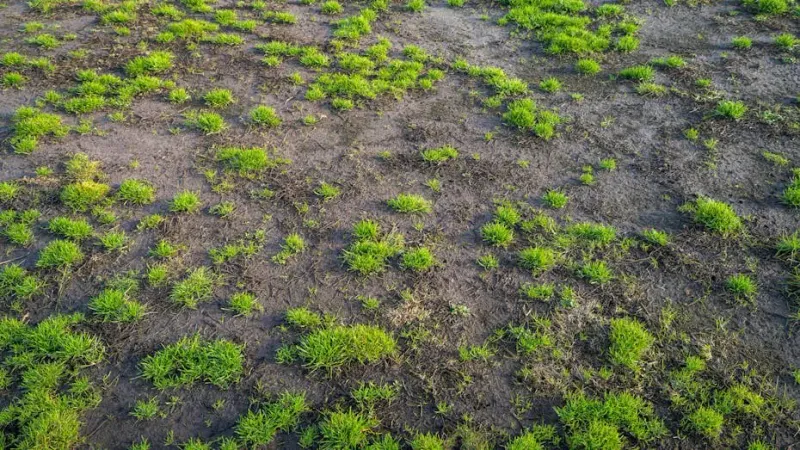
The first warm March day always tempts me outside with a rake. For plow-damaged turf, though, patience pays off.
Walking on or working soggy soil squeezes out air pockets, which roots need. Ohio’s heavy clay soils compact especially easily when wet.
Wait until the ground is thawed and firm enough that your boots don’t sink. A handful of soil should crumble instead of forming a sticky ball.
For shallow scrapes, rake away debris, add a thin layer of topsoil, and overseed. Cool-season grasses like Kentucky bluegrass, tall fescue, and perennial ryegrass suit most Ohio lawns.
Sow in spring once soil warms, or better yet in late summer to early fall. Ohio State University Extension notes fall is the best time to seed cool-season lawns.
Keep new seed moist with light, frequent watering until it sprouts. Then water deeper and less often.
For deep gouges with missing chunks, laying fresh sod gives faster results. Press it firmly against the soil and water it well for the first couple of weeks.
If torn sod pieces are still intact, you can often set them back in place and tamp gently once the soil dries.
7. Road Salt Along The Curb Can Look A Lot Like Plow Damage
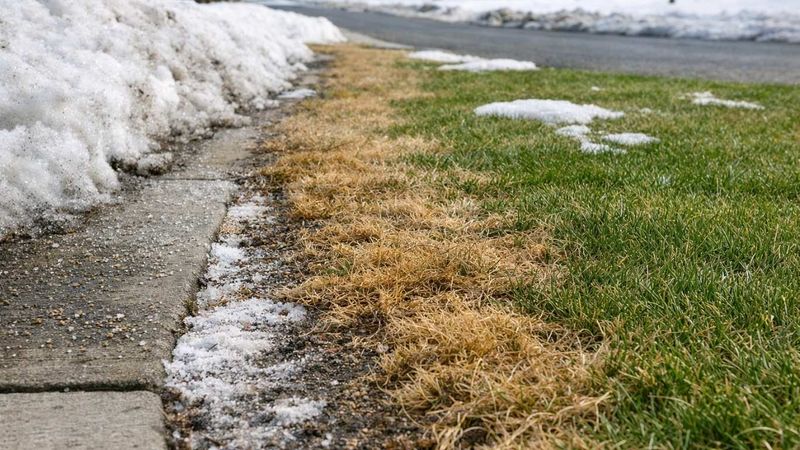
Not every brown patch near the street comes from a blade. Road salt flung by plows and passing cars can burn grass just as badly.
Salt damage usually shows up as a band of brown or thin grass hugging the curb or sidewalk. Plow scrapes, by comparison, leave torn sod, exposed dirt, and obvious ruts.
That difference matters for claims. Many city policies cover physical blade damage but not salt injury, since road salt is a standard safety tool.
You can soften salt’s effect yourself. In early spring, soak the affected strip with a few deep waterings to flush salt below the root zone.
Gypsum gets recommended often, but research results are mixed. Plain water does the heavy lifting in most cases.
For long-term relief, consider salt-tolerant grasses near the curb. Some fine fescues and certain tall fescue varieties handle salty conditions better than Kentucky bluegrass.
On your own walks and driveway, use deicer sparingly and shovel before snow packs down. Less salt on your side means less stress on that hardworking edge of grass.
8. Your Mailbox And Lawn Edge Need A Winter Game Plan
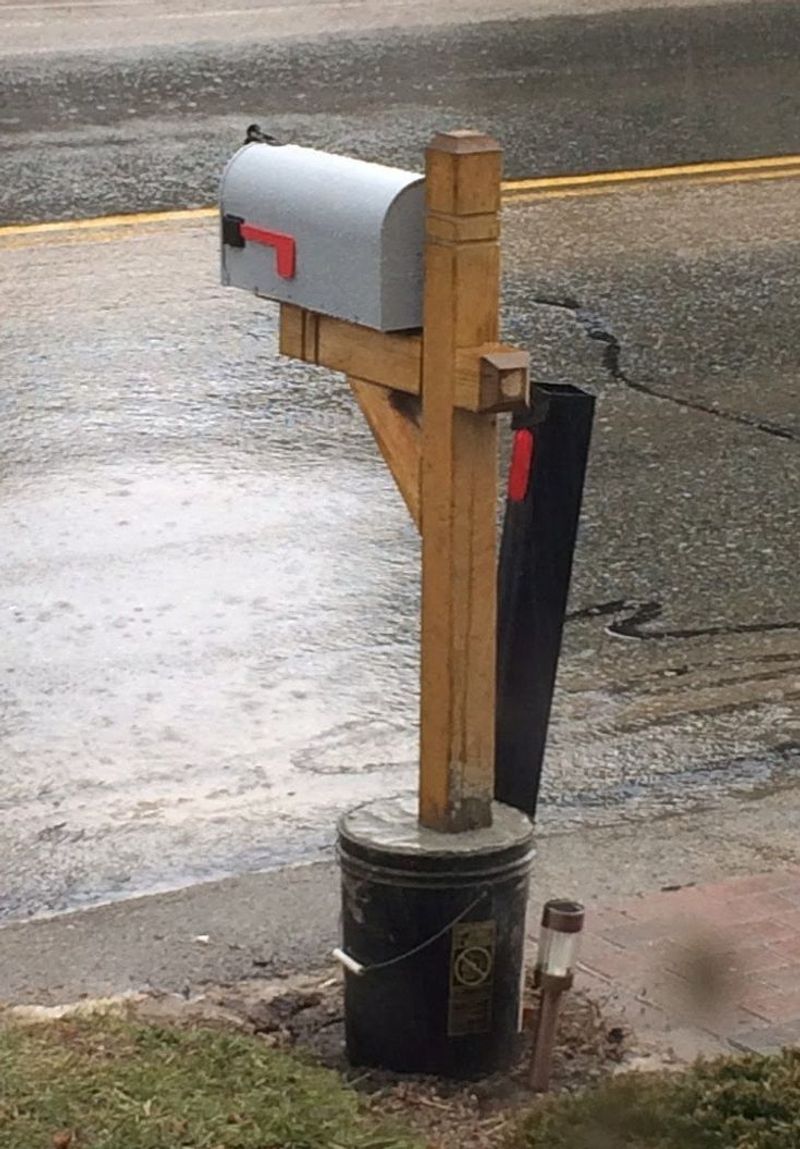
Mailboxes take more plow hits than almost anything else in the front yard. Oddly enough, many Ohio cities don’t pay for them unless the truck physically struck the post.
Snow thrown from a blade that knocks a box over often falls outside coverage. Check your city’s policy so you know what to expect.
A sturdy post, set back properly from the curb, holds up much better. The U.S.
Postal Service suggests placing the box about 6 to 8 inches back from the curb face.
Fall is your planning window. Mark edges, check sprinkler heads, and note fragile items near the street before the first storm.
Take a few “before” photos of your yard in late fall. If something happens in January, you’ll have proof of how things looked.
Keep shoveled snow off your lawn edge when you can, since heavy piles linger and smother grass. Spread it out instead.
Finally, save your city’s snow policy page and claim contact in your phone. When spring reveals a surprise, you’ll know exactly who to call and how fast to act.