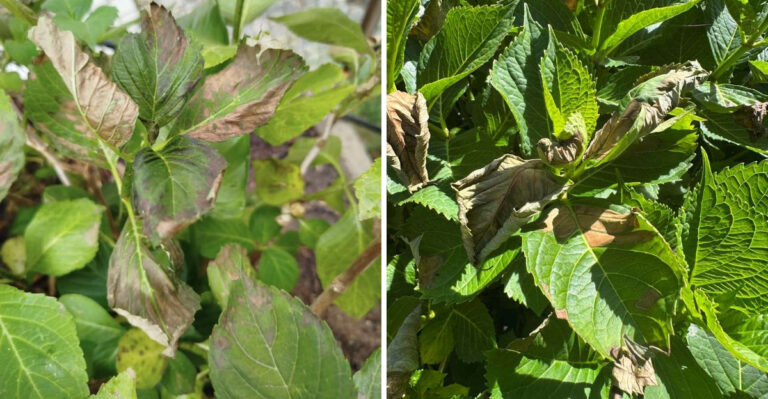
Peace Lily Turning Brown Since the Heat Came On in Your North Carolina Home? Here’s Why
Your cozy furnace can make indoor air drier than many deserts. Some heated homes dip to around 20 to 35 percent humidity in winter, while the Sahara often sits near 25 percent.
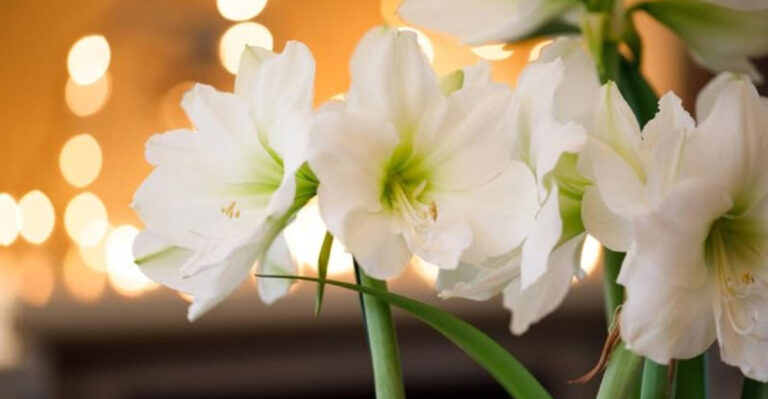
A certain glossy houseplant with white hooded blooms notices that change fast. It comes from damp rainforest floors in Central and South America, where the air feels like a warm, wet towel.
I love how dramatic this plant can be. It droops when thirsty, perks up after a drink, and starts showing crispy brown tips the moment the thermostat clicks on in North Carolina.
Personally, I used to blame myself every November. You might be surprised to learn the real trouble often floats right through the room, invisible and silent.
1. Those Crispy Peace Lily Tips Show Up Right On Schedule
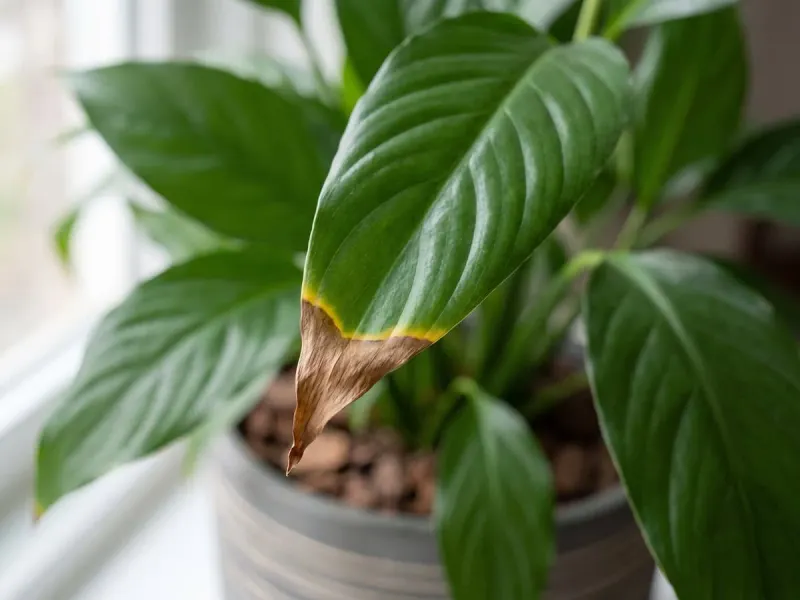
Every fall, many plant lovers notice the same pattern. The furnace runs for a week or two, and suddenly the edges of those dark green peace lily leaves look toasted.
That timing is a big clue. Peace lilies, known to botanists as Spathiphyllum, grow wild in shady, humid tropical forests. Their broad, thin leaves are built for moist air, and they lose water quickly when the air around them turns dry.
In much of the state, fall and winter bring cooler outdoor air that holds less moisture. Once that air comes inside and gets heated, its relative humidity drops even further. Your plant feels the shift long before you do.
Brown tips usually show up first because the leaf tips sit farthest from the roots. Water has the longest trip to get there, so tips run short when demand is high.
The browning tends to start small, as a thin tan line at the very end of a leaf. Over a few weeks, it can creep along the edges and turn papery.
Spotting that seasonal timing helps you narrow down the cause. A problem that appears right when the heat kicks on is pointing straight at your indoor air.
2. Dry Furnace Air Pulls Moisture Out Of Peace Lily Leaves
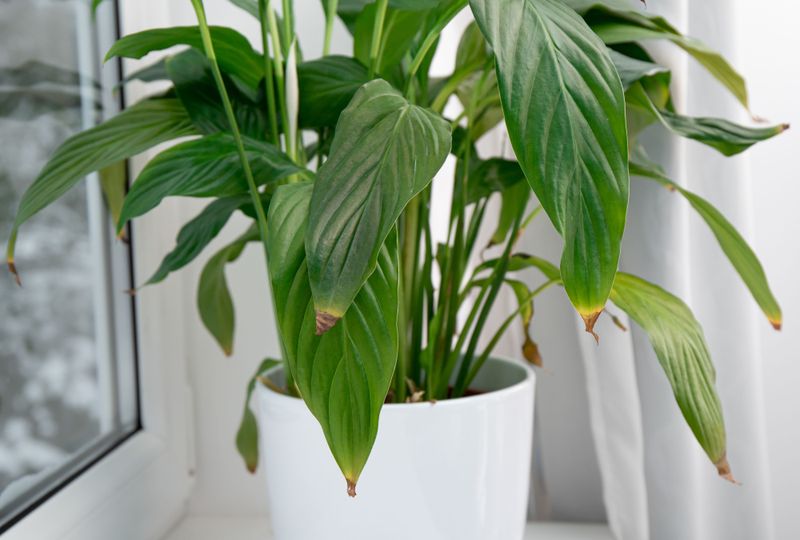
A cheap little hygrometer changed how I care for houseplants. The first winter I set one beside my peace lily, it read 28 percent humidity, and suddenly those brown tips made sense.
Peace lilies do best when humidity stays around 50 to 60 percent. Many heated homes fall well below that, especially those with forced-air furnaces or heat pumps running for long stretches.
Leaves release water vapor through tiny pores in a process called transpiration. When the surrounding air is very dry, water leaves the plant faster than roots can replace it. The thin outer edges of the leaf lose that race first and brown out.
Cold, clear nights make the problem worse. Outdoor air in North Carolina winters often carries little moisture, so every bit that leaks into your home and warms up becomes even drier.
You can test this theory easily. Pick up a basic digital hygrometer, place it near your plant, and check readings over a few days while the heat runs.
If the number hangs in the 20s or 30s, dry air is likely your main culprit. That simple reading tells you exactly where to focus your fixes first.
3. Add Moisture Back With Humidifiers And Pebble Trays
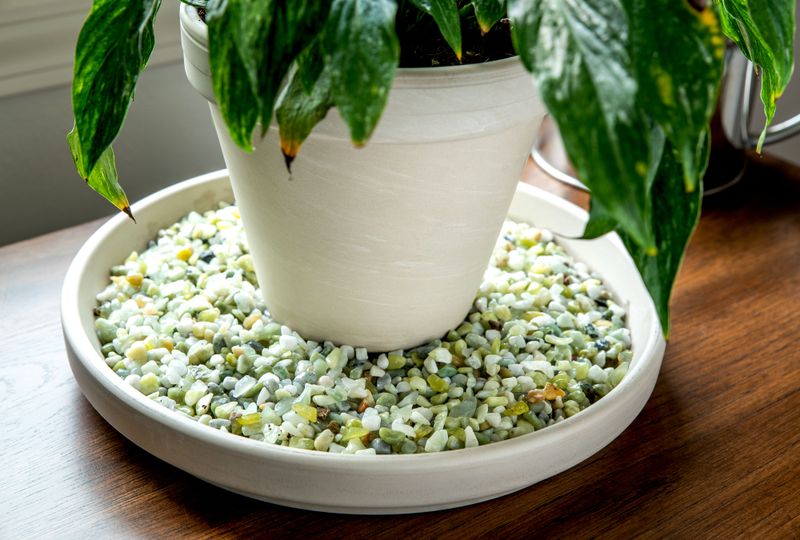
Raising the humidity around a peace lily is easier than most folks expect. A small cool-mist humidifier placed a few feet from the plant is the most reliable fix I have found.
Aim for roughly 50 percent near the leaves. Running the humidifier during the day, when the heat cycles most, often makes a clear difference within a few weeks of new growth.
Pebble trays offer a gentle boost too. Fill a shallow tray with pebbles, add water just below the tops of the stones, and set the pot on top so it never sits in water.
Grouping plants helps as well. Leaves release moisture as they breathe, so a cluster of ferns, pothos, and your peace lily creates a slightly damp pocket of air.
Misting gets plenty of attention online, but its effect fades within minutes. Many extension specialists consider it a weak solution compared with a humidifier.
Bathrooms with a bright window can also work nicely. Steam from daily showers keeps the air softer there than in most rooms.
Clean your humidifier often to prevent mold and mineral buildup. Fresh water and a weekly rinse keep the mist healthy for you and your plant.
4. Heating Vents And Hot Radiators Scorch Nearby Peace Lilies
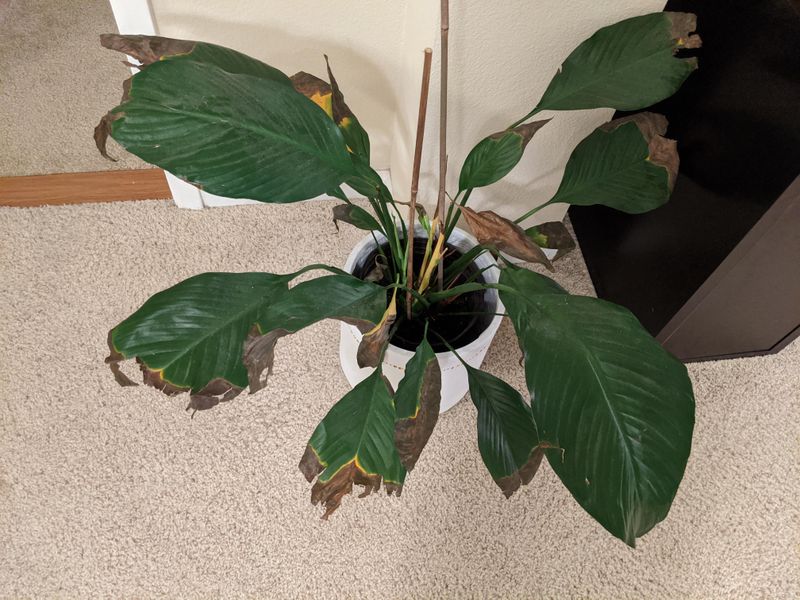
Location matters a lot once the furnace starts blowing. A peace lily sitting above a floor register gets a steady blast of hot, dry air that acts like a hair dryer on its leaves.
Peace lilies are comfortable between about 65 and 80 degrees Fahrenheit. They dislike quick swings, whether from a heater turning on and off or from a drafty door opening on a frosty morning.
Walk around your home and feel for warm airflow. Space heaters, baseboard units, radiators, and fireplaces can all create hot spots that dry leaves unevenly.
Leaves facing the heat source often brown first. If one side of your plant looks worse, that pattern points toward airflow from a nearby vent.
Cold windows cause trouble too. Leaves pressed against icy glass on a January night can develop dark, mushy patches that later turn brown.
Moving your plant just a few feet often solves the issue. A spot with bright, indirect light, stable warmth, and no direct airflow suits it well.
Consider using a vent deflector if you cannot move the plant. These inexpensive covers redirect warm air away from leaves and toward the room.
5. Your Peace Lily Soil Dries Faster When The Thermostat Climbs
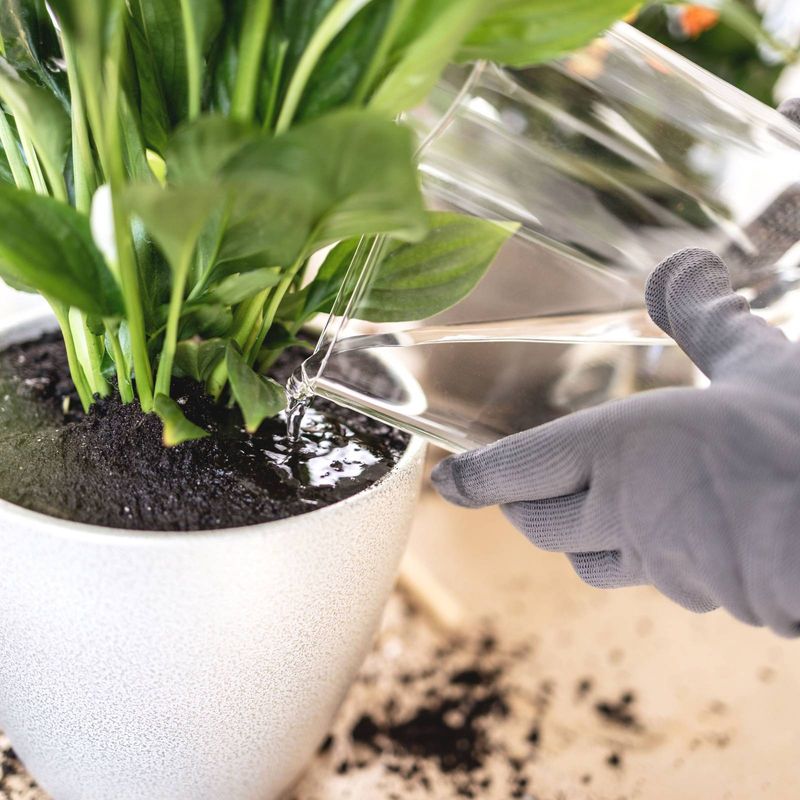
Funny thing about winter watering. Many people cut back because plants grow slower in cooler months, yet warm, dry indoor air can make peace lily soil dry out surprisingly fast.
Peace lilies like evenly moist soil, never soggy and never bone dry. Letting the pot dry hard and then flooding it creates a stressful cycle that shows up as brown tips.
Check moisture with your finger every few days. When the top inch feels dry, water slowly until a little drains from the bottom holes.
That famous drooping act is a helpful signal. A peace lily often wilts dramatically when thirsty and perks up within hours of watering, but repeated wilting adds up to leaf damage.
Overwatering causes browning too. Roots sitting in wet soil can rot, and damaged roots cannot move water to the leaves, so the symptoms look surprisingly similar to drought.
Use a pot with drainage holes and empty saucers after watering. Standing water invites root trouble.
Room-temperature water is gentler than icy tap water. Let a watering can sit out for a few hours before you pour, and your plant will thank you.
6. Tap Water Minerals And Fertilizer Salts Can Burn Leaf Edges
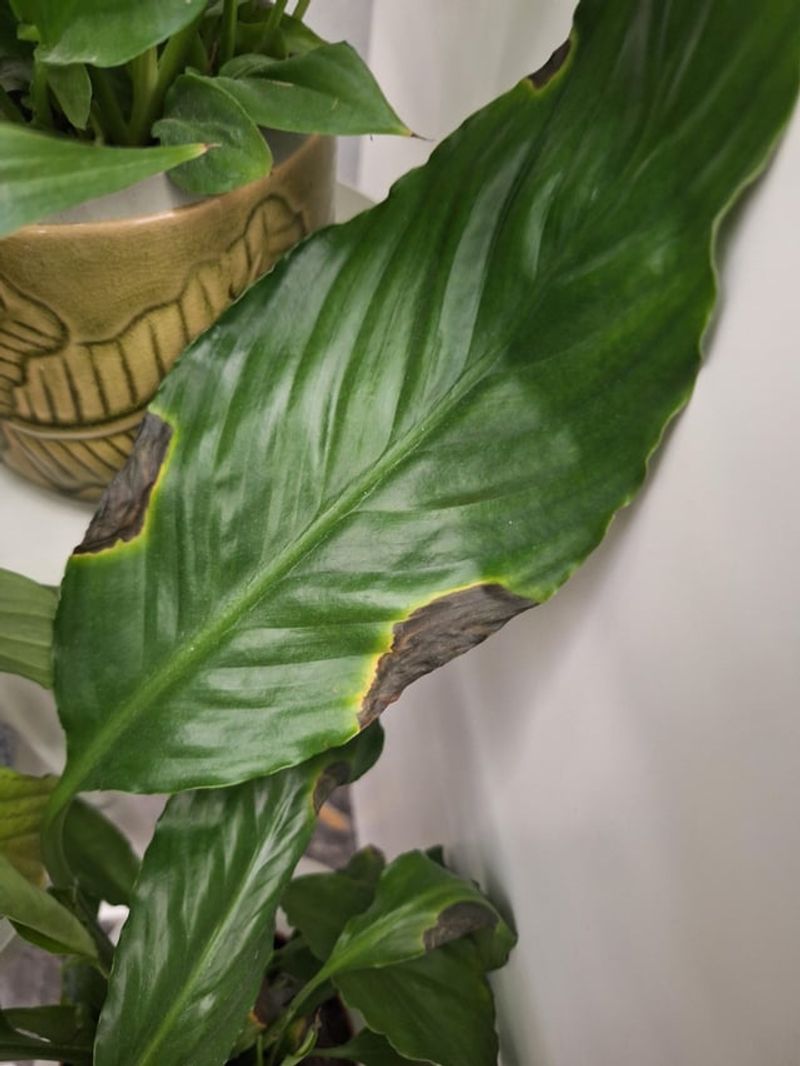
Ever noticed a white crust on the rim of a pot? That chalky ring is a sign of mineral and fertilizer salts building up in the soil.
Peace lilies are a bit sensitive to dissolved salts. Fluoride, chlorine, and sodium from water softeners can collect in the potting mix over time and travel to the leaf tips, where they cause browning.
Fertilizer adds to the load. Feeding heavily in winter, when growth slows, leaves extra salts sitting in the pot.
Flushing the soil helps. A few times a year, run plenty of water through the pot in a sink or tub and let it drain fully. Some growers switch to rainwater, distilled water, or filtered water.
Letting tap water sit out overnight lets some chlorine escape, though it won’t remove fluoride or the chloramine that many North Carolina cities, including Raleigh, Durham, and Greensboro, use instead.
Go easy on fertilizer during the cold months. A diluted, balanced houseplant food every month or two in spring and summer usually meets a peace lily’s needs.
Repotting every couple of years with fresh potting mix also resets salt levels. Spring is the best time for that job, once days lengthen and growth picks back up.
7. Bright Winter Window Light Can Sunburn Peace Lily Leaves
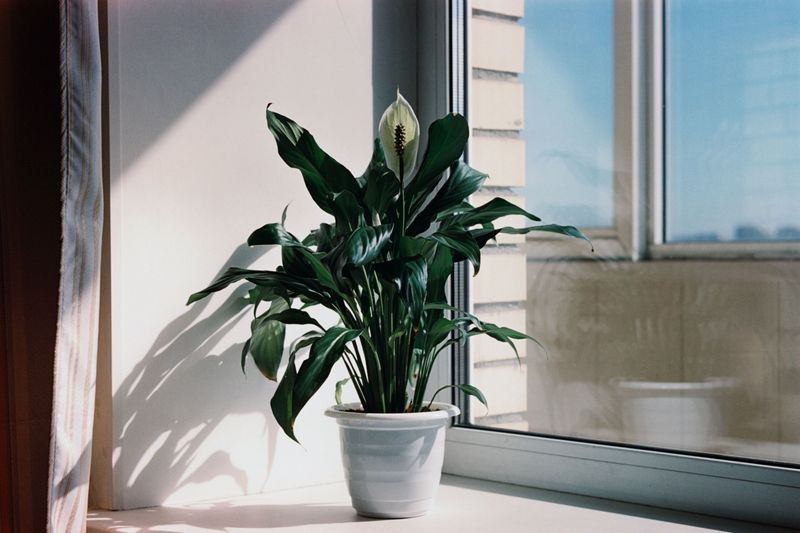
Low winter sun feels harmless, but it can sneak into a room at a sharp angle. A peace lily that sat happily in summer may suddenly sit in direct beams once the sun drops lower in the sky.
Peace lilies prefer bright, indirect light, similar to the dappled shade of a forest floor. Hours of direct rays through glass can bleach leaves and leave brown, dry patches in the middle of the blade.
Sunburn looks different from humidity damage. Look for pale, washed-out areas or brown spots on the side facing the window, not just crispy tips.
Warm indoor air paired with hot glass adds extra stress. The plant loses water quickly while light intensity climbs. A sheer curtain softens harsh rays nicely. You can also slide the pot a few feet back from a south or west window.
North and east windows often suit peace lilies best through winter. Gentle morning light keeps them growing without scorching.
Watch for the opposite problem too. Too little light can stop blooms and slow growth, so aim for a bright room where the plant casts a soft shadow.
8. Trim Brown Peace Lily Leaves And Watch Fresh Growth Return
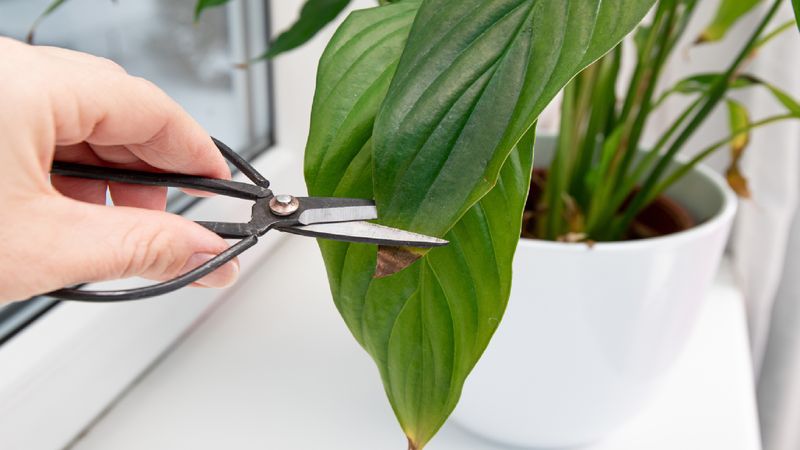
Brown tissue on a peace lily will not turn green again. That sounds harsh, yet the fix for appearances is simple and oddly satisfying.
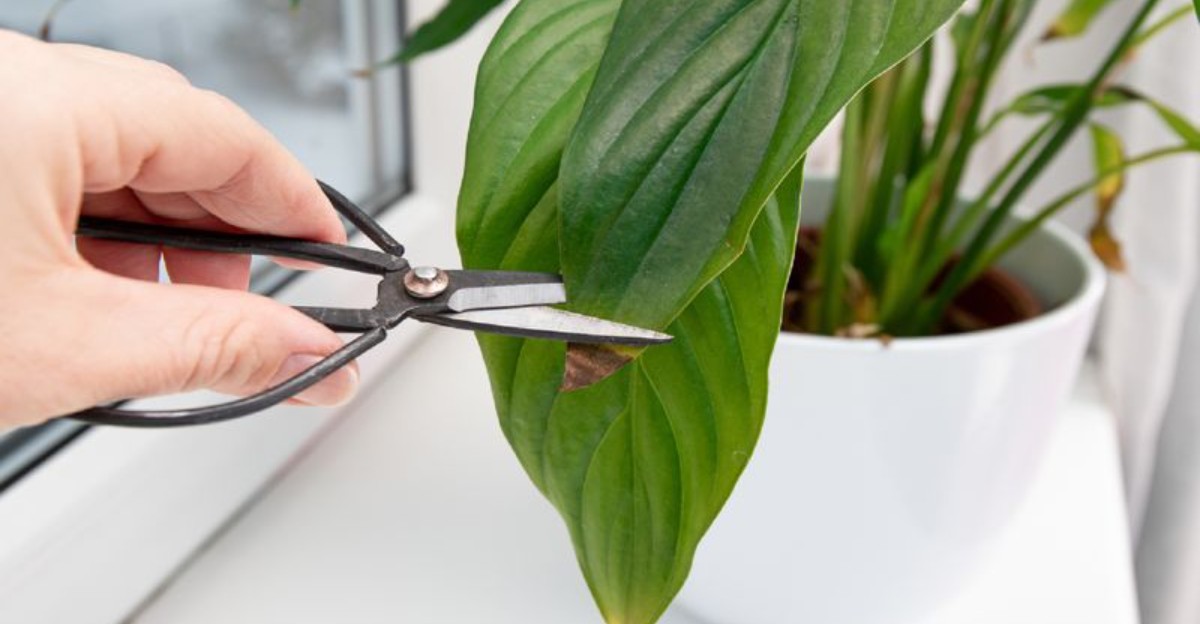
Grab clean, sharp scissors and wipe the blades with rubbing alcohol. Trim along the natural shape of the leaf, leaving a thin sliver of brown so you do not cut into healthy green tissue.
Leaves that are mostly brown or yellow can go. Cut them off near the base of the stem so the plant can put energy into new shoots.
Faded white blooms can be removed the same way. Snip the flower stalk low once the spathe turns green or brown.
Trimming only handles the symptoms. The real win comes from steadier humidity, consistent watering, better placement, and softer water.
Give your plant a few weeks after making changes. New leaves unfurling clean and glossy are the best proof your adjustments worked.
Keep that hygrometer handy through spring. North Carolina homes often swing from dry winter air to sticky summer humidity, and knowing the numbers helps you adjust care as each season shifts.