7 Ways to Use Old Palm Fronds in an Arizona Yard

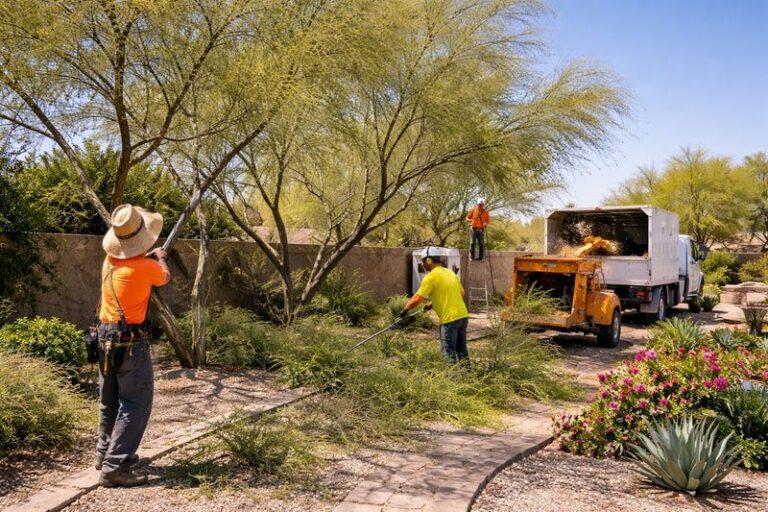
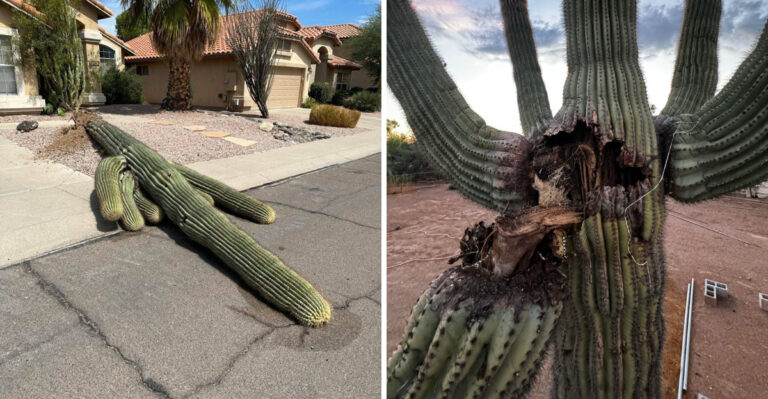
Phoenix residents send tens of thousands of tons of giant, prickly leaves to the landfill every single year. Those shaggy castoffs crash onto driveways after every windy afternoon, and most of us just drag them curbside.
Their tough fibers break down slowly, so many Arizona cities ask residents to keep them out of green bins. Those same stubborn fibers are exactly what make them so useful once they land in a thoughtful gardener’s hands.
I have to admit that I used to grumble every time my yard looked like a shaggy haystack. Now I see free mulch and sturdy plant stakes waiting for me, and the lizards seem pleased too.
October brings cooler mornings, which makes this the perfect season to haul that pile into action at last. So which of these seven clever ideas will turn your messiest yard chore into your favorite one?
1. Shredded Palm Frond Mulch Around Desert Plants
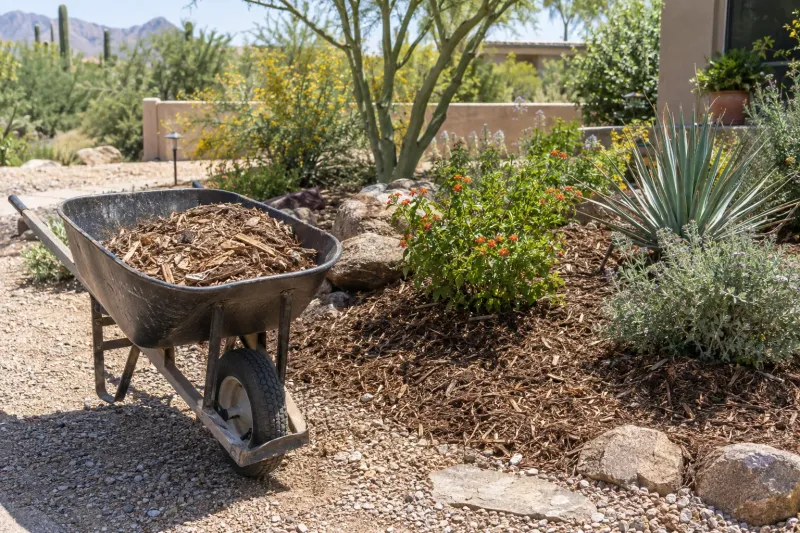
A whole frond tossed on the ground mostly just sits there, but shredded pieces behave like a moisture-saving blanket. I love how a few inches of that tan, fibrous mulch keeps the soil noticeably cooler on warm afternoons.
Shredding matters most, because whole fronds leave big air gaps and break down at a frustratingly slow pace. A rental chipper or a heavy-duty shredder handles them well, though some palm stems need extra passes.
Spread the chips two to three inches deep around shrubs and young trees throughout your planting beds. Keep the layer a few inches away from trunks and stems, since constant contact can encourage rot.
October is a smart time for this job, because the soil still holds summer heat while evenings finally cool down. Fresh mulch now helps fall transplants settle in before winter frost visits the higher elevation towns.
Personally, I appreciate that a thick mulch layer also shades out many weed seeds before they get going. Less weeding and less watering add up to more time sipping iced tea on the patio.
One quick warning: the leafstalks of some palms carry sharp teeth, so wear thick gloves while feeding the shredder. Long sleeves help too, because those hooked edges can snag bare skin and fabric with surprising ease.
2. Lizard Shelter Piles Away From the House
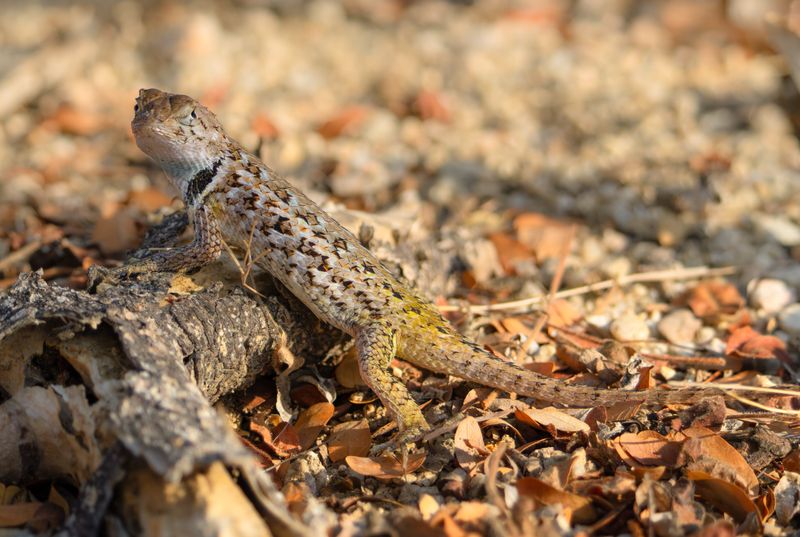
Spiny lizards doing push-ups on a sunny wall are some of the best free pest control in town. They gobble crickets and beetles that would otherwise munch on your tender garden plants all season long.
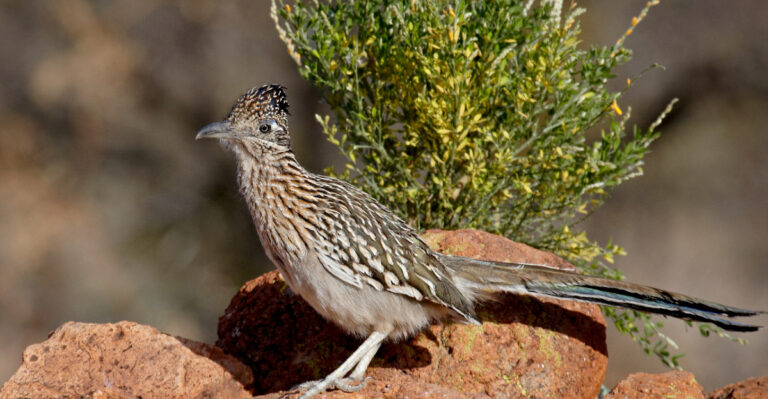
A loose pile of fronds tucked in a far corner gives these quick little hunters a handy escape hatch. Hawks and roadrunners patrol desert yards, so lizards appreciate a nearby spot to dash underneath fast.
Placement is everything, and I keep my piles at least twenty feet from the house and patio. Bark scorpions also love hiding under yard debris, and you want them nowhere near your doors.
Stack the fronds loosely so air moves through, rather than packing them into a dense, damp heap. Lifting the pile onto a few rocks keeps the bottom drier and less appealing to unwanted guests.
Check the pile with a UV flashlight some evening, since scorpions glow a bright blue-green under that light. If you spot several, move the pile farther out or simply shred those fronds for mulch instead.
I like how a single scruffy pile can turn a quiet corner into a busy lizard lookout. Watching them bask there on cool October mornings is honestly one of my favorite garden shows.
3. Palm Frond Stakes for Cool Season Vegetables
Strip the leafy part off a frond and you are left with a stiff, curved rib that works surprisingly well. I can’t imagine buying bamboo stakes again when my own palm tree drops free ones every year.
Use pruners or a sturdy knife to remove the leaflets, then trim the spiny base away carefully. Gloves are a must here, since date palm leaves carry long, needle-sharp spines near the stem end.
October is prime planting time for peas and other cool-season climbers in the low desert gardens. Those vines need something to grab, and a frond rib pushed eight inches into soil holds firm.
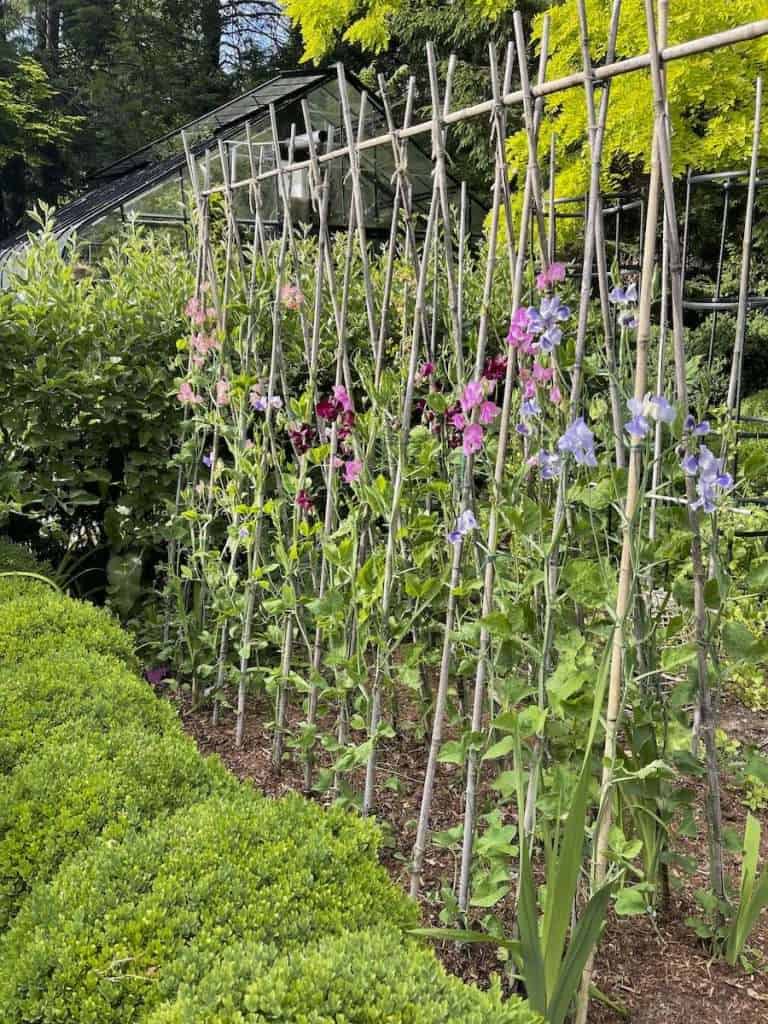
For a quick teepee, lash four or five ribs together near the top with garden twine. Snap peas and sweet peas scramble up that frame happily, especially once the evenings turn crisp.
The ribs usually last a season or two before the sun makes them brittle and they start cracking. When they finally give out, toss them into the shredder pile and let them become mulch next.
Personally, I like the rustic look they bring to raised beds, especially next to weathered wood. Neighbors often ask where I bought them, and I get to grin and point straight at my tree.
4. Shade Screens for New Fall Transplants
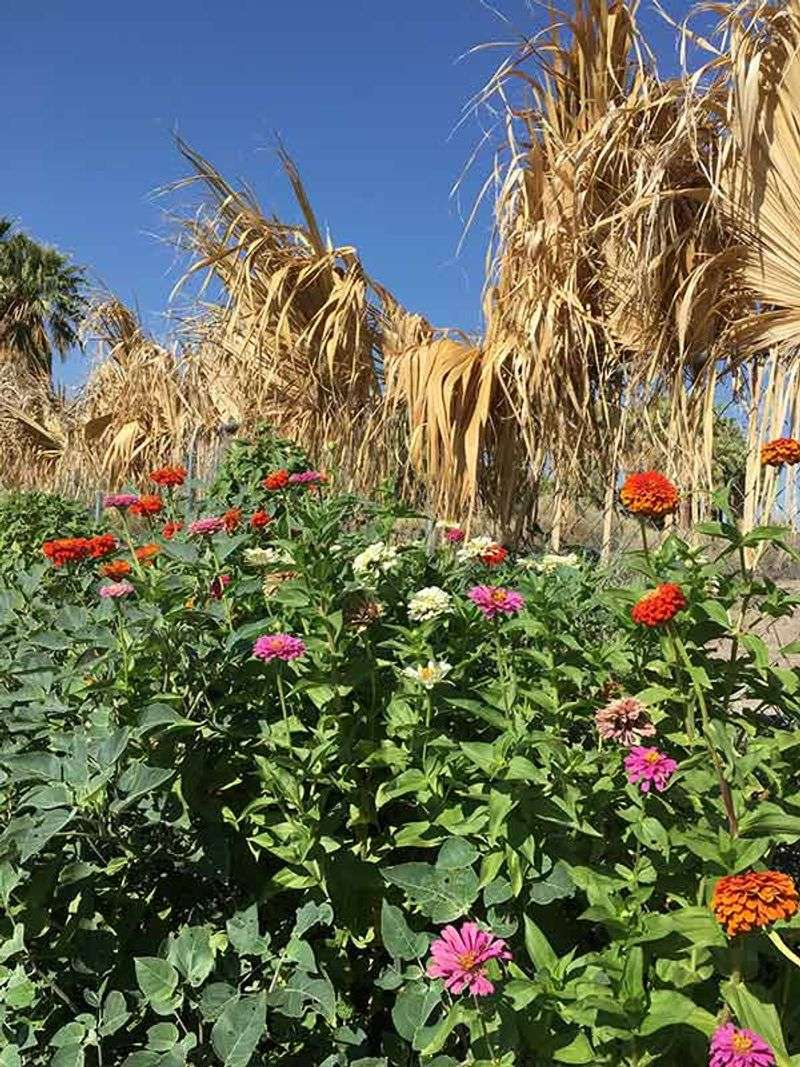
Early October afternoons in the low desert can still push past ninety degrees, which shocks fresh transplants. A couple of fronds propped over a new seedling act like a beach umbrella with built-in air vents.
The gaps between leaflets let some light and plenty of breeze through, so heat does not get trapped. That dappled shade is gentler than solid cloth and costs you exactly nothing to set up.
Lean two fronds together like a little tent over lettuce or freshly sown wildflower seedlings nearby. Face the open side toward the north so morning light reaches plants while afternoon sun stays blocked.
You might notice your transplants perk up faster when they get this short break from harsh rays. After two or three weeks, start removing the fronds for a few more hours each day.
That gradual change helps young leaves toughen up instead of scorching once the shade disappears for good. By late October, most plants handle full sun just fine, and the fronds can head to the shredder.
I have to admit this simple trick feels a bit like playing nurse to my whole garden. Still, losing fewer transplants means less money spent at the nursery and more harvests on my table.
5. Frond Mats That Slow Runoff on Slopes
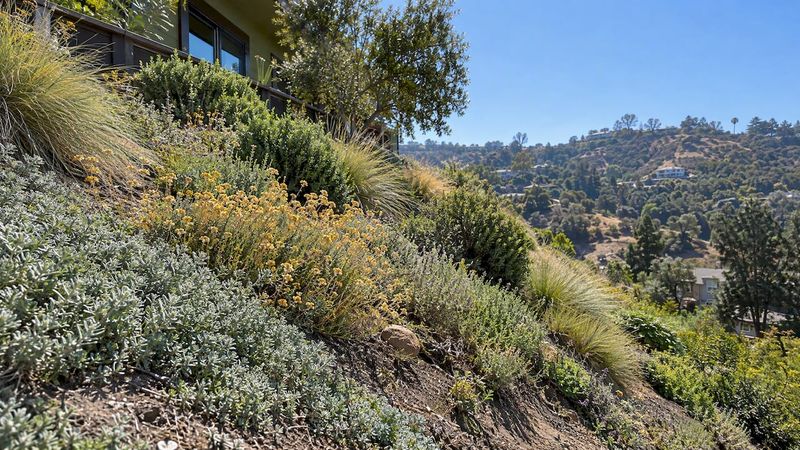
Monsoon storms wrapped up in September, and many sloped yards still show fresh little gullies from those downpours. Fall is the perfect window to patch those scars before winter rains arrive and carve them deeper.
Lay whole fronds flat across the slope, perpendicular to the way water flows downhill, overlapping them like shingles. Their broad leaflets break up rushing water so it slows down and soaks into the soil instead.
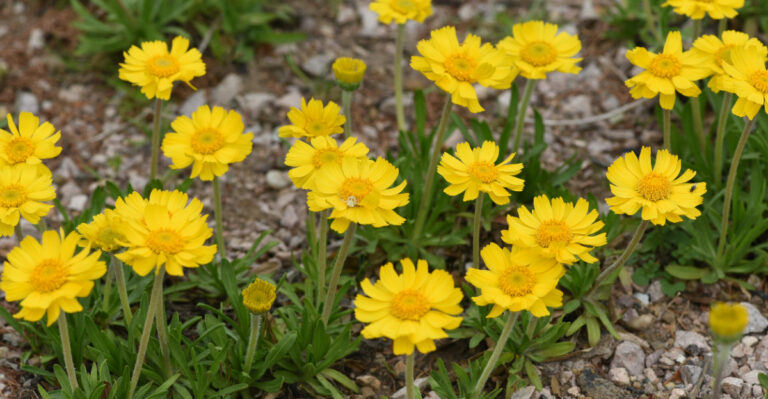
Pin each frond in place with landscape staples or a few heavy rocks so wind cannot carry it off. I like tucking native seeds such as desert marigold underneath, since the fronds shelter them while sprouting.
Keep these mats on open, sunny slopes rather than shady spots right beside your house walls. Thick layers in damp, dark places can become cozy hiding spots for scorpions and other critters.
What surprises me most is how fast the soil stabilizes once small roots start weaving through it. After a season, the fronds begin breaking down and the new plants take over the real work.
For steeper slopes or serious washouts, a local landscape professional may recommend sturdier erosion control methods. Fronds work best as a friendly fix for gentle grades in a typical suburban backyard setting.
6. Rustic Edging for Desert Garden Paths

Long, curved frond ribs laid end to end make a surprisingly charming border along a gravel path. I love how they echo the shape of the palm overhead, tying the whole yard together visually.
Strip the leaflets first, then lay the ribs along the path edge and press them slightly into soil. Short wooden stakes on the outer side keep them from rolling when someone brushes past with a wheelbarrow.
Shredded frond pieces can fill the walkway itself, creating a soft surface that lets rainwater soak right through. Add a fresh layer each fall, since foot traffic and sunshine slowly grind the fibers into dust.
Trim away any spines before placing ribs near walkways, because bare ankles and sharp edges make a painful combination. Kids and dogs tend to cut corners, so check edges where they love to take shortcuts.
This edging is not meant to last forever, and that is part of its easygoing appeal. Expect to replace sections every year or two as they fade to a silvery gray color.
Personally, I find it satisfying to walk a path built from nothing but yard leftovers and a little effort. It also keeps one more load of heavy fronds out of the city collection truck this season.
7. Hot Compost Pile With Chopped Palm Fronds
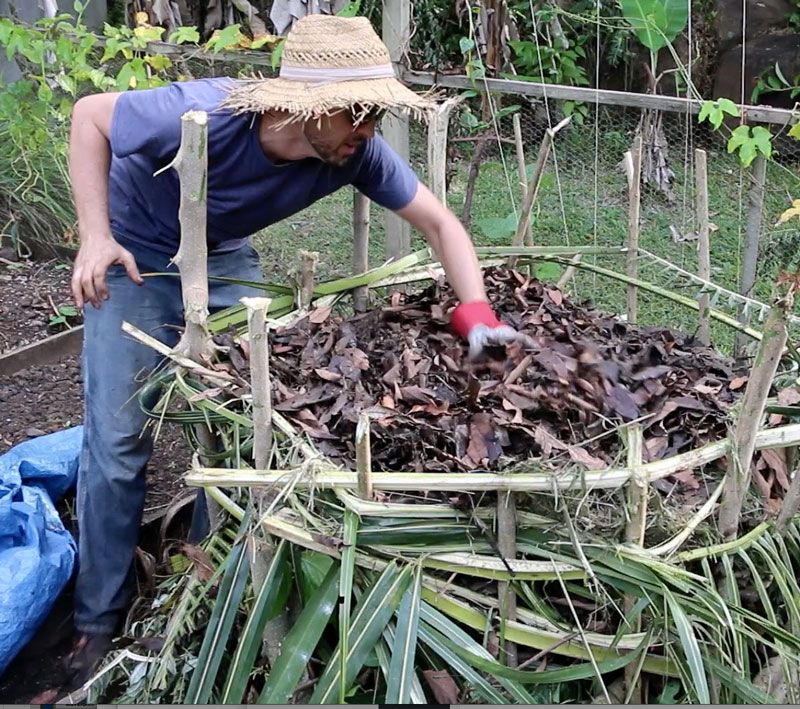
Toss a whole frond into a compost bin and you may still find it there years later, barely changed. Chopped finely and mixed well, though, those same fibers can become dark, crumbly compost within months.
Fronds are a carbon-rich brown ingredient, so they need plenty of nitrogen-rich greens to balance them out. Kitchen scraps and used coffee grounds pair nicely with shredded palm material in a busy backyard pile.
Desert air dries compost quickly, so water the pile until it feels like a wrung-out sponge inside. Turning it every week or two adds oxygen and keeps those helpful microbes working at full speed.
October is ideal for building a new pile, because milder temperatures make turning far more pleasant for you. The heap also holds moisture better now than during the brutal stretch of June and July heat.
You need to shred the pieces as small as possible, ideally an inch or two, before they go in. Bigger chunks will break down eventually, but they slow the whole process and tangle your pitchfork constantly.
I believe there is real joy in spreading homemade compost from a tree that once seemed like pure trouble. Come spring, your vegetable beds will thank you with richer soil and happier, healthier roots everywhere.