Why Fall Is the Best Time to Plant a Privacy Hedge in Florida and Which Shrubs to Choose
Florida soil stays warm long after the air cools down, and roots love that mismatch. While you’re pulling on a light jacket in November, the ground below is still holding onto summer heat.
According to University of Florida experts, roots grow best when soil sits roughly between 60 and 80 degrees. Across much of Florida, that sweet spot lines up with fall and winter rather than spring.
I used to plant shrubs in June because it felt like real gardening weather. The result was wilted leaves, a sky-high water bill, and a very cranky gardener.
Cooler days ask far less of a young plant, and far less of you, too.
Which shrubs actually deserve a spot along your property line? A few of the best picks might already be growing wild just down the road.
Warm Soil Under Cool Air Gives New Shrub Roots a Head Start
Most of the action in a new hedge happens where you cannot see it. Underground, roots are deciding whether your plant will thrive or merely hang on.
Fall in Florida creates a lovely split between air and soil. Daytime highs ease into the 70s and low 80s across much of the state, yet the ground holds onto summer warmth for weeks.
That warm soil keeps roots busy, while the milder air takes pressure off the leaves.
UF/IFAS research notes that roots grow best when soil sits roughly between 60 and 80 degrees. In South and Central Florida, that comfortable range lasts from about October into spring.
North Florida gets a shorter window, so October and November are your strongest months there.
Why does this matter so much? A shrub planted in fall spends its first months building an underground network instead of pushing out tender leaves.
By the time the brutal heat of May arrives, those roots have already spread well beyond the original root ball.
Summer plantings mostly do the opposite. They try to grow leaves and roots at the same time while baking in full sun, and many struggle through August.
I like to think of fall planting as giving your hedge a long, quiet school year before the big test. More roots in the ground means a tougher, thicker screen next summer, with fewer emergency watering trips for you.
Fewer Wilted Leaves and Lower Water Bills Come With Fall Hedge Planting
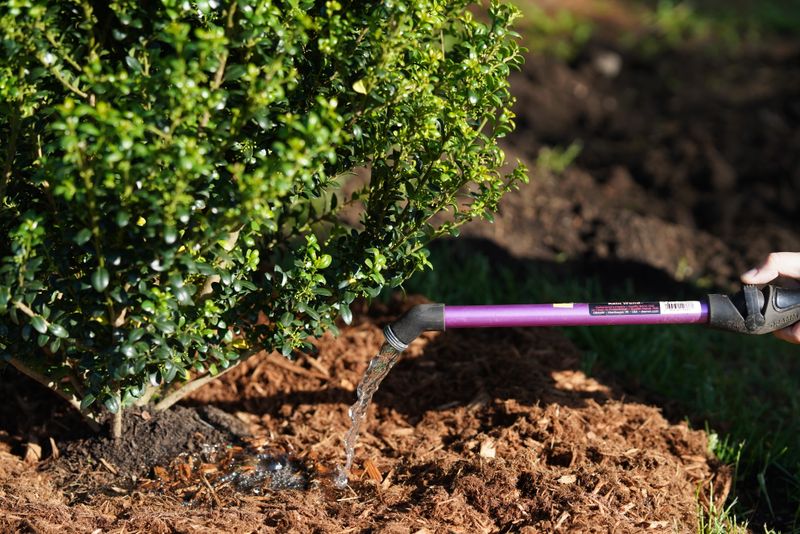
My first summer hedge taught me a hard lesson. I watered every single evening, and those poor shrubs still drooped by noon.
Plants lose water through their leaves in a process called transpiration. Hot sun and high temperatures speed it up, which means a young shrub can lose moisture faster than its small root ball can replace it.
Cooler fall air slows that loss, so leaves stay firm with far less help from your hose.
Florida’s rainy season usually winds down in October. That sounds like a problem, but it helps in a sneaky way.
With less surface moisture around, roots reach deeper into the soil looking for water, and deeper roots handle drought much better later.
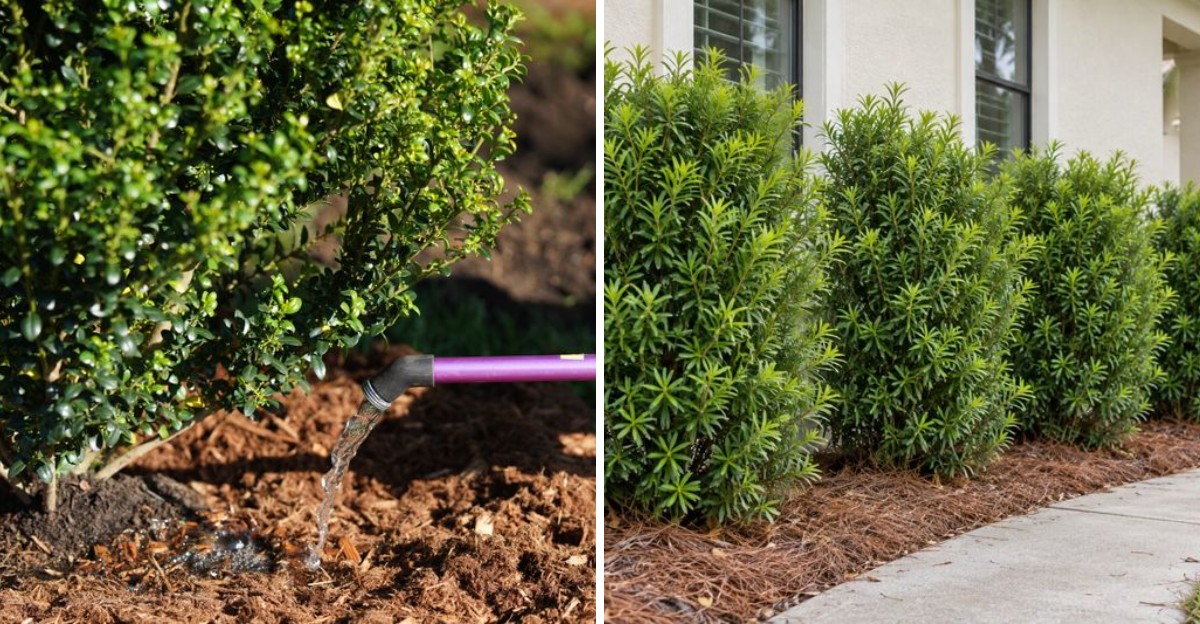
You still need to water, of course. UF/IFAS guidance for new shrubs generally suggests watering every day or two for the first couple of weeks, then tapering to a few times a week, and later to weekly over several months.
Larger plants need a longer establishment period than small ones.
Check your local watering rules too. Many Florida counties and water management districts limit irrigation days, though newly planted landscapes often get a temporary exception.
Bonus perk: you get to do the digging when it feels pleasant outside. Shoveling sandy soil at 9 a.m. in November beats a sweaty July afternoon by a wide margin.
Native Wax Myrtle and Walter’s Viburnum Make Smart Privacy Screens
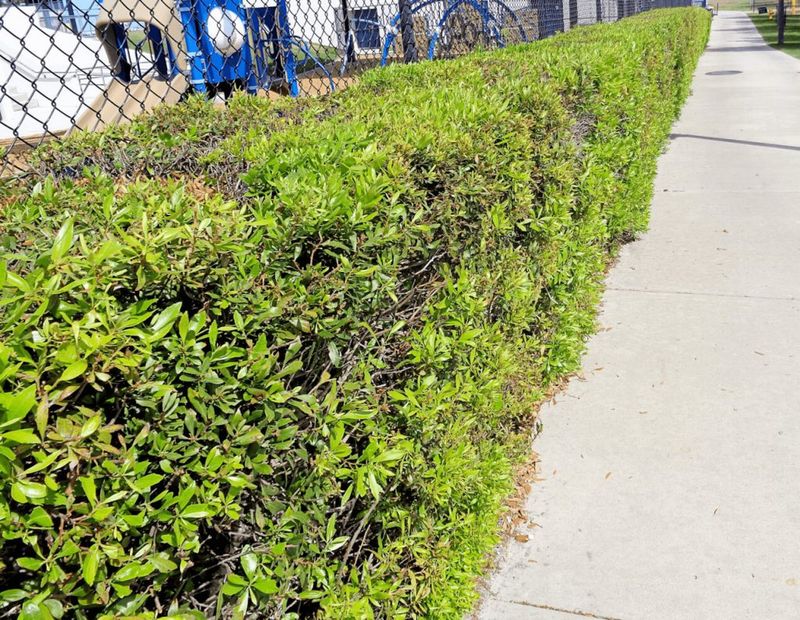
Some of the best hedge plants in Florida were here long before the first subdivision went in. Native shrubs have spent thousands of years adjusting to sandy soil, wild rain swings, and steamy summers.
Wax myrtle is my top pick if you want privacy fast. This native can grow several feet a year, handles wet spots and dry sand, and tolerates some salt spray near the coast.
Its crushed leaves smell spicy and fresh, and birds snack on its waxy berries in winter. It can get leggy at the base and sometimes sprouts suckers, so plan on occasional trimming.
Walter’s viburnum offers a tidier look. Its small, dense leaves take shearing well, and white flower clusters cover it in early spring.
Butterflies and bees visit those blooms, and birds come back later for the fruit. Compact selections like ‘Densa’ stay shorter if you want a lower screen.
Why go native at all? UF/IFAS promotes a Right Plant, Right Place approach, and natives often need less fertilizer, water, and fuss once they settle in.
They also support local insects and birds that ornamental imports usually do not.
One tip from experience: buy from a nursery that knows where its plants were grown. Florida-grown natives tend to adjust more smoothly than stock shipped in from cooler regions.
Simpson’s Stopper and Firebush Bring Birds and Butterflies to Your Hedge
A privacy hedge can be more than a green wall. With the right shrubs, it turns into a busy little wildlife cafe right outside your window.
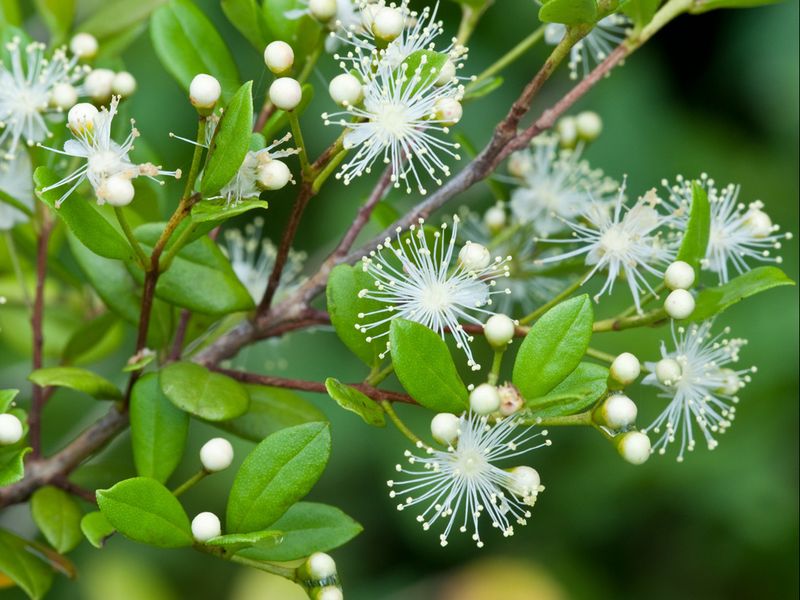
Simpson’s stopper is a Florida native with small, glossy leaves and peeling reddish bark on older stems. New growth often comes in with a coppery tint.
Fluffy white flowers smell sweet, then give way to orange to red berries that mockingbirds and other songbirds love. It grows at a moderate pace and shears beautifully, making it a favorite for South and Central Florida yards.
Cold matters with this one. Simpson’s stopper does best in roughly zones 9b through 11, so North Florida gardeners may see frost damage in a hard winter.
Firebush is pure color. The native form, Hamelia patens var. patens, produces red-orange tubular flowers for much of the year, and hummingbirds and butterflies such as zebra longwings visit constantly.
It grows quickly and makes a loose, informal screen rather than a crisp box shape.
Shop carefully, though. Some nurseries sell non-native firebush relatives with similar names, so look for labels that say native or check the scientific name.
Mixing a few flowering natives into your row does something lovely. Your hedge stops being just a barrier and starts being a show you can watch from the patio.
Sweet Viburnum and Podocarpus Still Earn Their Spot in Florida Yards
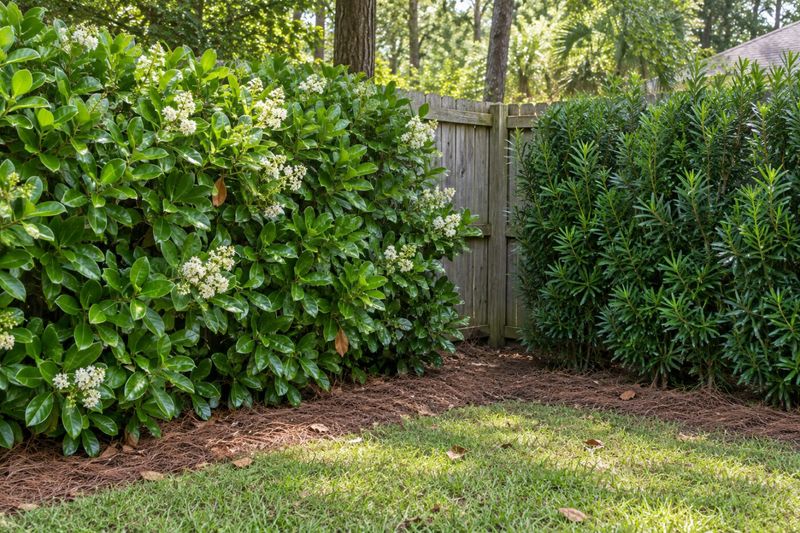
Not every great hedge shrub has to be native. A couple of well-behaved imports have been reliable Florida favorites for decades, and they are not considered invasive.
Sweet viburnum has big, glossy leaves and grows quickly into a thick, tall screen. It can easily reach 10 to 20 feet if you let it, and fragrant white flowers show up in spring.
Keep an eye out for viburnum thrips and whiteflies, and avoid overhead watering, which can encourage leaf spot.
Podocarpus, sometimes called yew pine, is the classic choice for a formal look. Its narrow, dark green needles take tight shearing well, so you can shape it into a clean column or a crisp wall.
Growth is moderate, which means less trimming than faster shrubs.
Podocarpus does have one catch worth knowing. Its fruit and seeds can be toxic to pets if eaten, so dog owners may want to keep fallen fruit cleaned up or choose another plant.
Both shrubs grow well across most of the state, from the Panhandle to South Florida, as long as drainage is decent. Soggy roots are their biggest weakness.
If your HOA likes a polished, uniform look, these two make life easy. They give you that manicured, sharp-edged privacy wall without much drama.
Old Ficus Hedges and Invasive Shrubs Can Cost You Later
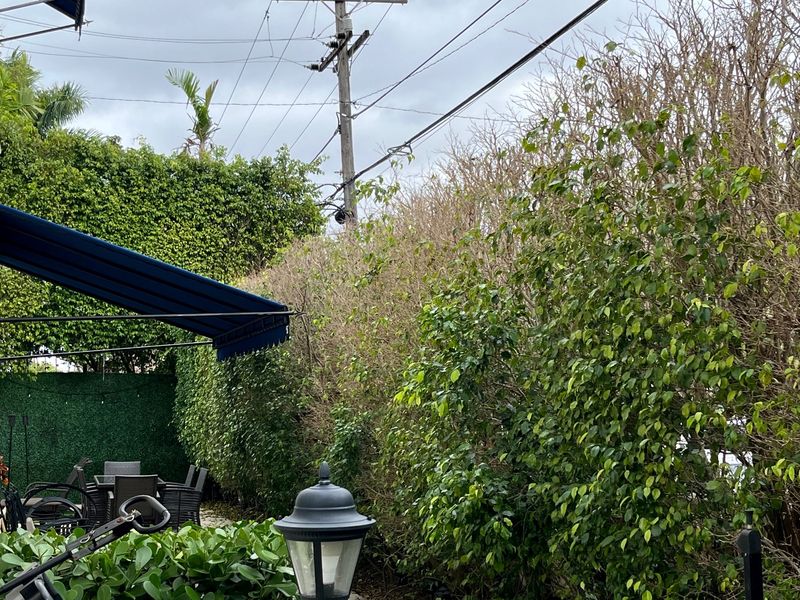
Drive through older Florida neighborhoods and you will spot giant ficus hedges towering over fences. They look impressive, but plenty of homeowners regret them.
Weeping fig hedges were hit hard after the ficus whitefly arrived in South Florida around 2007. Infested plants dropped leaves and thinned out, leaving ugly gaps in what used to be solid screens.
Ficus roots are also aggressive and can push into sidewalks, pipes, and foundations.
Then there are shrubs you should skip entirely. Brazilian pepper is a prohibited invasive in Florida, and it spreads into natural areas by seed carried by birds.
Other plants, such as some ornamental privets and certain non-native clusias, have been flagged by the Florida Invasive Species Council or UF/IFAS assessments in parts of the state.
Clusia deserves a quick note. Clusia rosea has invasive concerns in some regions, so many experts point gardeners toward Clusia guttifera, often sold as small-leaf clusia, instead.
Ask your nursery which one you are buying.
A handy step before shopping is checking the UF/IFAS Assessment of Non-native Plants online. It lists which plants are considered invasive and where.
Choosing well now saves you money, backaches, and possibly removal costs later. Nobody wants to rip out a 15-foot hedge that turned into a problem.
Spacing Your Hedge Shrubs Right Saves Years of Gaps and Pruning
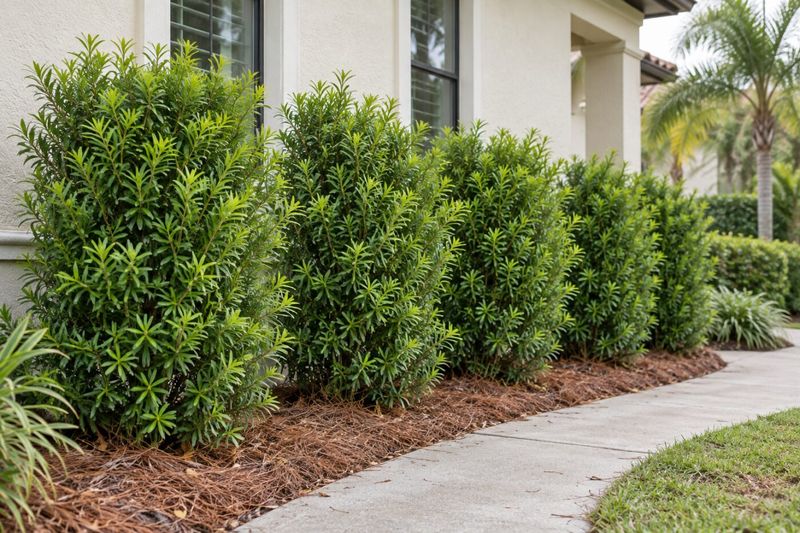
A one-gallon shrub looks tiny at the nursery. Five years later, that same plant might be wider than your car.
Spacing is where many hedges go wrong. Plant too far apart and you wait years for the gaps to close.
Crowd them too close and the shrubs compete for water and light, leaving thin, bare lower branches.
A simple rule works well for most screens. Space plants at roughly half their expected mature width.
So a shrub that spreads 6 feet wide goes in about 3 feet apart, and wax myrtle or sweet viburnum often go in 3 to 5 feet apart.
Height matters too. Check the plant tag for mature size and compare it to what you actually need, whether that is blocking a neighbor’s window or just a low patio screen.
Picking a shrub that naturally stops near your target height means far less trimming.
Leave room between the hedge and your fence, house, or driveway. A gap of a few feet lets you walk behind it for trimming and keeps air moving to reduce leaf problems.
Check property lines and HOA rules before you dig. Some communities limit hedge heights, and a quick call to 811 marks underground utilities for free so your shovel stays out of trouble.
Mulch, Proper Planting Depth, and Patience Turn Small Shrubs Into a Green Wall
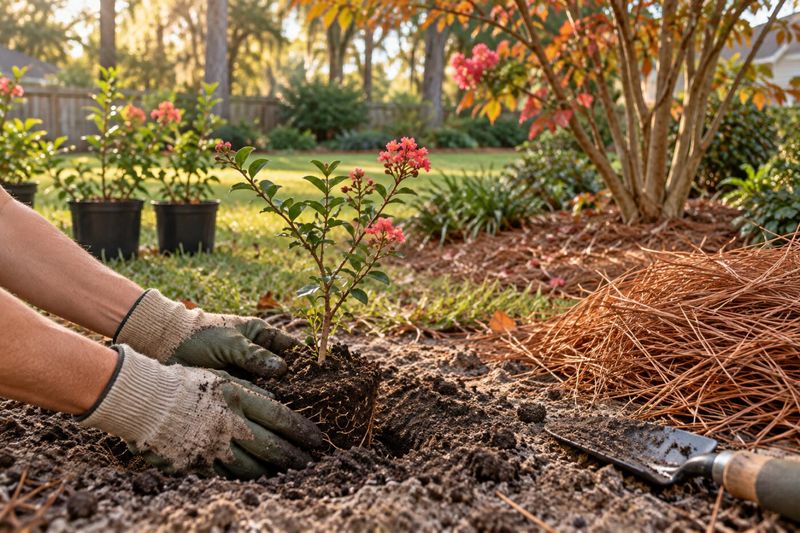
A great hedge starts with one surprisingly common mistake to avoid: planting too deep. UF/IFAS recommends setting the top of the root ball even with or slightly above the surrounding soil.
Dig the hole two to three times wider than the root ball, but not deeper. Loosen circling roots gently with your fingers before planting.
Backfill with the same native soil you removed, since heavily amended holes can hold water like a bucket in Florida’s sandy ground.
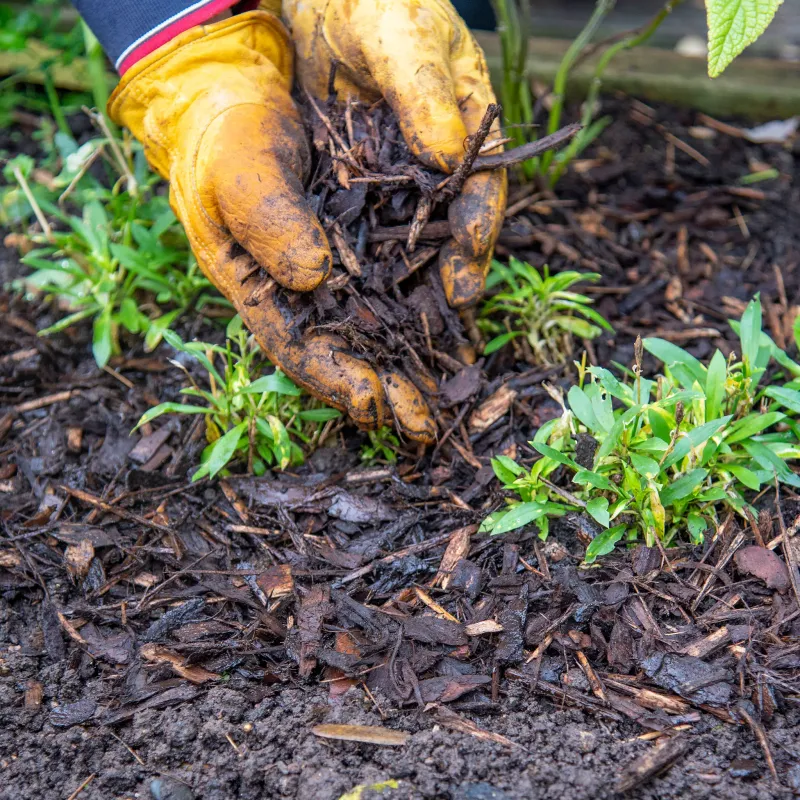
Mulch comes next. Spread 2 to 3 inches of organic mulch, such as pine bark or pine straw, over the planting area.
Keep it a few inches away from the stems so moisture does not sit against the bark.
Skip heavy fertilizer right away. Too much feeding can push leafy growth before roots are ready, and some Florida counties restrict fertilizer during the summer rainy season.
A light application later, once new growth appears, is usually plenty.
Trim lightly as the hedge grows, keeping the bottom slightly wider than the top. That shape lets sunlight reach the lower branches, so the base stays full and leafy.
Plant this fall, water faithfully through winter, and let the roots do their quiet work. By next summer, you may notice your neighbors getting a little harder to see.