Pruning Fruit Trees in Virginia: Why Late Winter Beats November, Even Though Everyone Does It Now
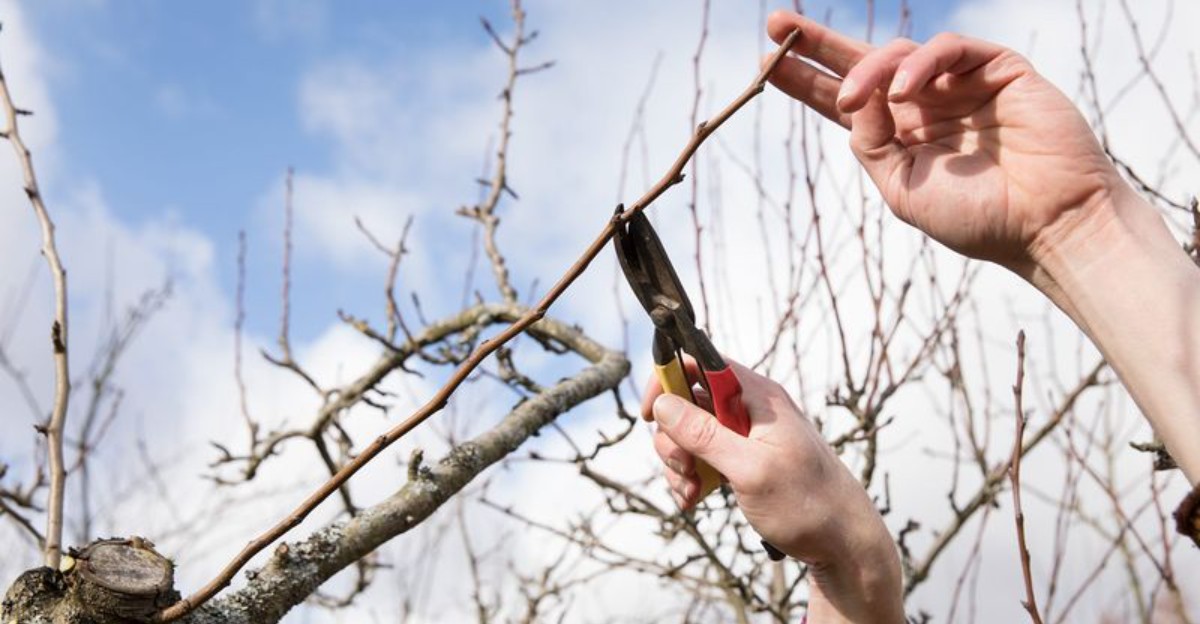
A fresh cut on a fruit tree in late fall can make that branch less able to handle a hard freeze. Researchers have tracked this effect for decades, and it can linger well into winter.
Funny thing is, November feels like the perfect time. The leaves are down, the weather is pleasant, and the garden to-do list is finally short.
Take it from someone who used to grab the loppers right after Thanksgiving. I thought I was getting ahead of the game, but my peach tree had other ideas come spring. Across Virginia, plenty of us follow that same habit because a parent or grandparent did it that way.
So what changes when you wait a few more weeks? The answer comes down to wood, weather, and a little patience, and it may surprise you how much one calendar page matters.
That Bare Fruit Tree In November Is Busier Than It Looks
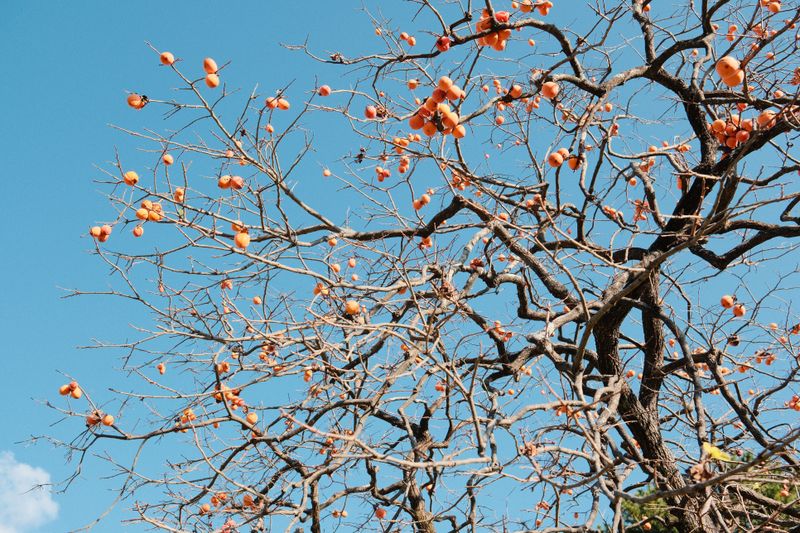
Those naked branches fool a lot of us. Once the leaves drop, a fruit tree looks like it has clocked out for the year, but plenty is still going on inside.
In fall, the tree is slowly building cold hardiness. It moves sugars and stored nutrients around, shifts water out of its cells, and toughens up its wood bit by bit.
That process, called acclimation, keeps going into early winter, and the tree only reaches its full toughness after a stretch of steady cold.
A pruning cut sends a signal right in the middle of that process. The tree reacts to the wound, and the tissue around the cut tends to stay less hardy than the rest of the branch.
Research on peaches and apples has shown that wood pruned in fall or early winter often handles hard freezes worse than unpruned wood.
Here in the mid-Atlantic, that matters because our winters swing wildly. A warm week in December can be followed by a sudden plunge into the single digits.
Trees that were cut in November face that whiplash with weaker defenses.
For what it’s worth, nothing about a November trim looks wrong on the day you do it. The trouble shows up later, as cracked bark, sunken spots, or shoots that fail to leaf out in April.
Your Pruning Shears Belong In The Orchard From Mid-February To Early March
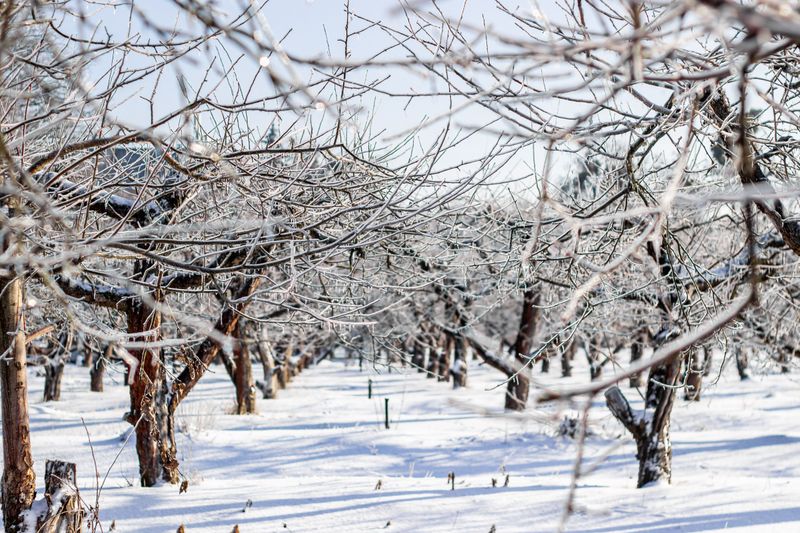
Mark your calendar for late winter. Virginia Cooperative Extension recommends dormant pruning for apples and pears in late winter or early spring, just before the buds start to swell and break open.
For most of the state, that lands somewhere between mid-February and early March. The coldest stretch of winter is usually behind you by then, so any freshly cut wood has a much smaller chance of facing a brutal freeze.
Timing it this way also lines up with the tree’s own schedule. As temperatures climb, the tree starts pulling stored energy back up from its roots.
Cuts made right before that surge seal over faster because the tissue around the wound wakes up soon after.
Let’s just say my own trees look happier since I made the switch. Wounds callus over cleanly, and I rarely see the odd bark splits I used to find near old cuts.
If you have a big orchard, start with the oldest and hardiest trees first. Large, mature apples can be tackled earlier in the window, while young trees and tender varieties wait until the end.
One easy rule helps a lot. Watch the buds, and try to finish your main cuts before you see green tips poking out.
Fresh Pruning Cuts Can Leave Fruit Tree Branches Open To Freeze Damage
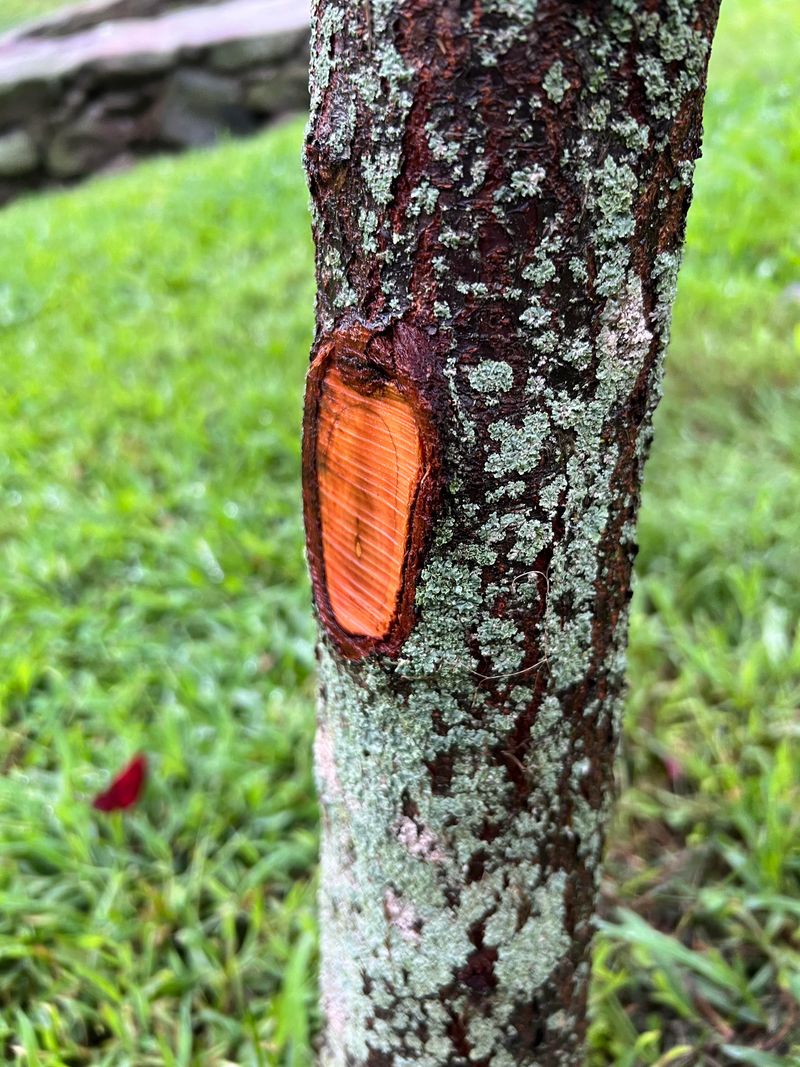
Cold injury is sneaky. You rarely see it in January, and by the time you notice it in spring, most folks blame the weather instead of the pruning date.
Wood near a fresh cut tends to lose some of its hardiness. Scientists studying peach trees found that fall pruning reduced cold tolerance in the tissues around the cut, and that the effect could hang around for weeks.
Some reports suggest it can linger into late winter.
What does freeze injury actually look like? Watch for bark that splits or peels near pruning wounds, dark brown streaks under the bark, and flower buds that turn brown inside instead of staying green.
Cut a bud open with a sharp knife and you will see the difference right away.
My garden taught me this lesson with a young peach. I trimmed it neatly in November, and by April the top third barely leafed out.
The rest of the tree was fine, which pointed right back at my cuts.
Waiting until late winter does not make your tree freeze-proof. It simply means fresh wounds face a shorter and milder stretch of cold before spring growth helps them heal.
That small shift often keeps branches and buds in much better shape.
Peach And Cherry Trees Deserve The Very Last Turn With The Loppers
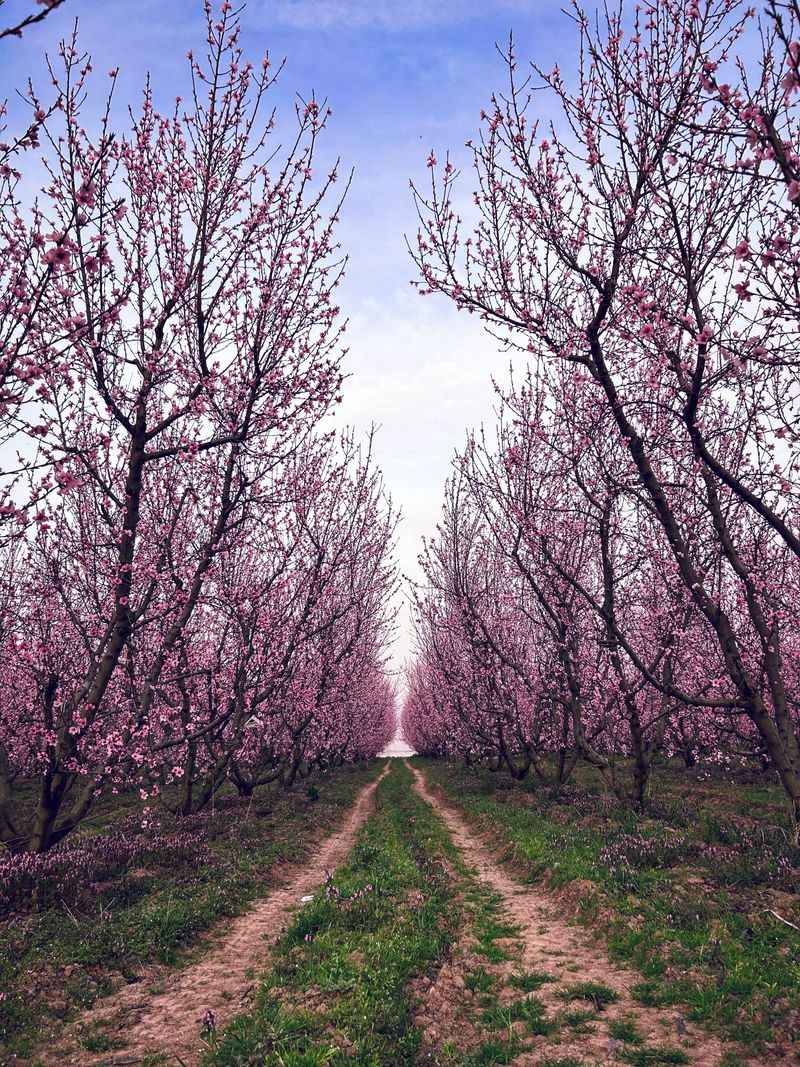
Peaches are the drama queens of the home orchard. They are less cold hardy than apples, and they react strongly to the timing of every cut.
Virginia Tech fruit specialists suggest pruning peaches and nectarines late, often right before bloom or even while the trees are flowering. Commercial growers in the state commonly save their peach blocks for last for this very reason.
Pruning that late has two big perks. The coldest weather has passed, so cuts face less risk of freeze damage.
You can also see which flower buds survived the winter, which helps you decide how much wood to leave behind.
Between you and me, it feels a little scary to snip a branch covered in pink buds. Peaches fruit on last year’s growth, though, so removing some of it is part of the plan.
The tree responds with strong new shoots that carry next year’s crop.
Sweet and tart cherries, plums, and apricots follow similar logic. Many gardeners trim them lightly in late winter or right after harvest in summer to lower disease risk.
Keep the open-center shape in mind for peaches. Removing upright shoots in the middle lets sunlight reach every branch, which helps fruit color up and taste sweeter.
Gummy Canker Wounds On Stone Fruit Often Start With Fall Cuts
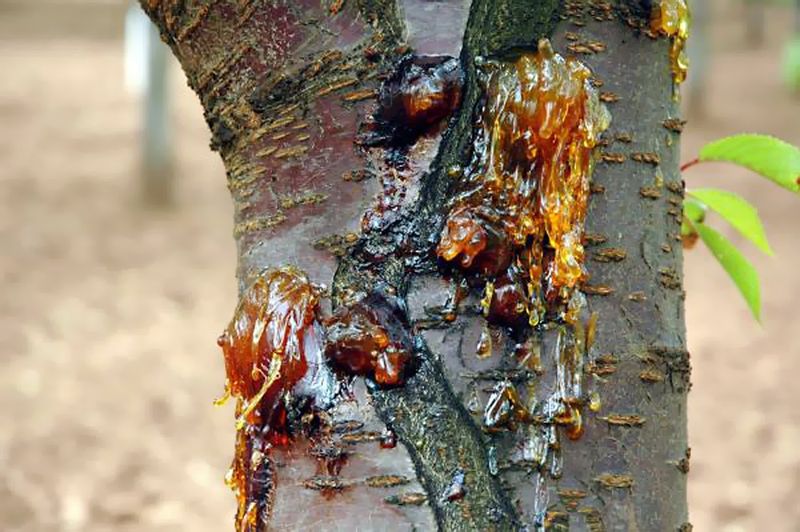
Ever spotted amber goo oozing from a peach trunk? That sticky gum is often a sign of a canker, and pruning wounds are one of the favorite entry points.
Cytospora canker, sometimes called perennial canker, is a common problem on peaches and other stone fruits. The fungus moves into wounds and injured bark, especially when the tree is not actively growing and cannot wall off the damage quickly.
Bacterial canker is another troublemaker. The bacteria thrive in cool, wet weather, which describes a typical late fall and early winter pretty well.
Fresh cuts sitting open for months give these organisms plenty of time to settle in.
Late winter cuts are not perfectly safe, but they heal faster once growth begins. That shorter window means fewer chances for infection.
Cold-injured tissue near fall cuts also gives cankers an easy foothold, so the problems tend to stack on top of each other.
If you already see cankers, prune out the infected limbs during dry weather. Cut several inches below the visible damage into healthy wood, and haul the removed branches away from the orchard.
Avoid heavy pruning paints or tar on stone fruit wounds. Most extension experts say they can trap moisture and slow natural healing instead of helping.
Bare Apple Branches Show You Exactly Where Each Cut Should Go
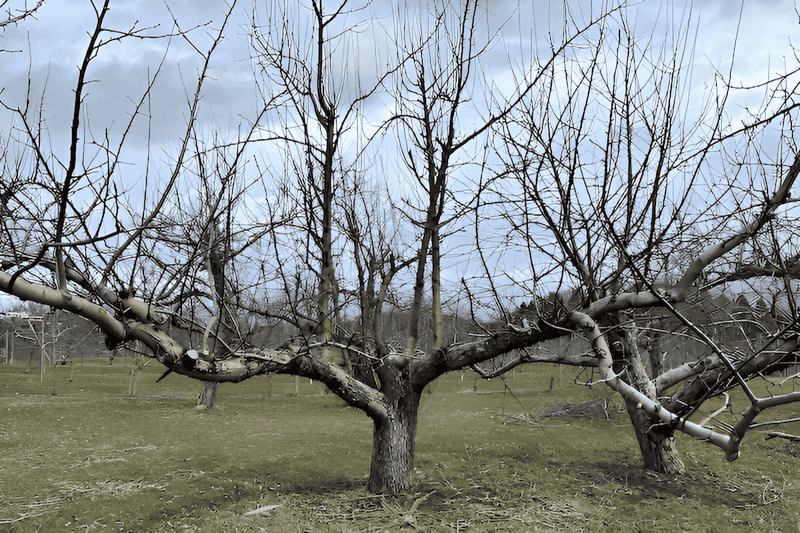
Late winter hands you an X-ray view of your tree. With every leaf gone and the canopy wide open, each branch stands out against the gray sky.
That clear view helps you make smart choices. Start with the three D’s that orchard folks talk about: damaged, diseased, and broken wood.
Next, look for branches that cross or rub together, since rubbing opens wounds in the bark.
After that, tackle water sprouts and suckers. Water sprouts are those skinny shoots that shoot straight up from main limbs, and suckers pop up from the roots or base.
Both use energy without giving you much fruit.
Here’s what caught my attention the first time I waited until February. I could spot winter storm damage and fire blight cankers on my pear that were easy to miss in fall.
Fire blight shows up as darkened, sunken bark with sharp edges, and late winter is a great time to remove it before spring rains spread the bacteria.
Step back often while you work. Walk around the whole tree and picture sunlight reaching the inner branches, because fruit grows best where light lands.
Aim to remove no more than about a quarter of the canopy in one year. Heavy cuts trigger a flood of water sprouts.
Blue Ridge Orchards And Tidewater Backyards Run On Different Pruning Clocks
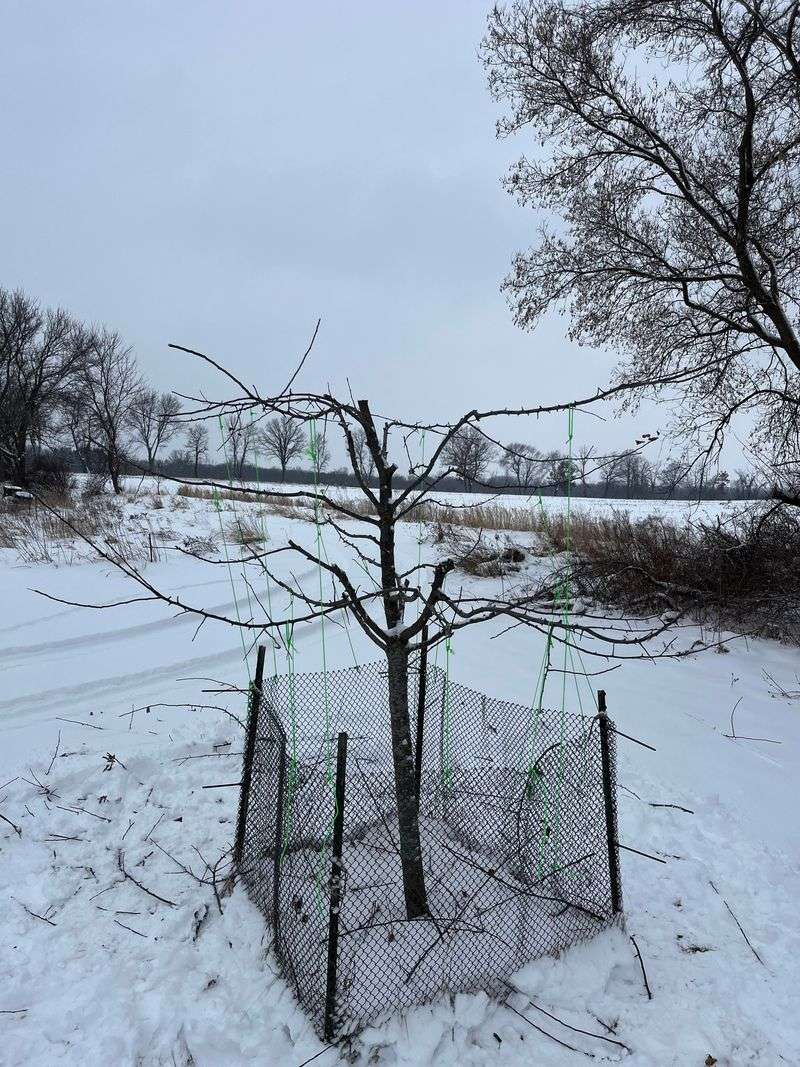
Virginia stretches from salty coastal marshes to chilly mountain ridges, and your pruning calendar should follow your own backyard. USDA hardiness zones across the state range roughly from 5b in the higher mountains to 8a near the coast.
In Tidewater and the Eastern Shore, winters are milder and spring arrives early. Gardeners there can often start apple and pear pruning in early to mid-February, with peaches following by late February or early March.
Up in the Shenandoah Valley and the Blue Ridge, cold snaps hang on much longer. Late March freezes are common, so many growers wait until March to cut and push peach pruning closer to bloom.
The Piedmont sits in between. Mid-February through mid-March usually works well around Charlottesville, Richmond, and Lynchburg.
If you ask me, the best tool is a simple weather check. Look at the ten-day forecast before you start, and hold off if a deep freeze is on the way.
Microclimates matter too. A tree in a low spot where cold air settles behaves differently than one on a breezy hillside.
Frost pockets often bloom later and get hit harder by freezes, so trees there benefit from extra patience.
Clean Bypass Pruners And A Dry February Day Set Up Your Best Harvest
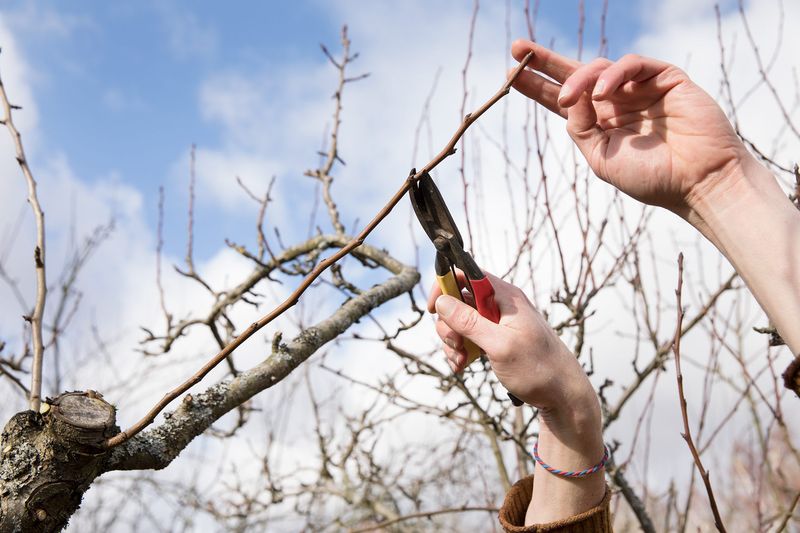
Good timing gets you halfway there. Good technique carries you the rest of the way to a healthy, productive tree.
Start with sharp tools. Bypass pruners handle small twigs, loppers manage branches up to about an inch and a half, and a pruning saw takes care of anything bigger.
Dull blades crush tissue and leave ragged wounds that heal slowly.
Clean your blades between trees, especially if you are cutting out fire blight or cankers. A quick wipe with rubbing alcohol or a household disinfectant works well.
Pick a dry day with no rain in the forecast. Moisture helps diseases move into fresh cuts, so a sunny stretch gives wounds a head start.
Cut just outside the branch collar, that slightly swollen ring where a limb meets a larger branch. Leaving the collar intact helps the tree seal the wound naturally.
Skip flush cuts and long stubs.
Don’t make my mistake of treating November as a free pass. Light jobs are fine anytime, like snipping a broken branch after a storm.
Save the real shaping for late winter, then sit back. Come summer, those stronger branches, sunnier canopies, and healthier buds tend to reward you with sweeter apples and peaches.