Can A Virginia Neighbor Make You Remove A Tree Because It Sheds Into Their Pool
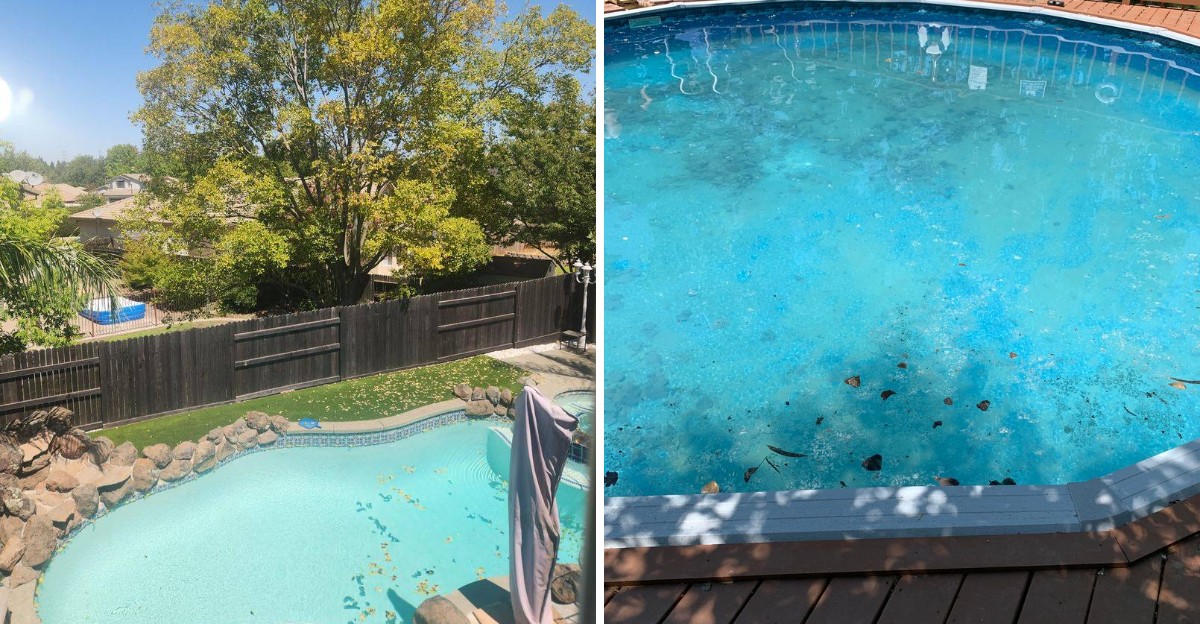
Nothing ruins a sunny swim faster than a pool full of soggy leaves and sticky seed pods. When those leaves drift over from your tree, the grumbling over the fence usually follows.
So, can a neighbor in Virginia actually force you to cut that tree down? The short answer might surprise you, and the longer one involves a state Supreme Court ruling.
The law gives both sides rights and responsibilities, and property lines matter more than most people realize. Knowing where those lines fall can save money, stress, and plenty of awkward driveway chats.
Whether you own the shady oak or the sparkling pool, these rules affect you. A falling leaf and a falling limb are treated very differently in court.
The sections below cover what the law says, what it skips, and how neighbors often settle these leafy feuds peacefully.
Falling Leaves Alone Rarely Count As A Legal Nuisance
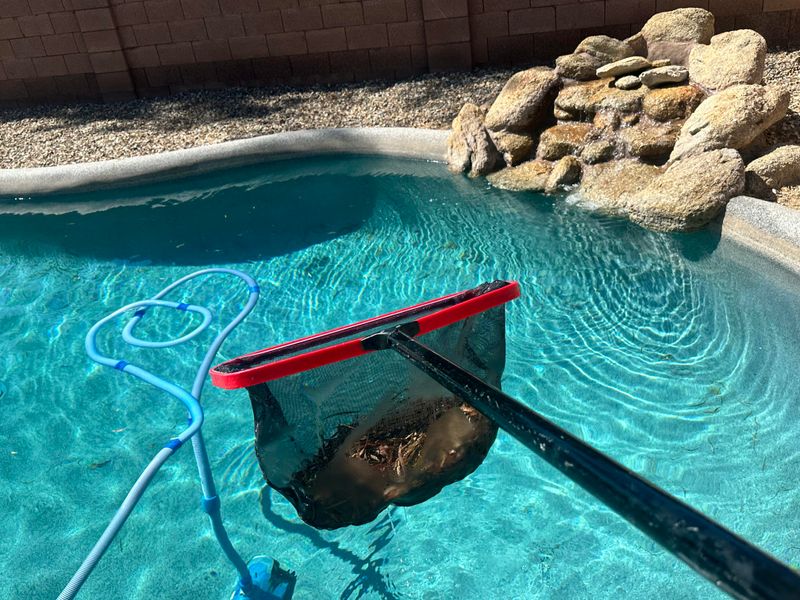
Picture a crisp October morning with red maple leaves drifting onto blue pool water. It looks pretty, but your neighbor might not see the charm.
Courts in Virginia generally view shedding as a normal part of owning a healthy tree. Leaves, blossoms, acorns, and pine needles fall wherever the wind carries them.
Judges usually treat that debris as an ordinary cost of living near nature. Your neighbor cannot typically sue you just because leaves land in the deep end.
A legal nuisance usually needs more than annoyance or extra chores. Courts look for real harm to property or a serious threat to safety.
Skimming a pool twice a week is frustrating, but most judges will not call it damage. Cleaning up natural debris on your own land stays your job.
Here is a practical tip for tree owners. Keep your tree healthy with regular care, since sick trees shed more and invite complaints.
Pool owners can also help themselves by choosing smart equipment. A strong skimmer basket, leaf rake, and automatic cleaner handle most seasonal mess.
Some species drop more than others, which surprises many homeowners. Sweetgums, oaks, and pines are famous for spiky balls, acorns, and needles.
Knowing what your tree drops helps you plan ahead with your neighbor. Timing a cleanup around peak shedding season can calm tensions fast.
Friendly awareness goes a long way here. The law may favor the tree, but kindness keeps summer barbecues pleasant for everyone.
A 2007 Virginia Supreme Court Case Set The Standard
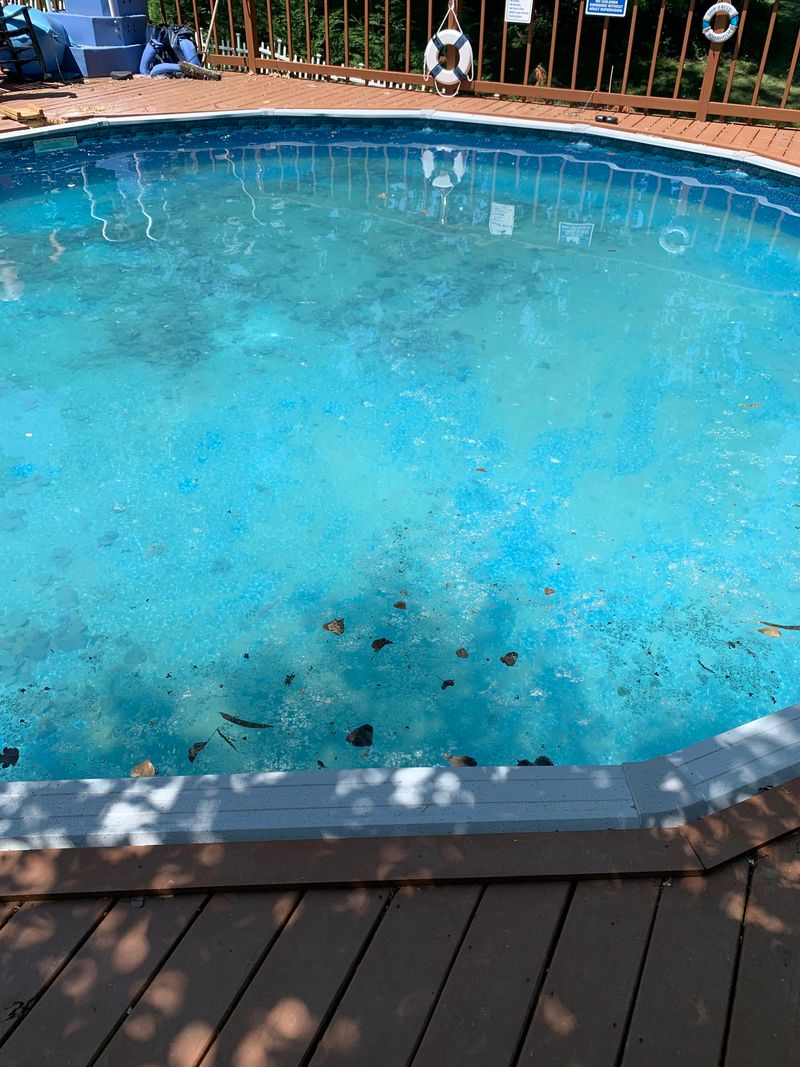
Believe it or not, a sweetgum tree once made legal history in the Commonwealth. The case was called Fancher v.
Fagella, decided in 2007.
Two Fairfax County neighbors clashed over a large tree near their shared line. Its roots and branches were causing trouble for the house next door.
Before that ruling, Virginia followed an older and fuzzier standard. Courts often asked whether a plant was noxious, meaning harmful by nature.
A poisonous plant might qualify, but an ordinary shade tree usually would not. Many homeowners felt stuck with no real remedy for serious damage.
The Supreme Court of Virginia chose a more modern approach instead. It focused on actual harm rather than the type of plant involved.
Your Virginia Garden Changes Every Week. Your Plan Should Too.
Gardening in Virginia changes quickly throughout the season. Every Friday you’ll receive a simple weekly plan showing exactly what to plant, prune, fertilize, harvest, and protect so you never miss the right timing.
Here is the key takeaway from that decision. Encroaching trees are not automatically nuisances just because they cross a property line.
However, a tree can become a nuisance when it causes real harm. Courts may then award damages or order the owner to fix the problem.
Fun fact for history lovers: the court described earlier rules as unclear. Clearer guidelines now help neighbors across the state predict how disputes may end.
If you ever speak with an attorney, mention this case by name. Lawyers throughout the state still rely on it when handling tree conflicts today.
Knowing the background gives you confidence during tough talks. You can explain the rules calmly instead of guessing about your rights.
Actual Damage Changes The Conversation
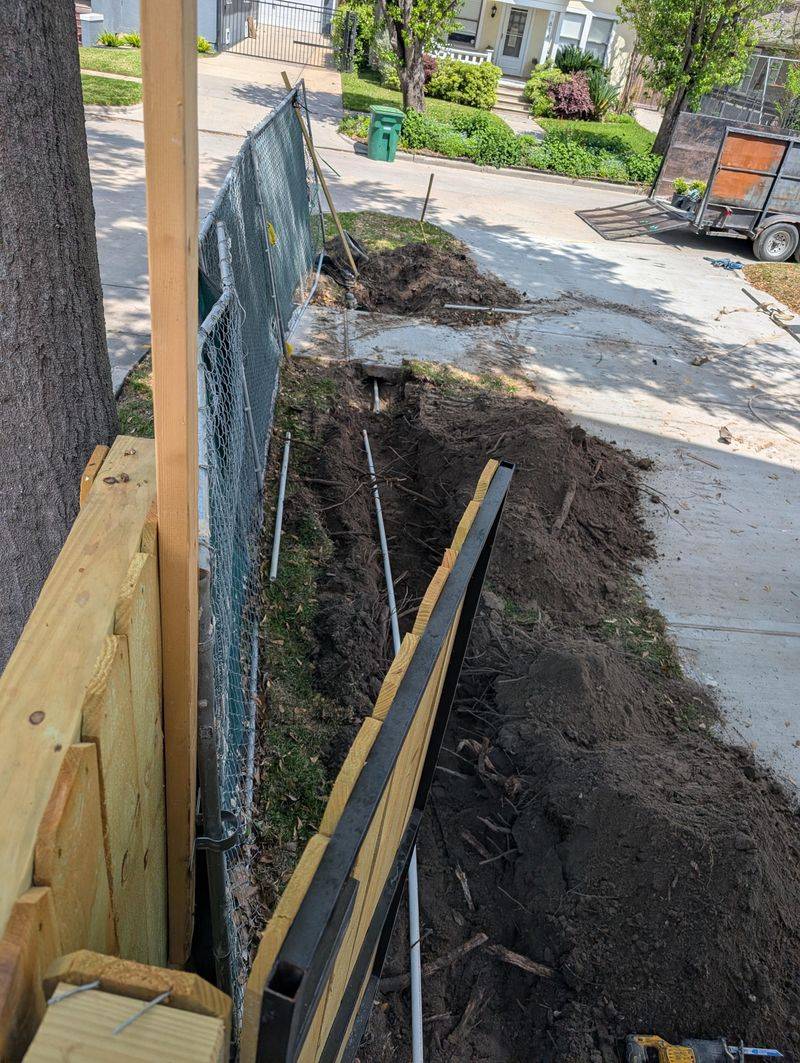
Leaves in the water are one thing, but cracked concrete is another story. Once real damage appears, your neighbor may have legal options.
Courts look for serious harm or damage that is about to happen soon. Examples include broken roofs, crushed pipes, and cracked foundations.
For pool owners, roots are often the real troublemakers. They can lift pool decks, split liners, and clog nearby drainage lines.
Tree owners should take those warning signs seriously. A small crack today can become an expensive repair bill later.
Neighbors facing damage should gather solid proof before making demands. Photos, dated notes, and repair estimates help show exactly what happened.
An arborist report can also make a strong difference. Experts can connect specific roots or branches to the harm you are seeing.
If a court agrees the tree caused damage, it can award money. Judges may also require trimming or, in rare cases, removal.
Here is a helpful habit for everyone. Walk your yard each spring and look for lifted pavers, leaning limbs, or soggy spots.
Catching trouble early usually costs far less than fixing a disaster. It also shows good faith if a dispute ever reaches a judge.
Remember that falling debris by itself rarely qualifies as damage. A clogged filter from leaves is usually seen as normal upkeep, not legal harm.
A Hazardous Tree Can Put You On The Hook
Few sounds are scarier than a loud crack during a summer thunderstorm. When a weak tree falls, the owner may face costly questions.
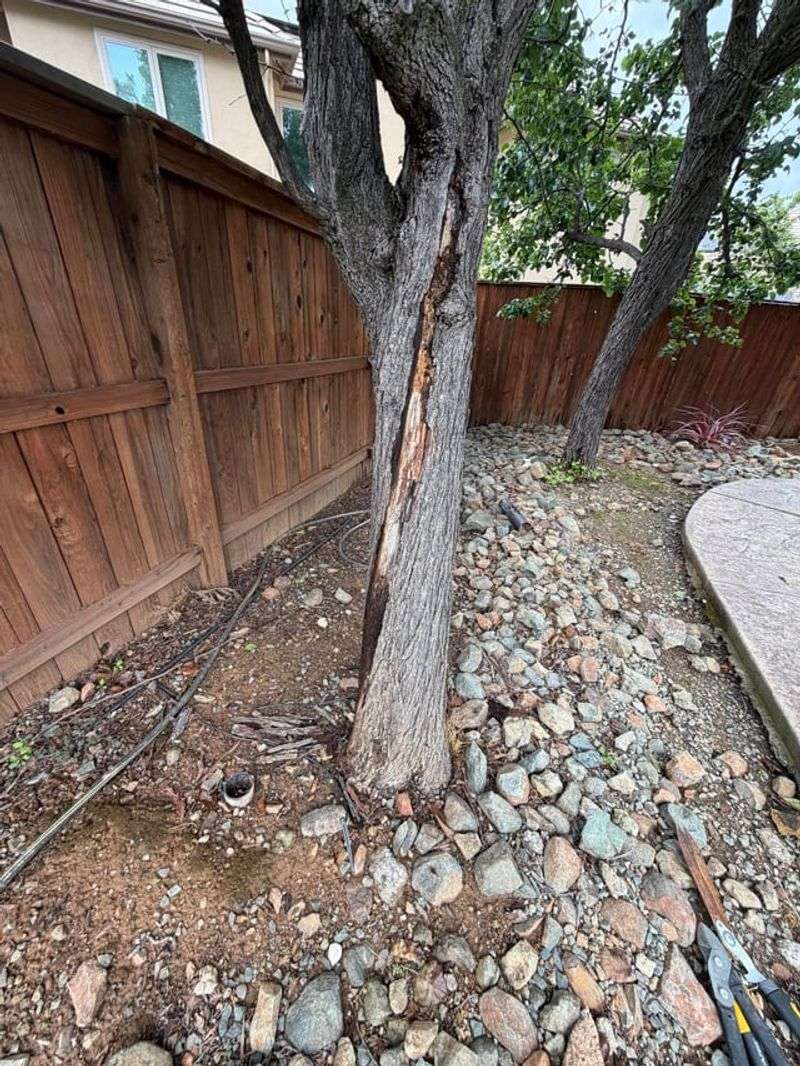
Virginia owners can be held responsible if they knew a tree was dangerous. Decayed trunks, hollow limbs, and heavy leaning are major red flags.
Say your neighbor warned you about a rotting branch above their pool. If it later crashes down, that warning could matter a great deal.
Courts often ask whether the owner knew or should have known. Ignoring obvious decay can shift blame straight onto the tree owner.
Some localities can order removal of a hazardous tree, but usually only when it threatens public streets or sidewalks. Disputes between neighbors are typically treated as civil matters.
So how do you protect yourself? Hire a certified arborist to inspect older trees every few years.
Keep copies of any inspection reports and work receipts. Those records show you acted responsibly if something unexpected happens.
Watch for mushrooms at the base, peeling bark, and bare upper branches. Each can signal internal rot that is hard to spot.
Homeowners insurance may cover some storm damage, but not neglect. Call your agent to learn what your policy actually includes.
Removing a truly hazardous tree can be the wisest choice. It protects your neighbor’s pool, your wallet, and the peace of the whole street.
Your Neighbor Can Trim Branches Back To The Property Line
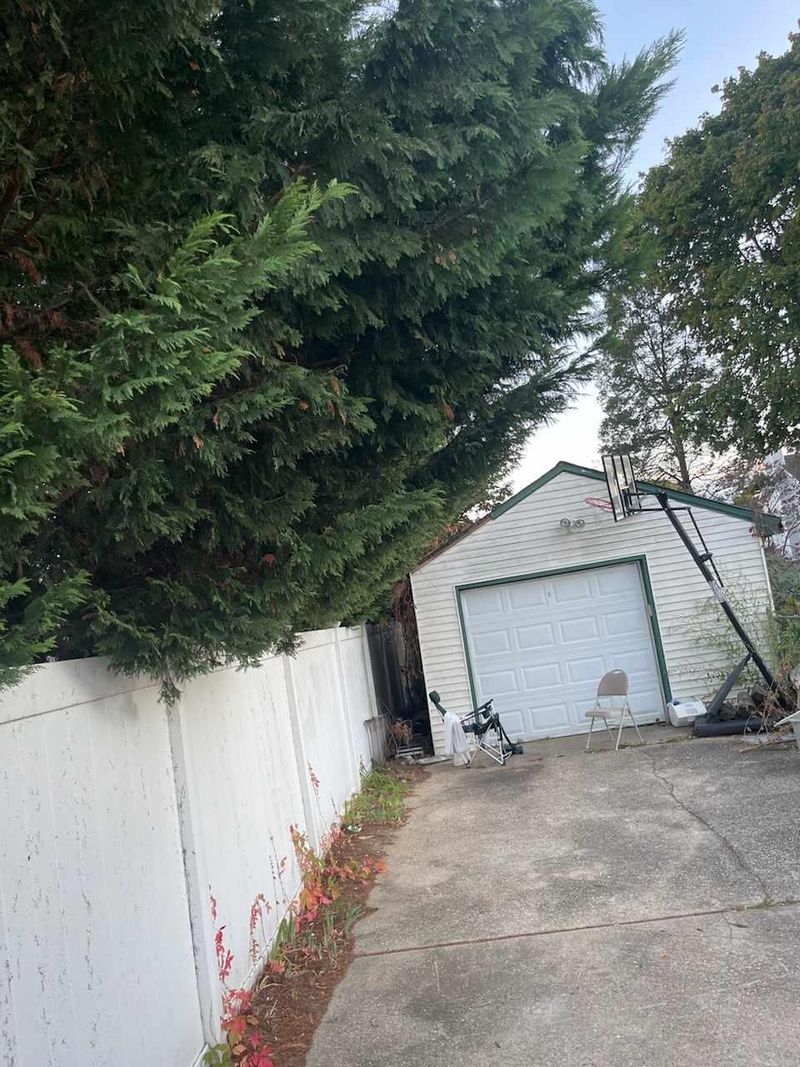
Here is a power many pool owners do not realize they have. In Virginia, neighbors may trim branches that hang over their property.
Lawyers call this the self-help rule, and it is fairly simple. If limbs or roots cross the line, the neighbor can cut them back.
No permission from the tree owner is required for this trimming. The cuts just need to stop right at the boundary line.
For pool owners, this can reduce leaf drop noticeably. Fewer branches overhead usually means fewer leaves floating in the water.
Before grabbing a saw, confirm exactly where your property line sits. A recent survey or county plat map can clear up confusion.
Fences are not always placed on the true line. Cutting past the boundary could create a whole new dispute.
Safety matters too, especially with high branches over water. Ladders near pools can slip, so consider hiring a trained tree crew.
A courtesy heads-up to your neighbor is also smart. Legal rights are nice, but surprises tend to spark hurt feelings.
Timing helps as well. Late winter trimming is often gentler on trees and easier to see through bare limbs.
Also check for utility lines tangled in the branches. Call your power company rather than risking contact with live wires.
They’ll Usually Pay For That Trimming Themselves
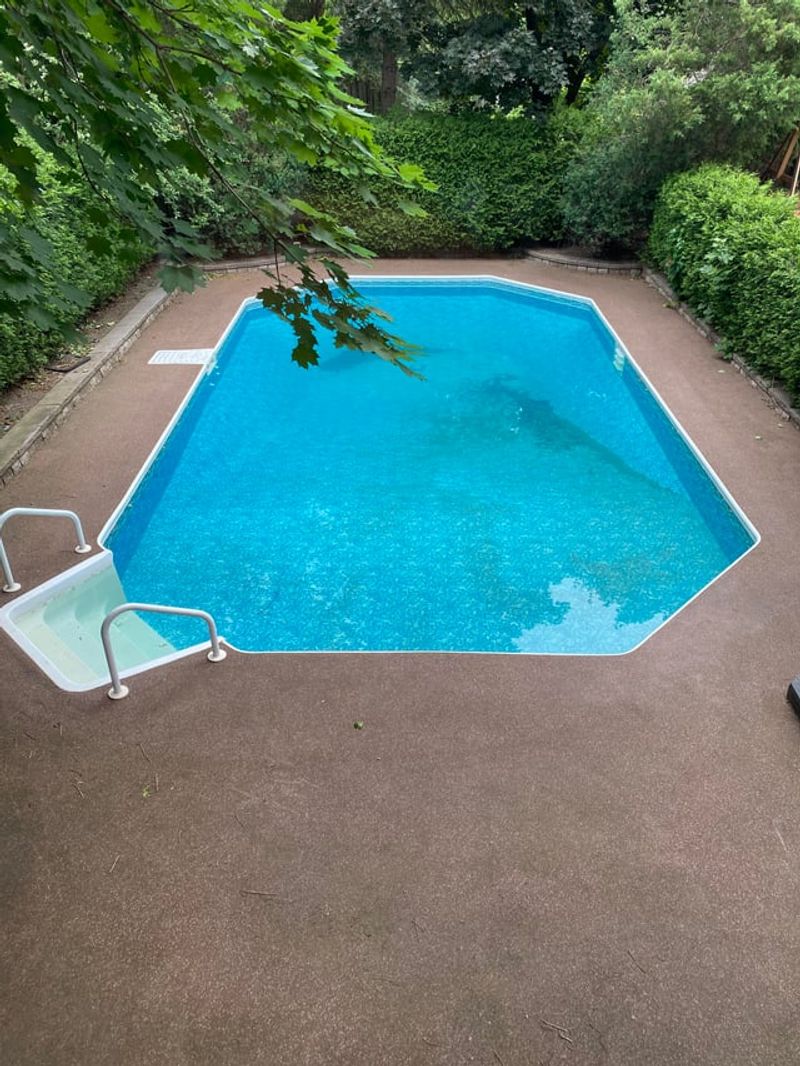
Money questions pop up quickly once the chainsaws come out. Who pays when your neighbor trims your overhanging branches?
Under the state’s self-help rule, the person trimming usually covers the bill. If your neighbor wants fewer leaves, they generally pay the crew.
That surprises some pool owners who feel the tree owner should chip in. Still, trimming for comfort or convenience rarely shifts the cost.
Things change when the tree causes real damage or immediate danger. A court may then require the tree owner to pay for repairs and trimming.
Here is a budgeting tip for pool owners. Get two or three written quotes before hiring any tree service.
Prices vary widely depending on tree height and access. Crews working near pools may charge extra for protective tarps and careful cleanup.
Tree owners can sometimes offer to split costs anyway. A small contribution can build goodwill and prevent future arguments.
Always ask a contractor for proof of insurance first. Accidents near water and fences can get expensive without proper coverage.
Keep every receipt in a folder or phone album. Records help if damage ever appears later and a claim becomes necessary.
Think of trimming costs as an investment in easier summers. Fewer leaves mean less skimming, cleaner filters, and lower chemical use.
They Can’t Harm The Tree Or Step Onto Your Land To Do It
Self-help has boundaries, both literally and legally. Your neighbor’s trimming rights stop at the property line.
Stepping into your yard without permission counts as trespassing. Even setting a ladder on your grass could cross that line.
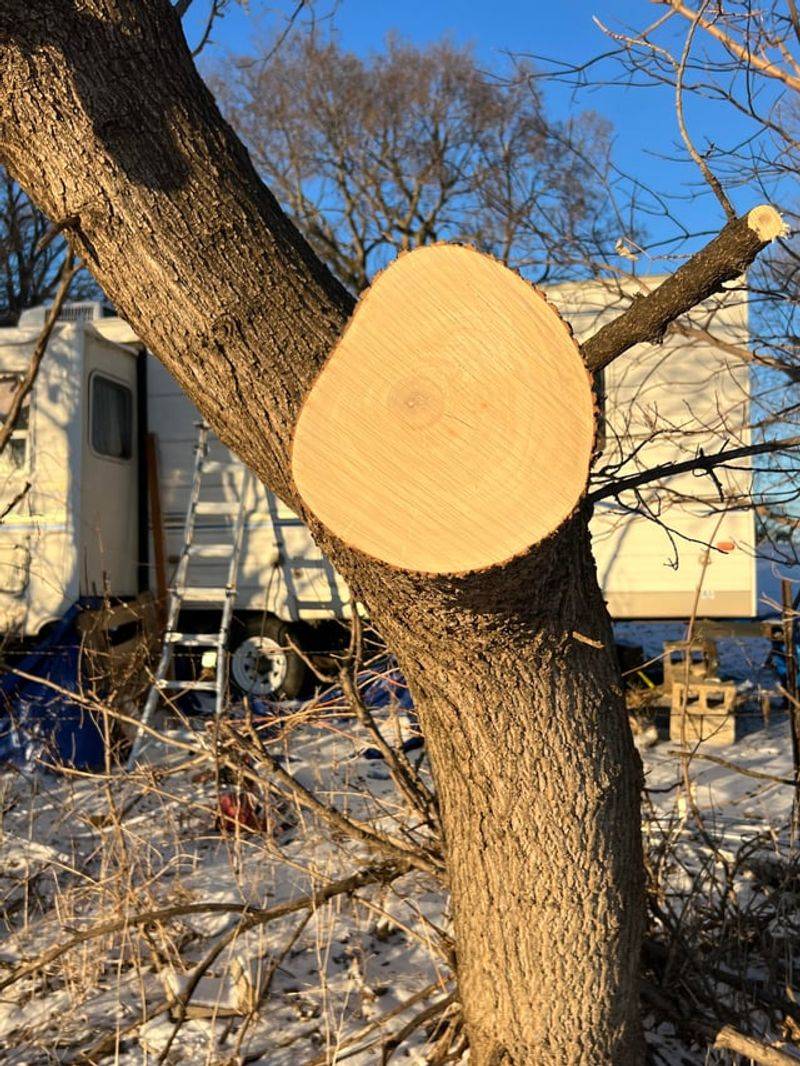
Aggressive cutting brings another set of problems. Removing too many limbs or major roots can seriously weaken a tree.
If careless trimming causes a tree to fail, the trimmer could owe its value. Mature trees can be worth thousands of dollars.
Virginia also has laws against intentionally harming another person’s trees. Penalties can include paying several times the tree’s value.
So what should a careful neighbor do? Ask permission first if equipment needs to reach across the fence.
Hire an arborist who follows proper pruning standards. Good crews avoid topping and never remove more than a safe portion of canopy.
Tree owners should document their trees with photos each year. Pictures help prove the tree’s condition if harm happens later.
Here is a quirky fact many people miss. Cutting large roots on one side can make a tree more likely to topple.
That risk could land right back on the neighbor who cut them. Thoughtful trimming protects the tree and keeps everyone out of court.
Shared Boundary Trees Follow Different Rules
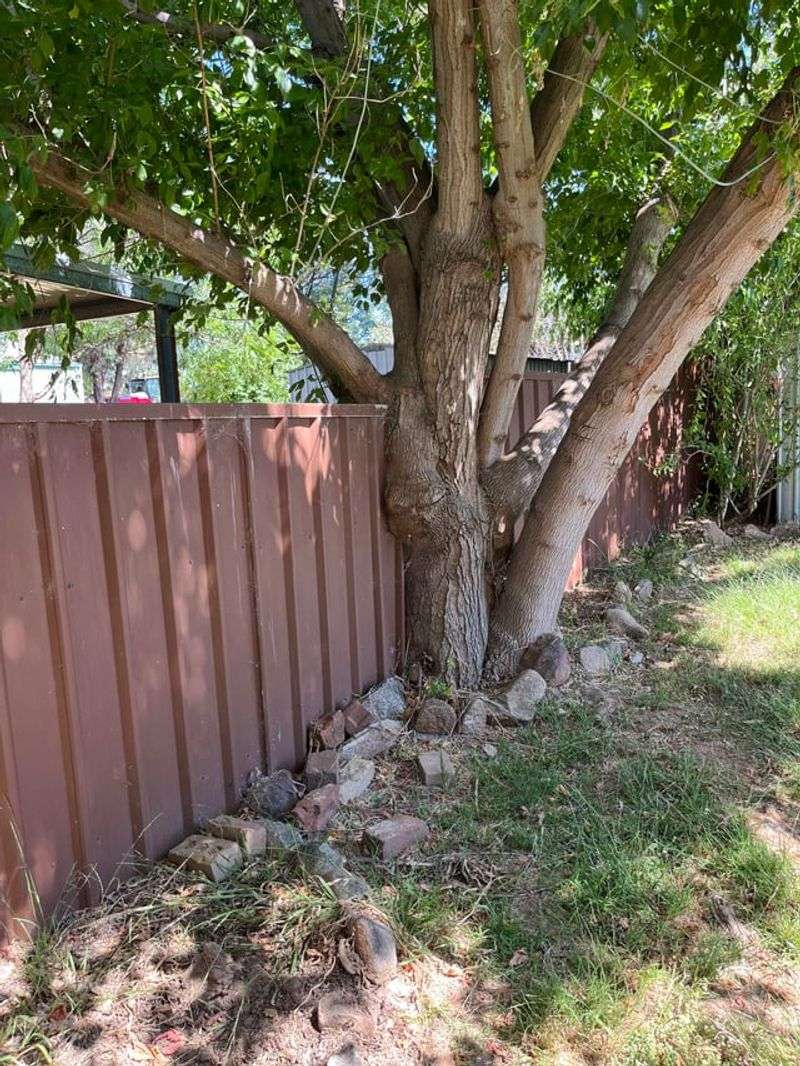
Some trees refuse to pick a side. When a trunk sits right on the property line, both neighbors share ownership.
These are called boundary trees. Ownership depends on where the trunk grows, not where branches spread.
A tree mostly on your side with limbs over the pool still belongs to you. Only a trunk straddling the line makes it jointly owned.
Neither owner can remove a healthy boundary tree alone. Major changes usually need both neighbors to agree.
Care and upkeep become shared duties as well. Pruning, inspections, and cleanup costs are often split between households.
Here is a practical step worth taking. Put any agreement about a shared tree in writing and sign it together.
Written plans prevent confusion when homes change hands. New buyers may not know what the previous owners promised.
A professional survey can settle questions about trunk location. Marking the line with stakes makes the answer clear for everyone.
If the shared tree becomes hazardous, talk quickly and openly. Safety concerns may allow faster action, but communication still matters.
Think of a boundary tree like a shared driveway. Cooperation keeps it useful, and stubbornness turns it into a headache.
HOA Rules And Local Ordinances May Add Requirements
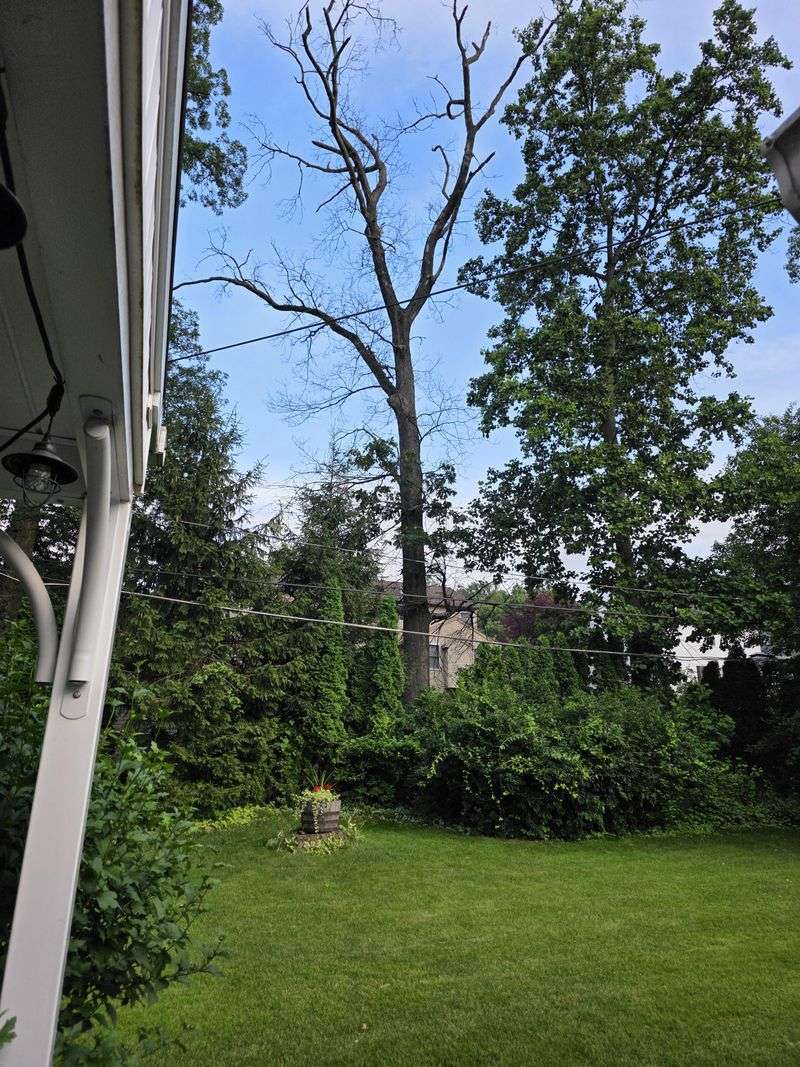
State law is only part of the picture. Your county, city, or HOA may have extra rules about trees.
Many communities in Northern Virginia protect mature trees closely. Removal might require a permit, even on private land.
Some localities also require replacement trees after removal. Fines for skipping the paperwork can add up quickly.
HOAs often go a step further with their own guidelines. Many require written approval from an architectural review board before major tree work.
Here is a smart move before any big project. Read your HOA covenants and search your local government website.
Look for terms like tree preservation, tree canopy, or land disturbance. Those sections usually explain permits and protected species.
HOAs can sometimes help settle neighbor disputes too. Board members may mediate or clarify which rules apply to shared spaces.
Keep in mind that HOA rules may limit removal, not just allow it. A neighbor could face obstacles even if they want a tree gone.
Save emails and approval letters in one safe place. Proof of approval protects you if questions arise years later.
Calling your county arborist office is often free and friendly. Staff can answer questions before anyone makes an expensive mistake.
A Pool Cover And A Friendly Talk Solve Most Disputes
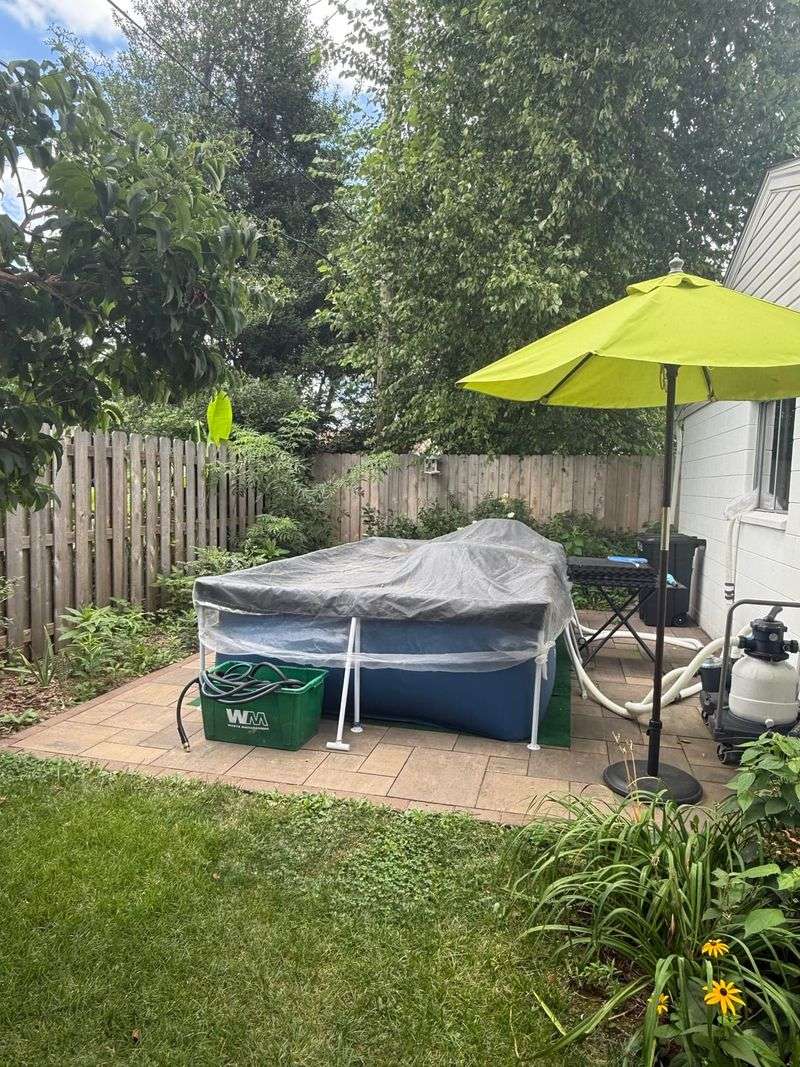
Sometimes the best legal strategy involves lemonade and a smile. Most tree fights fade once neighbors actually talk.
Start the conversation calmly and without blame. Share how the leaves affect you and ask for their ideas too.
Tree owners can offer small gestures that mean a lot. Seasonal trimming or helping with fall cleanup shows real goodwill.
Pool owners have simple tools on their side as well. A quality pool cover blocks most leaves before they ever touch the water.
Mesh safety covers work well during heavy fall shedding. Solar covers can also warm the water while catching summer debris.
Leaf nets placed under winter covers make spring opening easier. Some owners add a pool leaf canister to protect their pump.
Here is a helpful idea for tough cases. Many state counties offer free or low-cost community mediation services.
A neutral mediator can guide neighbors toward fair agreements. Mediation usually costs far less than hiring lawyers.
Write down any deal you reach together. Clear notes about trimming dates and costs prevent future misunderstandings.
At the end of the day, Virginia law rarely forces tree removal over leaves. Patience, good equipment, and kindness usually keep both yards happy.