Saved Amaryllis Bulb In November? Keep It Growing Or Restart It For A Holiday Bloom
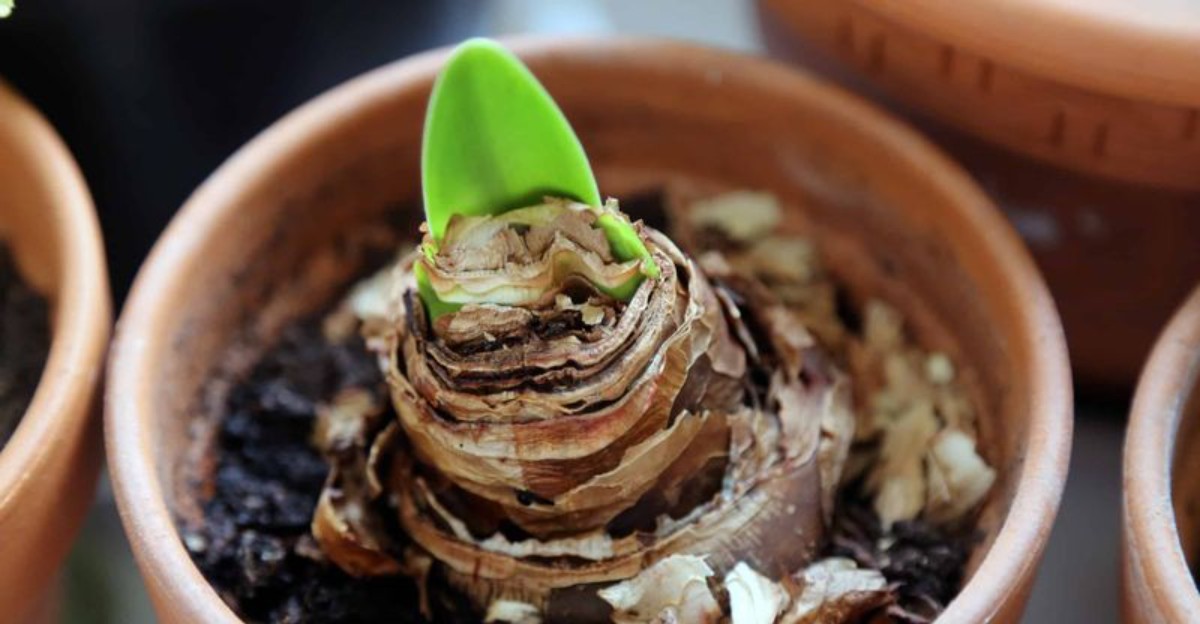
Some of the bulbs sold as holiday gifts can keep flowering for decades. A few gardeners report the same bulb reblooming for 20 years or more, handed down like a family recipe.
I’m not proud of this, but I once tossed one into the compost after its first show. I thought it was a one-and-done decoration, like a poinsettia bow or a candy cane.
Now it’s November, and maybe you saved yours. Maybe it’s sitting on a windowsill with long green leaves, or maybe it’s been snoozing in a closet since September.
Truth is, both paths can lead to big red trumpets again. The trick is knowing which path your bulb is already on, and what it needs from you this month. So which one is sitting in your house right now?
That Saved Amaryllis Bulb Is Sending You A Signal This November
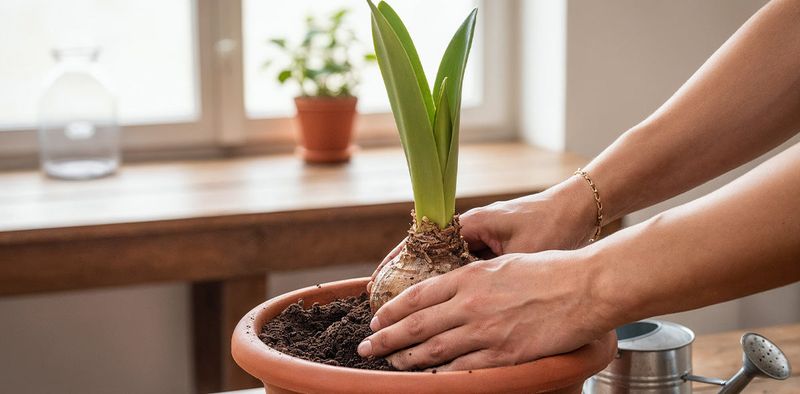
Take a good look at your bulb before you do anything else. Its leaves are basically a status report, and they tell you which choice makes sense this month.
Green, upright foliage means the plant is still in its growing phase. Those leaves are busy making food and packing it into the bulb for future flowers. Yellow, floppy, or already trimmed leaves mean the bulb has slipped into rest, or is heading there fast.
So the decision is less about what you want and more about where the bulb already stands. A plant that is still pushing green growth can’t be forced into a quick nap and expected to flower by Christmas. A bulb that has rested for eight weeks or more, on the other hand, is ready to wake up right now.
Fair warning, there’s no wrong answer here. Amaryllis, which botanists call Hippeastrum, comes from South American regions with wet and dry seasons. The bulb is built to pause and restart, so either path works.
Give the bulb a gentle squeeze too. A firm bulb is healthy and full of stored energy. A soft or mushy one likely has rot and probably won’t bloom well, whichever route you pick.
A Rested Amaryllis Bulb Can Wake Up In Time For Christmas
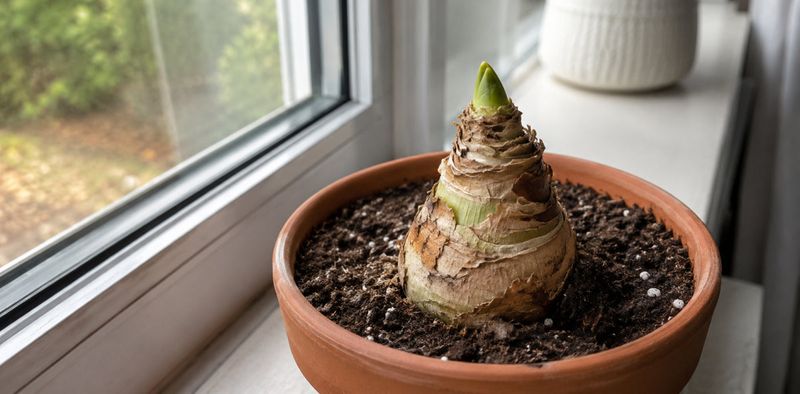
Mid-November is wake-up time. If your bulb has been resting in a cool, dark spot for about 8 to 12 weeks, it’s ready for its encore.
Start by checking the roots. Trim any that are mushy or hollow, but keep the plump, white ones. If the old soil looks tired, repot into a fresh, well-draining mix with the top third to half of the bulb sitting above the soil line.
Next, water once thoroughly and let the excess drain away. Then hold back. A dormant bulb has few active roots, so soggy soil invites rot before anything sprouts. Wait until you see a green tip poking out before watering on a regular schedule.
Place the pot somewhere warm, roughly 68 to 75 degrees Fahrenheit. Bottom warmth, like a spot near but not on a heat vent, often speeds things along. Bright light matters once growth starts.
Most bulbs bloom 6 to 10 weeks after restarting. That means a mid-November start may give you flowers right around the holidays, or just after New Year’s. Don’t sweat it if your timing slips a week or two. A January bloom brightens the gray days even more.
Still Green In November? Let Those Amaryllis Leaves Keep Working
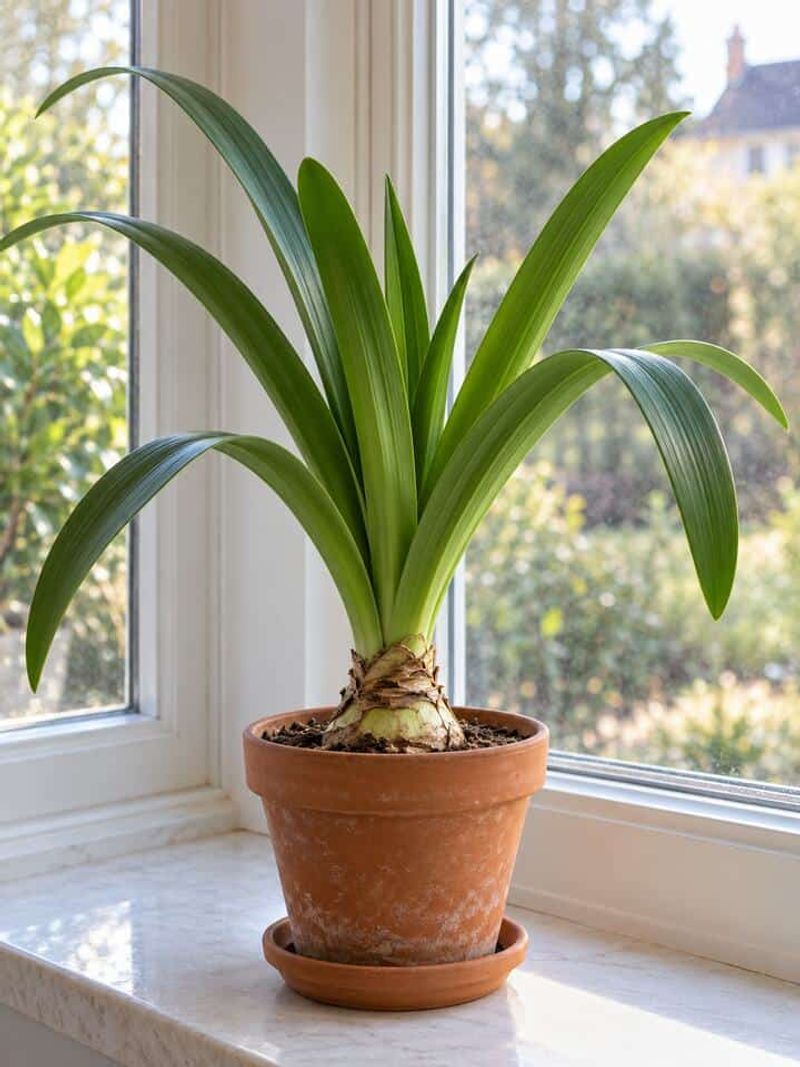
Call me stubborn, but I let one of my bulbs skip the closet nap completely one year. It stayed green on the windowsill all winter and bloomed the next spring like nothing was unusual.
Leafy bulbs in November are still recharging. Cutting healthy foliage now robs the bulb of energy it needs to form flower buds. University extension guides consistently recommend keeping the leaves as long as they stay green.
Keep the plant in the sunniest window you have. A south- or west-facing spot works well during short winter days. Water when the top inch or two of soil feels dry, and empty any saucer so roots don’t sit in water.
Feeding can continue lightly too. A balanced, water-soluble fertilizer every few weeks keeps the leaves productive while they’re growing actively.
The tradeoff is timing. Without a planned rest, the bulb flowers on its own schedule, often in late winter or spring. You give up the Christmas deadline, but you gain a stronger bulb and a surprise bloom when you least expect it.
Many gardeners in warmer zones prefer this route anyway. It feels more natural and asks less of you.
Your Bulb Rest Spot Needs To Stay Cool, Dark, And Dry
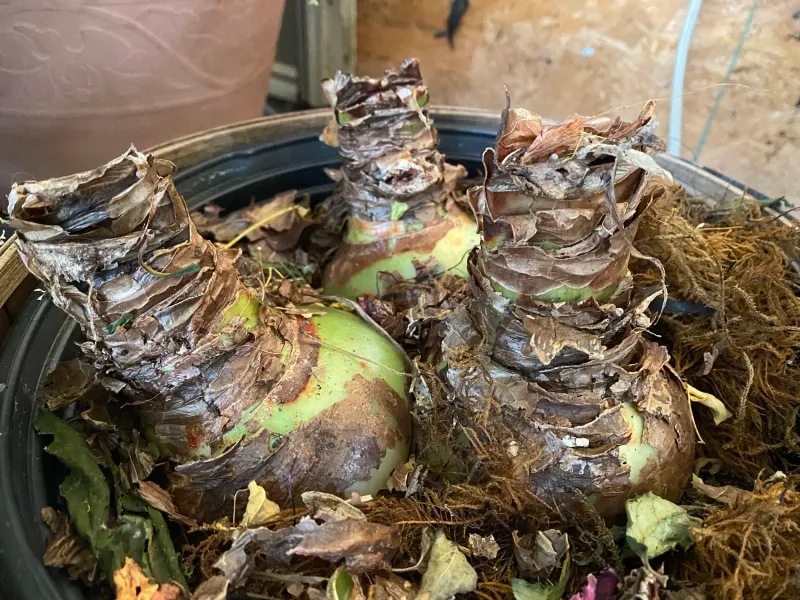
Not every basement makes a good bedroom for bulbs. Amaryllis rest best around 50 to 60 degrees Fahrenheit, somewhere dark and dry.
An unheated spare room, a cool closet, or a basement shelf usually fits the bill. A garage can work in mild climates, but freezing temperatures will harm the bulb. In northern states, garages often dip too low by late fall.
Before storing, let the leaves yellow and then cut them back to an inch or two above the bulb. Stop watering during rest. The bulb lives off its own stored food, so extra moisture only raises the risk of rot.
One odd tip surprised me. Keep resting bulbs away from ripening fruit like apples. Fruit gives off ethylene gas, which may damage the flower buds forming inside the bulb.
Plan for at least 8 weeks of rest, with 10 to 12 weeks being common. If you started the nap in September, your bulb should be ready to wake in November or early December.
Peek at it now and then. A new flower stalk sometimes shows up early, which is a clear sign the bulb is ready to come out of storage.
Amaryllis Bulbs Love A Snug Pot More Than A Roomy One
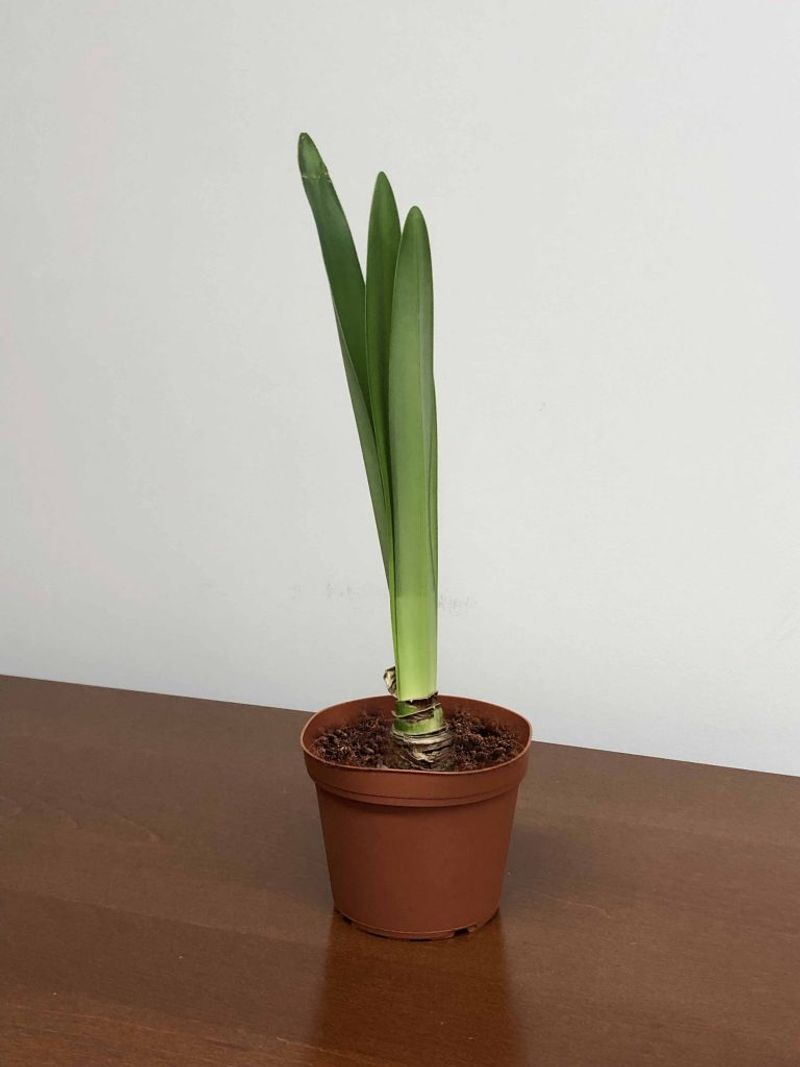
Here’s one that sounds backward. Amaryllis bulbs prefer cramped quarters, and a too-big pot can actually slow down flowering.
Aim for a container only about one to two inches wider than the bulb on all sides. Extra soil holds extra water, and that soggy zone around the roots becomes trouble fast. Heavy clay or ceramic pots also help keep tall flower stalks from tipping over.
Drainage holes are a must. Skip pots without them, no matter how pretty they look. If you love a decorative cover, slip a plain pot inside and pour out any water that collects.
Use a light, well-draining potting mix rather than garden soil. Garden soil packs down in containers and stays wet too long.
Plant the bulb so its shoulders show above the soil. About one-third to one-half should sit exposed. Burying it deeply invites rot at the neck.
You don’t need to repot every year. Amaryllis can stay in the same pot for three or four years, with just a refresh of the top inch or so of soil. Repot when roots crowd the bottom or the soil breaks down.
Floppy Amaryllis Stalks Usually Point To Too Little Light
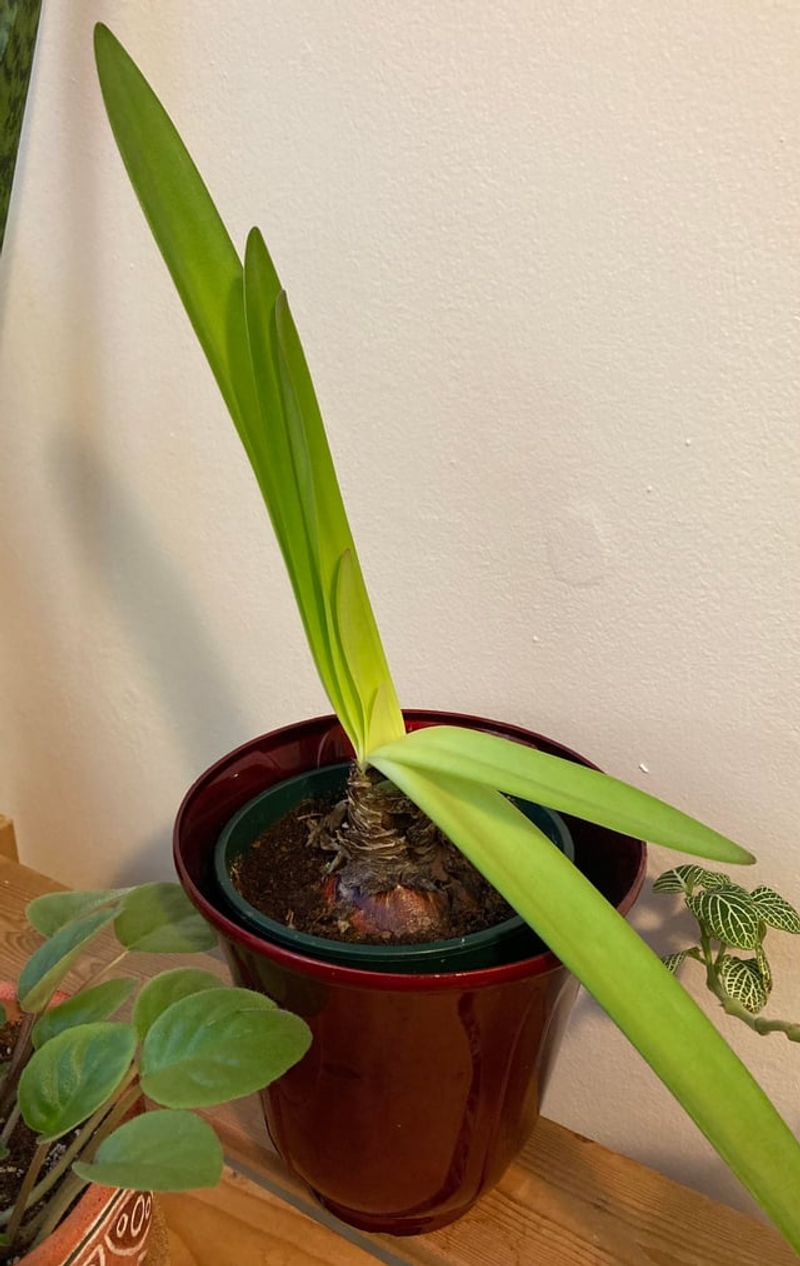
I learned the hard way that a dim corner leads to a leaning tower. My first restarted bulb grew a pale stalk that bent toward the window like it was reaching for a cookie jar.
Stems stretch when light is weak. Once a bud stalk appears, move the pot to your brightest spot and give it a quarter turn every couple of days. Rotating keeps the stalk straight instead of curving.
Warm rooms speed growth, but too much warmth can also make stalks thin and tall. Once buds show color, a slightly cooler spot around 65 degrees helps the flowers last longer.
Big blooms are top-heavy. A thin bamboo stake slipped beside the bulb, with a soft tie, prevents snapping. Push the stake in carefully so you don’t spear the bulb.
Overwatering is the other main troublemaker. Yellowing at the base, a sour smell, or a soft neck often mean rot. Let soil dry slightly between waterings.
Keep pets in mind as well. Amaryllis bulbs and leaves are toxic to cats and dogs, according to the ASPCA. Place the pot where curious noses and paws can’t reach it.
After The Flowers Fade, Amaryllis Leaves Fuel Next Year
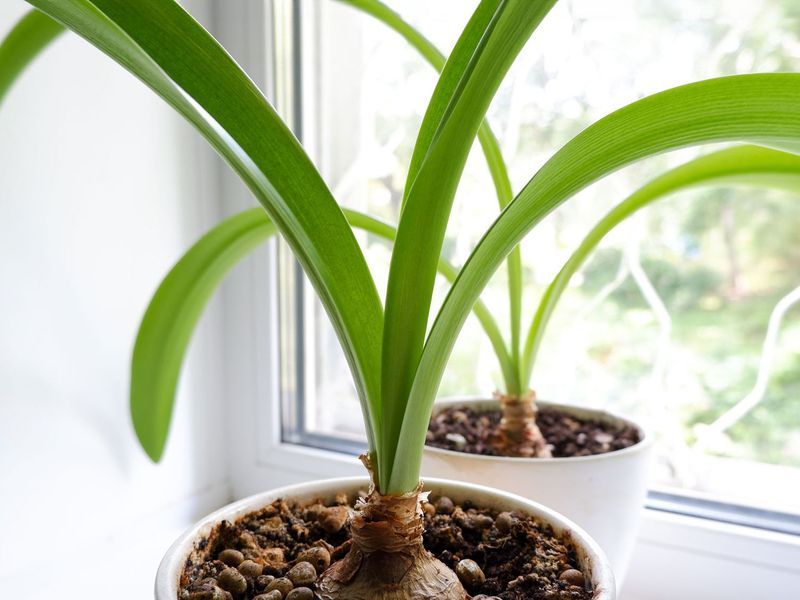
The show isn’t over when the petals droop. Honestly, the most important work for next year’s flowers starts right after this year’s bloom ends.
Snip off faded flowers so the plant doesn’t spend energy making seeds. Once the stalk yellows, cut it near the top of the bulb. Leave every green leaf in place.
Through late winter and spring, treat the plant like any sunny houseplant. Water when the top of the soil dries, and feed every two to four weeks with a balanced fertilizer.
After your last frost date, many gardeners move pots outside. Ease them into the sun over a week or so to avoid leaf scorch. Summer outdoors gives the bulb loads of light, which helps it bulk up.
Gardeners in USDA zones 8 through 10 can even plant bulbs in the ground. In much of Florida, Texas, and the Gulf Coast, amaryllis often blooms outdoors in spring.
Bring potted bulbs back indoors before night temperatures drop below 50 degrees. That timing usually lands in late summer or early fall, right when you choose again between resting and growing.
One Amaryllis Bulb Can Bloom For Years With A Simple Yearly Routine
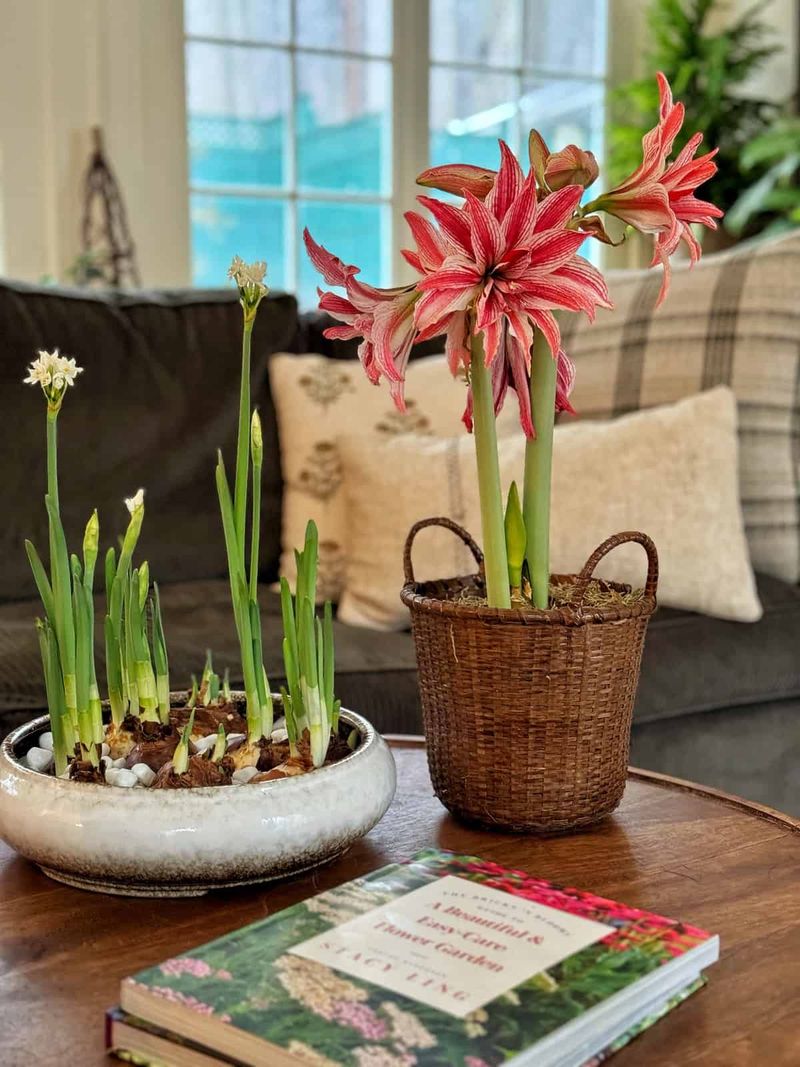
Some gardeners keep the same amaryllis going for decades. With steady care, a single bulb often reblooms for many years, and it frequently grows bigger and sends up more stalks over time.
The yearly rhythm is simple once you see it. Bloom in winter, grow leaves through spring and summer, rest for a couple of months in fall, then wake up again. Skip the rest if you’d rather, and the bulb will set its own calendar.
A healthy bulb also makes offsets, the little baby bulbs that form along its side. Leave them attached for a bigger display, or separate them when repotting once they’re about a third the size of the parent.
Keep a quick note on your phone with the date you started the rest and the date you woke the bulb. After one season, you’ll know exactly how long your bulb needs to flower on cue.
So check those leaves this week. Green means keep growing, and rested means wake it up. Either way, your saved bulb has a lot more flowers left in it than most people ever guess.