Why Monarch Butterflies Are Still Visiting Some California Yards In November
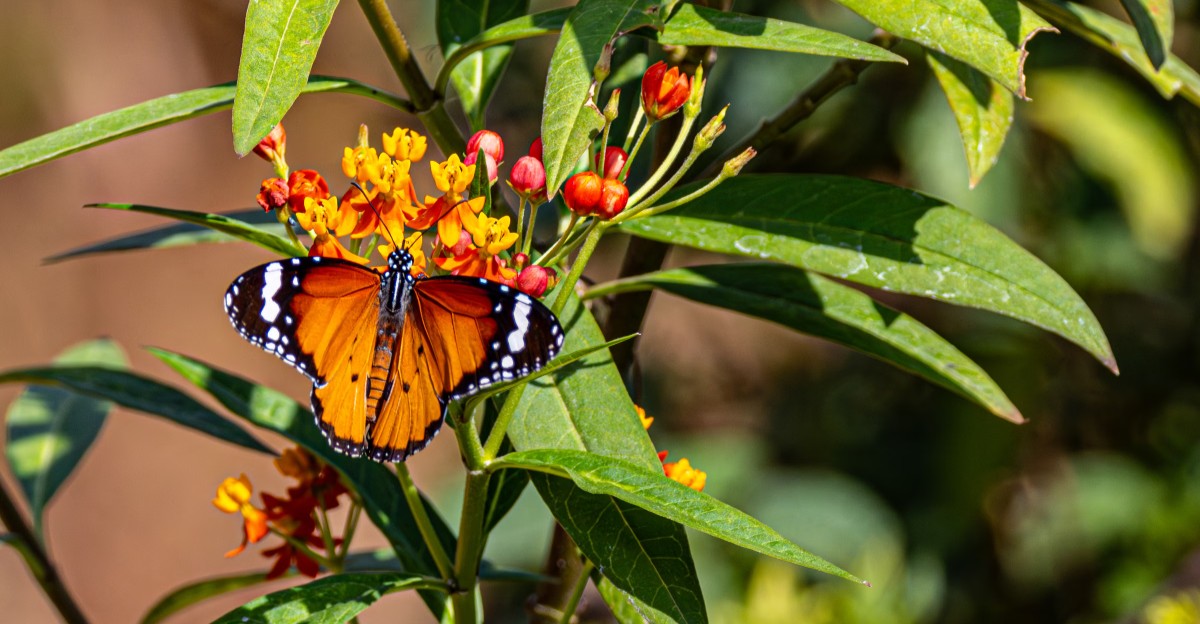
Orange-and-black butterflies born in late summer can live six to nine months, while earlier generations often last only a few weeks. Researchers call that long-lived group the super generation, since it holds off on breeding to survive the cool season.
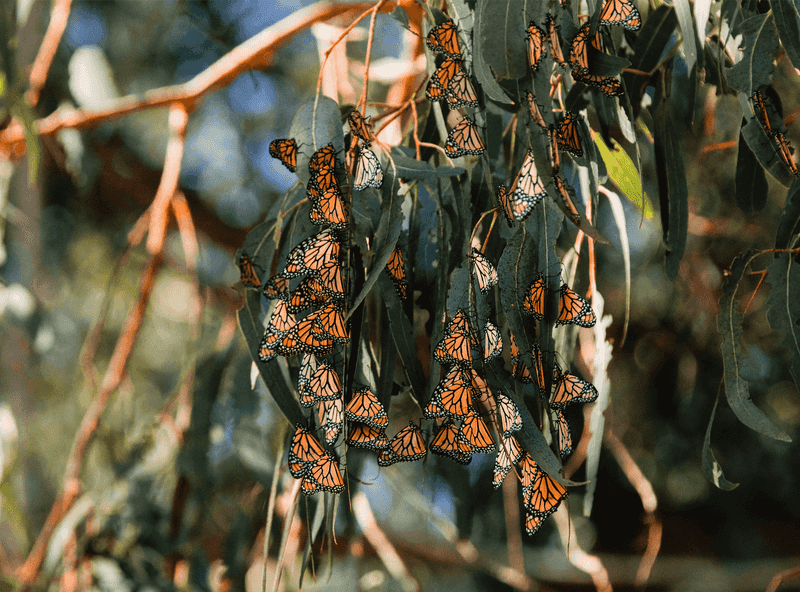
November is peak viewing time at coastal winter groves, where clusters can look like dangling orange curtains. On sunny afternoons above roughly the mid-fifties, some drift out to sip nectar in nearby California yards.
I’ll never forget watching one bask on my sunny garden wall, wings spread open like a little stained glass window. You might notice them doing the same on chilly mornings, soaking up warmth before taking off.
Plenty of yards still offer a surprising late-season buffet, even when summer flowers have mostly faded. A few scruffy-looking native shrubs and late bloomers could turn your garden into a favorite winter fuel stop.
1. Coastal Groves Are Their Winter Home Base
Late fall is actually prime time for monarchs along the Pacific coast, so seeing one nearby is often normal. Western monarchs usually arrive at their coastal winter groves in October and stay until roughly early February.
Groves of Monterey pine, Monterey cypress, and eucalyptus give them shelter from wind and chilly overnight temperatures. Scientists consider November a peak viewing month, when clusters can look like dangling orange curtains on sunny afternoons.
Personally, I love how a warm afternoon wakes them up and sends them drifting out to look for a drink. Butterflies from those groves may wander into nearby yards when the sun heats the air above about fifty-five degrees.
Your yard does not need to sit right beside a grove to catch a passing traveler on a bright day. Homes within a few miles of the coast have the best odds, especially when flowers are blooming close by.
Western monarchs travel shorter distances than the famous eastern monarchs that fly all the way down into central Mexico. Many leave breeding areas across western states and reach the coast after weeks of steady, wind-assisted flying.
You can visit public groves like Pismo Beach or Pacific Grove to see clusters up close during the season. Keep your voice low and stay on paths, since disturbing roosting butterflies wastes their precious stored energy.
2. The Super Generation Monarch Lives For Months
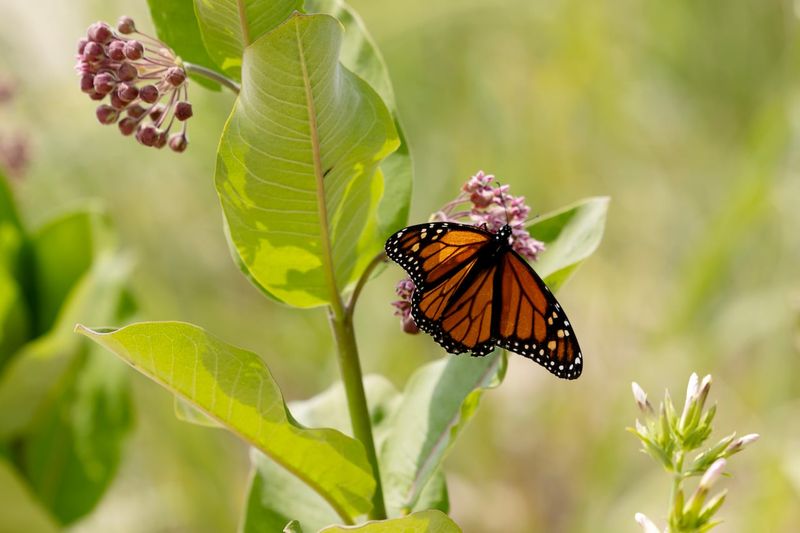
Most summer monarchs live only a few weeks, yet the fall travelers can survive six to nine months instead. Researchers sometimes call this long-lived group the super generation, and the nickname feels well earned to me.
These butterflies hold off on breeding through the cooler months, a resting state that scientists describe with the word diapause. Saving energy lets them survive winter and then start laying eggs once spring warms the inland valleys again.
So that monarch drifting past your fence might have hatched somewhere far inland back in late summer. I can’t imagine flying that far on wings thinner than paper, then still having enough energy left to explore gardens.
Long lives mean these butterflies need regular fuel, especially on mild days when they become active and burn calories. A yard with steady blooms can act like a roadside snack stop, helping them keep enough fat stored.
You can tell a migrant apart sometimes by its behavior, since it mostly sips nectar instead of searching for leaves. Female migrants usually skip laying eggs right now, so lots of nectar visits without egg laying is a hopeful sign.
Watch on warm afternoons between roughly eleven and three, because that window often brings the most butterfly movement. Keep a small notebook handy, since tracking dates and temperatures turns casual watching into a fun backyard science project.
3. Year Round Monarchs Now Breed In Mild Cities
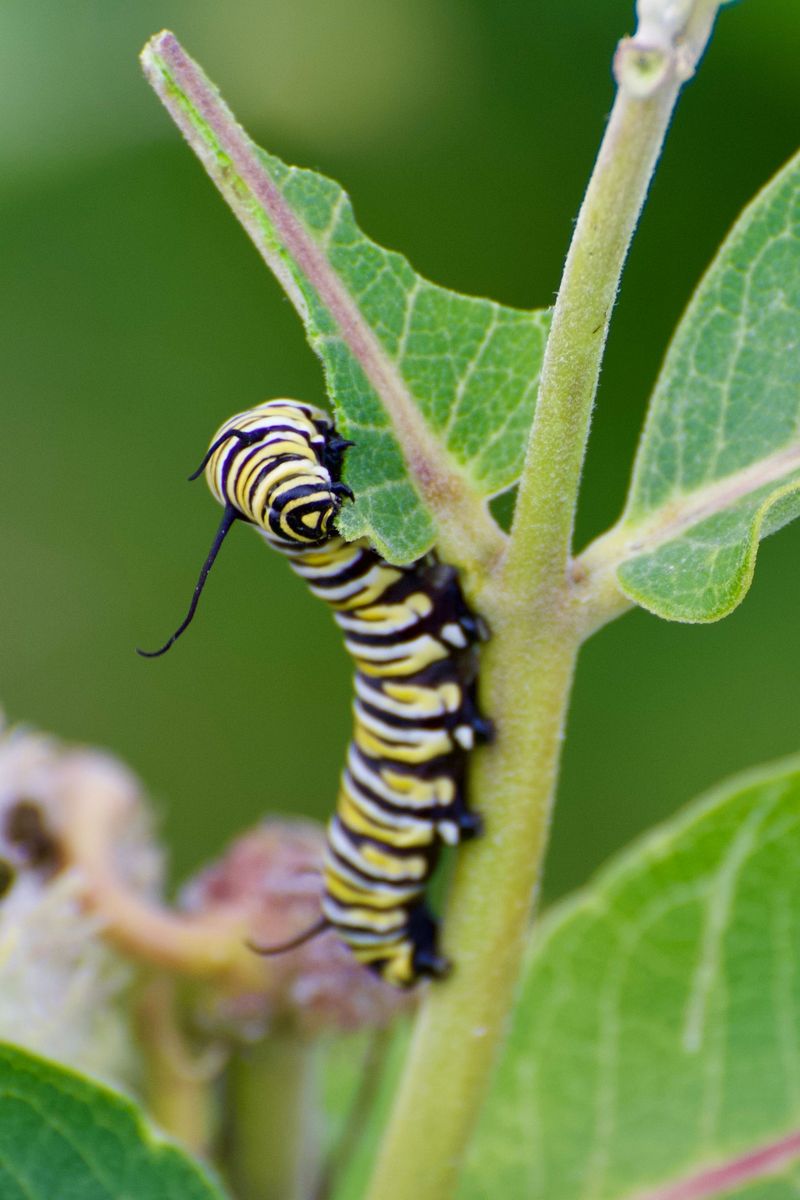
Finding a striped caterpillar munching in your garden late in the year can feel like a happy little mystery. Many experts now report resident monarchs in parts of Southern California and the San Francisco Bay Area.
Resident butterflies skip migration and keep breeding through winter, as long as host plants and warm days stick around. Scientists have tracked these year-round groups growing in mild urban areas over roughly the past decade or so.
Honestly, I felt thrilled the first time I spotted eggs in late fall, until I learned the bigger story behind them. Year-round breeding can look cheerful, yet many researchers worry it may weaken migration habits over time for some monarchs.
City gardens stay warm thanks to pavement, buildings, and irrigation, which can create cozy pockets for butterflies to keep reproducing. That makes urban yards feel like summer camp long after the inland hillsides have turned cold and quiet.
You can help scientists learn more by reporting caterpillars, chrysalises, and adults through tools like iNaturalist or the Western Monarch Milkweed Mapper. Your photos add real data showing where resident monarchs appear and how their numbers change across different seasons.
Take clear pictures of the top and underside of wings, plus a shot of the plant it rests on. Adding the date and rough location helps researchers compare backyard sightings with overwintering counts each year.
4. Tropical Milkweed Keeps The Breeding Going
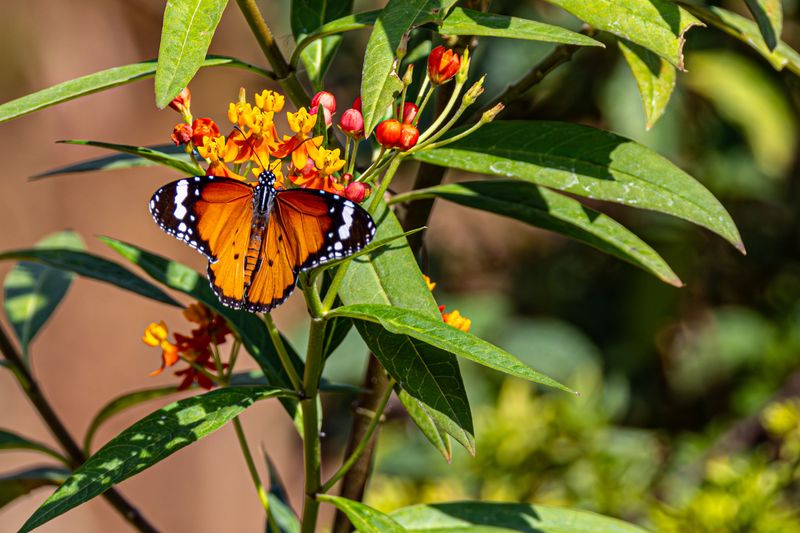
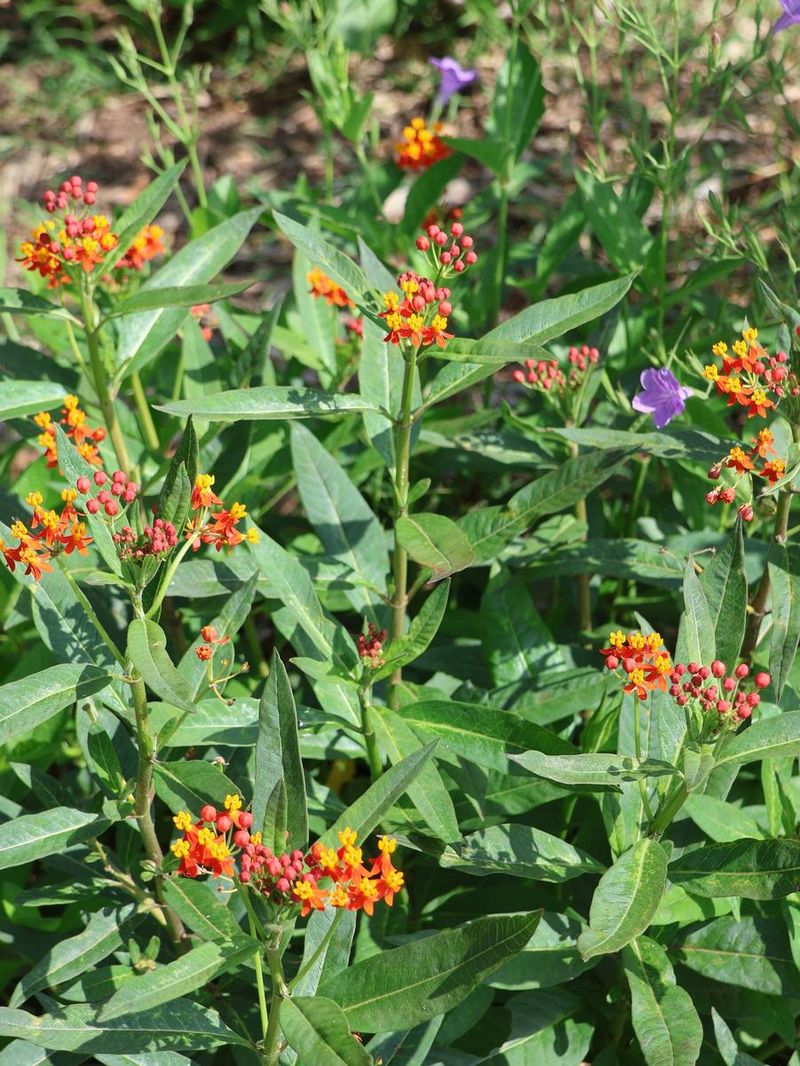
Bright red and orange flowers on tropical milkweed look festive, but they are a big reason monarchs linger here. Known as Asclepias curassavica, this nonnative plant often keeps its leaves through winter in the mild coastal climate.
Monarch caterpillars only eat milkweed, so evergreen leaves give females a reason to keep laying eggs instead of resting. Experts say this can interrupt the normal winter break and may confuse the instinct to migrate or cluster.
Personally, I pulled mine after learning this, even though I loved watching caterpillars on it every single fall season. You need to know it also tends to build up a harmful parasite on its leaves over many months.
The Xerces Society recommends avoiding this plant, especially within five miles of the coast or near overwintering groves. Gardeners who already have it can cut it back to roughly six inches tall right around this time.
Cutting it back mimics natural dormancy and removes leaves that may carry parasite spores from earlier generations of caterpillars. Repeat trimming as new growth appears through winter, since tropical milkweed often bounces back quickly after a haircut.
Bag the trimmed leaves instead of composting them, since spores can stick around on old foliage for a while. Over time, replacing tropical milkweed with native species gives monarchs better habits along with healthier hosts in spring.
5. A Tiny Parasite Spreads On Evergreen Milkweed
A microscopic parasite called Ophryocystis elektroscirrha, usually shortened to OE, quietly rides along on many monarch butterflies. Infected adults shed spores onto milkweed leaves, and hungry caterpillars swallow them while eating their only food.
Heavily infected monarchs may emerge weak, with crumpled wings or less strength for flying long distances. Researchers have found higher OE levels in resident monarchs breeding on tropical milkweed than in many migrating butterflies.
Plants that hold leaves for months give spores more time to build up, generation after generation in one patch. Native milkweeds go dormant in winter, so their old leaves disappear and the cycle naturally resets each year.
I find it fascinating how one tiny organism can shape the habits of such a big, bold-colored insect. You can lower parasite risk by planting native milkweed and trimming any tropical plants during the colder months.
Some gardeners raise caterpillars indoors, but crowded containers can spread OE quickly between larvae sharing the same space. Most monarch groups suggest letting caterpillars grow outdoors naturally, rather than collecting large numbers to raise inside.
If you spot a monarch struggling to open its wings, resist the urge to repair or handle it roughly. Gently moving it onto a nearby flower in sunlight is often the kindest choice for a weak butterfly.
6. Warmer Winter Days Keep Butterflies Flying
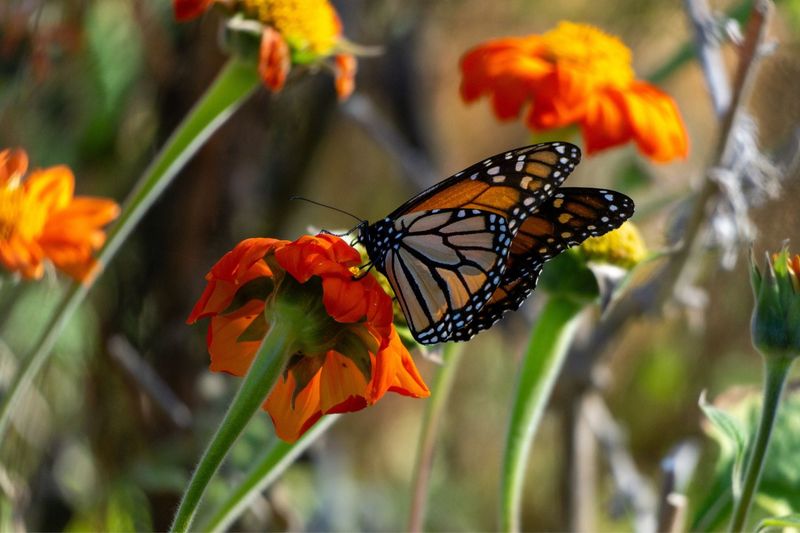
Monarchs are cold-blooded flyers, so a sunny seventy degree afternoon can feel like an open invitation to explore. Mild coastal and southern weather means plenty of flight days, even during weeks when other regions turn frosty.
Butterflies generally need air temperatures in the mid-fifties or warmer before flying comfortably without basking first. On cool mornings you might notice them spreading their wings toward the sun, soaking up warmth before taking off.
Some scientists suspect warmer, drier winters may be helping resident monarch groups establish in urban areas across the state. That idea still needs more study, so I treat it as a strong possibility rather than settled fact.
Shifting weather can also change when nectar plants bloom, which may affect how easily monarchs find food. A flower that opened later or earlier than usual might miss the butterflies that needed it most that week.
You can give monarchs sunny resting spots by keeping open, wind-sheltered areas near flowers in your garden layout. Flat stones, fences, or low shrubs facing south make handy warming stations on brisk late fall mornings.
Hedges or small trees on the windy side of a yard can also cut breezes that chill tiny bodies. Personally, I enjoy watching them bask along my sunny wall, wings open like little stained glass windows.
7. Late Blooming Native Flowers Offer A Fall Buffet
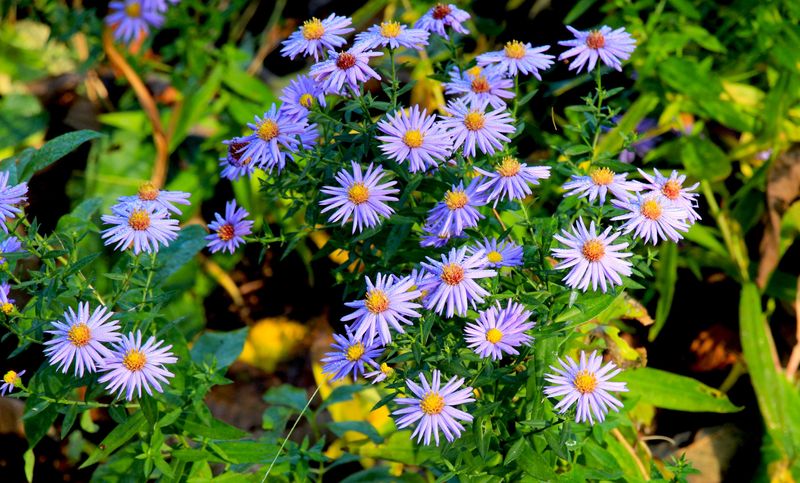
Nectar is the real magnet pulling adult monarchs into gardens, since grown butterflies eat a wide variety of flowers. Many native plants bloom late in the year, giving hungry travelers fuel when summer gardens have mostly faded.
California goldenrod, Solidago velutina subspecies californica, holds yellow plumes that attract lots of pollinators during autumn. Pacific aster and sand aster add soft lavender blossoms that monarchs and smaller butterflies often visit on warm afternoons.
California bush sunflower often reblooms with winter rains in southern coastal gardens, offering sunny yellow petals when few others flower. Coyote brush is easy to overlook, yet female plants produce fuzzy fall blooms that buzz with insect visitors.
I love how a scruffy-looking native shrub can suddenly become the busiest spot in the whole yard. You don’t need a huge space, because even a small cluster of late bloomers can catch passing butterflies.
Plant several kinds with staggered bloom times so something offers nectar from fall through early spring each year. Fall is an excellent planting season here, since cooler weather and winter rains help young roots settle in.
Group the same flowers together in patches, because butterflies find big splashes of color easier than scattered single plants. Water new plantings deeply but not too often, then reduce watering once roots establish over the first year.
8. Manzanita And Salvia Fill Winter Nectar Gaps
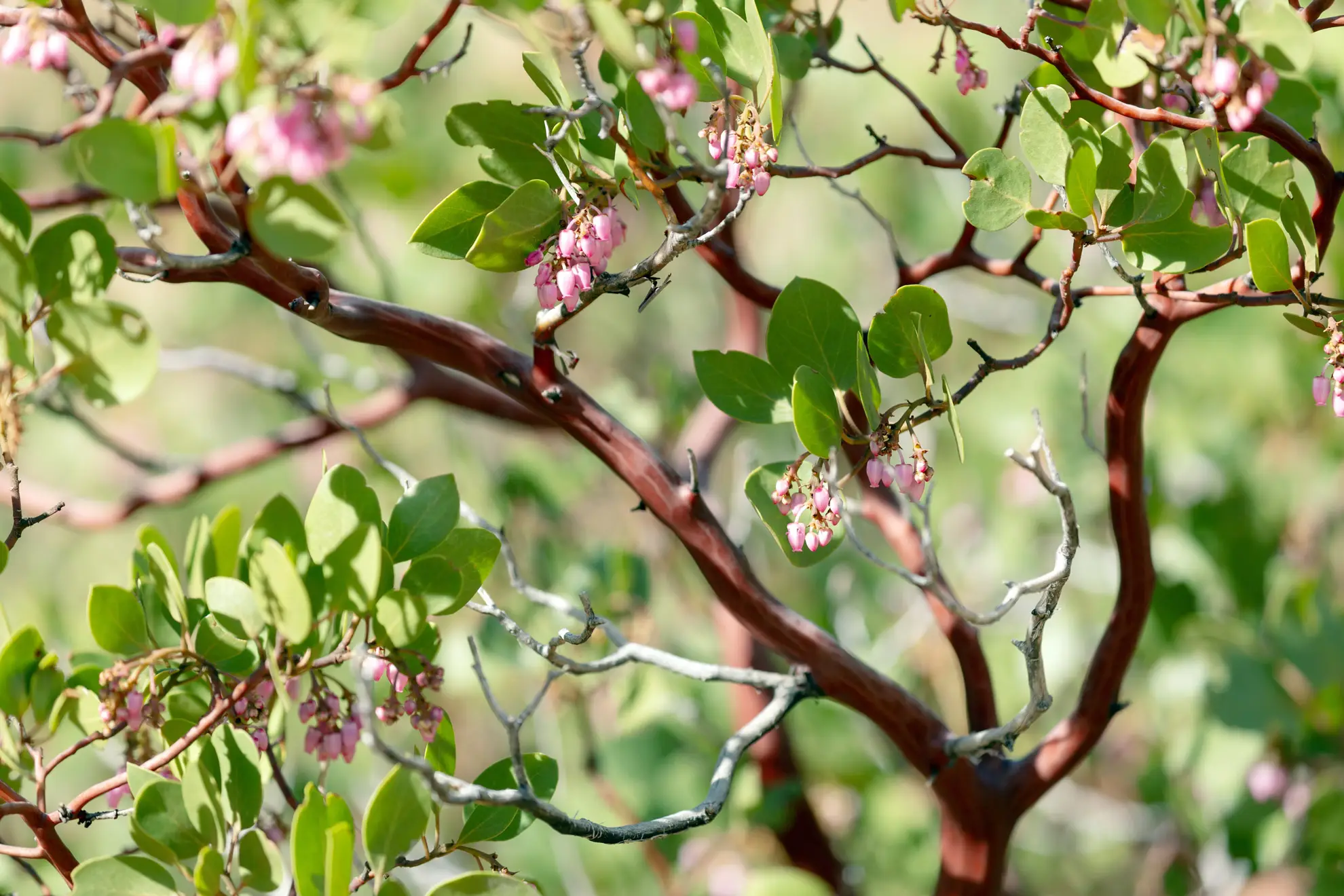
Tiny pink bells dangling from twisting red branches make manzanita one of my favorite sights in a cool-season garden. Many Arctostaphylos species start blooming in winter, giving early nectar when monarchs leave groves on warm days.
Bees usually crowd these little bells, yet butterflies visit too when temperatures climb enough for comfortable flying. Manzanitas mostly prefer good drainage and little summer water once established, so avoid planting them in soggy soil.
Native salvias offer another helpful option, and several types can bloom over a long stretch in mild areas. Cleveland sage and hummingbird sage are popular choices, though bloom timing varies with region, rainfall, and garden care.
I have to admit salvia leaves are half the joy for me, since brushing past them releases a wonderful scent. You’ll also attract hummingbirds, which makes a quiet winter morning feel surprisingly lively out by the garden path.
Goldenbush species, known as Ericameria, are another dependable late bloomer for dry, sunny yards near the coast. Their bright yellow flowers often appear in fall, filling the stretch between summer flowers and early spring color.
Choose plants suited to your specific region, since coastal fog belts and hot inland valleys behave very differently. Local native plant nurseries can point you toward varieties that grow well in your particular soil and sunlight.