The Thanksgiving Kitchen Scraps Michigan Gardeners Can Compost and the Ones to Toss
Cranberries actually bounce, thanks to tiny air pockets tucked inside each shiny red berry on your holiday table. Those same leftover berries can quietly turn into rich, crumbly soil for next spring in a Michigan garden.
Your holiday kitchen produces a surprising mountain of peels and trimmings in just one busy afternoon of cooking. Some of those scraps help a backyard pile, while others invite raccoons and bad smells straight to your door.
Personally, I love how a cold November pile still keeps working when you feed it the right stuff. Michigan winters slow things down, yet the microbes pick right back up once the snow starts melting away.
I have to admit that I once tossed a turkey carcass into my bin and regretted it for weeks.
1. Pumpkin Chunks And Squash Peels Belong In The Pile
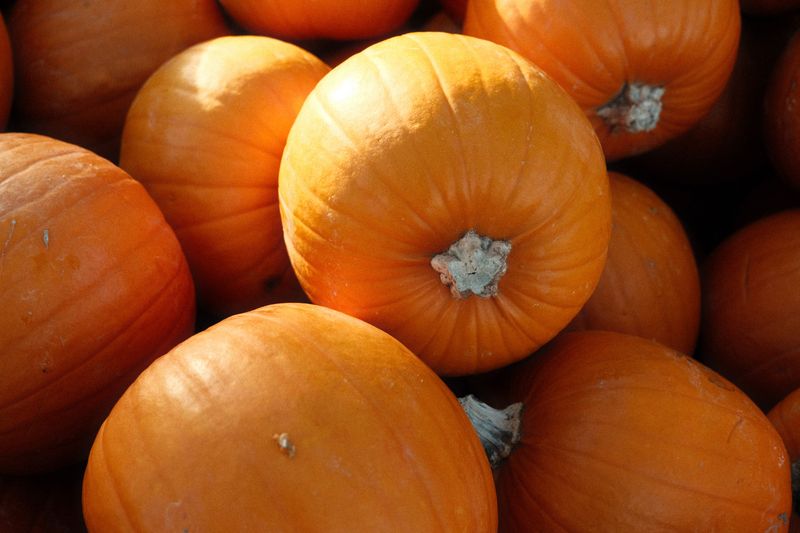
That jack-o’-lantern slumped on your porch is basically a giant water balloon of compost food waiting for a purpose. Pumpkins are mostly water, so they soften fast and break down quicker than you might expect in a pile.
I like to smash old pumpkins into chunks with a shovel before tossing them into the bin. Smaller pieces give hungry microbes more surface to chew on, which speeds the whole process along very nicely.
Squash peels from your holiday pie prep and leftover decorative gourds can join the pumpkin pieces too. Pull off any candle wax or glitter first, since those extras will not break down in your backyard pile.
Seeds deserve a quick thought before they go in, because volunteer pumpkin vines may sprout next summer. Roast the seeds for a snack instead, or accept a few surprise seedlings popping up in your garden.
Wet pumpkin flesh counts as a green, so balance it with plenty of dry leaves from your yard. Michigan State University Extension suggests mixing greens with browns to keep a pile healthy and less smelly.
Bury the chunks under a thick layer of leaves to discourage squirrels and curious raccoons from digging around. A covered pile also holds heat better as the late fall nights turn frosty and long.
You might notice the pumpkin pieces turn mushy within weeks, even when the air outside feels quite chilly. By spring, most of that orange mass will have melted into dark, earthy compost for your beds.
2. Potato And Sweet Potato Peels Feed Your Compost
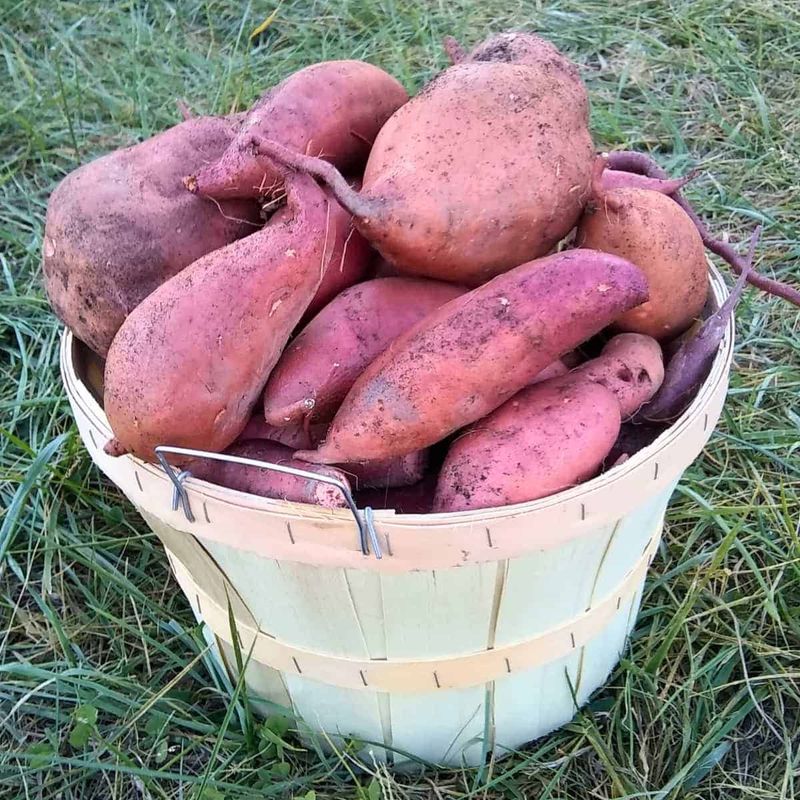
Mashed potato day leaves a mountain of peels on the counter, and every curly strip can feed your pile. Potato and sweet potato skins are plant scraps, so they rot down nicely alongside other vegetable trimmings.
Personally, I keep a lidded bucket by the sink so peels stay tidy and off the cutting board. Empty it every day or two, and your kitchen will stay fresh through the whole holiday rush.
Potato peels with little eyes attached can sprout in a cool pile, which surprises plenty of first-time composters. Burying them deep inside the warm center of your pile usually helps reduce those unexpected leafy volunteers later.
Raw peels work best, so scrape them straight off the cutting board before any butter touches the potatoes. Once peels get mixed with butter or gravy, they belong in the trash rather than your backyard bin.
Carrot tops and celery bottoms can ride along in the same bucket with all those potato peels. Chopping bigger chunks into smaller bits helps everything break down faster once the cooler weather settles in.
Peels are wet greens, so toss a generous handful of shredded leaves or paper over each new layer. A ratio of roughly two or three parts browns to one part greens keeps things balanced and sweet.
I can’t imagine a more satisfying swap than turning holiday peels into food for next year’s potato patch. Your garden soil will thank you with better structure and more moisture held around the roots.
3. Onion Skins And Garlic Scraps Go In Small Doses
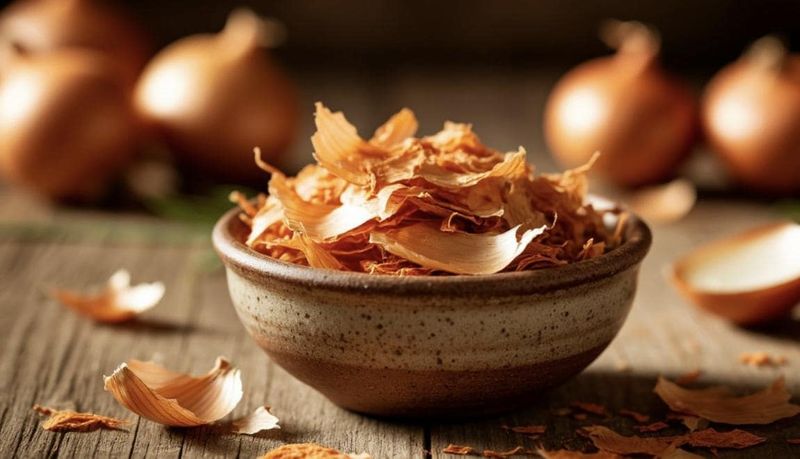
Papery onion skins rustle like dry leaves, and they pile up fast when you chop onions for stuffing. Onion and garlic scraps are compostable, though they work best when you add them in modest amounts.
Some gardeners worry these scraps harm worms, but the bigger concern in an outdoor pile is mostly odor. A big heap of onion trimmings can smell strong for a while, especially in a small backyard bin.
I love how the dry outer skins act a bit like brown material, adding some balance to wet scraps. The juicy inner layers and root ends count as greens, so mix them with leaves before burying.
Bury onion and garlic bits deep in the center, where heat and microbes can work on them quickly. A thick layer of leaves on top helps trap smells and keeps the surface of your pile tidy.
Worm bins are a different story, since many composting worms seem to avoid strong onion and garlic scraps. If you run an indoor worm bin this winter, send those scraps outside to the regular pile instead.
Whole garlic cloves can sprout in a cool pile, much like sprouting potatoes, so chop them before adding. Leftover sprouted bulbs from the pantry also break down well once you slice them into smaller pieces.
You might notice the papery skins linger longer than softer scraps, which is perfectly normal for dry material. Give them a few extra months, and they will vanish into the crumbly mix by late spring.
4. Crushed Eggshells Add Calcium To Compost
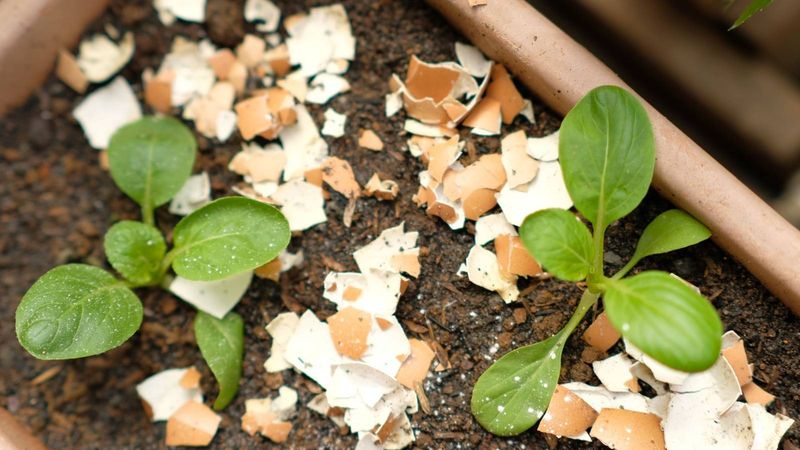
Holiday baking can easily burn through two dozen eggs, leaving a crunchy pile of shells beside the mixing bowl. Those shells are mostly calcium carbonate, a mineral that slowly adds a touch of calcium to finished compost.
Rinse the shells first to wash away leftover egg white, which can attract pests and create unpleasant smells. A quick splash under the tap takes seconds and makes a real difference in a backyard bin.
Personally, I let rinsed shells dry on a tray near the oven before crushing them into small pieces. Dry shells crumble easily in your hand, and smaller fragments break down much faster than whole halves.
Eggshells break down slowly, so you might spot little white flecks in your compost months after adding them. That is no cause for worry, since those fragments keep softening in the soil after you spread them.
Some people grind shells into a powder with an old coffee grinder for even quicker results in the pile. Powdered shells mix in easily and seem to disappear far sooner than large chunky pieces from the bowl.
Shells from hard-boiled deviled eggs work too, as long as you brush off any mayonnaise or filling first. The creamy filling contains oil and egg yolk, and both of those belong in the trash instead.
I believe eggshells are one of the easiest holiday scraps to recycle, since they rarely cause any trouble. Keep a small container by the stove, and you will be surprised how quickly it fills up.
5. Coffee Grounds And Paper Filters Fuel Hungry Microbes
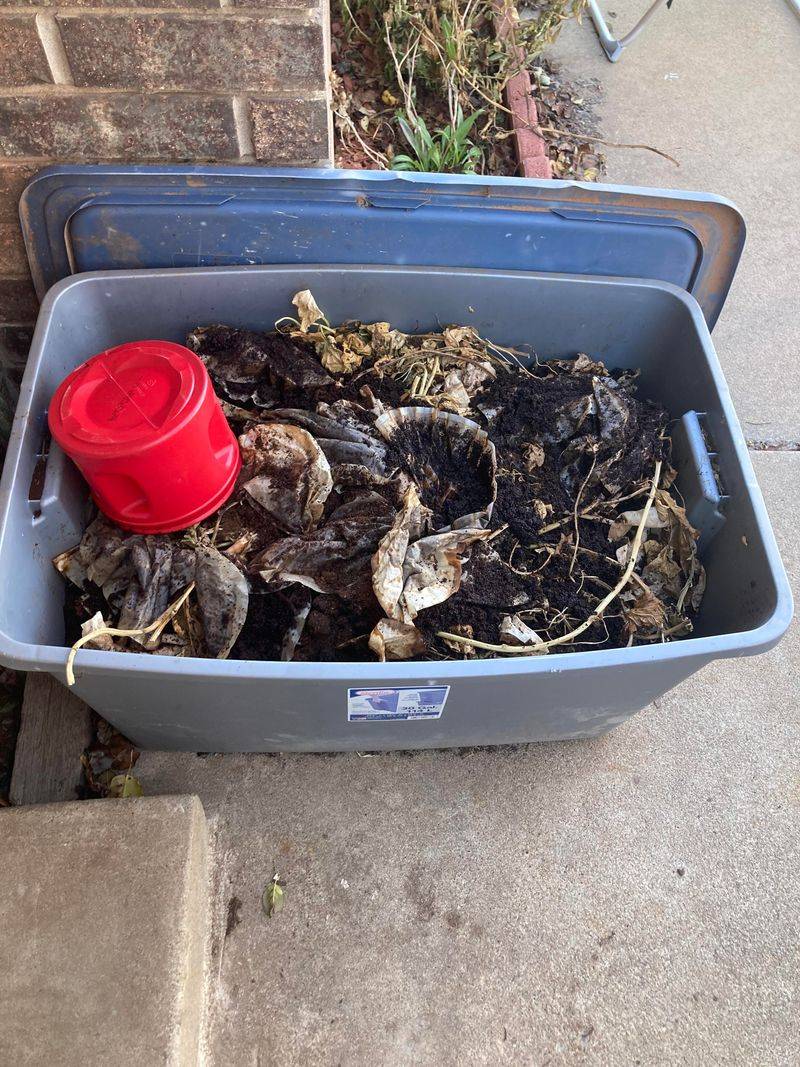
Holiday mornings run on coffee, and every pot leaves behind a damp, dark pile of grounds full of nitrogen. Coffee grounds count as greens in the compost world, even though they look brown sitting in the filter.
That color mix-up trips up many new composters, so remember that grounds feed microbes much like vegetable scraps. Pair them with dry leaves or shredded cardboard to keep the pile from turning soggy and sour.
Paper coffee filters can go right in with the grounds, which saves you a messy step at the sink. Tear larger filters into strips so they soften and break apart faster in the cold weather.
Tea leaves are welcome too, but many tea bags contain plastic mesh that will not break down. Check the box, or simply tear open the bag and dump the loose leaves into your bin.
Single-serve coffee pods are another trap, since most contain plastic or aluminum that stays put for years. Some pods claim to be compostable, yet many only break down in large commercial facilities, not backyard piles.
I have to admit I love the earthy smell that rises when I dump fresh grounds into a cold pile. Spread them in thin layers rather than big clumps, since thick mats can stay wet and compacted.
Worm bins also enjoy coffee grounds in small amounts, making them a handy treat for indoor composting this winter. Just avoid dumping a whole party’s worth at once, which can overwhelm worms and upset the balance.
6. Fresh Cranberries And Herb Stems Break Down Fast
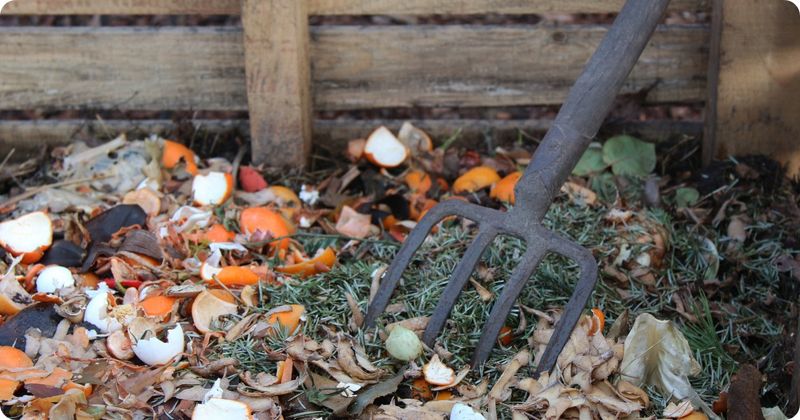
Fresh cranberries show up in stores right around Thanksgiving, and the extras rarely get finished before turning soft. Plain berries and wrinkly ones from the bottom of the bag can go straight into your compost pile.
Cranberries are a native North American fruit, and Michigan even has wild cranberry bogs in its wetlands. Your backyard pile treats them like any other fruit scrap, softening the tart berries within a few weeks.
Leftover cranberry sauce is a different matter, since the heavy sugar can attract fruit flies and wasps. Small spoonfuls buried deep usually cause no trouble, but large bowls of sauce belong in the trash.
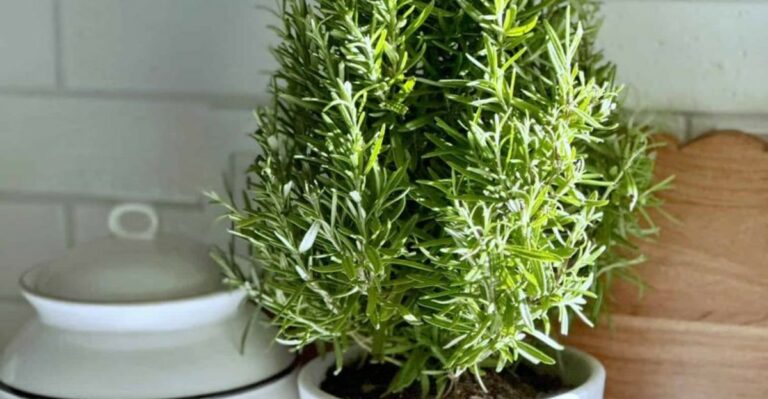
Herb stems from rosemary and sage pile up fast while you season the stuffing and roast the turkey. Those woody stems take a little longer to break down, so snip them into short pieces before adding.
I love how the kitchen smells when fresh herbs hit the counter, and the compost bin smells nicer too. Parsley stems and soft leafy trimmings break down faster than woody stems, often vanishing within a month.
Avoid adding herbs coated in butter or oil, since fats slow the process and tempt hungry critters nearby. Toss any trimmings that came straight off the roasting pan, because they likely picked up turkey drippings.
You might notice a few bright red berries hanging around for a while, thanks to their waxy skins. Give them a gentle smash with your shovel, and they will soften and blend into the pile sooner.
7. Plain Paper Napkins And Uncoated Plates Add Carbon
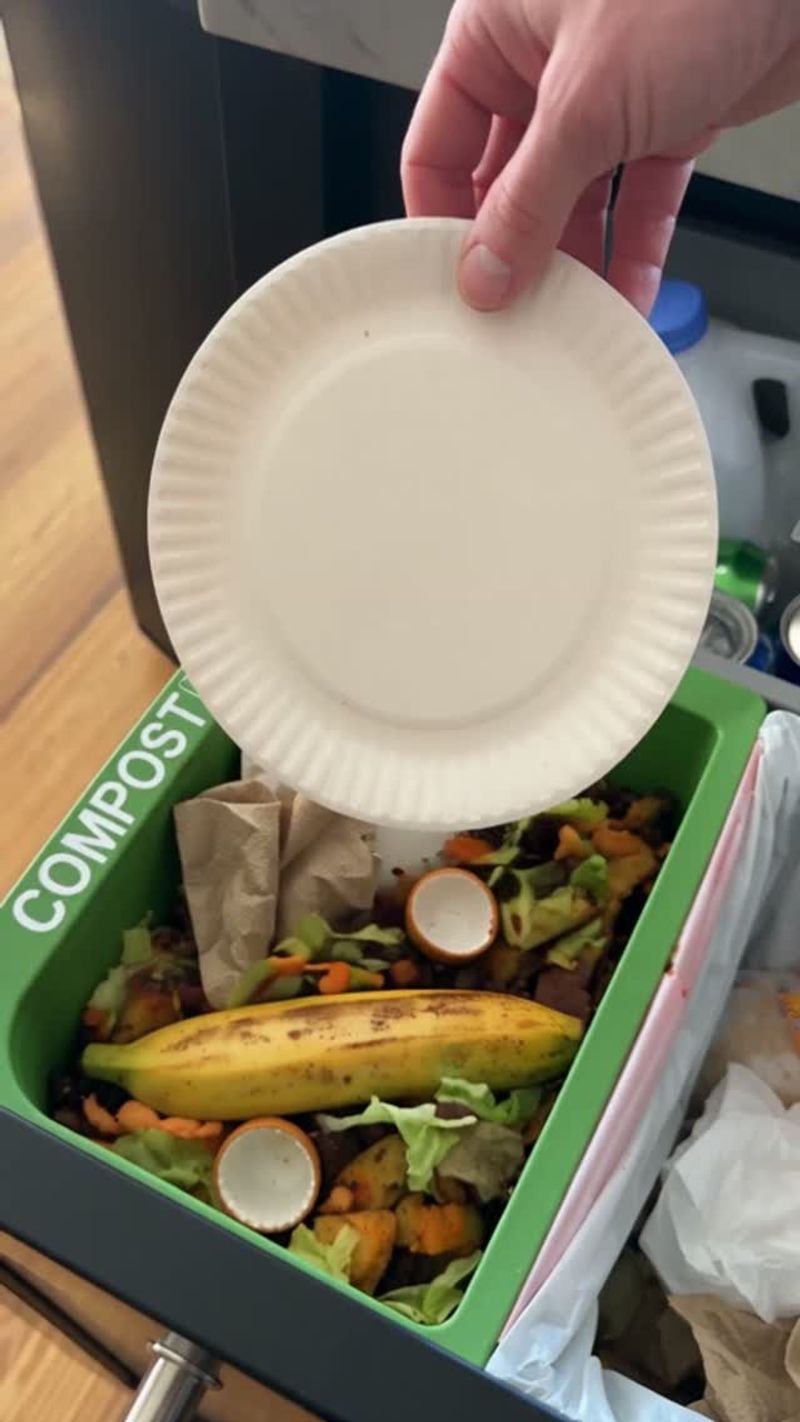
Thanksgiving dinner can leave a trash bag stuffed with paper napkins, and many of those belong in compost instead. Plain paper products count as browns, which balance all the wet vegetable scraps piling up in your bin.
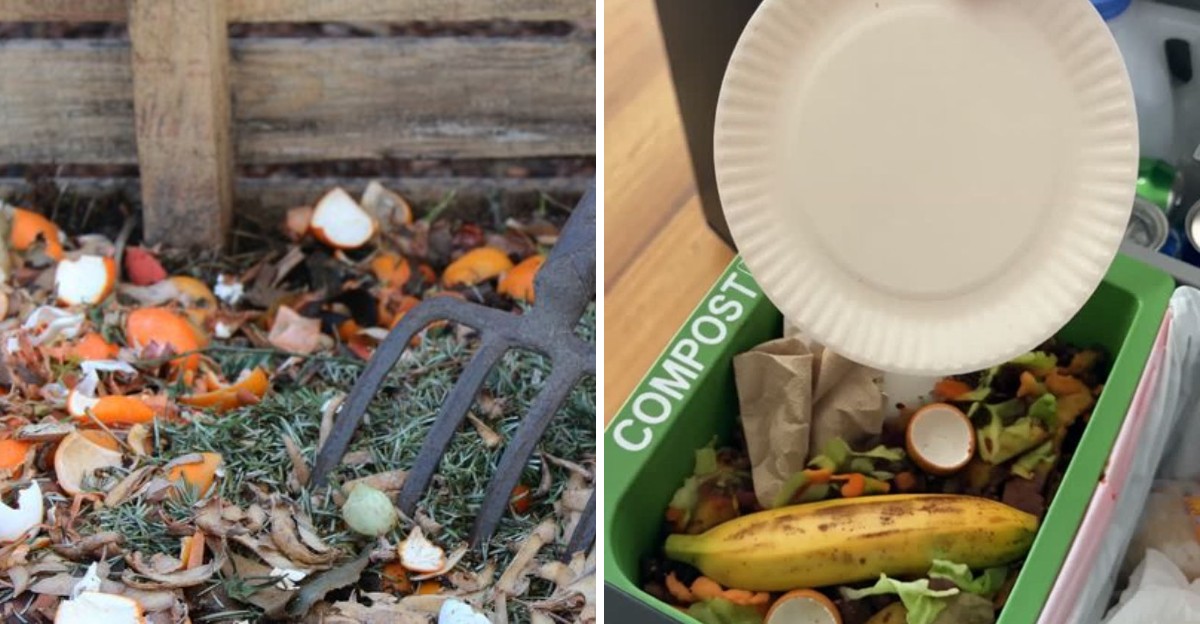
Uncoated paper plates and paper towels break down well, especially when you tear them into smaller pieces first. Plates with a shiny plastic or wax coating will not break down, so those still go in the trash.
Try a quick test by tearing a plate in half and checking for a thin plastic film along the edge. If you spot a film, skip it, since tiny plastic bits can end up scattered through your garden soil.
Napkins with a small smear of food are usually fine, but greasy wads soaked in drippings should go elsewhere. Heavy grease slows decomposition and can lure raccoons looking for an easy snack in the dark.
Personally, I set out a separate basket for clean paper scraps so guests can sort them without any fuss. Kids especially enjoy helping, and it turns cleanup into a fun little game after the big meal.
Cardboard pie boxes and plain egg cartons make excellent browns too, as long as you remove any tape first. Shred or tear them into strips, then soak them briefly so microbes can start working on them faster.
With fallen leaves already blanketing yards across the state, paper adds even more carbon to your winter pile. That steady supply of browns helps keep the bin from turning slimy when the scrap bucket overflows.
8. Turkey Bones And Meat Scraps Go In The Trash
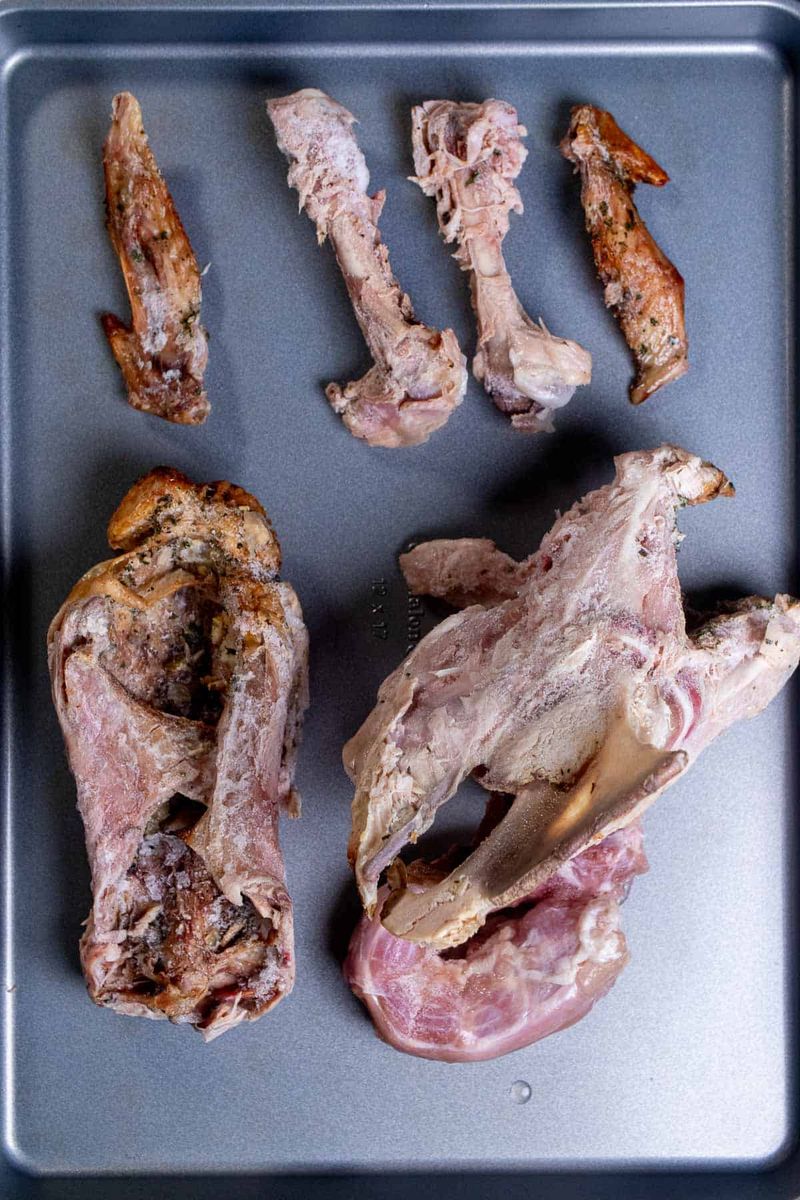
A roasted turkey carcass smells irresistible to raccoons and neighborhood dogs, which is exactly the problem with composting it. Meat and bone scraps can draw pests and create foul odors in a typical backyard compost pile.
I have to admit my own pile once became a nightly raccoon buffet after one lazy holiday decision. The critters dug through leaves and scattered scraps across the yard until I removed every last bone.
Backyard piles rarely get hot enough to break down meat safely, so harmful bacteria can linger for months. That risk matters even more if you plan to spread the finished compost around vegetables you eat raw.
Before tossing the carcass, simmer it with vegetable scraps to make a rich broth for winter soups. Once the broth is strained, the bones and meat bits go in a sealed bag in the trash.
The vegetable scraps from that broth pot are another story if they soaked up fat and meat juices. Those soggy carrots and onions now carry the same pest appeal as the turkey, so trash them too.
Some cities run curbside or drop-off food scrap programs that accept meat because commercial sites reach much higher temperatures. Check with your local waste hauler or county to see if a program operates in your area.
Keeping bones out of your backyard bin protects the pile and keeps the peace with your neighbors. A tidy compost spot is much easier to enjoy when nobody wakes up to scattered turkey parts.
9. Gravy Grease And Turkey Fat Stay Out Of The Bin
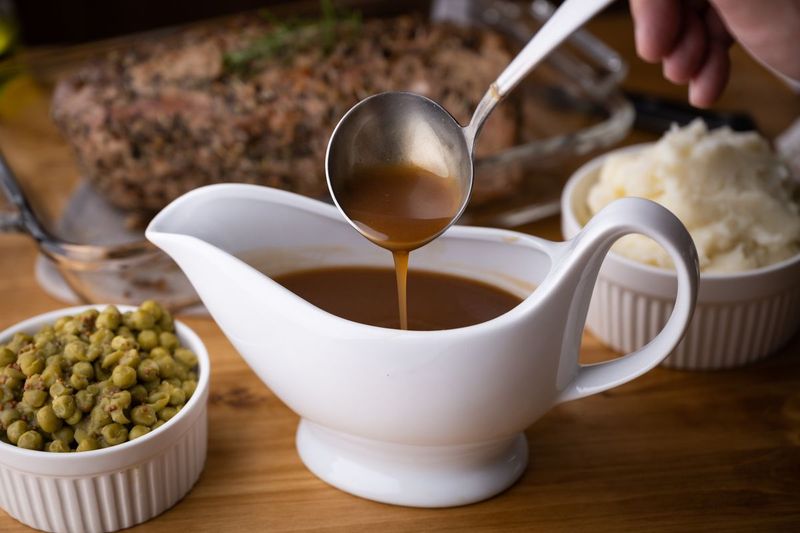
That jar of cooled turkey fat on the stove looks harmless, but it can gum up a compost pile fast. Oils and grease coat food scraps like a raincoat, blocking the air and moisture that microbes need.
When decomposition slows down, a greasy pile can turn smelly and slimy instead of becoming crumbly and earthy. Fatty scraps also send out a strong scent that draws rodents and other hungry visitors to your yard.
Leftover gravy and buttery mashed potatoes fall into this tricky group, even though they started as plant foods. Once fat soaks into a dish, the whole thing behaves more like grease than like a simple vegetable scrap.
Pouring grease down the kitchen sink causes its own trouble, since it hardens and clogs pipes over time. Many Michigan communities ask residents to keep fats and oils out of drains to prevent costly sewer backups.
Instead, let the grease cool in a can or jar, then seal it and place it in the trash. Some local recycling centers collect used cooking oil, so check your county website before the big day.
Personally, I scrape greasy plates into the trash first, then rinse them before touching the compost bucket nearby. That simple routine keeps the bucket clean and stops a slick film from coating the peels and coffee grounds.
A small dab of oil on a napkin is not a disaster, but large amounts should stay out. Your pile will reward that restraint with faster breakdown and a much more pleasant smell all winter.
10. Creamy Casseroles And Cheese Leftovers Attract Pests
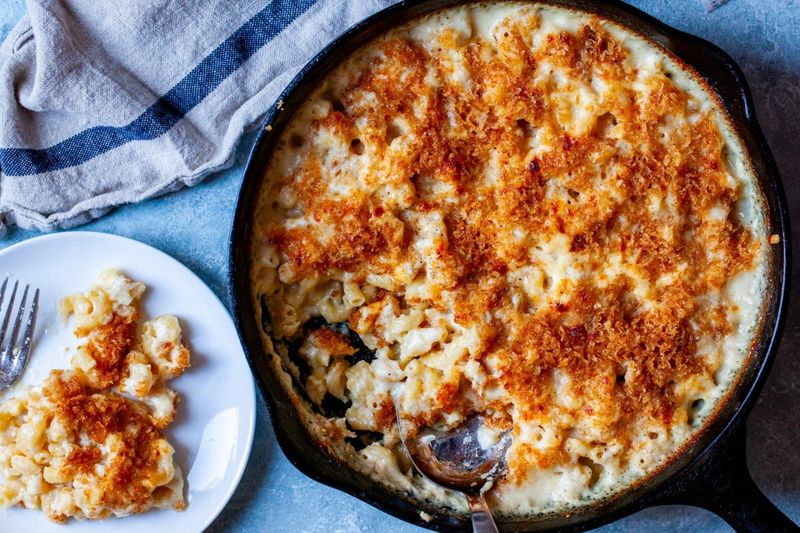
Leftover cheese trays and creamy casseroles might seem like natural food scraps, yet they cause real headaches in compost. Dairy products such as milk and yogurt tend to smell sour quickly and attract pests as they break down.
Green bean casserole is a classic example, thanks to the creamy soup and crunchy fried onions on top. The beans themselves would compost nicely, but the rich sauce turns the dish into a raccoon magnet.
I believe the smell alone is reason enough to skip dairy, especially in a bin near your back door. Spoiled milk products can create a rotten odor that lingers long after you cover the pile with leaves.
Whipped cream on pie plates and cheesy scalloped potatoes belong in the trash with the other rich leftovers. Scrape plates carefully so only plain fruit and vegetable bits end up in your compost bucket.
Pumpkin pie filling contains milk and eggs, so a large leftover slice should skip the backyard bin. The plain pumpkin scraps from your baking prep, on the other hand, are welcome and break down quite quickly.
Hard cheese rinds also stay out, since they can sit in the pile for months while drawing curious animals. Wrap them up with the meat scraps so everything heads to the curb together on trash day.
You need to think of dairy as a trash item for home piles, even when the amount seems small. A little extra sorting at the sink keeps your compost sweet smelling and far less tempting to wildlife.
11. Black Walnut Shells Carry A Hidden Garden Problem
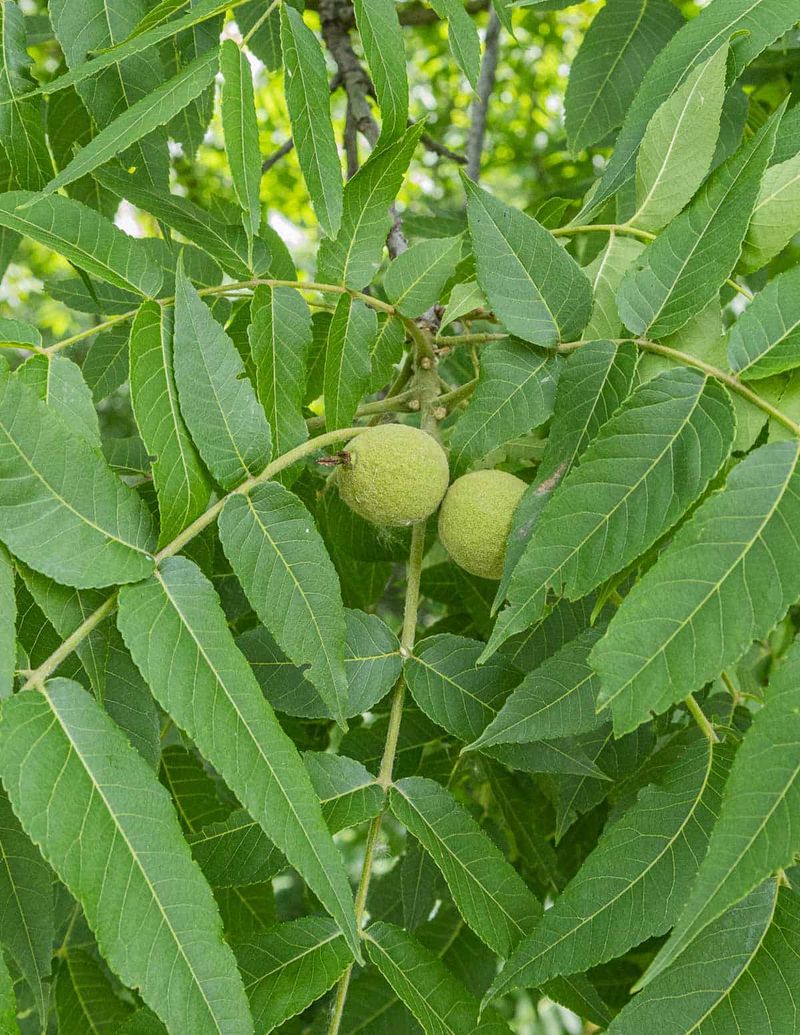
Black walnut trees produce a natural chemical called juglone, and it can stunt tomatoes and other sensitive garden plants. That surprising fact makes walnut shells one of the trickiest scraps sitting in your holiday nut bowl.
Black walnut, known scientifically as Juglans nigra, grows wild across much of Michigan and drops plenty of nuts each fall. Its hulls and roots contain the highest levels of juglone, though shells and leaves carry some too.
Tomatoes and peppers are especially sensitive, and they may wilt or struggle when juglone builds up in soil. Hot composting for several weeks can help break juglone down, but a cool home pile may not manage it.
Personally, I toss walnut shells in the trash rather than gamble with my tomato bed next summer. The shells are also rock hard, so they could take years to soften in a backyard bin.
English walnuts sold in grocery stores contain much less juglone, yet many guides still suggest keeping them out. Playing it safe costs you almost nothing, since a bowl of shells adds little nutrition to compost.
Other nut shells, like peanuts and pecans, are generally fine, as long as they are unsalted and unflavored. Crack or crush them first, because their tough outer coats need time and help to break down.
You might notice walnut trees growing near your property, so watch where those fallen leaves end up too. Keeping walnut debris out of your main compost pile protects next season’s vegetables from an unwanted surprise.
12. Produce Stickers And Plastic Bags Need The Trash Can
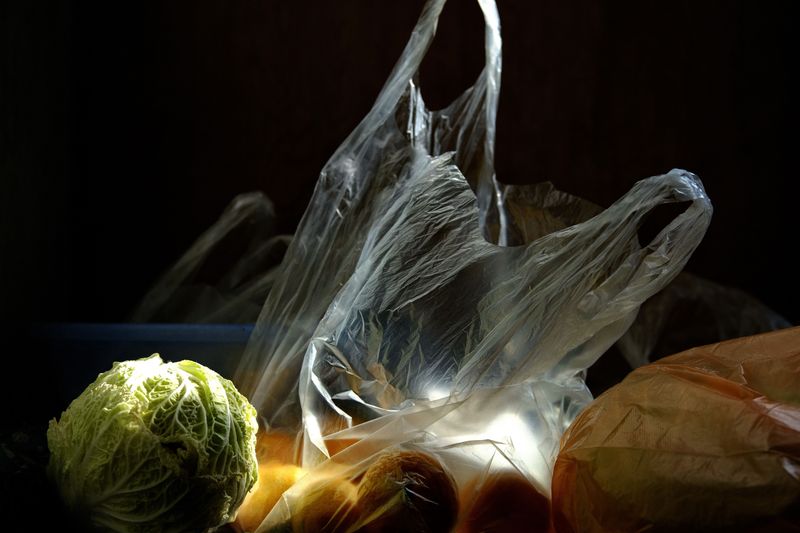
Tiny stickers on apples and sweet potatoes are usually plastic, and they outlast the fruit by years. Gardeners often spot them months later, clinging to finished compost like stubborn little price tags from the store.
I have to admit I used to skip peeling them off, until my garden beds sprouted colorful plastic confetti. Now I pull every sticker before scraps hit the bucket, and the habit takes only a few seconds.
Rubber bands around celery and twist ties on herb bunches also sneak into scrap buckets during busy cooking. Give each handful of scraps a quick glance before dumping it, especially when the kitchen gets hectic.
Plastic mesh produce bags from onions and citrus should go in the trash, not tangled into your pile. Bread bags and plastic wrap from casseroles belong there too, since none of them will break down.
Speaking of citrus, a few orange peels are fine, but large piles can slow things down in small bins. Chop the peels into small pieces and mix them well with leaves to keep the balance comfortable.
Foil pans and plastic utensils from potluck guests might end up in the scrap bowl by accident too. Set clearly labeled bins near the table, so everyone knows where forks and food scraps belong after dinner.
A clean compost pile makes your spring garden prep much easier and far more enjoyable in Michigan soil. Spending a minute sorting today means you spread pure, dark compost later without picking out bits of plastic.