9 Best Firewood Trees in Virginia, Ranked by Heat and Smoke
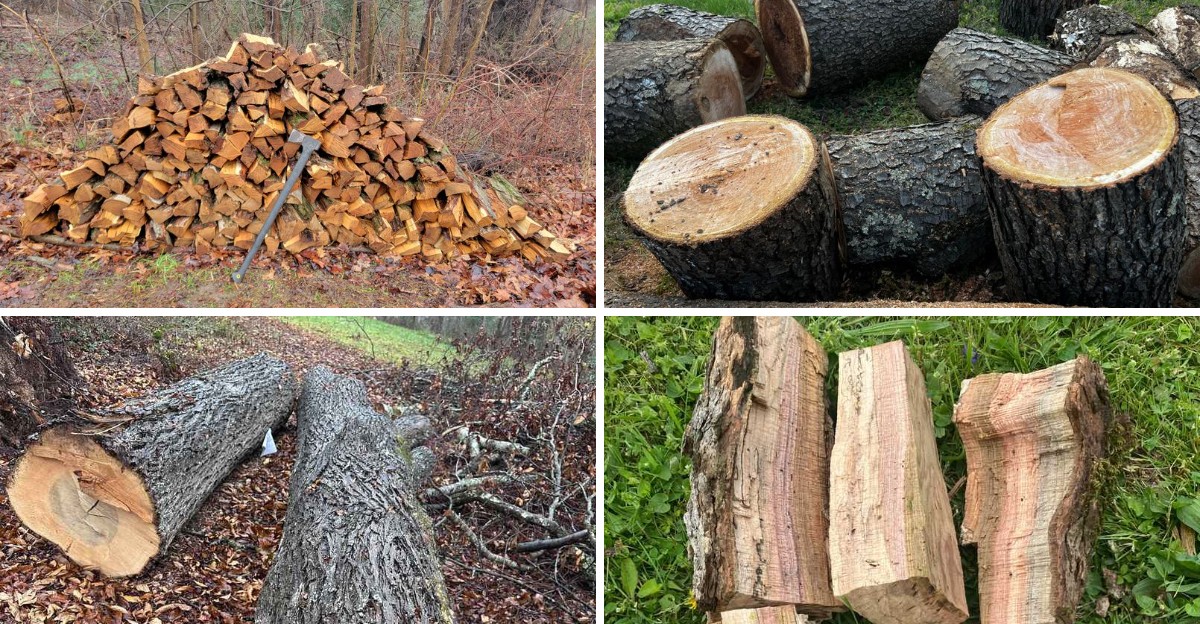
Freshly cut logs can be nearly half water by weight, and your fire must boil it off first. That hidden water steals heat from your stove and sends thick, sour smoke curling out of the chimney.
Tree species matter just as much, since the densest hardwoods can hold about twice the heat of lightweight softwoods. Virginia forests are packed with both kinds, so knowing the difference pays off every single winter evening.
Take it from someone who once burned a wet stack of the wrong wood and coughed through December. My garden taught me patience, but my woodpile taught me which trees deserve a spot near the hearth.
Some of the best picks grow along Virginia fence lines and old farm edges, hiding in plain sight. So which local tree burns hottest, and which one quietly fills your home with a sweet, fruity scent?
1. Black Locust
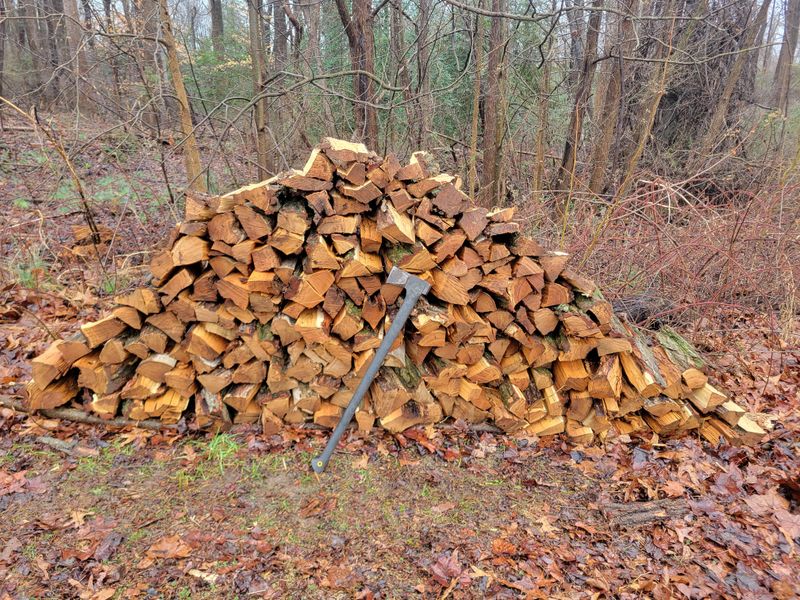
Old farmers split black locust for fence posts because the rot-resistant wood could stand in soil for decades. Toss a dry chunk into your stove, and that same toughness turns into fierce, steady heat for hours.
Most firewood charts place it around 26 to 28 million BTUs per cord, right beside the best hickories. If you ask me, that heat makes it the top pick for frosty mountain nights in western Virginia.
Black locust, or Robinia pseudoacacia, is native to the Appalachian region and often pops up along roadsides. Its yellowish wood looks almost greenish when freshly cut, which makes it fairly easy to spot in mixed piles.
Well-seasoned locust gives off very little smoke, so your chimney stays cleaner and your neighbors stay happier. Plan on about a year of drying, since the dense wood holds moisture longer than lighter species.
Between you and me, the sharp paired thorns on younger branches deserve real respect when you haul brush. Thick leather gloves save your hands, and long sleeves help when you drag limbs toward the chipper.
Locust can throw a few sparks and burns very hot, so it works best in a closed woodstove. Mixing it with a little oak or maple helps keep stove temperatures in a comfortable, safe range.
Splitting fresh rounds is usually easier than waiting until they dry, because the fibers grow stubborn with age. Stack the pieces bark up in a sunny, breezy spot, and next winter they will reward your effort.
2. Shagbark Hickory
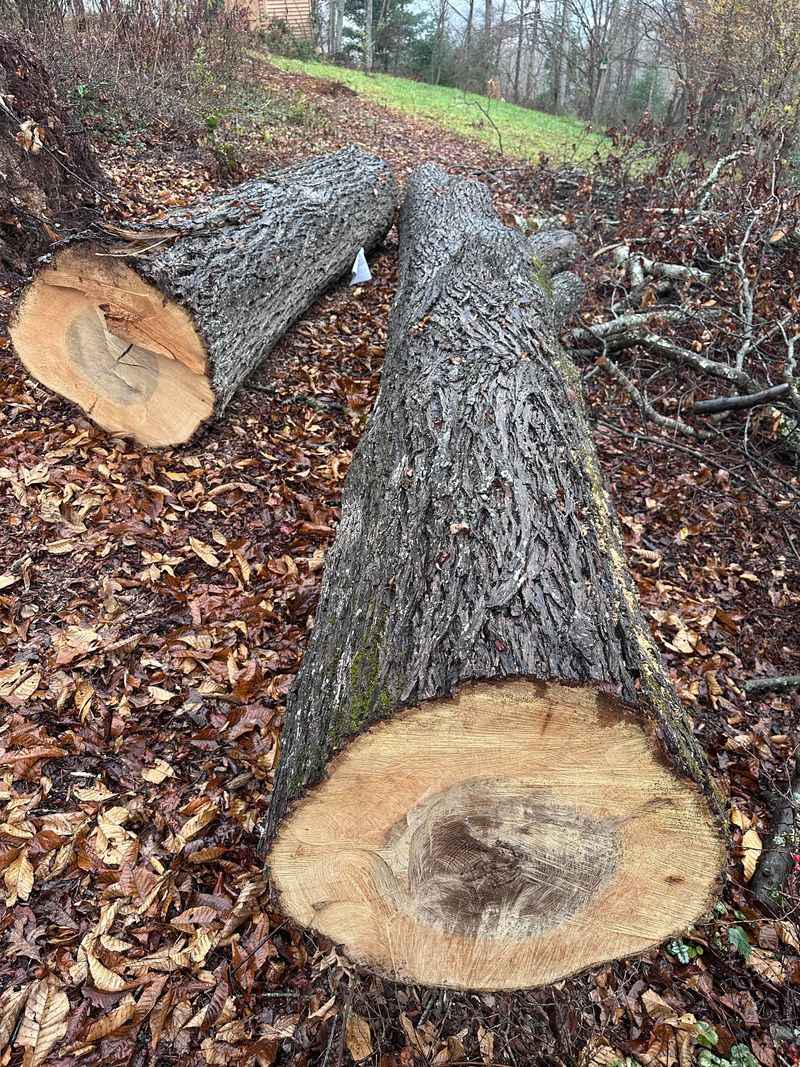
Long strips of shaggy bark peel away from this tree like an old shirt that badly needs replacing. Underneath that messy coat hides one of the heaviest, hottest burning woods you can stack by your door.
Shagbark hickory, Carya ovata, delivers roughly 27 million BTUs per cord according to many extension firewood tables. Its coals glow deep orange for hours, which means fewer chilly trips to reload the stove at night.
Funny thing is, the smell might win you over before the heat does, especially on a still evening. Hickory smoke has that sweet, savory scent people love around grills, and dry splits produce only a little.
Several hickory species grow across the state, including mockernut and pignut, and all of them burn wonderfully hot. You rarely need to sort them carefully, because their heat values land close to one another on charts.
Don’t make my mistake of leaving split hickory uncovered, since beetles and fungi move into damp, sappy wood quickly. A simple top cover keeps rain off while letting wind pass freely through the sides of the stack.
Give your hickory at least a full year to season, and longer if you cut big, thick pieces. Splitting by hand takes real muscle, so a rented hydraulic splitter can save your back and your weekend.
Squirrels adore the nuts these trees drop each fall, so keeping a living hickory nearby feeds plenty of wildlife. Save fallen limbs and storm-damaged trunks for the woodpile, and let the healthy giants keep growing.
3. White Oak
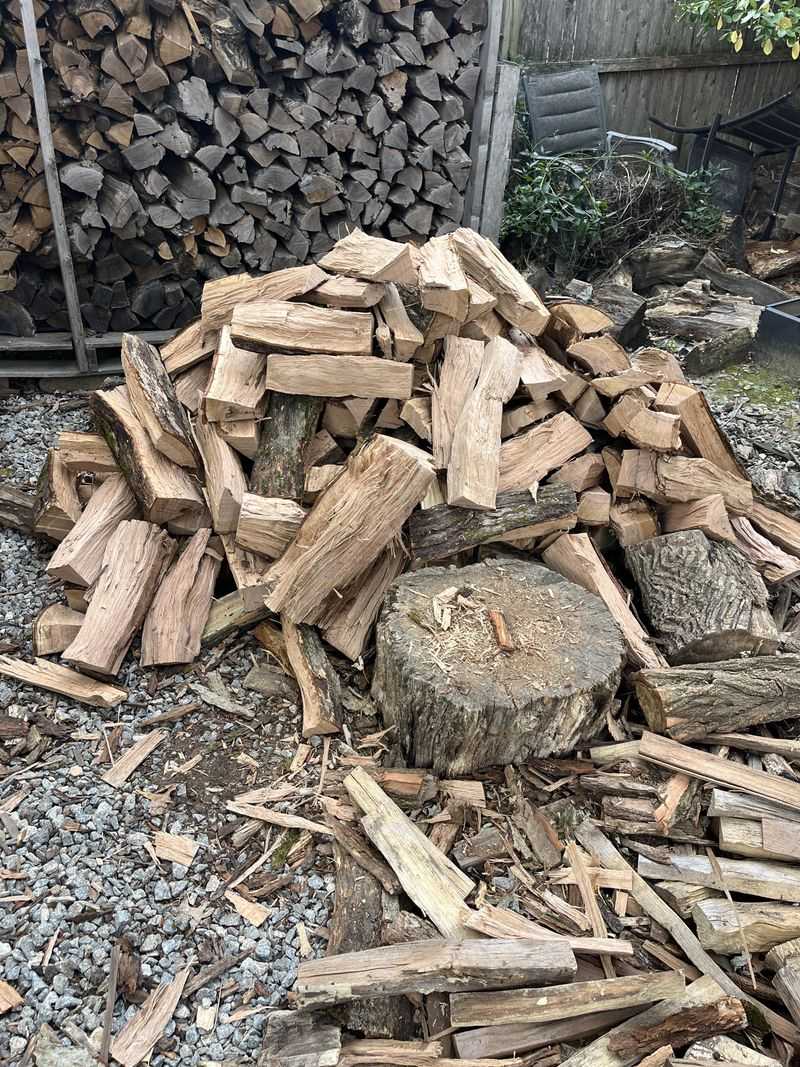
Deer and wild turkeys often hunt white oak acorns first, since they taste sweeter than most other acorns. That generous tree also happens to produce some of the most dependable firewood you can find around here.
Quercus alba packs roughly 26 to 29 million BTUs per cord, depending on which chart you happen to trust. It burns slowly and evenly, leaving a thick bed of coals that keeps the house warm until breakfast.
Patience is the price of admission, because dense white oak often needs eighteen months to two years of drying. Burn it too early, and the logs hiss and smolder while a gray haze drifts lazily across the yard.
Looking back, I should have started a two-year rotation much sooner instead of scrambling for dry wood each fall. Cut and split this year’s oak for the winter after next, and your future self will feel grateful.
Fully seasoned white oak produces little smoke, which helps reduce creosote buildup inside your flue over the season. A cheap moisture meter takes the guesswork away, and readings under about twenty percent signal the wood is ready.
You can recognize white oak by its rounded leaf lobes and pale, flaky bark that looks almost ashy gray. Those clues help when a storm drops a big limb and you want to know whether it belongs inside.
Splitting is easier than you might expect for such heavy wood, especially with straight-grained rounds from the trunk. Knotty crotch pieces can be stubborn, so set those aside for a splitter or toss them in whole.
4. Red Oak
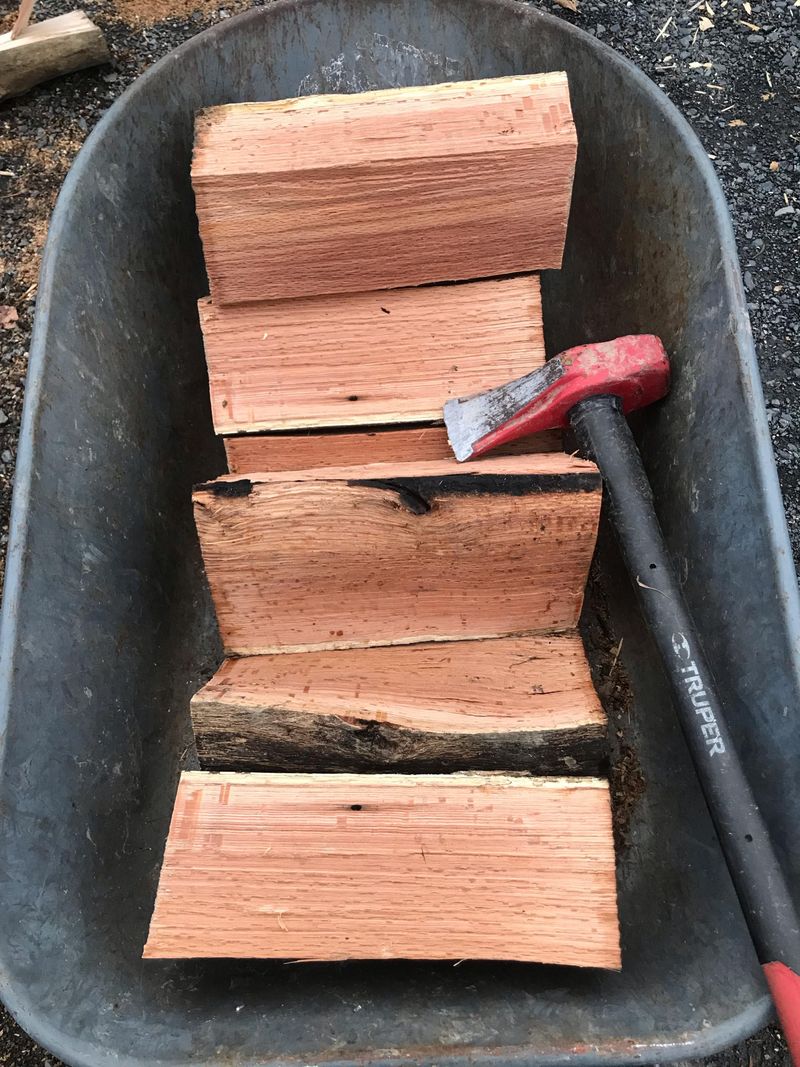
Fresh red oak smells a bit sour when split, and its open pores show as tiny holes on the ends. Those little channels let moisture escape faster than in white oak, which pleases impatient burners like me.
Quercus rubra and its relatives grow across much of the state, so they rank among the most common hardwoods around. Expect around 24 million BTUs per cord, which is only a small step behind its white oak cousin.
Red oak splits more cleanly than white oak, and a sharp maul often pops rounds open with one swing. For what it’s worth, that easy splitting makes it my favorite oak for a quiet Saturday workout.
Most guides suggest twelve to eighteen months of seasoning, though thick splits in shady spots may need longer. Look for cracks spreading across the ends and a hollow knock when two pieces bump together.
Properly dried red oak burns with low smoke and a steady flame that suits both stoves and open fireplaces. Damp red oak behaves very differently, hissing and smoking until you wonder why you bothered lighting it.
Oak wilt has been found in parts of Virginia, so buying or cutting wood locally is a smart habit. Moving logs long distances can carry tree diseases and insects into forests that have not seen them yet.
Pointed, bristle-tipped leaves help you tell red oaks apart from white oaks when they are still standing. Once a tree is down, though, both kinds belong in the same well-stacked pile near your back porch.
5. Sugar Maple
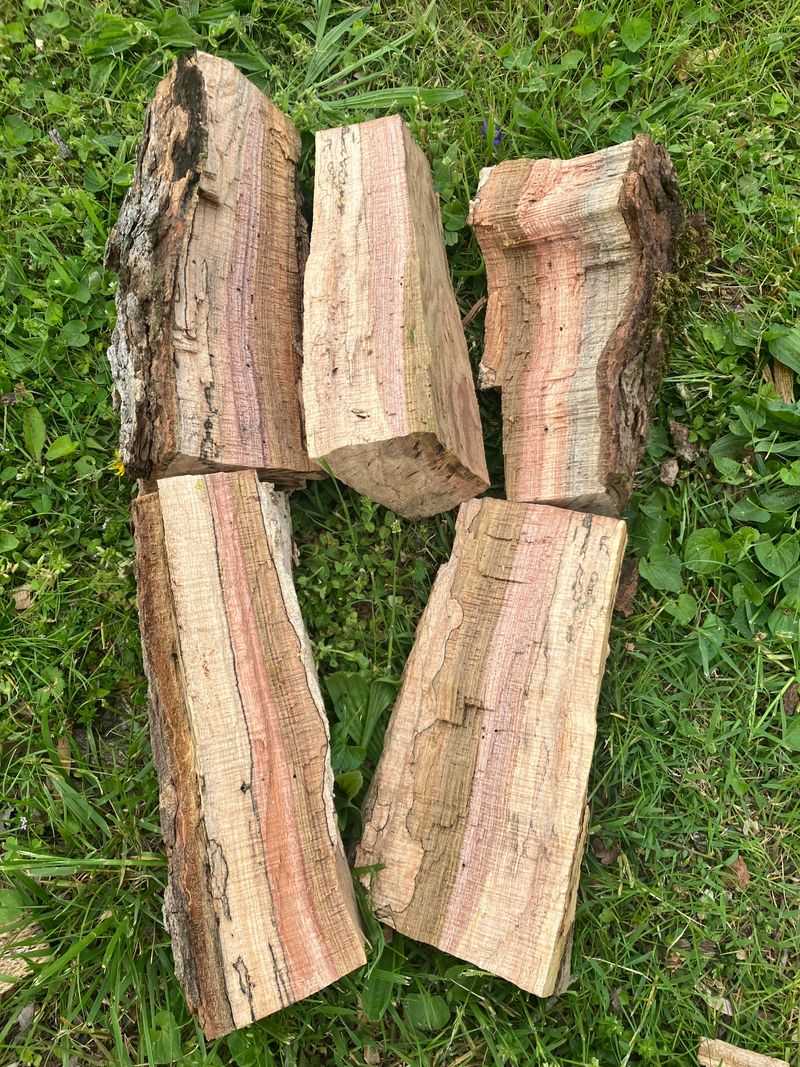
Sugar maples paint mountain hillsides bright orange each October, and their wood keeps that warm glow going indoors. Few trees manage to be this pretty in the yard and this useful in the stove at once.
Acer saccharum, often called hard maple, produces roughly 24 to 25 million BTUs per cord on most charts. That puts it in the same league as red oak, with a bright flame and dependable coals.
In this state, sugar maple grows mostly in the cooler western mountains, while red maple turns up nearly everywhere. Red maple is softer and burns a bit cooler, so check the leaves before you brag about hard maple.
In my own woodpile, maple has been the friendliest wood to split, with rounds that open up willingly. Fewer knots and straighter grain mean less sweat, and a basic splitting axe usually handles the job.
Dry maple burns cleanly with very little smoke, so it makes a pleasant choice for open fireplaces in living rooms. Plan on about a year of seasoning, and split pieces small if you need them ready sooner.
Watch for gray, spongy spots on stored maple, because the wood can start to rot if left damp. Raising the stack on pallets keeps the bottom row dry and lets air sweep underneath the pile.
Healthy sugar maples also offer sweet sap in late winter, so many folks tap them rather than cutting them. Save the fallen branches for your fire, and enjoy the syrup and shade from the trees still standing.
6. American Beech
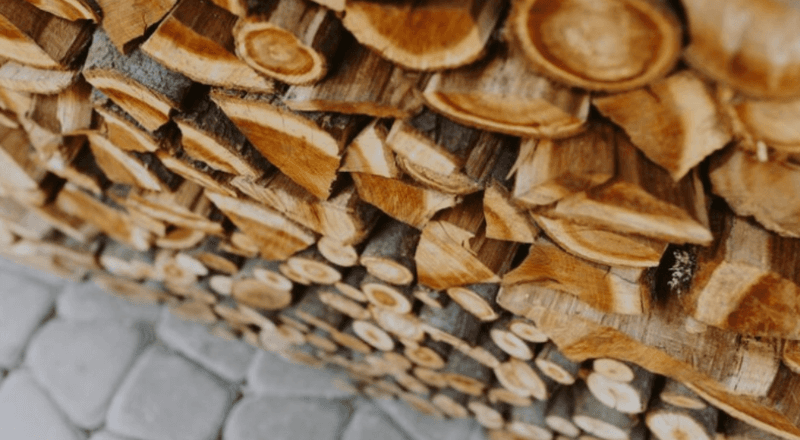
Smooth gray bark makes beech trees look like elephant legs planted in the forest, and kids love touching them. Split one open, and you find pale, heavy wood that burns with impressive staying power on cold nights.
Fagus grandifolia delivers roughly 24 to 27 million BTUs per cord, putting it neck and neck with sugar maple. What caught my attention is that beech often gets overlooked simply because folks fail to recognize it as logs.
Beech holds lots of water when freshly cut, so it needs a full year or more of drying time. Rushing it into the stove brings stubborn flames and extra smoke, which nobody wants on a chilly evening.
Once dry, beech burns cleanly with modest smoke and forms long-lasting coals that radiate gentle, even warmth. It also makes a fine choice for cooking over a campfire, since the heat stays steady and predictable.
Splitting can be tricky because the grain twists a little, especially in trees that grew in crowded spots. Split it while green, since dried beech gets tough, and work from the edges rather than the center.
Beech bark disease and the newer beech leaf disease are stressing trees in parts of the eastern United States. Keep your beech firewood close to where it was cut, which helps slow the spread of these problems.
Living beeches feed wildlife with small triangular nuts, and black bears and blue jays happily gobble them up. Let the healthy ones keep feeding the woods, and gather wood from limbs that storms bring down.
7. White Ash
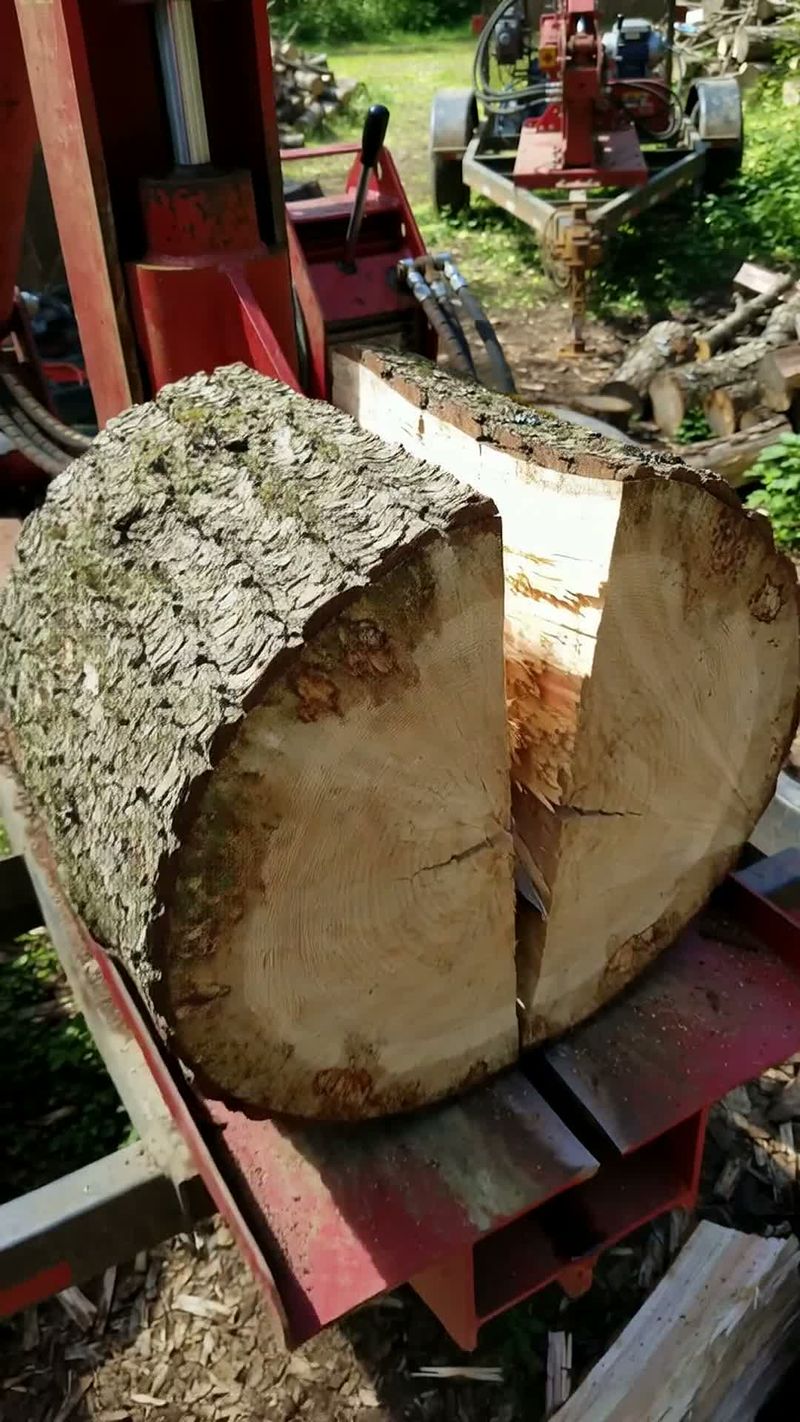
Baseball bats have been carved from ash for generations, thanks to wood that is strong yet surprisingly springy. That same straight grain makes white ash one of the easiest hardwoods to split for your woodpile.
Fraxinus americana delivers about 24 million BTUs per cord, which is solid heat for such a friendly wood. A sharp maul often sends rounds flying apart with one swing, and that feels wonderfully satisfying.
Ash starts with less moisture than most hardwoods, so it seasons faster and burns better when slightly damp. Still, six months to a year of drying gives you cleaner flames and much less smoke in the house.
Sadly, the emerald ash borer has hit ash trees hard across Virginia, and many stands have declined sharply. The beetle’s larvae tunnel under the bark, leaving winding S-shaped trails you can spot on peeled logs.
Between storms and borers, plenty of ash wood has become available, so you may find it easily this season. Burn it close to home, and avoid hauling ash logs long distances where the insects might hitch a ride.
Standing ash trees weakened by borers can become brittle quickly, which makes them risky to cut on your own. Calling a certified arborist for big trees near houses is money well spent, if you ask me.
Look for diamond-patterned bark and leaves with five to nine leaflets when identifying white ash in your yard. Valuable trees can sometimes be protected with insecticide treatments, so ask an expert before reaching for the saw.
8. Black Cherry
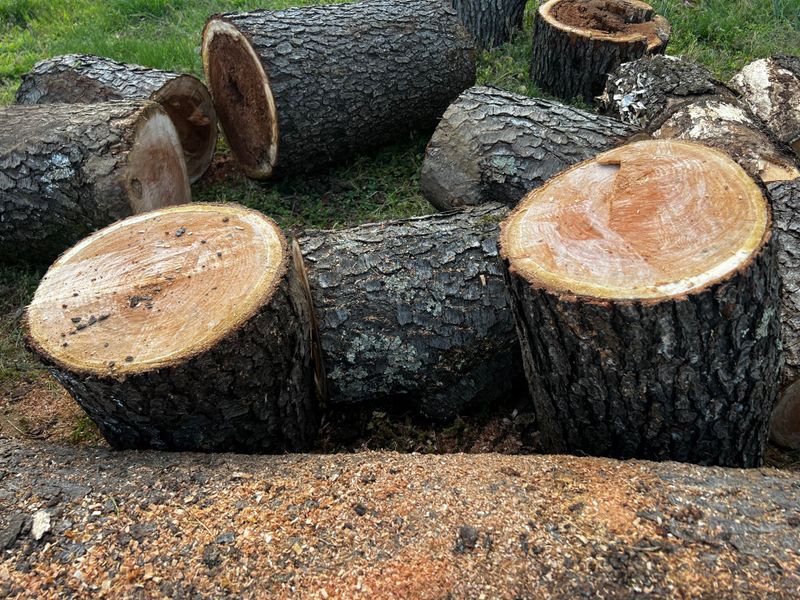
A split of dry black cherry smells faintly sweet, almost like a fruit pie cooling on a windowsill. Toss it on the fire, and that gentle aroma drifts through the room while the flames dance politely.
Prunus serotina lands lower on the heat ladder, producing around 20 million BTUs per cord on most charts. That moderate output suits mild spring and fall evenings, when a roaring oak fire would overheat the house.
Cherry dries fairly quickly, and many burners find it ready after six months to a year of seasoning. It splits easily too, which makes it a forgiving wood for beginners learning to swing a maul.
Low smoke and very few sparks make dry cherry a lovely choice for open fireplaces with kids nearby. In my house, cherry is the wood we save for holidays and evenings when friends gather around.
Black cherry grows readily in old fields and forest edges across the state, often sprouting from bird-dropped seeds. Its dark, flaky bark looks like burnt potato chips, which makes mature trees fairly easy to identify.
Wilted cherry leaves can be toxic to livestock, so clear storm-damaged branches promptly if horses or cattle graze nearby. Fresh green leaves and dry fallen leaves pose less risk, but wilting foliage deserves quick attention.
Mixing cherry with a hotter wood like oak gives you both lasting warmth and that sweet, cozy scent. Keep a small stack by the back door for quick fires when you want ambiance more than heat.
9. American Elm
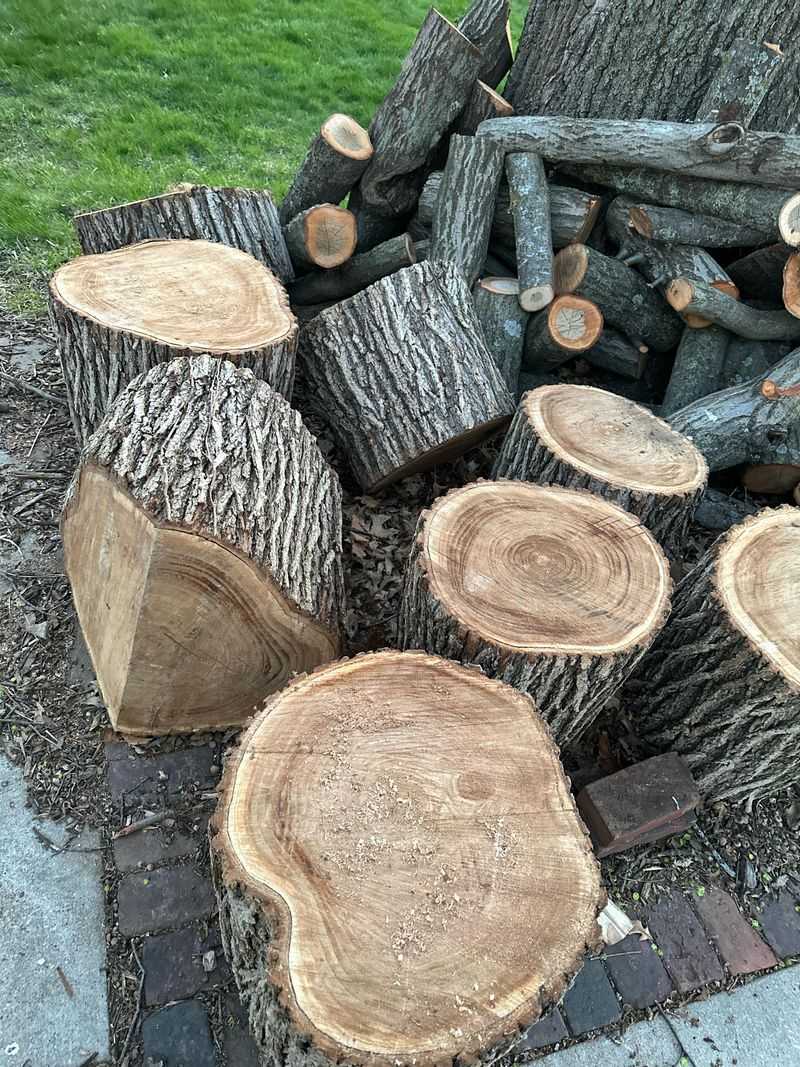
Grandparents in many towns remember tall elms arching over Main Street before Dutch elm disease swept through last century. Plenty of elms still grow along creeks and fencerows, and their wood earns a spot on this list.
Ulmus americana produces about 20 million BTUs per cord, placing it at the bottom of our heat ranking. That still beats pine and poplar by a fair margin, so elm deserves more respect than it usually gets.
Let’s just say elm fights back at splitting time, because its interlocked grain grips rounds like twisted rope. A hydraulic splitter makes the job manageable, and smaller rounds can simply go into a large stove whole.
Green elm holds a surprising amount of water, so give it at least a year to season properly. Wet elm smolders and smokes heavily, while dry elm burns with moderate smoke and a steady flame.
Elm forms a decent bed of coals, which helps hold heat through the night when you load it well. Pair it with a few oak splits, and the combination stretches your best wood a little further.
Elms weakened by disease often stand leafless in summer, and their bark peels away in loose sheets. Remove the bark before stacking, and keep the wood near where it fell so elm bark beetles stay put.
Honestly, elm taught me that stubborn wood can still warm a house quite nicely on cold nights. Grab it when a neighbor offers free logs, and save your energy by splitting only the biggest rounds.