The Eastern Native Shrub That Blocks Winter Wind In Pennsylvania Yards
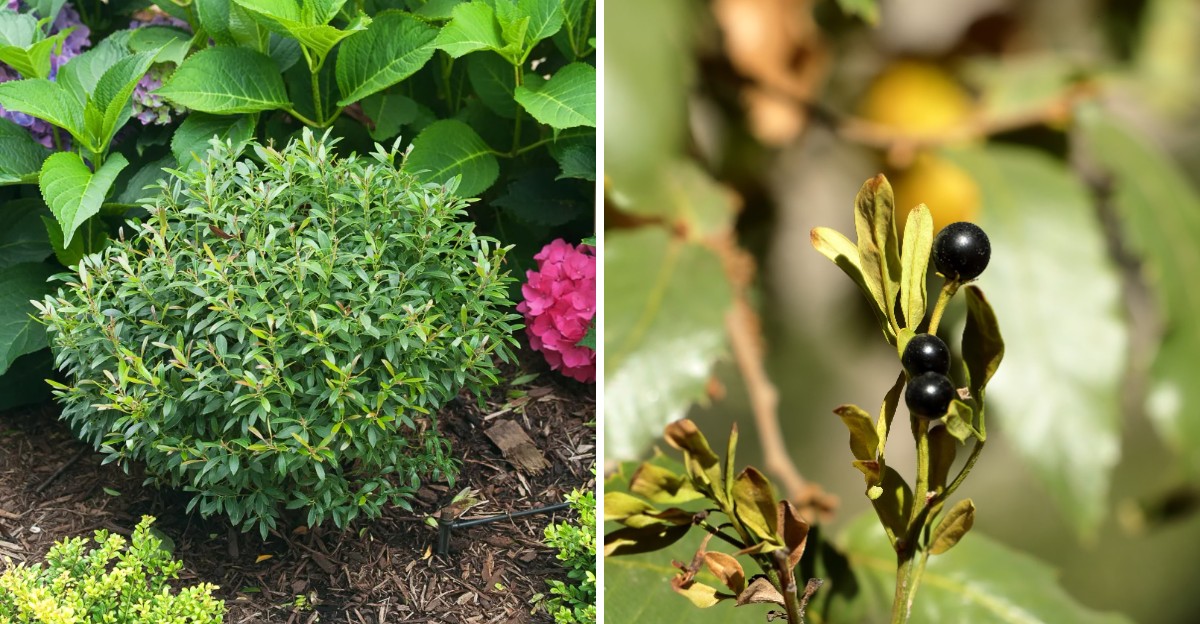
A shrub that grows wild in soggy coastal bogs can stand guard against January gusts in a Pennsylvania backyard. Its leathery leaves stay green through snow, sleet, and the coldest weeks of the year.
I used to walk right past it at garden centers. It looked like a plain little bush with no flowers worth bragging about. Then a friend planted a row along her windy property line, and her patio suddenly felt calmer in winter.
The most interesting part? Its small black berries can hang on into winter and help feed birds when food runs short. Deer usually leave it alone, which feels like a small miracle in many neighborhoods.
You probably have a cold, drafty corner that could use a living shield. So which humble native has been hiding in plain sight this whole time?
That Glossy Evergreen Hedge Holds A Winter Secret
Most of my yard looks bare and gray by January. One group of shrubs stays full, dark green, and steady, even when snow piles up around it.
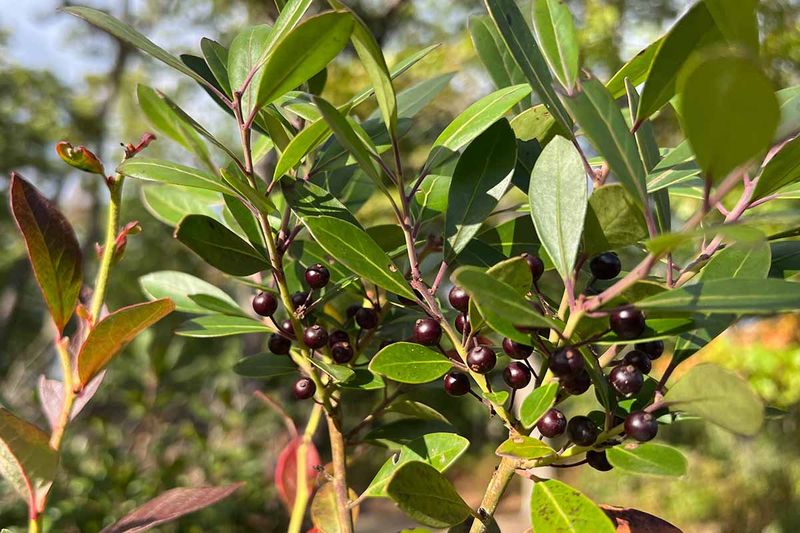
That shrub is inkberry holly, known to botanists as Ilex glabra. It is a holly native to the eastern United States, and Penn State Extension lists it among native shrubs suited to many home landscapes.
Unlike the spiky Christmas holly, its leaves are smooth, small, and oval, with a few tiny teeth near the tip.
The leaves stay on through winter, which matters more than anything for wind control. A leafless shrub lets most gusts slip through its bare twigs.
An evergreen with many stems and thick foliage slows that moving air before it reaches your house, patio, or tender plants.
Inkberry is hardy in roughly USDA zones 4 to 9, so it handles winters across the state. Gardeners from Erie to Philadelphia can grow it with the right soil.
It may not win a beauty contest in spring. Its quiet value shows up when the cold arrives and the shrub keeps working while everything else takes a break.
Many Thin Inkberry Stems Slow Down Icy Gusts
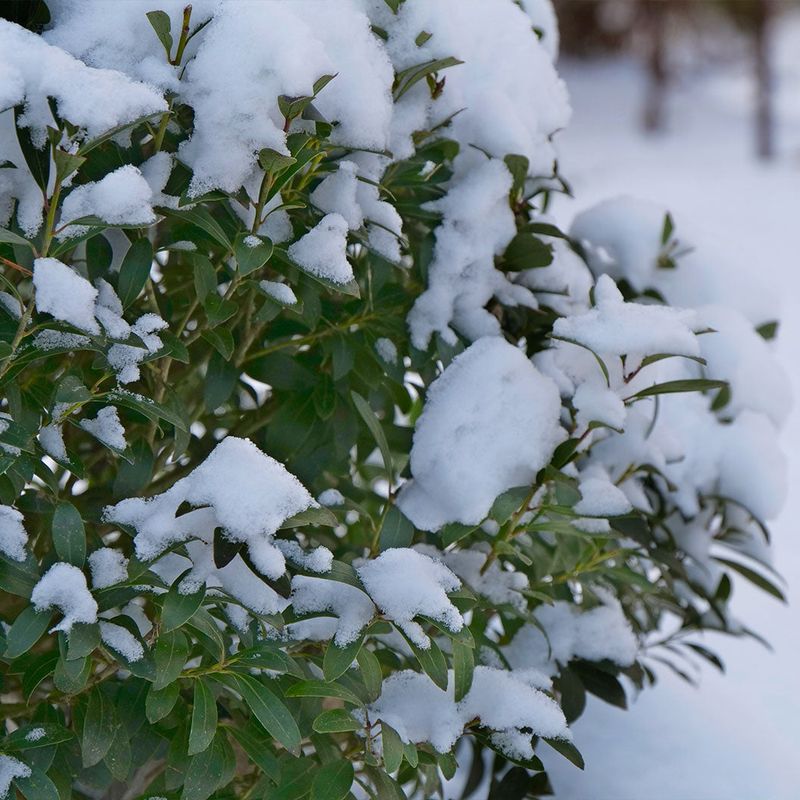
Here is a simple way to understand a windbreak. A solid wall makes wind tumble over the top and swirl behind it, while a leafy screen lets a little air filter through and slows the rest.
Inkberry holly fits that second job nicely. It grows as a multi-stemmed, rounded shrub, usually 5 to 8 feet tall in gardens, though wild plants can reach about 10 feet or more.
Its many upright stems, packed with small leaves, form a fairly dense barrier from the ground up.
Conservation agencies often say a windbreak works best when it is about 60 to 80 percent dense in winter. A row of inkberry, especially paired with taller evergreens, can help reach that range near your home.
The protected area behind a windbreak stretches several times the height of the plants. A 6-foot row will not shelter an entire farm, but it can calm a patio, a front entrance, or a bed of tender perennials.
I like to think of it as a soft fence. It filters the wind instead of fighting it, and that small change makes a cold afternoon feel much friendlier.
Soggy, Acidic Soil Makes Inkberry Holly Happy
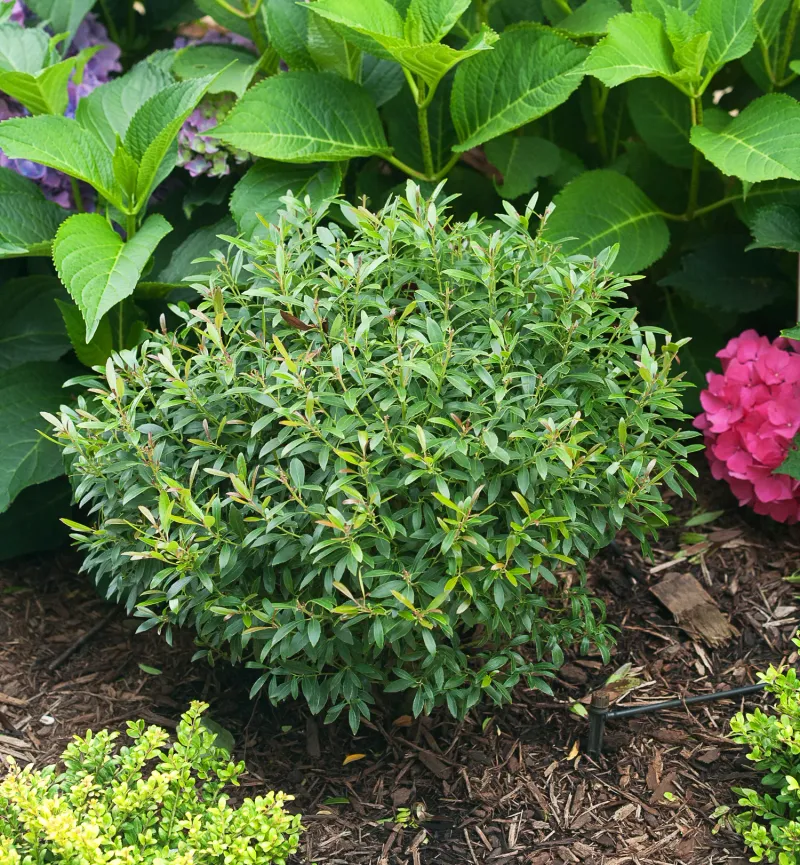
Got a low spot where water sits after every storm? Plenty of shrubs sulk in that kind of ground, but inkberry often feels right at home.
In the wild, this holly grows in bogs, wet pine woods, and swampy edges. That history explains why it handles moist and even soggy soil better than many evergreens.
It also tolerates occasional flooding, making it a smart choice near rain gardens or downspouts.
The big catch is pH. Inkberry wants acidic soil, ideally around 4.5 to 6.0. In alkaline soil, the leaves can turn yellow between the veins, a condition called chlorosis.
Some areas of Pennsylvania sit on limestone, so test your soil first through Penn State Extension or a home kit.
Light needs are flexible. Full sun gives the densest growth, which is what you want for a windbreak. Part shade works too, though plants may grow a bit looser and more open.
Dry, sandy spots are not a deal breaker. You will simply need to water more often during the first couple of summers while the roots settle in and spread.
Planting A Staggered Inkberry Row Works Best
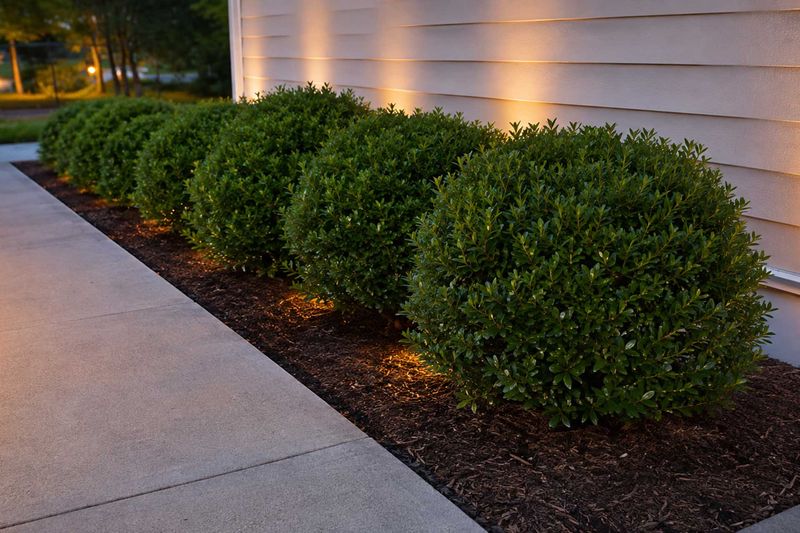
Grab your gloves, because placement makes or breaks a windbreak. A single shrub looks nice, but a group does the real blocking.
First, figure out where your winter wind comes from. In much of Pennsylvania, the coldest gusts tend to blow from the northwest, though hills and buildings can change that on your lot. Watch how snow drifts or which door gets hit hardest.
Plant on that windward side, set back from the area you want to protect. A staggered, zigzag double row closes gaps better than one straight line. Space plants about 3 to 5 feet apart, depending on the variety’s mature width.
Spring and early fall are the best planting windows. Cooler air and steady rain help roots grow before summer heat or hard frost. Water deeply once or twice a week the first season if rain is light.
A 2 to 3 inch layer of mulch keeps roots cool and moist. Pull it a few inches away from the stems to discourage rot and rodents.
Give the shrubs a few years. Inkberry grows at a moderate pace, and the screen thickens each season.
Bare Inkberry Legs Need A Little Trimming
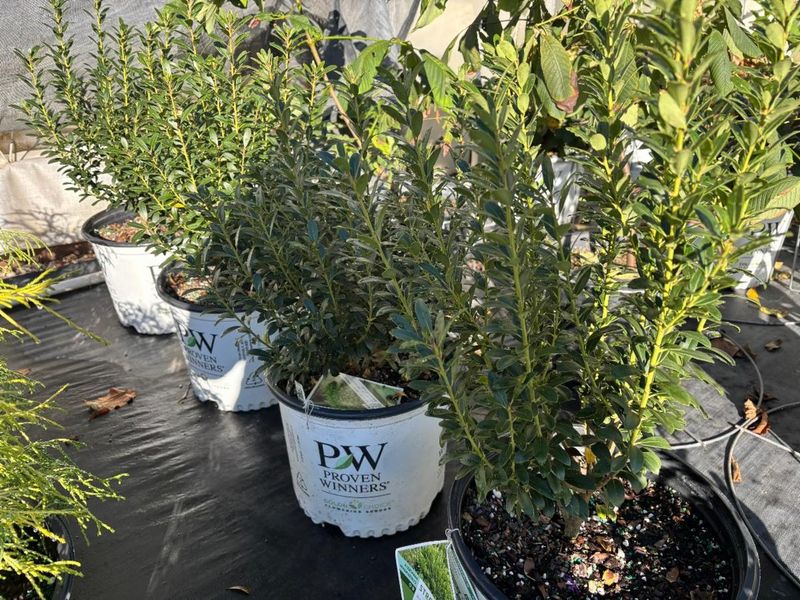
Nobody warned me that inkberry can get bald knees. Older plants sometimes lose their lower leaves, leaving gaps right where cold air sneaks through.
Shade often makes this worse, since lower branches get less light. Luckily, the fix is easy and forgiving. Inkberry handles pruning well and bounces back with fresh growth.
Late winter to early spring, before new growth starts, is the best time to trim. Cut a few of the oldest, leggiest stems close to the ground.
New shoots will rise from the base and refill the bottom of the shrub over the next season or two.
Very overgrown plants can be cut back hard, to about a foot tall. It looks rough for a while, but healthy inkberry usually regrows thickly. Just know you will lose some wind protection that year.
Shaping the top slightly narrower than the base also helps. That way sunlight reaches the lower leaves and keeps them growing.
Inkberry spreads slowly by suckers too. In a windbreak, I let those new stems fill in gaps. If they wander into a path, simply snip them off at ground level.
Birds And Bees Love Those Little Black Inkberries
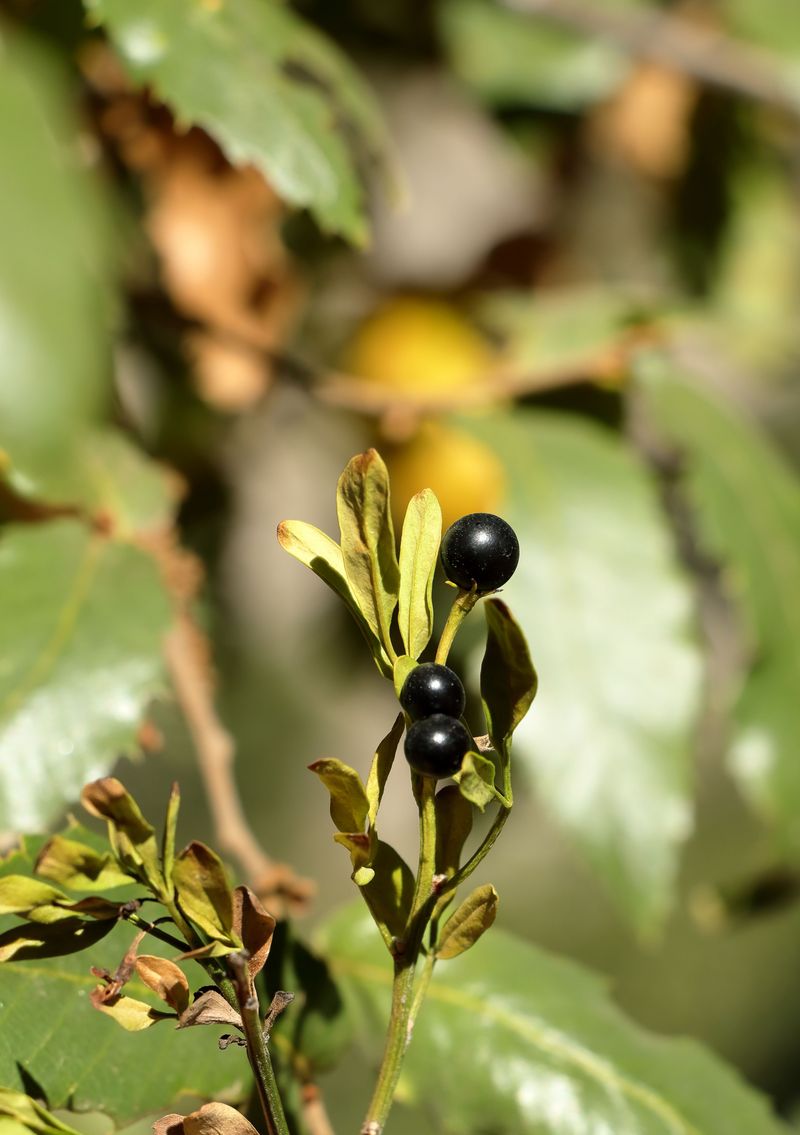
The name comes from the fruit. Female inkberry plants produce small, round, glossy black berries that look like tiny drops of ink.
Like most hollies, inkberry has separate male and female plants. Only females make berries, and they need a male plant nearby for pollination.
If fruit matters to you, buy at least one male for every few females, or check whether wild plants grow close by.
Those berries often hang on into late winter. Birds tend to eat them after tastier options are gone, which makes them a helpful backup food. Mockingbirds, bluebirds, and other songbirds have been recorded feeding on them.
In late spring, tiny whitish flowers appear. They are easy to miss, but bees notice. Beekeepers in the Southeast prize gallberry honey, made from this same plant.
The dense evergreen branches give birds a place to hide from hawks and shelter from cold winds. Your windbreak quietly becomes a winter hotel.
Deer usually skip inkberry, according to many extension sources. No shrub is fully deer-proof when animals get hungry, but this one tends to fare much better than arborvitae.
Pick The Right Inkberry Holly Variety For Your Wind Wall
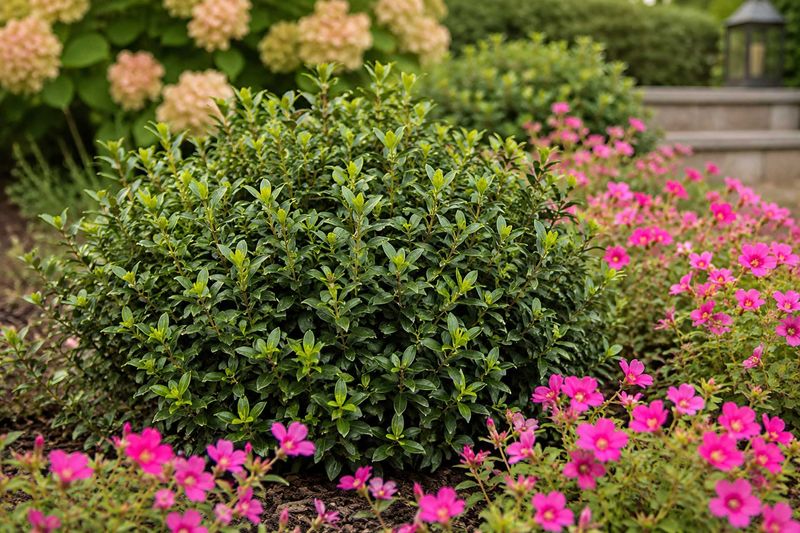
Walk into a nursery and you may find several kinds of inkberry. Each one grows a little differently, so a quick label check saves headaches later.
For wind blocking, taller and fuller types work best. The straight native species gives the most height and wildlife value.
‘Compacta’ grows around 4 to 6 feet with a tidy habit. ‘Shamrock’ stays compact and dense, which suits foundation plantings and smaller yards.
Dwarf varieties like ‘Gem Box’ look charming but stay short, often under 3 feet. They protect low beds but will not shelter a patio. Also note that many named types are female-only or male-only, which affects berries.
I truly believe the smartest windbreak mixes plants. Pair inkberry with taller native evergreens like eastern red cedar or American holly. Inkberry fills the low layer while the trees catch higher gusts.
Your best next step is simple. Test your soil, find your windy side, and plant a small group this spring or fall.
Choosing natives over invasive shrubs like burning bush also supports local wildlife. You will wonder why you waited, especially on the next blustery morning outside.