Most Pennsylvanians Don’t Realize What Squirrels Do For Their Yards
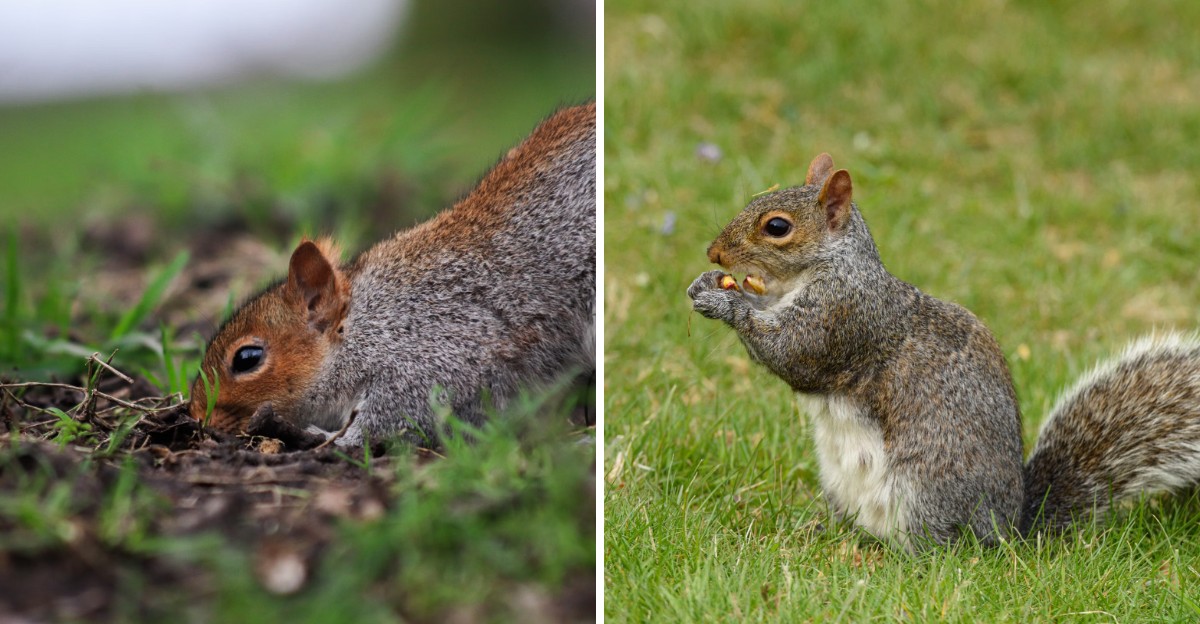
A busy backyard rodent may bury thousands of acorns each autumn, then lose track of many hidden snacks. Some of those forgotten nuts sprout into oaks that may shade Pennsylvania streets for over a century.
Researchers have watched these furry gardeners sniff out wormy acorns and eat them before the grubs can spread. Meanwhile, the healthy acorns get tucked carefully into the soil, almost like seeds planted by a careful hand.
I have to admit that I once chased them off my bird feeder with a broom and a grumble. Over time, I started noticing small oak seedlings popping up in corners where I had planted nothing at all.
You might be surprised how much quiet work these acrobats do across Pennsylvania lawns and garden beds every year. Could the furry critter raiding your feeder actually be one of the hardest workers in your whole yard?
1. Forgotten Acorns Grow Into Mighty Oak Trees
Every autumn, my front walk turns into an obstacle course of acorn caps and busy little gray tails. Each eastern gray squirrel scatters its stash across dozens of separate holes rather than one big pantry.
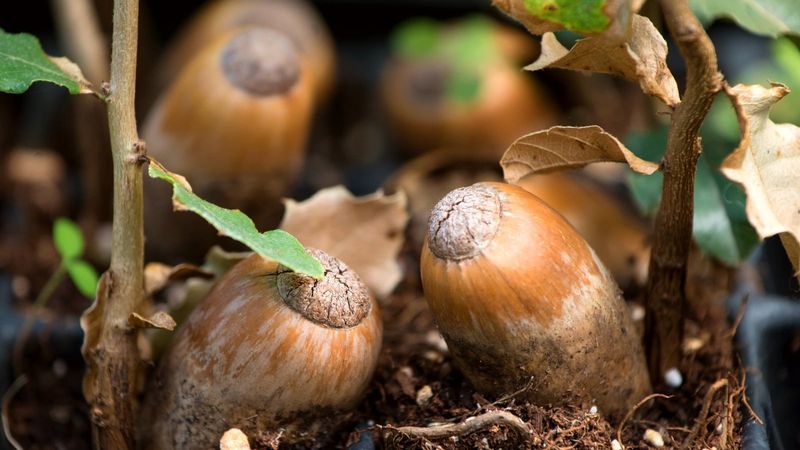
Scientists call this habit scatter hoarding, and it carries oak and hickory seeds far from parent trees. Seeds that land away from the mother tree face less competition for sunlight and room to spread roots.
Squirrels find many caches later by memory and smell, yet plenty of buried nuts stay in the ground. Those leftovers can sprout the next spring, giving the woods a fresh crop of young trees for free.
Pennsylvania forests lean heavily on oaks, which feed hundreds of caterpillar species and many larger animals too. Losing a few acorns to hungry squirrels seems like a fair trade for planting the next generation.
You might notice tiny oak seedlings poking through mulch or hiding along the edges of your fence line. If a spot suits a big tree, consider letting one grow and protecting it with a wire cage.
Seedlings in flower beds or right beside foundations are easy to pull while their roots stay small. Personally, I pot up a few and share them with neighbors who want a native shade tree.
Mature oaks can take decades to reach full size, so a squirrel-planted sapling becomes a lasting gift. I love knowing a scruffy backyard visitor might start a tree my grandkids will someday climb.
2. Digging Squirrels Loosen Hard Packed Garden Soil
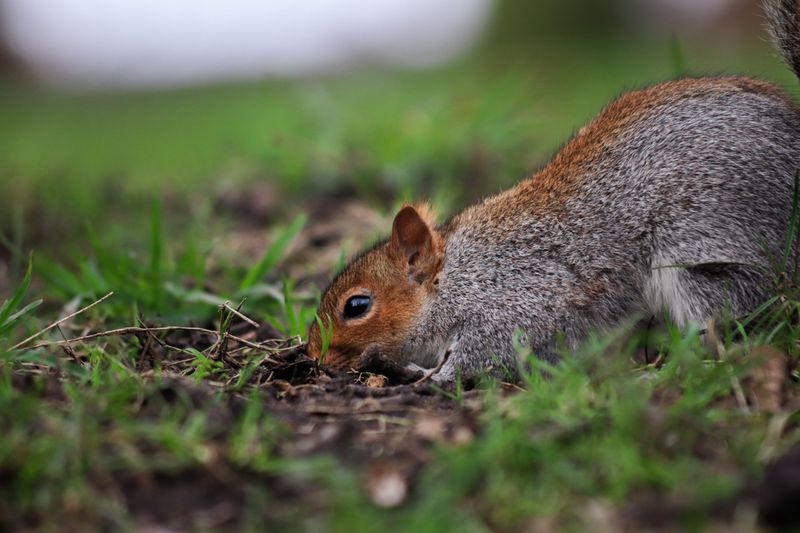
Watch a squirrel bury a peanut and you will see a blur of paws flinging dirt every direction. Within seconds, a shallow hole appears, the nut drops in, and loose soil gets patted back down.
Each little hole is shallow, usually just an inch or two deep, but squirrels dig them by the hundreds. That steady poking breaks the crusty top layer that forms on lawns after heavy rain and foot traffic.
Loosened soil lets rainwater soak in instead of running across the surface and washing toward the street. Air also reaches roots more easily, and healthy roots need oxygen just as much as they need water.
I have to admit the effect is modest compared with earthworms or a proper core aerator in spring. Squirrels are helpers, not replacements, so think of their digging as a small bonus rather than a cure.
Heavy clay soils are common in many parts of Pennsylvania, and compaction there can stunt grass quickly.
Any extra loosening, even from tiny paws, helps water reach deeper where thirsty roots can actually use it.
You can boost the benefit by spreading compost on beds and avoiding walking on wet soil whenever possible.
Leaving some leaf litter under shrubs also invites worms and beetles that keep the ground soft and crumbly.
Fresh bulb plantings are the exception, since squirrels love digging up tulip bulbs right after you plant them. Laying chicken wire over new bulb beds keeps the digging crew busy elsewhere until roots settle in.
3. Squirrels Spread Mushroom Spores That Feed Tree Roots
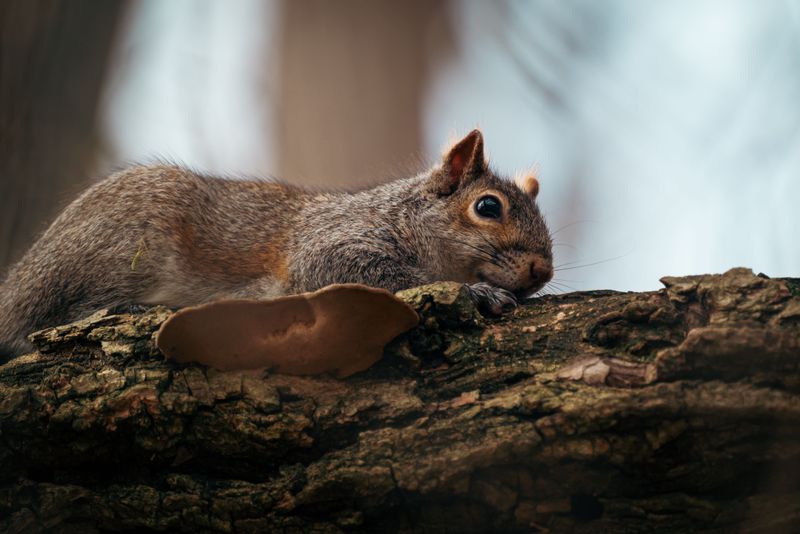
Squirrels have a surprising taste for mushrooms, and some even dig up underground truffles hidden beneath the leaves.
Red squirrels are famous for drying mushrooms on tree branches like tiny snacks set out on a clothesline.
When they eat fungi, many spores pass through their digestive system unharmed and land somewhere new later. Each dropping becomes a small packet of spores ready to start a fresh fungal colony in the soil.
Many of these fungi are mycorrhizal, which means they partner directly with the roots of living trees. Fungal threads stretch far beyond the roots, gathering water and nutrients the tree could not reach alone.
In return, the tree shares sugars it makes from sunlight, so both partners come out ahead in the deal.
Oaks and pines both benefit from these partnerships, especially young seedlings trying to get established in tough spots.
What surprises me most is how a squirrel moving across a yard can quietly help connect underground networks. You will not see the effect, yet it supports the health of shade trees you already love.
Please resist tasting any wild mushroom that pops up in your lawn, since many species are toxic to people.
Squirrels can safely eat some fungi that would make humans or pets quite sick, so leave identification to experts.
Fungi thrive when you leave fallen leaves and a few rotting logs in quiet corners of the yard. Skipping heavy fungicide use around trees also protects the helpful fungi that roots depend on every season.
4. Picky Gray Squirrels Bury The Healthiest Acorns
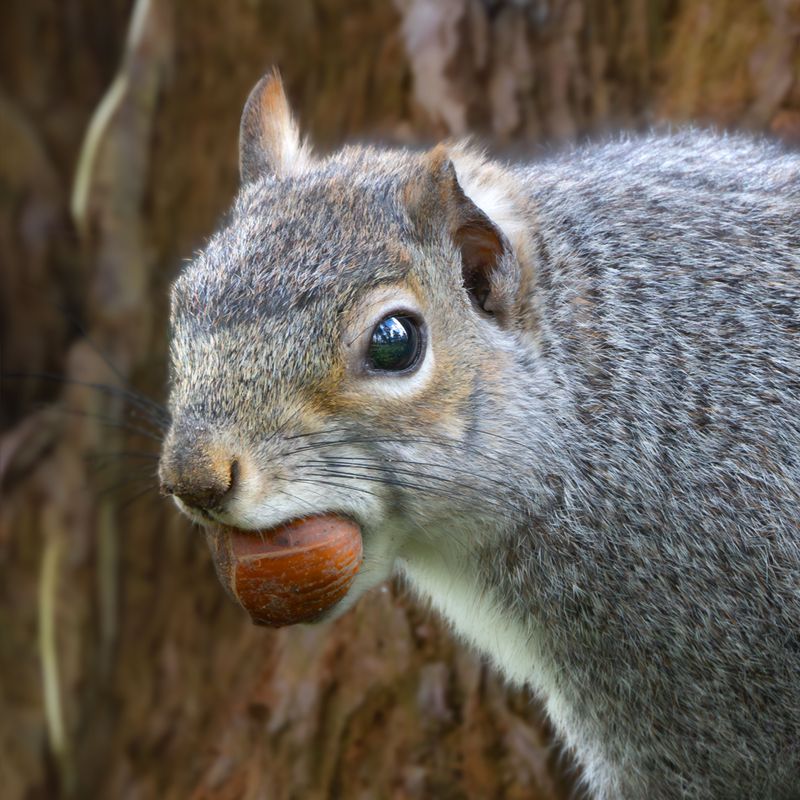
Some squirrels seem to inspect acorns like shoppers checking melons for bruises at a farmers market.
Researchers studying eastern gray squirrels in Pennsylvania found they often eat acorns holding weevil larvae right away.
Sound acorns, meanwhile, were more likely to be carried off and buried for later meals in winter. Scientists believe squirrels may judge acorns by weight and scent, catching clues about grubs hiding inside.
Eating the wormy acorns removes some weevil larvae before they can crawl out and burrow into soil. That may mean fewer adult weevils emerging nearby, though acorn crops still vary widely from year to year.
Squirrels also treat oak types differently, which is a fascinating twist that researchers have tested many times. White oak acorns sprout soon after falling, so squirrels tend to eat them rather than store them.
Red oak acorns stay dormant until spring, making them better for storage and more likely to get buried. Some squirrels even nip the embryo out of white oak acorns to stop them from sprouting in storage.
I love how this careful sorting means many buried acorns are healthy ones with a real chance to grow.
Forgotten caches then give strong seedlings a head start, rather than leaving behind hollow shells chewed by grubs.
You can encourage this natural sorting by leaving some fallen acorns under oaks rather than raking every single one.
Bag the extras near patios or driveways, where crushed acorns get slippery underfoot and stain concrete.
5. Hawks And Foxes Rely On Squirrels For Dinner
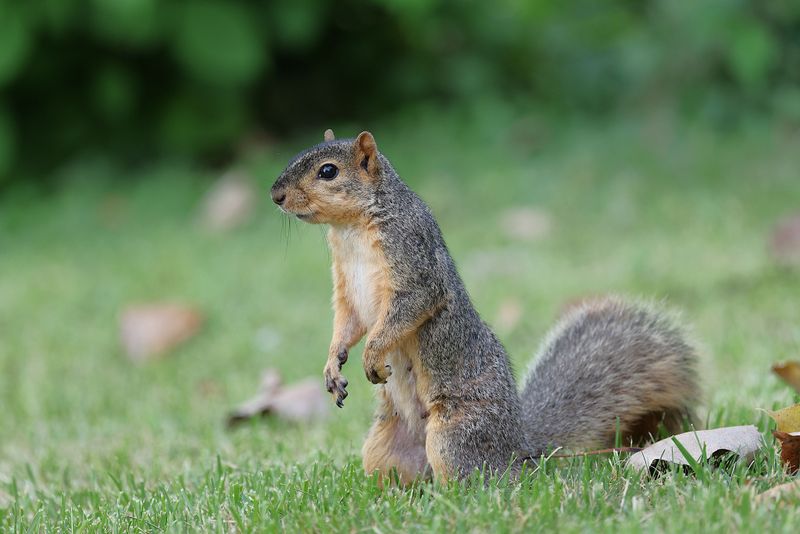
A red-tailed hawk perched quietly on a light pole is often waiting patiently for a careless squirrel below. Seeing that drama unfold from my kitchen window is better than any nature program on television.
Squirrels are an important food source for many predators, including hawks, owls, foxes, and bobcats across Pennsylvania.
Great horned owls hunt them at dawn and dusk, while hawks take advantage of bright daytime hours.
A steady squirrel population helps these hunters raise healthy young, especially during late winter and early spring.
Predators then help keep rodent numbers in check, so the whole backyard food web stays more balanced.
Squirrels also feed snakes and weasels, and young squirrels sometimes become meals for raccoons or crows in spring. Every link in that chain supports a wider variety of wildlife you might enjoy spotting around your home.
You need to resist the urge to use rodent poisons, since hawks and owls can eat poisoned animals. Those toxins move up the food chain and can sicken the very raptors that hunt rodents for free.
Tall trees with sturdy limbs give hawks a lookout perch, and a nest box can welcome screech owls. Eastern screech owls readily use wooden boxes mounted roughly ten to thirty feet high on a tree trunk.
Watching a fox trot through your yard at dusk feels like a reward for keeping things wild. Personally, I think a healthy squirrel crowd is a sign the neighborhood ecosystem is working as intended.
6. Busy Squirrels Tidy Up Fallen Nuts On The Lawn
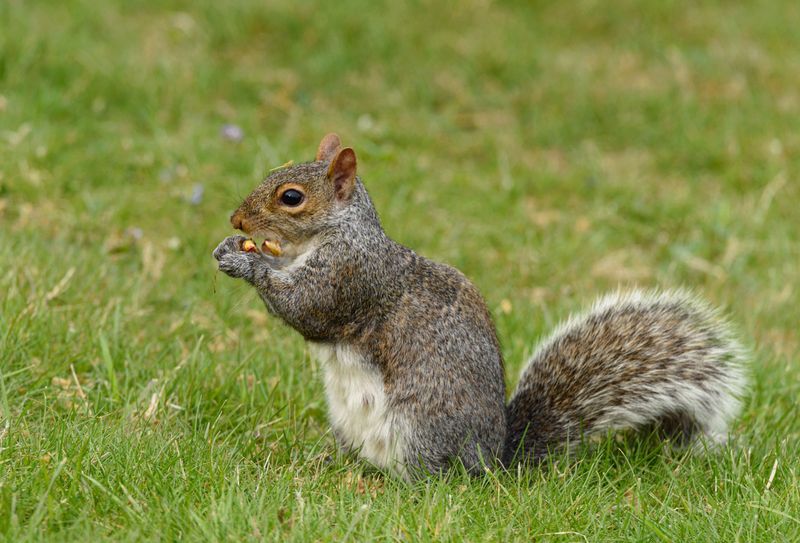
Hickory nuts rolling underfoot can feel like walking on marbles, especially on a sloped driveway in October. Thankfully, squirrels often scoop up those nuts long before I find time to grab a rake and bucket.
Their constant gathering clears plenty of fallen nuts and seeds from lawns and walkways throughout the autumn season. Fewer nuts left lying around means fewer rotting piles that can smell musty or attract unwanted insects.
Black walnuts deserve special attention, because their roots and hulls release juglone, a compound that harms many plants.
Tomatoes and peppers are especially sensitive, so having squirrels haul walnuts away from vegetable beds can help.
Squirrels also eat plenty of seeds that might otherwise sprout into unwanted saplings in lawns and borders. A nut that gets eaten is a seedling you will not need to pull out next spring.
I have to admit the cleanup crew is not perfect, since buried nuts sometimes sprout in odd places. Overall, though, they move a surprising amount of debris that would otherwise sit in the grass for weeks.
Spilled birdseed under feeders is another snack they happily clear, though it can draw them close to the house. A wide tray under the feeder keeps the mess contained while still giving squirrels something to tidy.
You can still rake heavy nut drops near walkways for safety and leave the rest for the furry crew. Mowing over hickory nuts can damage blades, so letting squirrels handle a share saves wear on equipment.
7. Squirrel Droppings Return Nutrients To Garden Soil
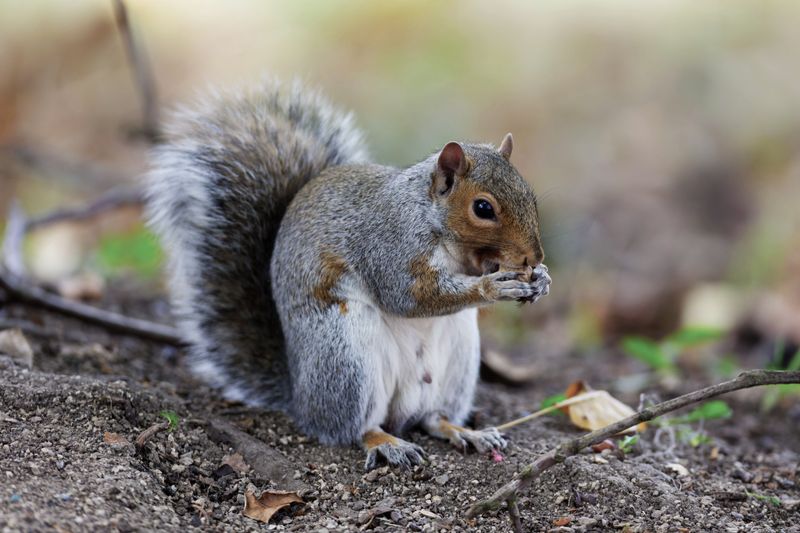
Chipmunks and tree squirrels leave behind tiny pellets that most gardeners overlook while weeding beds in summer.
Those little droppings may seem unpleasant, yet they return a small amount of organic matter to the soil.
Like other animal manure, squirrel droppings contain nitrogen and other nutrients that soil microbes break down slowly. Spread thinly across a yard, this gentle trickle of fertilizer feeds the living soil without any effort.
The amount is modest, so nobody should expect squirrels to replace compost or a soil test. Think of their contribution as a light seasoning, adding a bit of nutrition each time they visit.
Chewed pine cones and scattered nut husks they leave behind also break down and feed fungi and bacteria. Those piles of shredded cone scales, called middens, can build rich layers of organic material over years.
Hygiene matters, so wear gloves when gardening and wash your hands well after handling soil near feeders.
Avoid touching droppings directly, and keep pets from snacking on them, since wild animal waste can carry germs.
Healthy soil benefits from many small inputs, and leaving grass clippings on the lawn adds even more nitrogen.
Combined with the bits left by squirrels, those clippings help feed lawns between your regular compost applications.
I like how nothing in a living yard goes to waste, even the messy leftovers of busy rodents. Next time you spot a nibbled cone on the patio, remember it is slowly becoming garden food.